

Updated:
Readtime: 10 min
Every product is carefully selected by our editors and experts. If you buy from a link, we may earn a commission. Learn more. For more information on how we test products, click here.
- Polestar reveals the Formula 2030 four-door sports car concept in Sweden.
- Low-slung 1,350 mm body previews the 2027 Polestar 2 design.
- Hardware includes Öhlins dampers, Brembo brakes, and 22-inch centre-lock alloy wheels.
- The cabin features eight physical mechatronic switches and Google Gemini AI.
- The show car is a non-production concept vehicle and is not for sale.
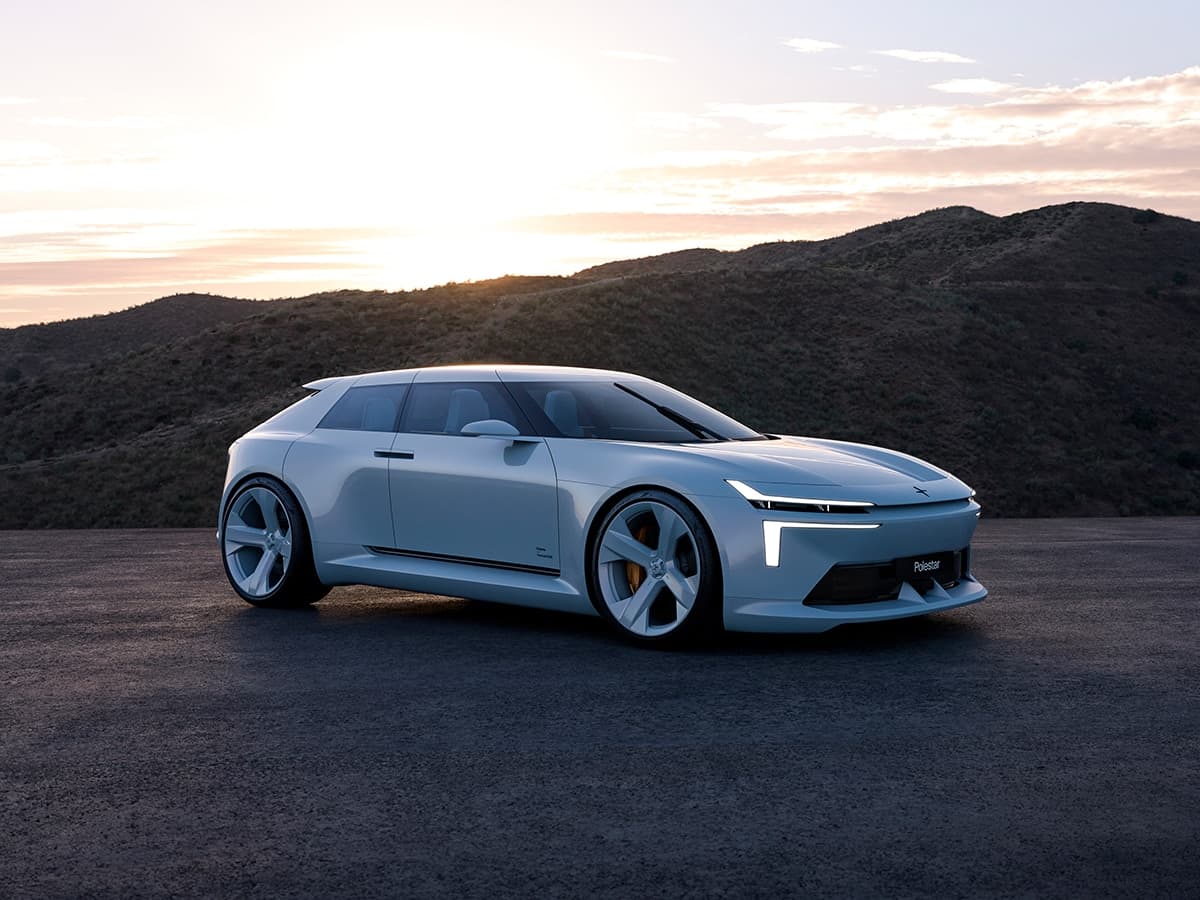
Polestar revealed the Formula 2030 concept car in Gothenburg, previewing a low-slung four-door electric sports car architecture developed under the direction of Head of Design Philipp Römers. Measuring 1,350 mm in height with a wide 2,021 mm track, the show car packages an all-electric dual-motor powertrain, exposed Öhlins suspension dampers, and Swedish Gold Brembo brake hardware within a lightweight bio-composite structure. The vehicle is not a production model, but a dedicated design study created to establish future styling themes. However, expect it to feature heavily in the new Polestar 2.
That’s right. The concept introduces aerodynamic signatures for series production on the next-generation Polestar 2 in 2027 and the forthcoming Polestar 7 compact SUV in 2028. Dimensionally, the 4,680 mm vehicle slots between those two models while adopting aero wing elements influenced by the Polestar 3 and low-slung packaging inspired by the Polestar 4. “Design should always reflect the values and mission of a brand and that is exactly what we did with Polestar Formula 2030 concept. It is a physical embodiment of how we apply Polestar’s core values of design, performance and sustainability to the next production cars. A bold evolution of our already well-established design DNA to strengthen the brand‘s positioning with performance at its heart,” said Philipp Römers, Head of Design at Polestar.
You can’t purchase the Formula 2030 concept, but its aesthetic features will arrive on Australian roads when the redesigned Polestar 2 launches locally next year. Australian buyers currently cross-shopping the premium electric segment can access the recently introduced Polestar 4 SUV.
| Specifications | |
| Engine / Architecture | Dual permanent-magnet synchronous electric motors, all-electric architecture |
| Power Output | 884 hp (650 kW / 896 PS) (Target Estimated) |
| Peak Torque | 900 Nm (664 lb-ft) @ 0-6,000 rpm (Target Estimated) |
| Acceleration | 2.9 seconds 0-100 km/h (0-60 mph) (Target Estimated) |
| Top Speed | 250 km/h (155 mph) (Target Estimated) |
| Transmission & Drivetrain | Single-speed direct drive, all-wheel drive |
| Price | Concept vehicle (Not for sale) |
Exterior Aerodynamics, Single Blade Lighting, and Bio-Composite Construction
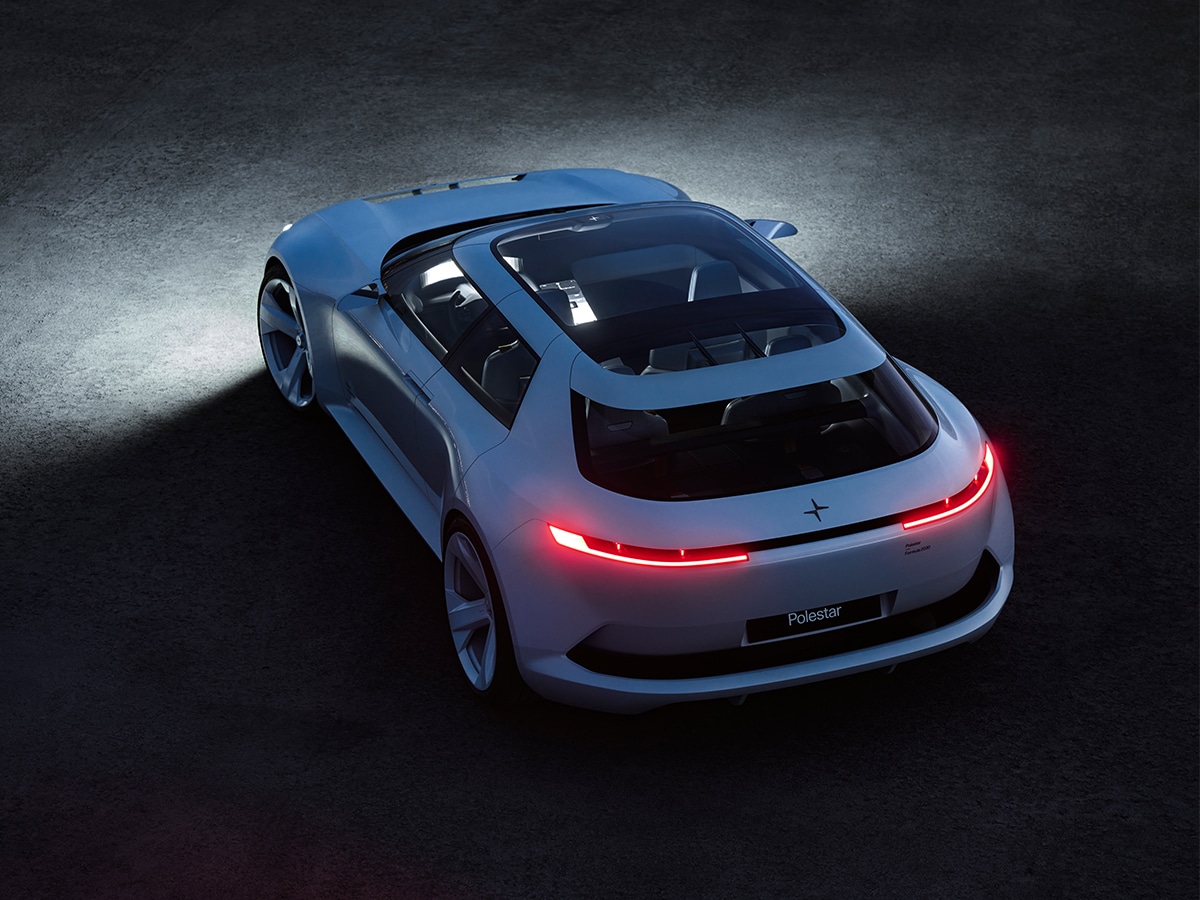
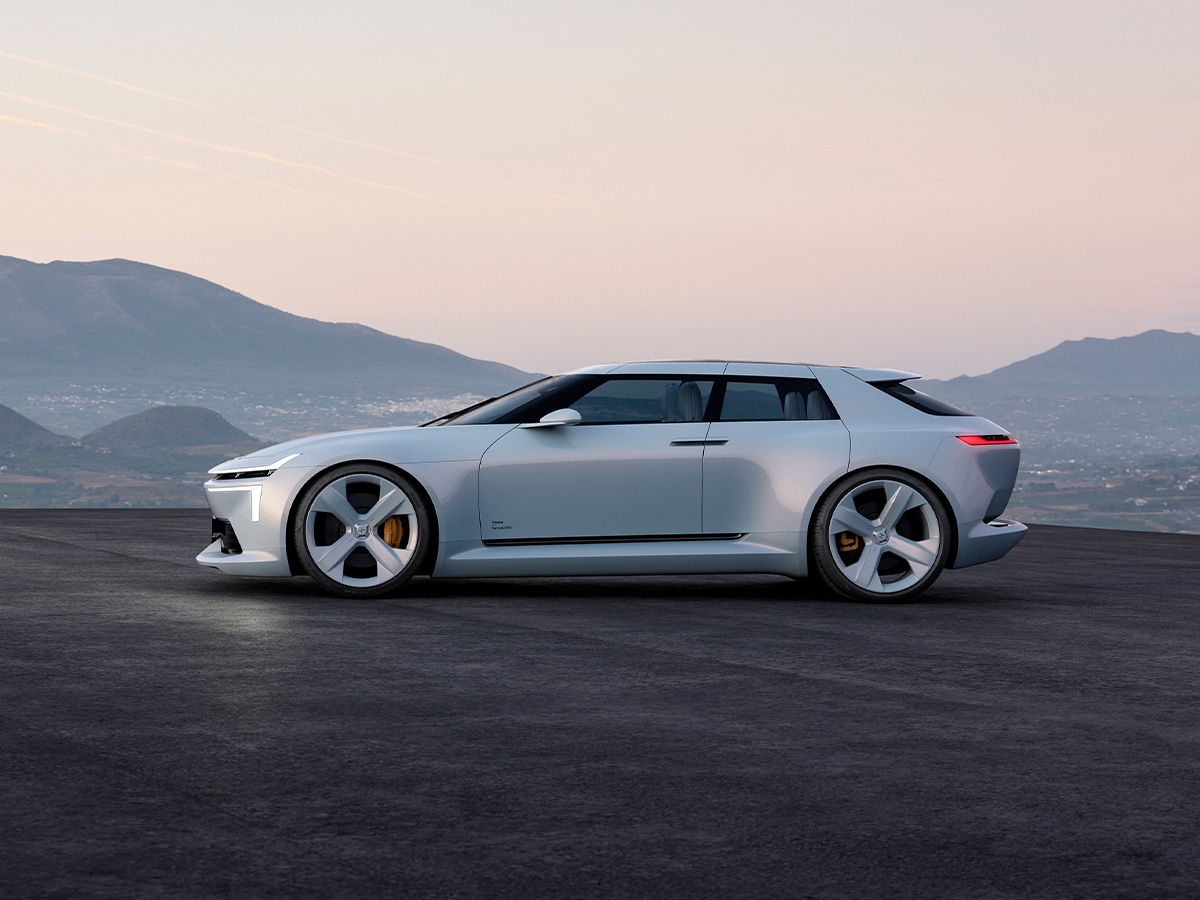
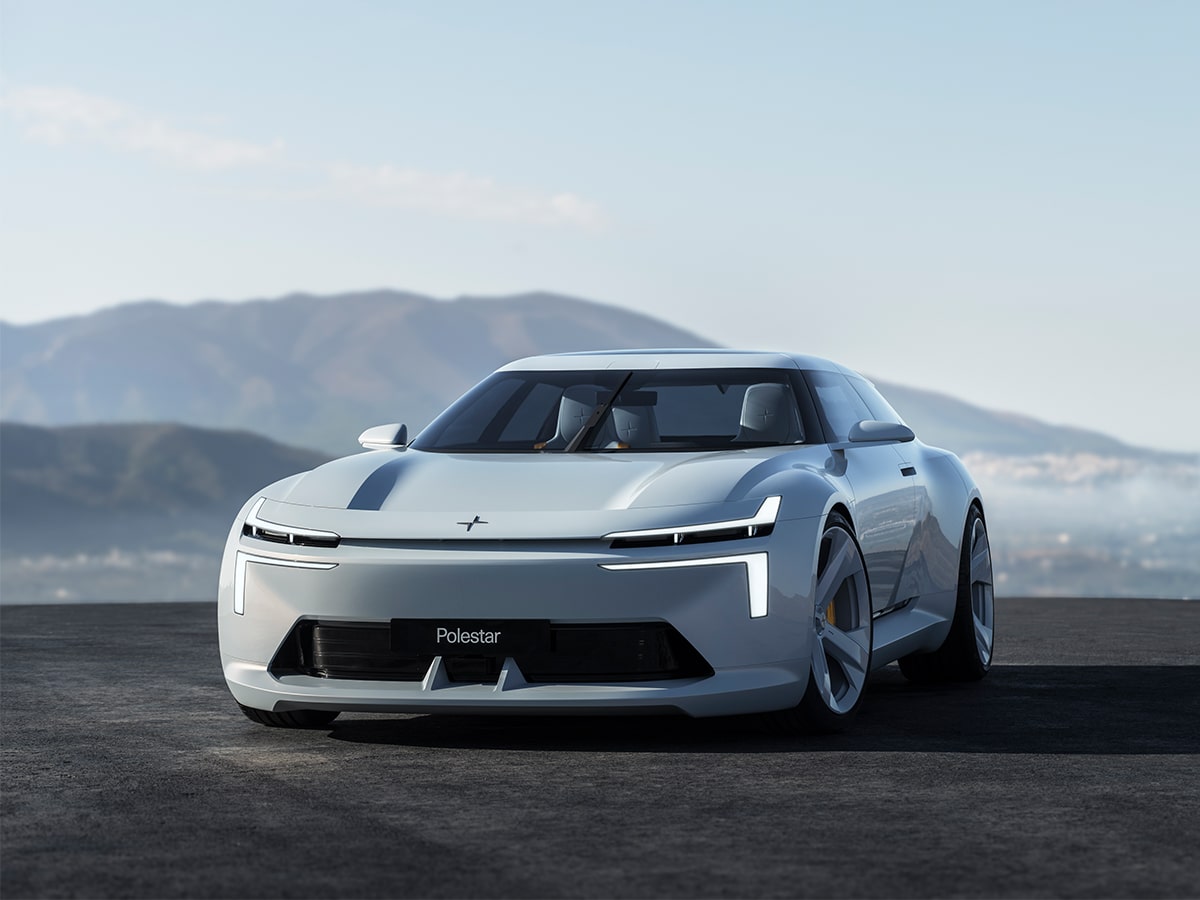
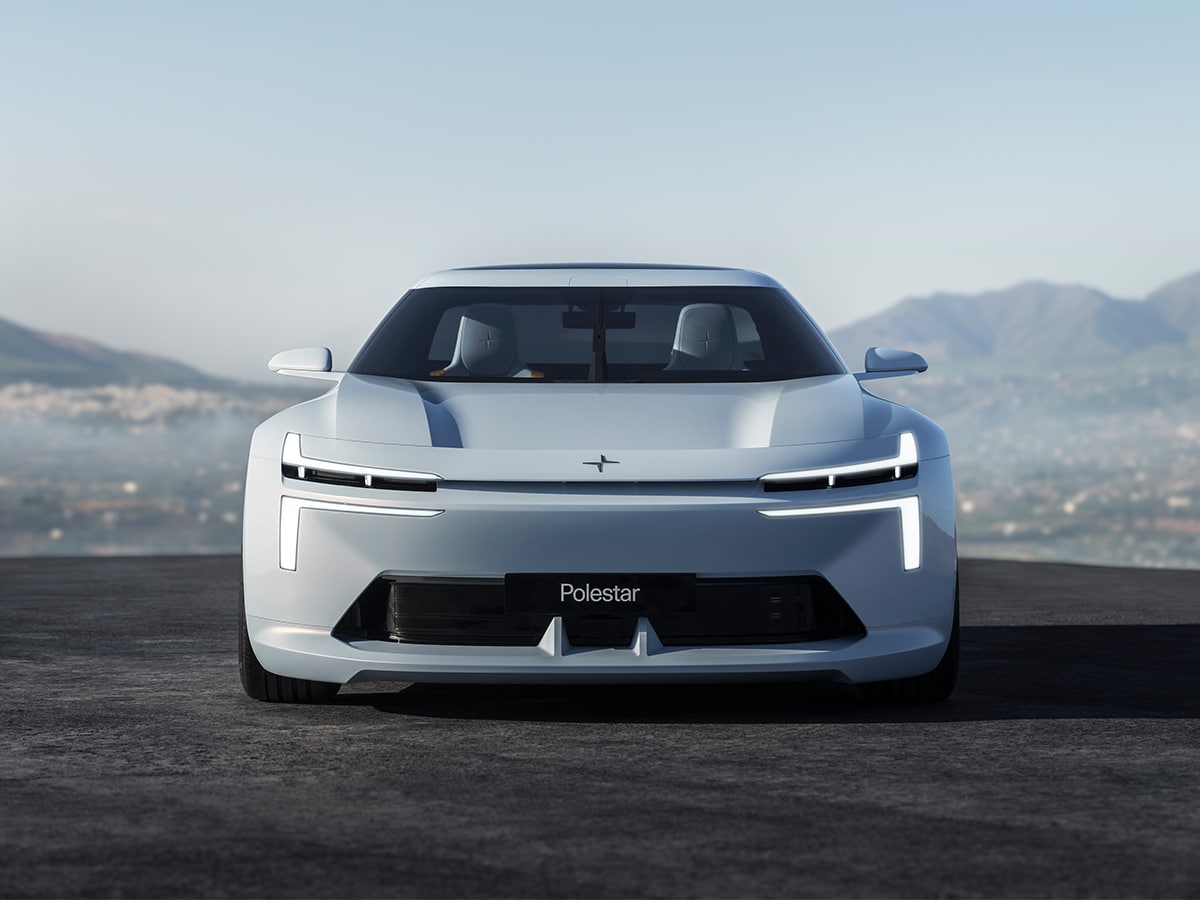
The Formula 2030 adopts a classic cab-rearward silhouette sitting on a 2,780 mm wheelbase. Polestar’s signature Dual Blade headlights are integrated directly into the car’s front end and form a functional aero wing, previewing the front fascia planned for the next Polestar 2. Below this is a sharknose snout that features a deep front splitter anchored by a central spine, which also routes an individual, motorsport-inspired vertical windscreen wiper. The glasshouse uses a wraparound visor windscreen that transitions into shallow side glazing, interrupted only by structural C-pillars that anchor the rear haunches.
Tucked beneath an aerodynamic cowl sits a flush-mounted active LiDAR sensor that rises automatically during autonomous driving modes, while the rear eliminates the brand’s familiar continuous lightbar in favour of thin, Single Blade rear lighting units.
“We wanted to evolve, while respecting, the core design values we demonstrated with previous models that define the Polestar brand in such a recognisable way. And with Formula 2030, with its clear Polestar design attributes like the Dual Blade headlights, wraparound visor-like windscreen and powerful haunches, we have done just that. But we’ve pushed perceptions, preconceptions and the expected as well, with our considered choices in form language, amplification of the performance topic and new detailing like the Single Blade rear lights,” said Nahum Escobedo, Head of Exterior Design at Polestar.
 1/14
Mechatronic Cockpit Controls, Dynamic Drive Modes, and Cabin Technology
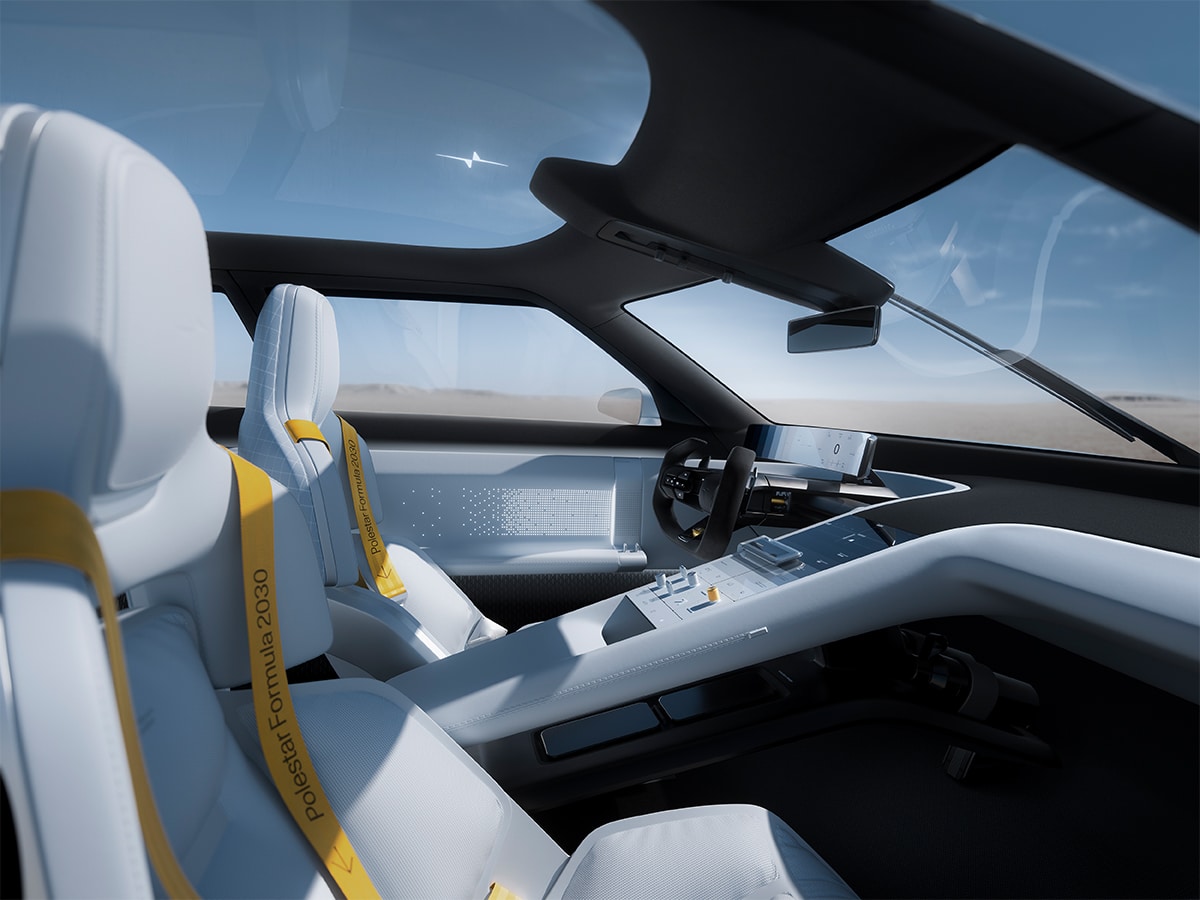
Opening the pillarless opposing doors reveals a four-seat cabin that trades digital-only interfaces for physical mechatronic switchgear. Beneath a 12.2-inch Centre Screen Display mounted on the rising centre tunnel, Polestar integrated a tactile (yes!) control bank containing eight customisable switches and rotary dials. Drivers can configure these controls physically and digitally to manipulate essential driving functions or assign bespoke hot-key commands. Genius stuff, Polestar.
The driver interfaces with a 20-inch curved HyperDIM instrument display attached directly to the steering column, ensuring clear visibility regardless of wheel rake or height adjustments. Connected software runs Google built-in, leveraging Google Gemini conversational AI to manage vehicle diagnostics and navigation commands. Four low-slung bucket seats feature air-inflatable cushions and bolsters that actively adjust lateral support.
“With the Formula 2030 concept, we’re reducing the unnecessary, distilling the experience to its very essence and enhancing the elements that truly matter to set the tonality and ambition for future Polestar interiors. As a performance brand, we see a renewed focus on the driver, and so we re-balance the digital and physical. We introduce physical buttons and controls, and we believe we have achieved a tactile harmony suited for our premium positioning,” added Juan Pablo Bernal, Head of Interior Design at Polestar.
Colour Materials, Finishes, and Sustainable Circularity
The concept car rolls on 22-inch four-spoke centre-lock wheels, concealing Brembo calipers finished in signature Swedish Gold. Lifting the rear clamshell exposes the structural body framework, which relies on Bcomp natural flax-fibre composites and bio-based polypropylene weaves rather than virgin plastics. A transparent boot floor puts race-derived Öhlins dampers on display, matched up front by a Swedish Gold strut brace that frames dedicated storage compartments for track helmets.
The bodywork is finished in a specialised Nitrogen paint that shifts under natural light, flowing into the cabin through a Scandinavian tone-in-tone expression.
“With the Formula 2030 concept we knew we had to do something that stands out, but we had to do it in a true Polestar way. The resulting tone in tone treatment flows effortlessly between interior and exterior, feeling deeply rooted in our Scandinavian minimalist aesthetic in an unexpected and unseen way. Combined with our drive forward for deeply desirable, highly designed, sustainable materials the Formula 2030 points directly towards our future,” said Maria Uggla, Head of Colour Material and Finishes at Polestar.
Production Roadmap and Production Rollout
Polestar engineered the Formula 2030 strictly as a design study rather than a production vehicle, meaning the concept is not for sale and carries no price. Instead, the vehicle serves as the rolling design blueprint for Polestar’s next generation of road vehicles. Elements including the Dual Blade aero-wing nose and Single Blade taillights are locked in for the next-generation Polestar 2 due in 2027, followed by the European-built Polestar 7 compact SUV in 2028.
These vehicles support Polestar’s corporate targets to halve per-vehicle greenhouse gas emissions by 2030 and achieve full value-chain climate neutrality by 2040.
By proving the viability of flax composites, mono-material recyclable door cards, and low-emission steel structural crossbeams on the Formula 2030, the Swedish manufacturer plans to transition these sustainable performance technologies into customer deliveries across its expanding showroom lineup.
 1/8
























Comments
We love hearing from you. or to leave a comment.