


Updated:
Readtime: 6 min
Every product is carefully selected by our editors and experts. If you buy from a link, we may earn a commission. Learn more. For more information on how we test products, click here.
- Production for the next-generation Roadster is officially slated for 2028.
- The multi-mode suction system provides extreme downforce at zero speed.
- Integrated cold-gas thrusters enable a 0-100 km/h sprint under one second.
- The single-seat Rocket variant incorporates perimeter thrusters for actual flight.
- Base Performance deposits require USD$50,000, with Australian pricing currently unconfirmed.
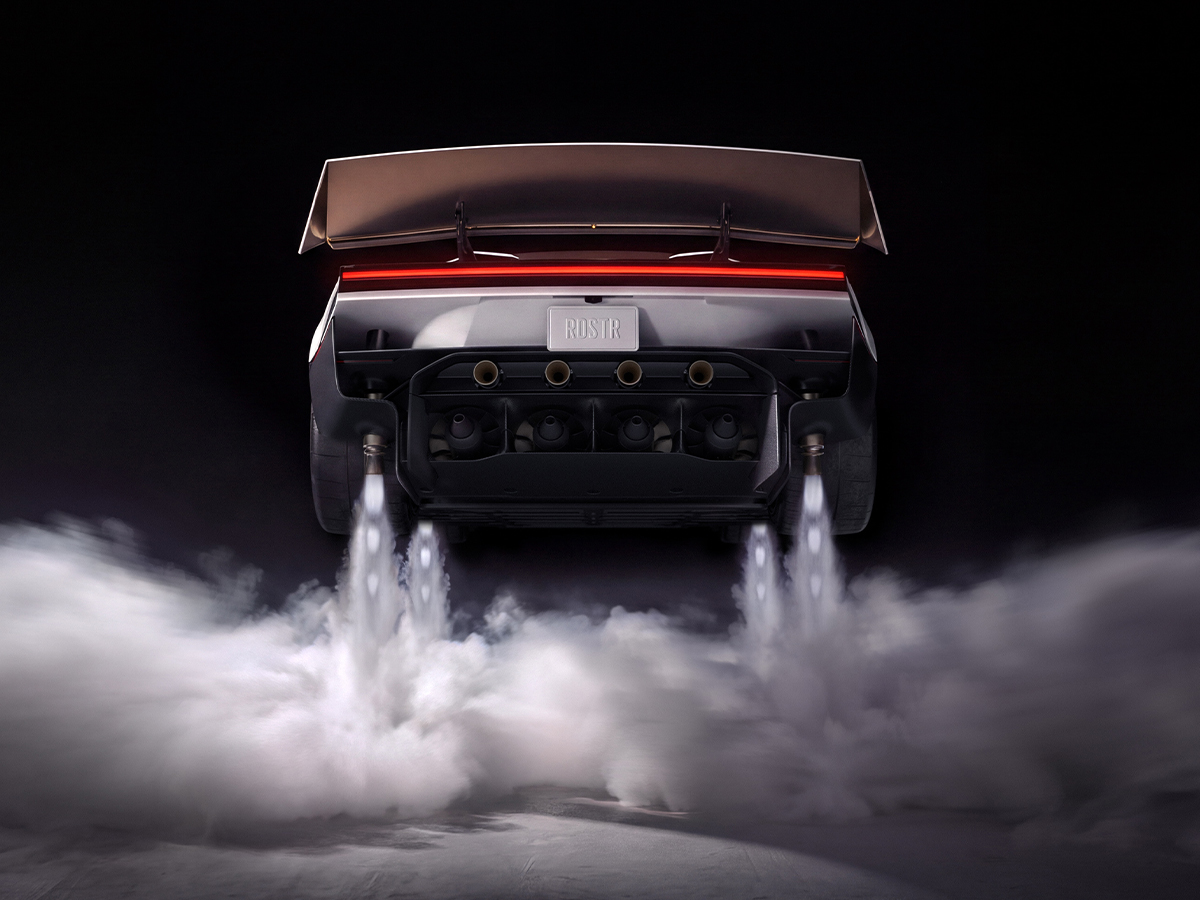
Tesla has officially debuted the next-generation Roadster from a SpaceX test site in McGregor, Texas. Almost a decade after the initial prototype announcement, the automaker demonstrated a functional vehicle equipped with a reaction control system designed in collaboration with SpaceX. The outdoor presentation highlighted advanced aerodynamic capabilities, verifying the integration of cold-gas thrusters and a multi-mode suction system.
The live demonstration focused heavily on these propulsion technologies, featuring the Roadster navigating a ramp upside down and performing aerial manoeuvres over a fleet of Tesla transport trucks. Engineers stated the system generates over 80,000N of thrust, allowing the Thrust variant to achieve a recorded zero to 100 km/h sprint in under one second. Chief Executive Officer Elon Musk noted an eventual top speed target of Mach 0.5, or approximately 611 km/h.
While exact power outputs in HP and kW remain unverified, the brand confirmed a 2028 production target. The rollout introduces a tiered reservation structure, dividing the lineup into Performance, Thrust, and an invite-only Rocket variant. However, the legality of equipping a road-registered vehicle with active thrusters poses a significant regulatory hurdle, with Tesla confirming the flying Rocket trim is strictly not approved for public road use.
| Roadster Trim | Key Hardware Features | Road Legality | Deposit Requirement |
| Performance | Active aerodynamics, multi-mode suction system | Road ready (two seats) | USD$50,000 |
| Thrust | Suction system, rear cold-gas thrusters | Race ready (two seats) | USD$250,000 |
| Rocket | Perimeter thrusters, full flight system | Track only (single seat) | Invite Only |
 1/16
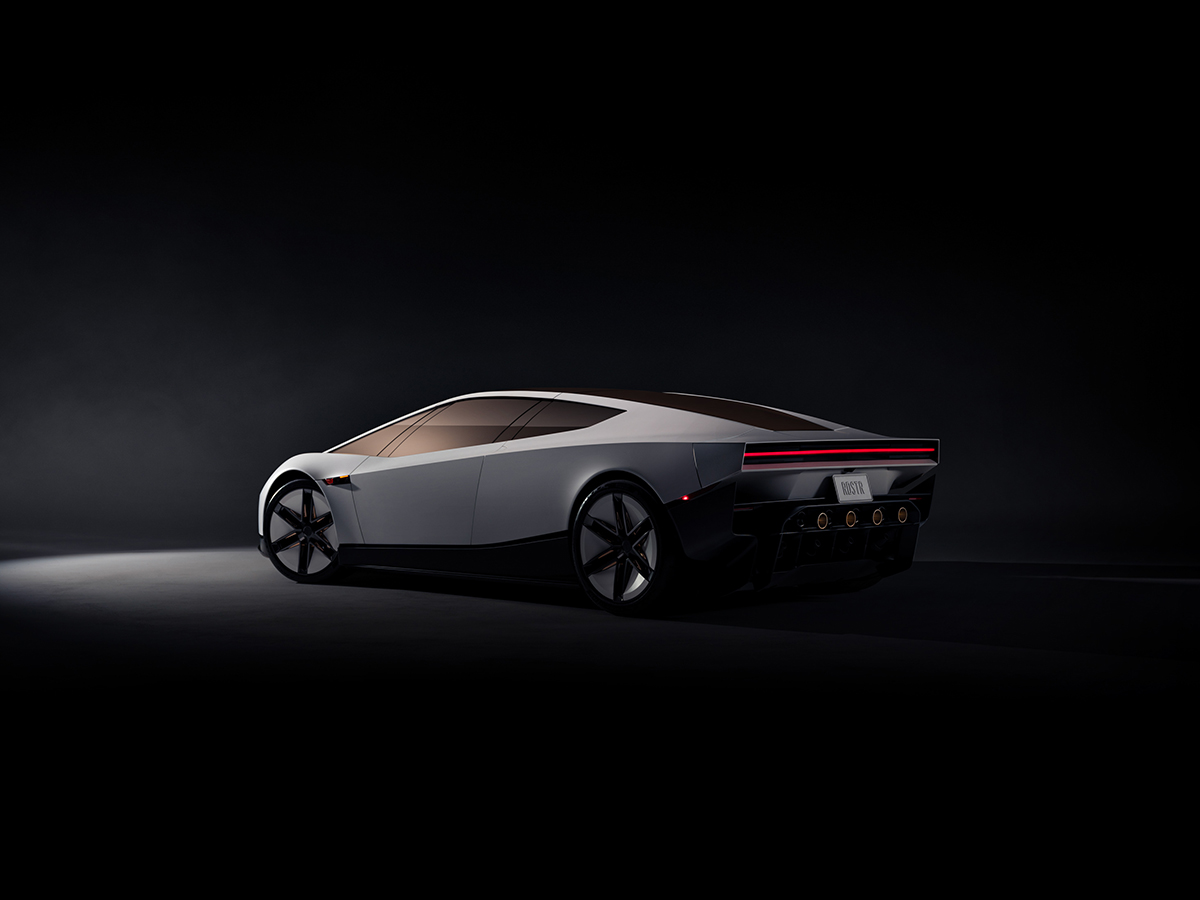
1/16Aerospace Materials and Hidden Aerodynamics
The new Roadster departs from the Lotus Elise-based architecture of the 2008 original, opting for a bespoke design constructed from magnesium, titanium, and carbon fibre.
Design on the exterior relies on internal active aerodynamics rather than traditional front splitters. Downforce is managed through a multi-mode fan and ground sealing system that pulls air from beneath the vehicle, working alongside active wings to maximise traction.
You’ll also find features like flush-mounted aerodynamics, hidden headlights, and a full-length taillight. Buyers can select the exclusive Ano White paint, which draws inspiration from aerospace techniques to provide UV and cryogenic protection, as well as electrostatic dissipation. Tinted glass windows, marketed as Gold Glazed, mimic the copper coating utilised on spacesuit visors.
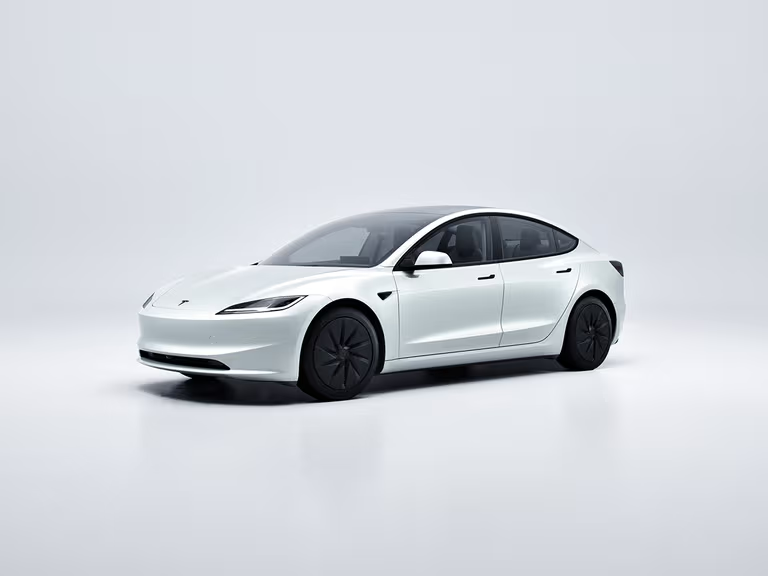
RELATED: Tesla Model 3 Rear-Wheel Drive Revealed as Australia’s Cheapest Electric Sedan
 1/8
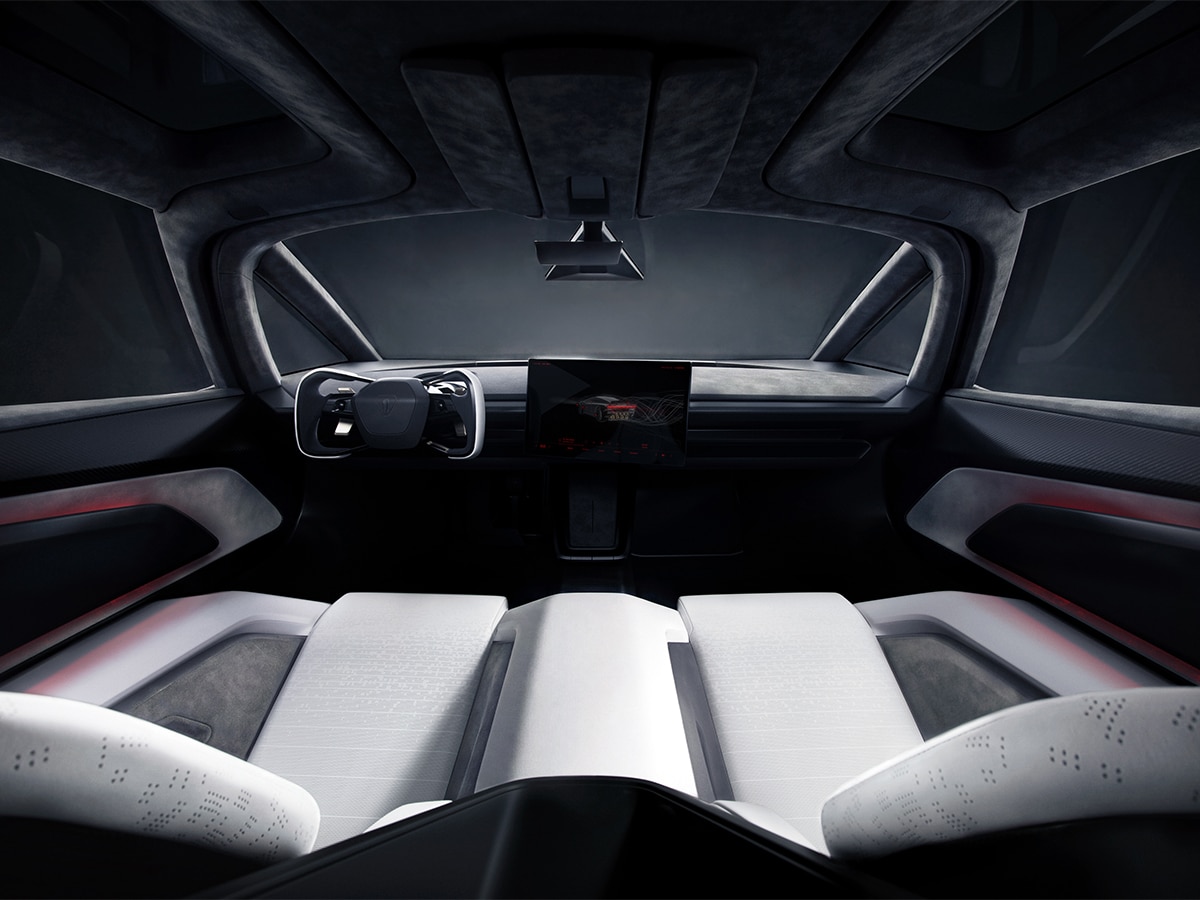
1/8Supersonic Cabin and Yoke Steering
When we look inside the cabin, it looks remarkably stripped back for something so technically serious. It’s a driver-focused layout defined by the Ultrawhite interior and grey microsuede detailing, and the deeply bolstered racing seats remind us of those in a Porsche 911 GT3 RS. Of course, the steer-by-wire yoke replaces the traditional circular steering wheel.
Tesla retains its signature central touchscreen tablet to manage vehicle diagnostics and infotainment, supplementing it with two smaller forward displays for critical driving data.
Beyond these features, the interior design also leans into mass control and functional bracing to withstand the gravitational forces generated by the cold-gas thrusters. “Roadster can perform at levels unlike any other production car. It goes beyond Plaid to unlock an entirely new dimension of driving,” Tesla confirmed in its official release.
Price and Market Release
Tesla has officially opened the reservation books, requiring a USD$5,000 immediate payment followed by a USD$45,000 wire transfer within 10 days to secure a base Performance allocation. Meanwhile, the Thrust variant requires a USD$250,000 deposit.
Final purchase prices, Australian delivery timelines, and local compliance standards remain unconfirmed.
Securing regulatory approval for the fan and thruster systems will ultimately dictate whether the Thrust trim can be legally driven on Australian public roads, and for that, we’ll have to wait and see.
| Specification | |
| Model | Tesla Roadster (Second Generation) |
| Production Target | 2028 |
| 0-100 km/h | Under 1.0 second (Thrust trim) |
| Top Speed Target | Mach 0.5 (Approx. 611 km/h) |
| Aerodynamics | Multi-mode suction system and active wings |
| Propulsion Technology | Advanced cold-gas thrusters |
| Construction Materials | Magnesium, titanium, carbon fibre |
| Australian Pricing | Unconfirmed |

















Comments
We love hearing from you. or to leave a comment.