


Updated:
Readtime: 18 min
Every product is carefully selected by our editors and experts. If you buy from a link, we may earn a commission. Learn more. For more information on how we test products, click here.
- Watch servicing isn’t one-size-fits-all. Seiko recommends attention around every three years, while Rolex suggests servicing approximately every ten years, depending on the watch and how it’s worn.
- A complete mechanical service in Australia can cost several hundred dollars, and servicing a premium or complicated watch can push the bill past $1,000.
- Keeping good time doesn’t necessarily mean a watch is healthy or water-resistant. Knowing what needs fixing or fine-tuning before you approve the work can save a lot of trouble.
I have a burgeoning collection of about fifteen watches. Filled mostly with accessible brands like Seiko, Casio, Timex and G-Shock, with a few lucky op-shop finds and microbrands in the watch box for good measure. Chronographs, moonphase dials, automatic movements and quartz batteries aplenty. Nothing in here costs more than a few hundred dollars, and while it pales in comparison to the more expensive or rare collections on r/watches, they have one thing in common: they all need servicing.
When you’re not admiring them, checking the time, or fiddling with the complications, you’ll eventually need to hand them over to someone experienced enough to handle all those components. That might mean new batteries for some, and a proper mechanical service for others. Many of my own watches are likely overdue themselves. But the trouble is knowing when to do something about it, especially when a watch seems to be running perfectly. Sure, if a quartz watch stops moving, you might suspect a flat battery. But are you willing to risk an expensive repair down the track?
What about frequency? How often should you get your watch serviced? Where should you take it? How much will it cost, and how long might you be without your favourite watch? Whether you have one trusty daily wearer or a drawer full of watches, every watch enthusiast wants to keep their collection ticking.
Do All Watches Need Servicing?
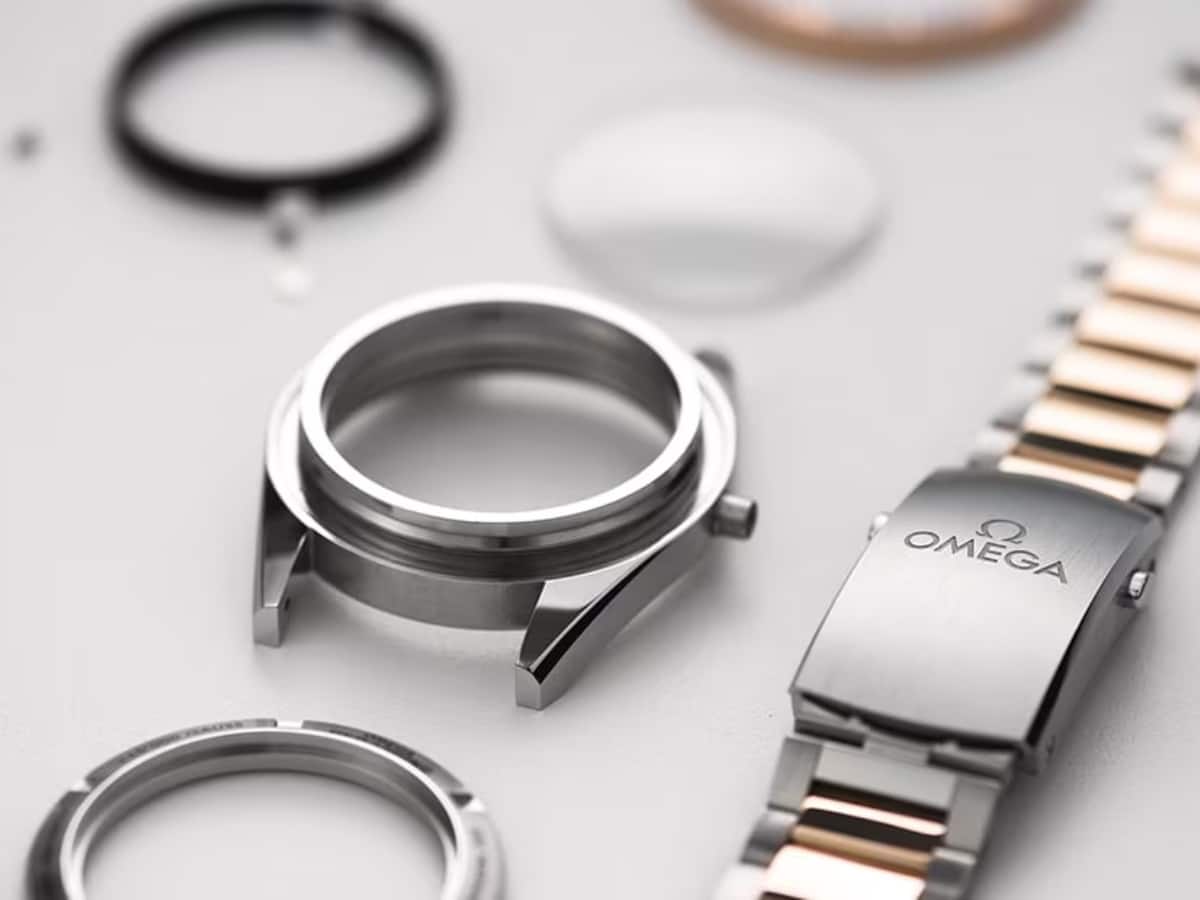
The short answer is yes, but what that looks like depends on the watch. One of my quartz Casios might only need a fresh battery, while the automatic Seiko that I picked up from Salvos for about fifty bucks needed its movement taken apart, cleaned and lubricated, which cost roughly $300 and a few weeks of separation anxiety. And for something more complicated, like a mechanical chronograph or the Oris ProPilot Calibre 111, there’s potentially even more work involved.
The thing is, ‘watch servicing’ isn’t just one thing. A watch service covers a variety of jobs, from replacing a battery and checking water resistance to completely overhauling a mechanical movement. Each one is a very different procedure, with different costs and turnaround times.
Mechanical vs Quartz Watches: What’s the Difference?
Before we get too deep into the servicing schedules, it’s worth understanding what actually makes your watch tick. Most watches fall into two main categories: mechanical and quartz. Both tell the time, but what happens beneath the dial differs significantly.
Mechanical watches use a wound mainspring to power a series of gears and other moving components. Some require winding by hand using the crown, while automatic watches use wrist motion to wind themselves. With all those tiny parts working together, they eventually need cleaning, lubrication and adjustment to keep running properly.
Quartz watches, on the other hand, use an electronic movement regulated by a quartz crystal. Most run on a replaceable battery, while solar-powered models, like those found in TAG Heuer’s Solargraph range, use light to charge a rechargeable cell. With fewer moving parts, quartz watches generally need less maintenance, though that doesn’t mean they’re immune to faults or wear and tear.
And because their movements work differently, their servicing needs and recommended maintenance intervals can vary considerably.
How Often Should You Service a Watch?
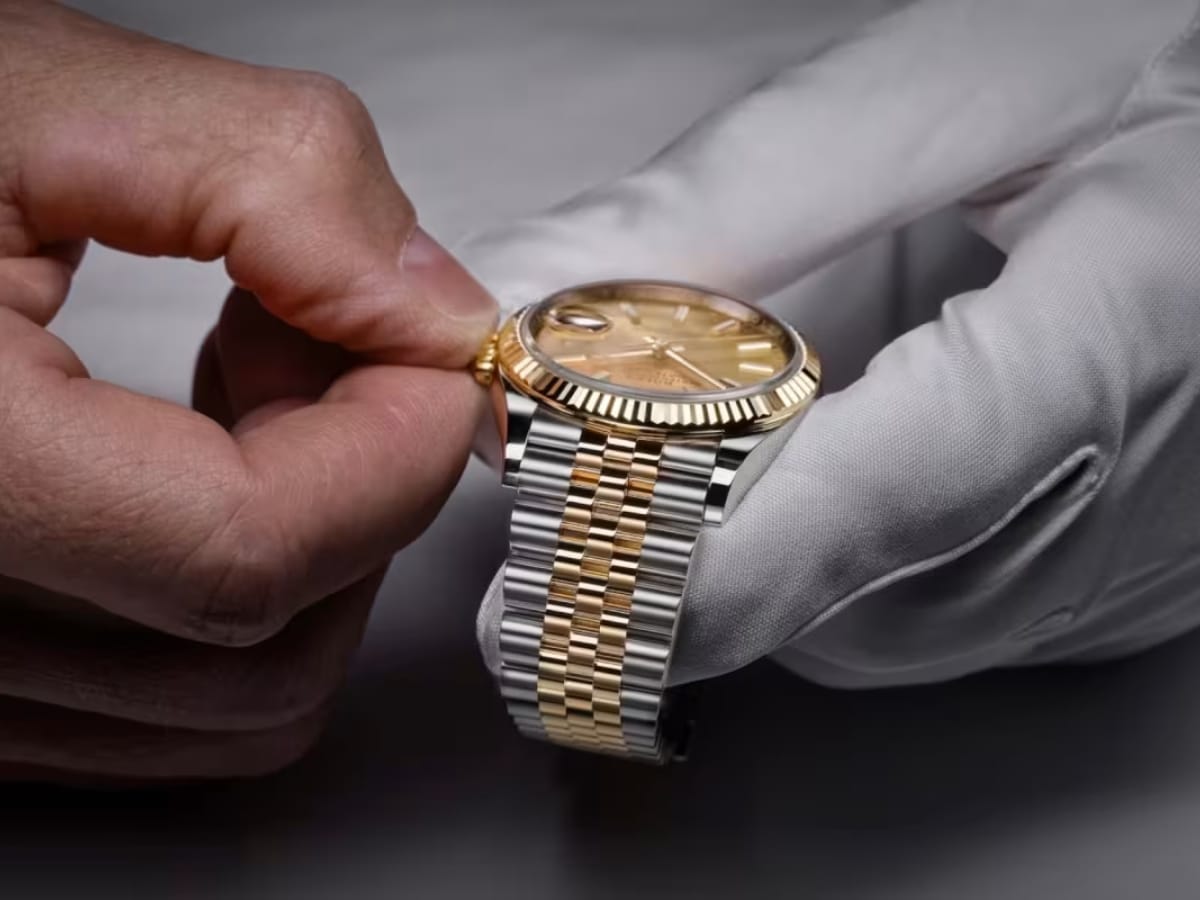
You’ve probably heard that you should service a mechanical watch every three to five years. That might sound like a good rule of thumb, but even the watchmakers themselves don’t all agree. And depending on what’s sitting in your watch box, or on your wrist, you could be looking at considerably different servicing schedules.
For example, Seiko recommends inspecting and servicing its mechanical watches about every three years, while Rolex suggests servicing its watches roughly every ten years, depending on the model and how it’s worn. That’s a seven-year difference, which is quite a lot when we’re talking about keeping a mechanical movement in good working order.
Paul Altieri, founder and CEO of Bob’s Watches, puts it plainly: “The traditional three-to-five-year rule isn’t universal anymore.” Mills Menser, founder and CEO of Diamond Banc, offers a different perspective, finding longer intervals more common these days: “In my experience, it’s more like every 7 to 10 years.”
Here’s how some of the biggest watchmakers compare.
There’s one important distinction to make about these recommended servicing intervals: they don’t all refer to the same type of maintenance. Breitling, for example, recommends a maintenance service every two years, but a complete overhaul every four to six years. Even within a single brand, the recommended interval can vary by movement or time worn.
So, rather than treating five years as some universal deadline, your best bet is to check the manufacturer’s recommendations for your particular watch. And if it starts acting up before then, there’s no sense waiting for the calendar to tell you it’s time.
Is Watch Servicing Really Necessary?
If your watch keeps perfect time, you might wonder why you should bother getting it serviced in the first place. After all, if it ain’t broke, don’t fix it, right? Wrong. Just like your yearly car service, you’ll eventually need someone to look under the hood.
Inside a mechanical watch, dozens, sometimes hundreds, of tiny moving parts work together to keep the hands ticking. These components rely on carefully applied lubricants to reduce friction and prevent unnecessary wear. Over time, those lubricants can deteriorate, increasing the risk of damaging the movement.
The tricky part is that your watch might keep ticking accurately without you realising it needs attention. And while that doesn’t mean you need to rush to your local watchmaker the moment your recommended service interval expires, it does mean that good timekeeping isn’t necessarily proof that everything inside is in tip-top condition. Time beats everyone, even watches.
Signs Your Watch Might Need Servicing
Fortunately, there are a few telltale signs that your watch might need to be checked in at the watchmaker emergency ward:
- Poor timekeeping: Your watch starts gaining or losing noticeably more time than usual.
- Reduced power reserve: A fully wound mechanical watch stops sooner than it previously did.
- Winding or crown problems: The crown becomes unusually stiff, difficult to operate or no longer functions properly.
- Condensation beneath the crystal: Moisture has entered the case, which warrants prompt professional attention.
- Unusual noises or behaviour: Something sounds, feels or operates differently from normal.
Altieri recommends owners “treat changes in accuracy or power reserve as a reason to go in early.”
But not every issue requires a complete overhaul or intervention on par with open-heart surgery. For example, if your mechanical watch starts running unusually fast, it might simply be magnetised. This can happen when it’s exposed to magnetic fields from everyday electronics, causing the tiny hairspring inside the movement to stick together and throw off its timekeeping. Thankfully, a watchmaker can often fix this with a quick demagnetisation, without pulling the entire movement apart.
The key is to assess the problem before approving an expensive service.
What About Water Resistance?
Another reason you shouldn’t rely solely on whether your watch keeps good time is water resistance.
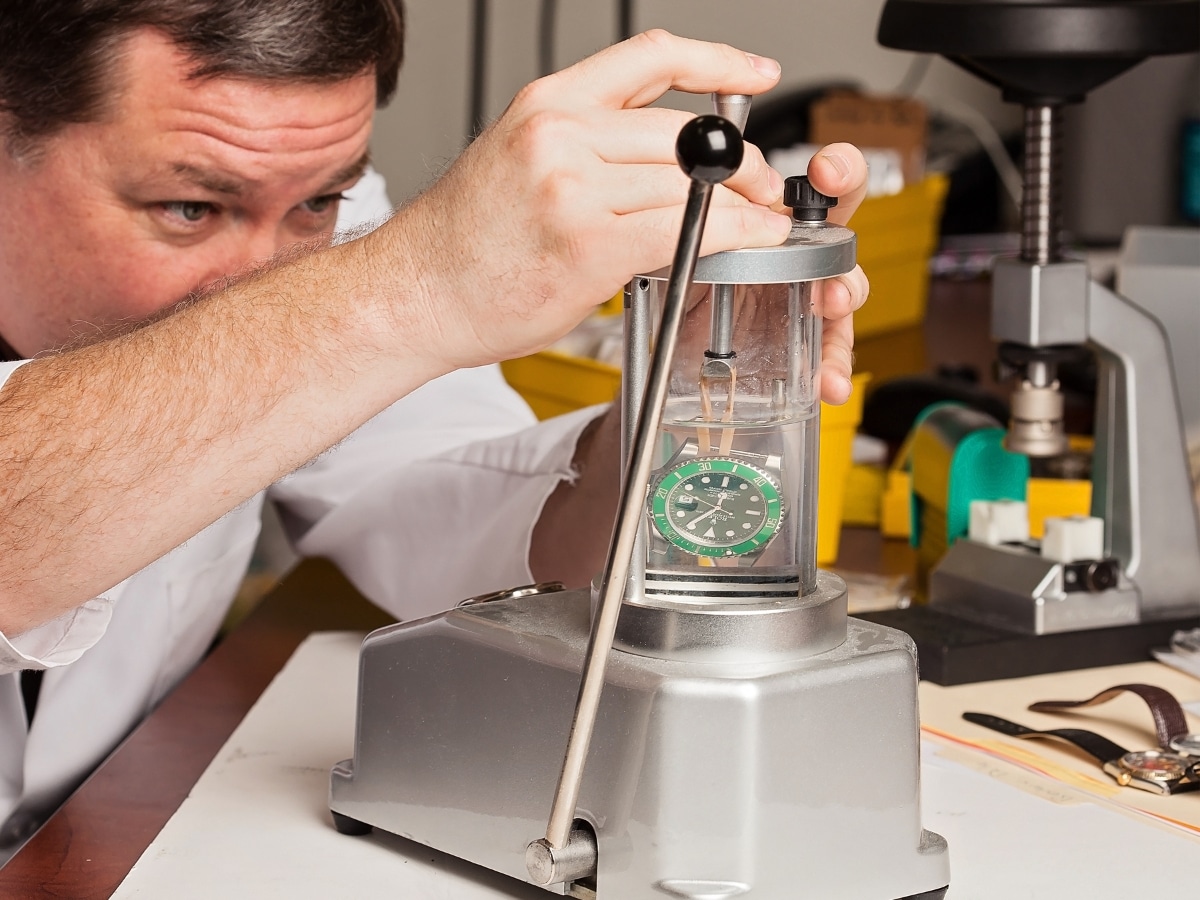
The gaskets and seals that help keep moisture out of your watch can deteriorate over time, even when the movement runs perfectly. If you’re a swimmer, surfer or wear your watch in the water (or the shower), pay attention.
Omega recommends having water resistance checked annually, while Breitling also advises regular water-resistance checks for watches frequently exposed to water.
A pressure test is a separate maintenance procedure from a complete movement service, and one worth asking about if your watch regularly gets wet.
How Much Does a Watch Service Cost in Australia?
Now we get to the part where a watch collection can start to hurt your wallet well after you’ve bought your last watch. Replacing a battery might only set you back $50 to $100, sometimes even less. A full mechanical service, however, can hit several hundred dollars, sometimes more than the watch itself. If you have an expensive Swiss chronograph that needs attention, don’t be surprised if the bill jumps past $1,000.
As a rough guide, a complete quartz service in Australia can cost around $300 to $450, while a relatively straightforward mechanical overhaul might fall somewhere between $400 and $700. More complicated movements and luxury watches can cost considerably more. Servicing prices vary across the industry, whether you drop your watch off at a local jewellery store or send it straight to the manufacturer. What you pay depends on the watch, who’s doing the work, and what needs fixing.
As Altieri puts it: “The market value of a watch doesn’t dictate service cost, the complexity inside the case does.” And he has a most fitting example for how that works in real life: “A Daytona chronograph has far more going on inside than a time-and-date Datejust.”
For example, Hamilton charges $395 for a complete service on a basic mechanical watch, while Longines lists $635 for a comparable mechanical service. Step up to Omega, and an authorised Australian service centre lists $1,200 for a standard mechanical watch or $1,500 for a mechanical chronograph. However, both prices apply only to non-precious metal cases, with servicing costs climbing even higher for precious-metal cases.
Menser points to the labour behind the price: “It’s a matter of properly compensating a watchmaker to take the entire movement apart, service it properly, and replace parts as applicable.”
Independent watchmakers can also provide another option. For example, Melbourne Watch Repairs advertises mechanical servicing from $660, though replacement parts do cost extra.
Not Every Job Costs the Same
As is often the case, there’s a catch. And not every service quote covers the same work. A battery replacement, a partial maintenance service and a complete movement overhaul are very different jobs. If your watchmaker finds worn components or damage after opening the case, the final bill could be higher than expected. As Altieri advises, “Always get an itemised estimate first.”
So before handing over your watch, ask for a written quote that explains what’s included, whether replacement parts will cost extra, and whether you’ll need to approve any additional work.
The last thing you want is to hand over your watch expecting a routine service, only to be hit with a much bigger bill when it’s time to collect.
What Does a Watch Service Involve?
We’ve talked about the cost of servicing a watch, but what exactly happens once you hand it over to a watchmaker? If you’re paying several hundred dollars for a complete mechanical overhaul, you’d probably want to know what you’re getting for your money.
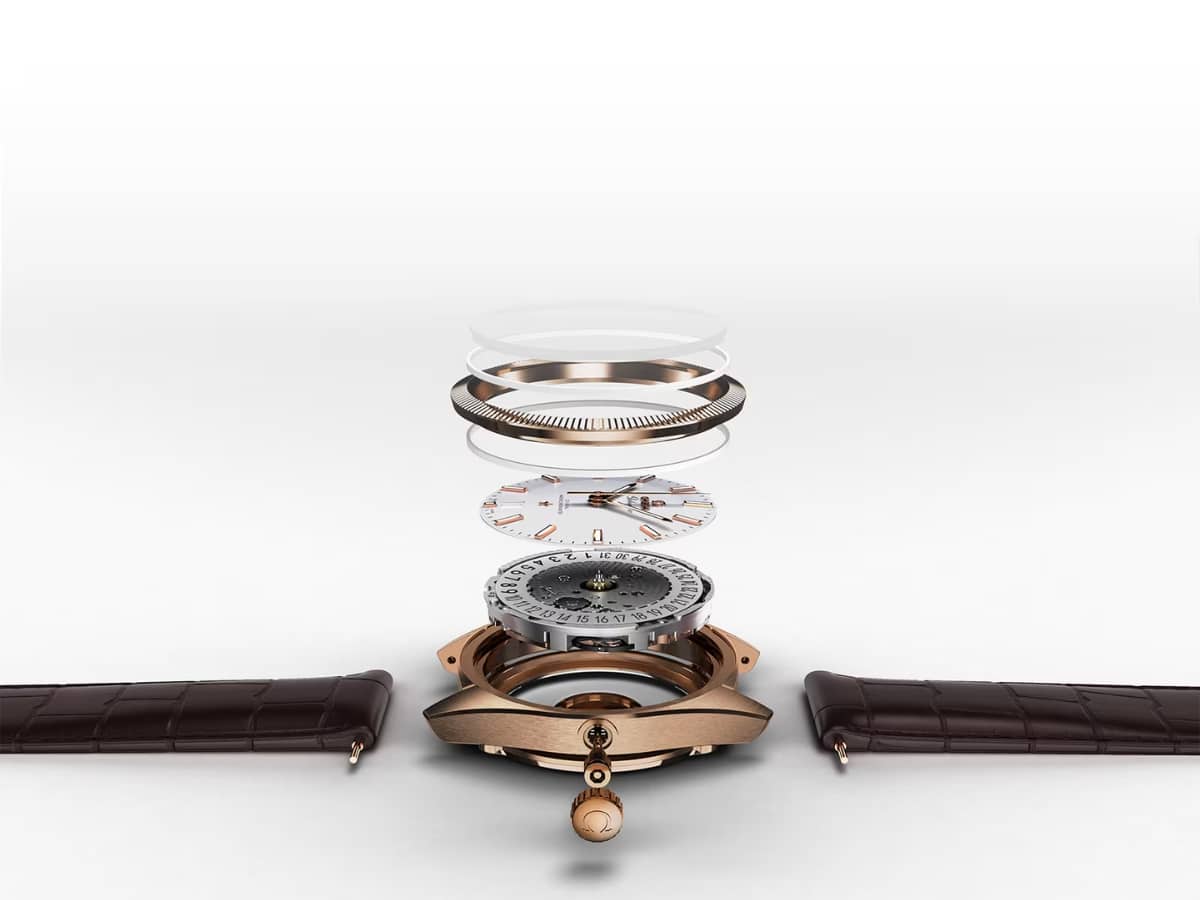
As you might imagine, it’s more than just popping off the caseback and adding a few drops of oil. While the exact process varies by watch, manufacturers like Longines and TAG Heuer outline the main steps in a complete service.
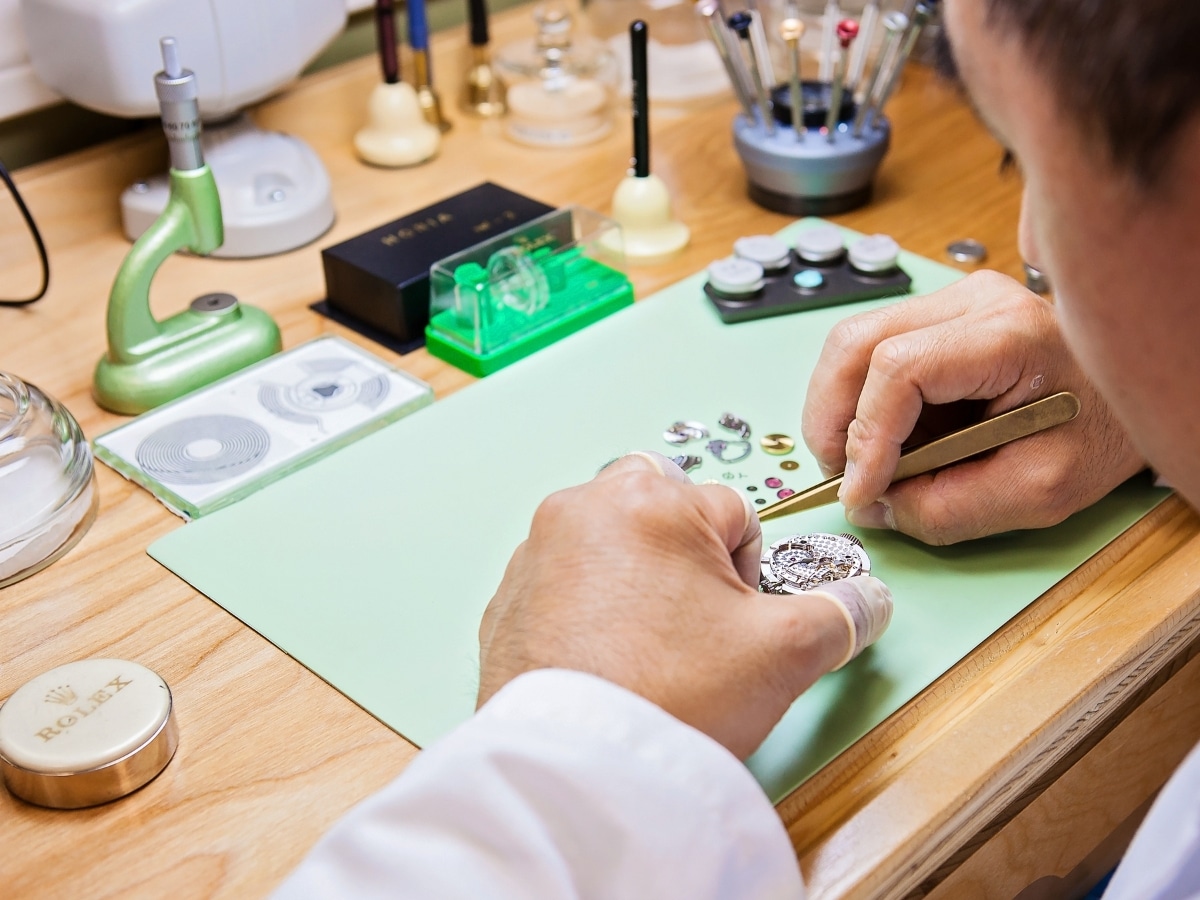
- Inspection and diagnosis: First, the watchmaker examines the watch’s condition, checks how it’s running and looks for any obvious problems. This helps determine what work is needed and provides the basis for a service quote.
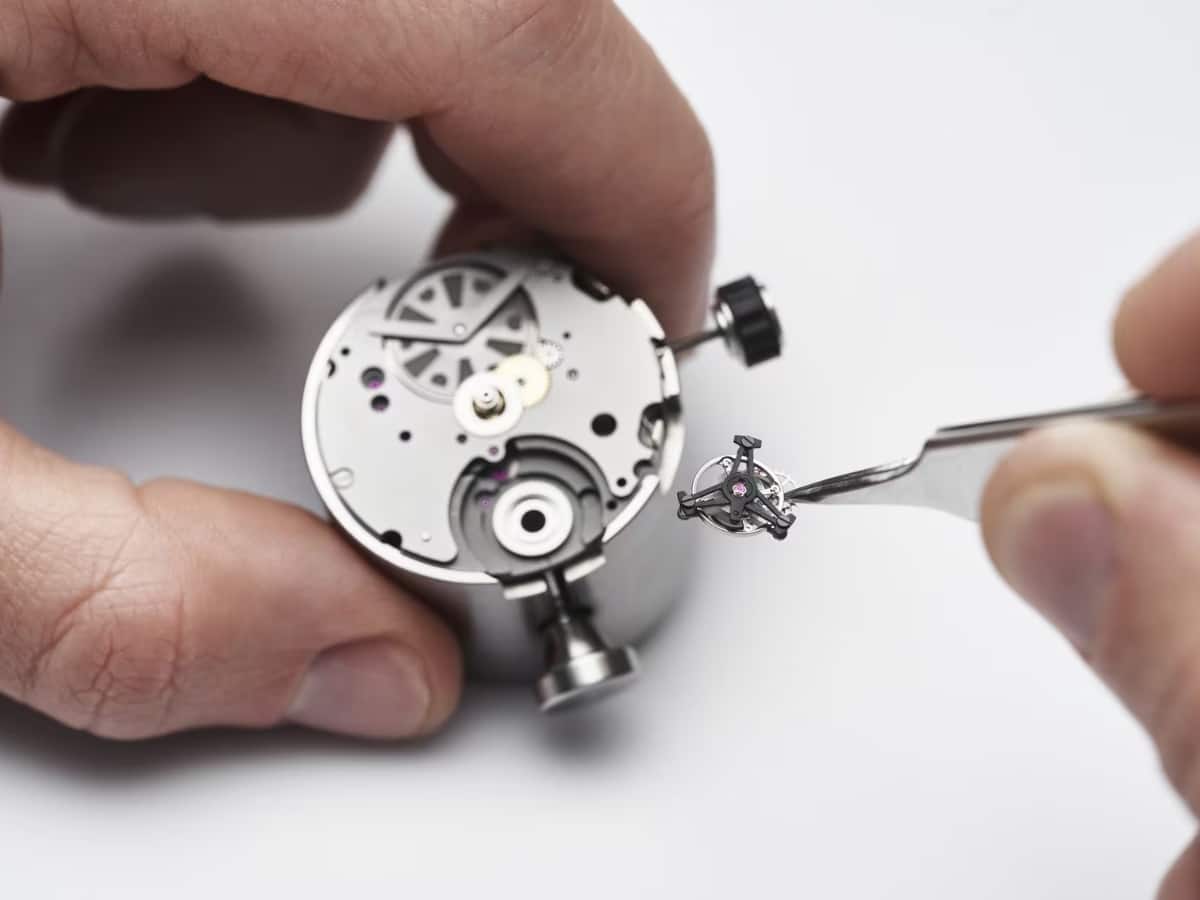
- Disassembly and cleaning: The watchmaker removes the movement from the case and carefully disassembles it. They then clean the components to remove old lubricants, dirt and other contaminants.
- Repair and lubrication: The watchmaker repairs or replaces worn or damaged parts as necessary. They then reassemble the movement and apply fresh lubricants to the appropriate components.
- Adjustment and testing: Once it’s back together, the watchmaker adjusts and tests the movement for accuracy, power reserve and any additional functions.
- Reassembly and final checks: The watchmaker reassembles the watch, checking or replacing seals and gaskets as needed. Where applicable, water resistance is tested, followed by final quality checks.
Not every service will involve the same amount of work. Some manufacturers may replace an entire movement rather than overhaul the original, while polishing and cosmetic refinishing may be included, offered for an extra fee or left out altogether.
A partial service might only involve replacing seals, checking water resistance or adjusting the movement. Likewise, if you’ve got a broken crown or another specific fault, the watchmaker may be able to repair it without undertaking a full overhaul.
This is why it’s worth knowing exactly what you’re paying for before approving the work, particularly if you’ve got an older watch with original parts you’d rather keep intact.
How Long Does a Watch Service Take?
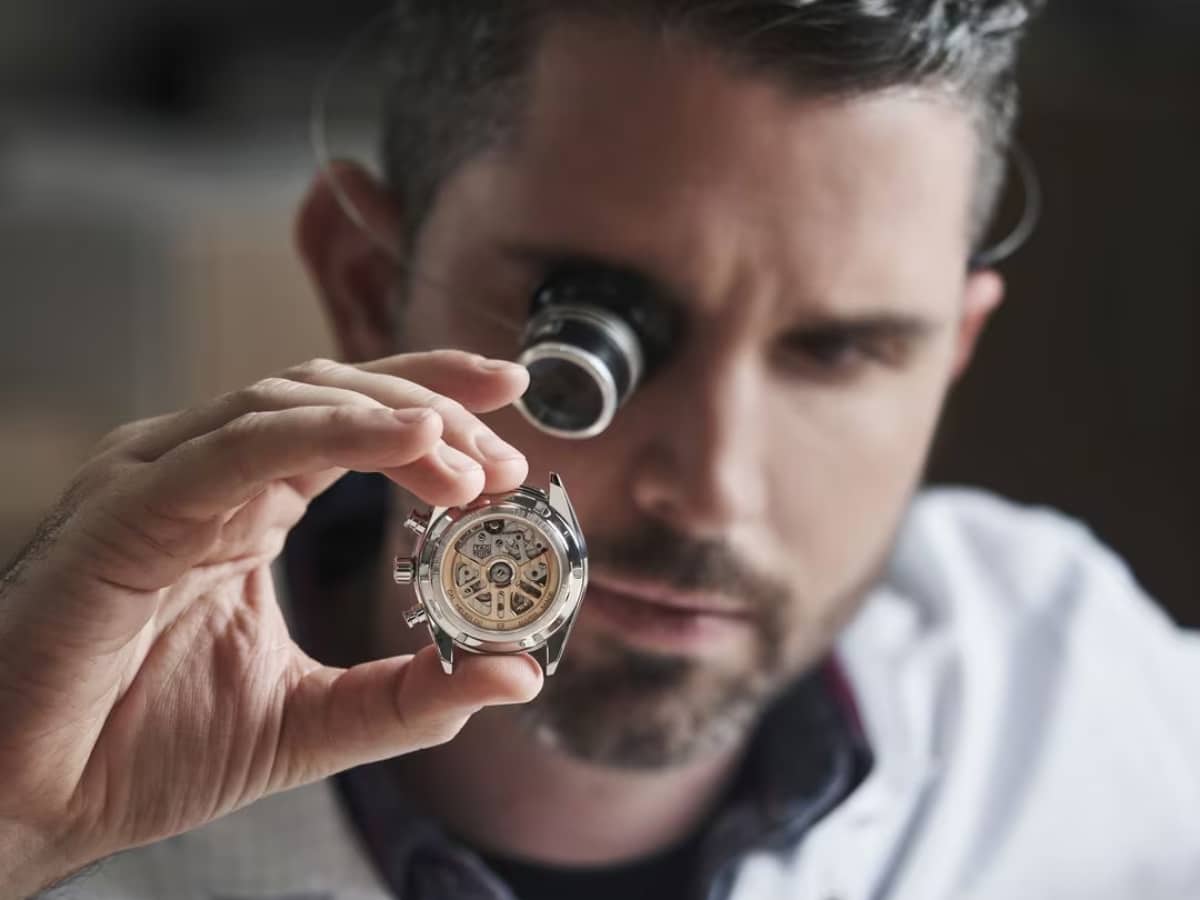
If you’re particularly attached to your favourite watch, handing it over for a service can be an experiment in separation anxiety. Unfortunately, a full mechanical overhaul usually can’t be done in an afternoon. While some servicing can be done on site, with batteries replaced while you wait at the jeweller’s, you could be without your watch for several weeks, or even longer if something unexpected crops up.
For example, Rolex advises allowing a minimum of four to six weeks for a complete overhaul, depending on the watch’s condition. Meanwhile, Raymond Weil estimates two to four weeks for quartz servicing and four to six weeks for mechanical watches.
Keep in mind these are estimates, not guaranteed turnaround times. Before a watchmaker even gets to work, they may need to inspect the movement, prepare a quote and wait for your approval. Then there’s the workshop queue, testing, and potentially shipping the watch to another service centre; sometimes even another country. If replacement parts need to be ordered, you may have to wait even longer.
Repairing a vintage watch with hard-to-find components can be harder to estimate than a battery swap. Your best bet is to ask the watchmaker how long they expect the job to take before handing it over, and whether that estimate includes getting it back into your hands.
Is It Worth Getting Your Watch Serviced?
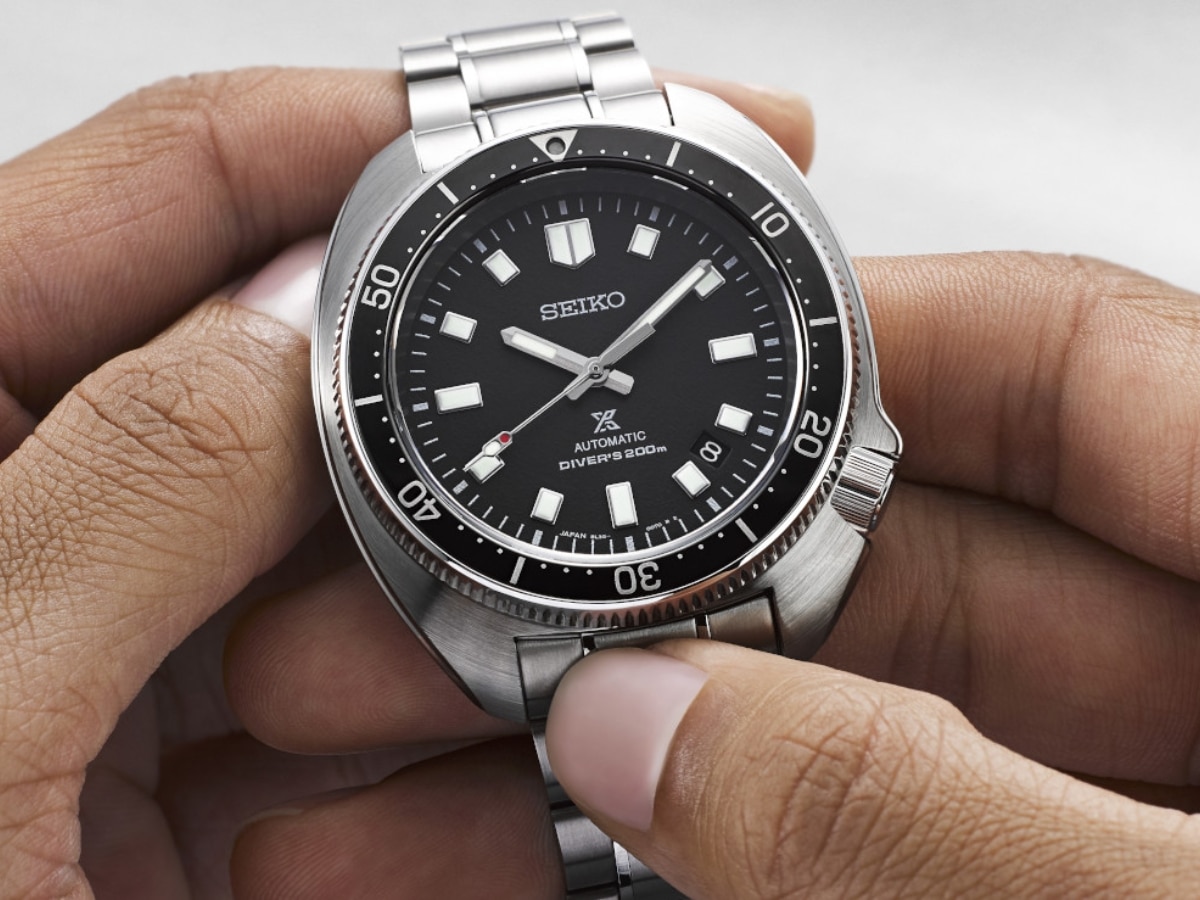
Remember that automatic Seiko I picked up from Salvos for fifty bucks? Well, spending another $300 getting it serviced certainly wasn’t the most economical decision I’ve ever made. I could have bought another watch for that money, probably a couple. But I liked the one I’d found, and I wanted to keep wearing it.
That’s the tricky thing about servicing a watch. From a purely financial perspective, spending hundreds of dollars to maintain a watch that cost less than the service itself doesn’t always make sense. But watches aren’t always about their monetary value. An old favourite, something inherited from a family member or a lucky op-shop find, might be worth keeping alive, regardless of what you could sell it for.
On the other hand, if you’ve got an expensive mechanical watch you plan to own for decades, regular maintenance costs might be easier to justify. That doesn’t mean every service will increase its resale value, though. And spending $1,000 on an overhaul doesn’t automatically make your watch worth $1,000 more.
But paperwork still has value. Menser says: “The more complete the servicing history accompanying a watch, the better.” Altieri gets straight to the perspective of watch collectors scouring the classifieds: “Uncertainty is what buyers discount.”
What About Vintage and Collectible Watches?
If you’re dealing with something older or potentially collectible, consider how much of the original watch you want to preserve.
Getting a vintage movement running properly is one thing, but replacing the original dial, hands, or other components can affect its appeal to collectors. Even polishing a worn case can remove the details and character that make an older watch desirable. As Christie’s explains in its guide to maintaining collectible watches, originality and condition matter when deciding what work to do.
Menser is particularly cautious about replacement components: “A vintage watch like a Rolex sports model can have a notably reduced value if replacement parts are added, even if those parts are from Rolex.” He adds: “On vintage items, you really want to leave them untouched.”
Before approving a service, tell your watchmaker whether you want to keep the original components or avoid cosmetic refinishing. Altieri puts the risk plainly: “You can repair a mechanical movement, but you can never un-polish original metal once it’s gone.” His advice is blunt, but helpfully specific: “Always request ‘NO POLISH’ in writing on your work order.”
Whether you keep everything original or approve replacement parts, keep the invoice and records of any repairs. That documentation will help a future buyer understand what’s been done to the watch. While it goes a long way to avoid the discount of doubt, a well-documented service history won’t guarantee a higher resale price alone.
Ultimately, whether a service is worth the money depends on what the watch means to you, its condition and what you hope to get out of it. Sometimes keeping a favourite watch ticking is worth more than the numbers suggest.
Where Should You Get Your Watch Serviced?
So, you’ve finally decided it’s time to get your watch serviced. But who do you trust with your favourite timepiece? Do you take it back to the manufacturer, visit your local jeweller or find an independent watchmaker? Each option has advantages, depending on the watch and the work it needs.
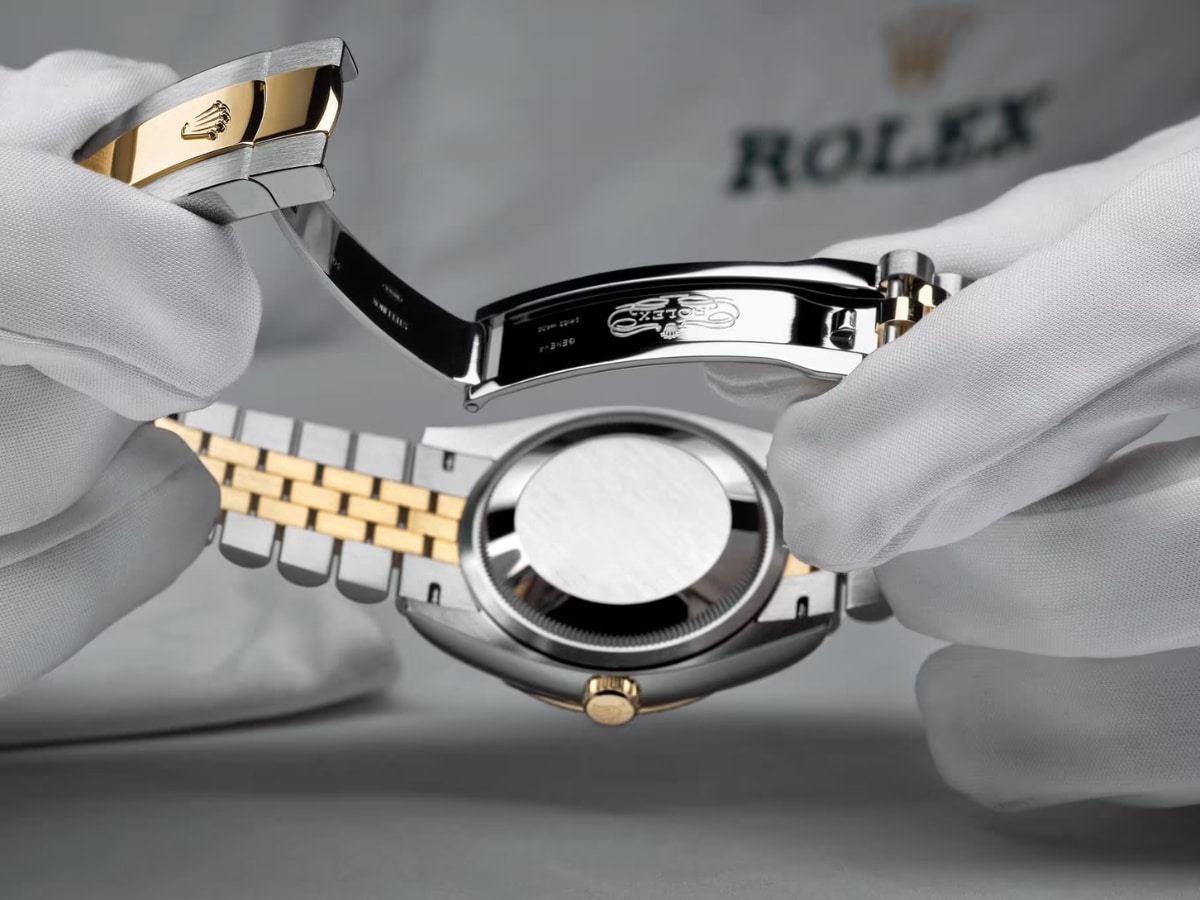
Authorised service centres work to the manufacturer’s servicing standards and generally have access to approved replacement parts and specialised equipment. They’re worth considering if your watch is still under warranty or requires brand-specific attention. For example, Rolex states that third-party work will void its manufacturer’s guarantee. You don’t want that kind of bad news after letting someone muck around with your watch.
Independent watchmakers, on the other hand, can be a good option for older watches, unusual movements or anyone who wants to discuss exactly what work will be carried out. But not every watchmaker has experience with every brand or access to the same replacement parts, so it’s worth asking about their qualifications and familiarity with your particular movement.
The two pre-owned-market specialists have different views on independent servicing. Menser’s position is firm: “Don’t be penny-wise and pound-foolish. Have your watch serviced by an authorised service centre or the brand itself.” He warns: “The peanuts you can save by using a third party can quickly be outweighed by inconsistency, a major issue, or aftermarket parts being installed in the watch.”
Altieri takes a broader view of who should service watches once they’re out of warranty: “A qualified independent with experience on your exact movement and access to genuine parts can be exceptional.” No matter where you take your watch, Altieri is clear about one thing: “Either way, agree on the scope in writing before authorising work.”
Your local jeweller may have to send the watch to another workshop rather than service it on site. So it’s always worth finding out who’s actually doing the work before agreeing to anything.
Regardless of where you take your watch, there are a few questions worth asking:
- What’s included in the service? Confirm whether you’re paying for a complete overhaul, partial maintenance or a specific repair.
- Will any original components be replaced? Extremely important for vintage and collectible watches.
- How much will it cost? Ask for a written quote and whether additional work requires your approval.
- How long will it take? Find out whether the quoted turnaround includes shipping and collection.
- Is the work guaranteed? Ask about the service warranty, replacement parts and any water-resistance testing.
- How will the watch be protected? Confirm whether it’s insured during transport or while in the workshop.
If you’re not sure where to start, our guides to the best watch stores in Sydney and Melbourne will point you to retailers and potential after-sales contacts. If you’ve got an older piece, our guide to Melbourne’s best vintage watch stores may also help. Just remember to confirm they offer servicing before you go.
Go Get Your Watch Serviced
At the end of the day, whether you’re servicing a $50 op-shop find or a luxury Swiss watch, the goal is the same: finding someone who can keep it running properly without doing unnecessary work. A little research beforehand could save you a much bigger headache later.
























Comments
We love hearing from you. or to leave a comment.