

Updated:
Readtime: 11 min
Every product is carefully selected by our editors and experts. If you buy from a link, we may earn a commission. Learn more. For more information on how we test products, click here.
There are few things that can test your tolerance for discomfort quite like a long-haul flight. The noise, the questionable meals, and don’t get me started on the person in front reclining their seat four seconds after the seatbelt sign goes off. And of course, the fun experience of trying to sleep sitting upright while sharing an armrest with a complete stranger.
Unfortunately for Aussies, it’s basically a rite of passage. Want to visit Europe? No worries – just endure the better part of a day in a flying metal tube first. And unless you’re fortunate enough to be turning left when you board, there’s no escaping the realities of economy class. But there are ways to make the experience less miserable.
To get the best tips for surviving your next long-haul flight, we spoke to a Jetstar cabin crew member about the seats to avoid, the essentials to pack and small things you can do to make a long flight more comfortable. Here’s how to arrive at your destination feeling at least somewhat human.
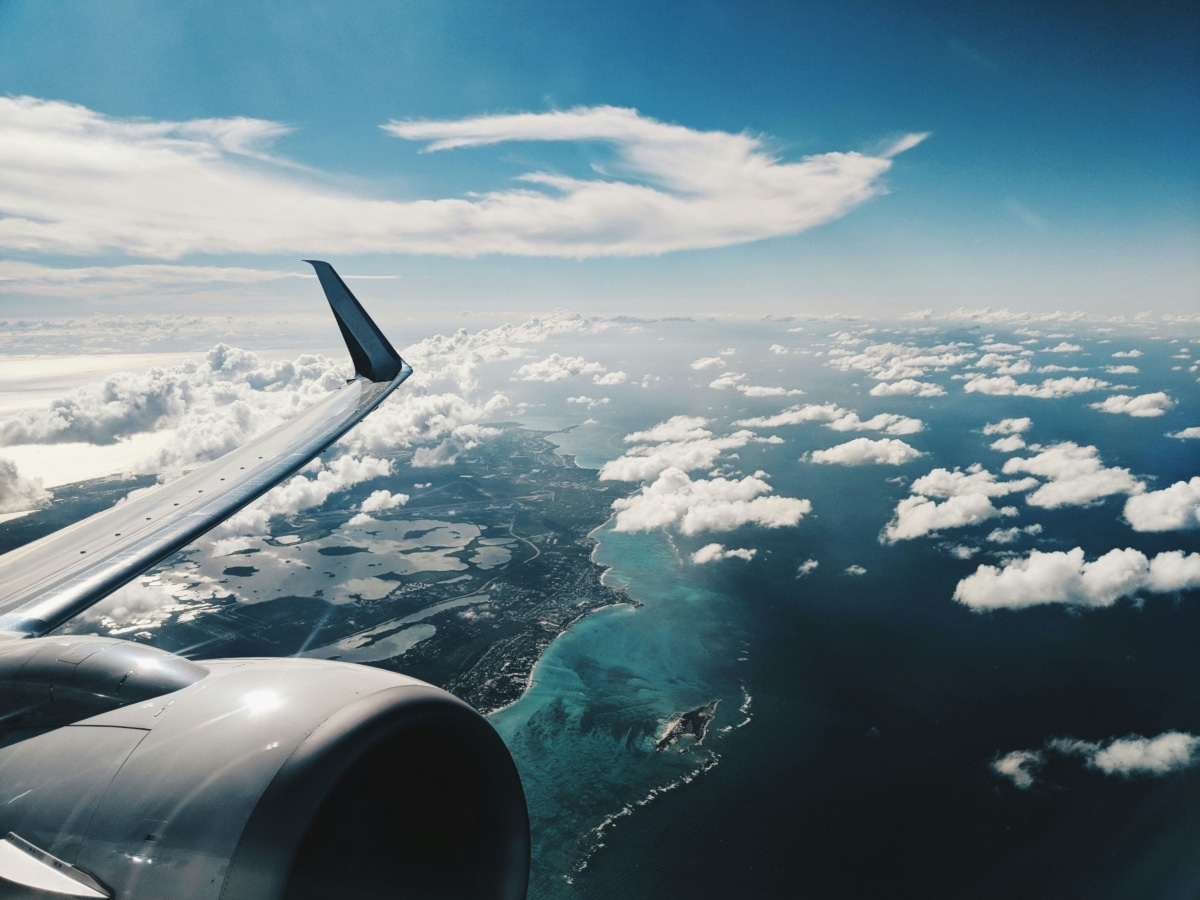
10 Best Tips to Survive a Long-Haul Flight
1. Get Your Body Ready Before You Fly
Perhaps the best tip for surviving a long-haul flight is one that starts before you even step foot on the plane. The day before your flight, it’s a good idea to get some movement in, whether that’s a gym session, a long walk or a bit of stretching. It doesn’t have to be anything too strenuous, but just something to wake up your muscles and get the blood pumping before a long stretch of sitting.
And while you might be tempted to stay up late the night before in the hope that you’ll sleep through the flight, this can often backfire. Being exhausted doesn’t guarantee you’ll sleep well on a plane, especially if you’re dealing with uncomfortable seats, cabin noise and a body clock that’s already confused.
Instead, go to bed at your normal time and try to get as much rest as possible before your flight. You’ll have enough working against you once you’re in the air without starting the journey already wrecked.
2. Choose The Right Seat
You might think there’s not much difference between one economy seat and another, but according to our Jetstar cabin crew member, where you sit can have a big impact on your journey.
Their first recommendation? Avoid seats near the galleys and bathrooms, where passengers tend to congregate, crew members are working, and bathroom doors are opening and closing throughout the flight (not to mention the obnoxiously loud sound of the toilet flushing).
Another thing to watch for is the row immediately before an emergency exit. Depending on the plane, these seats can have restricted or completely disabled recline, and you will often find the same issue with the very last row of the cabin.
As for the window versus aisle seat debate, there’s no right or wrong here. If you’re hoping to sleep uninterrupted, the window gives you somewhere to lean and means you won’t have to get up whenever your neighbour needs the bathroom. However, if you prefer stretching your legs (or are a frequent bathroom user), an aisle seat is probably the better choice.
However, if there’s one upgrade that can make a major difference on a 10-hour-plus journey, it’s paying for extra legroom. Always worth it.
3. Pay for Airport Lounge Access
Fun fact: you don’t need a business-class ticket or frequent flyer status to enjoy an airport lounge. Many airports now offer open-access lounges, meaning you can pay for entry regardless of which airline you’re flying with or where you’re sitting on the plane.
For example, at Melbourne Airport, lounge access starts at as little as $36 for one hour. At that price, you can enjoy complimentary meals and snacks, beer, wine, spirits, barista-made coffee, unlimited WiFi, charging stations and comfort away from the main terminal.
And when you consider how much you might otherwise spend on an airport meal, a couple of drinks and a coffee, that price is a bloody bargain.
Of course, whether it’s worth paying for depends on how much time you have before boarding. But if you’re facing 10-plus hours in economy, having somewhere comfortable to eat, recharge your gadgets and freshen up before take-off isn’t a bad way to start the journey.
4. Pack an In-Flight Survival Kit
There’s nothing more annoying than realising your headphones are buried somewhere in your bag in the overhead locker, and your charging cable is somewhere in the depths of your suitcase that’s sitting in the belly of the plane.
Save yourself the hassle and remember to pack a small bag with everything you’ll want during the flight. Our cabin crew member recommends packing moisturising products, noise-cancelling headphones, an eye mask and comfortable clothes you can sleep in. I’d also add a toothbrush, toothpaste, lip balm, hand sanitiser and any medication you might need.
5. Get Serious About Your Sleep Setup
Some people can fall asleep before the plane has finished taxiing. Others spend the entire flight rearranging their neck pillow, staring at the flight map and wondering how on earth there are still nine hours to go (me).
Unfortunately, humans were not made to sleep sitting upright, so there’s only so much you can realistically do to help you doze off. However, a supportive travel pillow, eye mask and noise-cancelling headphones or earplugs can help block out some of the distractions.
Some travellers swear by an inflatable footrest, but just check your airline’s rules before packing one because not all airlines allow them.
And maybe most importantly, don’t put too much pressure on yourself to get a perfect eight hours. A few stretches of rest are better than spending the entire flight stressing about not sleeping.
6. Drink Water (Yes, Even If You’re Not Thirsty)
Between the dry cabin air, lack of movement and lack of sleep, long-haul flights aren’t always kind to your body. A quick antidote? Water. And lots of it.
Bring an empty reusable water bottle through security and fill it before boarding (where allowed). You can also ask cabin crew whether they’re able to refill it during the flight. And if you often arrive at your destination feeling like a shrivelled-up sultana, add some electrolytes to your water.
Electrolytes contain sodium, potassium and magnesium that help regulate fluid balance and support normal muscle and nerve function. They’re not a magic cure for jet lag or a substitute for drinking enough water, but the sachets take up next to no room in your carry-on and can be handy to have on longer journeys.
And while we’re on the subject of hydration, it might be worth reconsidering the complimentary drinks. I get it – when you’re 35,000 feet in the air with nowhere to be, it’s almost rude to say no to a free glass of red.
But alcohol can increase your need to visit the bathroom, contribute to dehydration and interfere with your sleep. It might help you nod off initially, but the quality of that sleep is another story.
You don’t have to skip the booze altogether, but if you’re hoping to arrive feeling human, keeping alcohol to a minimum (or avoiding it altogether) is your best bet.
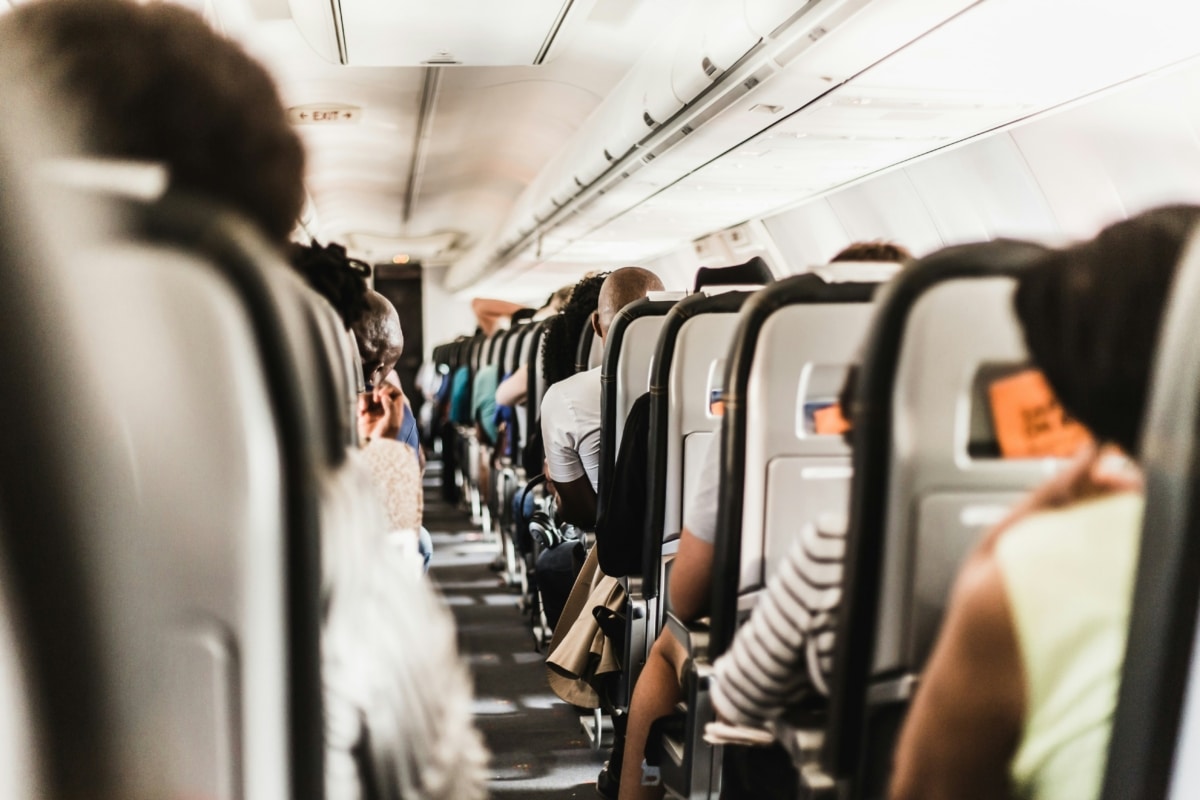
7. Get Up and Move Around
While it’s tempting to stay planted in your seat for the duration of a long-haul flight, moving around is important for more than your comfort. Sitting still for extended periods can increase the risk of deep vein thrombosis (DVT), which is a blood clot that forms in a deep vein, usually in the leg.
The risk for most healthy travellers is low, but it’s still not a bad idea to move regularly throughout the flight. When it’s ok to do so (i.e., not during meal service), get up and walk around the cabin every couple of hours. You can also exercise your calf muscles while seated by lifting your heels, raising your toes and flexing your ankles.
8. Ask About Empty Seats
Here’s another tip from our cabin crew intel: if you notice spare seats or an empty row, ask the cabin crew whether you’re allowed to move there. On a less-than-full flight, an empty seat beside you can make a huge difference to your comfort, especially if you’re hoping to stretch out a little.
But don’t assume you’re free to move wherever you please. Seat changes are subject to airline rules, safety requirements, and weight and balance considerations. Oftentimes spare rows and seats are reserved for cabin crew.
So, your best bet is to wait until boarding is finished and ask a crew member (nicely). You might get lucky, or you might get told no. Either way, it never hurts to ask.
9. Find Out What’s Available Between Meal Services
Nobody wants to deal with hunger pangs between meal services, so our cabin crew intel recommends asking whether your airline has a snack or drinks station you can access between meal services.
Some airlines provide self-service refreshments on certain long-haul routes, while others offer snacks you can buy, or provide them for free on request.
And, contrary to popular belief, you can take your own snacks on a plane (it’s not the same rules as going to the cinema!) You should definitely pack your own snacks for long-haul flights, especially if you have dietary requirements or tend to get peckish at inconvenient times.
Just check the rules for carrying food through security and across international borders, especially if you’re bringing anything off the aircraft when you land.
10. Start Adjusting to Your Destination’s Time Zone
You might be leaving Sydney at 10pm, but if you’re flying to London, your body clock is about to have a very confusing couple of days. And one way to make the adjustment easier is to start thinking about your destination’s time zone before you arrive.
Set your phone or watch to local time at your destination once you’re on board, and use it to help plan when you’ll sleep, eat and stay awake. For particularly long journeys or big timezone changes, gradually shifting your sleep schedule in the days before you leave might also help.
Long-Haul Doesn’t Have to Mean Long-Suffering
I’m not going to pretend that over 10 hours in economy can ever compete with a lie-flat bed and a glass of Champagne in business class. If someone would like to offer me the latter, however, my inbox is open.
But you don’t need a first-class budget to make a long-haul flight more comfortable. Choosing the right seat, packing a few essentials, moving around regularly and taking advantage of what’s available on board can all help make the journey less unbearable.
And if all else fails, there’s always the comforting thought that on the other side of your flight is a holiday. Or at least another airport.
FAQs
First class, obviously. Jokes aside, it depends on your priorities! Window seats are generally better for sleeping because you can lean against the wall without being disturbed by passengers getting up. Aisle seats are better if you like to stretch your legs or visit the bathroom a lot. If it’s in your budget, paying for seats with extra legroom is never a bad idea.
Avoid sitting down the whole flight, drinking too much alcohol or relying on sleeping tablets. It’s also a good idea to avoid seats near toilets and galleys if you’re a light sleeper.
A supportive neck pillow, eye mask, earplugs or noise-cancelling headphones can help make sleeping in economy easier. If you forget to pack a pillow, you can use a rolled-up jumper or blanket if the airline supplies one. Also, wear loose clothing! You don’t have to arrive at the airport in casual clothes, but packing comfy clothes to change into once you’re on the plane can be a game-changer.























Comments
We love hearing from you. or to leave a comment.