


Updated:
Readtime: 8 min
Every product is carefully selected by our editors and experts. If you buy from a link, we may earn a commission. Learn more. For more information on how we test products, click here.
- Apple confirms 100,000 apps are fully optimised for the iPhone Duo.
- Single unified aspect ratio gives iOS developers an immediate design target.
- Samsung has spent six years fighting Android aspect ratio fragmentation across foldables.
- Unoptimised legacy software still defaults to narrow vertical windows on wide screens.
- Australian platforms including ANZ Plus, Qantas, and MyGov are already updated.
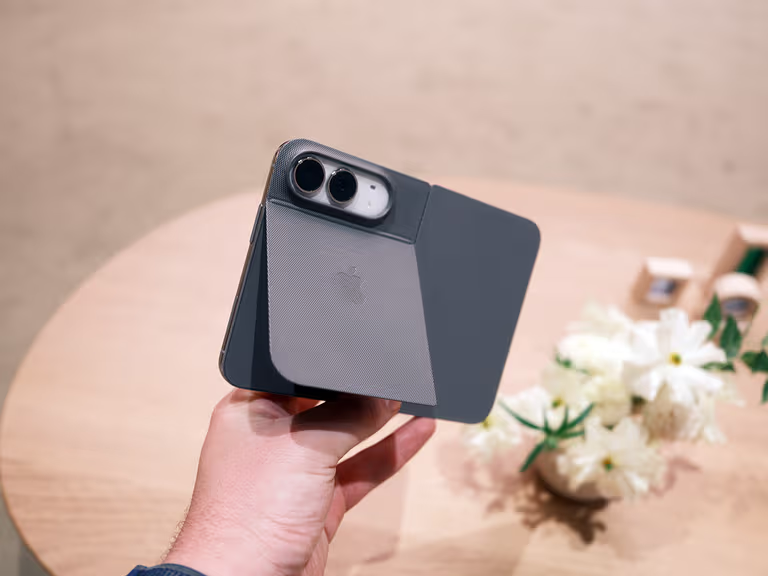
When I flew to Cupertino for the unveiling of the iPhone Duo, I couldn’t help but view Apple’s long-awaited entrance into the folding market through a deeply sceptical lens. I’d watched the technology giant sit on the sidelines while Android pushed flexible displays into the mainstream, and I also knew hardware engineering was only half the battle. Yet just two weeks after the Duo hit shelves, Apple has answered the sceptics, confirming that well over 100,000 apps built specifically for the iPhone Duo are already live on the App Store. Initial retail sales indicate an eye-catching commercial success for the device, and that’s given developers the confidence to push thousands of updates to the App Store every day.
My wariness was earned. The last Android foldable I daily-drove was the Samsung Galaxy Z Fold4, a device that met an unceremonious death when its inner screen creased and broke right down the middle. Beyond that brief mechanical trauma, the everyday software experience was a headache of stretched apps and pillarboxes. Now that I’ve used the iPhone Duo for three weeks, I’ve found the contrast in execution stark. While unoptimised legacy software still appears as a narrow vertical window on the odd occasion, the sudden influx of updates suggests developers are treating Apple’s foldable with an urgency Samsung never managed.
Even when apps aren’t adapted for the inner display, you can turn the Duo to portrait orientation and tap an on-screen expand button to force content across the canvas, but it remains an imperfect workaround.
That immediate developer support is so important, given the steep financial barrier to entry. With the Duo commanding a local retail price of $4,000 for mid-range storage options, buyers are paying a serious premium compared to other foldables on the market, including the Samsung Galaxy Z Fold8 (AUD$2,699). However, software execution is where the value proposition truly separates itself. While Android has spent nearly a decade waiting for major app developers to adapt to shifting display dimensions, Apple’s unified hardware has delivered a functional ecosystem practically out of the box.
Aspect Ratio Curse That Stalled Android
To understand why 100,000 optimised apps in a matter of weeks is such a big moment for foldables, we need only look at the battles others have fought.
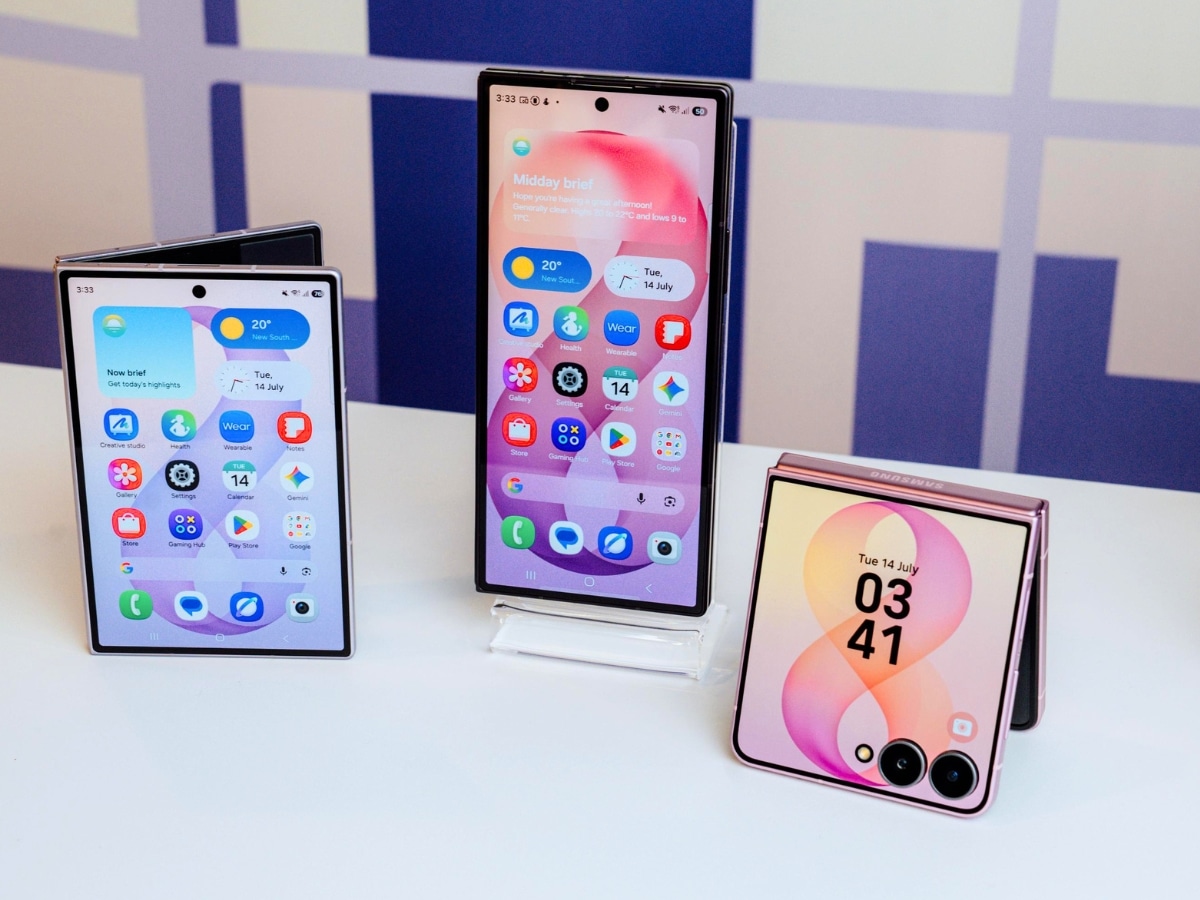
Over eight hardware generations, Samsung has constantly altered its display geometry, moving from a tall, cramped 25:9 cover screen to 23.1:9 on the Fold4, 22.1:9 on the Fold 6, and now splitting the lineup entirely with a wider 4:3 panel on the Fold8 alongside a taller Fold8 Ultra. When Google introduced another profile on the Pixel Fold, and OnePlus delivered its own dimensions on the Open, the Android foldable ecosystem was split again. The iPhone Duo uses a consistent aspect ratio of 1.41:1 for the inner and outer screen.
Software developers have been tasked with building bespoke layouts for a tiny fraction of smartphone sales across multiple shifting aspect ratios. This task has never been commercially viable. Most developers chose to ignore the category, leaving Samsung to spend years engineering software patches, force-resizing tools in One UI Labs, and paying select developers to make apps usable beyond a simple stretch.
“It’s been wonderful to see how quickly developers have embraced iPhone Duo, and we’re grateful for their creativity and innovation. Today there are well over 100,000 apps built for iPhone Duo already live on the App Store, and thousands of optimised apps are being added to the store each day,” said Susan Prescott, Apple’s Vice President of Worldwide Developer Relations.
Apple completely bypasses this fragmentation trap through a singular hardware discipline. There are no screen ratio discrepancies or third-party skin issues. iOS developers build for a single outer display, a single inner display, and a single physical hinge specification. Knowing that every single iPhone Duo user in the world shares the identical device gives developers an immediate, financially sound incentive to build dedicated interfaces from day one. Even so, with well over a million iPhone apps on the App Store, this 100,000-app milestone represents a fraction of the broader catalogue, meaning the vast majority of legacy software still has a long way to go. But considering this track record, there’s little reason to believe they won’t get there.

Why Single Hardware Discipline Wins Developer Support
We can’t discount that Apple’s ability to command immediate adoption also boils down to developer tools. Backed by new and updated APIs introduced in the iOS 27.1 SDK, developers aren’t simply expanding smartphone apps to fill extra pixels. Those apps that use modern SwiftUI and UIKit components adapt automatically to each display, moving interactive buttons toward outer edges for “thumb-friendliness” in an area that users are already programmed to reach to, opening dynamic multi-column panes on the inner screen, and intelligently nudging navigation controls away from the central crease.
“In the last month alone, thousands of developers have joined us for workshops in 19 cities around the world to experience iPhone Duo firsthand and bring updated apps to their users. The enthusiasm has been incredible, and we’re excited to see the pace of updates continue to accelerate as more and more apps optimise for iPhone Duo,” added Susan Prescott, Apple’s Vice President of Worldwide Developer Relations.
I’ve been using the Duo as my main smartphone for the last three weeks, and third-party software continues to update every day. Zoom turns the inner display into a video conference room while parking call controls on the lower half. Meanwhile, newly optimised powerhouses include Microsoft’s full suite across Excel, OneNote, PowerPoint, and Word, making the fold-out screen a portable workstation. Amazon Prime Video, Netflix, YouTube, Instagram, and WhatsApp were among the first global big names to update. Goodnotes and calendar app Fantastical make immediate use of the expanded real estate for notes and multi-day scheduling, while sports fans can track live statistics and stream matches across the larger display using updated apps from the NHL and NBA. Last but not least, photo tool Halide Mark III has become a favourite as it utilises Apple’s new hinge API to transition from a traditional cover-screen viewfinder to an angled, waist-level shooting rig reminiscent of a vintage twin-lens reflex camera.
What This Means for Local Australian Apps
Often, the biggest risk with early-generation hardware is finding out that your frequently used domestic banking, government, and transit apps have been overlooked by local developers.
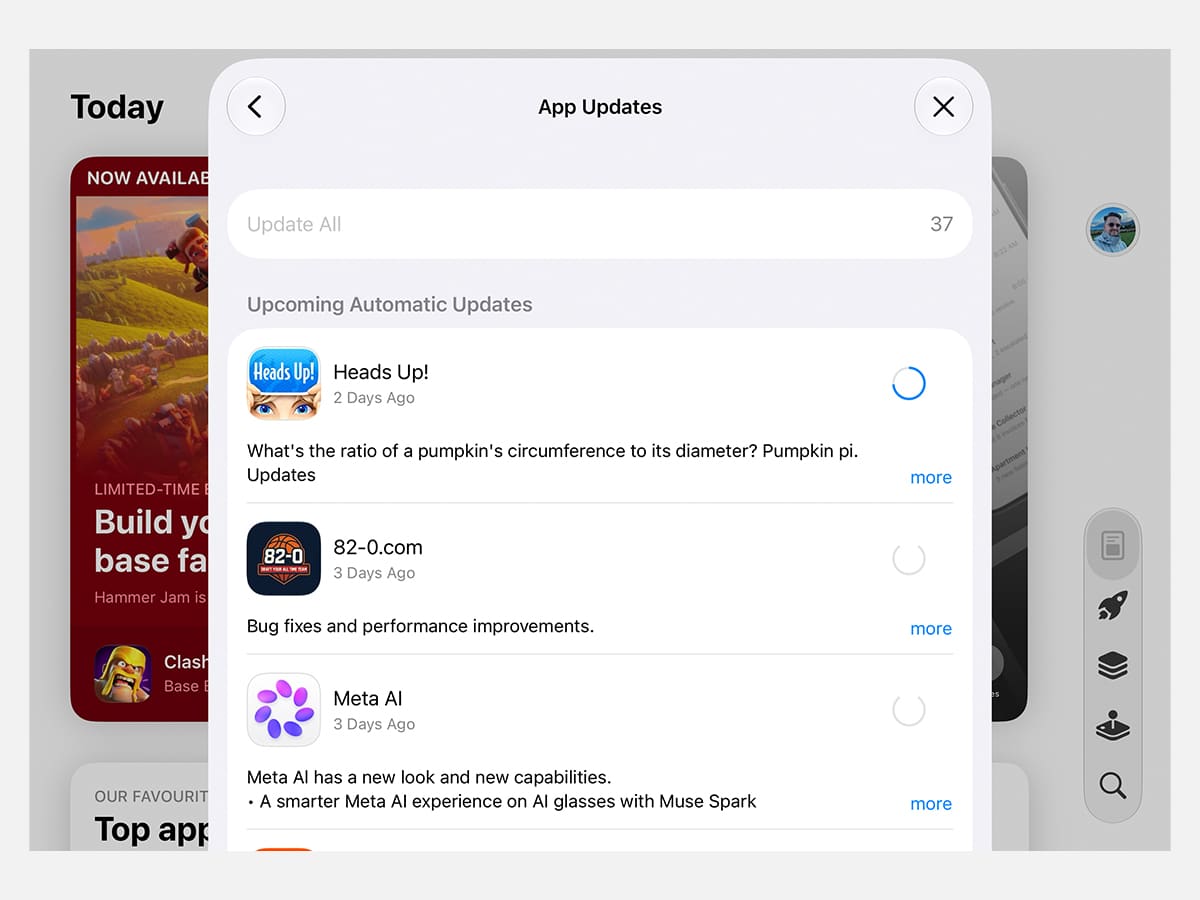
The good news is that financial institutions, including ANZ Plus and Macquarie Bank, have rolled out bespoke dashboard layouts that make full use of the dual-screen real estate, while MyGov and My Telstra present clean, split-column navigation that eliminates unnecessary scrolling. Public transport apps like TripView, NextThere, and TripGo now allow commuters to view real-time platform tracking and route schedules simultaneously, while frequent flyers get multi-panel itineraries and terminal maps for Qantas and Air NZ. The flyer companion app Flighty looks great on the Duo too, splitting real-time flight telemetry and radar maps across the interior screen.
Local independent studios have also shown up, including Australian-made lifestyle staples like recipe manager Crouton, financial tracker Petty, and fitness companion Streaks Workout, which are fully certified for the folding architecture. With the upcoming iOS 27.2 update bringing dedicated Apple Pencil support, creative tools like Flow are set to turn the unfolded Duo screen into a responsive digital sketchbook.
Ultimately, the iPhone Duo delivers the cohesive experience Android has been stuck trying to achieve for years. By standardising on a single hardware form factor and backing it with developer APIs, Apple has eliminated the aspect-ratio headache that turned older foldables into software experiments. However, if you’re a casual smartphone user who primarily navigates one-handed, or someone who remains apprehensive about long-term hinge durability after bad experiences with previous folding devices, dropping over $4,000 on an early-generation device might remain difficult to justify.


























Comments
We love hearing from you. or to leave a comment.