

Updated:
Readtime: 12 min
Every product is carefully selected by our editors and experts. If you buy from a link, we may earn a commission. Learn more. For more information on how we test products, click here.
It’s been a week of firsts for the iPhone Duo and me. The learning curve was relatively short and sweet, but I still don’t know that I’m making the most of what has already proven to be a slick piece of technology. I’m still in two minds about whether or not I see myself with the Duo in my pocket for the foreseeable future. However, I wanted to take a closer look at some of the pros, cons, and thoughts I discussed at length in my in-depth review of the iPhone Duo. Think of this story then, as a guide to help inform any buying decisions that you might be about to make regarding the most anticipated iPhone product in decades.
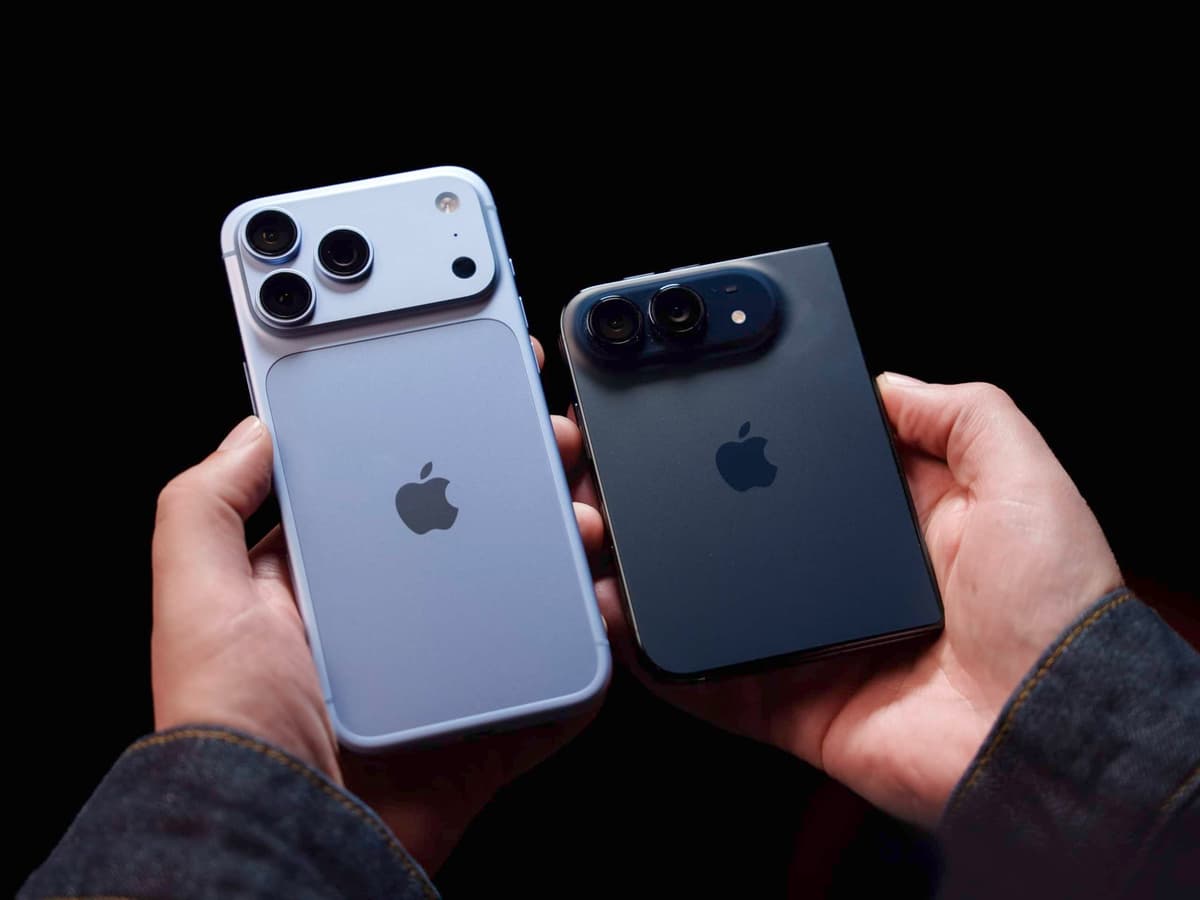
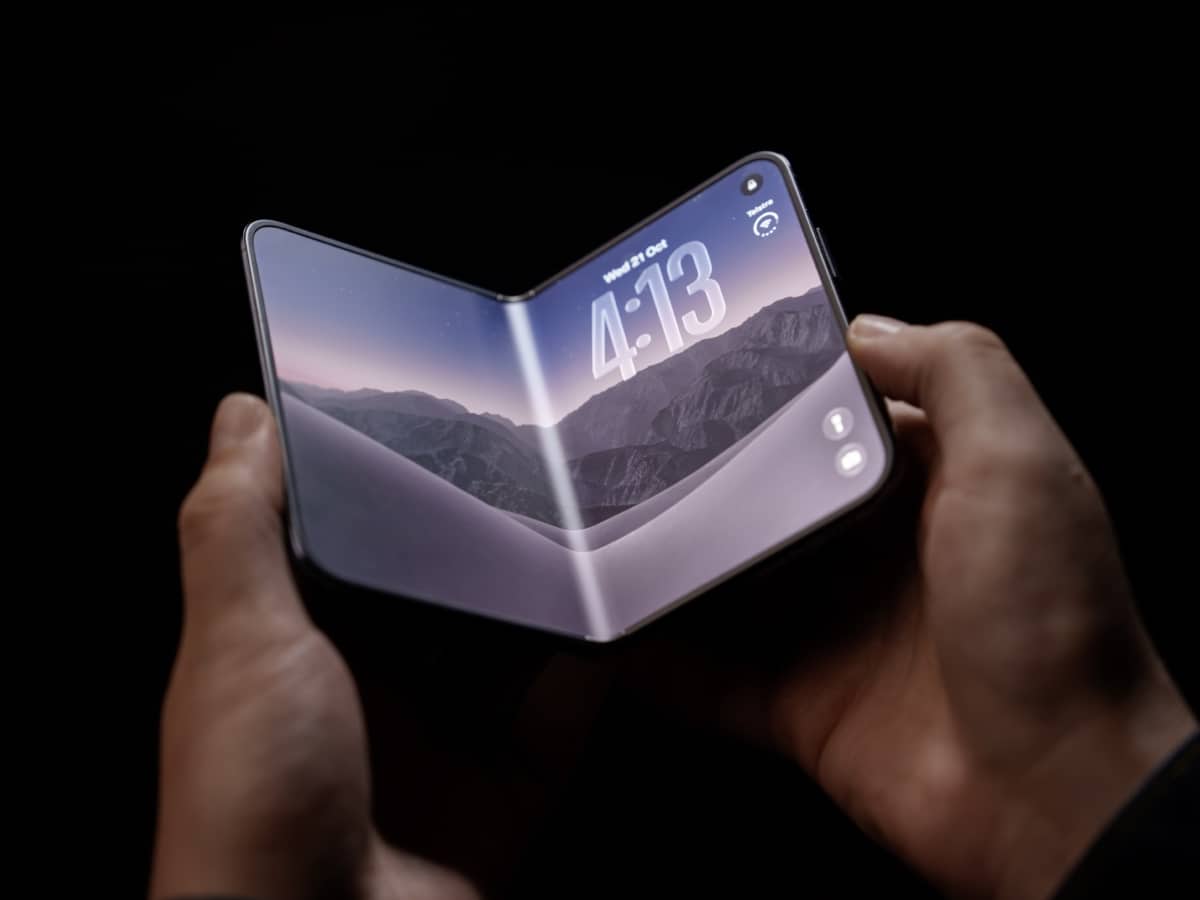
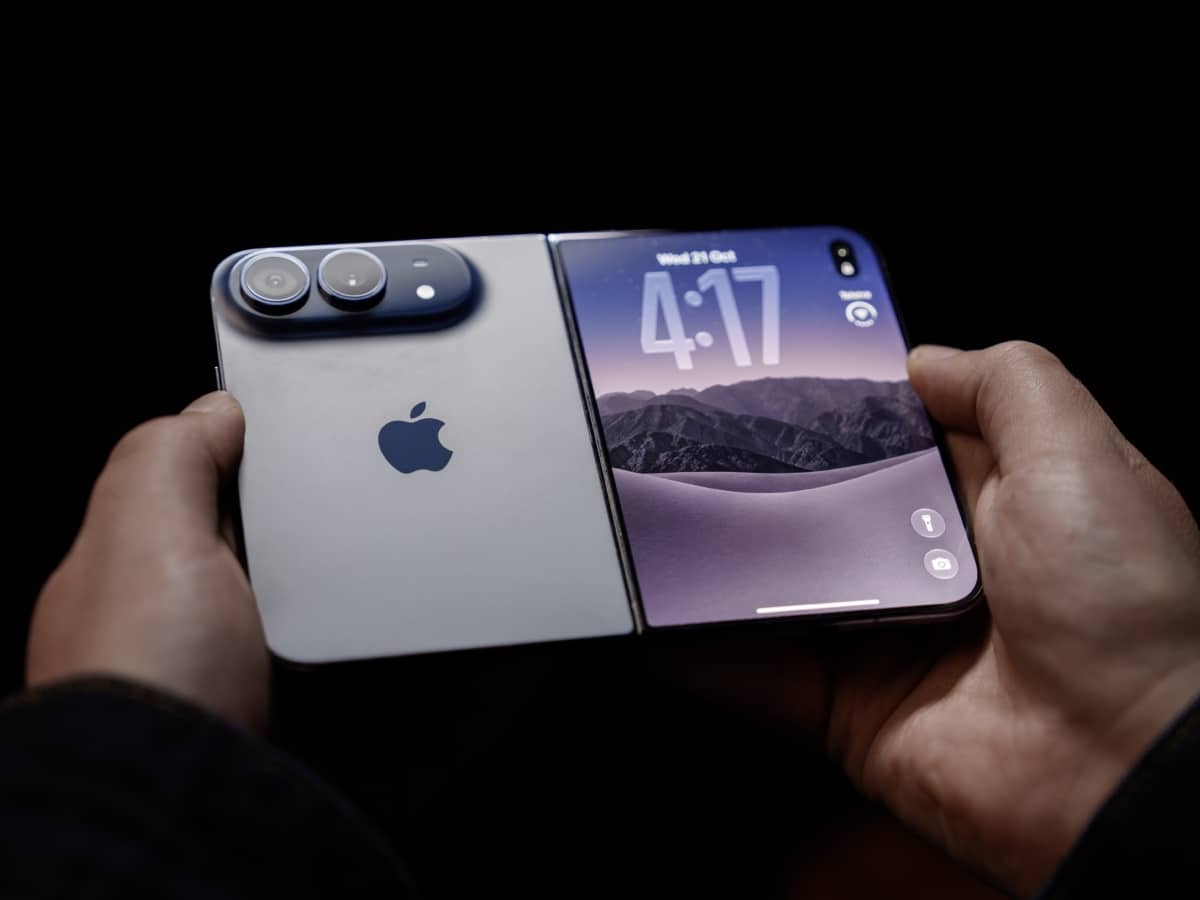
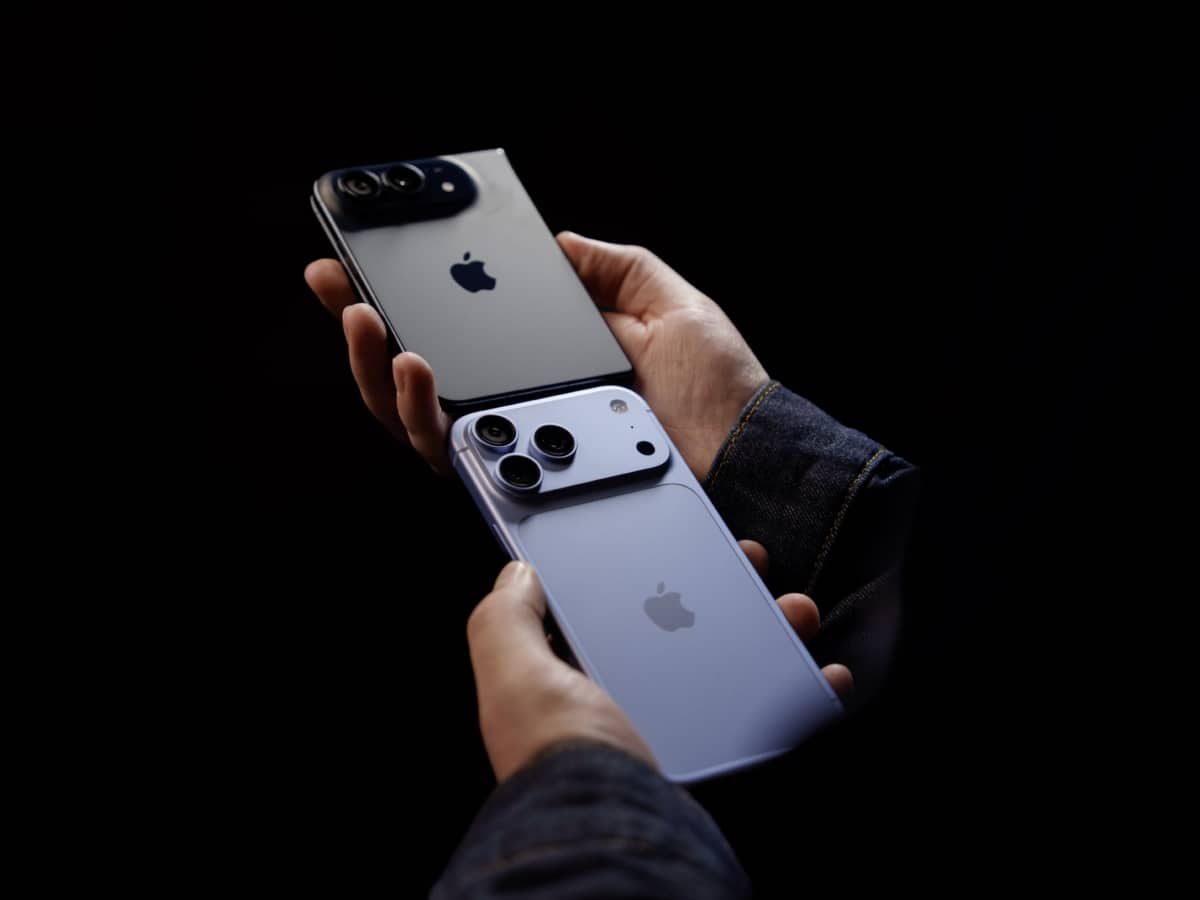
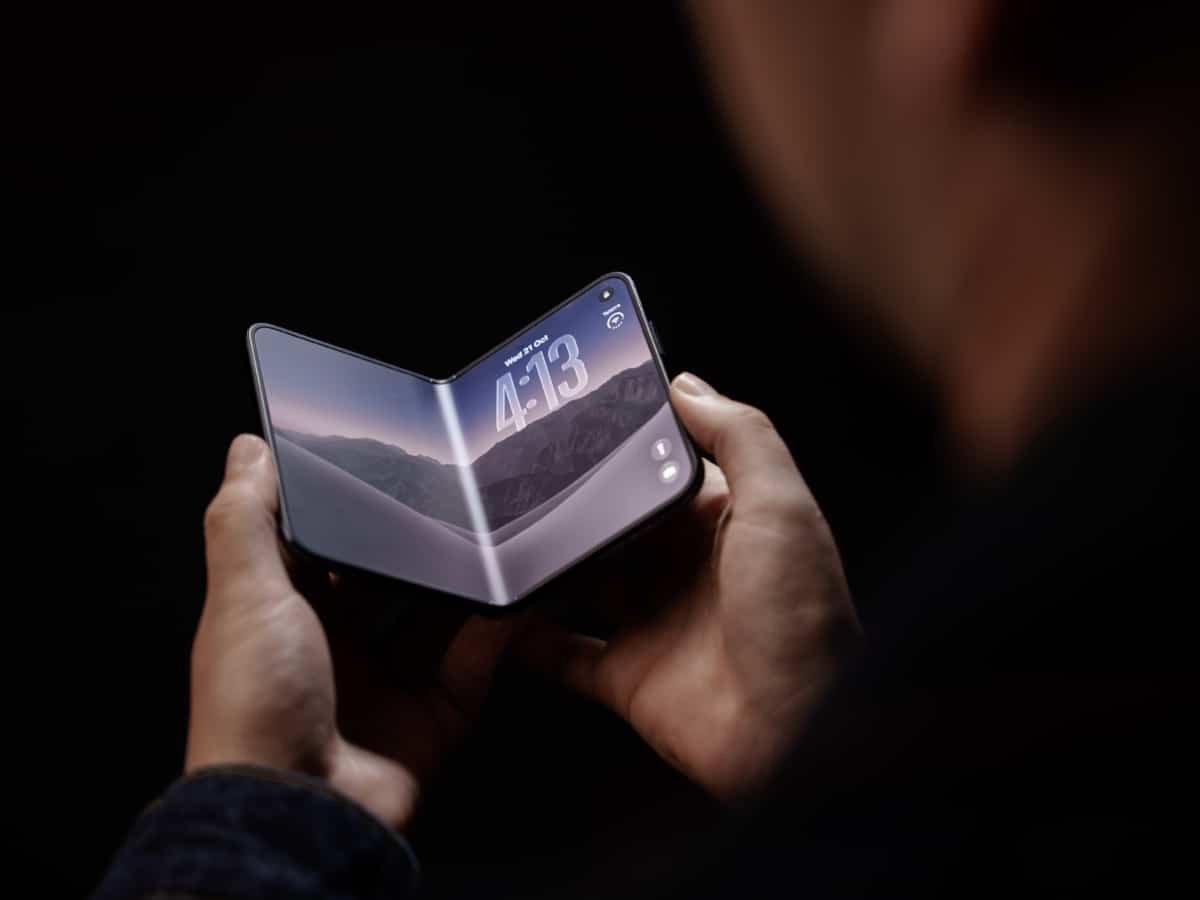
Let’s start by explaining what we’re dealing with here with the Duo. It’s a passport-sized smartphone that’s anchored by a 5.4-inch outer display that unfolds to showcase a larger 7.6-inch inner display that has (so far) fundamentally changed how I interact with iOS on the go. To fit two screens into a pocketable frame, there’s a Grade 5 titanium chassis that houses a dual-battery system paired with the 2-nanometer A20 Pro processor backed by a dedicated internal vapour chamber and flexible graphite cooling system. It’s a powerhouse of a smartphone, and sits right there alongside the flagship Pro models in terms of performance.
But here’s the catch. While the new design brings multitasking to your workflow, there’s a bit of push-and-pull here. There’s no Face ID, which takes some getting used to. The camera hardware is closer to that of an entry-level iPhone than to the flagship products we saw in Cupertino back in September. You’ll also sacrifice the iPhone 18 Pro Max’s huge daily battery life, and for all of this, you’re paying substantially more money (from AUD$3,499) than you would for your ultra-luxury entry. With that said, let’s take a closer look at the five ways the iPhone Duo moves the needle for me, and five ways it could fall short for you.
5 Ways the iPhone Duo is a Step Forward
Here is where the Duo truly shines. From side-by-side multitasking to clever camera workflows enabled by the cover display, Apple has crafted hardware and software integrations that make the folding form factor feel genuinely useful in daily life.
1. True Split View Multitasking
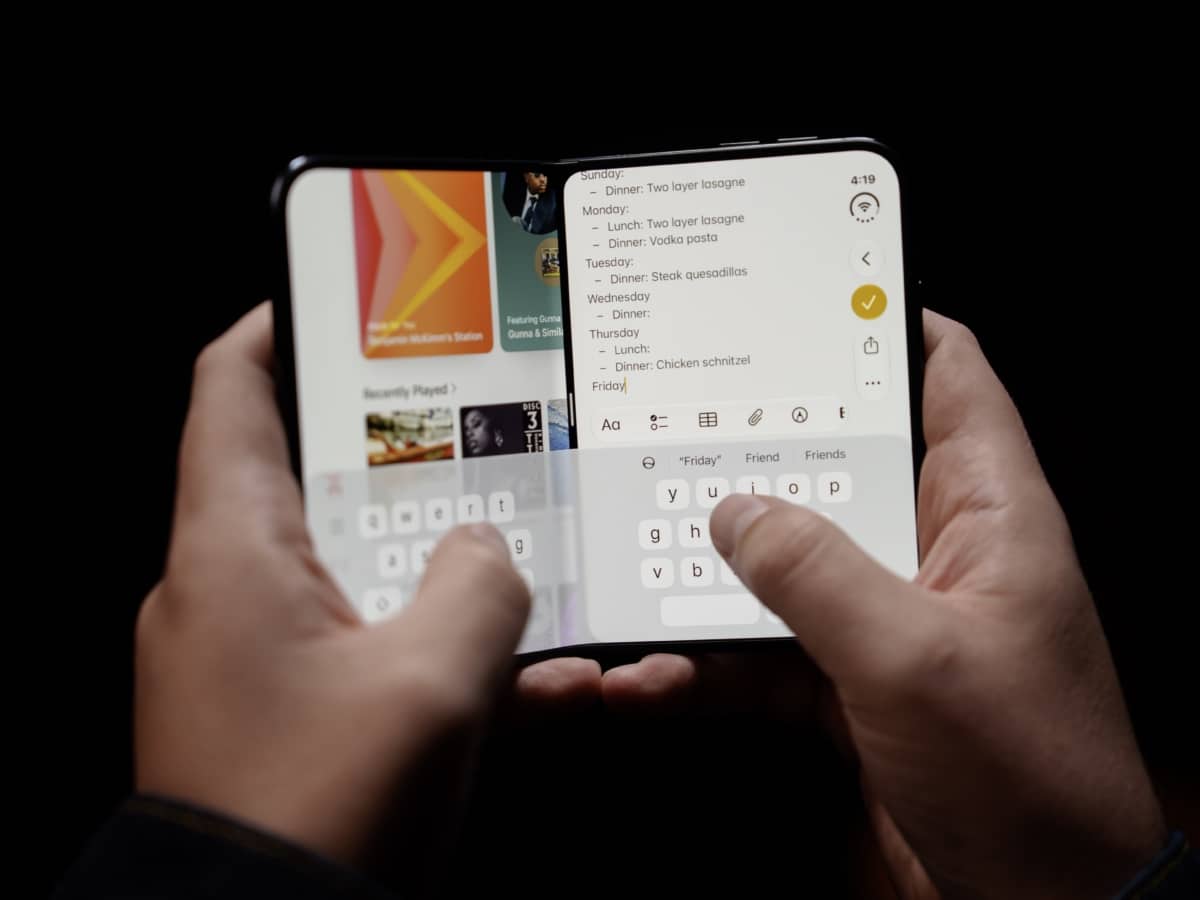
The 7.6-inch inner Super Retina XDR display, which delivers 50 per cent more screen real estate than the iPhone 18 Pro Max, is super impressive. It brings true side-by-side app execution to the iPhone. Rather than constantly swiping up to open the App Switcher, iOS 27 lets you pin two active applications or two separate windows of the same app on the inner canvas simultaneously.
I can even save specific app pairs that automatically launch together in Split View, access multi-window App Exposé pills to manage active instances, and use pinned picture-in-picture videos that fluidly adapt when the phone is partially folded.
What makes this workflow feel like a complete laptop replacement is the software keyboard: when held in landscape mode, it automatically splits across the inner display for two-thumb typing, while the redesigned status bar (a circular module displaying battery on the arc, cellular connection on dots, and Wi-Fi in the centre) moves controls out of the way. Plus, with Apple Pencil (USB-C) support arriving on both displays later this year, taking notes while referencing a document will feel even more seamless.
2. Native Application Overhauls
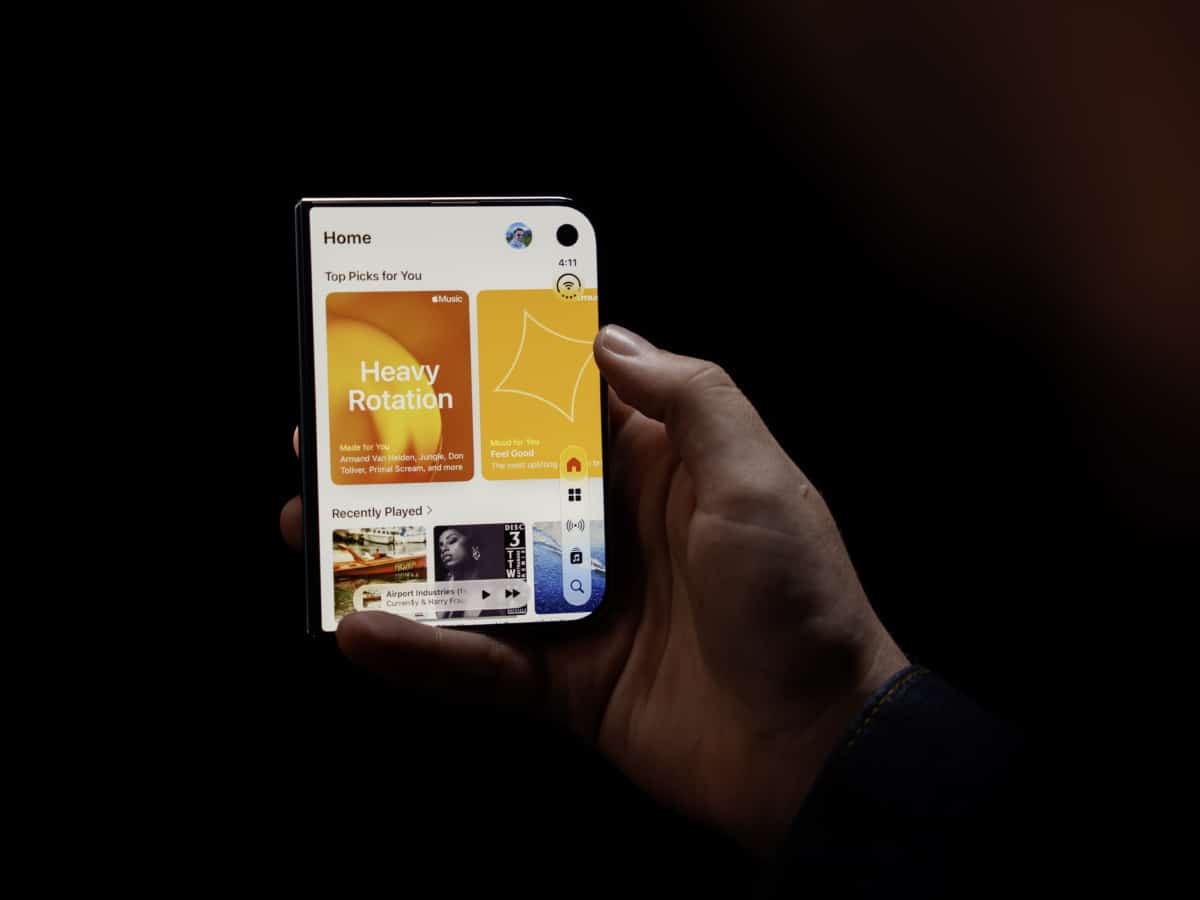
The Duo isn’t about simply stretching standard phone apps across a wider screen. I found that Apple thoroughly redesigned its native software suite for the Duo’s consistent 1.4:1 aspect ratio. This includes Mail, Messages, Notes, and Reminders, all of which feature persistent sidebars with conversation lists and inboxes, alongside what you are viewing when held in landscape mode.
Meanwhile, Apple TV, Apple Music, Podcasts, and the App Store adopt vertical tab navigation on the side of the display to keep content front and center. The system fluidly adapts as you shift postures: video applications like Fitness+ and Apple TV automatically push content to a full-screen, hands-free view the moment I set the phone down or prop it up like a tent, backed by spatial audio tuning algorithms that optimise speaker output across open, closed, or seated positions.
3. Dual-Display Camera Workflows
The folding chassis enables creative shooting modes that are physically impossible on a unibody iPhone. Beyond using the 5.4-inch cover screen as a live viewfinder with Duo Preview, the outer display allows me to capture full-resolution 48MP selfies using the primary Fusion lenses with zero shutter lag, while Dual Capture lets me record video from the front and rear cameras simultaneously.
Smart Take turns the Duo into an autonomous personal photographer. Powered by the A20 Pro chip, it tracks the scene in real time when the phone is propped up and snaps the photo once everyone is framed and smiling.
During my testing, I also had a chance to play around with Kid Cue, which plays engaging animations on the outer display to draw a child’s eyes right to the lens, and Duo FaceTime, which allows someone sitting across from me to join a video call using the cover screen and outer front camera. However, for creators, Cinematic mode effects can now be applied to regular video after capture at 4K up to 60 fps, 4K Timelapse in Dolby Vision HDR includes an adaptive pacing option that slows down during action, and Audio Mix uses new algorithms to isolate voice and music from background noise.
4. Adaptive Ergonomics and StandBy Mechanics
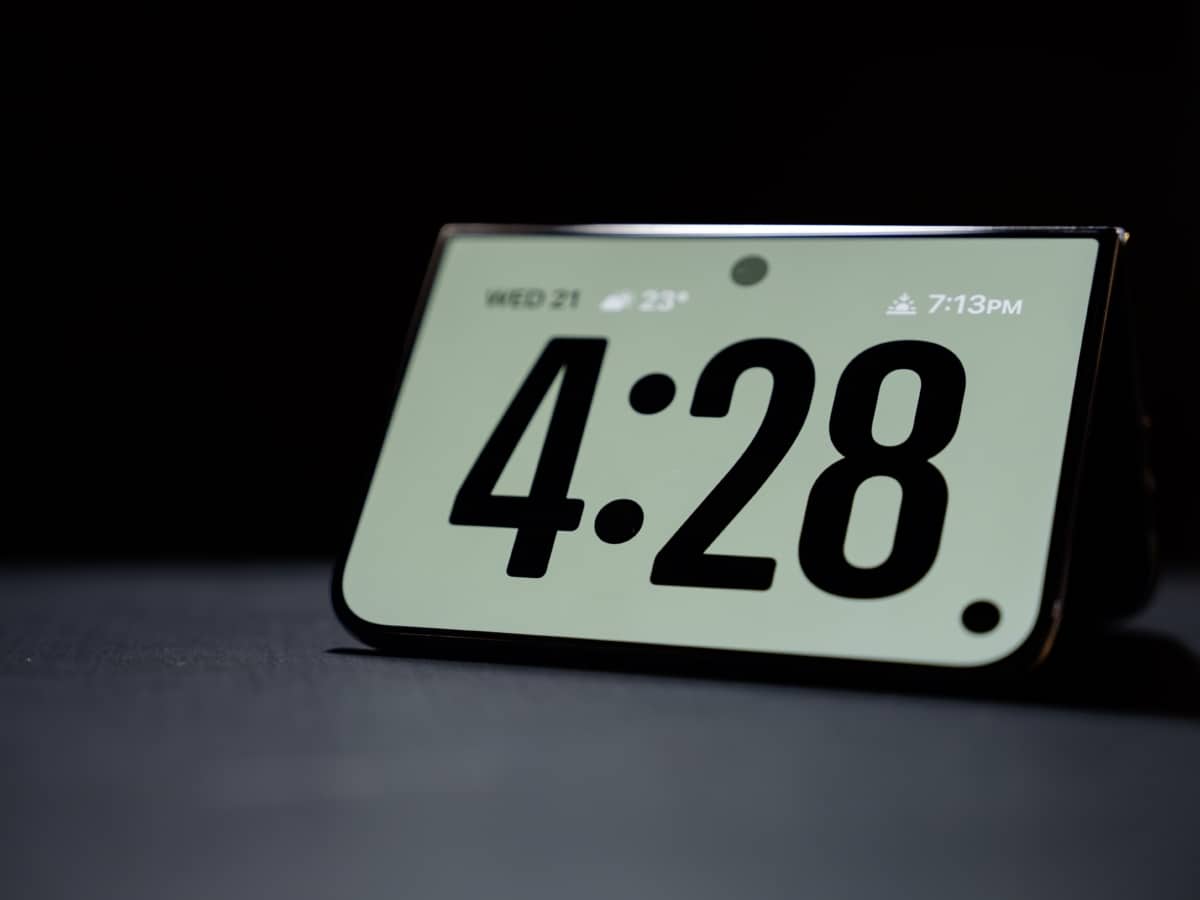
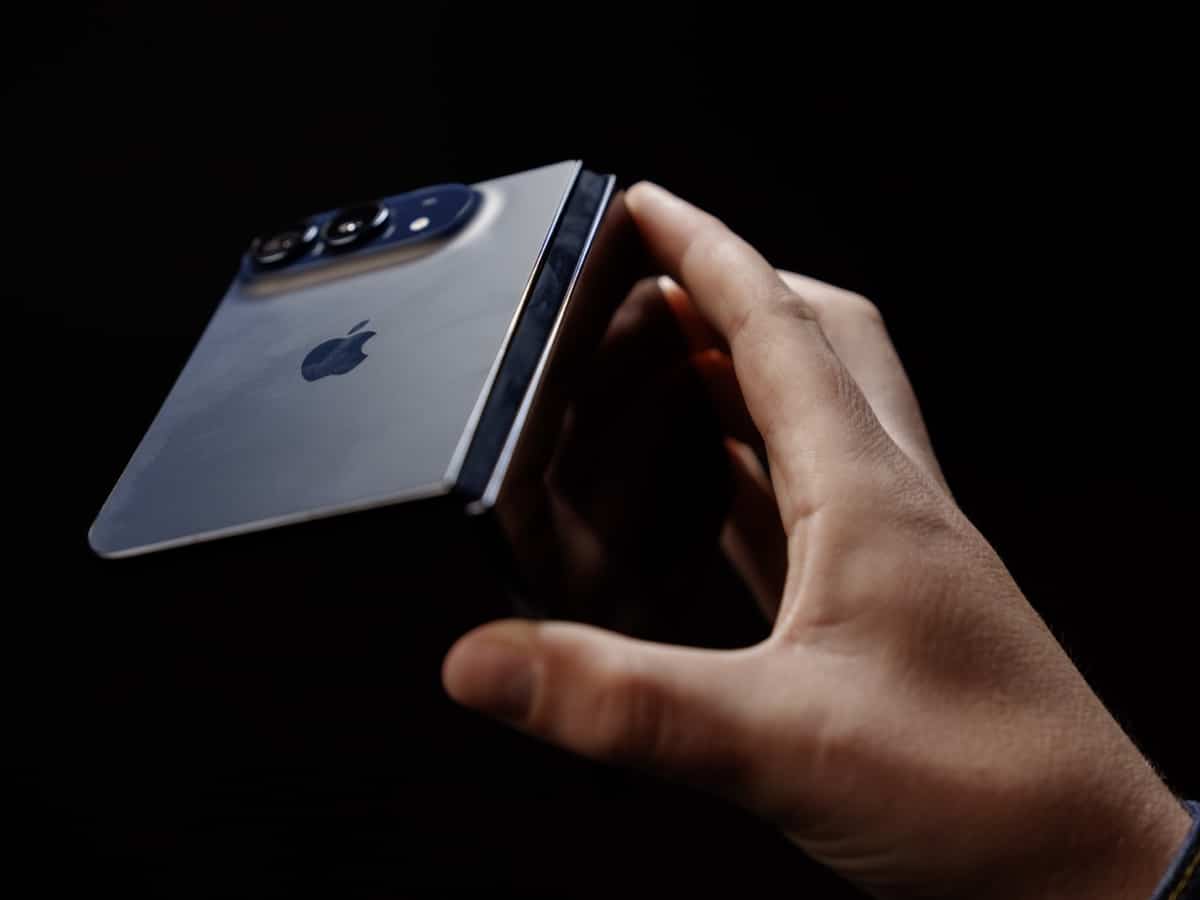
The device relies on a precision-engineered hinge crafted from over 100 tiny wear-resistant components with a variable torque profile, providing smooth resistance and securely holding its position across multiple angles.
Partially folding the phone and setting it down like a book or tilting it while propped up turns StandBy into an interactive desk hub, displaying a modular layout with three widgets on the left and an extra-large widget on the right.
You can also customise the display with all-new faces, including Analog and Digital Clock, Weather, Calendar, and Photos collections, all of which stay active even when the phone isn’t actively charging. Sitting the phone up like a tent on a nightstand also activates a new “Alarm glow” feature, where the morning Wake Up alarm gradually increases in light intensity across the inner display to gently wake you up. It’s all very clever stuff that you’ll quickly integrate into your daily life.
5. Nano-Texture Crease Mitigation
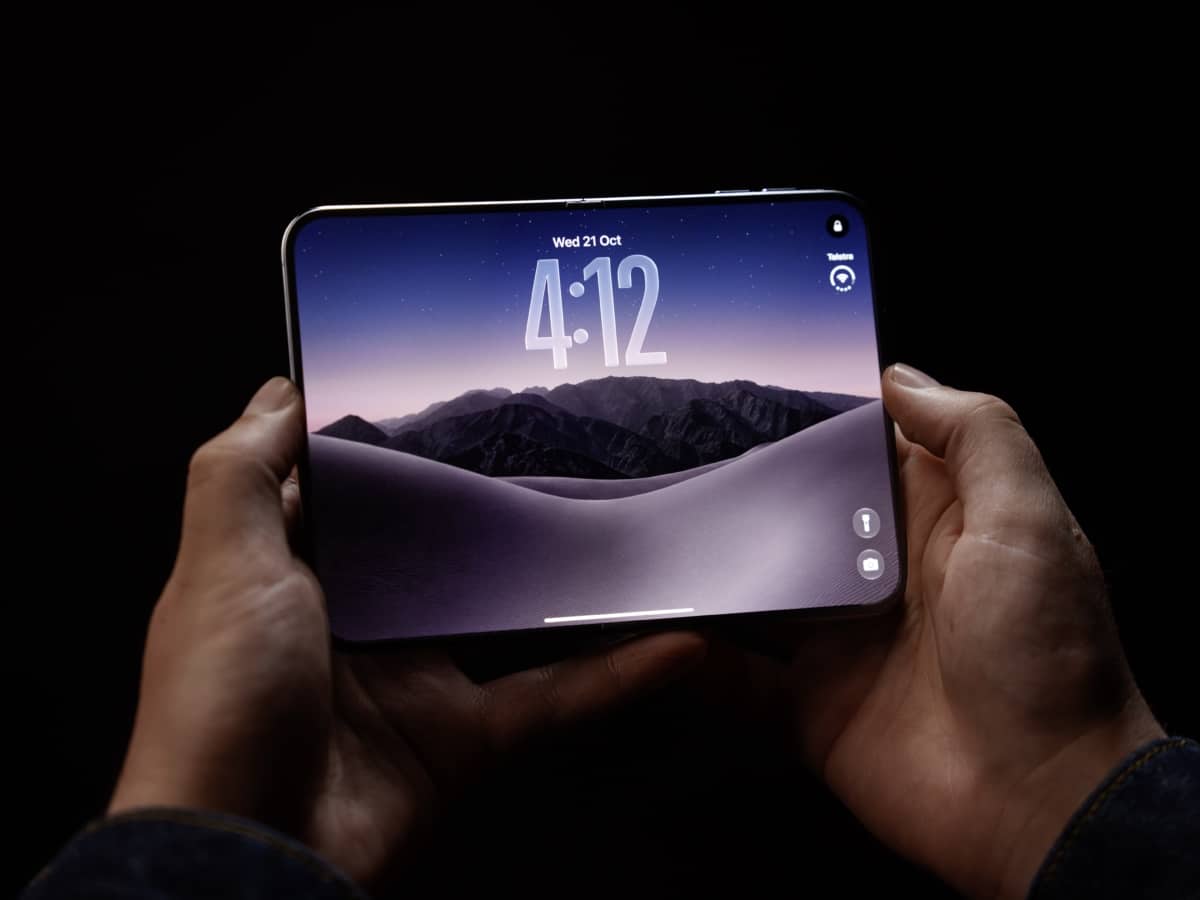
To tackle the reflective, rigid seam that plagues competing foldables, Apple used maskless laser lithography to etch a custom nano-texture finish pixel by pixel onto the inner display.
The matte cover layer uses an advanced polymer that is up to 40 per cent stiffer than standard industry materials, providing serious dent and scratch resistance while making the central crease line practically invisible when looking at the screen front-on.
I learned during a technical briefing that during manufacturing, AI algorithms precisely match each 3D-printed Grade 5 titanium hinge with its best-fit housing to ensure perfect mechanical alignment.
Combined with wide-angle OLED technology that emits light evenly at off-axis angles, Apple Colour Matching Functions (CMF) calibration, 3000 nits peak outdoor brightness, and 120Hz ProMotion, the inner canvas offers an uninterrupted viewing experience where the hidden under-display FaceTime camera completely vanishes when not in use. Overall, the display is stunning and easy to read in all light conditions and scenarios.
RELATED: Apple Confirms iPhone Duo Repair Costs, Replaceable Screen Layer for Less Than $20
5 Ways the iPhone Duo is a Step Back
For all its hardware triumphs, living with the Duo as a daily driver reveals some undeniable trade-offs. Transitioning to this new form factor requires accepting notable hardware compromises across optical performance, biometrics, and overall battery endurance.
1. The Absence of Face ID
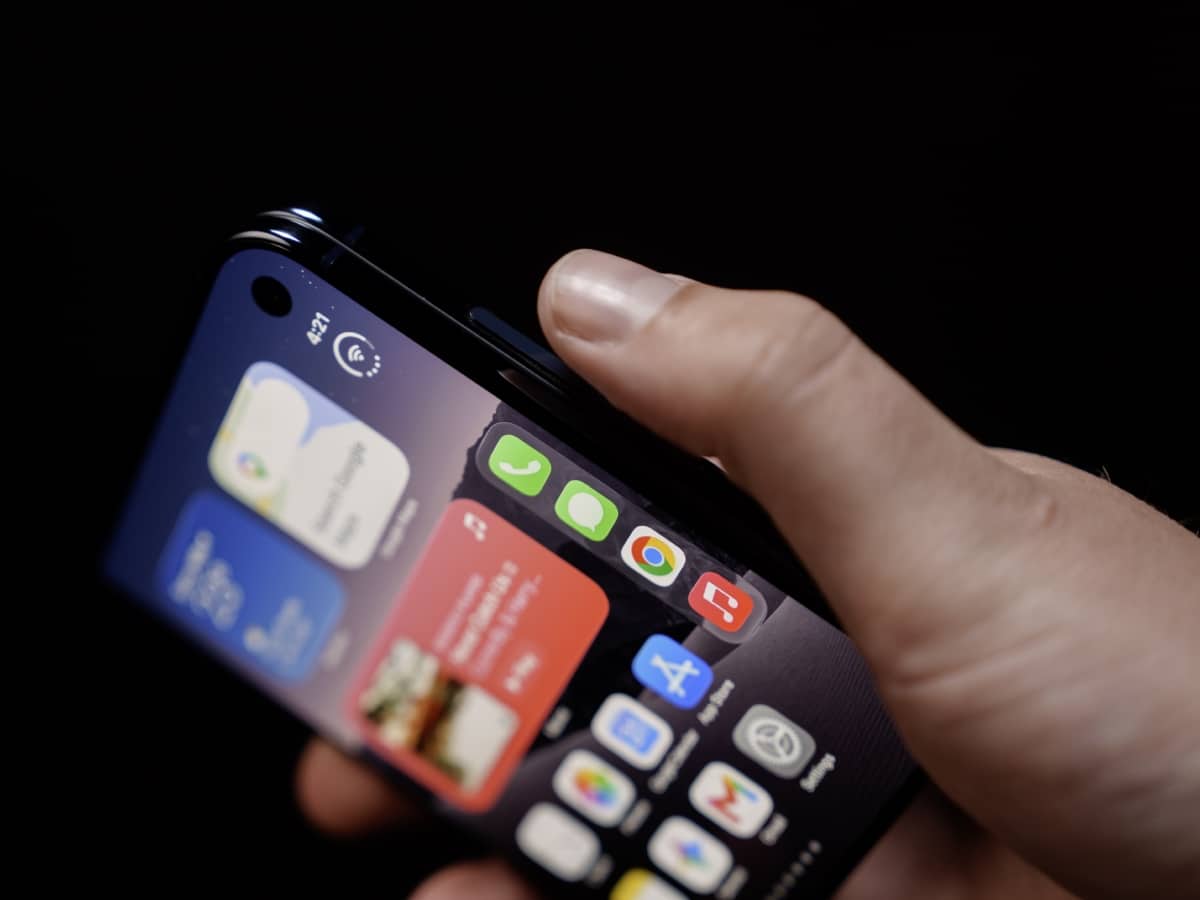
Fitting the thin folding display assembly meant removing the TrueDepth sensor array in favour of a side-mounted Touch ID sensor integrated directly into the titanium power button.
Unlike standard Pro models that passively unlock the moment you look at them, the Duo requires you to physically touch the side button every single time you want to unlock the device, check private Lock Screen notifications, or authenticate Apple Pay.
While you can enrol multiple fingers to account for left-handed or right-handed use, whether open or closed, or unlock via Apple Watch, it introduces an unavoidable layer of physical friction. With Face ID, checking an incoming text meant simply glancing at the screen on my desk, whereas with the Duo, I have to physically reach out and contact the side of the chassis to reveal the notification content.
2. Camera Hardware Reductions
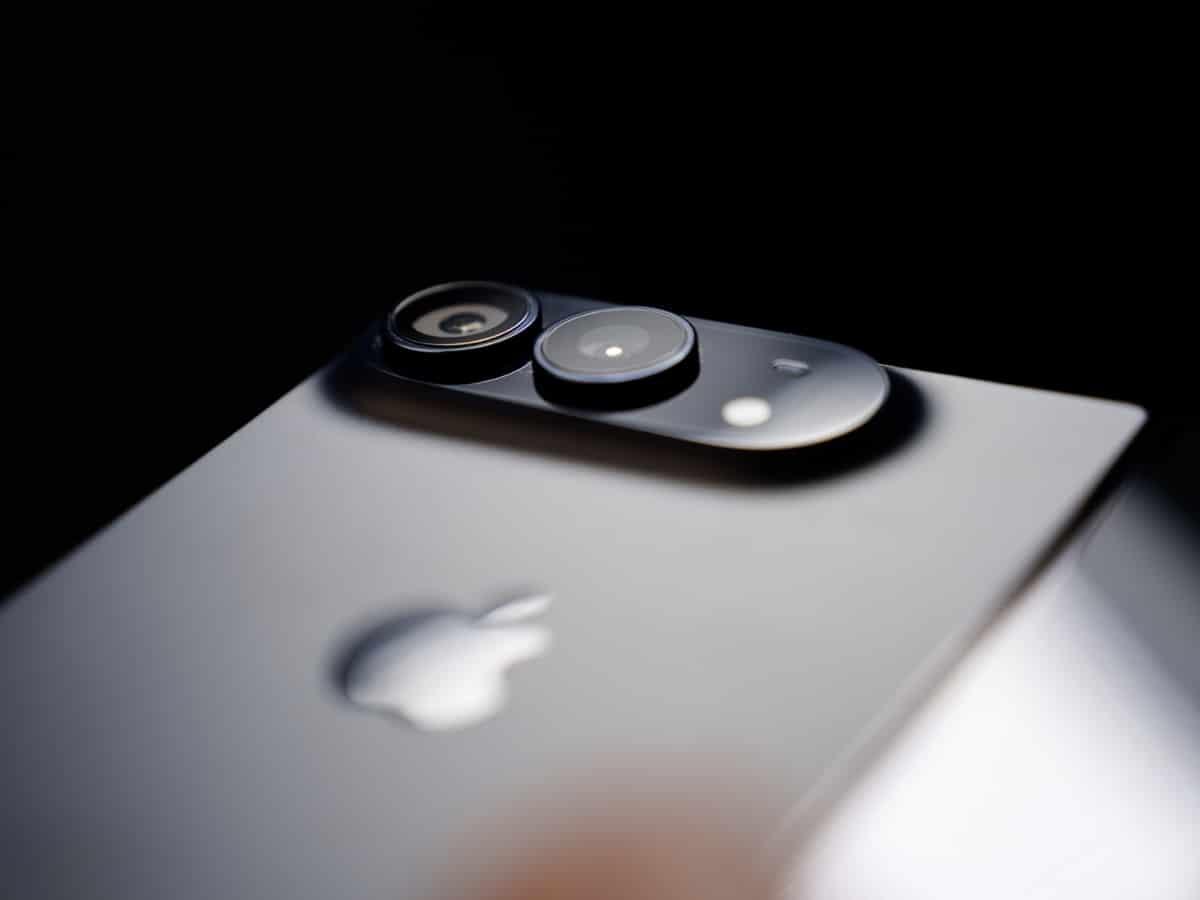
Despite starting at AUD$3,499, the Duo asks you to accept notable photographic trade-offs compared to the flagship Pro lineup. The rear camera system is restricted to a 48MP Fusion Main camera (with 26mm, 28mm, and 35mm focal length options) and a 48MP Fusion Ultra Wide camera with macro capabilities.
This means you’ll miss out on the mechanical variable aperture, manual exposure Pro controls, Apple Reference Image security signing, and the dedicated 4x or 8x tetraprism telephoto lens built into the iPhone 18 Pro.
Optical zoom on the Duo tops out at a 2x sensor crop on the main lens, leaving long-distance photography to rely entirely on digital magnification.
3. Inner Screen Battery Consumption and Thermal Balance
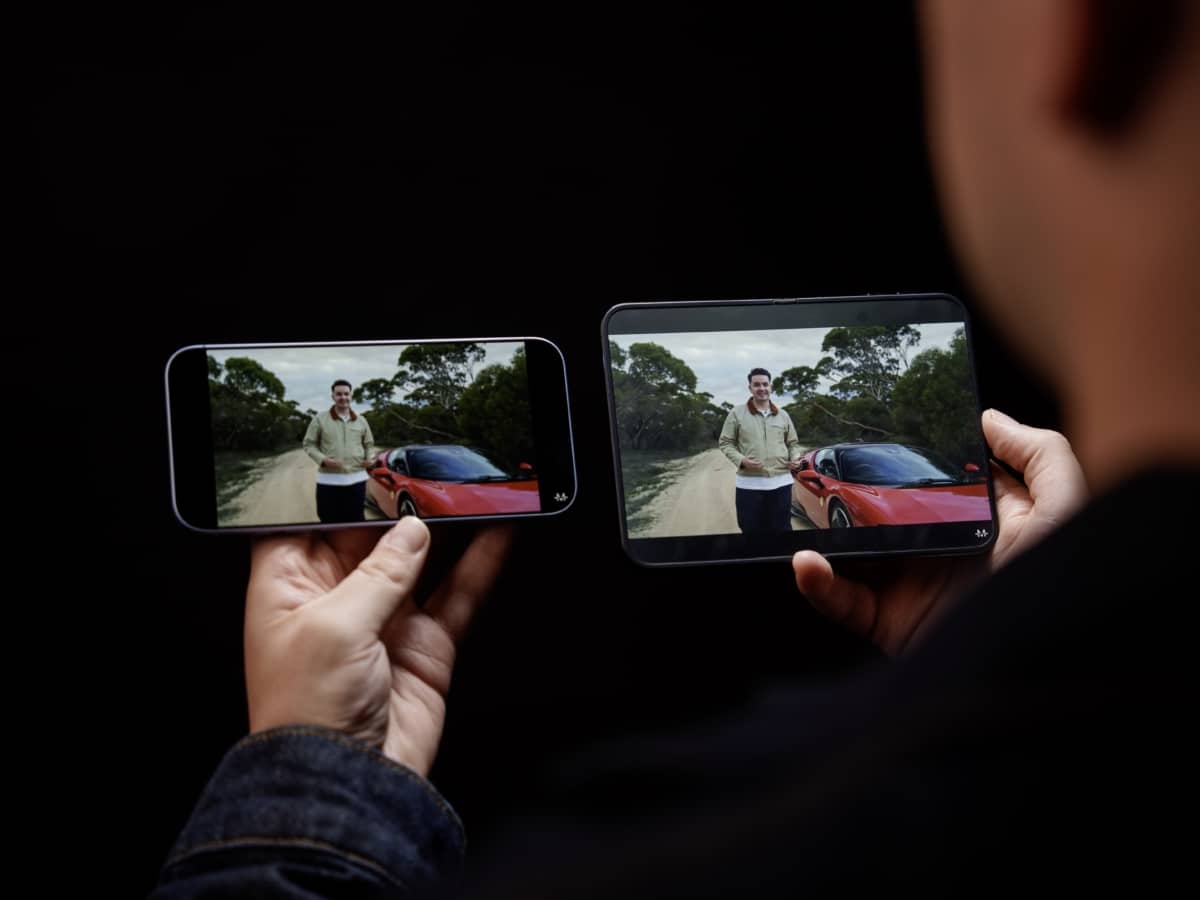
Powering the 7.6-inch OLED canvas during heavy Split View multitasking, high-brightness HDR viewing, and demanding A20 Pro workloads drains the dual-battery system far faster than a traditional single-panel Pro model.
While Apple claims up to 44 hours of video playback on the smaller 5.4-inch outer screen, primary reliance on the inner screen drops playback endurance down to 31 hours, and my real-world demands meant I consistently had to reach for power throughout the day.
Furthermore, while the 2nm A20 Pro chip, dedicated vapour chamber, and flexible graphite cooling architecture deliver up to 35 per cent higher sustained performance than the iPhone 17 Pro, heavy sustained workloads in warm environments still cause the chassis to warm up noticeably. When plugging in, fast wired charging takes roughly 20 minutes to reach 50 per cent with a 60W+ adapter, about five minutes slower than the iPhone 18 Pro, because custom silicon must actively balance current and thermals across two separate physical battery cells.
4. Ultra-Luxury Price Tiering
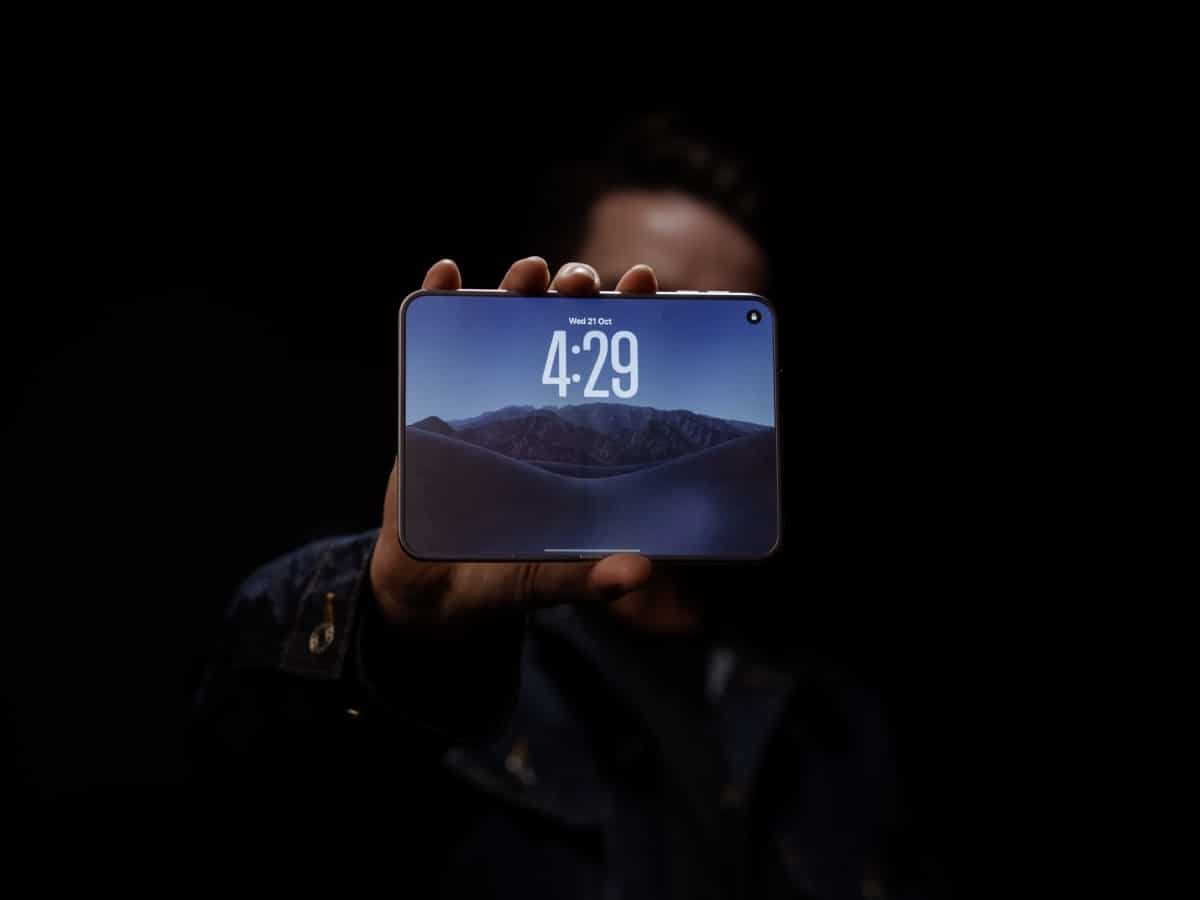
Commanding a starting price of AUD$3,499 for the 256GB base model, the Duo pushes Apple’s mobile hardware well past the traditional Pro Max pricing tier into unprecedented ultra-luxury territory.
Stepping up through the storage tiers (AUD$3,899 for 512GB, AUD$4,699 for 1TB, and a staggering AUD$5,899 for the 2TB model) positions the device as a specialised luxury investment.
When you factor in that the box excludes a power adapter in line with Apple’s environmental goals (even while highlighting its 35% recycled content by weight and 100% recycled cobalt battery), and that official accessories like the iPhone Duo Folio with Kickstand or two-part protective Case carry additional costs, justifying this price tag requires a serious demand for folding productivity over standard flagship performance.
5. Global Physical SIM Removal
To clear out internal space for the vapour chamber, thermal components, and battery capacity, Apple engineered the Duo as an exclusively eSIM-only device worldwide.
While eSIM setup is straightforward via Quick Transfer or carrier apps, removing the physical SIM tray in every global region removes quick card-swapping flexibility. For international travellers or power users who frequently swap physical SIM cards between devices across different global carrier networks, relying entirely on digital profiles introduces unwanted operational complexity.
Verdict on the iPhone Duo
It’s difficult to deliver a definitive verdict on a device that so drastically alters the way I use a smartphone. The iPhone Duo is undeniably a slick piece of engineering, and while the learning curve has been relatively short and sweet, I still don’t know that I am making the most of what it offers.
I don’t want to sit on the fence, but I simply need more time to live with this form factor to figure out whether sacrificing Face ID and the optical hardware of the traditional Pro line are actual problems for my daily workflow.
The expansive 7.6-inch inner display and the sheer productivity of true Split View multitasking are compelling, but it will take a few more weeks of long-term testing to determine if those benefits genuinely outweigh the physical compromises and the ultra-luxury price tag. For now, the Duo remains in my pocket, but the jury is still out on whether it will stay there for the foreseeable future.

























Comments
We love hearing from you. or to leave a comment.