


Updated:
Readtime: 11 min
Every product is carefully selected by our editors and experts. If you buy from a link, we may earn a commission. Learn more. For more information on how we test products, click here.
When Polestar first unveiled the Precept concept, we all waited in anticipation to see if the Swedish brand could translate such a futuristic vision into reality. Stepping out of a driver briefing at The Tasman in Hobart, our first waypoint before hitting the Great Eastern Drive toward Bicheno was a scenic 45-minute drive to The Agrarian Kitchen in New Norfolk. Pulling up to the celebrated Derwent Valley restaurant, I think we found the answer in the 2026 Polestar 5 — we tested the 650 kW Performance, which starts at AUD$193,100 before on-road costs, while the range starts at AUD$171,000 before on-road costs for the 550 kW Dual motor model.
It’s a striking four-door offering that delivers on its concept promises, bringing supercar acceleration and head-turning presence to Australian roads. The all-electric model arrives as a key entrant in the GT (Grand Tourer) segment and puts itself up against key rivals from Germany and Britain. Driving from Hobart north along the Great Eastern Drive toward Sea Stacks in Bicheno, it’s immediately clear that Polestar’s focus on Scandinavian design and innovations has given this car a unique edge.
Built on a bespoke bonded aluminium platform and utilising sustainable bio-based flax materials alongside an advanced 800 V electrical architecture, the 650 kW Polestar 5 balances long-distance luxury and performance capability, acting as what industry experts call a “halo car,” to guide the brand into the future. If the initial leg of the drive along the Tasmanian coastline was anything to go by, we were looking forward to the next few hours behind the wheel of the Polestar 5.
| Specification | |
| Powertrain | Dual-Motor Electric (800 V Architecture) |
| Power Output | 550 kW (Dual motor) 650 kW (Performance) |
| Torque Output | 812 Nm (Dual motor) 1,015 Nm (Performance) |
| 0-100 km/h | 3.9 seconds (Dual motor) 3.2 seconds (Performance) |
| Top Speed | 250 km/h (electronically limited) |
| Battery / Charging | 112 kWh (106 kWh usable) / Up to 350 kW DC |
| Claimed Range (WLTP) | Up to 678 km (Dual motor) / Up to 558 km (Performance) |
| Base Price (AUD) | AUD$171,100 MRLP (Dual motor) AUD$193,100 MRLP (Performance) |

Sustainable Scandinavian Luxury Built for the Long Haul
The first stop on our journey through Tasmania was The Agrarian Kitchen in New Norfolk, a scenic 45-minute drive from Hobart in the Derwent Valley. Housed in the beautifully restored Bronte ward of the historic Willow Court asylum, founders Rodney Dunn and Séverine Demanet have transformed the 1920s space into a celebrated, provenance-driven restaurant. With a menu heavily reliant on its on-site kitchen garden and a wood-fired hearth, it served as a fittingly sustainable and thoughtfully designed launchpad for our press drive before we carved our way toward the coast.
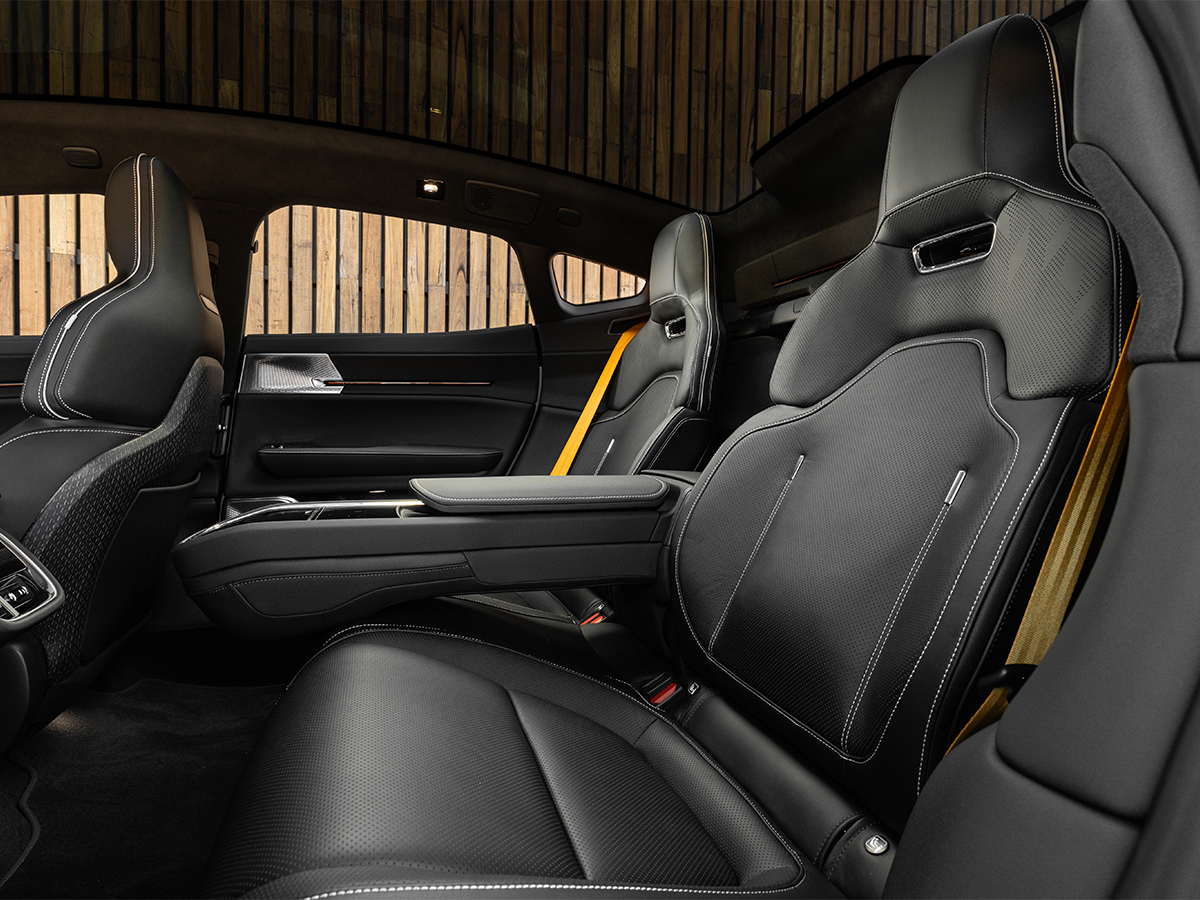
We took turns on the way to lunch, and while we’d usually prefer the hot seat exclusively, it was a chance to appreciate the new model’s interior. It’s pure Scandinavian minimalism in here, but unlike many competitors that lean into this for cost reasons, that’s never been Polestar’s MO. There’s a really special GT feel with the sloped windscreen and Recaro sports seats that we love.
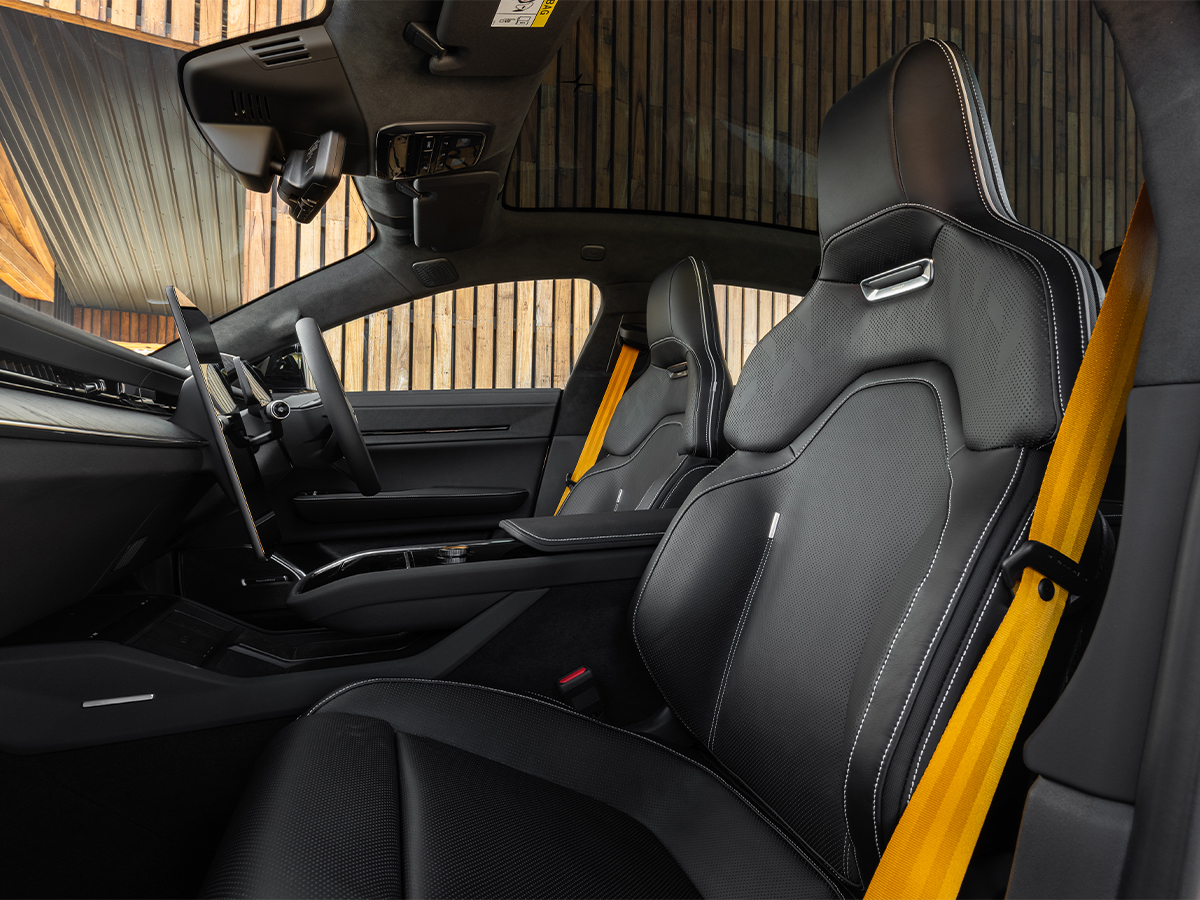
We also love the way that the driving environment is laid out for clean visibility. The steering wheel sits upright, offers plenty of adjustability, and is paired with a nine-inch digital gauge screen fixed directly to the steering column so it adjusts in line with the wheel position. There’s also a 9.5-inch head-up display, which projects speed and navigation graphics onto the windscreen. Beyond being handy for speed reasons, it lets you keep your eyes on the road while taking in the scenery along the way.
Scroll wheels, large touch buttons, and clever shortcuts on the 14.5-inch portrait touchscreen provide access to key information. The screen runs a Polestar-specific Android Automotive OS with Google built in, and the whole interface feels clean and responsive, utilising four customisable dynamic tiles alongside a bottom shortcut bar that keeps frequently used functions within arm’s reach. Below the screen on the centre console sits a nicely tactile rotary dial, which I found far more intuitive for volume adjustments on the move than fiddling with screen menus.
It’s blatantly clear that the brand has carried the balance between the exterior design and performance into the cabin through these key touchpoints, and they’ve doubled down on their industry leadership in sustainability as well.
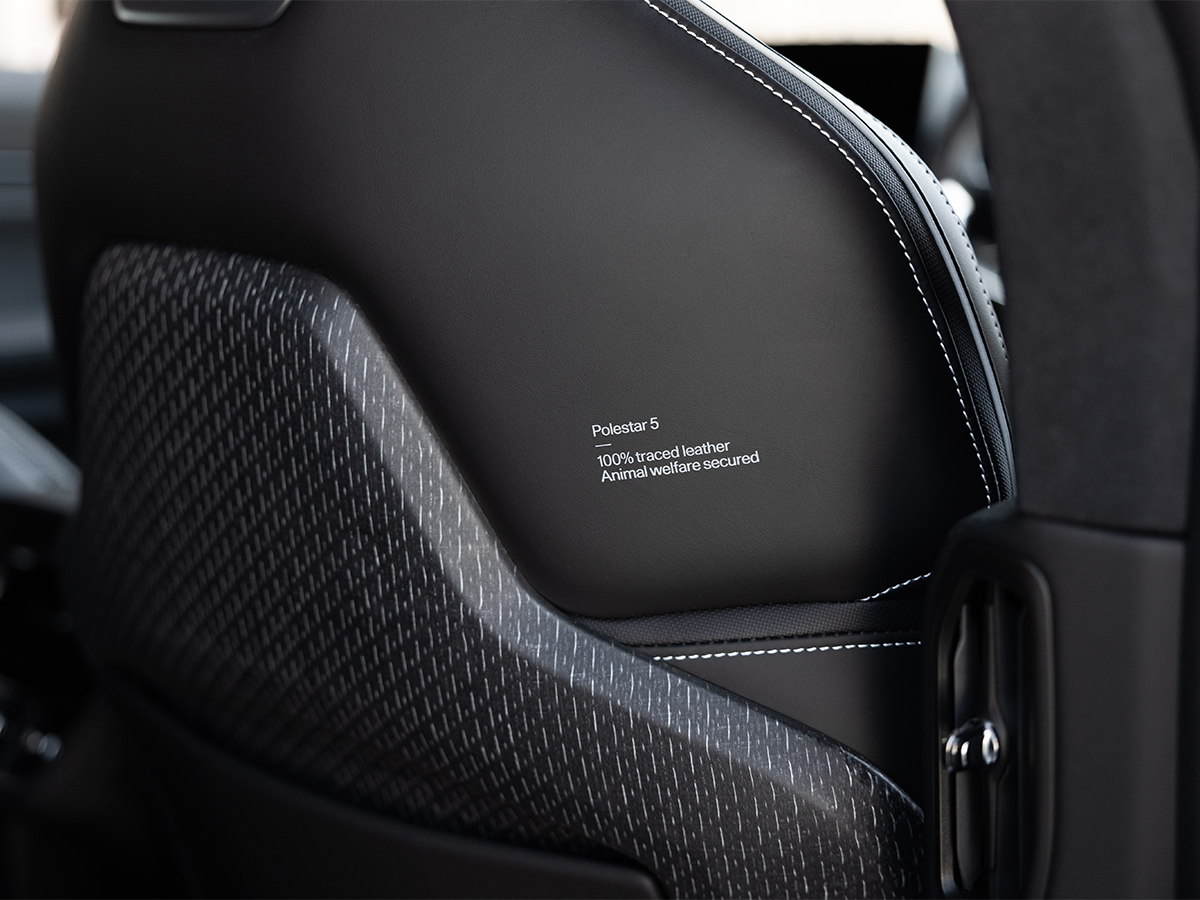
Seatback script details the 100 per cent traced, animal-welfare-certified Bridge of Weir leather alongside the flax-composite seatback shell. | Image: Man of Many
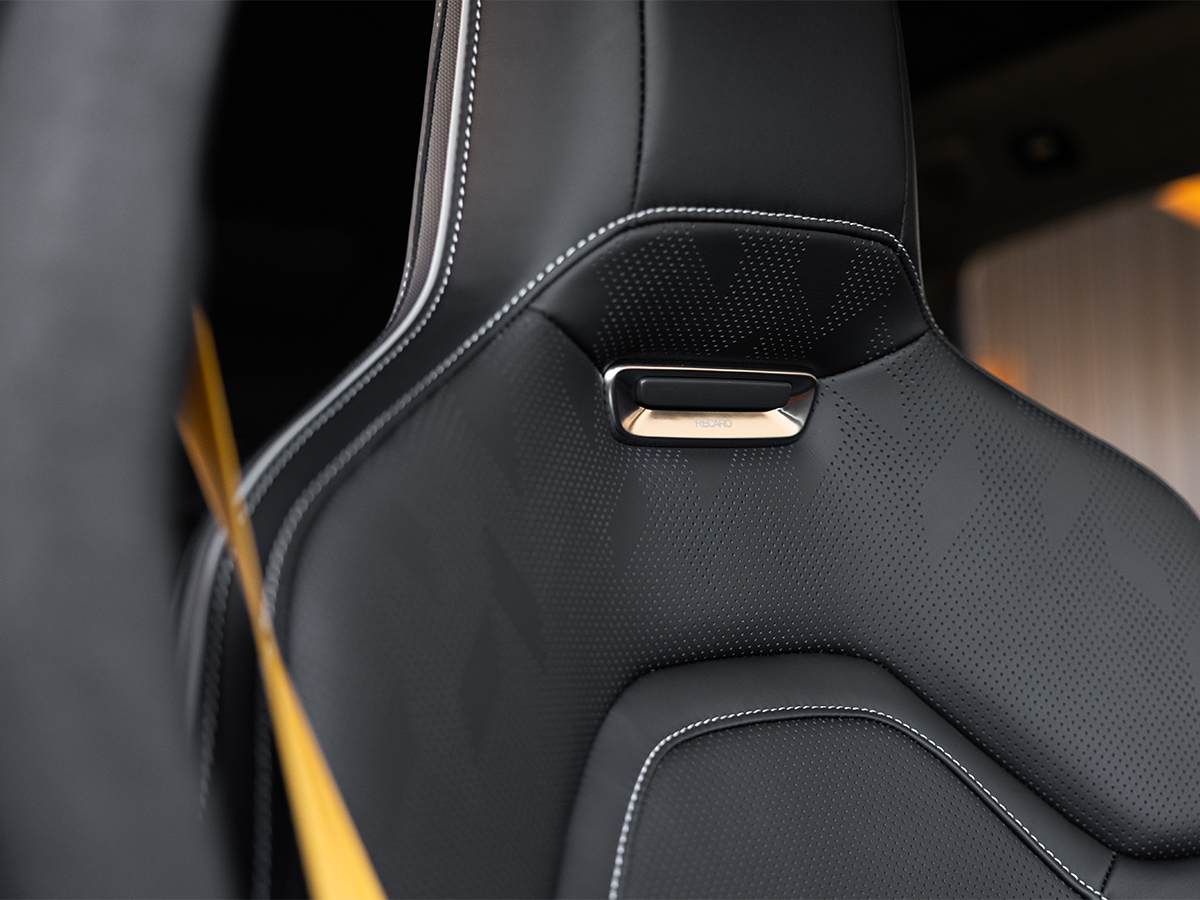
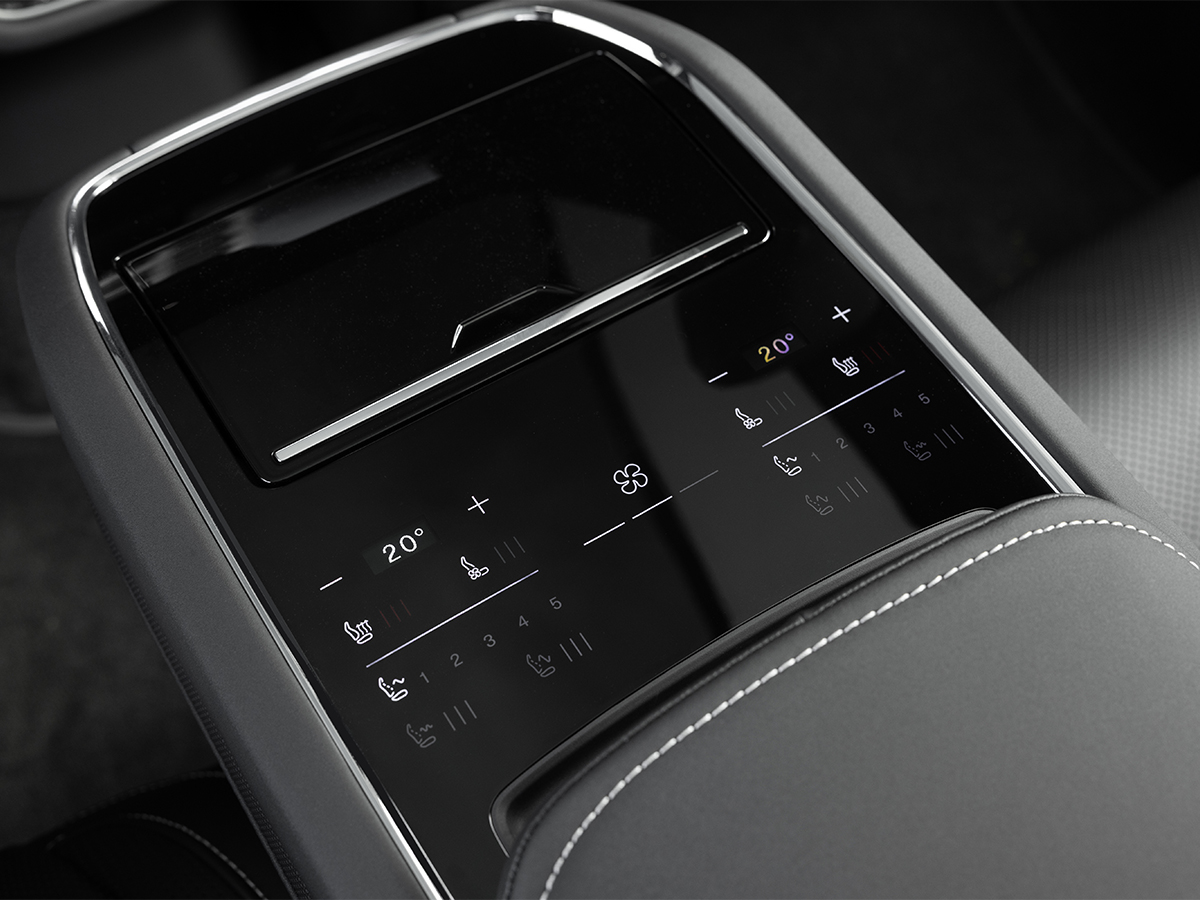
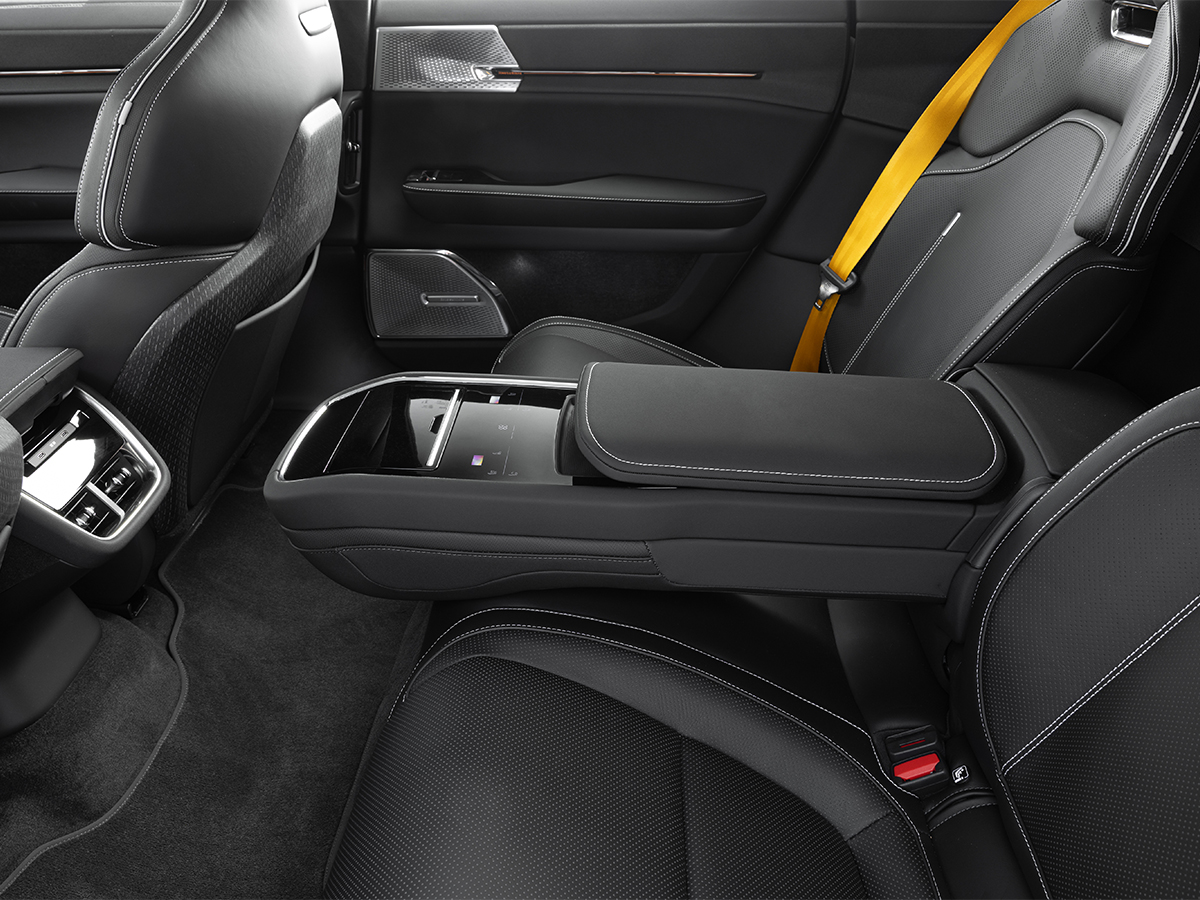
Sustainable cabin materials include flax-based BComp seatbacks, Econyl carpets made from recycled fishing nets, and recycled PET headlinings. Seats can be trimmed in Charcoal MicroTech as standard or the optional chrome-free Bridge of Weir Nappa leather with heating, ventilation, and massage, as we tested for this story. After hundreds of kilometres in the front and rear seats, we found them comfortable.
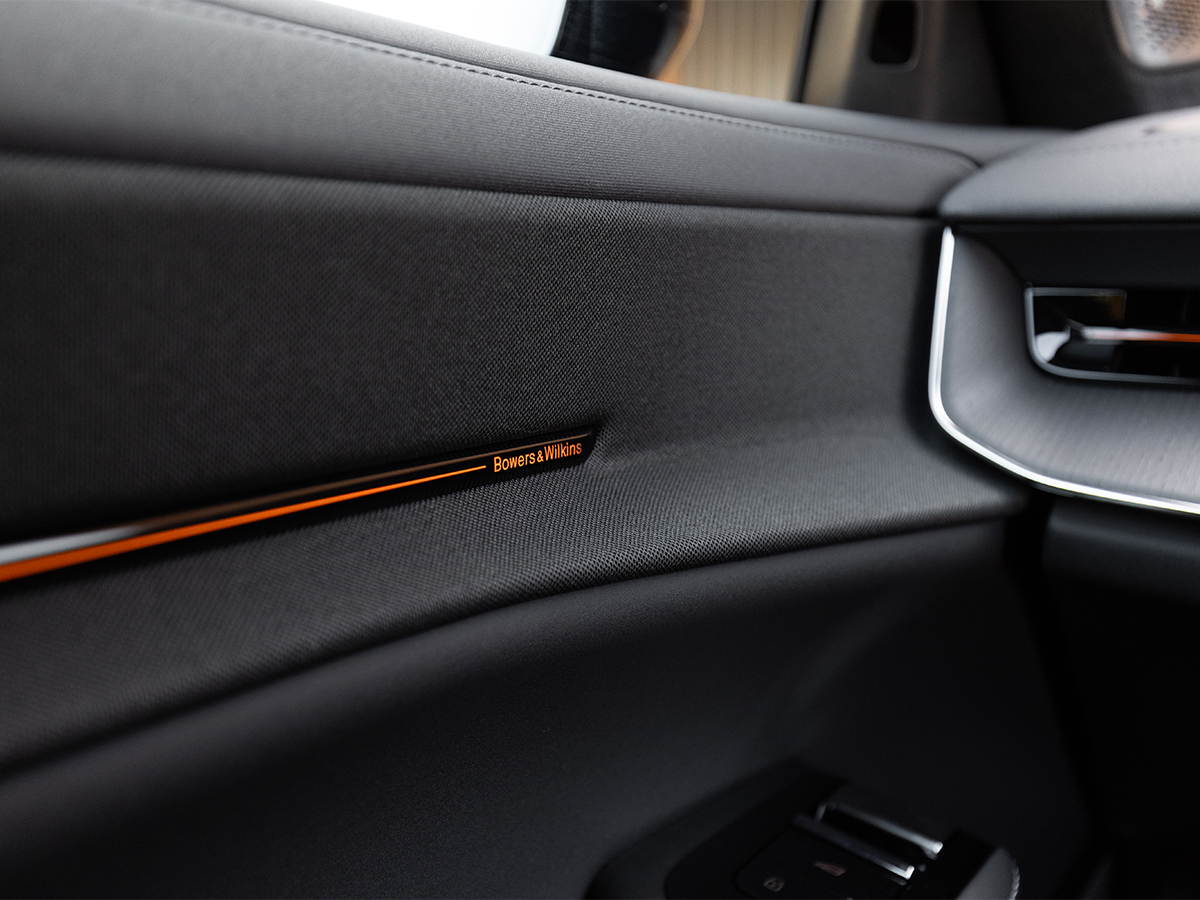
What came in particularly handy was the sound system. The standard 10-speaker Polestar High Performance system handles daily listening with ease, but ticking the box for the Bowers & Wilkins package (standard on the Performance model) converts the cabin into a real sound sanctuary for longer journeys. With 21 speakers, 1,680 watts of power, and Tweeter-on-Top technology paired with Active Road Noise Cancellation, it isolated us from all of the coarse Tasmanian bitumen on our journey.
While there were only a couple of us in the car on this journey, the true beauty of a four-door GT like the Polestar 5 is its ability to traverse the countryside with all seats occupied.
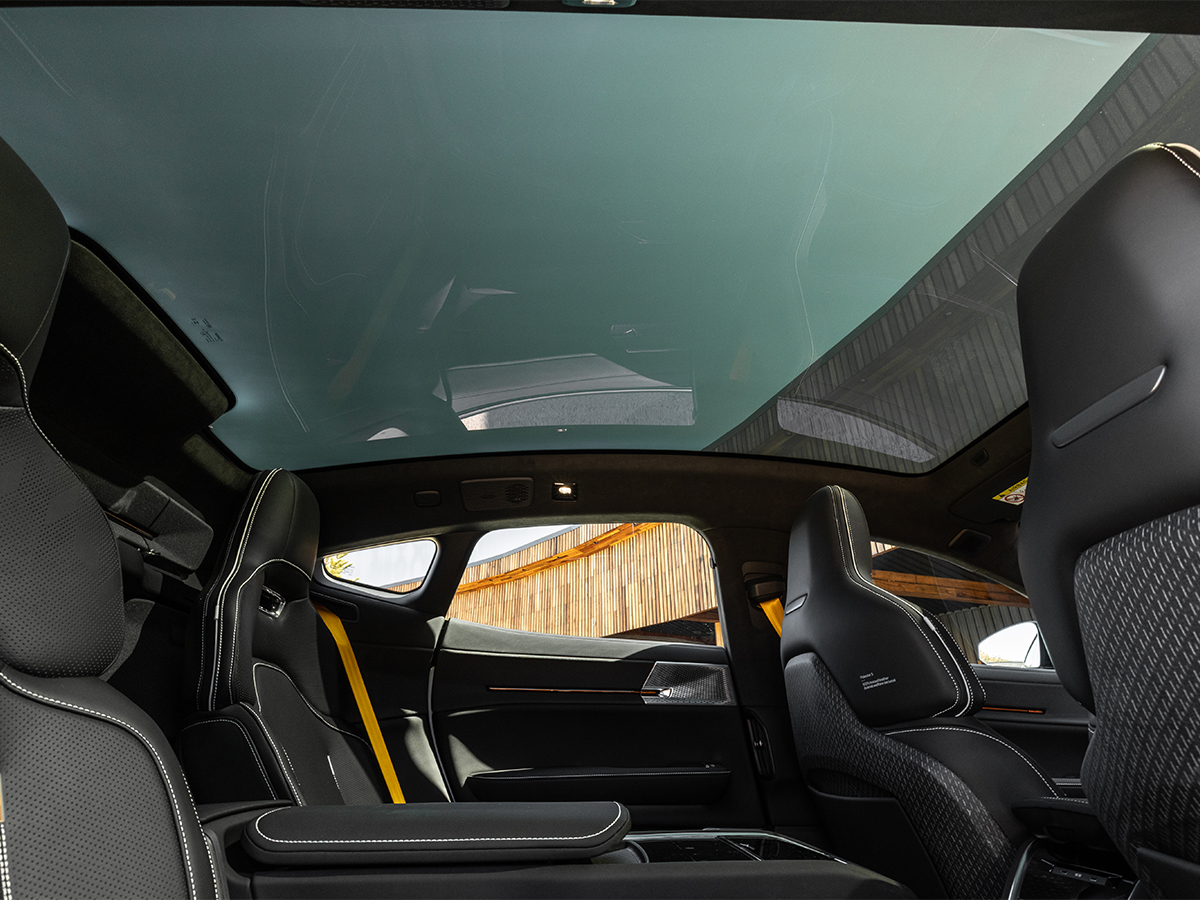
The 4+1 layout prioritises four occupants, with an additional centre rear seat available when needed, and the brand has shifted the rear roof header beam behind the occupants’ heads to preserve second-row headroom. They’ve also replaced the physical rear window with a digital mirror connected to a roof-mounted camera, and because passengers sit under a panoramic glass roof measuring over two metres long and 1.25 metres wide, there’s plenty of visibility for all.
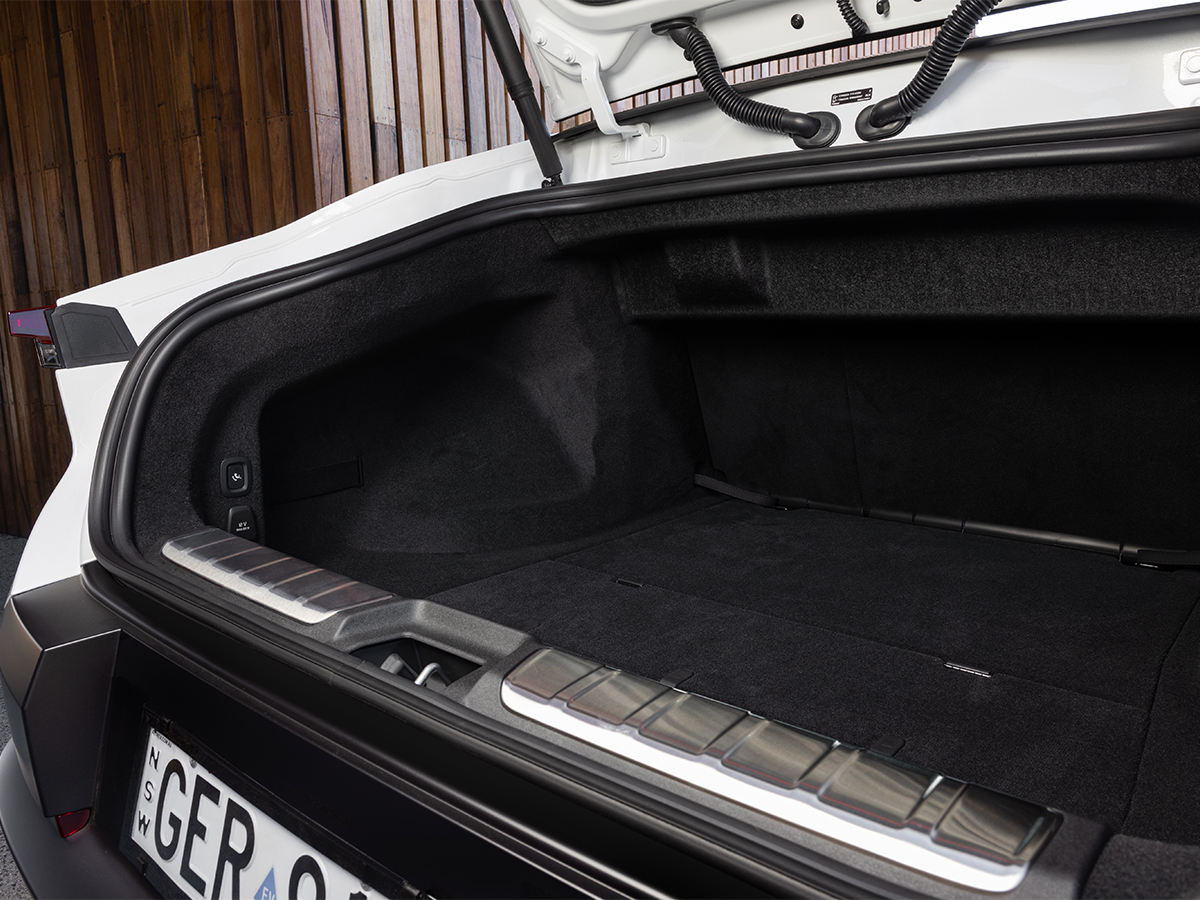
Our two cabin bags barely filled the rear boot, which is lined with sustainable NFPP composite materials for sound reasons. Yes, there’s even a 62-litre front luggage compartment made from lightweight UltraSilent material that provides extra storage for things like charging cables and groceries.
Rapid Charging and Seamless Power Along the Coast
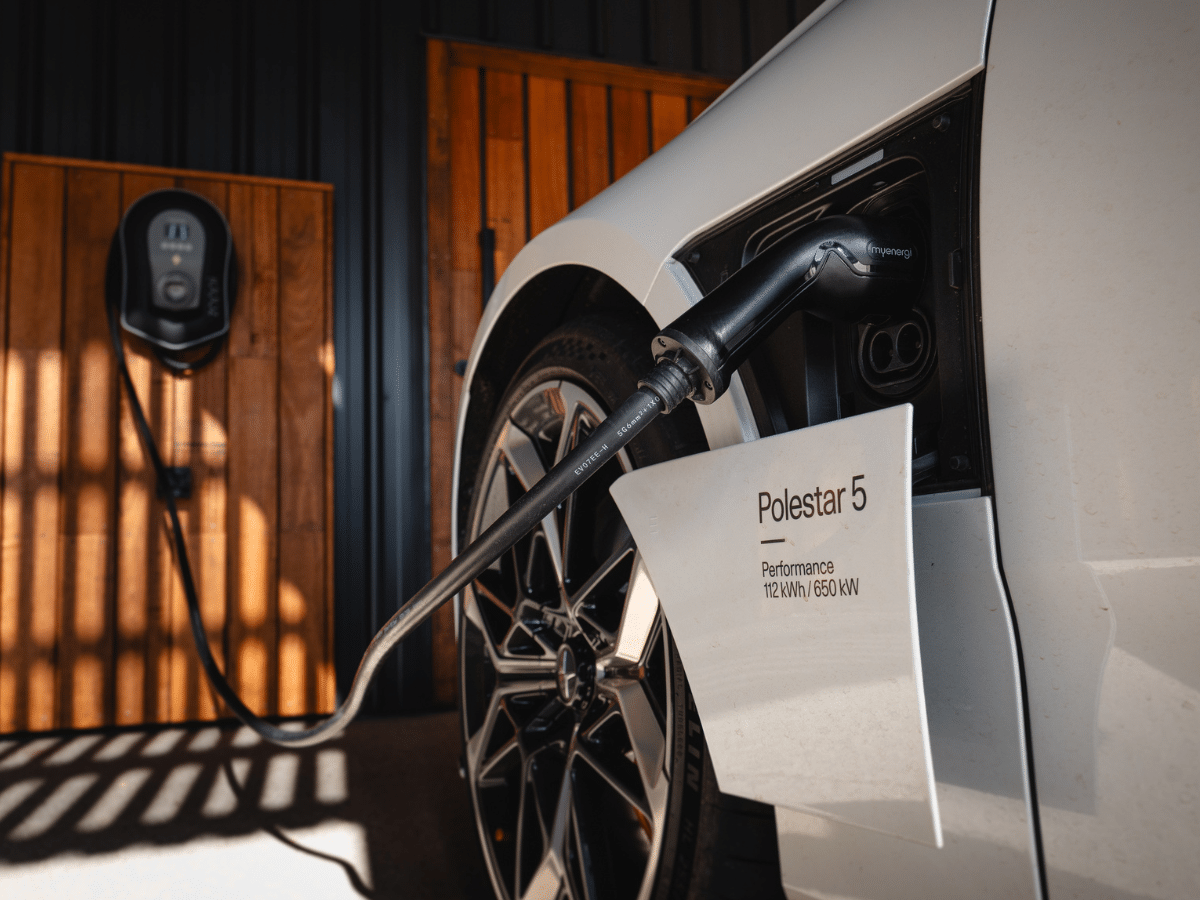
Before we talk about how the car drives, let’s talk about what’s underneath. The Polestar 5 is an 800 V vehicle, making it capable of ultra-fast DC charging at speeds up to 350 kW. Polestar quotes a 10-80 per cent charging time of as little as 22 minutes when using a suitable 350 kW DC charger.
Polestar even incorporated a subtle external charge indicator directly into the C-pillar, giving you a quick visual reading of the battery state from outside the vehicle.
Performance outputs across the lineup are substantial, starting with the Polestar 5 Dual motor. It generates 550 kW and 812 Nm of torque, sprinting from 0 to 100 km/h in 3.9 seconds with a claimed WLTP range of up to 678 km. However, we were behind the wheel of the flagship Performance model that has an in-house-developed rear motor delivering 450 kW on its own. This pushes total system output to a staggering 650 kW and 1,015 Nm of torque, launching the car from 0 to 100 km/h in just 3.2 seconds while offering up to 558 km of WLTP range. Both variants feature a rear motor disconnect function to conserve energy during steady highway cruising, with top speed electronically capped at 250 km/h.
From Mountain Switchbacks to Coastal Serenity at Waubs Bay
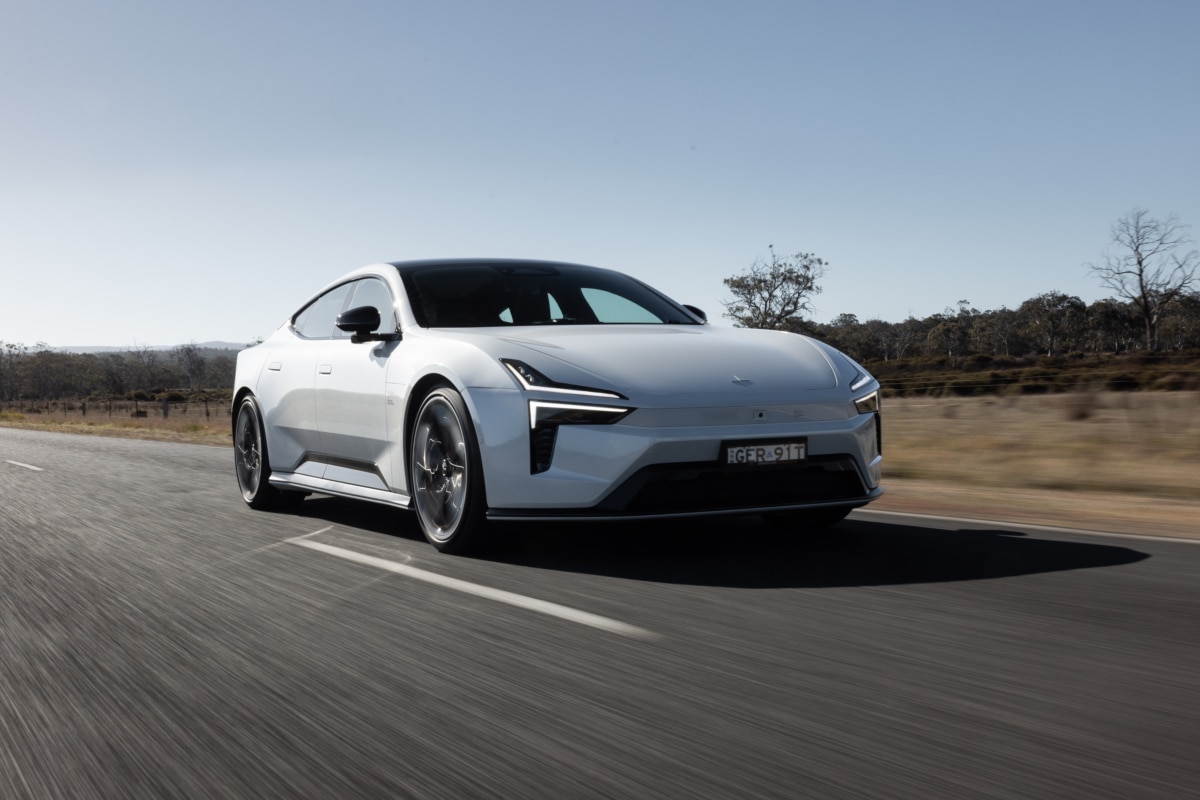
We took the scenic route, as you always should in a Polestar. The brand’s motorsports background was immediately clear on some of the roads we drove, including the famous Chimney Pot Hill Road, which is used for the Targa Tasmania. Here, the Polestar 5’s bespoke hot-cured bonded aluminium platform, known as the Polestar Performance Architecture (PPA), really started to shine.
The compact double-wishbone setup up front with the steering rack mounted ahead of the front axle for direct turn-in response is quick without being ‘darty,’ and you can dial in the steering weight, too, from Light to Standard or Firm through the menus.
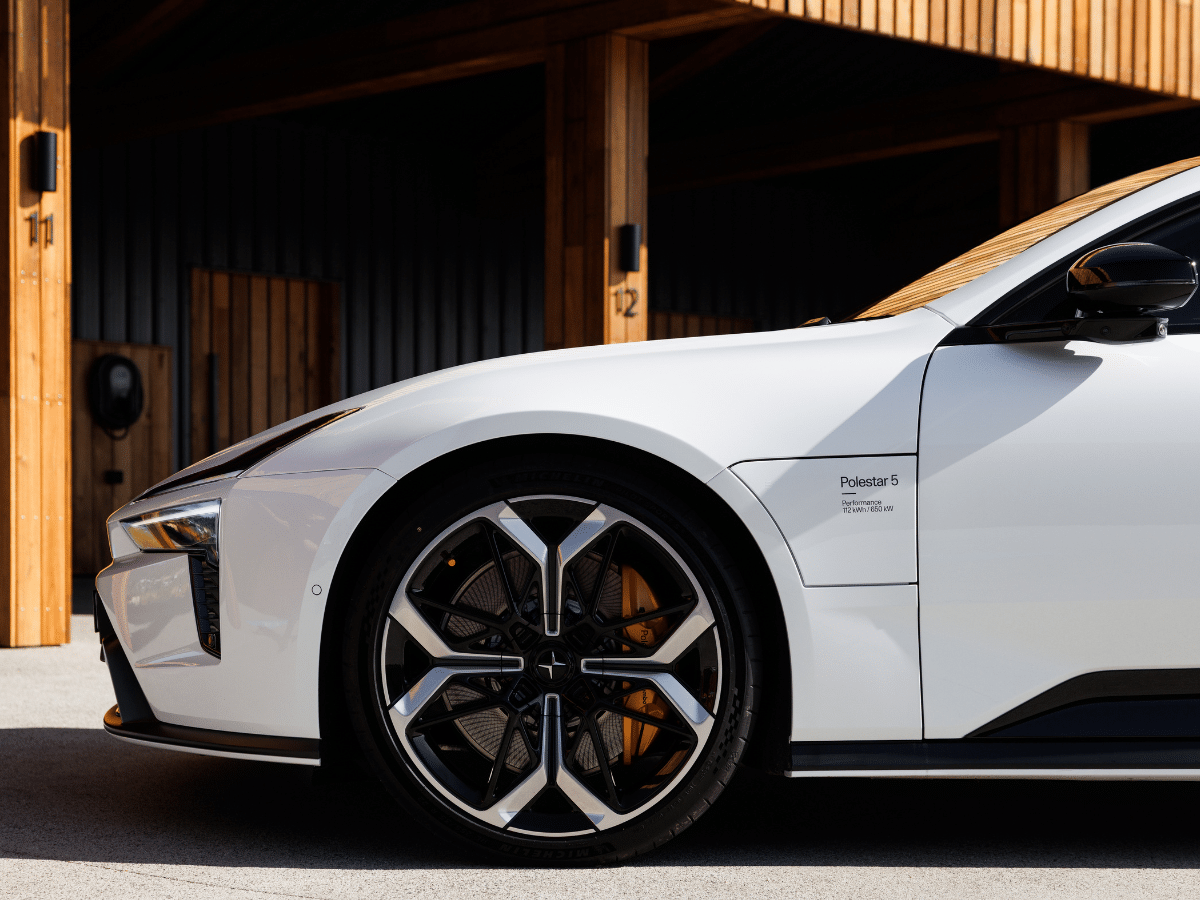
Stopping power comes courtesy of four-piston Brembo callipers paired with 400 mm two-piece alloy-belled front discs, saving 12 kg in unsprung mass compared to the setup on the Polestar 3.
While the entry-level Dual motor variant utilises Passive Dampers tuned specifically for compliant long-distance touring, we spent our time exclusively in the range-topping Performance model, which is equipped with MagneRide Dampers. You don’t have to know the ins and outs of how this system works to appreciate it, but with something called “magnetorheological fluid,” it monitors road inputs up to 1,000 times per second and adjusts fluid resistance in just three milliseconds, effectively keeping body roll flat through tight corners along Tasmania’s East Coast while maintaining a remarkably settled ride. In simpler terms, it’s comfortable and composed.
 1/5
After a drive up the Great Eastern Drive, the Polestar 5’s touring credentials truly clicked into place as we pulled into our final destination: Sea Stacks in Bicheno.
Set on a striking peninsula with uninterrupted views across Waubs Bay, this intimate coastal retreat mirrors Polestar’s own ethos of design and environmental integration. We parked the 5 and checked into our self-contained two-storey timber ‘Stack,’ where the complimentary on-site EV charging meant the car’s 112 kWh battery was topped up while we unwound in the sauna.
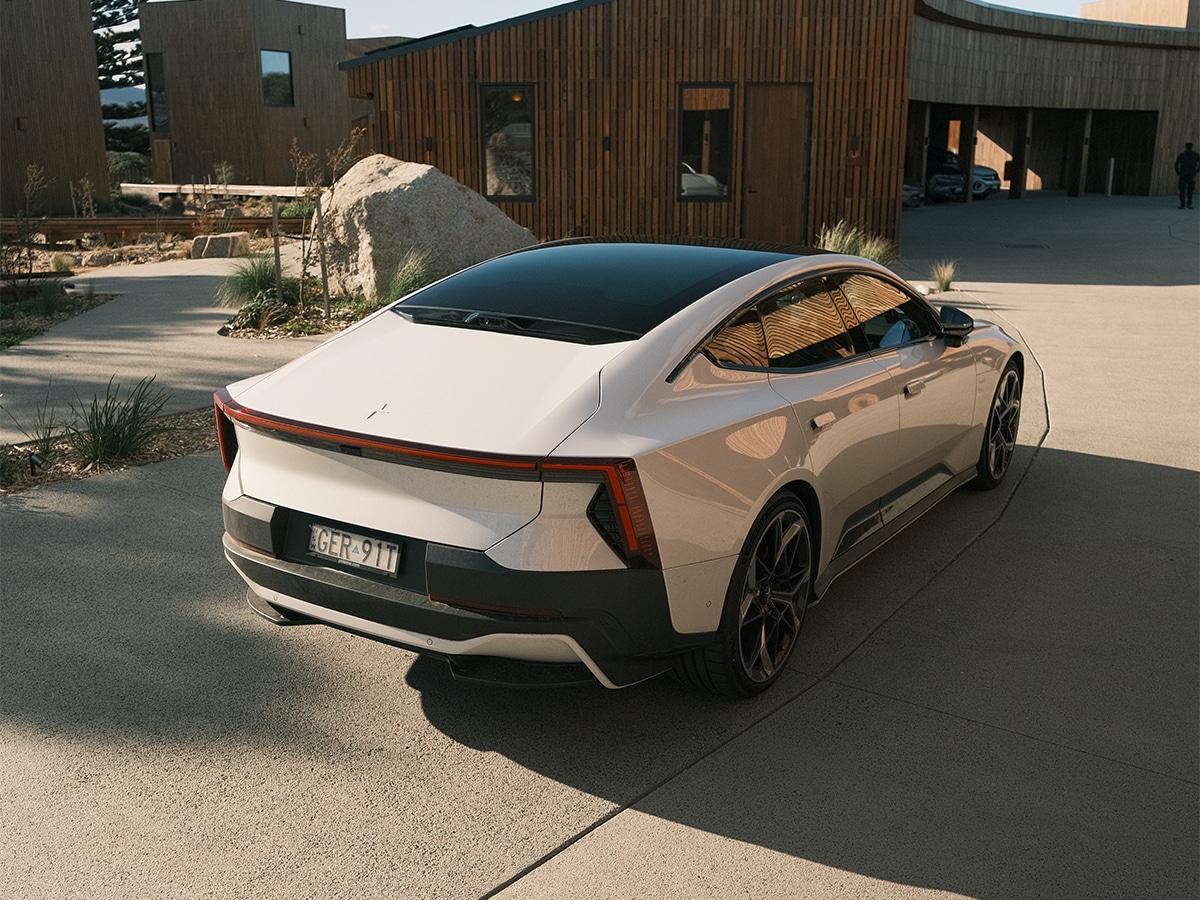
Polestar 5 Redefines the Modern Grand Tourer
The Polestar 5 marks a major milestone for the Swedish electric brand. By taking the striking design elements of the Precept concept and converting them into a production Grand Tourer, Polestar has delivered a genuine flagship model for its lineup.
Starting at AUD$171,100 for the 550 kW Dual motor and AUD$193,100 for the 650 kW Performance variant, it delivers high performance, bespoke aluminium chassis engineering, and deliberate Scandinavian design at a competitive price point in the luxury electric market. It stands out as an impressive, beautifully executed motor vehicle.
Polestar covers the 5 with a five-year, unlimited-kilometre vehicle warranty along with five years of complimentary roadside assistance. The 112 kWh SK On battery pack receives dedicated coverage for eight years or 160,000 km, whichever comes first. Official energy consumption is rated at 17.8-18.3 kWh/100 km for the Dual motor and 21.2 kWh/100 km for the Performance.
Polestar offers a focused list of factory option packages:
- Bridge of Weir Nappa Leather Interior Upgrade in Charcoal ($11,800 to $12,400)
- Bridge of Weir Nappa Leather Interior Upgrade in Zinc ($13,000)
- Matte Exterior Paint Finish (Matte Magnesium or Matte Storm) ($10,000)
- Metallic Exterior Paint (Snow $4,000 / Storm or Space $3,000)
- 22-inch Performance Alloy Wheels ($7,000)
- 21-inch Blade / Pro Alloy Wheels ($3,000 to $5,000)
- Semi-Electric Towbar ($3,200)


























Comments
We love hearing from you. or to leave a comment.