



Updated:
Readtime: 7 min
Every product is carefully selected by our editors and experts. If you buy from a link, we may earn a commission. Learn more. For more information on how we test products, click here.
Welcome back to another edition of Man of Many’s Staff Favourites. Usually in this column, we celebrate the products, services, entertainment, and experiences that have caught our eye over the week, but today, we’re going deep on culture, because there’s a lot to discuss.
The last few days have been all about the release of Grand Theft Auto 6, which is on-track to become the most popular, successful, and highly rated video game of all time. Sometimes good things really do come to those who wait.
But today, I’m reflecting on that other big cultural moment of the week: Robert Pattinson’s last-minute casting as the next James Bond. For months, we’ve been speculating on who the next 007 would be – Turner, Lowden, O’Conner, maybe even Elordi? – before we somehow ended up with the guy from Twilight?
It’s fair to say the audience reaction was mixed, at best. So it may surprise you to know that my pick of the week is that exact casting choice. Pattinson as Bond is an absolute gem, and I’ll explain why below.
Meanwhile, we have a couple of other options to check out this week: A doco that has everyone talking, and an under-the-radar YouTube discovery that asks some big questions. These are Man of Many’s Staff Favourites for the week…
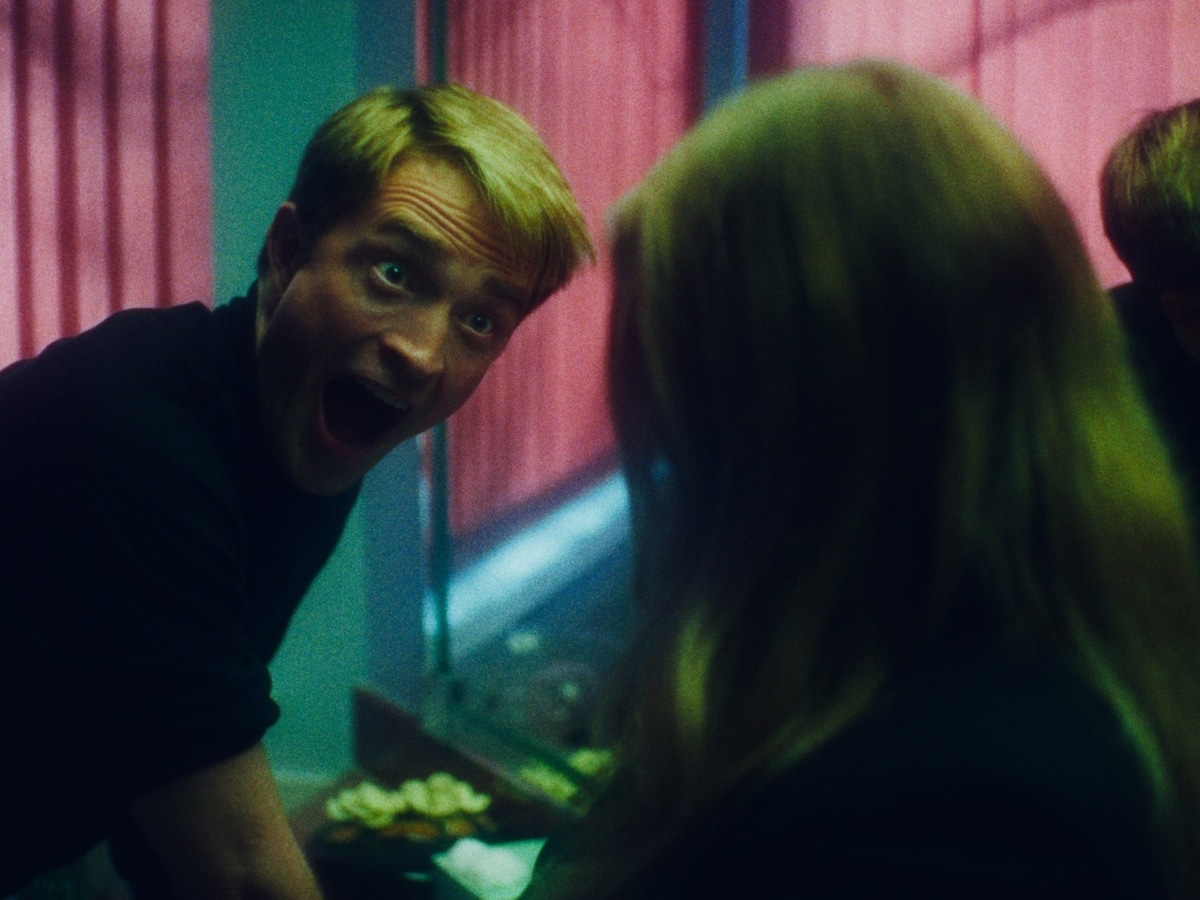
1. Robert Pattinson as James Bond
Rob Stott – Editor in Chief
If you spent any time online this week, you saw the internet lose its collective mind over the idea of Robert Pattinson stepping into the tuxedo. To put it politely, audience feedback was mixed. For too many people, he’s still frozen in 2008 as a sparkly teen vampire – a bit too weird, a bit too indie, and decidedly not what they picture ordering a vodka martini.
They’re wrong.
First, let’s talk pedigree. Pattinson isn’t just a good actor; he is arguably the actor of his generation. He’s spent the last decade delivering fearless, transformative performances for visionary directors in indie films (See: Primetime), while simultaneously anchoring some of the biggest franchises in history. From Harry Potter and Twilight to The Batman and Nolan’s Tenet. This is a guy who can act, and knows how to carry a billion-dollar franchise.
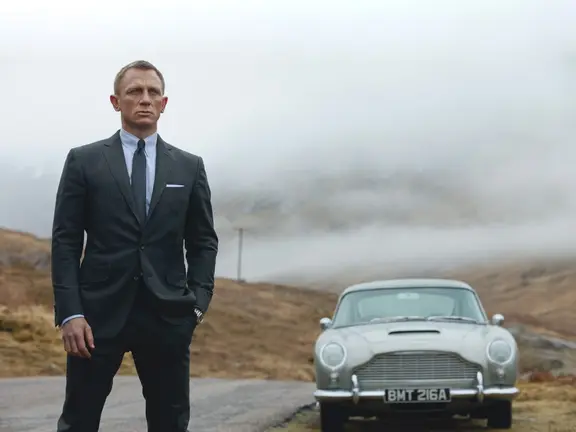
More importantly, he gets the assignment. For all the gritty realism of the Daniel Craig era, James Bond’s world is inherently, gloriously camp and fun. James Bond is at its best when it contains a little wink for the audience. Think about the childish joy of Q introducing Bond to the latest exploding pen or wearable submersible crocodile (Octopussy, 1983).
Pattinson brings that same subtle, cheeky wink to almost everything he does. Even in his darkest roles, there’s a sly self-awareness that acknowledges how absurd movie stardom actually is. Put him in an Aston Martin, and he won’t just give us a great Bond – he’ll give us a fun one to remember. Count me in.
One final note: Pattinson recently signed as an ambassador for JLC, while James Bond and Omega go together like vodka and vermouth. What is the horological future for everyone’s favourite spy? Our Rob Edwards had some thoughts this week.
2. Searching for Afunakwa (YouTube Documentary)
Frank Arthur – co-Founder
If you grew up in Australia in the ‘90s, Deep Forest’s Sweet Lullaby is hardwired into your brain from those iconic SBS promos. It always felt like an emotive, global anthem, which is why the new YouTube documentary Searching for Afunakwa is so sobering. After watching it, I’ll never hear that song the same way again.
The 40-minute film follows a musician travelling by boat and on foot into the dense, remote wilderness of a distant island to uncover the true story behind the song’s famous vocal sample. In the early 90s, the track became a massive commercial hit that sold millions of copies, but its origins were misattributed for decades, and the journey to the source uncovers a deeply uncomfortable truth.
It is a deeply moving watch that raises difficult, necessary questions about art, exploitation, proper acknowledgement, and what meaningful reparation looks like when someone else profits off your culture. The entire film is available to stream for free on YouTube, and it’s well worth a watch.
3. ‘You Can See Everything’: Nathan Fielder’s Elizabeth Holmes Doco Is the Best Magic Trick I’ve Seen All Year
Scott Purcell – co-Founder
Last Friday I finally sat down to watch You Can See Everything, Nathan Fielder and Lance Oppenheim’s film about Elizabeth Holmes’s final weeks before prison. I went in expecting a fairly straight doco. It’s not. It’s three hours long, and I spent most of the weekend afterwards trying to work out what I’d actually watched.
The title comes from a text Holmes sent Fielder before she reported to prison: “you can see everything.” It was her offer of total access to the 34 days she had left at home. To me it sounds exactly like a magician holding up an empty hand before the trick, and the film knows it. Oppenheim tells the story of Fielder, who is “very into magic”, taking him to the Magic Castle in LA. A magician asked the room for a celebrity name, someone called out Elizabeth Holmes, and the film was born. So you’ve got one bloke who builds illusions for a living pointing a camera at a woman who built a company on one.
The thing I didn’t expect is that Fielder was never meant to be in it. “At the very beginning of this, he didn’t want to be on camera,” Oppenheim says. But Holmes and her partner Billy Evans kept pulling him into the shot, and “by day two, he’s on camera.” That accident ends up driving the whole film. Fielder’s awkward, halting, slightly lost act makes people drop their guard, and I’d argue it’s the reason Holmes and Billy let so much slip. Whether it’s an act at all is something the film never answers. Oppenheim insists they were never “attempting to make people look foolish”, calling it “the most vulnerable I feel like I’ve ever seen him.”
It’s the small details that stuck with me. When the crew move into the guest room there’s no mattress, just a bare bed frame. When a mattress finally turns up, there are no sheets on it. The bed never gets made. For a woman who sold the world a machine that was always nearly ready, I couldn’t think of a better metaphor. Nothing in that house is quite finished, and everything feels staged for the visitors.
Then there’s Billy. He takes the mixing bowl out of her hands because, as she explains, “He doesn’t like the way I mix the eggs.” He talks over her dad. He casually mentions over dinner that he carries a gun. I went in thinking Holmes was the con artist and came out genuinely unsure who was running the show. Theranos reporter John Carreyrou’s take is the one I keep coming back to: “I think he’s both. I think he’s using her and she is using him.”
Without giving too much away, the last shot is a long, zoomed-in view of the prison yard, so far back you feel like a voyeur. You were promised you could see everything, and you’ve been watching the wrong hand the whole time.
It’s long, and it’s uncomfortable, but if you’re after something you’ll still be arguing about with your mates a week later, it’s worth every minute.

























Comments
We love hearing from you. or to leave a comment.