


Updated:
Readtime: 18 min
Every product is carefully selected by our editors and experts. If you buy from a link, we may earn a commission. Learn more. For more information on how we test products, click here.
The martini is a brutal drink. No sugar, no mixer, no disguise. It’s just spirit, vermouth, water and temperature, laid bare in a glass that offers nowhere to hide. Get it right, and it’s one of the most satisfying drinks ever made. Get it wrong, and, well, you’ll know immediately.
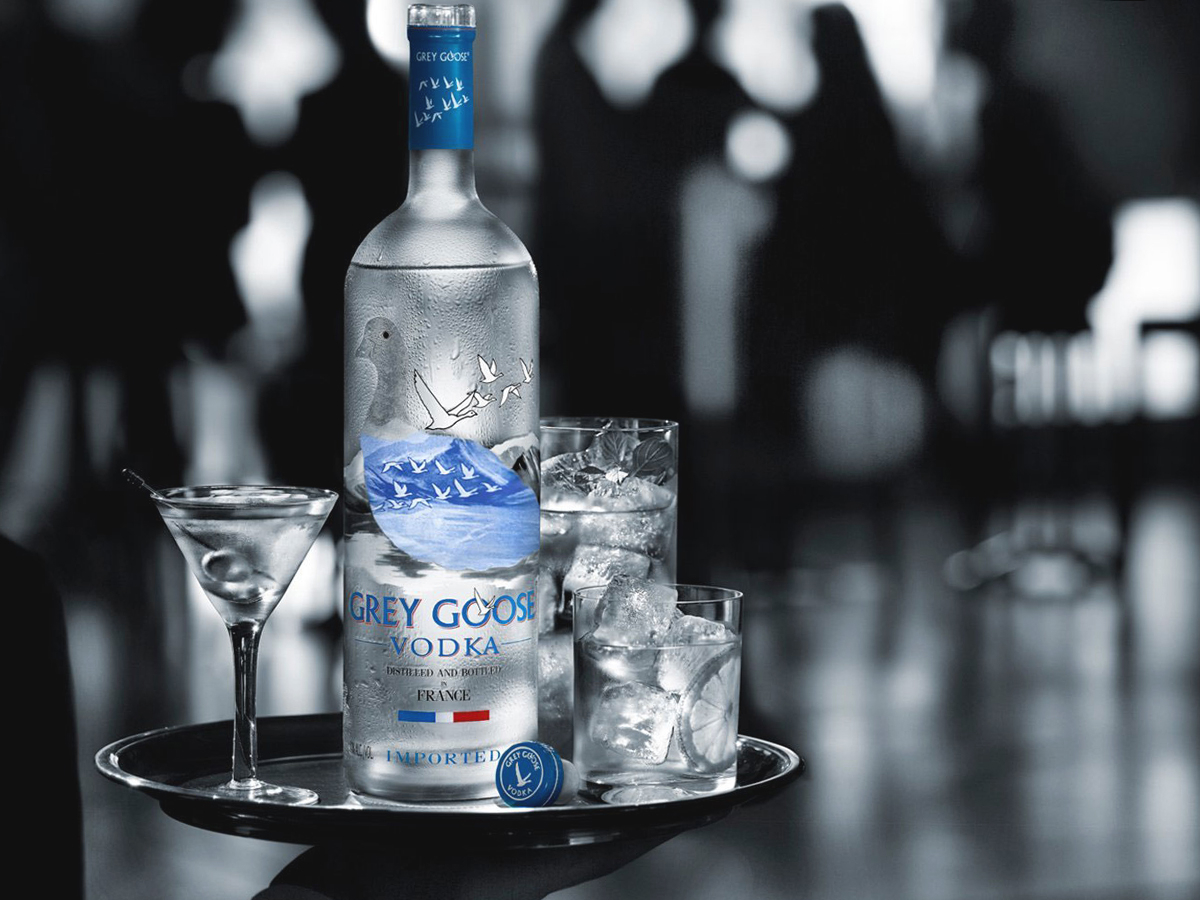
According to Joe McCanta, that knife-edge is exactly what makes the martini special. A jazz pianist-turned-sommelier-turned-bartender, McCanta has spent decades refining the drink at some of the world’s best bars. Now, as Global Director of Brand Experience at Grey Goose, he spends his days obsessing over how vodka behaves in the glass.
His view is refreshingly simple. Perfection isn’t about chasing rules. It’s about understanding what actually matters, then tuning it to taste.
What follows isn’t a precious cocktail lecture. It’s a practical, expert-led guide to making a genuinely great martini at home, without the myths, shortcuts, bad habits, or unnecessary James Bond references. It’s just a damn good drink.

What Actually Defines the “Perfect” Martini?
If you’re looking for a silver bullet answer, you’re already way off track.
“The thing about the martini is that it’s about all of it,” says McCanta. “Ratio, temperature, texture. There is nowhere to hide. The margin of error is a knife-edge.”
At its core, the martini is a celebration of the base spirit: vodka or gin. Everything else exists to frame it, not bury it. That’s why temperature matters so much (ask anyone who grew up around vodka, and they’ll tell you it’s best served ice-cold). That’s why dilution must be deliberate. And it’s why vermouth, often treated as an afterthought, is non-negotiable.
But here’s the key point most guides miss: the martini is also deeply personal. There is no universal “correct” version, only one that’s correctly made to your taste.
It’s an idea that’s echoed by James Irvine, Creative Director of Gin Drinks at Aussie distiller Four Pillars.
“The martini, as a cocktail, evokes a sense of class, occasion and sexiness. It’s also the simplest drink on the planet,” Irvine tells Man of Many. “It’s almost like a coffee order. Everyone has their preference: wet, dry, dirty, 50:50, upside down, Churchill. People live and die by their order, and once discovered, it’s the only way.”
Master the fundamentals, then adjust with confidence.
Where Did the Martini Come From?
Like most great drinks, the martini doesn’t have a single, tidy origin story. Its roots are debated, revised and occasionally argued over at bars to this day.
Most historians trace it back to the late 19th century, evolving from earlier gin-based drinks like the Martinez, which paired Old Tom gin with sweet vermouth. Over time, tastes shifted. The drink dried out, the vermouth lightened, and the modern martini took shape as a leaner, sharper expression built around spirit rather than sugar.
What matters isn’t the exact birthplace. It’s what survived. More than a century later, the martini remains a test of restraint and technique. Strip away the history, the glassware and the mythology, and you’re left with the same challenge drinkers face today: balance, temperature, and intent.
That’s why the martini endures. It hasn’t changed much. But we have.
Dry, Wet, or Something in Between: The Ratio Explained
Search for a dry martini and you’ll find everything from vermouth-free vodka in a V-glass to carefully balanced classics. McCanta has seen it all, and he’s not shy about calling out shortcuts.
“When I was starting out bartending in New York, some bars wouldn’t use any vermouth at all,” he says. “That always felt like a cop-out.” We agree.
For McCanta, dry doesn’t mean stripping flavour away. It means restraint. The vermouth should still be present, just not running the show. It’s not something to fear, but something to embrace in a delicate balance.
McCanta’s Golden Ratio
5 parts vodka to 1 part dry vermouth, plus a dash of orange bitters.
It’s slightly wetter than some modern interpretations, and is by no means the “perfect martini”. But that’s the point. You should be able to taste the vermouth working with the spirit, not disappearing behind it. If you want to go drier later, you can. But a balanced start prevents slipping into bad habits.

Shaken or Stirred? Ignore the Theatre, Think Texture
This debate has been running since Bond first ordered his martini with a wink. Strip away the mythology, and the difference is surprisingly practical.
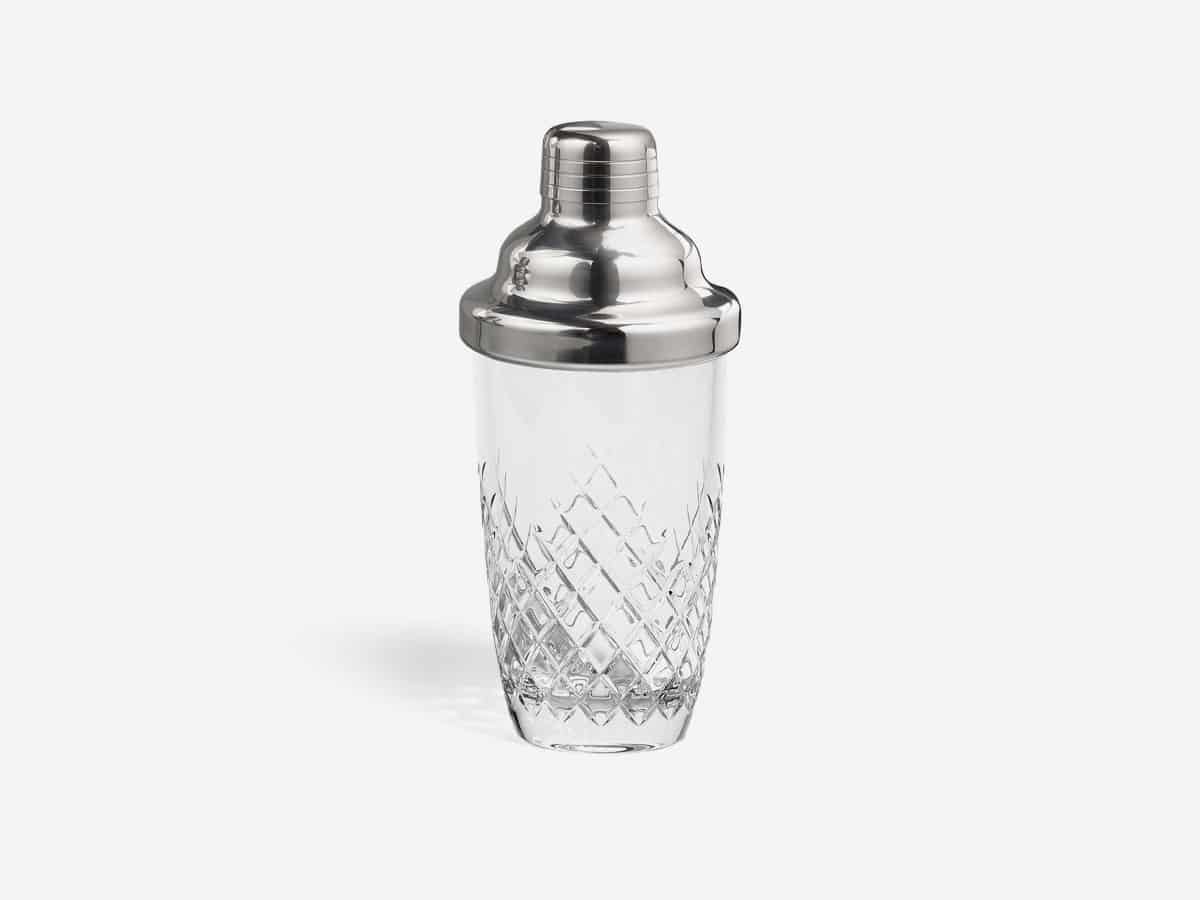
When you shake a martini, three things change: temperature, texture and dilution. Shaking the drink cools it faster, but it also introduces ice shards and air, which increase dilution and, paradoxically, cause it to warm more quickly in the glass. Even behind the bar, you can’t escape the fundamental rules of thermodynamics. Isn’t physics fun?
Stirring, on the other hand, is slower and more controlled. You end up with a silky texture, less dilution and a drink that stays colder for longer.
“I like to savour my martini,” McCanta says. “So I always stir. It keeps that beautiful mouthfeel intact.”
Bond needed his martini short and snappy. Most of us want one we can actually enjoy. Regardless of how you pick your poison, there’s a method behind the martini madness.
How Cold is Cold Enough?
There’s a persistent belief that vodka belongs in the freezer. McCanta disagrees.
“At freezer temperatures, you kill off so many top-end aromas,” he says. “It can also overdo the syrupy texture.”
Instead, he argues for a serving temperature between 0 and 4 degrees Celsius. Conveniently, that’s exactly where a properly stirred martini lands. Cold enough for viscosity and structure, warm enough for flavour to show up.
The takeaway here is simple. Chill everything, but don’t numb it.
But that’s not always possible in a home bar situation. So how long should you wait before serving vodka straight from the freezer to reach that optimal temperature? About 10–15 minutes should do the trick. Or at least until the bottle no longer feels ice-solid.
The Definitive 5-Step Martini Method
This is the moment you’ve all been waiting for. More than just a golden ratio, this is McCanta’s personal blueprint for a signature vodka martini. Follow it as written once, then adjust to taste as you see fit. Remember, the perfect martini is the one you enjoy most.
Step 1: Chill Everything
Chill your glass first. Freezer if you have space, or ice with a splash of water (sparkling water is even better if it’s available). McCanta also chills his mixing glass at the same time.
Step 2: Measure Precisely
Add fresh, large ice to the mixing glass. Pour 5 parts vodka to 1 part chilled dry vermouth. McCanta favours Noilly Prat Dry, a French vermouth known for its subtle, slightly sherry-like character.
Step 3: Stir With Intent
Stir smoothly and deliberately for around 40 seconds. Not frantic. Not lazy. McCanta says consistency is what gives you control over dilution and texture.
Step 4: Strain Cleanly
Strain into your chilled glass. No ice chips, no cloudiness. That’s the McCanta way.
Step 5: Garnish and Enjoy
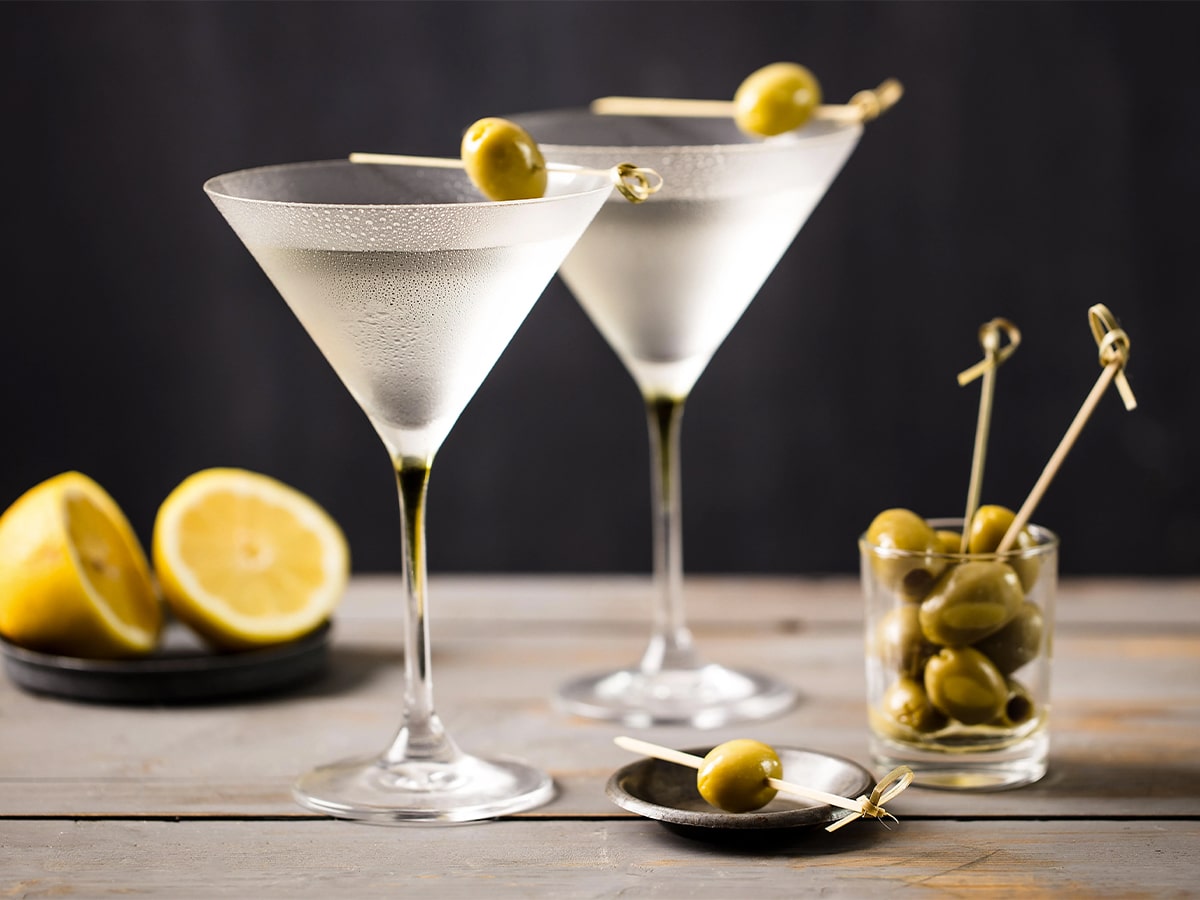
McCanta likes a lemon twist cut thin and shaped like smiling lips, clipped to the rim so it resembles the wings of a goose. Taste, then enjoy. Preferably with friends.
As one of his mentors, Dale DeGroff, used to say: Sip it swiftly while it’s laughing at you.
Gin vs Vodka: Choosing Your Base
Any serious martini conversation has to acknowledge its origins. Long before vodka took over hotel bars and Bond scripts, the martini was a gin drink first and foremost.
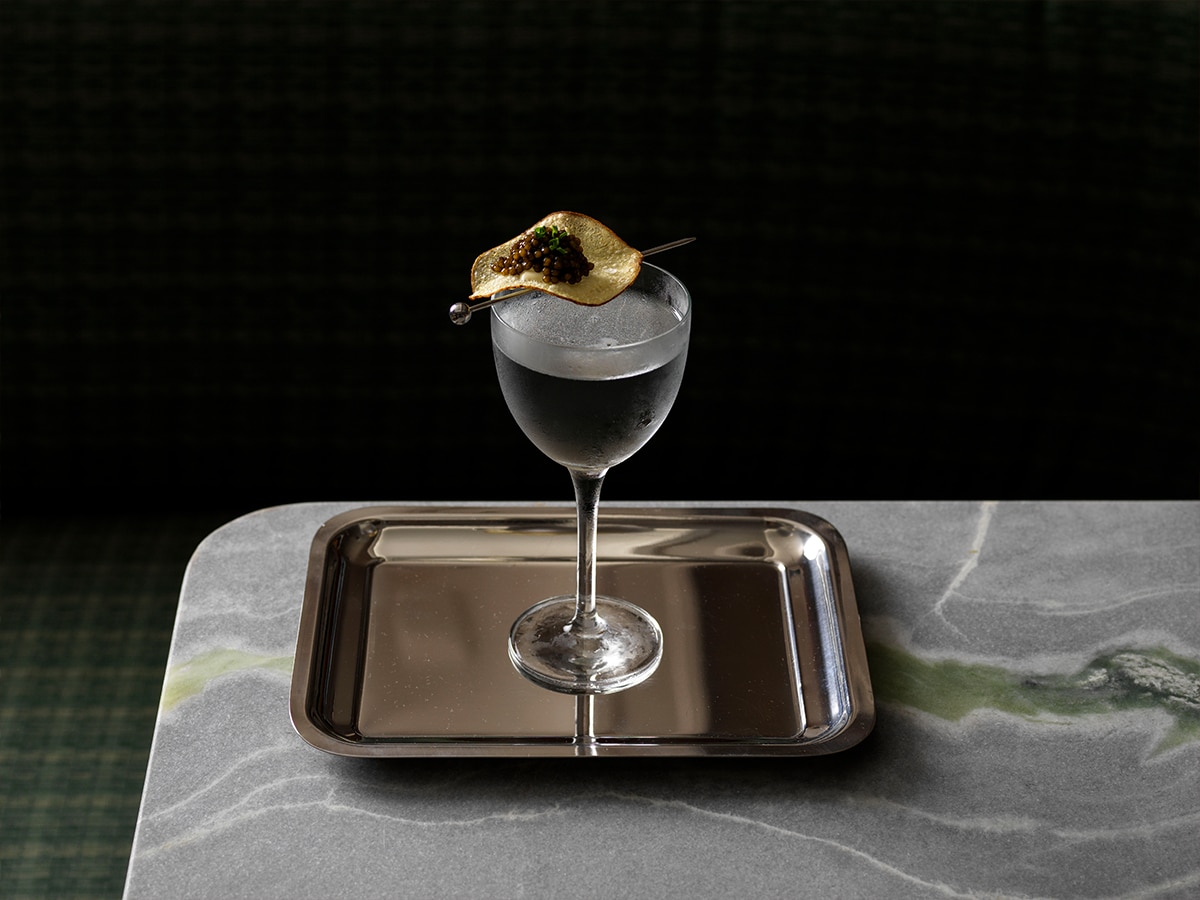
The difference is less about strength and more about flavour. Gin brings botanicals to the party, such as juniper, citrus peel, herbs, and spices. Flavours that aren’t content with sitting in the background. They actively shape the drink. A gin martini is sharper, more aromatic; take a whiff before you sip, and you’ll immediately notice the difference.
Vodka, by contrast, is about clarity and texture. It lets the vermouth and garnish do more of the talking, putting mouthfeel front and centre. That’s why vodka martinis tend to feel cleaner, silkier, more restrained.
Neither is better. They’re just doing different jobs.
If you enjoy savoury, herb-driven drinks and like the idea of your martini announcing itself before the first sip with a whiff, gin is likely your move. If you prefer subtlety, texture and a drink that feels calm rather than expressive, vodka makes more sense.
Again, personal preferences reign supreme. The important thing is getting the fundamentals right. Cold glass. Proper dilution. Respect the vermouth. Change the base spirit, not the discipline.
That’s also why many bartenders will tell you the martini isn’t one drink at all, but a format. Once you understand it, switching between gin and vodka becomes less about allegiance and more about mood.
That being said, if you like sweet, forgiving cocktails, the martini may never be your drink. But if you enjoy precision, restraint and flavour without distraction, few things reward the effort more.
A Classic Gin Martin, by James Irvine
While vodka martinis reward restraint and texture, gin martinis live or die by what you put in the glass. For James Irvine, creative director of gin drinks at Aussie distiller Four Pillars, it starts with respecting the ingredients, and not confusing simplicity with shortcuts.
Gin Martini Ingredients
Here’s everything you need to make a classic gin martini:
- A bold, savoury gin
- Quality dry vermouth (not the same vermouth you’d use in a Negroni)
- Sicilian olives
- Lemons to peel
- Olive oil
If you want to follow Irvine’s preferred setup:
- 50ml Olive Leaf Gin
- 20ml Regal Rogue Daring Dry Vermouth
- Sicilian olives
- Lemons to peel
- Cobram Estate extra virgin olive oil
Gin Martini Method
Once you’ve collated your ingredients:
- Build the gin and vermouth in a mixing glass with ice (straight from the freezer).
- Stir for 20 seconds.
- Strain into a frozen martini glass.
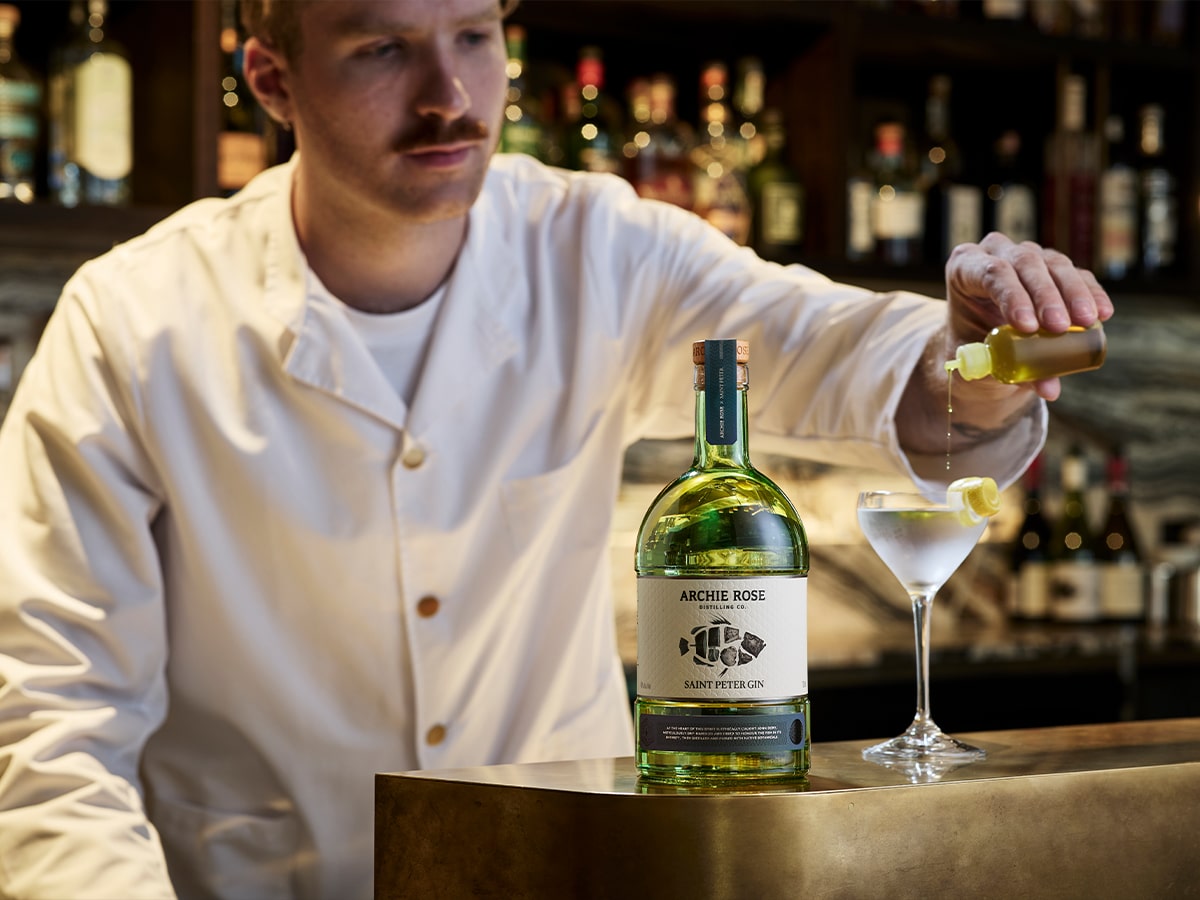
- Garnish with a few drops of EVOO and expressed lemon oils across the top, stem and base.
- Serve with a side ramekin of Sicilian olives.
A word of warning from Irvine: don’t cut corners.
“As a cocktail, the Martini is a pure representation of the sum of its parts,” he says. “If the doesn’t show up to work or the vermouth has been on a shelf since 2004, you’re going to have a bad time. Keep vermouth in the fridge. Fresh is best.”
The Ingredients That Actually Matter
When a cocktail has so few moving parts, every ingredient pulls more weight. The spirit, the vermouth, the ice and even the glassware all show up in the final drink, for better or worse. Cut corners here, and the martini won’t show forgiveness.
The Vodka
Vodka isn’t meant to disappear in a martini. It’s meant to carry texture and subtle flavour, and that starts with what it’s made from. Wheat-based vodkas tend to be softer and slightly sweeter, rye brings a drier, spicier edge, while potato vodkas offer a heavier, creamier mouthfeel. McCanta naturally favours French winter wheat for martinis thanks to its natural sweetness and rounded texture, especially when distilled and filtered in a way that preserves character rather than stripping it away.
The Vermouth
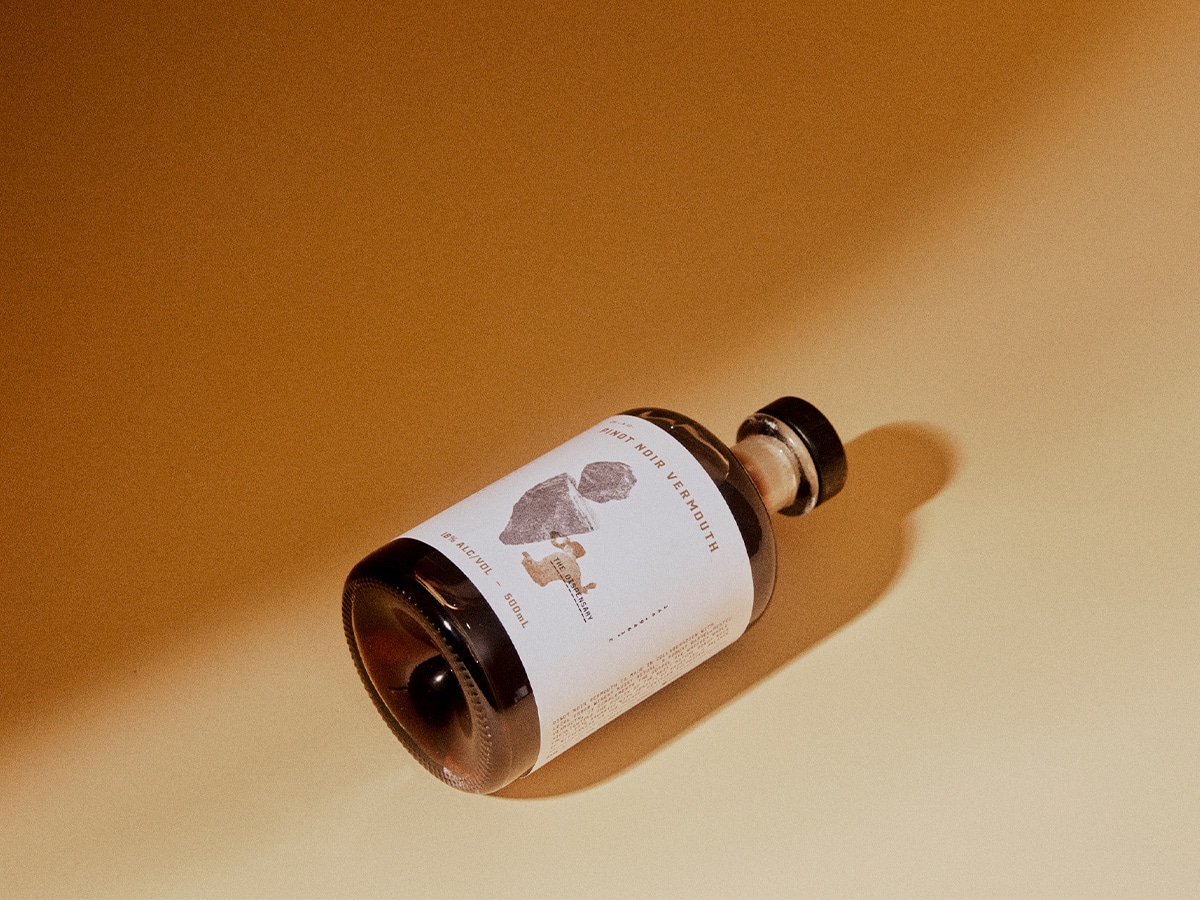
The most common home bartender mistake isn’t using too much vermouth. It’s storing it badly. Vermouth is wine. Treat it like one.
Keep it refrigerated, away from light. Use a wine preserver if you can. Stored properly, it’ll stay fresh for about a month. Left warm on a shelf, it’s already on borrowed time and due for recycling.
The Ice
Ice isn’t just cold storage. It’s an ingredient. Probably the most common cocktail ingredient, if you really think about it. Larger, clear cubes melt more slowly, giving you better control over dilution. McCanta prefers cubes around three inches, but even standard freezer ice beats cloudy, cracked leftovers that introduce impurities.
The Glass
The classic V-shaped martini glass isn’t just aesthetic. A rim that’s too wide lets aromas escape. Too narrow and it feels awkward. McCanta still favours the V for both balance and presence, though a coupe works just fine if that’s what you have.
Garnish & Variations
Beyond golden ratios, bartender-informed recipes and the debate over gin vs vodka, there’s still plenty more to shake and stir in the world of martini making, so let’s order up a few and start mulling over the garnishes and variations that make martinis so versatile.
Olive or Twist? Let Flavour Decide
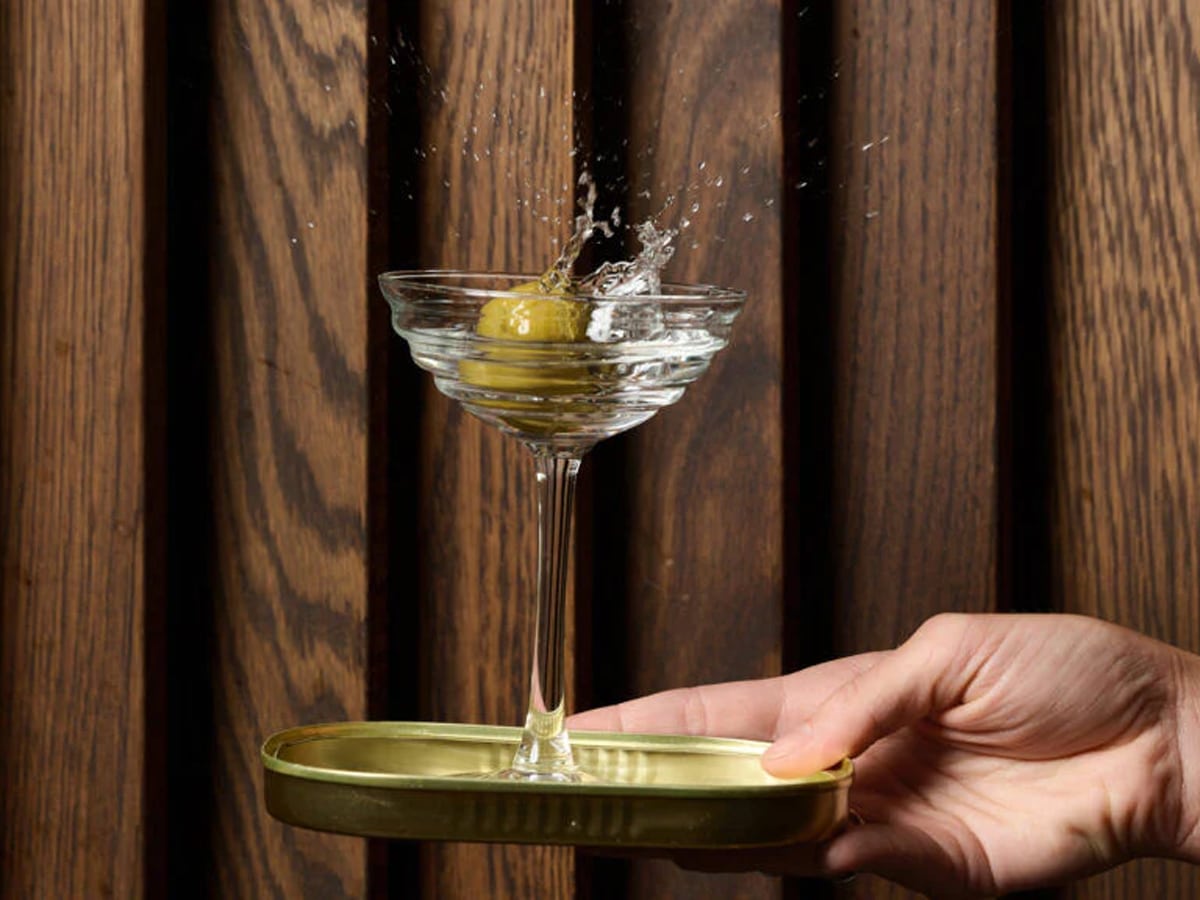
An olive pushes the drink savoury, pulling out herbal notes from the vermouth. A lemon twist lifts citrus and brightness from the spirit. Neither is more correct than the other.
That’s the beauty of the martini. It’s personal. It’s creative. It’s exactly what you ordered. Cheers.
The Dirty Martini, Done Properly
The dirty martini has made a strong comeback, but balance remains the deciding factor between exceptional and average. As such, McCanta’s approach is controlled and intentional.
Use a consistent, quality brine rather than topping up from a jar that’s been opened a hundred times. He also muddles a few olives directly into the brine before mixing, adding roundness without overwhelming the drink.
The Vesper: a Martini Turned Up
Popularised by James Bond, the Vesper is less a twist on the martini and more a statement version. It’s bigger, more aromatic, and noticeably stronger than a classic martini, combining gin and vodka with aromatised wine.
This isn’t an everyday order. It’s best saved for moments when you want something bold and unapologetic, and when you’re in the mood for a martini that announces itself from the first sip.

Beyond the Classics: Modern Garnishes
A Gibson with quality cocktail onions is a classic for a reason. Beyond that, citrus opens up quickly. Grapefruit, mandarin and bergamot all work beautifully. Fresh herbs like tarragon or thyme add a surprising depth. If you can find oyster leaf, even better. It does exactly what it promises.
50:50 Martini
At the other end of the spectrum sits the 50:50 martini, which uses equal parts spirit and vermouth. The result is lighter, more aromatic, and closer in spirit to early martini styles. It’s an excellent aperitif, especially if you enjoy vermouth-forward drinks or want something elegant without the full weight of a traditional martini.
The One Thing Most People Get Wrong
Temperature.
Or more specifically: Not chilling the glass. Not chilling the vermouth. Rushing the stir. A martini, like a good book, deserves patience. Skip the cold, and the whole thing falls apart.
The Freezer-Door Martini (Yes, It Works)
Pre-batching martinis in the freezer isn’t cheating. It’s smart hosting. The key is accounting for dilution.
McCanta recommends building in around 20 per cent water when batching with dry vermouth. Done properly, you’ll have a world-class martini ready at a moment’s notice, no ice required.
Irvine also recommends pre-mixing your preferred gin and vermouth ratio ahead of time, which helps stabilise the drink and removes guesswork when serving.
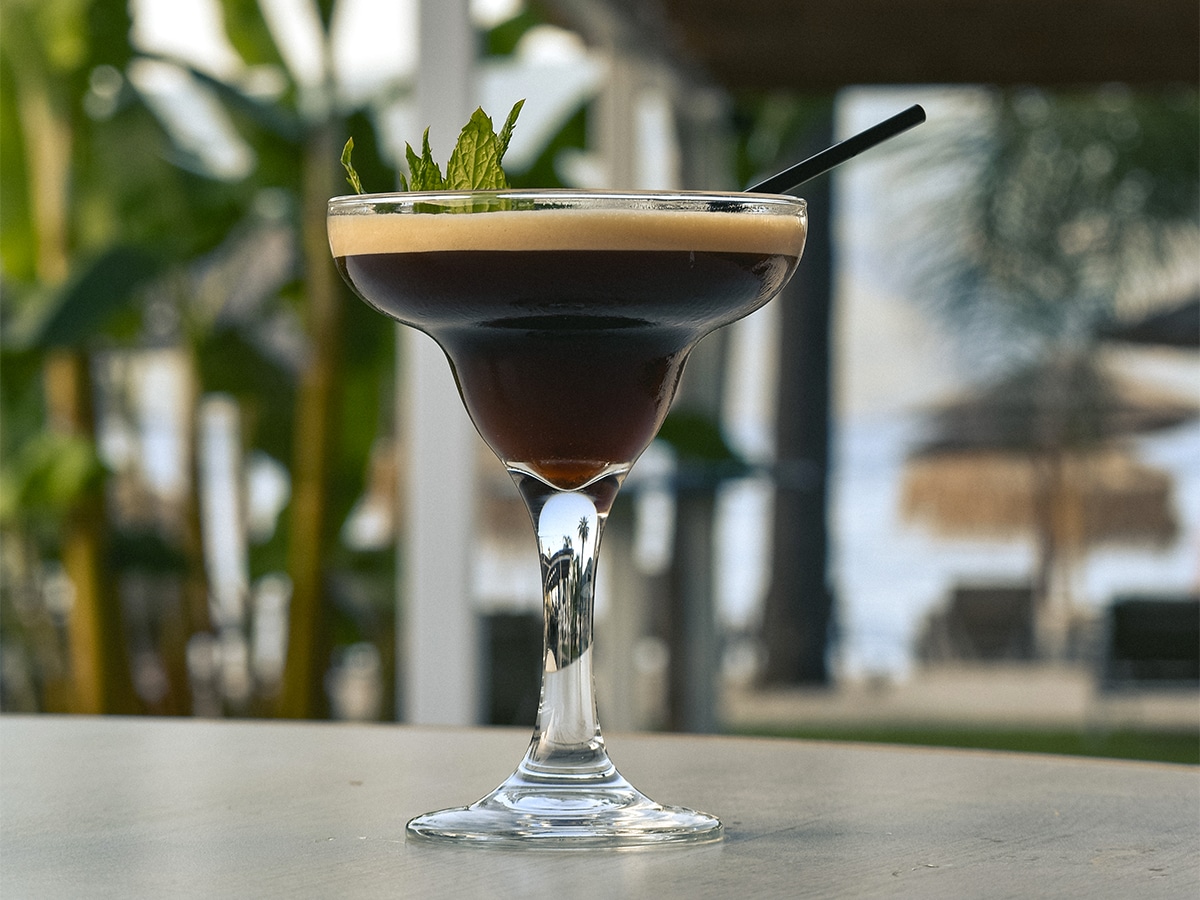
The Espresso Martini (Or Is It?)
It’s impossible to talk about martinis today without acknowledging the rise of the espresso martini. Dominating menus, fueling late nights, and extending bottomless brunches, it has become a cultural phenomenon in its own right.
But technically speaking, it isn’t a martini in the classic sense. With coffee, sugar and liqueur in the mix, it breaks almost every rule that defines the traditional drink. But we’re not knocking this delicious cocktail. We’ll order a round from time to time, but cocktails are not without context.
Side by side, the only real connection is the glassware. Where a classic martini is about restraint and exposure, the espresso martini is built on contrast, balancing bitterness, sweetness, richness and caffeine in a single hit.
Both have their place, but let’s not confuse them.
Other Martini Variations You’ll See Behind The Bar
Once you start paying attention, you’ll realise the word martini is applied liberally across the bar. Some of these stick close to the original format, while others just borrow the glass.
In the wild, you’ll come across vodkatinis (vodka-forward versions with minimal vermouth), bone-dry martinis (honestly, it’s little more than chilled spirit and ceremony, but each to their own), and reverse martinis, which flip the usual ratio and put vermouth up front and in your face.
There are also modern offshoots like the French Martini, a fruit-forward cocktail built with vodka and liqueur that keeps the name largely for familiarity rather than accuracy, alongside countless flavoured or sweetened versions that lean more toward dessert than aperitif.
You’ll also hear orders like Churchill, which traditionally means no vermouth at all. More ceremony than balance, but firmly part of martini lore.
At some point, martini stops being a recipe and a shorthand for a style of serving. That’s fine. Just know what you’re ordering.
What To Serve With a Martini
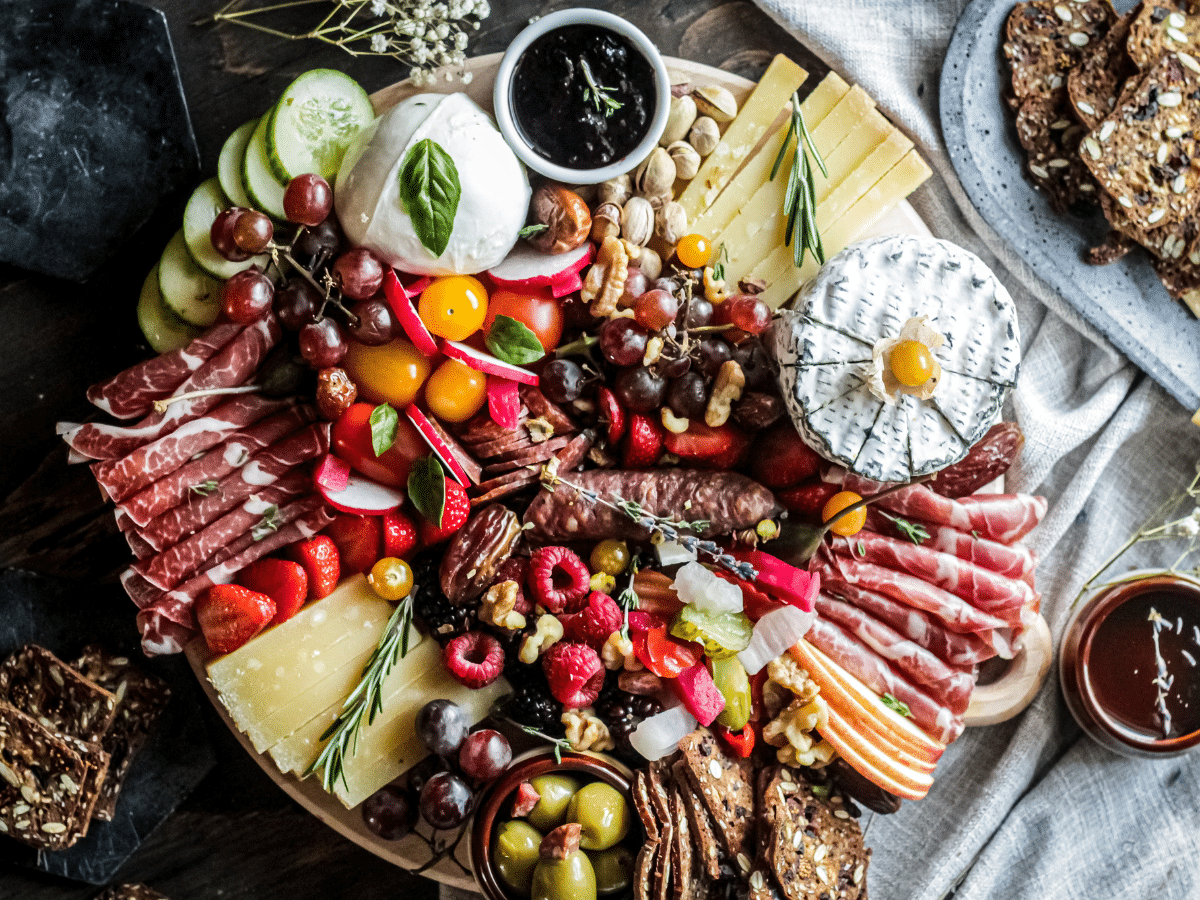
You can’t go wrong with oysters and a sharp mignonette. Beyond that, martinis pair beautifully with aperitivo-style food: spicy cured meats, soft cheeses, and even a simple crudité platter (French appetisers, typically raw veggies served with vinaigrette or other dipping sauces). Lean flavours, sharp edges, nothing heavy.
Martinis In The Open
You won’t just find McCanta’s approach behind the bar. In 2026, Grey Goose will once again return with its Courtside Bar at the Australian Open, overlooking Court 6. Expect a French-inspired menu from Sydney’s Nik Hill of Porcine, the signature Grey Goose Lemon Ace served in exclusive AO-ready cans, and McCanta himself on hand bringing martini craftsmanship to centre court.
The perfect martini isn’t about chasing someone else’s ideal. It’s about understanding the levers, then pulling them with intent. Cold, balanced, deliberate. Once you’ve nailed that, the rest is just preference chasing perfection.
And that’s exactly how it should be.

Martini Glossary: Common Terms Explained
Dry
Refers to using less vermouth, not stronger alcohol. A dry martini still includes vermouth, just in a restrained ratio.
Wet
A martini with a higher proportion of vermouth. Softer, more aromatic, and often more forgiving.
Perfect
A martini made with equal parts dry and sweet vermouth. Traditionally paired with gin, but adaptable.
Dirty
A martini with olive brine added. The more brine, the dirtier the drink.
Extra Dirty / Filthy
An exaggerated dirty martini with a heavier dose of brine, often pushing the drink firmly into savoury territory.
Shaken
Mixed by shaking with ice. Produces a colder drink faster, with more dilution and a lighter texture.
Stirred
Mixed by stirring with ice. Results in a silkier mouthfeel, controlled dilution, and a drink that stays cold longer.
Straight Up
Served chilled, without ice, in a stemmed glass.
Neat
Served at room temperature, without ice or dilution. Rarely used for martinis.
Twist
A strip of citrus peel, usually lemon, expressed over the drink to release aromatic oils.
Gibson
A martini garnished with a cocktail onion instead of an olive or twist.
50:50 Martini
An equal-parts martini using the same amount of spirit and vermouth. Lighter, more vermouth-forward, and closer to early martini styles.
Vesper
A specific martini variation popularised by James Bond, traditionally using gin, vodka, and Kina Lillet (now adapted). Strong, aromatic, and very much its own thing.

FAQs
Neither is better; they’re just different. Gin martinis are more aromatic and botanical, while vodka martinis focus on texture and clarity. The right choice comes down to whether you prefer flavour-led complexity (gin) or a cleaner, silkier drink (vodka). There’s no wrong answer, other than what you like and what you don’t.
A good starting point is a 5:1 ratio of spirit to dry vermouth. That’s dry without stripping flavour away, and it keeps the vermouth present rather than decorative. From there, adjust to taste until you find your perfect martini ratio.
Yes. Pre-batching martinis in the freezer works exceptionally well, provided you account for dilution. Adding around 20 per cent water replicates the melt you’d typically get from stirring with ice.
Overdilution is usually the culprit. Small or cloudy ice melts too quickly, and over-shaking introduces excess water and air, which also warms your drink up faster. Large, clear ice and deliberate stirring give you far more control.
Not necessarily. Freezer-cold vodka can mute aromas and push the texture too far toward syrupy. A serving temperature between 0 and 4 degrees Celsius delivers viscosity without losing flavour.
This guide was developed with expert insight from Joe McCanta, Grey Goose Global Director of Brand Experience.



























Comments
We love hearing from you. or to leave a comment.