


Updated:
Readtime: 5 min
Every product is carefully selected by our editors and experts. If you buy from a link, we may earn a commission. Learn more. For more information on how we test products, click here.
- Spirits tax rises to $107.99 per litre of alcohol today, February 2.
- Australia now holds the world’s second-highest tax rate on distilled spirits.
- Draught beer indexation is currently frozen for two years until August 2027.
- The beer freeze saves consumers roughly one cent per pint at pubs.
- Industry leaders are calling for tax parity to include spirits and RTDs.
The price of alcoholic drinks rises twice a year (in February and August) due to indexation on commercially produced alcohol, e.g., draught beer, wine, whiskey, vodka, tequila, and more, which is applied in line with inflation. This has been happening for decades, but has recently jumped back into the spotlight as the price of a schooner has pinched the pockets of punters.
Last year, the Prime Minister of Australia, Anthony Albanese, announced that the Labour Party would put a two-year pause on the biannual indexation of the draught beer excise, in something he called a “win for beer drinkers, brewers and hospitality businesses.” However, the tax on spirits has been ignored. Prices will rise again today to $107.99 per litre of alcohol, as Australia’s spirits tax becomes the second-highest in the world.
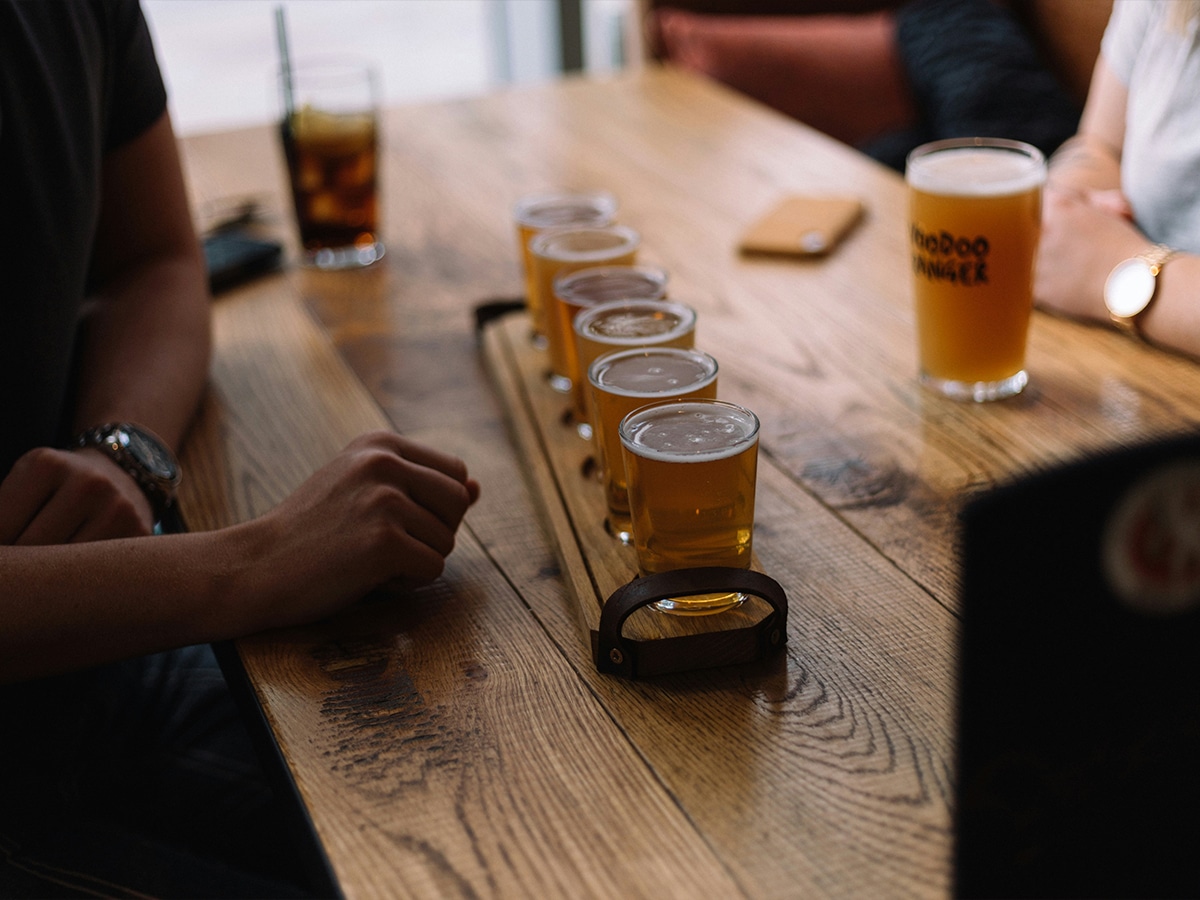
The measure was estimated to cost the budget $95 million over four years, but a closer look at the fine print revealed that the figure amounted to only an 18-cent saving on a 48-litre keg of mid-strength beer, or about one cent per pint for the consumer.
How Does This Affect the Local Spirits Industry?
“It’s not just another tax hike, it’s a significant one that distillers and hospitality venues simply can’t absorb. In the end, it’s customers who’ll be left paying more for their favourite spirits,” said former Australian Distillers Association General Manager and Four Pillars Distillery Co-founder, Cameron Mackenzie, in January 2025.
“The Australian distilled spirits industry drives local manufacturing, creates jobs and boosts tourism and hospitality with 50 per cent of distilleries located in regional communities. This tax hike hits everyone: producers, venues and consumers who’ll see higher prices for their favourite gin and tonic.”
How Does This Affect Pubs and Clubs?
Parliament will resume debate this week on the draught beer freeze, and MPs are being urged to support an amendment to extend the freeze to tap spirits served over the bar in pubs and clubs.
“Spirits are a growing part of the product mix for pubs, clubs and small bars and appeal to a wide variety of consumers, particularly women and younger adults,” said Spirits & Cocktails Australia executive director, Steven Fanner. “Spirits are taxed more than beer or wine, and the tax increases every six months. This latest rise will mean around $32 of the price of a standard 700mL bottle of gin or whisky is tax going straight to the Government.“
“Applying the freeze to tap spirits as well as tap beer would ensure many more people having a drink with friends on a Friday night benefit from this sensible cost-of-living measure.”
Night Time Industries Association chief executive Mick Gibb said state governments were making meaningful progress in revitalising their night-time economies, but the high tax rate on spirits continued to challenge both consumers and venue owners. “We’ve seen some real progress in recent months to foster vibrant 24-hour cities, but for many consumers, the rising price of a mixed drink or a cocktail makes going out a luxury.”
“For venue owners, particularly those with small bars, these twice-yearly tax hikes become very difficult to wear and even harder to budget for.”
What Has the Government Done About It?
With the two-year pause, the government will also increase the excise remission cap to $400,000 for all eligible alcohol manufacturers, and we will also increase the Wine Equalisation Tax producer rebate cap to $400,000 from July 1 2026. “My Government is building Australia’s future, and to do that, we need to support our small and medium local businesses to thrive,” said Prime Minister of Australia, Anthony Albanese. “Freezing the excise on draught beer is a common-sense measure that is good for beer drinkers, good for brewers and good for pubs.”
The choice to ignore alcohols other than beer is a strange one at face value, but it becomes even stranger the deeper you look.
Research published in The Shout shows RTDs are gaining market share from beer, cider, and wine, at a furious rate, as consumers look for “healthier” choices at the bar. The research projects that the RTD industry will grow by 3.5 per cent between 2023-2028 as new and premium products enter the market.
“We support the freeze in place for draught beer, but it’s only fair that someone approaching the bar for a gin and tonic, or a premix RTD, gets the same relief,” said a spokesperson for Spirits and Cocktails Australia. “We are seeing cocktails and RTDs becoming more popular in pubs and clubs across the country. Consumers of these products are already paying more excise per drink than beer drinkers, so we should ensure they aren’t left out when the freeze on draught beer comes into effect in August.”
More information about the beer excise can be found at the ATO website, linked below.






















Comments
We love hearing from you. or to leave a comment.