


Updated:
Readtime: 7 min
Every product is carefully selected by our editors and experts. If you buy from a link, we may earn a commission. Learn more. For more information on how we test products, click here.
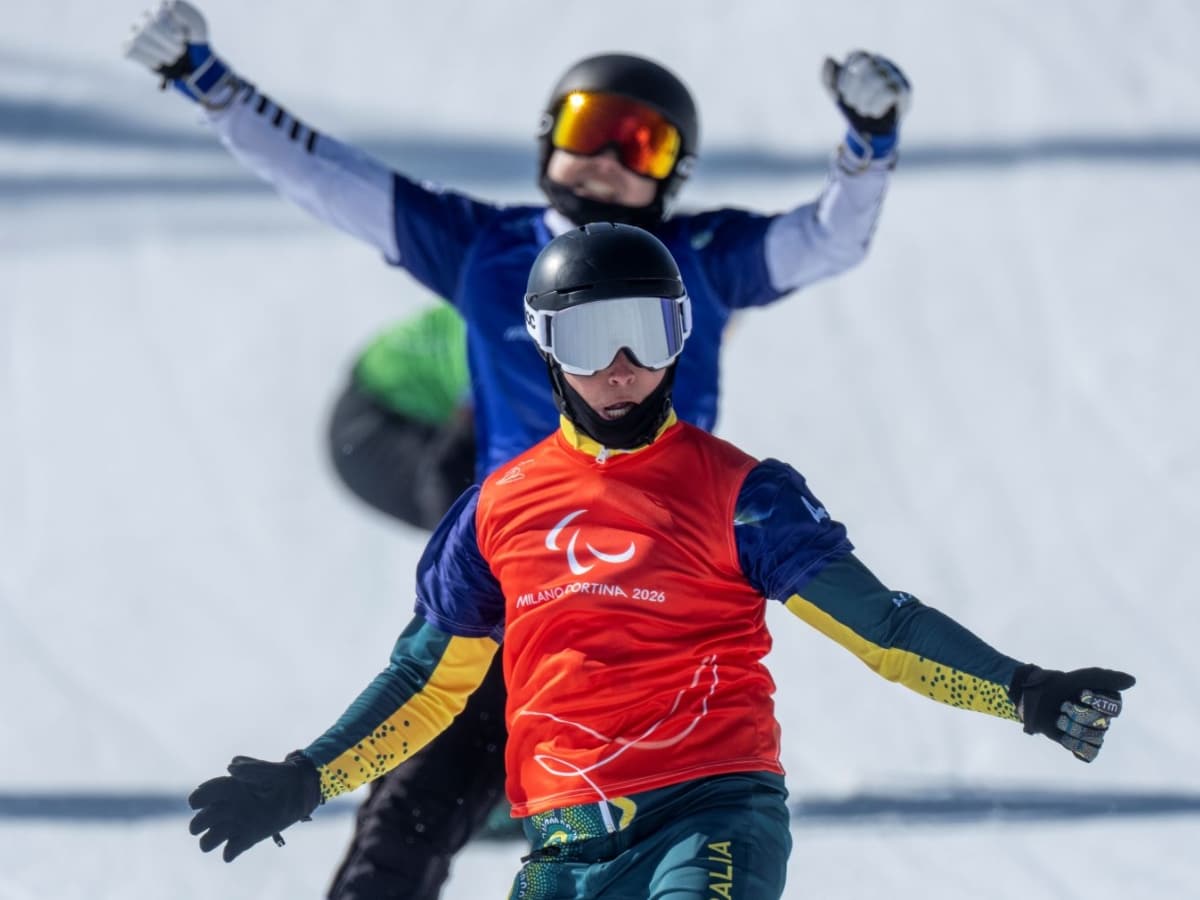
For most athletes, the Paralympic Games represent the culmination of years of preparation. But ask Australia‘s snowboard cross riders Ben Tudhope and Sean Pollard what the experience actually feels like, and they’ll tell you it’s less about the spotlight and more about perspective.
Multiple riders race down the same course, navigating jumps, tight turns and split-second decisions. It’s already chaotic in the Winter Olympics. At the Paralympics, the racing only gets tighter.
The Road to the Paralympics Up Close
From the outside, the build-up to a Paralympic Games can look similar to any elite sporting campaign: years of training, competition and qualification leading to one moment on the world stage.
But for Para athletes inside the system, the journey often looks a little different.
“Everyone’s got a different background and different story to tell,” Pollard says. “How they acquired their disability or how they’ve lived life with a disability. I think that’s one thing that gives Paralympians a bit of perspective.”
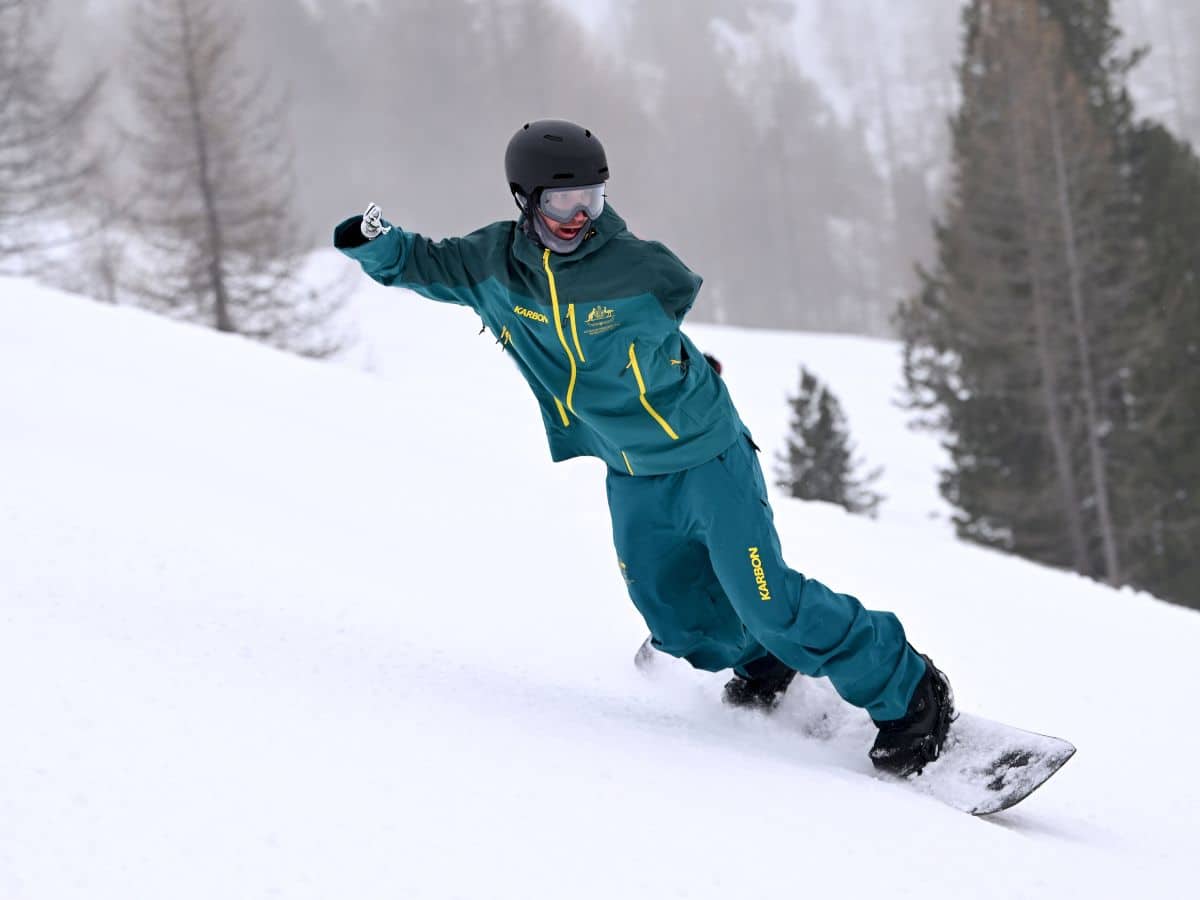
As competition approaches, preparation becomes less about big training blocks and more about fine-tuning.
“We’re trying to get everything dialled in,” Pollard says. “Making sure the body is right and all the prep work is done. This is the easy part now. You relax a little into it and go out there and do your thing.”
For Tudhope, who made his Paralympic debut as a teenager and is now one of the more experienced members of the Australian winter team, reaching the Games can also involve overcoming practical barriers.
“Being a Para athlete adds a layer of challenge,” he says. “When it comes to funding, training and accessibility, we’re still not on an equitable level. It takes that one step extra as a Para athlete to get to the Paralympic Games.”
Paralympians and Olympians Training Together
Despite the different pathways that lead athletes to the Paralympic Games, the day-to-day reality of winter sport in Australia often looks the same.
With a small pool of elite riders and limited snow seasons at home, Paralympic and Olympic athletes regularly train together.
“I’ve never been to the Olympics, so I can’t really talk to that side of it,” Pollard says. “But we’re training with the Olympians a lot back home. Winter sports is such a small community in Australia.”
For Tudhope, that crossover has been part of his entire career.
“There are a lot of similarities,” he says. “Growing up in the snow world, I’ve snowboarded with the likes of Josie Baff, Tess Coady and Valentino. I know all of the Olympic team and still train with them now.”
Stepping Into The Uniform
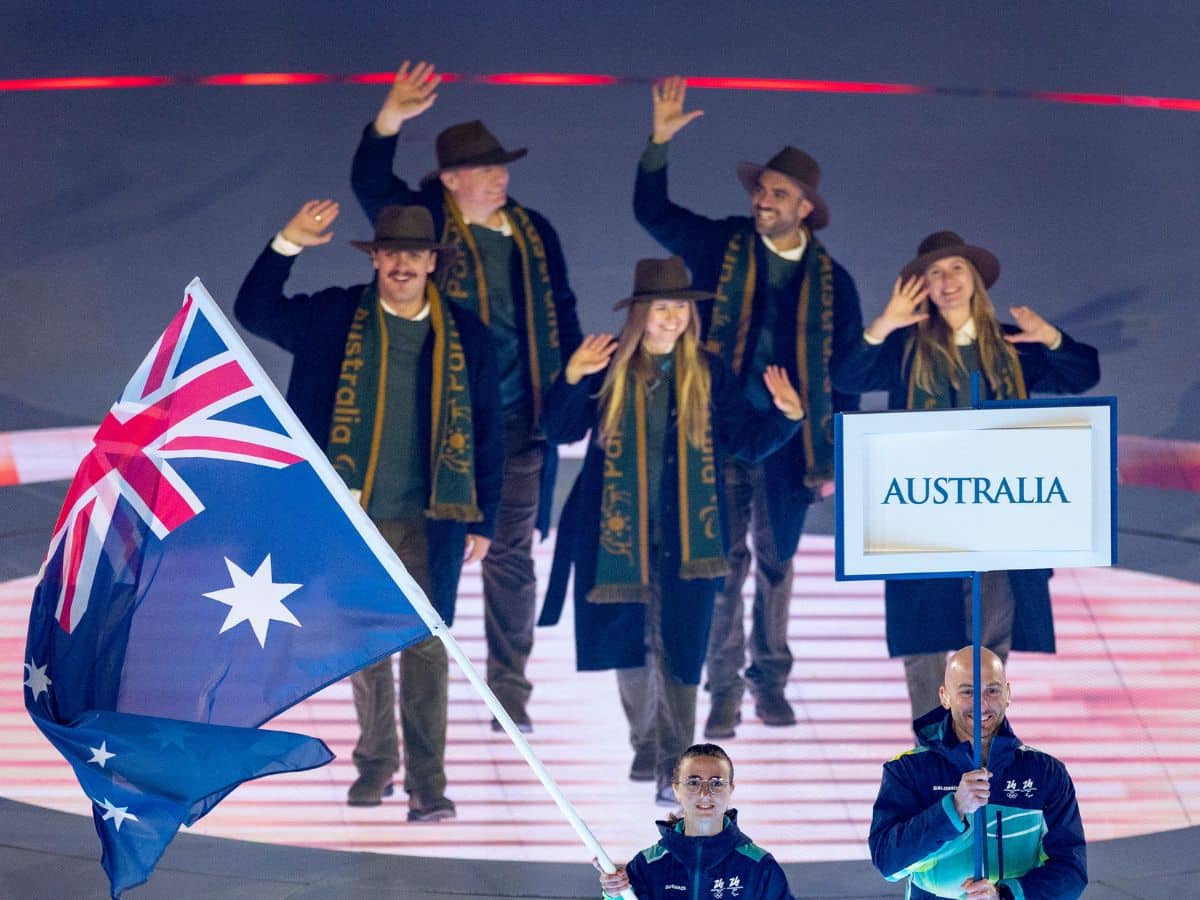
Before competition begins, however, athletes share one moment that marks the shift from preparation to performance: the Opening Ceremony.
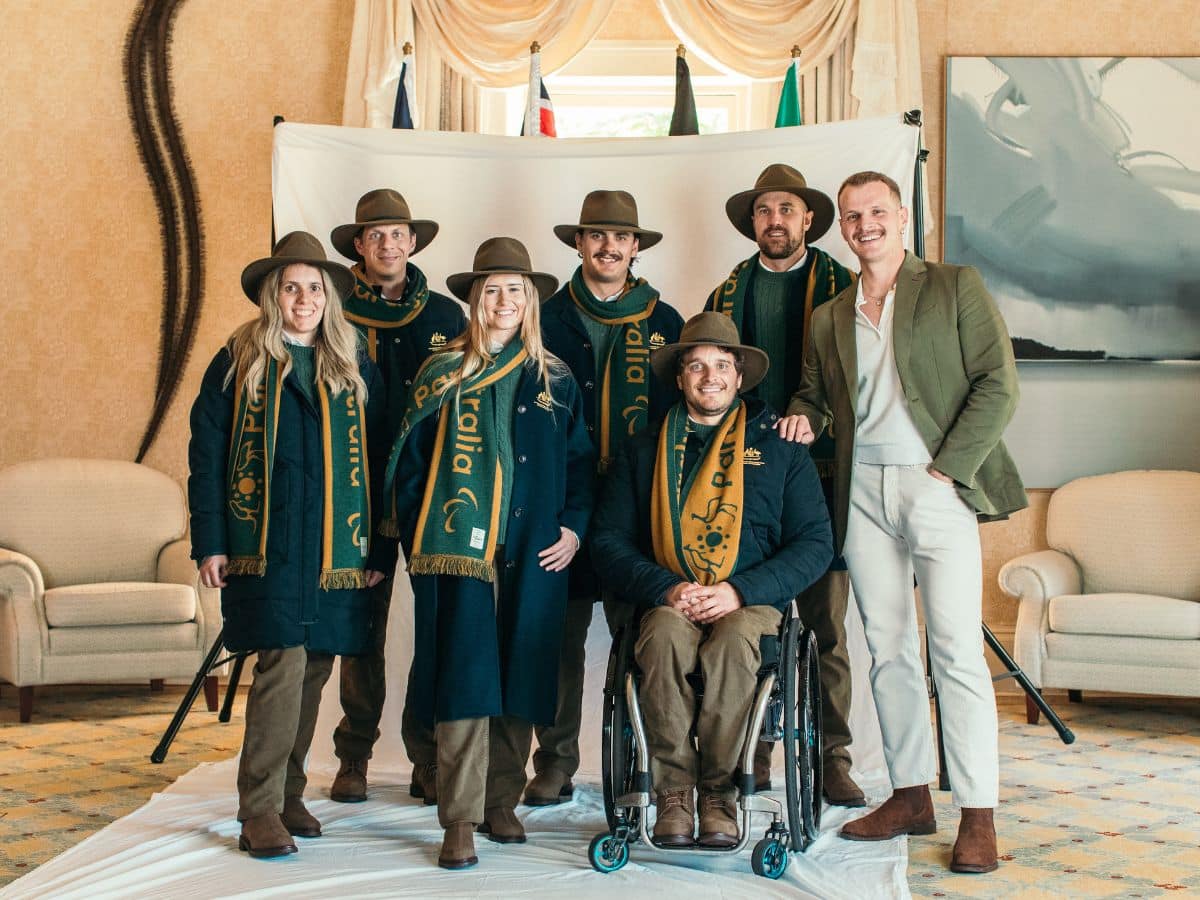
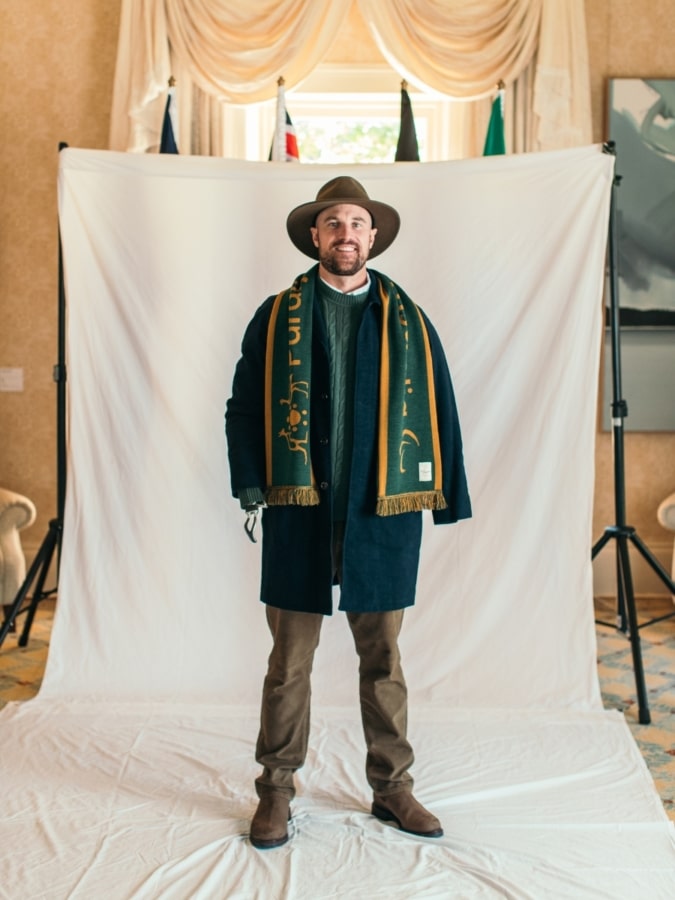
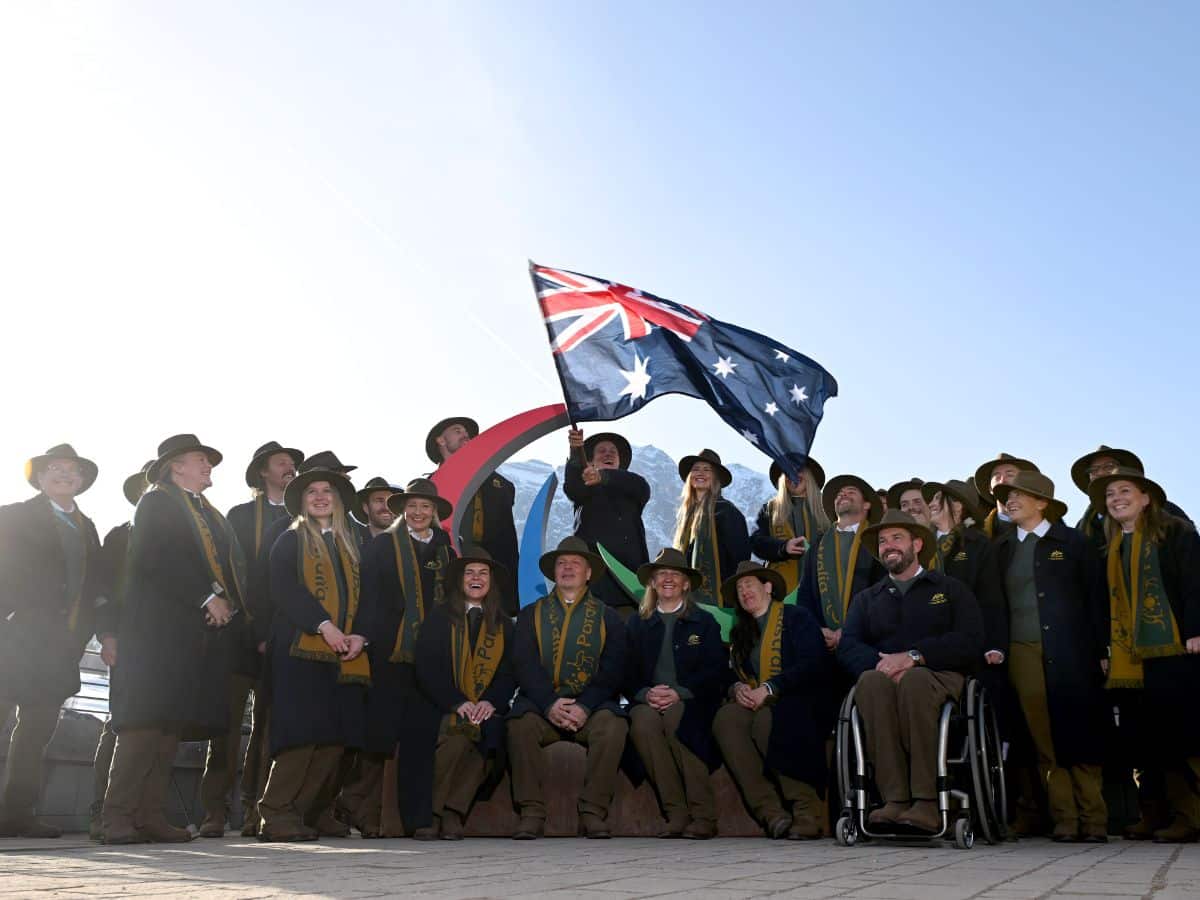
As part of Australia’s long-running partnership with R.M. Williams, Paralympians will walk into the ceremony wearing the brand’s official team uniform. Pollard says the moment has a surprisingly simple effect.
“As soon as you put the R.M. Williams kit on, you feel smart, you feel dapper,” he says. “When you look good, you feel good.”
But beyond the dapper look are the small design details R.M. Williams has done to adapt the Australian Paralympic Team uniform for every Para athlete.
“There’s Velcro on shoes and different fastenings,” says Tudhope. “So if people can’t do shoelaces or can’t put on boots easily, they’re accessible.”
“It’s not just about looking like the finest team. It’s about the little things they’ve done to support the Australian Paralympic Team.”
The Controlled Chaos of Snowboard Cross
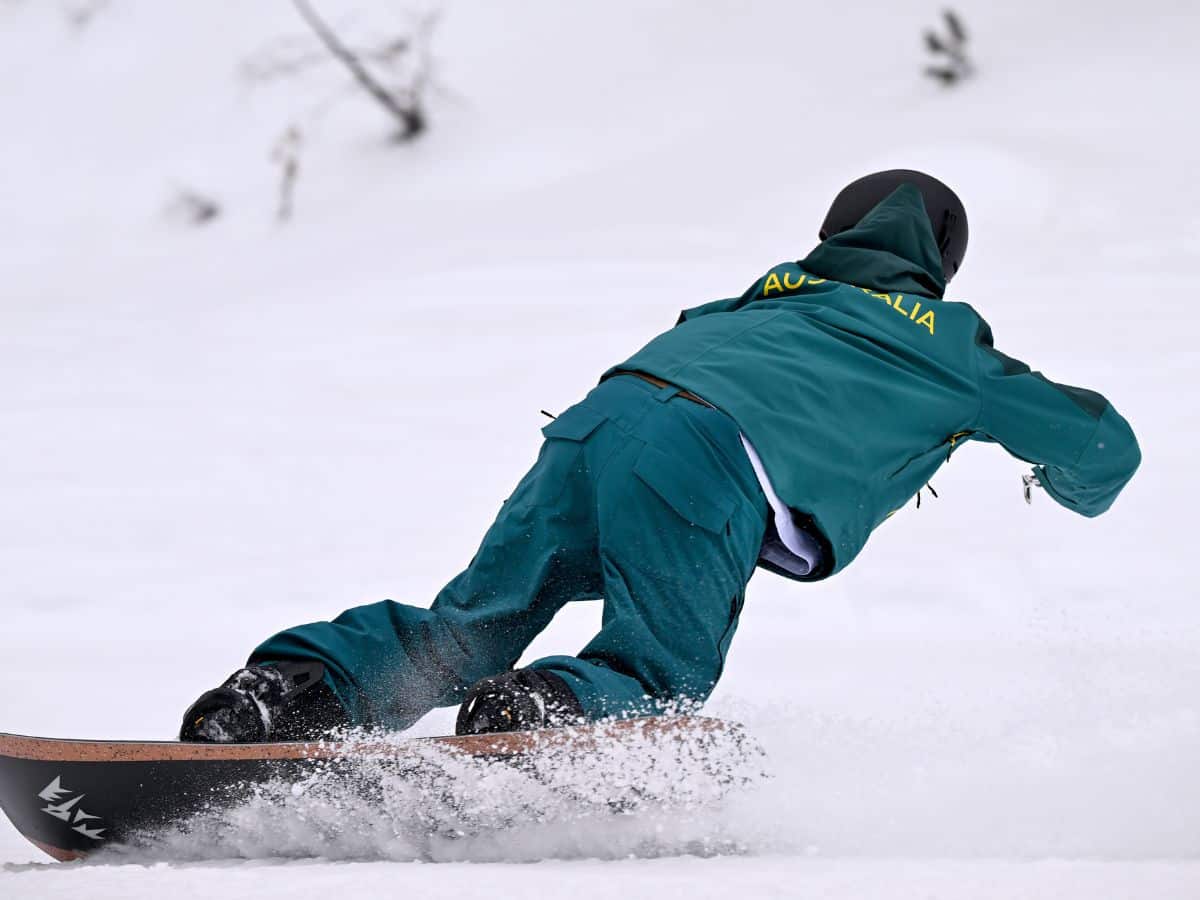
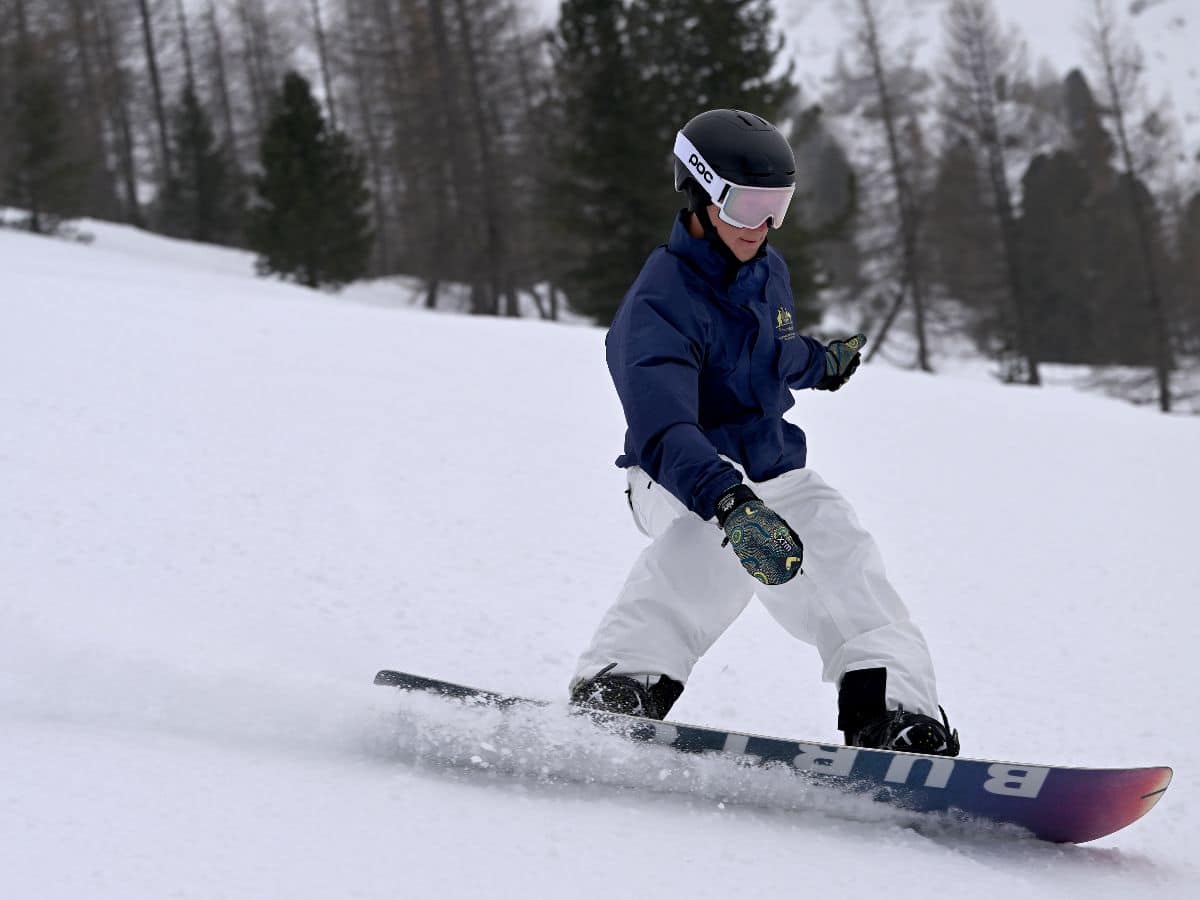
Once competition starts, the focus quickly returns to the course. The chaos of snowboard cross at the Winter Paralympics requires strategy and tactical positioning just as much as speed and agility to claim victory.
“There are a lot of tactics,” Pollard says. “Your qualification time determines which gate you start from, and the start is pretty important in snowboard cross.”
From there, races are often decided in seconds as riders fight for position through jumps, rollers and banked turns.
“It’s a pretty dangerous sport,” Pollard says. “So getting to the bottom and trying to make clean passes is probably the key thing.”

Tudhope says the strategy begins long before the riders leave the start gate.
“There is so much that can win or lose races before you even exit,” he says. “We have a service tech who waxes the board, and the work that goes into making the board as fast as possible is insane.”
For Tudhope, the unpredictability of snowboard cross is exactly what keeps him coming back.
“It’s that adrenaline rush,” he says. “You’re so close to other riders and you’re making decisions in the moment. Anyone can win on the day, and that’s what keeps it exciting.”
A Veteran Perspective
Tudhope first competed at the Paralympic Games in 2014 as a teenager. Now, more than a decade later, he finds himself among the most experienced members of Australia’s winter team.
“It’s been a massive change since my first Games,” he says. “We joke about me being a veteran now.”
“Twelve years goes by like that.”
With the Games now underway, both athletes are focused on one simple goal: enjoying the experience.
“If I can leave these Games with a smile on my face,” Tudhope says, “that would be success.”

How Australia’s Snowboarders Performed
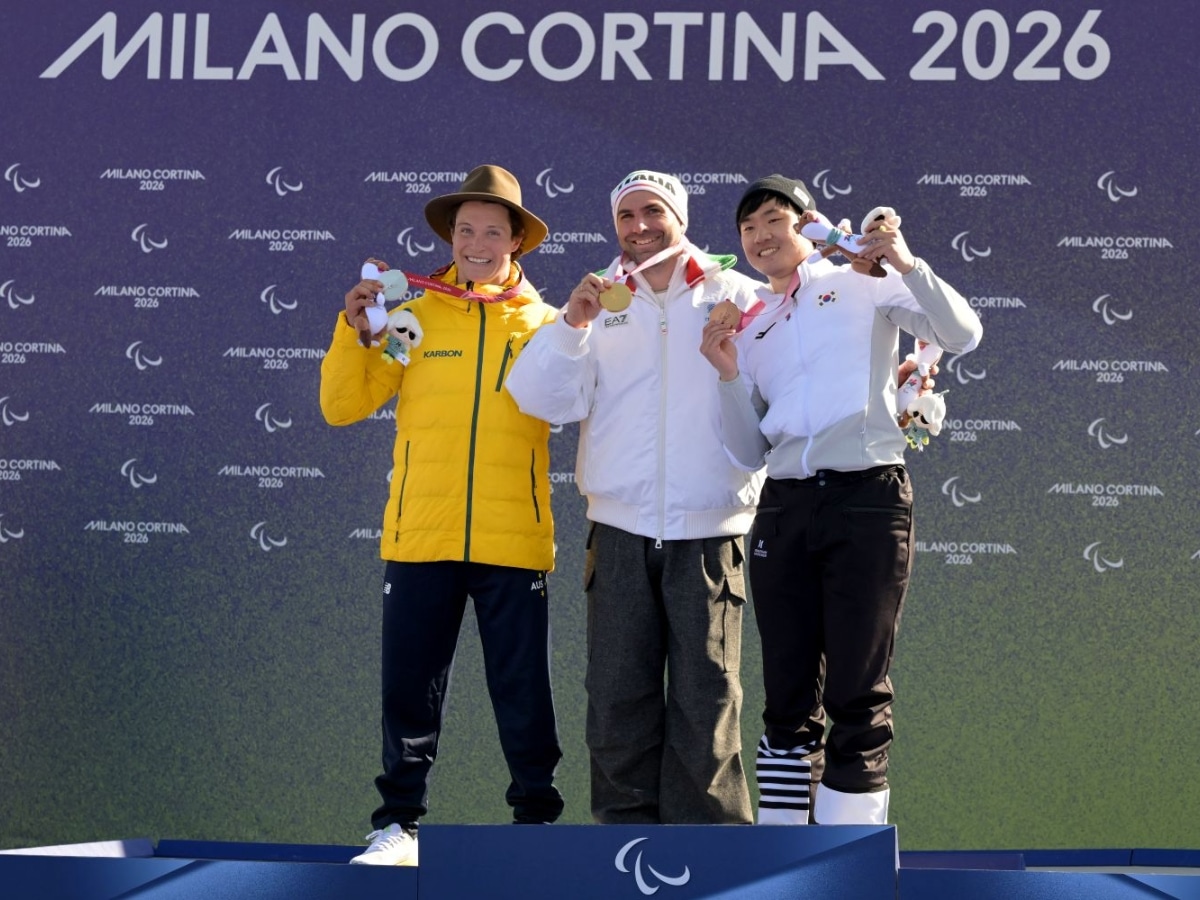
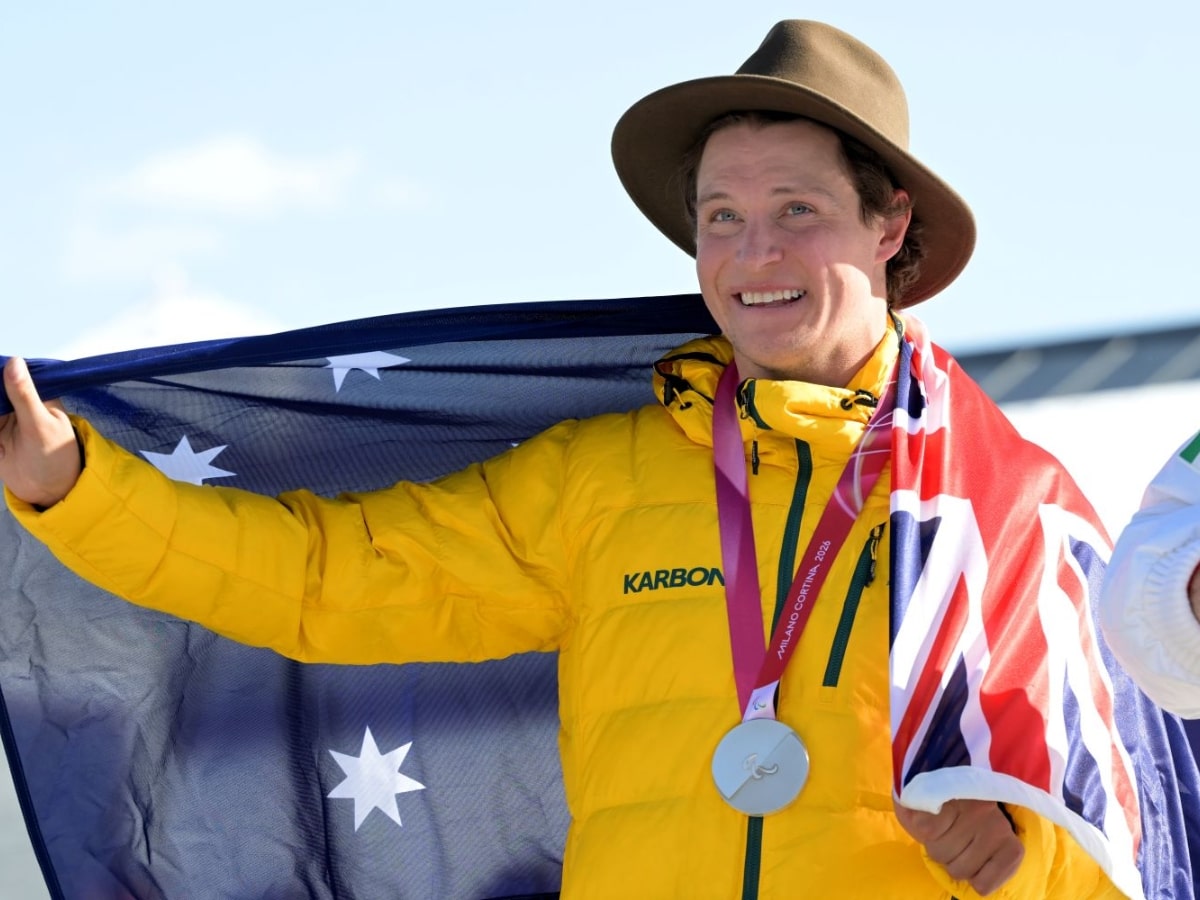
On the course, Australia’s snowboard cross campaign delivered a big moment for Ben Tudhope, who finished with silver in the men’s SB-LL2 final behind Italy’s Emanuel Perathoner, with Korea’s Lee Jehyuk taking bronze.
Team captain Sean Pollard also looked strong early in the SB-UL classification, winning his opening heat before narrowly missing progression after finishing third in his quarter-final.
The Australian snowboard team will be back on the slopes for the banked slalom on 14 March, one of the final events of the Winter Paralympics.
The Games wrap up with the Closing Ceremony on March 15 in Cortina d’Ampezzo, where the Milano Cortina Paralympics will officially come to an end.
If you’re keen to watch how it all finishes, the remaining competition is available in Australia through Channel Nine, as well as online via NineNow and Stan Sport.
The full schedule is available on the official Milano Cortina Paralympic Games website.
Safe to say, Tudhope will be leaving the Games with a smile on his face.



















Comments
We love hearing from you. or to leave a comment.