

Updated:
Readtime: 18 min
Every product is carefully selected by our editors and experts. If you buy from a link, we may earn a commission. Learn more. For more information on how we test products, click here.
The Formula 1 has a schedule nightmare on its hands for the 2026 F1 season. With the war in the Middle East showing no signs of slowing down, it will soon have to decide on the status of races in Bahrain (April 10-12) and Saudi Arabia (April 17-19).
To legally host a modern Formula 1 race, a track must hold an active Grade 1 license, which opens up several possibilities for nations like Malaysia and Thailand to host races. But turning the F1 calendar on its head is easier said than done. We’ve outlined all possible options in our list below by examining the current schedule, locations, and distances between races, and then assessing the likelihood that these can accommodate an F1 race on short notice. Let’s take a close look at every potential replacement track for the 2026 F1 calendar.
Potential F1 Race Replacement Track at a Glance
Highlights from our list include the following options:
- Best chance for Spring: Fuji Speedway, Japan
- Best chance for Autumn: Hockenheimring, Germany
- Best chance for Winter: Chang International Circuit, Thailand
Now you’ve read the following options, let’s check out the complete list.
The Spring Crisis (April)
The FIA will have to address the upcoming GPs in Bahrain (April 10-12) and Saudi Arabia (April 17-19)
before looking at the rest of the logistical challenges for the rest of the season. The teams are in China, and then Japan in late March, before heading to Miami by early May. If the Middle East is a no-go zone, the most cost-effective solution is to keep the freight in Asia for April. It’s unlikely the teams will return to Melbourne on such short notice, so they’re more likely to stay in Japan, return to Malaysia for the first time in nearly a decade, or head to Thailand.
It’s also worth noting that these three races could be moved to the November-December slot and should be ruled out. The cars cannot race in Europe or North America during the planned season-ending races in Qatar (Nov 27-29) and Abu Dhabi (Dec 4-6), as the weather is generally too cold for the tyres.
1. Fuji Speedway, Japan
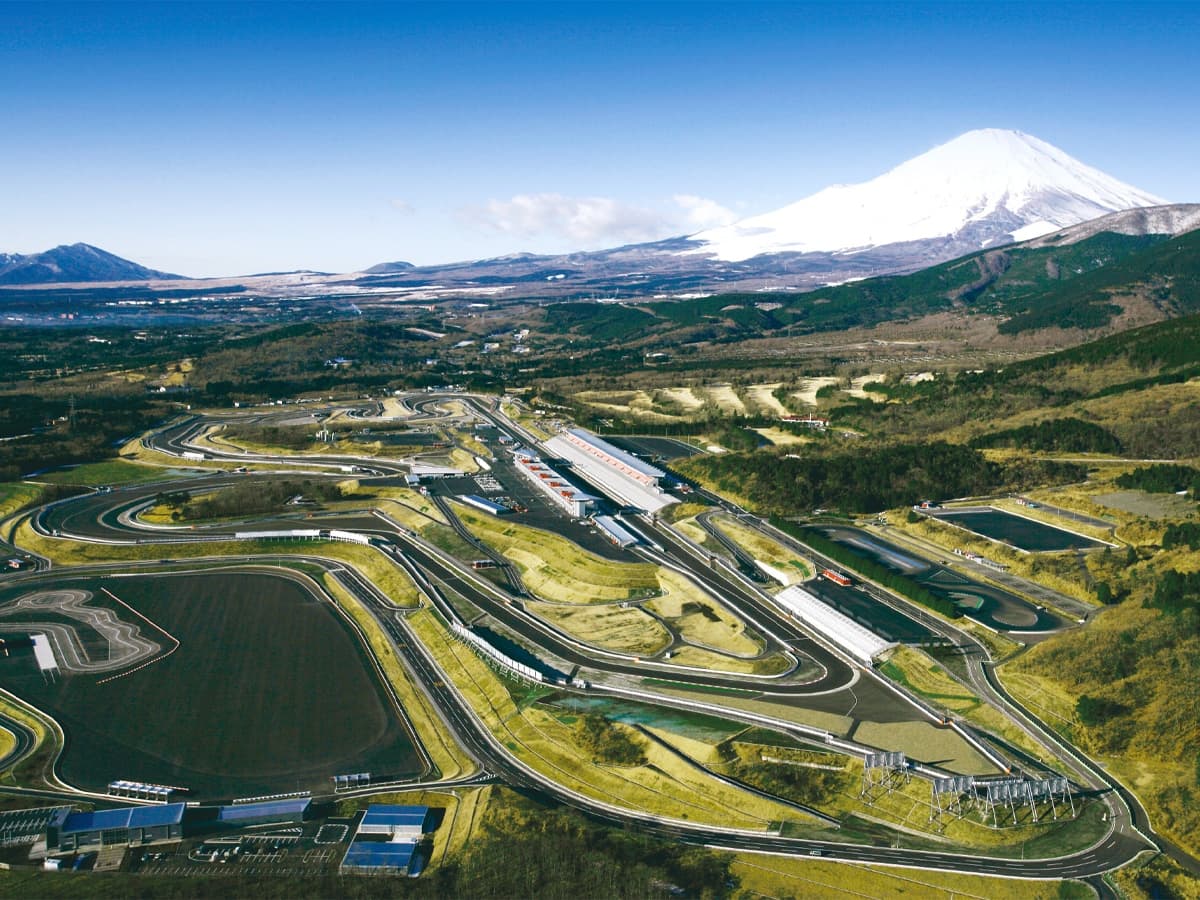
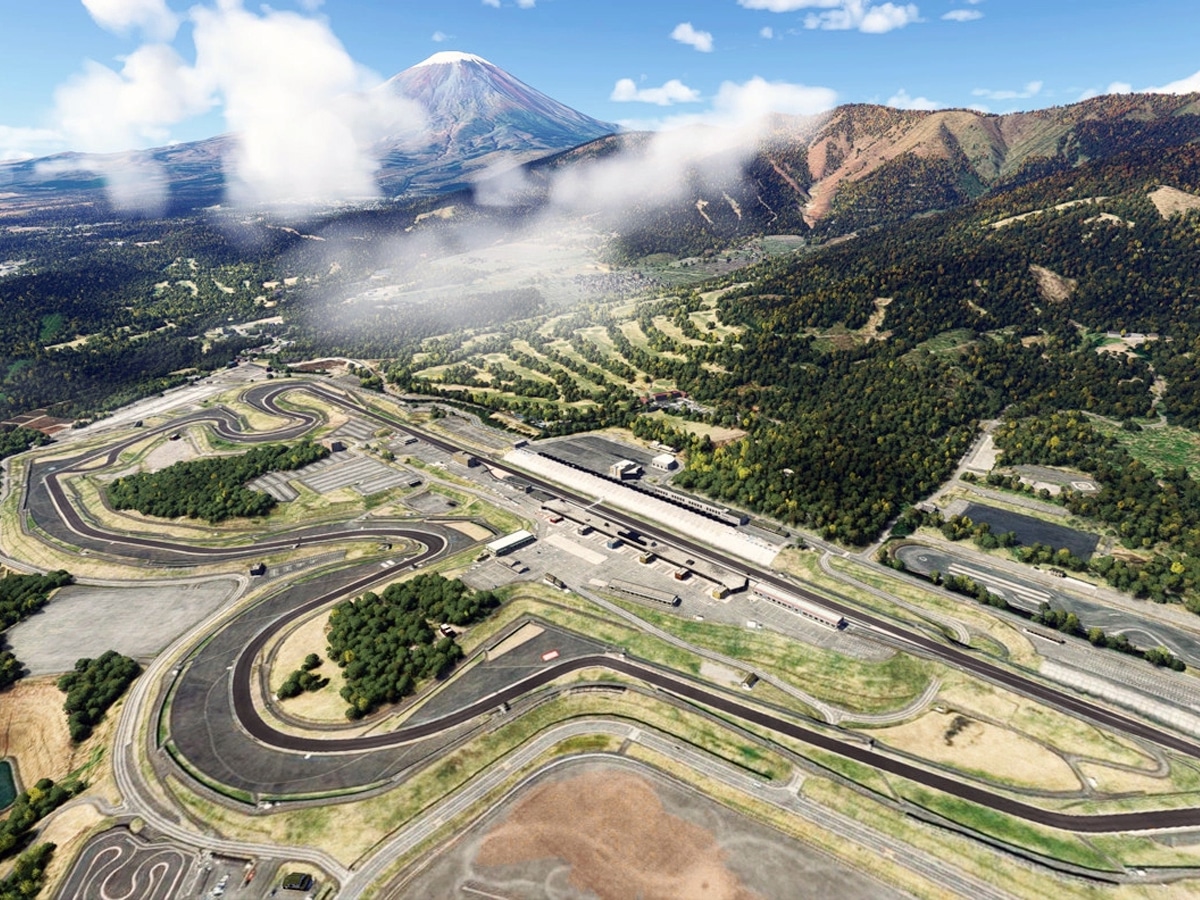
Fuji Speedway is only 305 kilometres (190 miles) away from the Suzuka Circuit, so the short travel time would make it the most cost-effective option for Formula 1. Typically, teams have to pack thousands of tons of freight into cargo planes and fly it roughly 8,000 kilometres (11 hours) to the Middle East. If they chose to stay in Japan, teams could pack up on Sunday night and be at the track on Monday. The biggest hurdle will be the partnership relations and cannibalisation of ticket sales. Suzuka is owned by Honda (via its subsidiary, Honda Mobilityland), while Fuji Speedway is owned by Toyota. Local promoters would also be concerned that the two races would cannibalise each other’s ticket sales, potentially leading to half-empty grandstands at Fuji.
- Location: Oyama, Japan
- FIA License: Grade 1 (Expires April 11, 2026)
- Track Length: 4.563 km (2.835 mi)
- Last F1 Race: 2008 (Japanese Grand Prix)
2. PETRONAS Sepang International Circuit, Malaysia
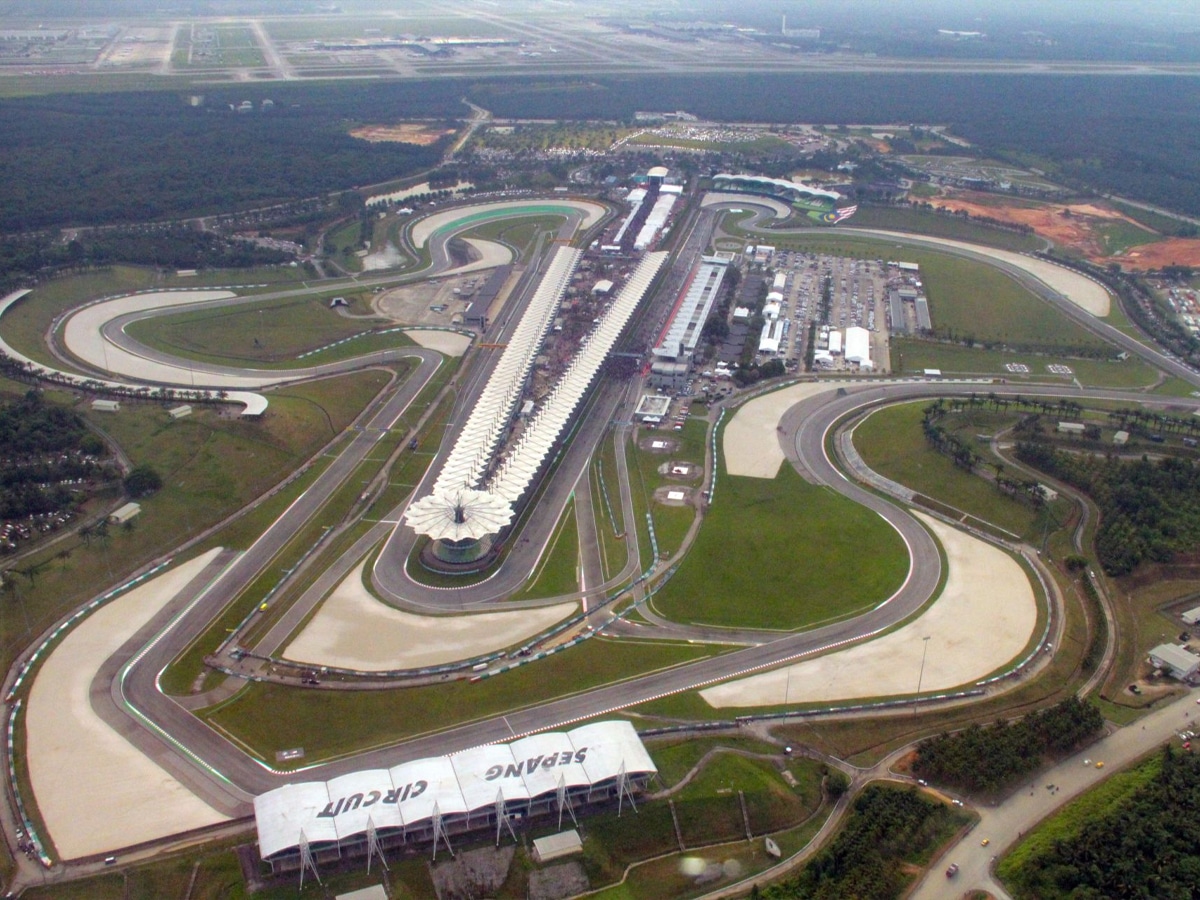
Malaysia is the next most likely race replacement behind Japan. The appetite for Formula 1 in the country dwindled in the mid-2010s, which ultimately led to its removal from the calendar nine years ago. However, with the FIA desperate to find a new track, it might come with a discount. That could convince promoters who previously spent 300 million ringgit (USD$71 million) annually to keep Sepang on the calendar.
- Location: Sepang, Malaysia
- FIA License: Grade 1 (Expires March 15, 2026)
- Track Length: 5.543 km (3.444 mi)
- Last F1 Race: 2017 (Malaysian Grand Prix)
If it doesn’t replace a race in April, it could be set up to host a race in November or December. Replacing the Winter Finales (Qatar and Abu Dhabi) with European tracks is impossible because Pirelli’s F1 tyres cannot operate in freezing temperatures. The same can be said for North American tracks, and what we’re getting here with Sepang is not some run-of-the-mill circuit. Designed by Hermann Tilke, Sepang is widely considered a masterpiece of a track, with its “snail shell” Turn 1, high-speed corners, and long straights. Kuala Lumpur is also a global transit hub, so air freight won’t be an issue. The only issues here are money, which the Malaysian government hasn’t been willing to spend, and the fact that the FIA License expires on March 15, 2026.
3. Chang International Circuit, Thailand
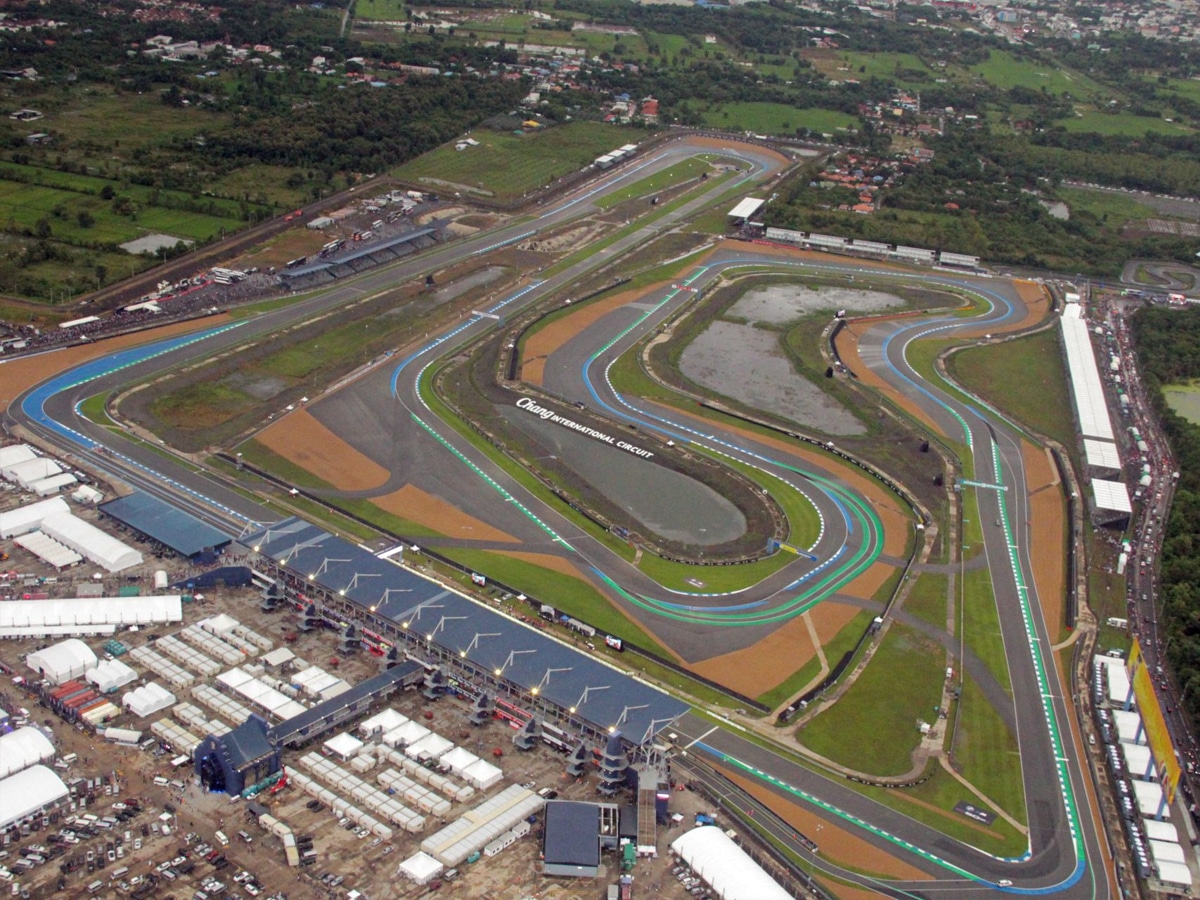
Thailand is desperate for an F1 race, and Prime Minister Paetongtarn Shinawatra might get what she asked for a little earlier should races need to be replaced. The government officially approved a staggering $1.2 billion bid to bring a street race to Bangkok starting in 2028, and they could easily look into staging a race at their track a little earlier. Currently, it accommodates 100,000 spectators for MotoGP Thailand Grand Prix events, so the additional capital required to host an F1-level event shouldn’t be difficult to raise.
- Location: Buriram, Thailand
- FIA License: Grade 1 (Expires July 7, 2026)
- Track Length: 4.554 km (2.830 mi)
- Last F1 Race: Never
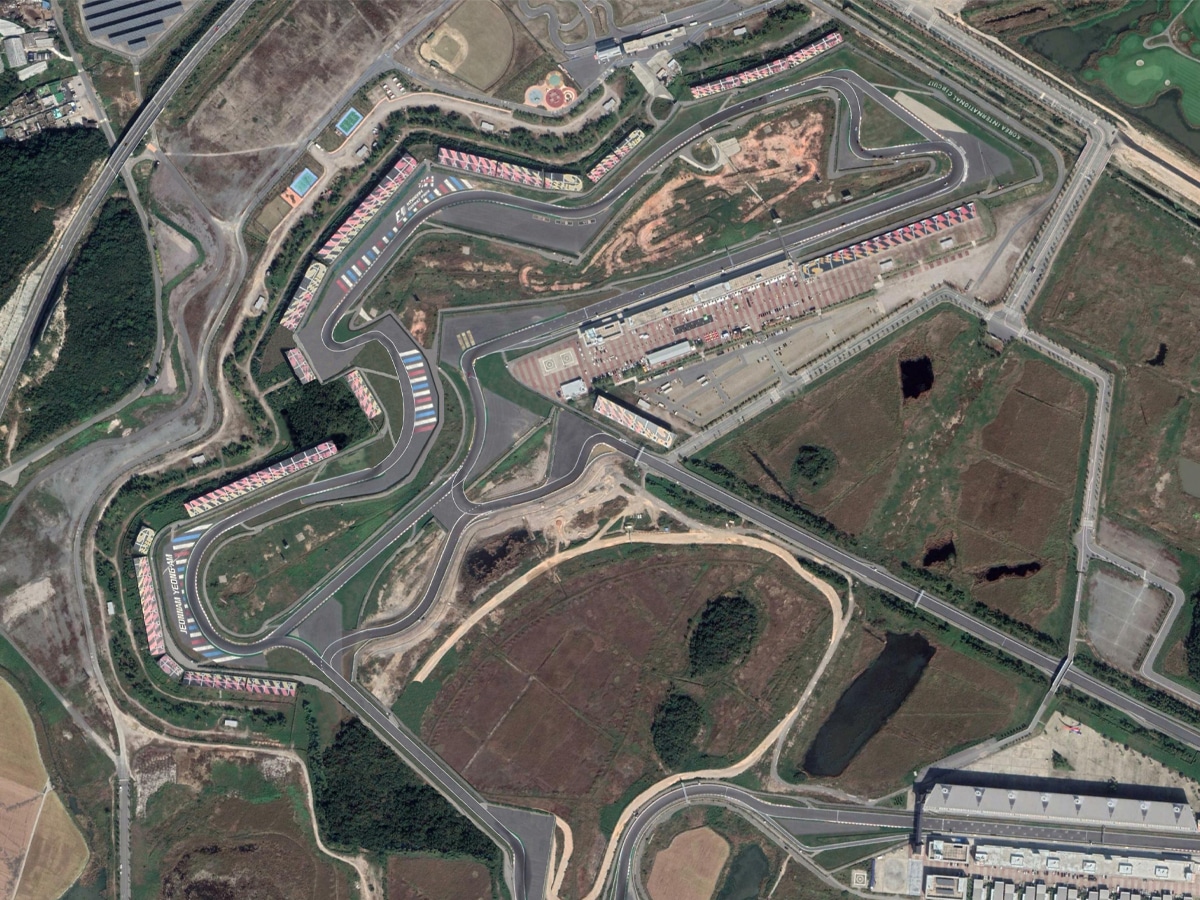
Outlier: Korea International Circuit, South Korea
- Location: Yeongam, South Korea
- FIA License: Grade 1 (Expired January 1, 2026)
- Track Length: 5.615 km (3.489 mi)
- Last F1 Race: 2013 (Korean Grand Prix)
Korea wants an F1 race, but not at this track. The circuit was built in Yeongam, over 200 miles from Seoul. Its plan to turn it into a massive racing city failed, and it currently sits abandoned in an isolated rural area, with a severe lack of hotel accommodations and transport infrastructure. The Mayor of Incheon is entirely focused on securing a street race in his city.
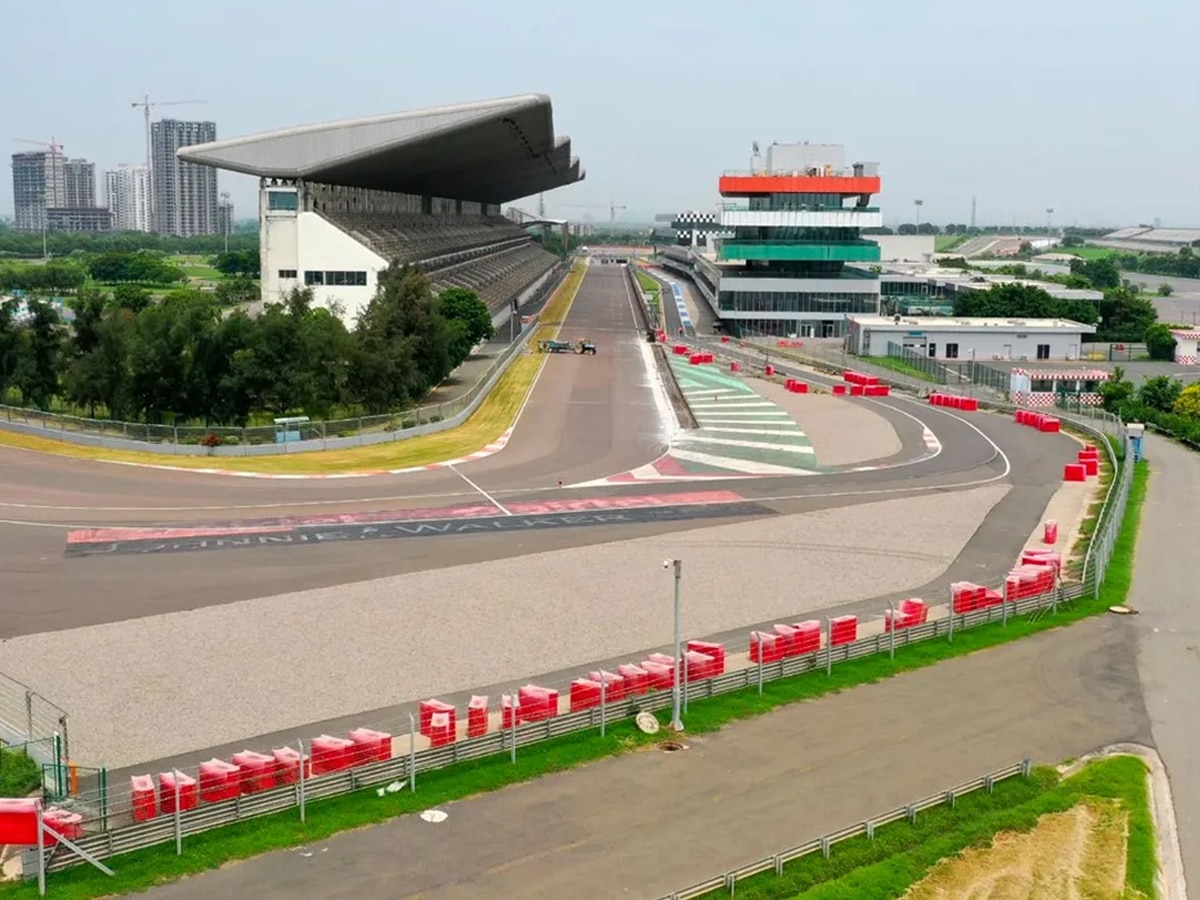
Outlier: Buddh International Circuit, India
- Location: Greater Noida, India
- FIA License: Grade 1 (Expired November 18, 2022)
- Track Length: 5.125 km (3.185 mi)
- Last F1 Race: 2013 (Indian Grand Prix)
The Uttar Pradesh government infamously classified Formula 1 as “entertainment” rather than a “sport,” which caused significant tax issues for organisers and teams, who were forced to pay exorbitant customs duties just to bring their cars, engines, and fuel into the country. It’s also in the midst of corporate limbo as the bankrupt Jaypee Group (the original owners of the circuit) seeks a new buyer.
The Autumn Ripple Effect (Late September)
Once the FIA takes care of the April races, it may have to turn its attention to Azerbaijan on September 24-26, 2026. The reality is that Baku is geographically adjacent to the Middle East, and if regional security is compromised or if airspace is closed, it’s unlikely that the F1 will race there. The preceding race is Barcelona, Spain (Sept 11-13), and the following race is Singapore (Oct 9-11). If Baku is cancelled, the smartest move is to keep the team trucks in Southern Europe for one more week before flying freight to Asia. That means the following FIA Level 1 racetracks are likely candidates to replace these tracks.
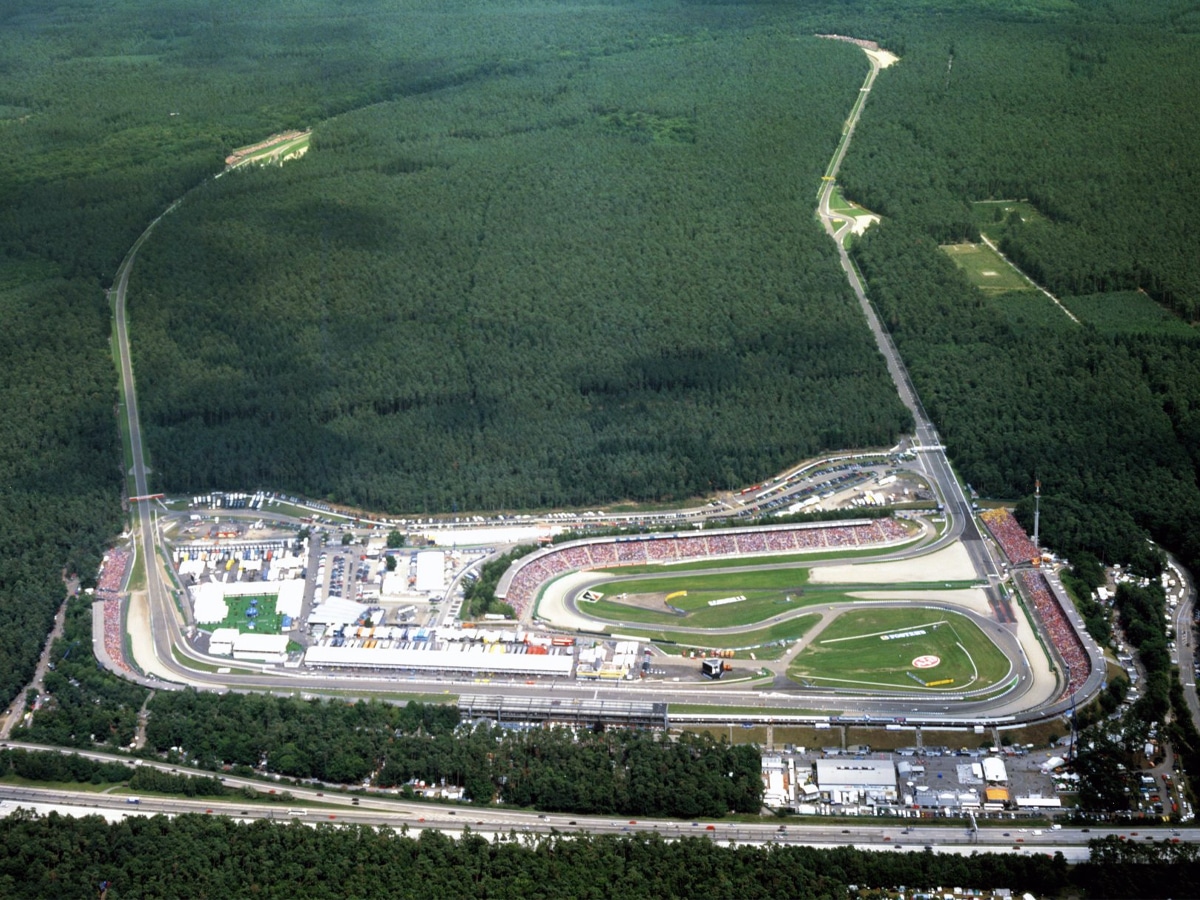
4. Hockenheimring, Germany
With Mercedes-AMG and newcomer Audi F1 in the paddock, Hockenheimring is a commercial goldmine waiting to be opened should the FIA need a replacement for Baku. Local promoters simply could not afford Formula One Management’s astronomical hosting fees previously, nor did they want to be associated with the environmental issues. However, the opportunity for the Volkswagen Group (Audi) and Mercedes-Benz to have a bidding war to host the German F1 Grand Prix cannot be underestimated. They have the deep pockets, the political weight, and the marketing incentive to underwrite an emergency German GP. Hockenheim’s legendary “Motodrom” stadium section is one of the most electrifying amphitheatres in global motorsport, and it’s been sorely missed.
- Location: Hockenheim, Germany
- FIA License: Grade 1 (Expires April 3, 2028)
- Track Length: 4.574 km (2.842 mi)
- Last F1 Race: 2019 (German Grand Prix)
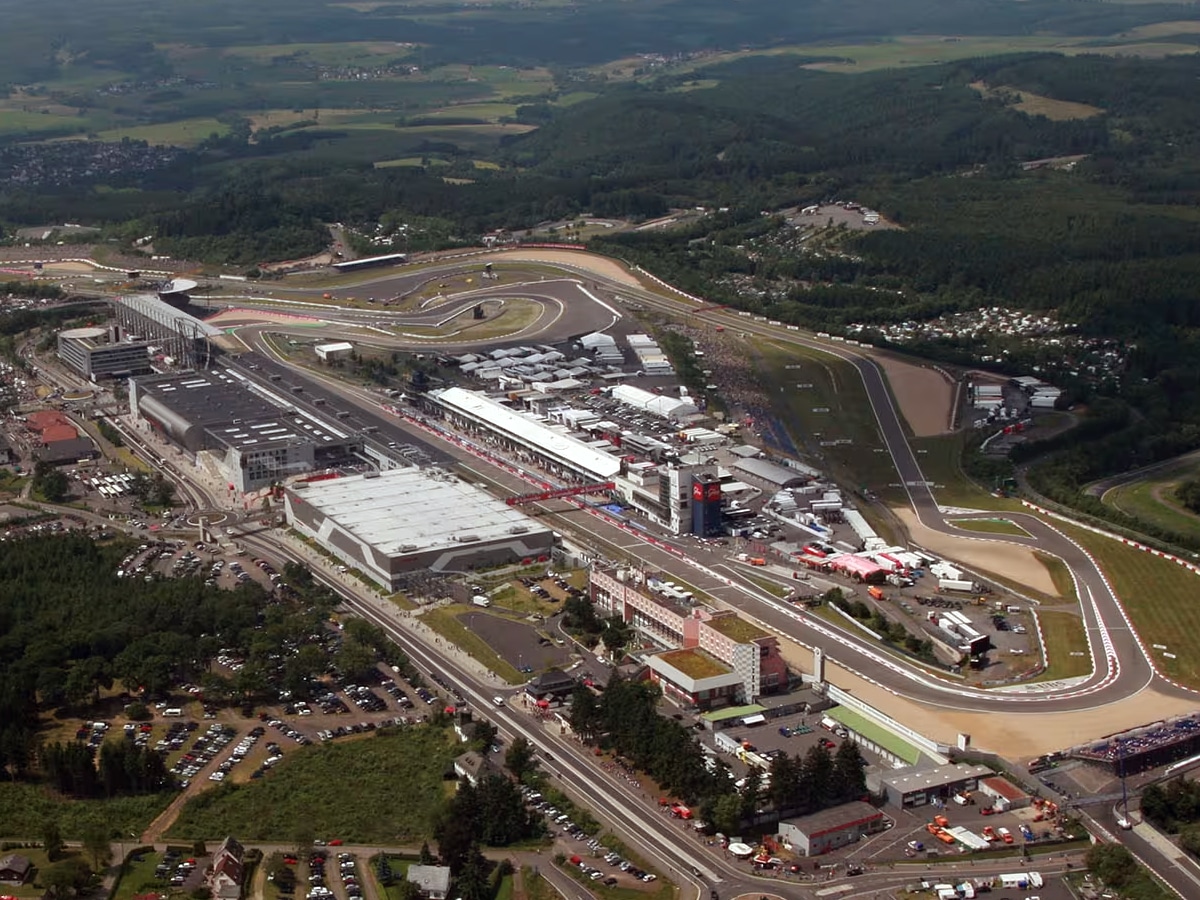
5. Nürburgring, Germany
If the teams don’t want to race Hockenheimring, then the Nürburgring is the next best option. It’s proven itself in this exact scenario before, stepping in during the chaotic 2020 pandemic season to host the Eifel Grand Prix. The paddock infrastructure is ready, the Grade 1 license is valid until July 2028, and FOM knows exactly what to expect from the local promoters. Maybe the only reason a race wouldn’t go here is the Eifel Mountains’ microclimate, which is notorious for wet weather.
- Location: Nürburg, Germany
- FIA License: Grade 1 (Expires July 4, 2028)
- Track Length: 5.148 km (3.199 mi)
- Last F1 Race: 2020 (Eifel Grand Prix)
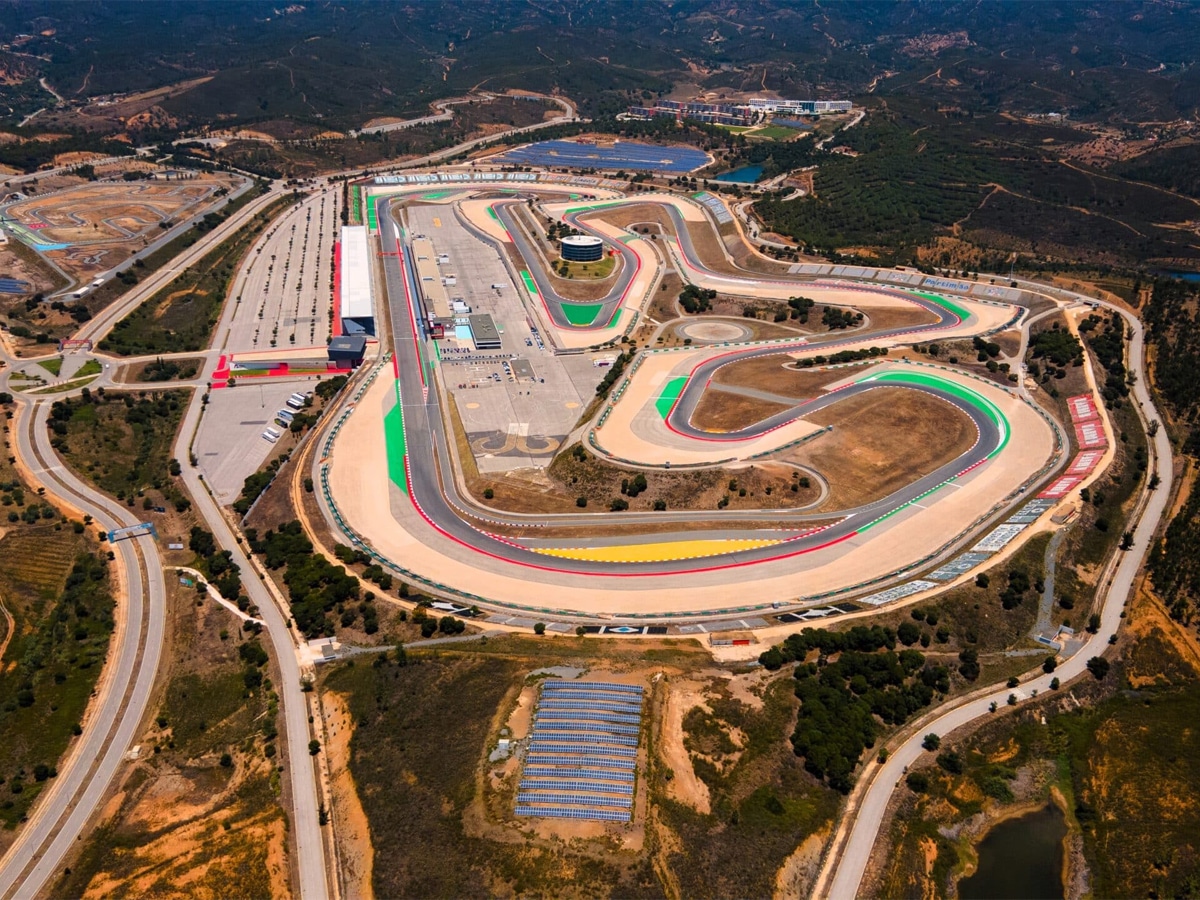
6. Autódromo Internacional do Algarve – Portimão, Portugal
Portimão is a plug-and-play solution, having stepped up to host the Portuguese Grand Prix on short notice in both 2020 and 2021. The preceding race is in Barcelona, Spain (Sept 11-13), so instead of flying the entire circus to Eurasia, the team trucks can simply pack up in Catalonia, drive across the Iberian Peninsula, and set up in Portugal. The issue here is that the track’s FIA Grade 1 license technically expired on January 31, 2026. There’s also the issue of money, because unlike Germany and Thailand, Portugal doesn’t have unlimited funds to bid for the right to host a GP either.
- Location: Portimão, Portugal
- FIA License: Grade 1 (Expires January 31, 2026 – Pending expected renewal)
- Track Length: 4.684 km (2.911 mi)
- Last F1 Race: 2021 (Portuguese Grand Prix)
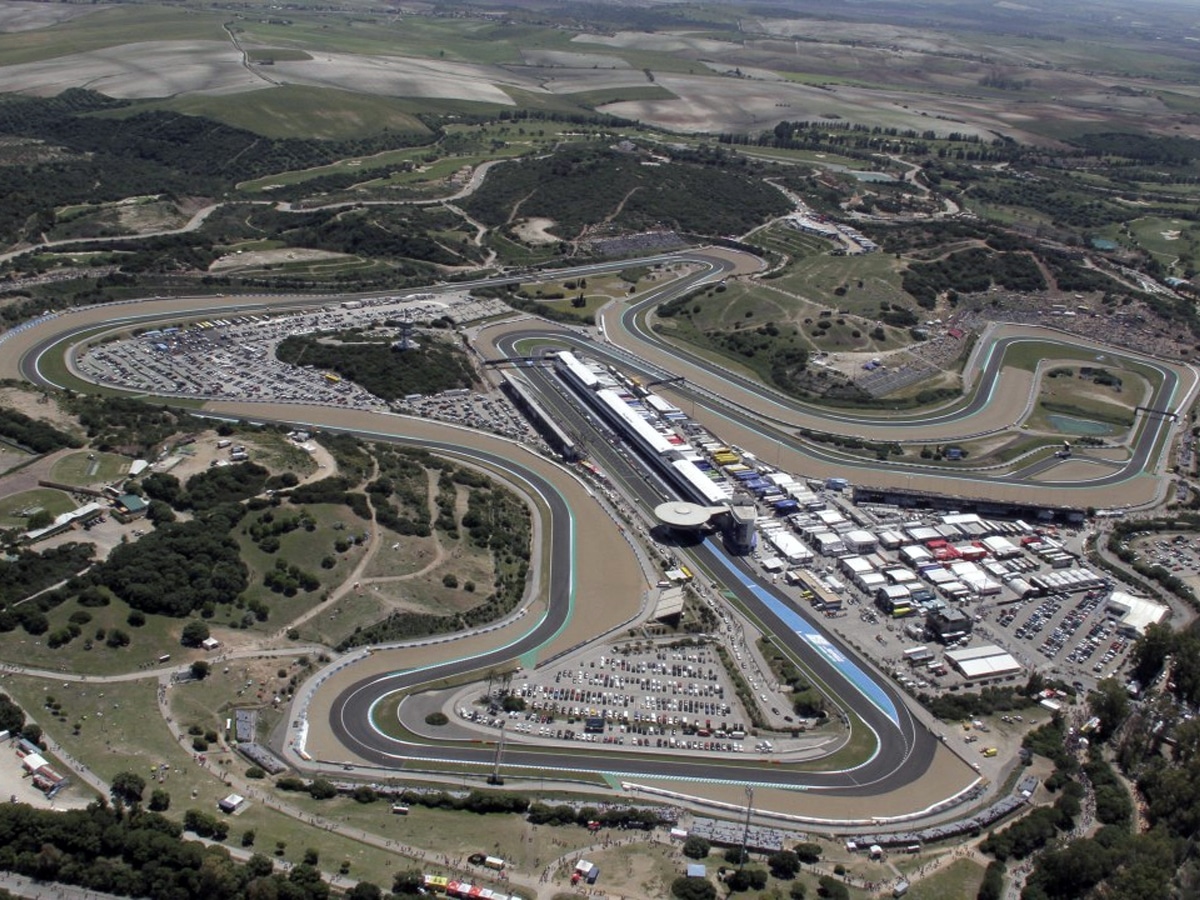
7. Circuito de Jerez – Ángel Nieto, Spain
- Location: Jerez de la Frontera, Spain
- FIA License: Grade 1 (Expires February 28, 2028)
- Track Length: 4.428 km (2.751 mi)
- Last F1 Race: 1997 (European Grand Prix)
If it’s a case of FIA license issues, then Circuito de Jerez will step up. The circuit that famously hosted the 1997 championship showdown between Michael Schumacher and Jacques Villeneuve has maintained its FIA Grade 1 license (valid through February 2028) and remains a staple of top-tier motorcycle racing. Unlike tracks in Germany or northern France, Jerez is in southern Spain, where the climate is spectacularly warm and dry. However, it’s an aging facility, and there are plenty of questions about the massive logistical headache it poses for the teams. It may not be the best to spectate either, as the turns could offer few overtaking opportunities.
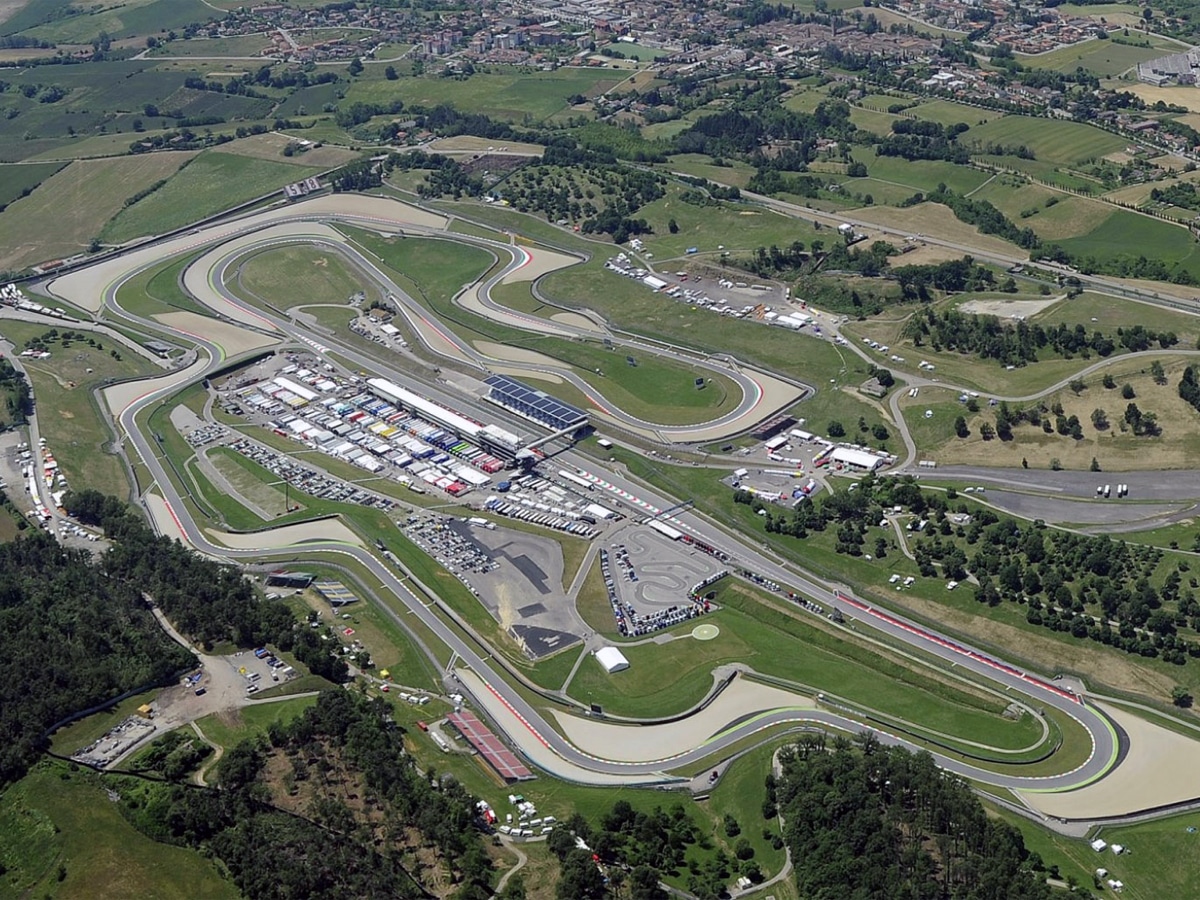
8. Autodromo Internazionale del Mugello, Italy
- FIA License: Grade 1 (Expires May 8, 2028)
- Track Length: 5.245 km (3.259 mi)
- Last F1 Race: 2020 (Tuscan Grand Prix)
Mugello is famously owned by Ferrari, and when the 2020 pandemic forced Formula 1 to scramble for replacement tracks, it stepped up to host the Tuscan Grand Prix. There’s a reality where it steps into that role again, with immaculate paddock facilities, a perfectly maintained track surface, and infrastructure built to world-class standards; it makes complete sense. The issue here is that, unlike Monza or Imola, Mugello does not typically receive the regional government subsidies required to host Formula 1. Unless Ferrari directly subsidises the event or the planner drastically cuts the hosting fee, making the financial math work on a few months’ notice will be incredibly difficult. Still, we wouldn’t put it past Ferrari and their team of investors (many of whom are based in the Middle East).
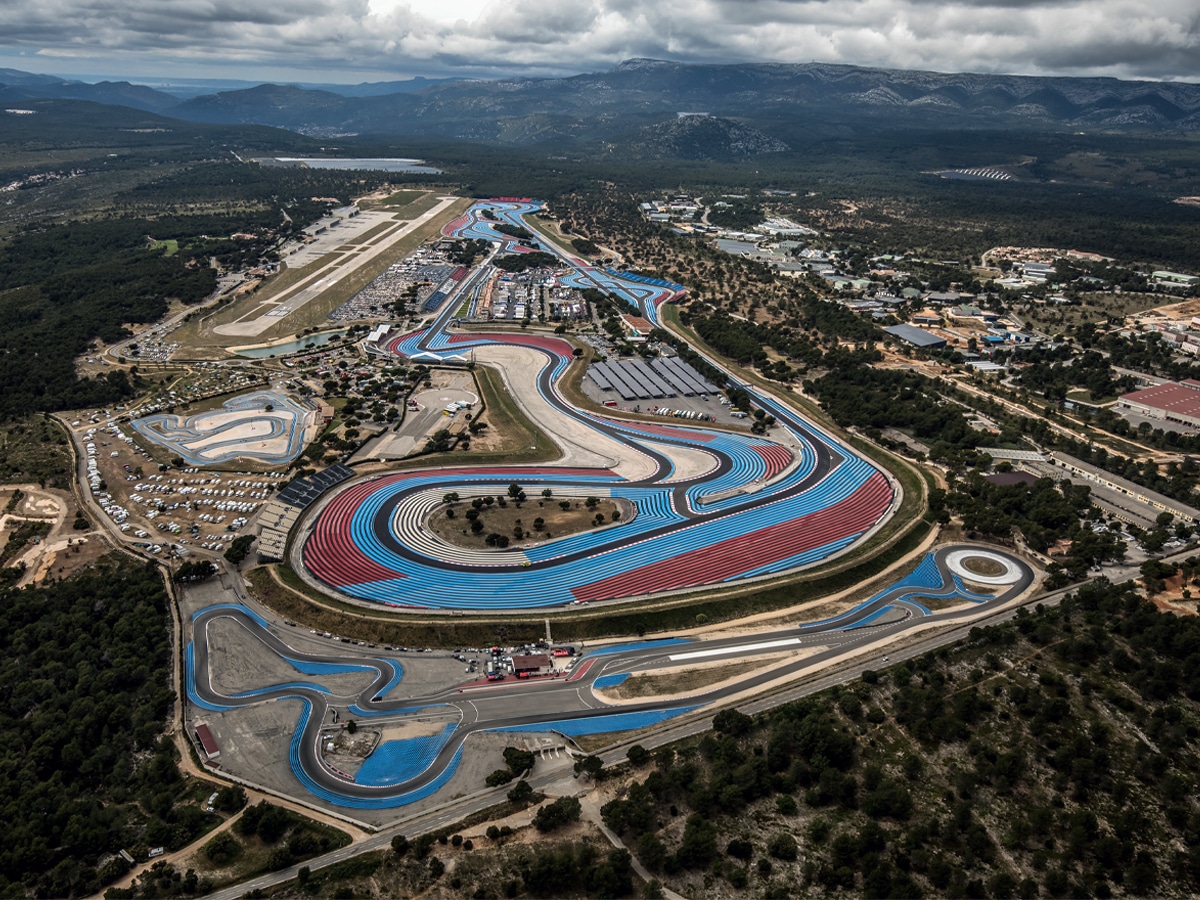
9. Circuit Paul Ricard, France
Circuit Paul Ricard literally shares a fence with the Castellet International Airport, so it makes logistical sense. It’s based in the South of France, so the weather shouldn’t be an issue either. The track was originally designed as a high-tech testing facility, making it incredibly safe. With 167 different layout configurations and massive, highly abrasive run-off areas (the famous blue and red stripes) designed to slow cars down without the need for gravel traps, it’s a plug-and-play option for F1. There’s only one concern here, and it’s a big one. F1 left France after 2022 largely due to money, and Jean Alesi, the current president of the circuit, openly stated that the French government lacks the political will and financial backing to subsidise Formula 1.
- Location: Le Castellet, France
- FIA License: Grade 1 (Expires July 26, 2027)
- Track Length: 5.822 km (3.618 mi)
- Last F1 Race: 2022 (French Grand Prix)
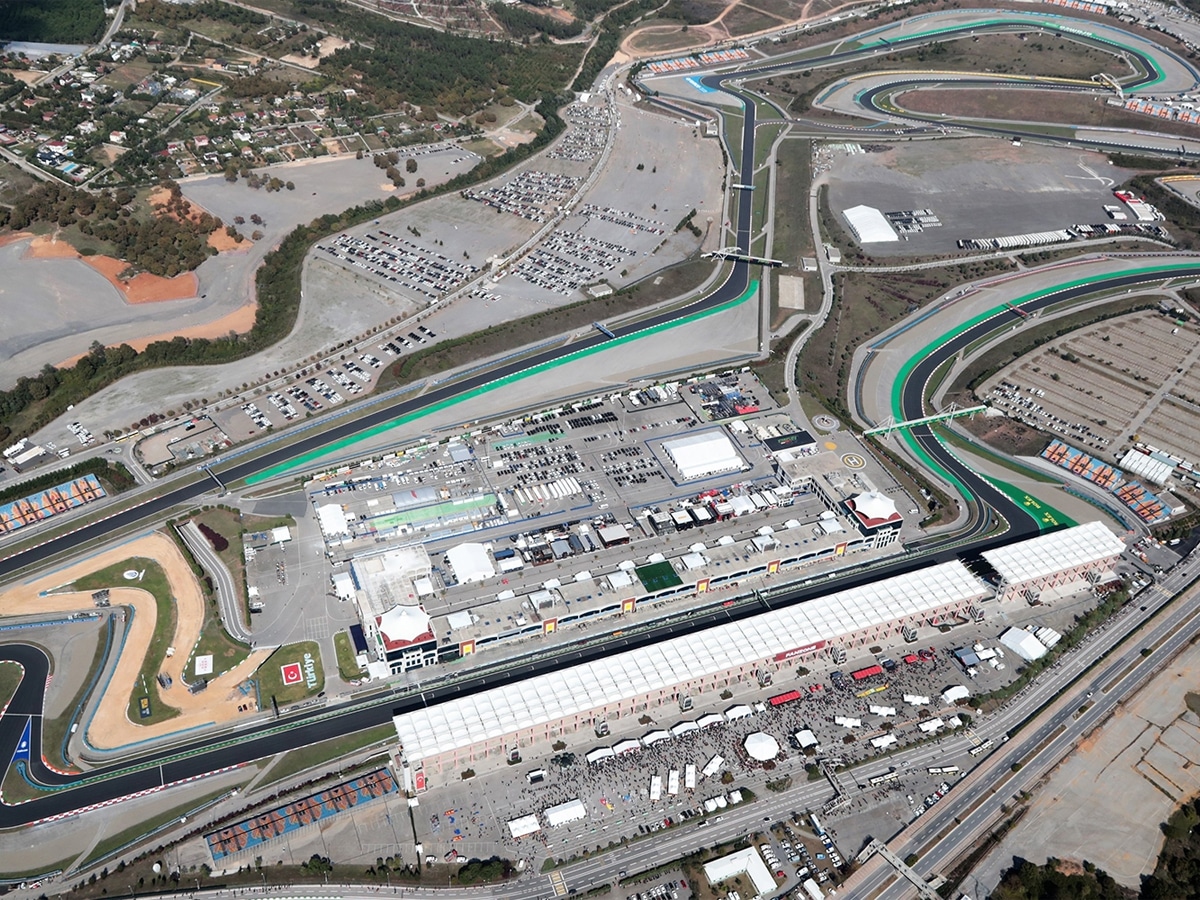
10. TOSFED İstanbul Park, Turkey
Where Paul Ricard is a head-over-heart choice, Istanbul Park stepped in to host the Turkish Grand Prix during the pandemic in 2020 and 2021, delivering some of the most chaotic and entertaining racing of the modern era. While the track layout is great, the paddock and hospitality infrastructure has fallen somewhat out of date prior to the 2024 operator takeover. It would also require an expedited renewal as the circuit’s Grade 1 license officially expired on November 12, 2023.
- Location: Tuzla, Turkey
- FIA License: Grade 1 (Expired Nov 12, 2023)
- Track Length: 5.338 km (3.317 mi)
- Last F1 Race: 2021 (Turkish Grand Prix)
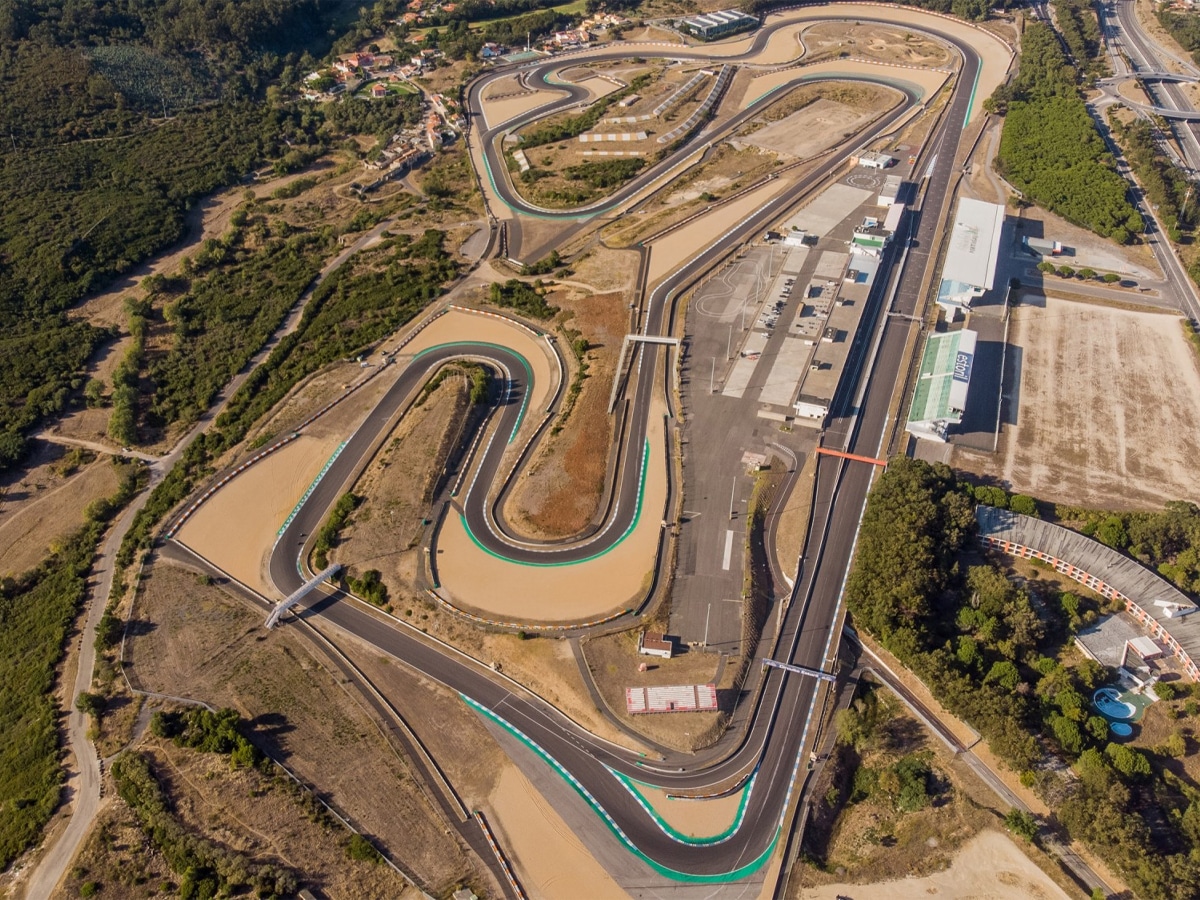
Outlier: Circuito do Estoril, Portugal
- Location: Estoril, Portugal
- FIA License: Grade 1 (Expires January 31, 2026)
- Track Length: 4.182 km (2.599 mi)
- Last F1 Race: 1996 (Portuguese Grand Prix)
If F1 goes to Portugal, they will almost certainly choose Portimão over Estoril due to modernised facilities. The pit garages, paddock, and hospitality areas are far too small to house the sprawling, luxury-heavy modern F1 circus. The local Cascais municipality recently launched a bid in late 2025 to take over the circuit, acknowledging that it needs upwards of €150 million in private investment to modernise the restrooms, paddock, and track infrastructure before it thinks about bidding for F1 by 2028.
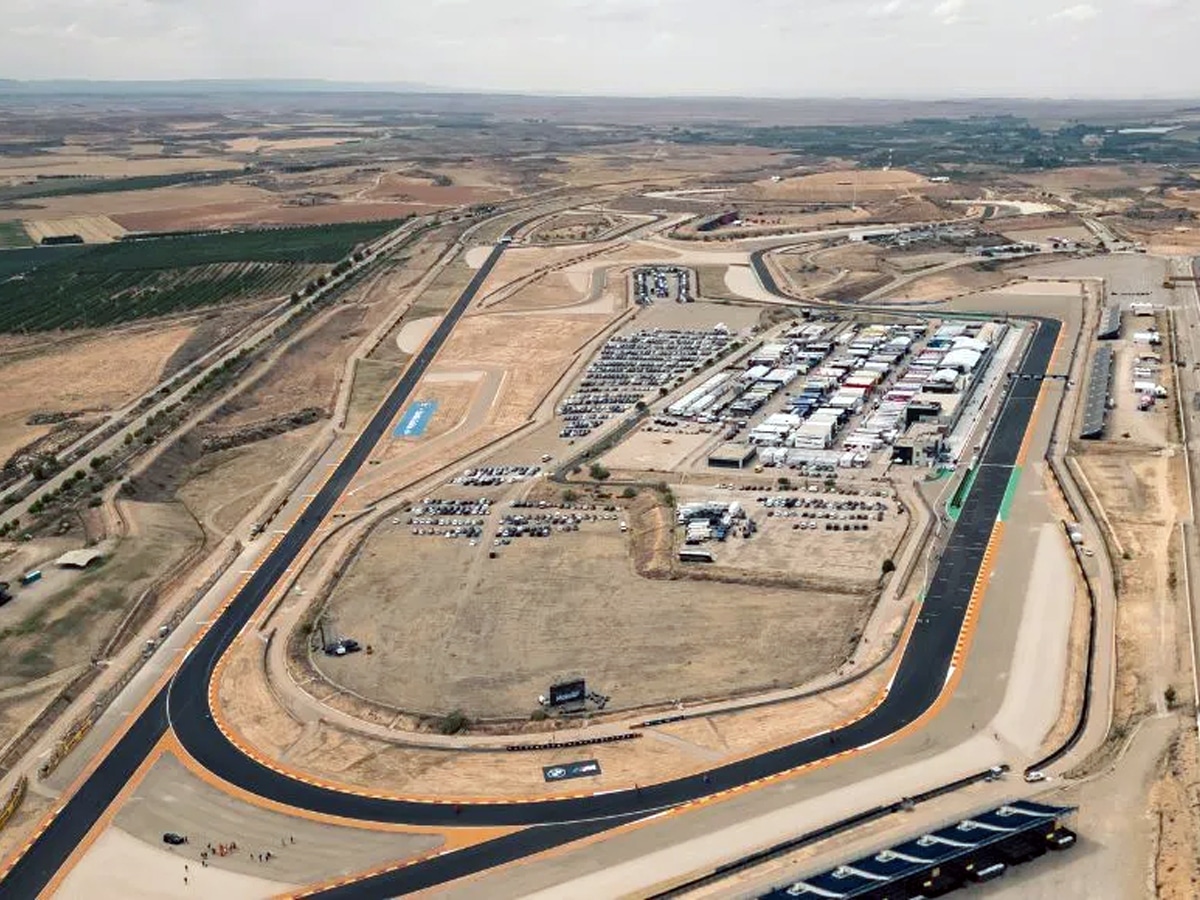
Outlier: MotorLand Aragón, Spain
- Location: Alcañiz, Spain
- FIA License: Grade 1 (Expires February 14, 2028)
- Track Length: 5.346 km (3.322 mi)
- Last F1 Race: Never
It’s beloved by MotoGP and endurance racing series, but it has no F1 history and has difficult logistics for fan access and hotel accommodations for the massive F1 entourage (3,000 team personnel, media, and VIPs, not to mention up to 100,000 fans a day).
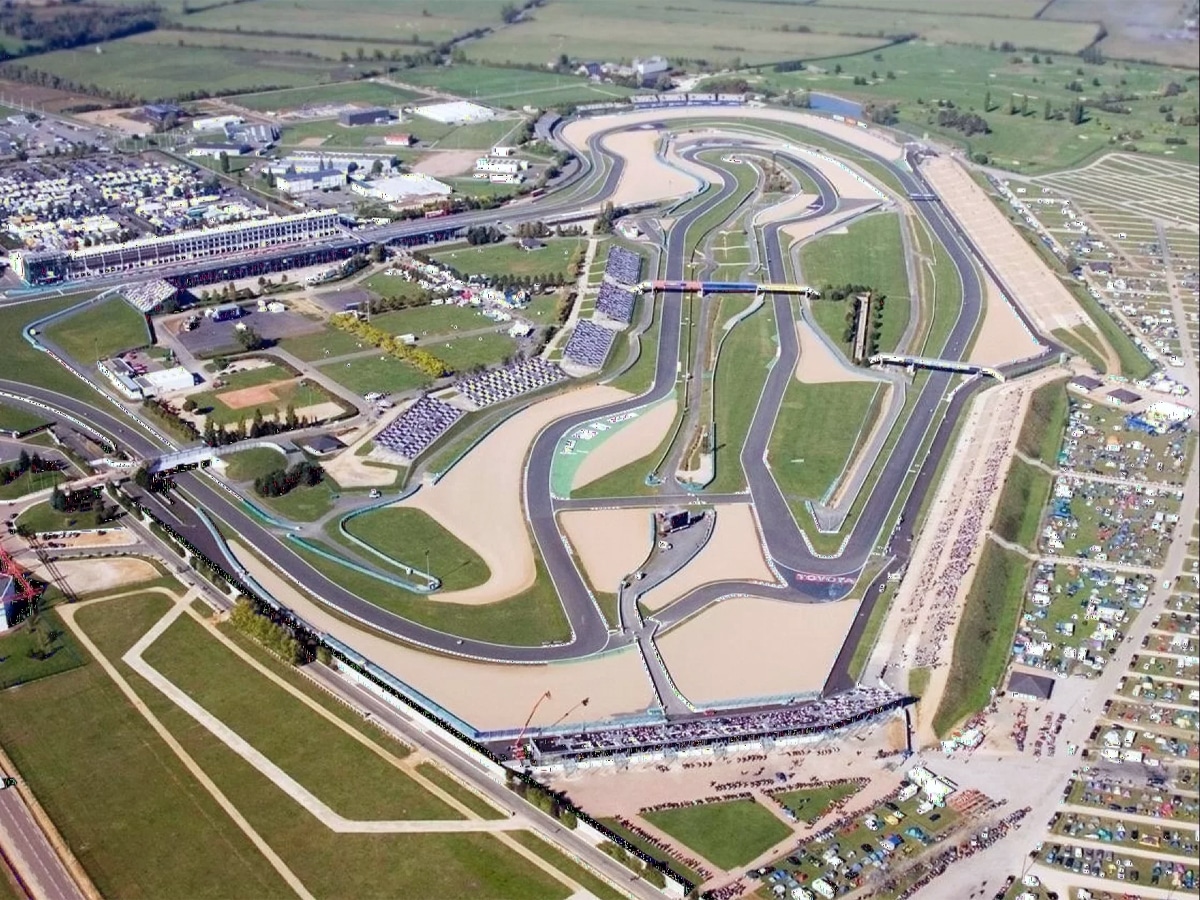
Outlier: Circuit de Nevers Magny-Cours, France
- Location: Magny-Cours, France
- FIA License: Grade 1 (Expires May 15, 2028)
- Track Length: 4.411 km (2.741 mi)
- Last F1 Race: 2008 (French Grand Prix)
Magny-Cours hosted the French Grand Prix for nearly two decades, but F1 essentially abandoned it after 2008 due to traffic issues. It’s located in the middle of rural central France, and it was infamous for creating hours-long traffic jams that trapped fans and team personnel. The governing bodies would immediately look to Paul Ricard (which has its own airport) rather than race here, which is why we consider it an outlier.
The Winter Finales (Nov / Dec)
We sure hope the conflict in the Middle East doesn’t drag on until the end of the year, but if it does, the races in Qatar (Nov 27-29) and Abu Dhabi (Dec 4-6) will be in jeopardy. This is the toughest gap to fill, as the teams are coming from Las Vegas. Late November means Europe, Northern Asia, and most of North America are entirely ruled out due to freezing temperatures (so tracks like the Nürburgring, Hockenheim, and Indianapolis are automatically disqualified). This presents an opportunity for Melbourne and its Albert Park GP circuit, as well as the Chang International Circuit in Thailand, which we mentioned previously.
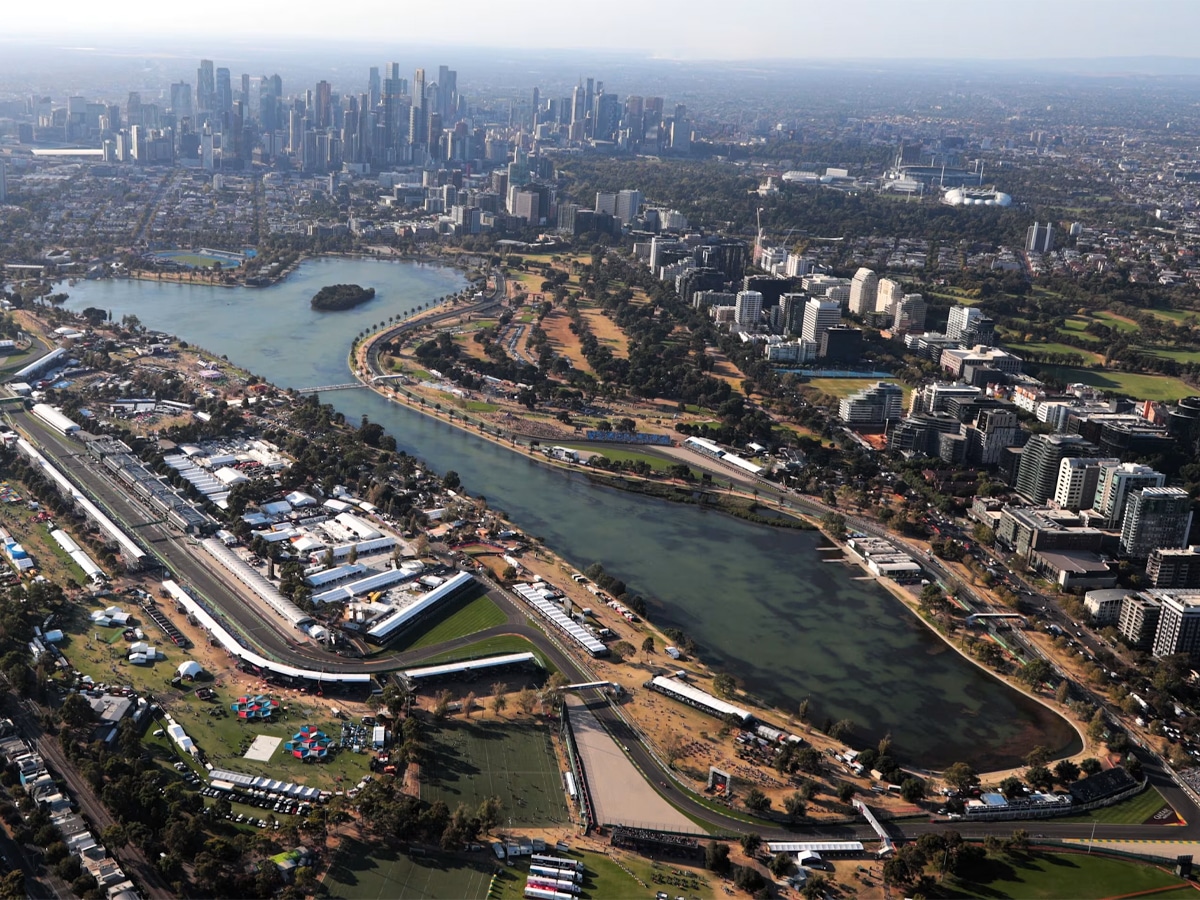
Outlier: Albert Park Circuit, Australia
- Location: Melbourne, Australia
- FIA License: Grade 1 (Expires March 24, 2028)
- Track Length: 5.278 km (3.280 mi)
- Last F1 Race: March 2026 (Round 1 of the current season)
We already spoke about the Chang International Circuit in Thailand, which is likely to replace at least one of the November-December races in the Middle East. Other options are scarce, so Melbourne’s Albert Park is worth considering. Still, it takes months of massive construction, road closures, and millions of dollars to build the concrete barriers, grandstands, and pit facilities for the March race, and weeks to tear it all down. Asking the city of Melbourne to stop its local traffic and fund a second multi-month build in the same calendar year on short notice is very likely a political and financial non-starter.
Projected 2026 Formula 1 Calendar
Here’s what our projected 2026 F1 calendar looks like, if races in the Middle East are cancelled.
| Round | Dates | Projected Grand Prix | Calendar Status |
| 1 | Mar 6–8 | Albert Park Circuit, Australia | Scheduled |
| 2 | Mar 13–15 | Shanghai International Circuit, China | Scheduled |
| 3 | Mar 27–29 | Suzuka Circuit, Japan | Scheduled |
| 4 | Apr 10–12 | Fuji Speedway, Japan | Projected Replacement (Bahrain) |
| 5 | Apr 17–19 | PETRONAS Sepang, Malaysia | Projected Replacement (Saudi Arabia) |
| 6 | May 1–3 | Miami International Autodrome, USA | Scheduled |
| 7 | May 22–24 | Circuit Gilles-Villeneuve, Canada | Scheduled |
| 8 | Jun 5–7 | Circuit de Monaco, Monaco | Scheduled |
| 9 | Jun 12–14 | Circuit de Barcelona-Catalunya, Spain | Scheduled |
| 10 | Jun 26–28 | Red Bull Ring, Austria | Scheduled |
| 11 | Jul 3–5 | Silverstone Circuit, Great Britain | Scheduled |
| 12 | Jul 17–19 | Circuit de Spa-Francorchamps, Belgium | Scheduled |
| 13 | Jul 24–26 | Hungaroring, Hungary | Scheduled |
| 14 | Aug 21–23 | Circuit Zandvoort, Netherlands | Scheduled |
| 15 | Sep 4–6 | Monza Circuit, Italy | Scheduled |
| 16 | Sep 11–13 | IFEMA Madrid, Spain | Scheduled |
| 17 | Sep 24–26 | Hockenheimring, Germany | Projected Replacement (Azerbaijan) |
| 18 | Oct 9–11 | Marina Bay Street Circuit, Singapore | Scheduled |
| 19 | Oct 23–25 | Circuit of the Americas, USA | Scheduled |
| 20 | Oct 30–Nov 1 | Autódromo Hermanos Rodríguez, Mexico | Scheduled |
| 21 | Nov 6–8 | Interlagos Circuit, Brazil | Scheduled |
| 22 | Nov 19–21 | Las Vegas Strip Circuit, USA | Scheduled |
| 23 | Nov 27–29 | Chang International Circuit, Thailand | Projected Replacement (Qatar) |
| 24 | Dec 4–6 | Albert Park Circuit, Australia | Projected Replacement (Abu Dhabi) |
Here is a list of SEO-friendly FAQs based on your article. These questions target the “People Also Ask” snippets on Google and use natural phrasing that motorsport fans are likely to search for when looking up the 2026 F1 calendar.
Frequently Asked Questions (FAQs)
Why might Formula 1 need replacement tracks for the 2026 season?
Due to the ongoing conflict in the Middle East, Formula 1 may be forced to cancel or relocate races scheduled in the region for safety and airspace reasons. This puts the Spring races in Bahrain (April 10-12) and Saudi Arabia (April 17-19), as well as the Winter finales in Qatar and Abu Dhabi, in jeopardy of being replaced.
What tracks are the most likely replacements for the Spring 2026 F1 races?
If the Middle Eastern races in April are cancelled, Fuji Speedway in Japan, PETRONAS Sepang International Circuit in Malaysia, and Chang International Circuit in Thailand are the top contenders. Because the teams are already racing in China and Japan in March, moving to a nearby Asian track is the most cost-effective logistical solution.
Why can’t European tracks host the F1 season finale in November or December?
Formula 1 cars use highly specialised Pirelli slick tyres that require warm track temperatures to operate safely. In late November and December, European tracks experience freezing temperatures, causing the tyres to lose all grip. It’s more likely that we’ll see F1 races in tropical climates (Malaysia or Thailand) during this winter window.
Will Germany host a Formula 1 Grand Prix in 2026?
Germany has a strong chance of returning to the calendar if the Autumn schedule is disrupted. If the Azerbaijan Grand Prix in late September is cancelled, the Hockenheimring and Nürburgring are prime candidates. With Mercedes-AMG and Audi F1 on the grid, German tracks possess massive commercial backing to subsidise an emergency replacement race.
Could Melbourne’s Albert Park host two F1 races in 2026?
While Australia’s climate is perfect for a November or December season finale, it is highly unlikely to host a second race. Albert Park is a temporary street circuit. Constructing the concrete barriers, grandstands, and pit facilities takes months of road closures and millions of dollars. Forcing the city to build the track twice in one calendar year is politically and financially unlikely.
What is an FIA Grade 1 license?
An FIA Grade 1 license is the highest safety and infrastructure certification awarded by motorsport’s governing body, the Fédération Internationale de l’Automobile (FIA). To legally host a modern Formula 1 race, a track must possess an active Grade 1 license, which dictates strict rules on barrier safety, run-off areas, and medical facilities.






























Comments
We love hearing from you. or to leave a comment.