

Updated:
Readtime: 4 min
Every product is carefully selected by our editors and experts. If you buy from a link, we may earn a commission. Learn more. For more information on how we test products, click here.
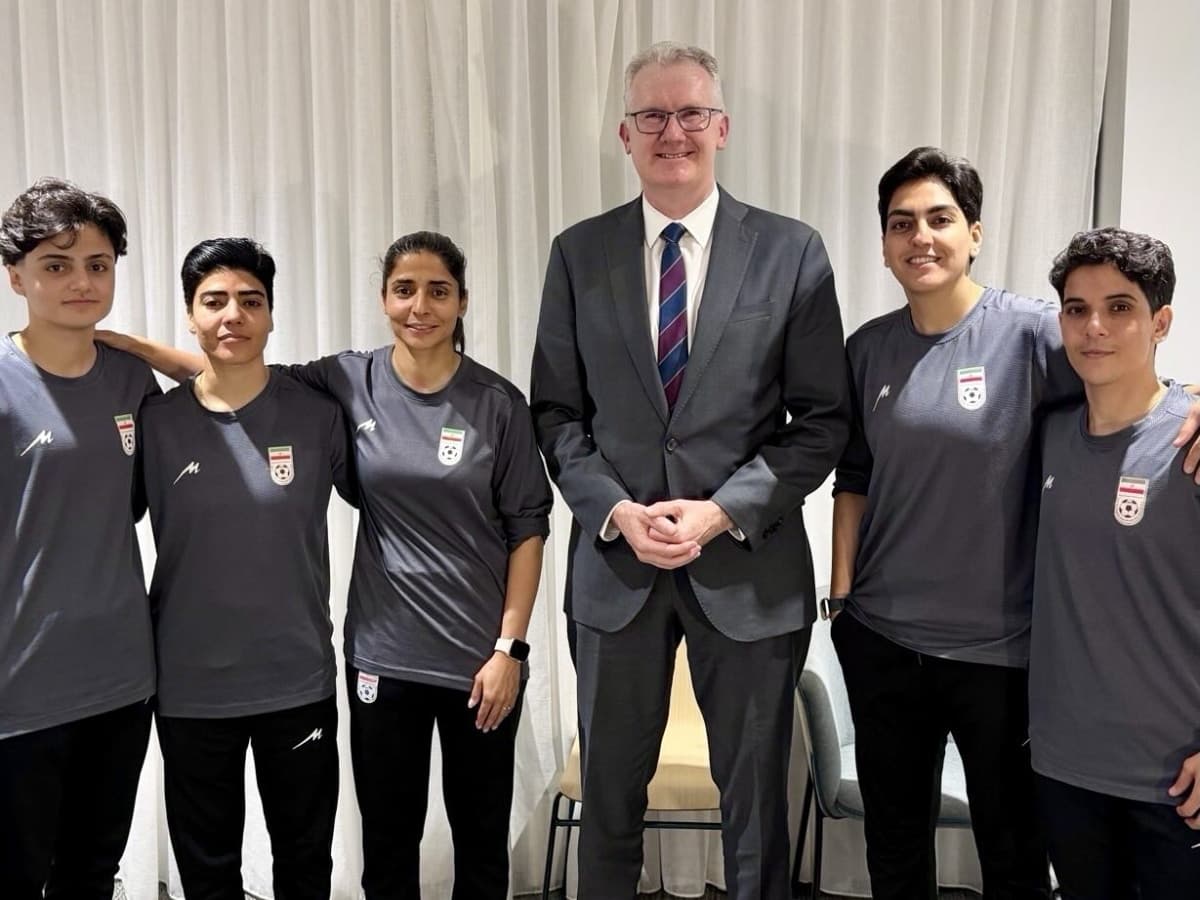
Five members of Iran’s women’s national football team have been granted asylum in Australia after fears they could face persecution for refusing to sing the national anthem during the AFC Women’s Asian Cup.
What might look like a small moment before kickoff has become a powerful act of protest for Iranian athletes. When players stay silent during the anthem, it’s widely understood as a signal of opposition to Iran’s ruling regime.
In Iran, that kind of gesture can carry serious consequences. The five athletes are now under police protection and have been told they are welcome to remain in Australia.
What Happened?
The players were in Australia competing in the AFC Women’s Asian Cup when concerns about their safety began to grow.
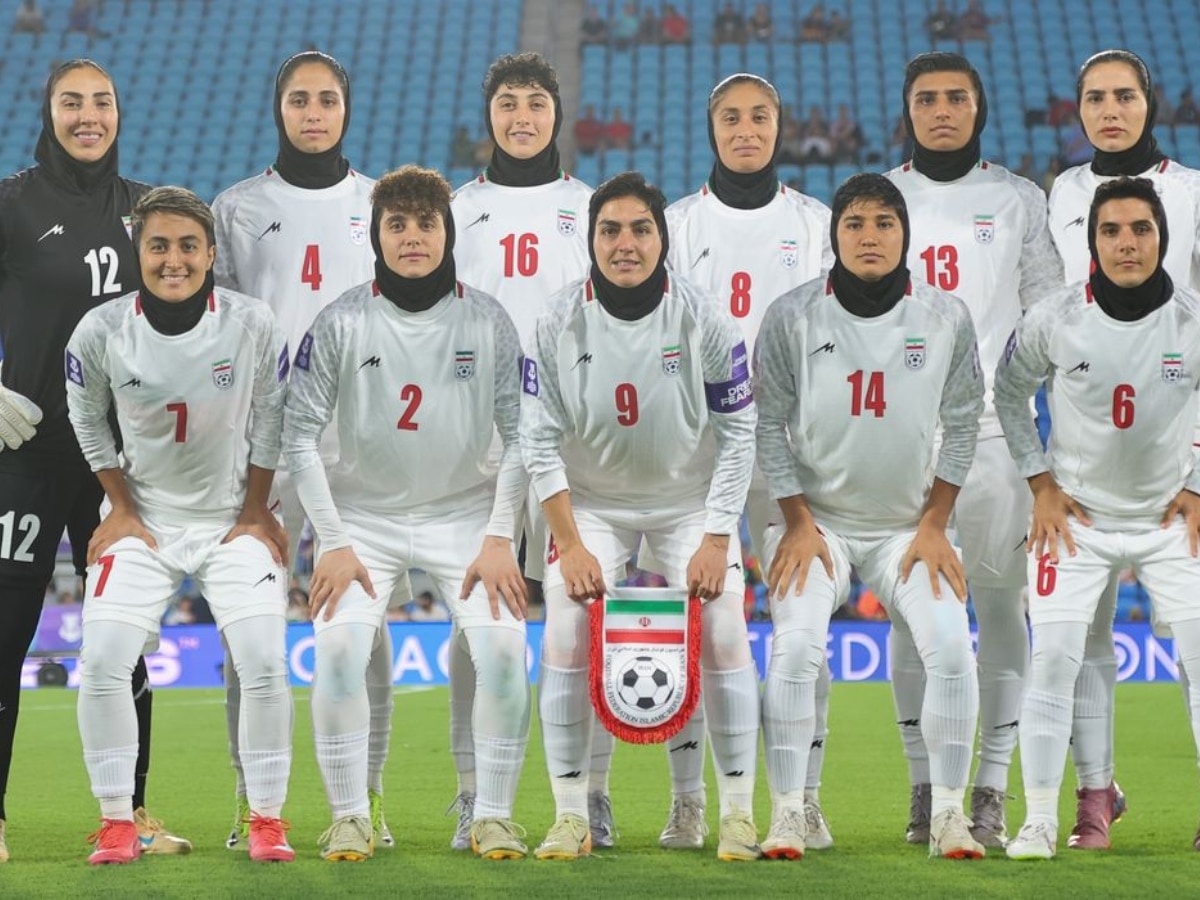
Before their opening match against South Korea, several members of the Iranian squad refused to sing the national anthem. The moment quickly drew attention, particularly among Iranian activists and diaspora communities watching the tournament.
The gesture gained global attention in 2022 after the death of Mahsa Amini, a 22-year-old woman who died in police custody after being arrested by Iran’s morality police over alleged hijab violations. Her death sparked nationwide protests and put Iranian athletes under intense scrutiny at international events.
In the years since, several athletes have refused to sing the anthem during competitions, knowing the act could bring consequences once they return home.
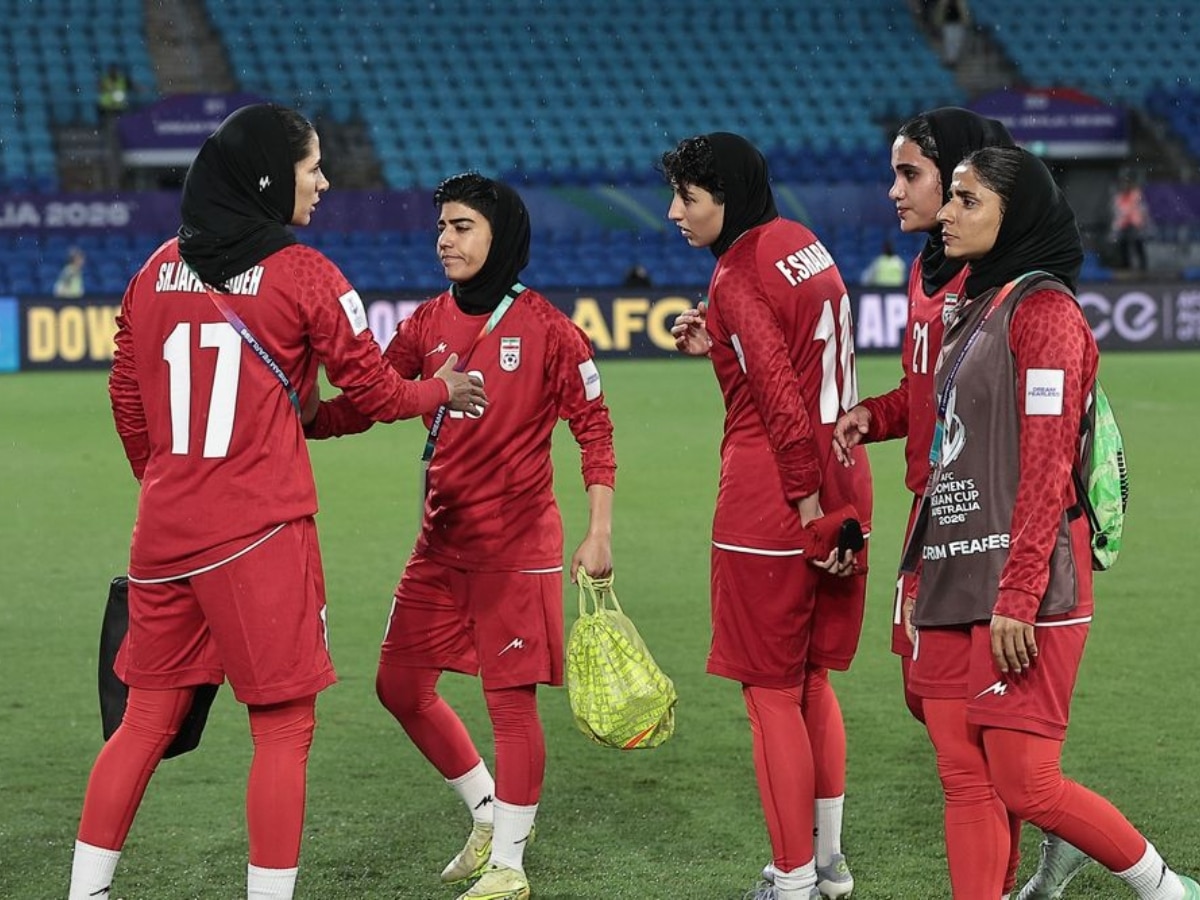
Iranian state television condemned the women’s football team during the tournament, branding them “traitors”.
Activists and members of Australia’s Iranian community warned the players could face serious consequences if they returned home.
On Monday night, five players left their accommodation at a Gold Coast resort and sought protection from Australian authorities.
The players were later identified as team captain Zahra Ghanbari, teammates Fatemeh Pasandideh, Zahra Sarbali, Atefeh Ramazanzadeh, and Mona Hamoudi.
What the Australian Government Said
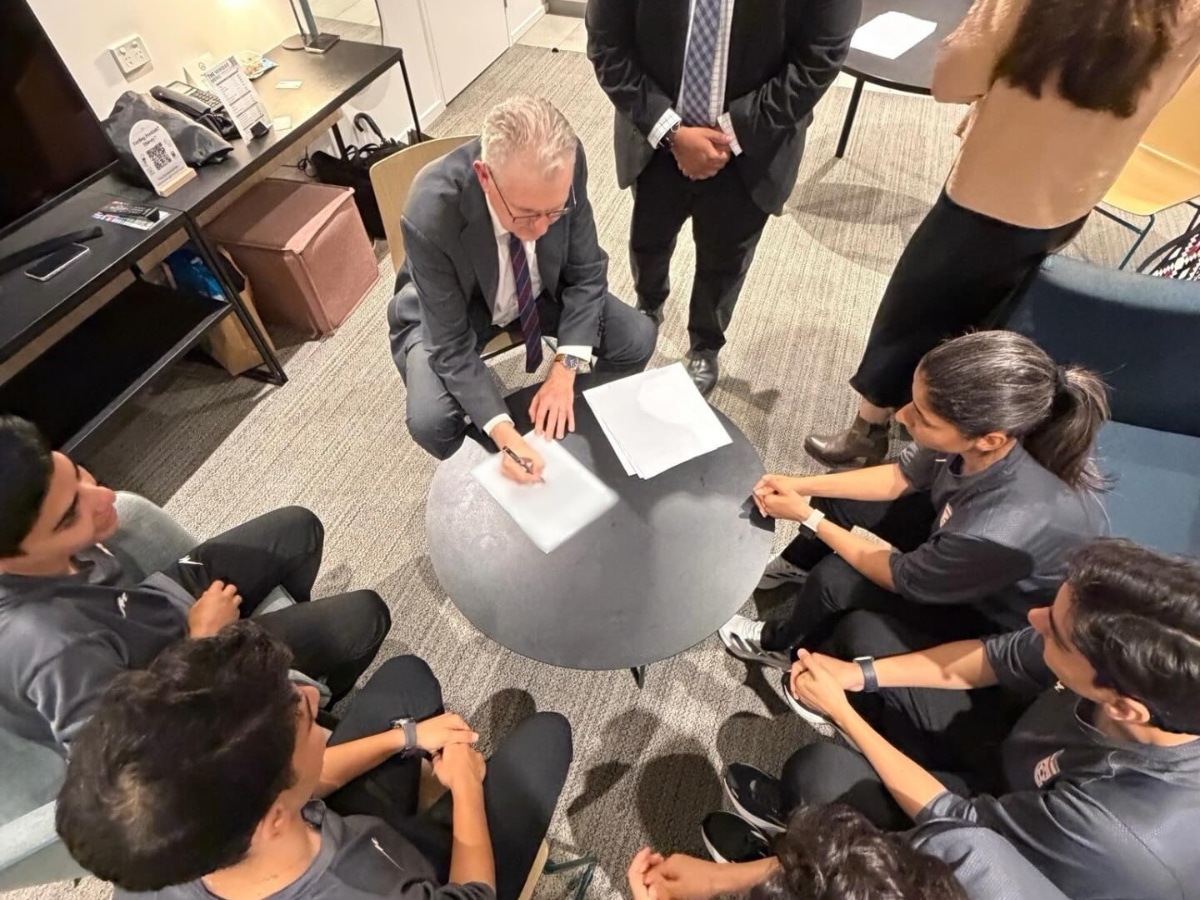
Home Affairs Minister Tony Burke confirmed the players had been granted asylum after meeting with them.
“They’re athletes who want to be safe and are very grateful that Australia is taking that opportunity,” Burke said.
The players are now under the protection of the Australian Federal Police while their status in Australia is processed.
Prime Minister Anthony Albanese said the government was also willing to assist other members of the team if they chose to seek help.
“But we say to them, if you want our help, help is here, and we will provide that,” he said.
Officials have acknowledged that some players may still decide to return to Iran, particularly because of concerns about the safety of family members back home.
How Donald Trump Became Involved
The situation briefly became an international story after US President Donald Trump weighed in on social media.
In a post on Truth Social, Trump initially criticised the Australian government and warned it would be making a “terrible humanitarian mistake” if the players were forced to return to Iran.
He also said the United States would be willing to grant them asylum if Australia did not.
After speaking with Prime Minister Anthony Albanese, however, Trump said Australia was already handling the situation.
“I just spoke to Prime Minister Anthony Albanese… He’s on it,” Trump wrote. “Five have already been taken care of.”
He later praised the Australian government for managing what he described as a “rather delicate situation”.

What Happens Next
Five players have now been granted asylum, but the future of the rest of the Iranian squad remains uncertain.
There are believed to be around 20 members of the team still in Australia, and it is unclear how many may choose to seek protection.
For some of them, the decision could come down to an impossible trade-off: personal safety abroad or returning home to protect family members still living in Iran.


























Comments
We love hearing from you. or to leave a comment.