

Updated:
Readtime: 7 min
Every product is carefully selected by our editors and experts. If you buy from a link, we may earn a commission. Learn more. For more information on how we test products, click here.
Last year UK-based tech brand Nothing surprised us all with an incredibly solid mid-range budget phone in the $599 Nothing Phone (3a): a device that beat out a lot great phones to be crowned Man of Many’s favourite affordable phone of 2025.
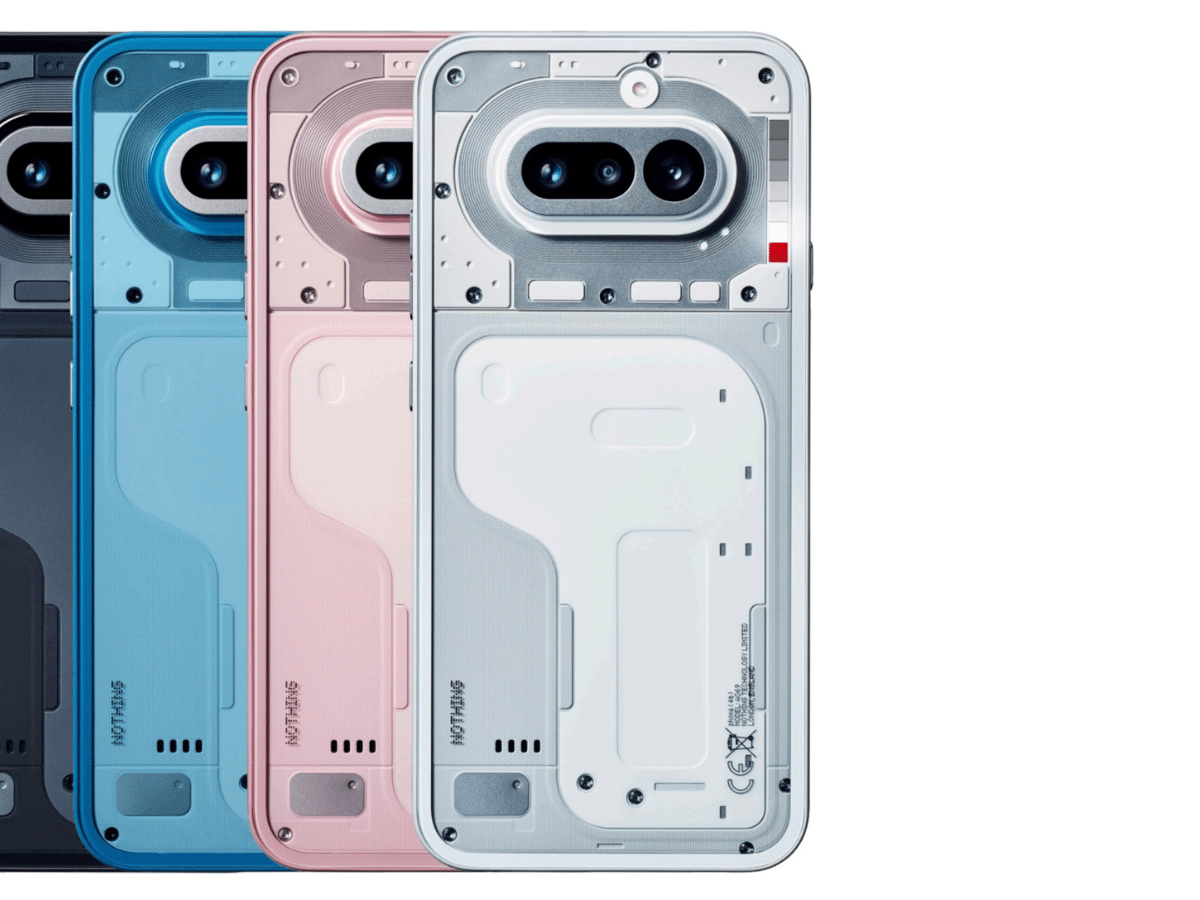
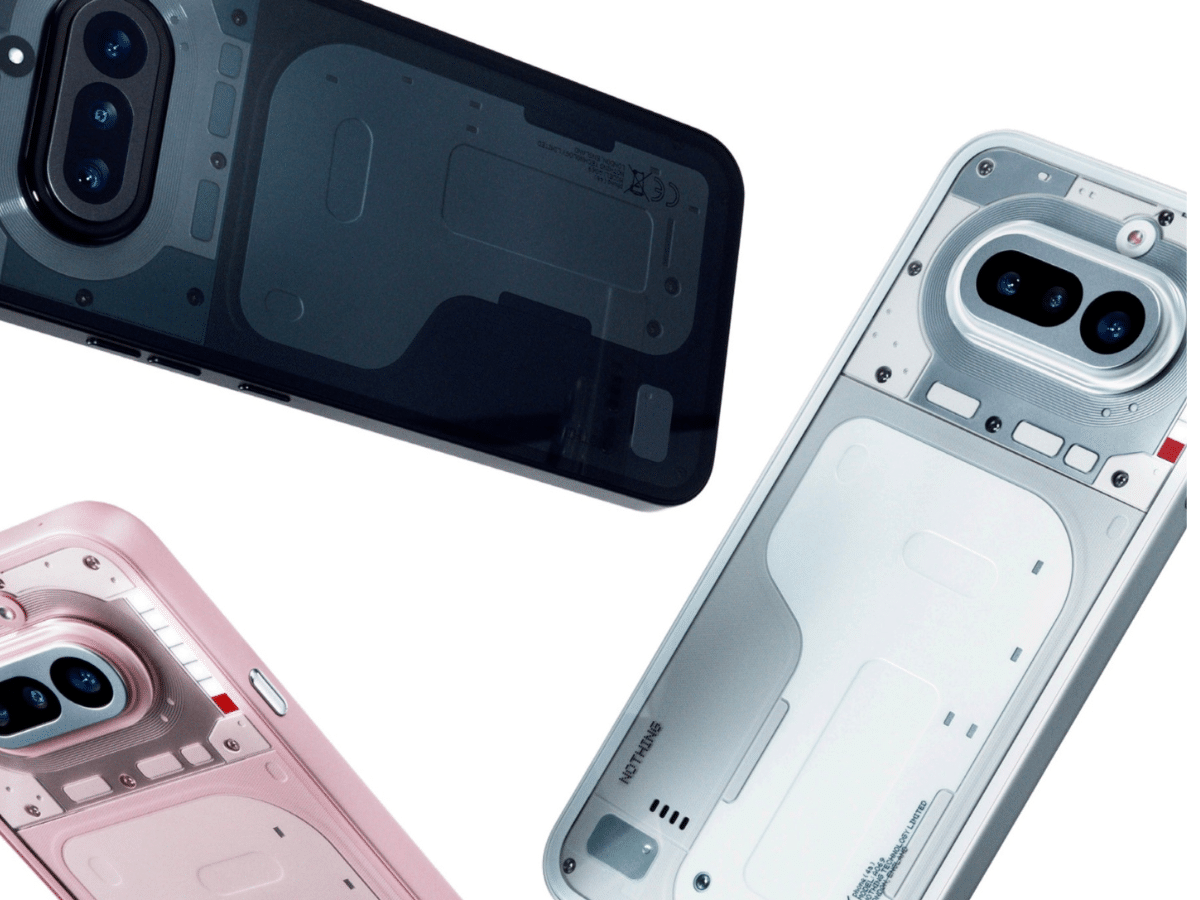
Now we’ve got a look at the next step for Nothing: the Nothing Phone (4a) is launching on 13 March in four colours: white, black, blue, and pink, and will come in three models:
| Price | Configuration |
| AU$649 | 8GB RAM with 128GB storage |
| AU$749 | 8GB RAM with 256GB storage |
| AU$849 | 12GB RAM with 256GB storage |
While Nothing is adding another AU$50 to the price tag at the low end, and you’re absolutely paying more than last year for extra memory and storage, this still comes in quite a bit cheaper than its main competitors for 2026: the AU$999 iPhone 17e, AU$849 Google Pixel 10a, and the upcoming Samsung Galaxy A57 (which hasn’t actually been revealed yet, so keep an eye out for that).
So, how does the Nothing Phone (4a) stack up? Read on to find out.
What are the ‘Nothing Phone (4a)’s Specs?
Nothing has come out swinging with the Phone (4a), delivering some impressive specs for something you can pick up on a budget. We’ll be comparing it to last year’s Nothing Phone (3a) here, so you can get an idea of what’s been improved upon and what’s staying similar.
| Nothing Phone (4a) | Nothing Phone (3a) | |
| Price | AU$649, AU$749 or AU$849 | AU$599 or AU$689 |
| Display | – 6.78” OMOLED – 2720 x 1224 resolution – 120Hz adaptive refresh rate | – 6.77” AMOLED – 2392 x 1080 resolution – 120Hz adaptive refresh rate |
| Operating System | – Android 16 – Nothing OS 4.1 | – Android 15 – Nothing OS 3.1 |
| Internals | – Processor: Snapdragon 7s Gen 4 – RAM: 8GB, 12GB – Storage: 128GB, 256GB | – Processor: Snapdragon 7s Gen 3 – RAM: 8GB, 12GB – Storage: 128GB, 256GB |
| Networking | -5G – Wi-Fi 6 – Bluetooth 5.4 – NFC Capable | – 5G – Wi-Fi 6 – Bluetooth 5.4 – NFC Capable |
| Camera | Front: 32MP Rear: 50MP (wide), 50MP (telephoto), 8MP (ultra-wide) Can record video at 4K@30fps Can record slow motion at 1080p@120fps | Front: 32MP Rear: 50MP (wide), 50MP (telephoto), 8MP (ultra-wide) Can record video at 4K@30fps Can record slow motion at 1080p@120fps |
| Battery | 5,080mAh | 5,000mAh |
| Other | – IP64 dust and water resistant – Glyph Bar – Essential Space AI ‘assistant’ | – IP64 dust and water resistant – Glyph Interface – Essential Space AI ‘assistant’ |
As you can see, there’s quite a bit that’s consistent between the two phones, but the devil’s in the details. The Phone (4a) sports a higher resolution screen, and packs in the more-powerful Snapdragon 7s Gen 4 processor in a completely redesigned chassis, with a larger battery and more AI-capabilities packed in.
If you’re a fan of Nothing, or just know a little about them, you’ll know that half the reason to pick up a Nothing phone is the bold, retro-minimalist design of its products. It’s one of the only brands out there doing something that doesn’t just look like another black-or-white-or-silver rectangle, which I absolutely appreciate. Then again, that boldness sometimes puts people off as happened with last year’s flagship Nothing Phone (3).
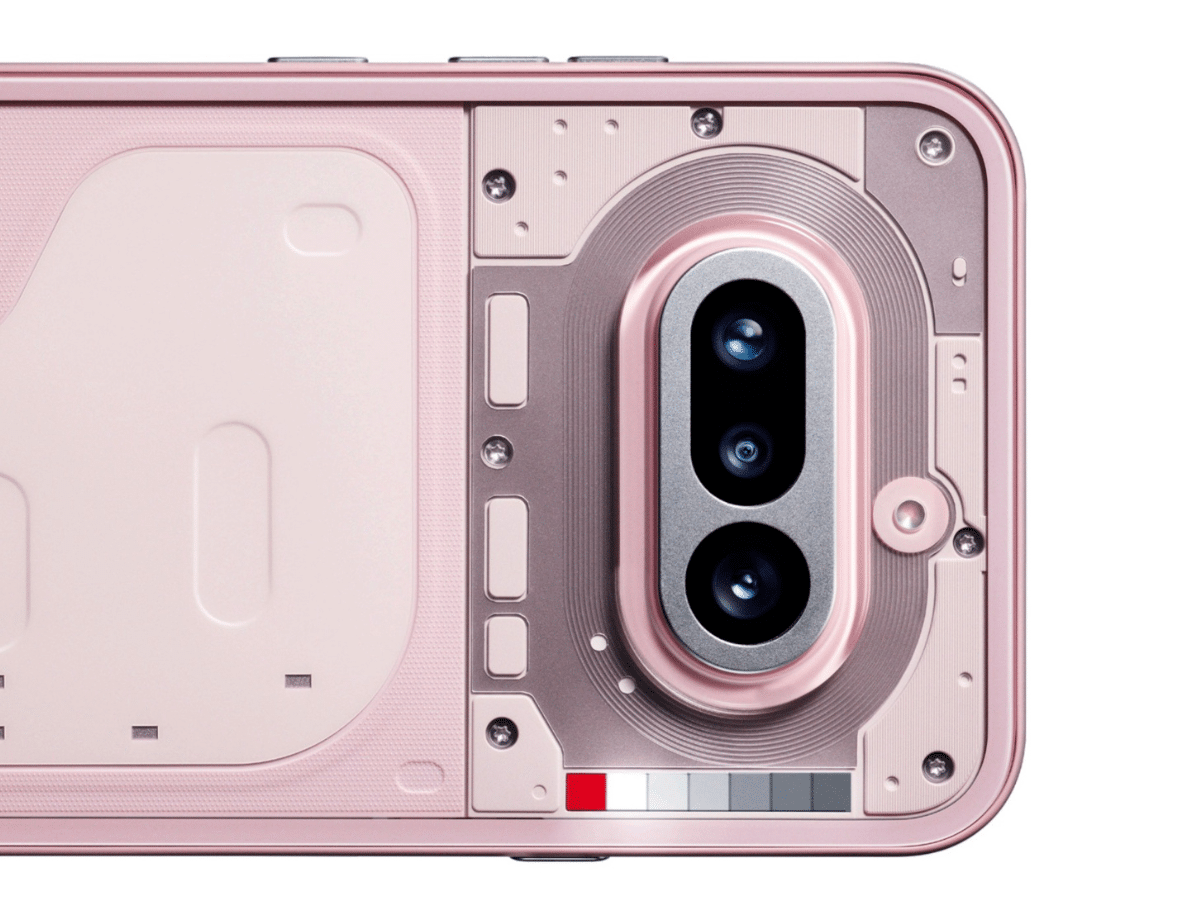
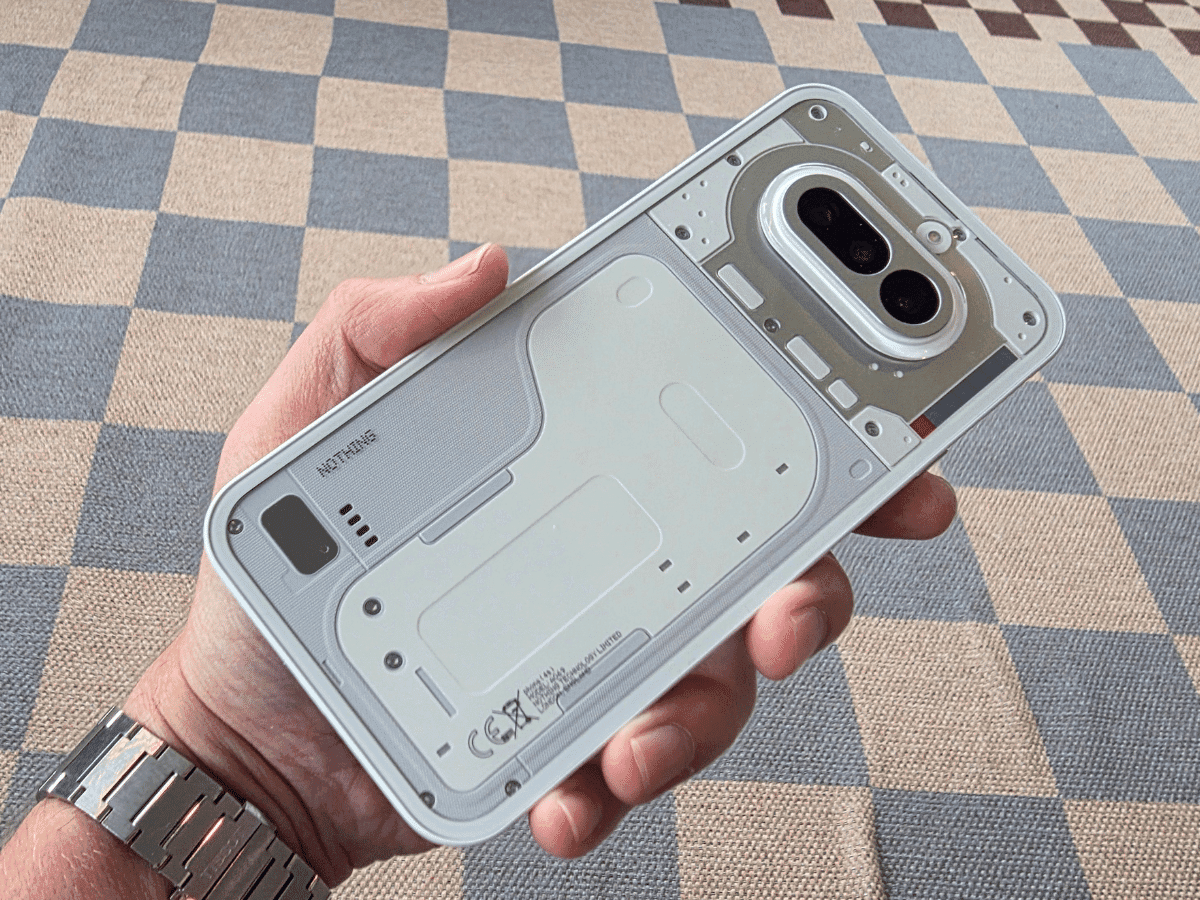
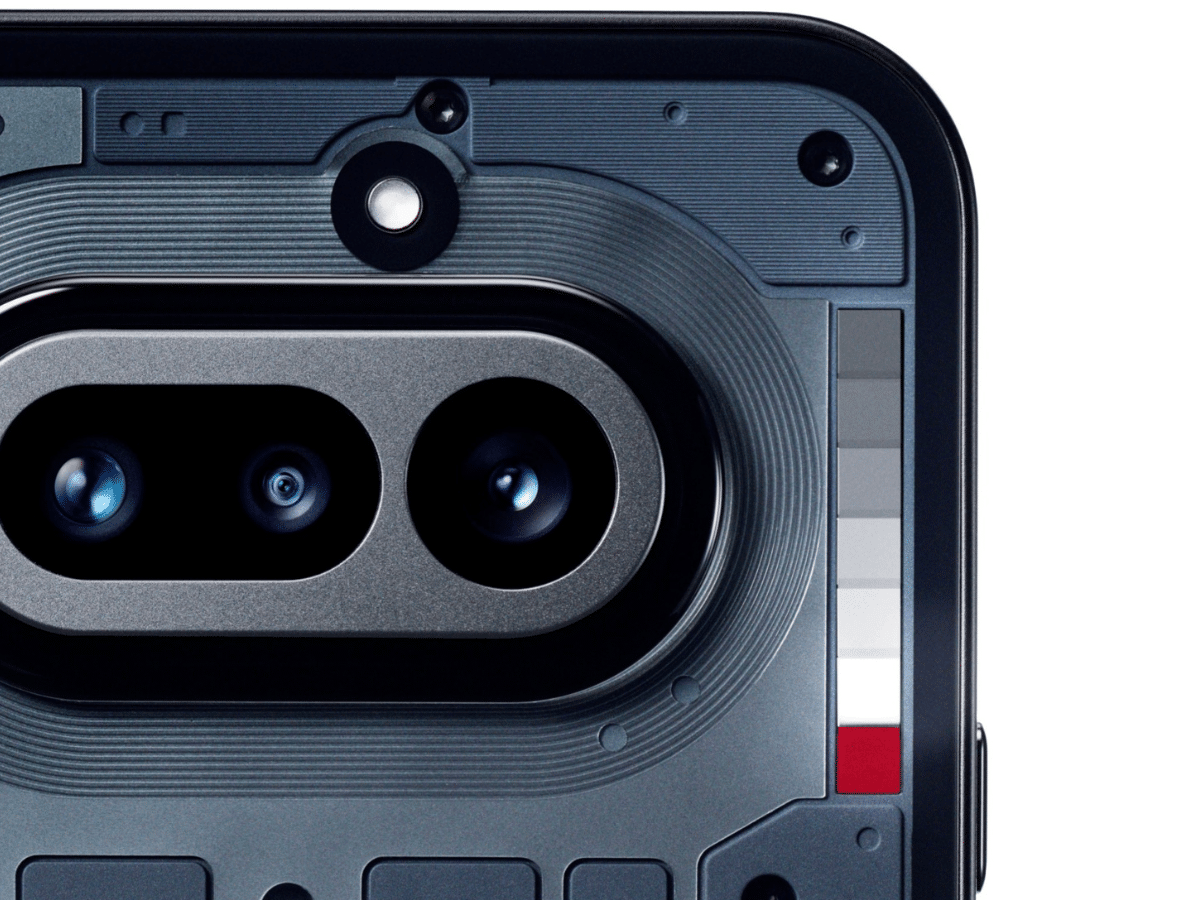
The Phone (4a), by contrast, looks more like a refinement of the (3a) before it, and that’s by no means a bad thing. Nothing has delivered more premium materials, and brought in some new pops of colour to the market in its blue and pink designs. It also resigned the Glyph Bar, a small strip of LEDs that give you contextual information about notifications, and which now integrate a recording light to signify to others around you when you’re capturing content.
Another major upgrading coming other the Phone (4a) is the device’s camera system. While on paper the camera system looks identical to last year’s (3a): two 50MP cameras and an 8MP ultra-wide lens, they’re anything but. The Phone (4a)’s periscopic telephoto lens uses a new dual-prism design, which allows up to 3.5x optical zoom, 7x lossless zoom, and up to 70x ultra zoom, and uses 32% less battery power than last year’s design.
One thing that stood out to me about the new camera system is actually a software solution: a set of preset photographic styles to choose from to held guide or determine what kind of photo you’ll take. The phone will come pre-loaded with seven styles to choose from with the ability to download more from the community, or make your own custom styles for ease-of-use. It reminds me of Fujifilm’s film simulation modes, which is an exciting comparison to make for a budget Android phone.
Essential is Back, Baby
If you’re a long-time Nothing user you’ll probably have noticed that the dedicated Essential button is back, and, indeed, it is still locked to interacting with Essential Space.
What is Essential Space? It’s Nothing’s AI-powered scrapbook / memory vault, where you save everything you’re interested in to reference later using the device’s AI, Essential Search. Effectively, it’s an onboard second brain you can tap into when your first brain fails you.
I had mixed success playing around with Essential Space and Essential Search last year, with the service giving me almost no ‘intelligence’ once it realised I was in Australia instead of the United States, and while I’m sure the UK-based brand has learned a lot in the last year, I’m personally not all that keen on more ways to store all my personal details. I’m part of enough data-leaks as is, thank you very much.
For what it’s worth, Nothing is expanding the ‘Essential’ service beyond just Space and Search, allowing for user-prompted AI-generated Essential Apps which can be created without code and shared amongst the Nothing community, and is launching Essential Voice soon: a voice-to-text transcriber that’ll auto-edit your words on the fly, making you sound a bit more professional when you’re dictating an email to your boss.
These aren’t bad ideas, by any stretch, and I’d be keen to play around with them, but we’ll just have to see how well they’re all executed before we can deliver any kind of judgement.
How Does It Compare to Other Mid-range Phones?
Nothing has been a challenger brand since it first launched in 2020, and while it had a stab at delivering a flagship-level phone in last year’s Phone (3), it’s at its most competitive in the mid-range space. Here, it competes with the likes of Apple’s iPhone 17e, the Google Pixel 10a, and Samsung’s upcoming A57. Now, we can’t really compare it to the new Samsung until it’s been revealed, but we can easily put it up against Apple and Google in a two key metrics.
Firstly, the processor. The Pixel 10a is rocking Google’s Tensor G4 processor, which is the same chip used in the previous Pixel 9 series phones. Apple’s iPhone 17e uses the A19 chip used in the iPhone 17 and 17 Pro, making it a slightly more advanced chipset. The Nothing Phone (4a) meanwhile delivers a Snapdragon 7s Gen 4 processor; this is a very fast chip, but is slightly less powerful than either Google’s or Apple’s in-house processors.
And secondly, the price. While Apple and Google’s phones are more powerful, they’re also more expensive. The iPhone 17e starts at AU$999, and the Pixel 10a starts at AU$849: the same price as the most kitted-out version of the Nothing Phone (4a), which starts at $649 and goes up to AU$849.
How much someone is willing to pay for a device is a pretty subjective thing, but if you’re already interested in picking up something that isn’t a flagship device, you probably aren’t looking to pay flagship prices.
When is the Nothing Phone (4a) Launching?
The Nothing Phone (4a) is launching on 13 March in four colours: white, black, blue, and pink, and will come in three models:
- AU$649: 8GB RAM + 128GB storage
- AU$749: 8GB RAM + 256GB storage
- AU$849: 12GB RAM + 256GB storage























Comments
We love hearing from you. or to leave a comment.