


Updated:
Readtime: 2 min
Every product is carefully selected by our editors and experts. If you buy from a link, we may earn a commission. Learn more. For more information on how we test products, click here.
Android and iOS have always been two sides of the same coin. They make calls, send messages, store photos, and run the apps you use every day, but they have never been great at talking to each other. Now, after years of friction, Google and Apple are working on a system that enables both platforms to communicate properly during setup and makes the switch far easier than before.
The feature appears in the latest Android Canary 2512 build for Pixel devices. It introduces a “Copy data” option that lets users wirelessly transfer information between Android and iOS. Instead of juggling separate apps like Move to iOS or Switch to Android, the system uses a session ID and passcode to link both phones. Once connected, it moves data such as photos, messages, and files in a single step.
Canary releases are experimental and not intended for general use, and Apple’s side of the system is not yet active. Support is expected in a future iOS 26 developer beta.
And before you start celebrating world tech peace, this seemingly friendly team-up is the result of regulatory pressure. Both companies are responding to demands for improved interoperability, particularly from the European Union’s Digital Markets Act. The DMA calls for more transparent data portability and smoother platform migration.
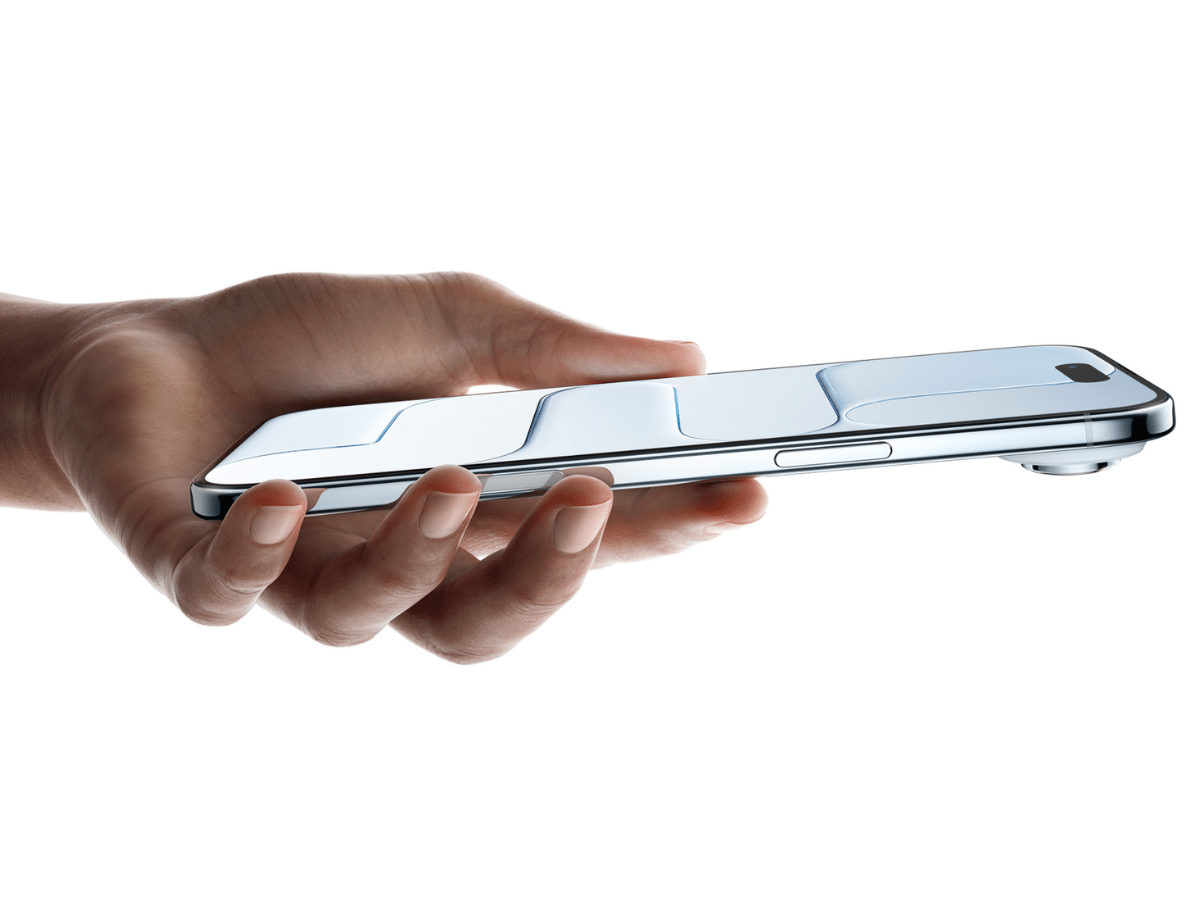
In a public compliance filing, Apple confirmed its plans to deliver a “user-friendly solution” for transferring data from iPhone to non-Apple devices by fall 2025.
Google already offers its Switch to Android app, launched in 2022, for anyone moving from iOS to Android. Apple has never provided an equivalent, and DMA requirements are now forcing a more balanced approach. The jump between ecosystems could finally feel less like a chore.
The new transfer system is still in early testing, so most people will not see it for a while. But for the first time, the two biggest mobile platforms are speaking the same language, even if only in a limited way. When the feature eventually rolls out, switching between Android and iOS should feel less like forcing two rivals to cooperate and more like connecting two devices that were always meant to understand each other.

























Comments
We love hearing from you. or to leave a comment.