

Updated:
Readtime: 10 min
Every product is carefully selected by our editors and experts. If you buy from a link, we may earn a commission. Learn more. For more information on how we test products, click here.
One of the few big tech brands to successfully navigate its way into the premium-priced lifestyle space, Apple seems to be a tale of two companies right now. On one hand, it’s posting record revenue on a quarterly basis, with the brand’s iPhone business continuing to dominate in many regions of the world (including here in Australia), and its line-up of MacBooks is still, in many ways, industry leading.
No, not in gaming, but in performance to battery life? Definitely.
On the other hand, Apple has lost a lot of key talent in the past year: most notably, a lot of the people who’ve been in charge of bringing a new, smarter Siri to users have exited the business following the brand’s continued struggles rolling out an AI product that serves a purpose. Granted, a lot of other brands are hemorrhaging money on their AI solutions, and Apple might be right to let the market stew a bit before deciding how best to dive in.
We really don’t know what 2026 has in store for Apple (there have been rumours that CEO Tim Cook will step down), but there are a few exciting rumours that could very well give us a glimpse into the business’ plans for the next year.
Here, I’m going to lay out a few of the business’s most interesting and exciting products that could come in the year ahead, if the rumours prove to be true. From new iPhones and laptops to a whole new category, let’s see what the Apple fanboys will be salivating over next year.
New iPhones
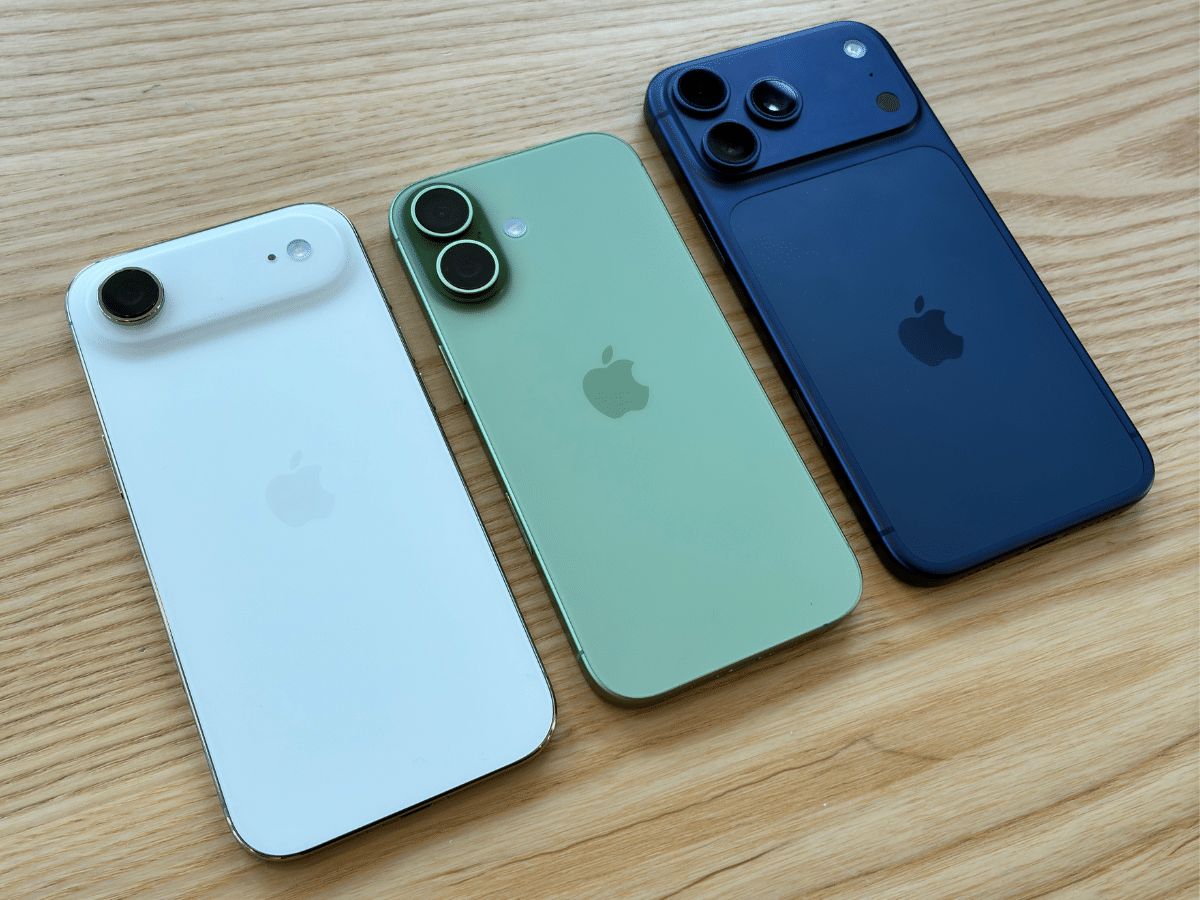
Inarguably the biggest part of Apple’s business (it makes up about 51 per cent of all revenue for the company), the iPhone was revolutionary when it first launched and is still one of the most important pieces of consumer technology on the market today.
It doesn’t take a trustworthy leaker to point out that we’ll probably be getting an A20-powered iPhone 18 and iPhone 18 Pro (with a plus-sized Max version) in September 2026. There’s a chance the base 18 won’t launch until 2027, with the more expensive models taking precedence, but we’ll wait and see on that one.
Beyond that, though, the iPhone could have a very interesting year.
The Next iPhone Air
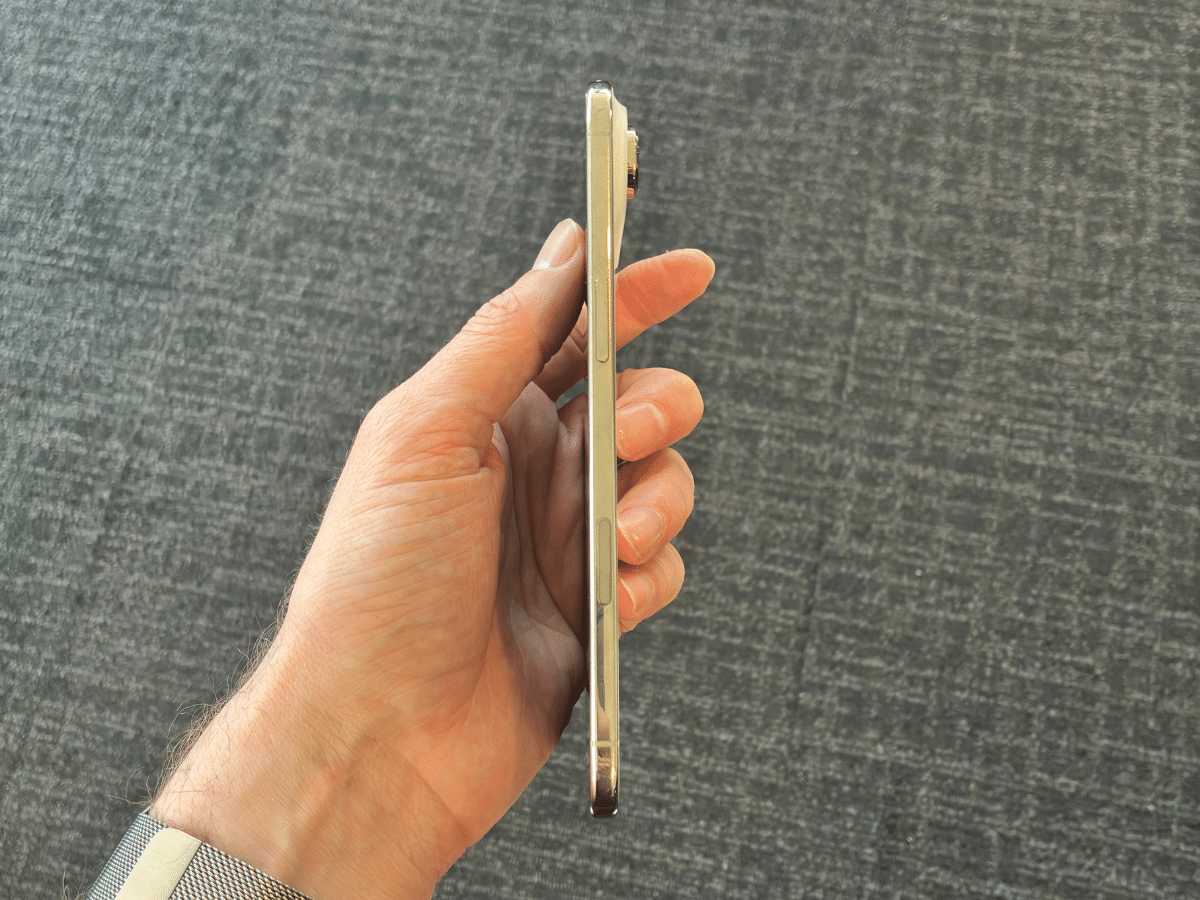
After the thuddish landing of the iPhone Air in 2025, which debuted a divisive-but-impressive design with a lot of what someone would expect from a premium phone costing in excess of AUD$1,799 missing, our eyes have turned to Apple’s sophomore effort for its thin-and-light phone.
It’s unlikely to get much thinner, in all honesty, but a revamped iPhone Air could bring in a more powerful and smaller chipset to help navigate that size constraint: that’d deliver more room for a slightly bigger battery, as well as (hopefully) stop the ‘plateau’, which holds its brains, from getting so hot under load.
There are also rumours of a second camera getting added to that plateau, which makes very little sense. Again, that’s where the entire chipset for the device sits, if Apple were to add in a second camera lens, they’d need to effectively re-miniaturise all of that tech for the second time to fit into an even smaller space.
Is it possible? Sure, but it’d either be a lot of work and effort, or they’d skimp on the battery instead.
There are more recent leaks out of the people at Bloomberg, though, that point to the Air 2 being delayed into 2027. Apparently, the Air was more of a test-bed for new ideas and engineering concepts (cough a foldable cough) than a new annual product, and while we likely will see a new one, it’s not necessarily going to be one-per-year as the regular iPhone is.
The New iPhone Fold
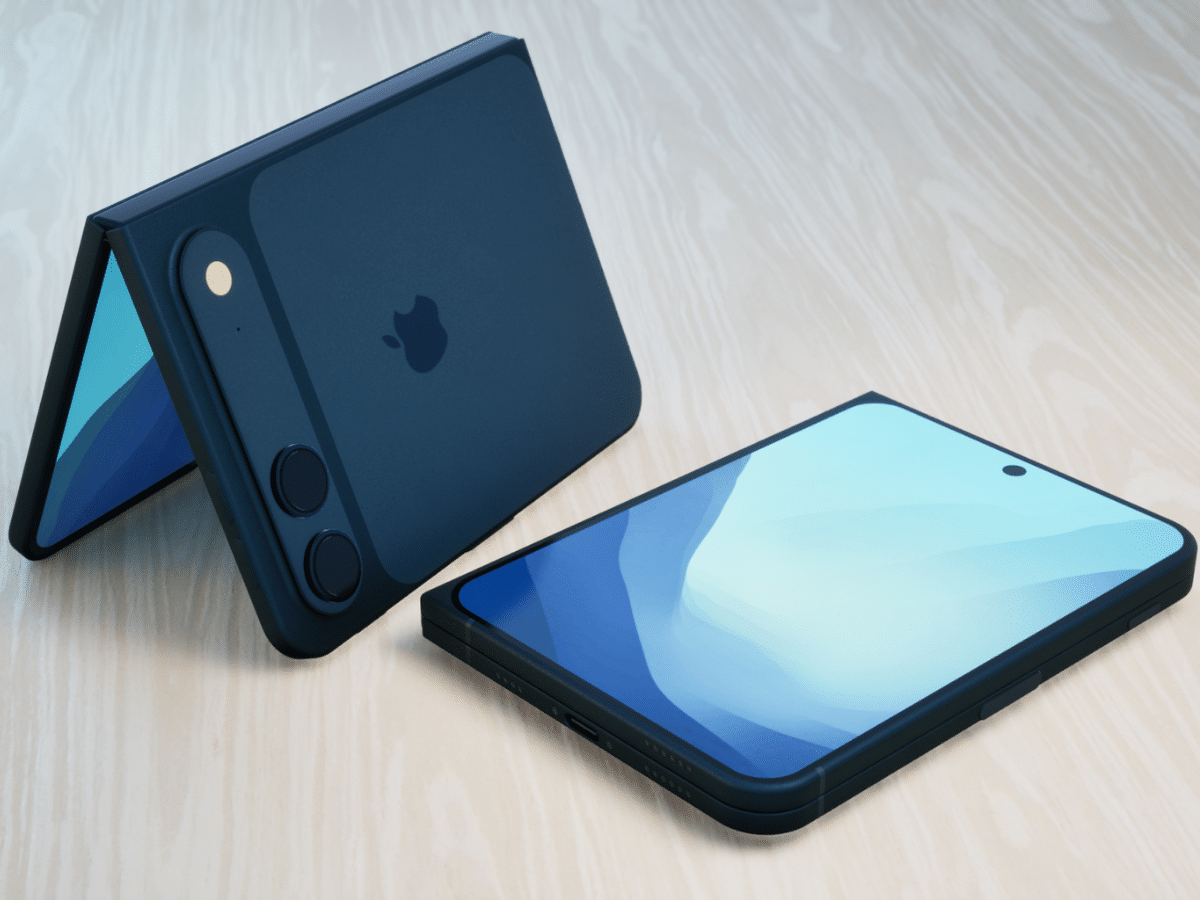
We’ve written about the iPhone Fold pretty extensively already. While the foldables category is getting busier every year from the competition, Apple has supposedly refused to release its own version of a book-style folding phone until it can deliver something without a noticeable crease. Well, according the rumours, they’ve pretty much cracked it, and we’re probably going to see the fabled iPhone Fold in 2026.
If I had to guess, I’d say all the jokes about it being two iPhone Airs attached at one side probably aren’t that far off the mark – not literally, but in spirit. All the impressive engineering that went into fitting what used to take up an entire phone into something the size of a camera bump is going to be mighty helpful when you’ve got to fit an extra screen into a device, as well as a hinge mechanism.
Speaking of screens, the Fold will likely feature a 7.8’’ internal display (slightly smaller than the 8’’ on the Samsung Galaxy Z Fold 7 and Google Pixel 10 Pro Fold), as well as an external 5.5’’ display, quite a bit smaller than other iPhones, but a size that could make for a better one-handed experience.
As far as when we’ll actually see this thing, it’s expected to drop around Apple’s regular September event, which has held effectively every major iPhone announcement of the past decade. Like with the Air 2, though, there’s rumours this one won’t actually make the cut for 2026 and could get pushed back to 2027: effectively leaving Apple’s 2026 with an iPhone 18, 18 Pro and 18 Pro Max, and maybe an iPhone 17e earlier in the year.
New MacBooks
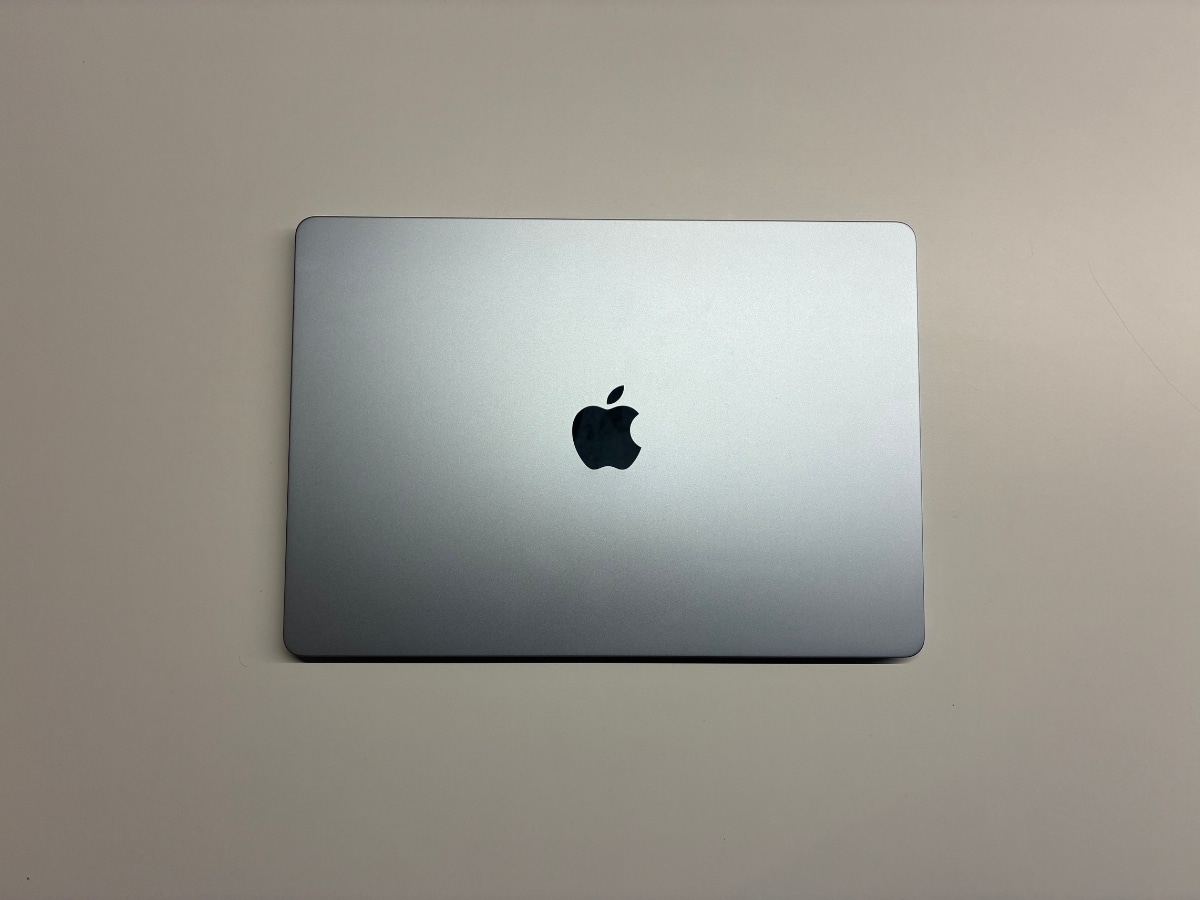
While Apple’s Mac computers are an important pillar in the business’ product lineup, as well as its history, in reality it makes up less than 10 per cent of the brand’s overall revenue, that’s including the MacBook Air, MacBook Pro, Mac Mini, Mac Studio, Mac Pro, and iMac. If you’ve ever wondered why there haven’t been major strides in the MacBook lineup (beyond the impressive M-chips), that’d be why.
However, there are two pretty interesting product drops that could be coming to the Mac lineup next year: one aimed at lowering the cost of entry, and the other at providing an even more premium experience.
A New Entry-Level Mac
Let’s start at the low end. There have been rumours for a while now that Apple will be launching a thin, light, cheaper MacBook powered by the A-series chipset, which is usually confined to the iPhone, base-level iPad, and iPad Mini.
It’s less powerful than the Macs usual brains, the M-series, but one that could go a long way in keeping the cost down, as well as keeping the laptop cooler and more energy efficient. This new MacBook would likely be targeted toward students, taking on the lower-end Chromebook market, but I’d fully expect this new thing to cost AU$999, at least.
In saying that, the A-series chipset (most likely the A18 chip last seen in the iPhone 16) would be plenty powerful in a basic laptop for those of us who don’t edit, export, and livestream 5K videos at once. It’ll be a snappy device, assuming you’re using it for pretty rudimentary tasks: streaming video, doing light work, browsing the interwebs, etc.
It’ll have a lower-end LCD display, which, again, skimps on a premium feature to keep the price down. That’s probably fine for most people, but if you’re after a better display you’ll probably need to upgrade to the Air or Pro models.
Plus, rumours suggest it’ll be available in a bunch of fun colours like the iPad and iMac are. I’d be down for some more fun from Apple’s products, honestly, how exciting can another space grey product really be?
A Touching Upgrade for Pros
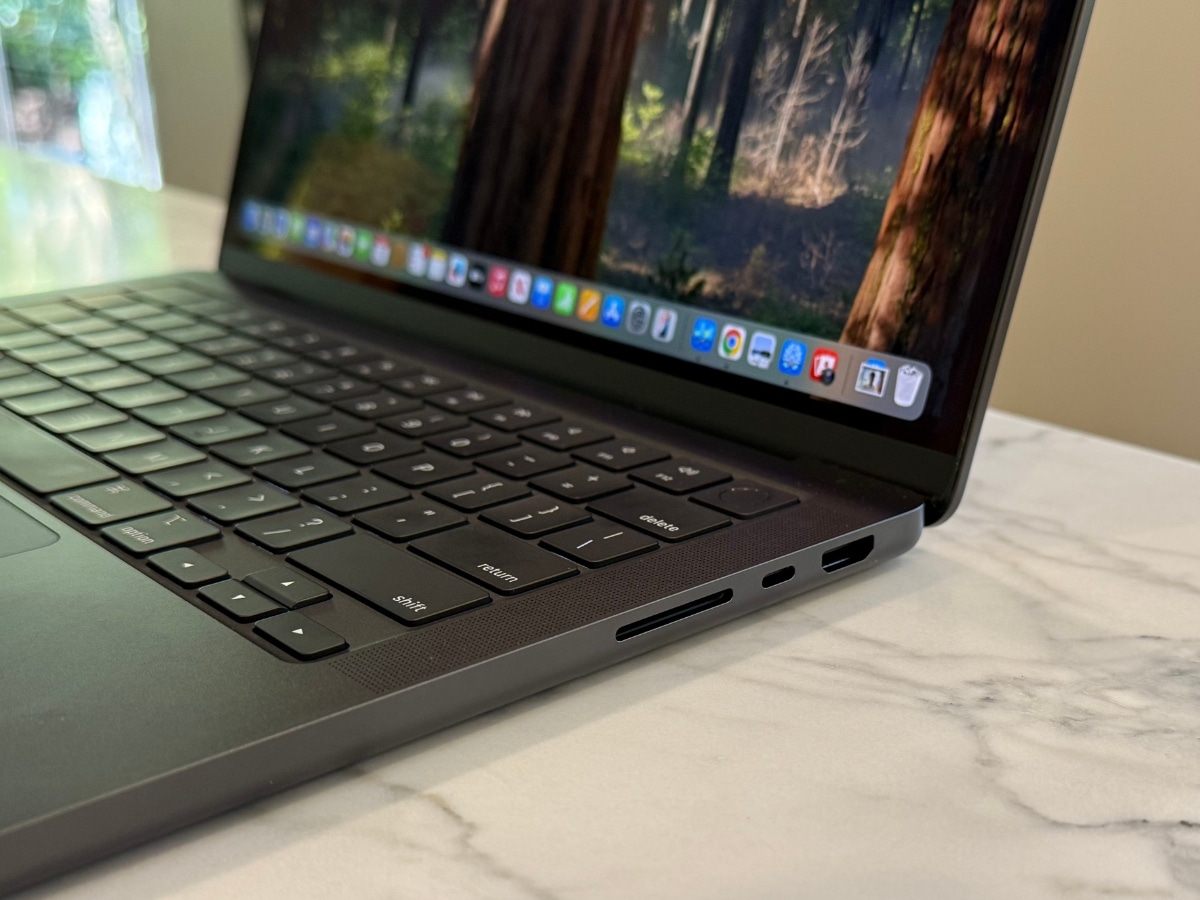
At the other end of the spectrum are rumours of an OLED-equipped, touch screen MacBook Pro. This’d likely be shown in Apple’s yearly October MacBook event, and would come in both a 14’’ and 16’’ device.
Setting aside the touch screen for now, this’ll be Apple’s first OLED MacBook: it’s stayed pretty firmly with mini-LED tech for a while, but an OLED panel could provide even brighter colours and deeper blacks. It won’t just be a souped up iPad though, you can fully expect a keyboard and trackpad combo, just with the added benefit of a touch display.
Apple’s been a bit hesitant to bring its touch technology to the Mac lineup, aiming instead to keep its iPad and Mac lines seperate. However, those walls have been coming down as of late, with iOS27 having effectively turned iPad OS into a quasi-MacOS with the right settings enabled.
While a touch-screen MacBook Pro isn’t exactly encroaching on iPad territory, it could make for some very interesting workflows for the Pro users out there: I used to use a Surface Pro as my main computer, and I got very used to switching between typing, trackpad and using the touchscreen to get whatever I needed done done just a little bit faster.

Apple’s finally doing Smart Glasses
Finally, there’s one more product worth talking about. No, not the recently updated Vision Pro: it’s Apple’s first spacial computing device that you’d be willing to wear outside your house. Following in the footsteps of Meta, Apple is reportedly dropping its own smart glasses next year.
What that’ll look like is anybody’s guess, and while smart glasses aren’t exactly popular, there’s certainly demand out there from tech companies to build them. Plenty have tried: Google Glasses, Snap’s Spectacles, and Ray-Ban and Meta’s AI Glasses from major tech brands, as well as more stand-alone options from brands like XREAL and Viture.
Should Apple step into the smart glasses game, it could legitimise the device to a broader audience who are far more interested in staying within Apple’s well-oiled walled garden. And, in all honesty, with how well all of the company’s devices tend to work together, the idea of having a new way to interact with that world could be enticing.
However, most tech companies still haven’t quite figured out why smart glasses would be something someone would want to buy, let alone wear. Smartwatches have gone through the same issues, largely finding a niche as premium fitness wearables with a few smartphone-adjacent extras, but still struggling to have a necessary reason to exist.
Am I confident that Apple could deliver us a ‘reason’ to wear its branded smart glasses above the competitions? Not really, but I’ll give them the opportunity to prove me wrong.

























Comments
We love hearing from you. or to leave a comment.