

Jim Carrey ‘Clone’ Conspiracy: Inside the Wild Theory That the Real Jim Died Years Ago

Updated:
Readtime: 5 min
Every product is carefully selected by our editors and experts. If you buy from a link, we may earn a commission. Learn more. For more information on how we test products, click here.
When Jim Carrey walked onto the stage at the César Awards in Paris last week, it felt straightforward. A veteran actor being honoured. A full speech delivered in French. Family in attendance. Applause. Photos. Except it wasn’t that simple.
Within hours of those red carpet images circulating, parts of the internet had decided the man accepting the award wasn’t Carrey at all, but a body double, a clone, or something stranger.
What Happened With Jim Carrey in Paris?
The screenshots travelled quickly. Close-ups of his jawline. Side-by-side comparisons with younger film stills. Slow zoom-ins on his smile. “You can’t convince me that’s him,” one post read. Another declared there was “zero per cent chance” the real Jim Carrey had shown up in Paris. The tone hovered between genuine suspicion and meme theatre, but the volume was enough to push the theory into trend territory.
Part of the spark came from an old clip resurfacing online in which Carrey joked about using decoys to dodge paparazzi. On Late Night with David Letterman, he described sending a lookalike in one direction to distract photographers while he slipped away in another. It was a throwaway anecdote at the time. In 2026, it became evidence.
The Internet Builds a Theory
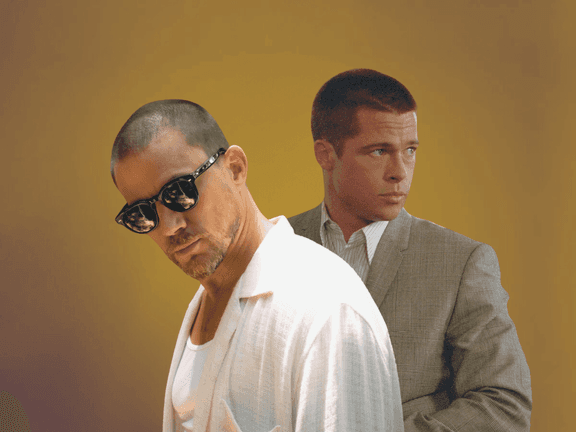
Then the story took a sharper turn. Alexis Stone, known for hyper-real celebrity transformations, posted an image showing a prosthetic mask, wig and teeth alongside photos from the ceremony, captioned as though she had impersonated him in Paris. Unlike her usual reveals, there was no behind-the-scenes video. Just enough ambiguity to keep the rumour alive.
By then, the theory had everything it needed: a familiar face that looked slightly different, a resurfaced decoy story, and a drag artist famous for uncanny transformations hinting at involvement. The official denials would come later. The internet was already mid-investigation.
Why It Felt Convincing
The obvious question is why any of it felt believable in the first place. Part of the answer sits in how we remember famous faces. Psychologists who study facial recognition have found that we tend to anchor people to a particular stage of peak exposure. We do not constantly refresh that mental image. We update it in bursts.
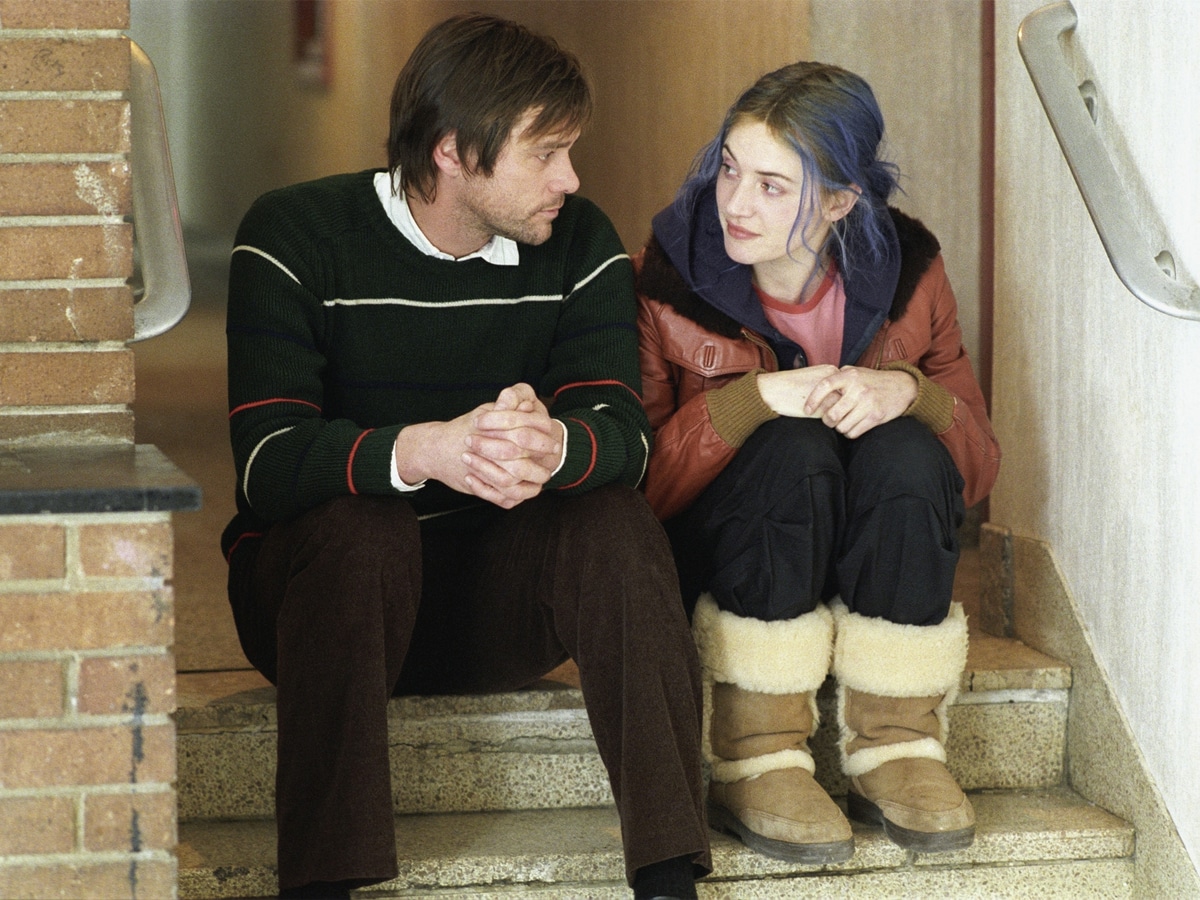
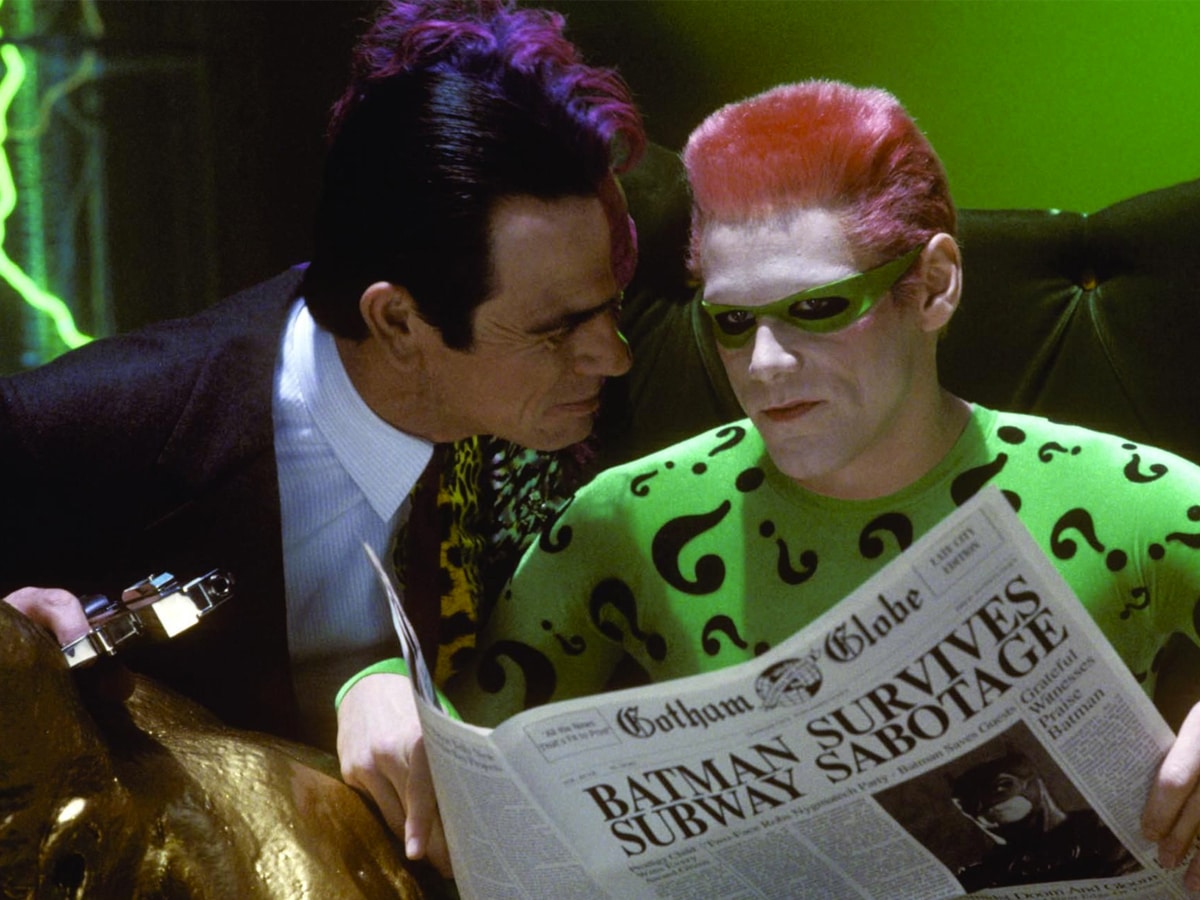
For some, Jim Carrey is the rubber-faced chaos of the mid-90s. For others, he is the quieter presence of his later dramatic roles. A younger audience might first picture the oversized moustache and manic energy of Dr. Robotnik. All real versions of him, just tied to different moments.
When a new image does not line up neatly with the version you carry, the difference can feel amplified. A face that has changed gradually over decades can register as a sudden shift when you encounter it after a gap.
The internet wasn’t comparing him to reality. It was comparing him to memory.
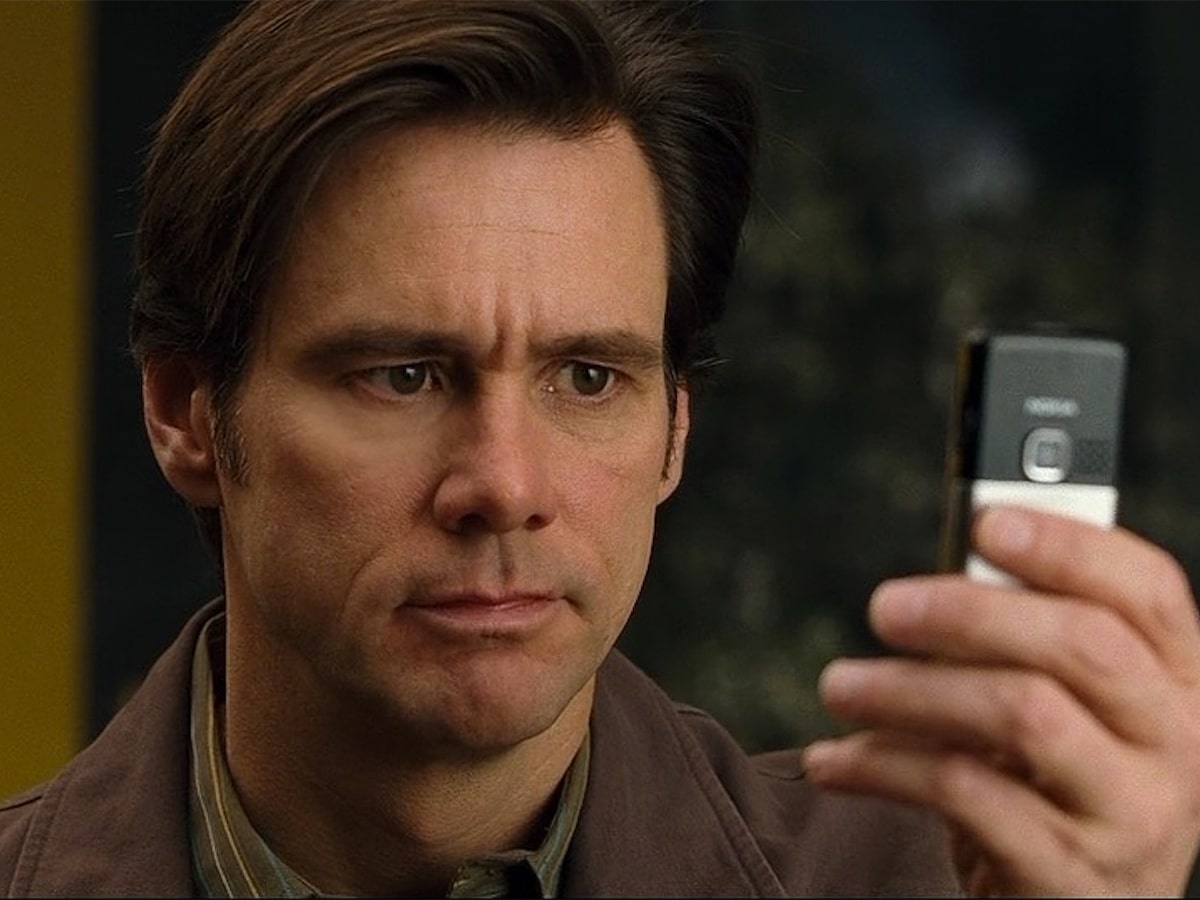
From there, the mechanics are predictable. There is a well-documented cognitive bias called confirmation bias, our tendency to favour information that supports an existing belief. Once someone floats the idea of a body double, the brain starts scanning for proof. A slightly different smile becomes suspicious. Harsh flash photography becomes “evidence”. A new angle feels like a clue.
The resurfaced decoy clip added just enough structure to make the theory coherent. Carrey really has used lookalikes before. That factual detail gave people something to build around. As the side-by-sides circulated, the theory seemed to gain weight, even if the premise was thin.
There is also the broader cultural layer. Researchers often point to the “uncanny valley” effect, the discomfort we feel when something appears almost right but slightly off. In a media environment shaped by deepfakes, AI-generated faces and hyper-real prosthetics, that faint sense of unfamiliarity carries more meaning than it once did. What might once have been dismissed as ageing or lighting can now feel engineered.
None of that makes the clone theory credible. It helps explain why it travelled so far.
The Reality Check
If the rumour needed an accelerant, it arrived in the form of Alexis Stone. Stone has built a following on painstaking celebrity transformations, often revealing the process step by step. So when she posted an image of a prosthetic mask, wig and teeth alongside photos from the ceremony, it landed differently to a random meme account making the same claim.
There was just enough theatre to keep people guessing. Without a full transformation video, the ambiguity became part of the intrigue. Some treated it as performance art. Others took it at face value. A few accused her of using AI. The speculation fed itself.
The fact check, when it arrived, was comparatively dull. Carrey’s publicist confirmed he had attended the César Awards in person. Organisers said the appearance had been planned for months. He travelled with family. He worked on his French speech in advance. He delivered it himself.
That largely settled it. The posts slowed. The memes moved on. The internet found something else to dissect.
What lingers is less the rumour itself than the reflex behind it. We do not watch celebrities age gradually. We encounter them in fragments, often years apart, and measure each new image against whatever version we first stored away. When that comparison feels slightly out of sync, the internet rushes to explain the gap.
Most of the time, that explanation is harmless. Sometimes, as in Paris, it turns into a clone theory for 48 hours.
















Comments
We love hearing from you. or to leave a comment.