

Updated:
Readtime: 6 min
Every product is carefully selected by our editors and experts. If you buy from a link, we may earn a commission. Learn more. For more information on how we test products, click here.
- NVES Act 2024 could make new-car purchases significantly more expensive.
- Mazda faces potential fines of over $25 million for emissions-related violations.
- BYD and Toyota bank millions by selling surplus emissions credits in 2025.
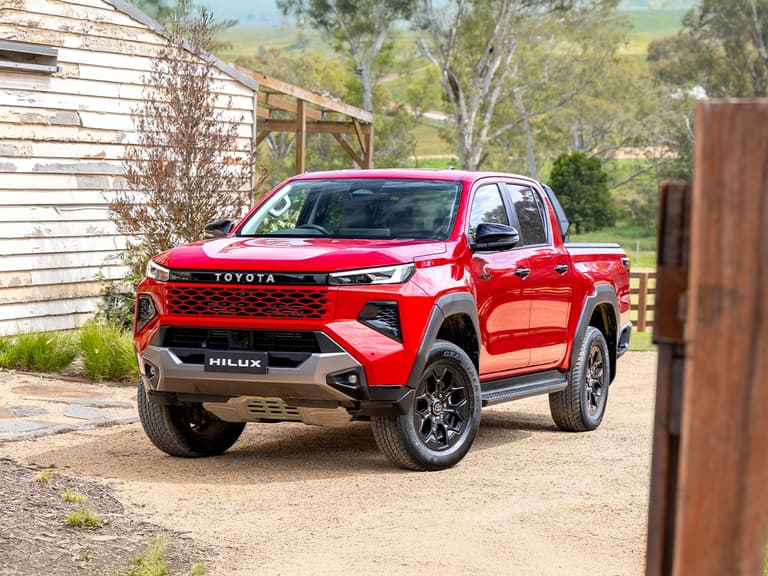
- Top utes like HiLux and Ranger must halve emissions by 2029.
- Chinese brands earn revenue by selling credits from European, Japanese, and Korean competitors.
The second-most-expensive purchase you’ll ever make is a new car. With the introduction of the Albanese Government’s New Vehicle Efficiency Standard Act 2024, this purchase will become significantly more expensive. While the large price increases won’t occur until 2028, when the fleet emissions targets for passenger cars drop to 68g/km (50% reduction from the 2025 start point), new data from the NVES Regulator has given us our first look at the brands that will pay the biggest penalties, as well as those that will pocket millions in credits.
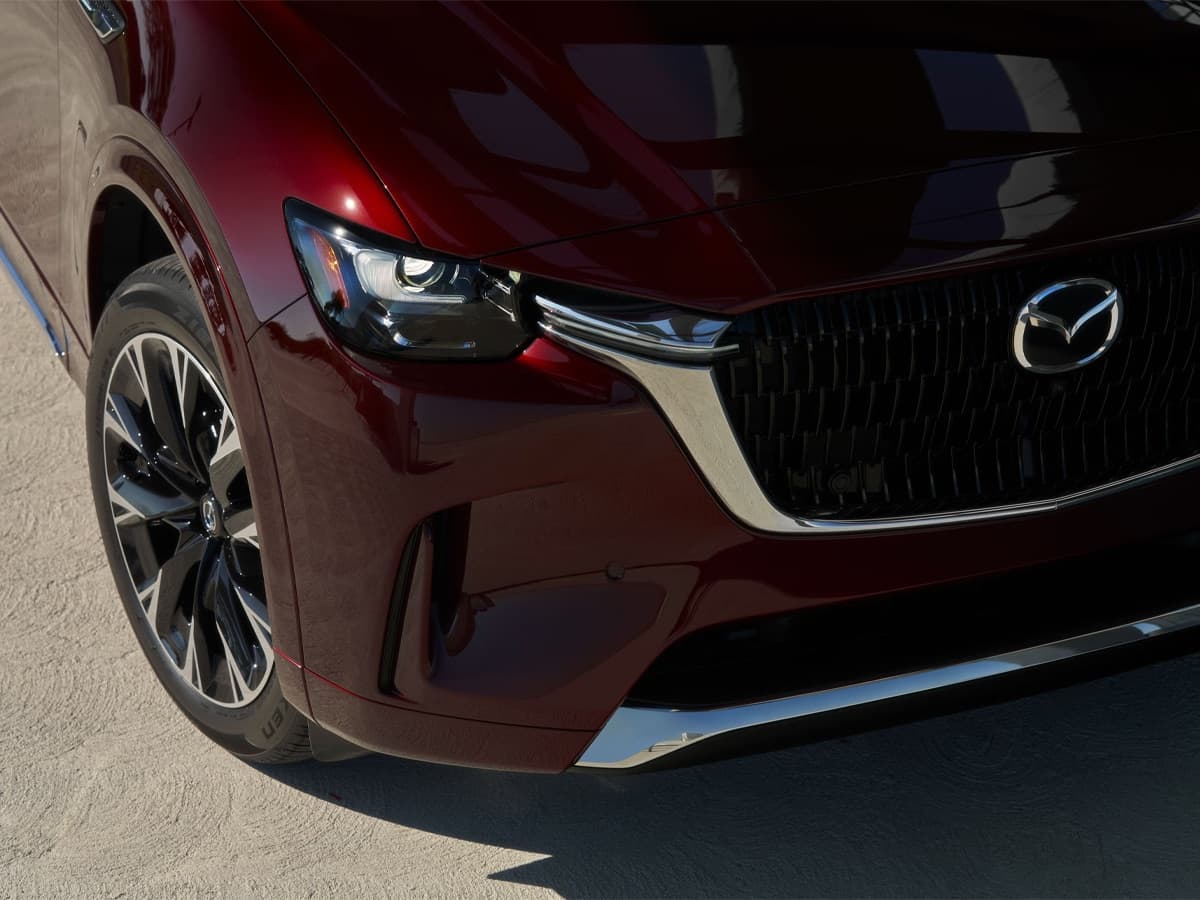
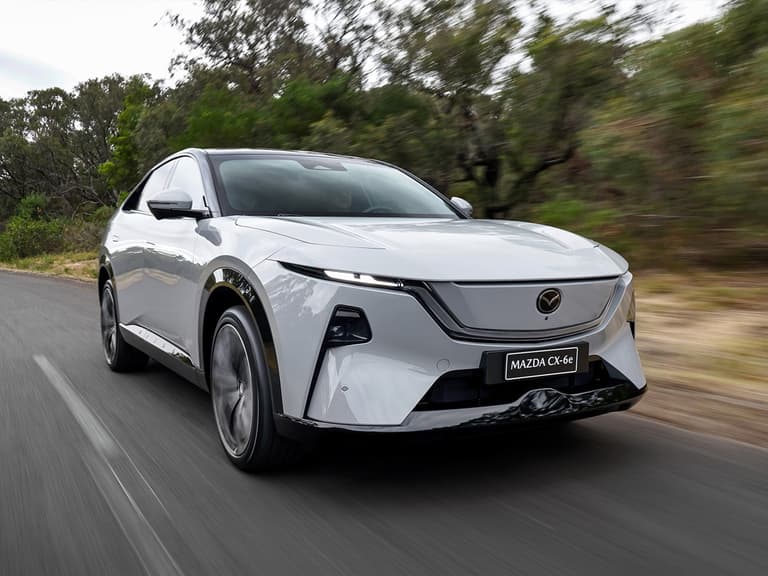
Brands such as Subaru and Nissan could be penalised tens of millions of dollars for failing to meet fleet emissions standards. One of Australia’s favourite car brands, Mazda, could face a penalty of more than $25 million due to hundreds of thousands of excess emissions units.
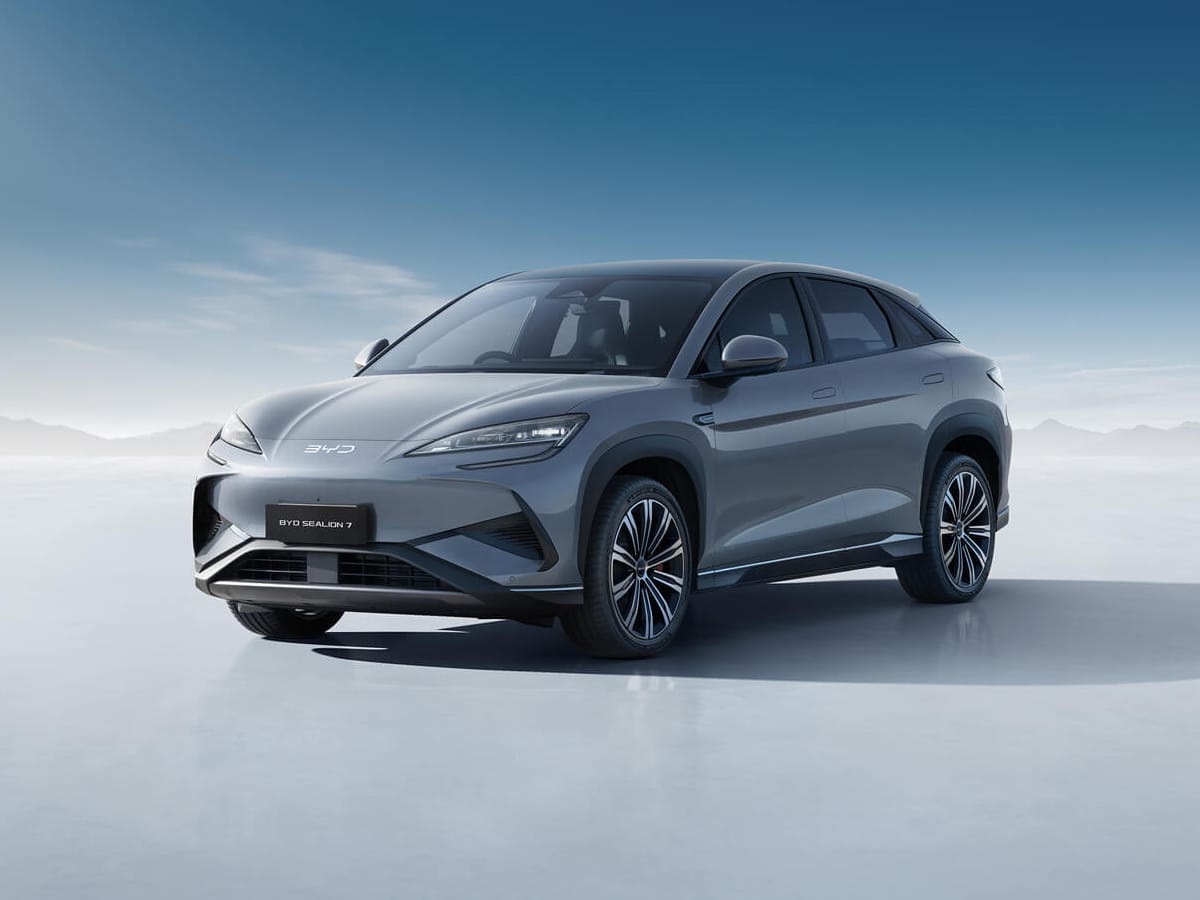
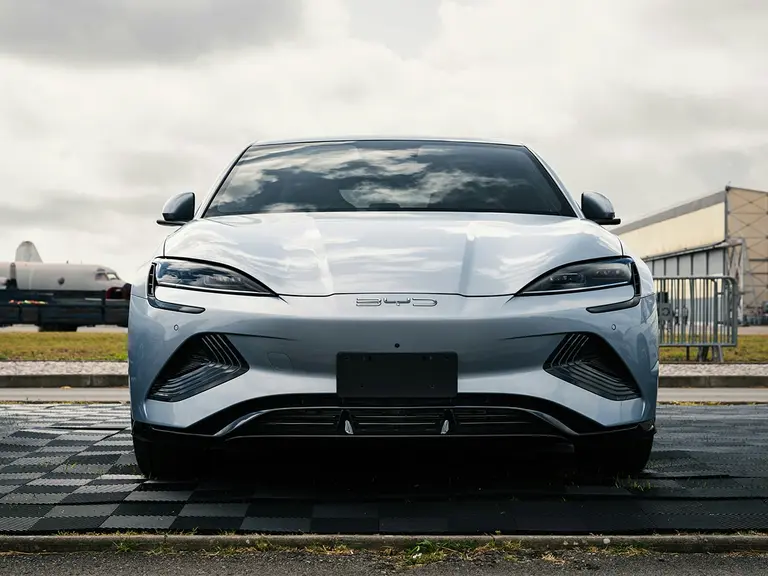
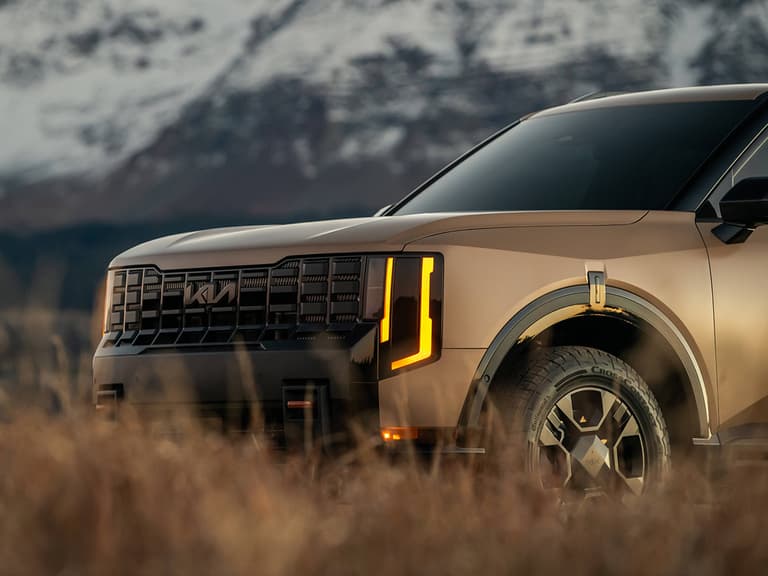
Meanwhile, top-selling Chinese brands such as BYD will earn millions in emissions credits. They would be joined by brands such as SAIC/MG (~377,000 units) and GWM (~405,000 units), which have entered the market with environmentally friendly hybrid, plug-in hybrid, and all-electric vehicles. Toyota, Tesla, and Kia will join them by offering polluting brands credits that cost less than the government’s $100-per-unit price ceiling. There’s a scenario in which the government sees zero revenue, and the regulation is merely a transfer of money (credits) between brands. If there isn’t a credit surplus, brands would simply pass costs on.
How the Penalties Work (The Rules)
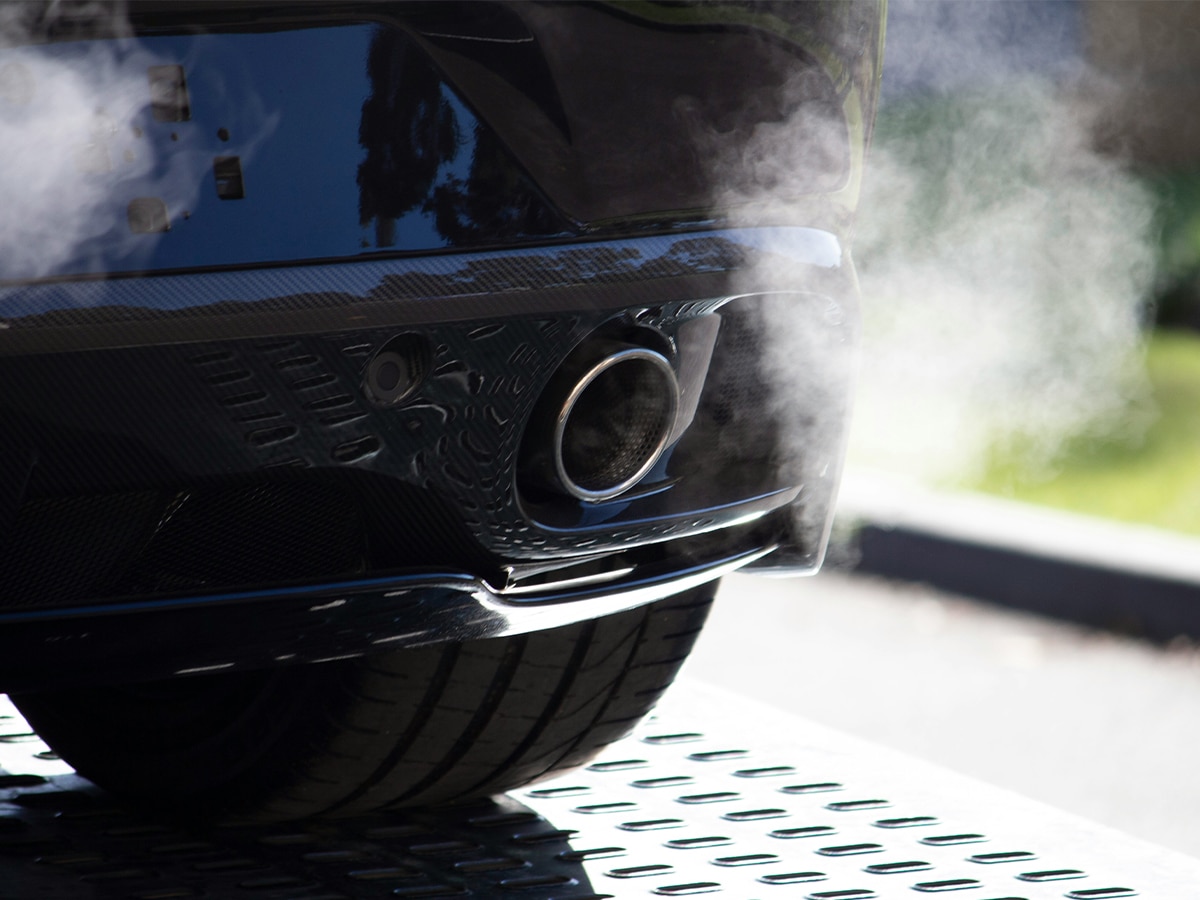
Every car manufacturer in the country must have a “final emissions value” of zero or less by the 1st of February during the calendar year.
The “final emissions value” is calculated by subtracting the IEV (Interim Emissions Value) from U (Units Extinguished). IEV is calculated by subtracting the actual emissions (E) from the emissions target (ET) for each vehicle sold, then summing the results, while U is the number of credits the manufacturer chooses to “use” to offset its pollution.
If a brand has a positive emissions value, it pays a maximum civil penalty of $100, or $50 if the regulator issues an infringement notice. That’s unless it purchases a surplus unit from another brand at a determined price.
| Year | Target for Passenger Cars (Type 1) | Target for Utes/Vans (Type 2) |
| 2025 | 141 g/km | 210 g/km |
| 2026 | 117 g/km | 180 g/km |
| 2027 | 92 g/km | 150 g/km |
| 2028 | 68 g/km | 122 g/km |
| 2029 | 58 g/km | 110 g/km |
The latest data set shows a net surplus of 15,942,972 units, or 14 times as many credits available as penalties owed. That means the value of a credit will be significantly less than the $100 ceiling imposed by the government. If the value of a credit is low, brands like BYD have little incentive to sell it to a rival like Mazda. That would force Mazda to pay the full $50 penalty to the government, which, in turn, would force it to pass these costs onto consumers. However, there’s a change coming as NVES regulations tighten significantly.
It’s likely that the current surplus of credits is a short-term anomaly. The NVES emissions cap tightens every year (see table), and the supply of credits will shrink, driving the price of credits up closer to the $100 penalty cap by the time the first year of penalties is imposed.
Cars like the Kia Sportage Hybrid (~110 g/km) and Toyota RAV4 Hybrid 2WD (~107 g/km) currently earn credits for their respective brands but would face harsh penalties by 2029. Very few cars sit under the 2029 threshold of 58 g/km. Even small city cars like the Toyota Yaris Hybrid (~76 g/km) and Suzuki Swift Hybrid (~85 g/km) would face significant penalties if the brands can’t balance their sales with EVs and PHEVs.
The “Dirty” List: Companies Facing the Biggest Fines
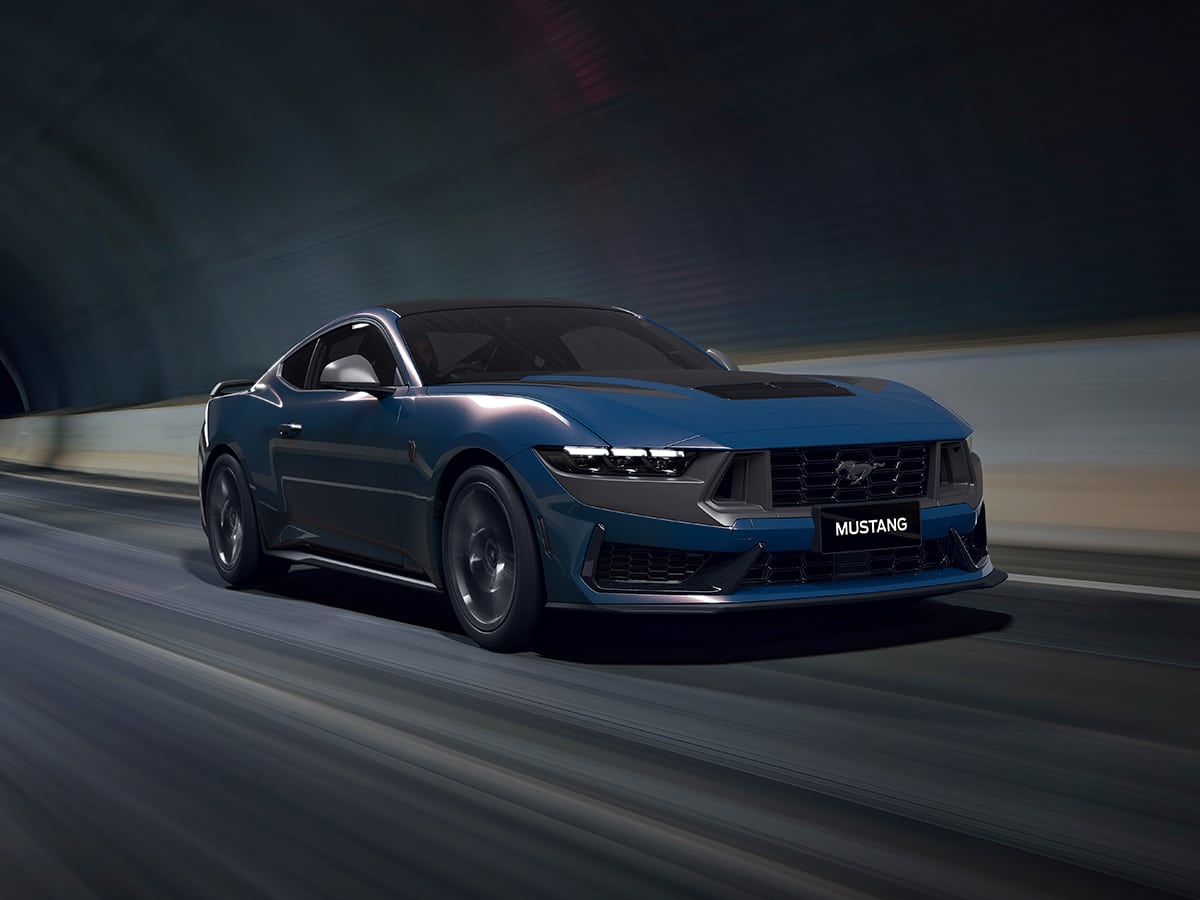
If penalties were imposed for the calendar year today, these are the brands that would face the biggest fines for their fleet emissions under NVES. Brands will have until December 31, 2027, to trade with another brand purchase credits or risk a penalty of at least $50 multiplied by their final emissions value issued in February 2028.
NOTE: We’re assuming penalties were issued at AUD$50 and that brands didn’t purchase credits from rivals at a lower value.
| Rank | Brand / Entity | Liability (Units) | Potential Fine ($AUD) |
| 1 | Mazda Motor Corporation | 508,517 | $25,425,850 |
| 2 | Nissan Motor Co. (Australia) | 215,261 | $10,763,050 |
| 3 | Subaru Corporation | 139,635 | $6,981,750 |
| 4 | Hyundai Motor Company | 84,563 | $4,228,150 |
| 5 | General Motors (GMSV) | 65,855 | $3,292,750 |
| 6 | Porsche | 33,448 | $1,672,400 |
| 7 | Mahindra Automotive Australia | 32,938 | $1,646,900 |
| 8 | Honda Motor Company | 26,069 | $1,303,450 |
| 9 | KG Mobility (SsangYong) | 22,344 | $1,117,200 |
| 10 | SAIC Maxus (LDV) | 21,129 | $1,056,450 |
The “Green” Goldmine: Companies Banking Credits
These are the brands that would generate the most credits for their fleet emissions under NVES.
NOTE: Value if transfers were at a market value of AUD$50, but it’s likely they land significantly lower due to a surplus of credits.
| Rank | Brand / Entity | Surplus Credits (Units) | Theoretical Value ($AUD) |
| 1 | BYD (Combined) | 6,282,824 | $314,141,200 |
| 2 | Toyota Motor Company | 2,890,625 | $144,531,250 |
| 3 | Tesla, Inc. | 2,212,093 | $110,604,650 |
| 4 | Kia Motors Corporation | 729,698 | $36,484,900 |
| 5 | Zhejiang Geely Automobile | 620,233 | $31,011,650 |
| 6 | Volkswagen AG | 510,249 | $25,512,450 |
| 7 | Chery Automobile | 438,633 | $21,931,650 |
| 8 | Ford Motor Company of Australia | 426,261 | $21,313,050 |
| 9 | Great Wall Motor (GWM) | 405,198 | $20,259,900 |
| 10 | Isuzu Motors Limited | 365,080 | $18,254,000 |
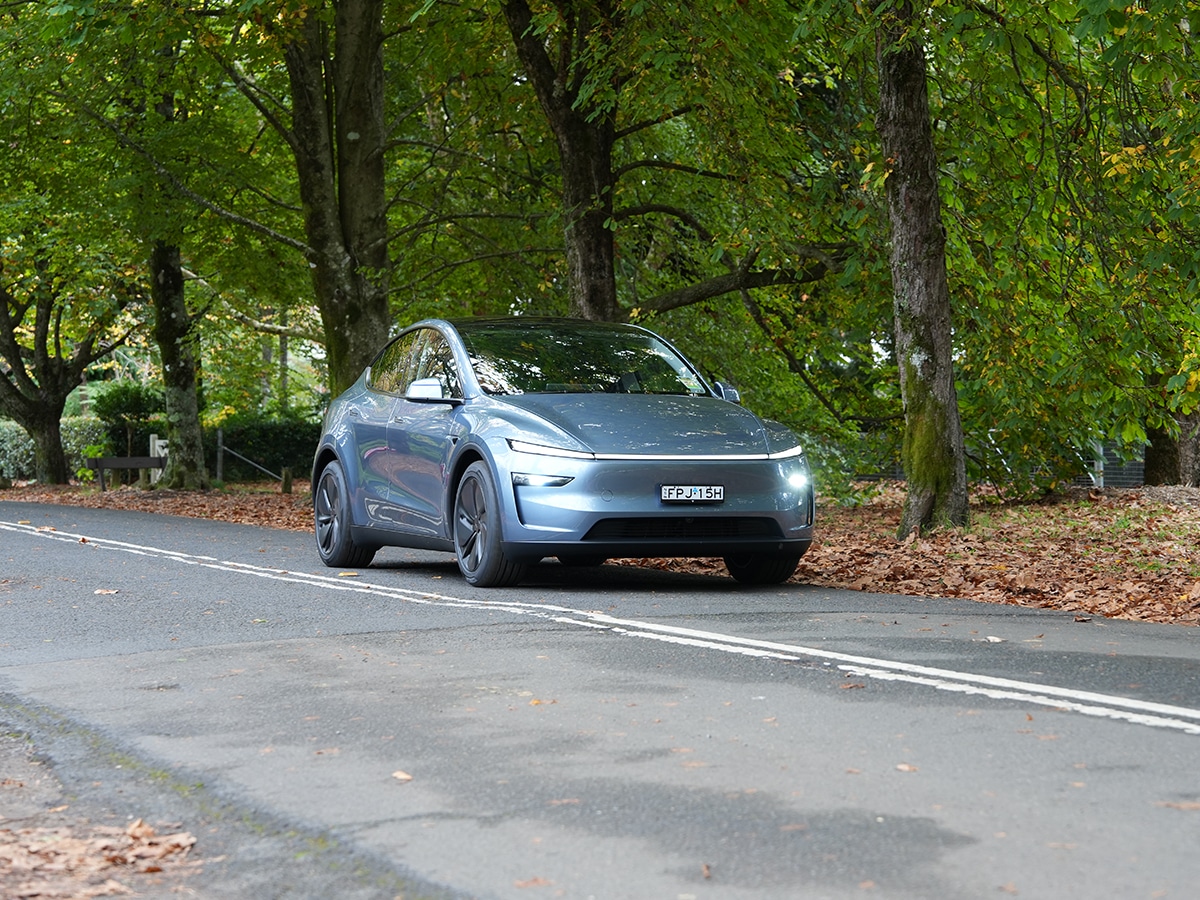
Why the Government Might Not See a Cent (Yet)
If every manufacturer meets their target (either by selling cleaner cars or buying credits), the total penalties payable to the Commonwealth will be $0.
The NVES creates a closed-loop economy in which hundreds of millions of dollars will change hands between car companies, without any of it needing to touch the government’s bank account. However, this will likely change in the future. While 2025 created a surplus of credits, with the actual trading price likely to be pennies on the dollar, making it far cheaper to pay a competitor than to pay the tax office, the aggressive reduction in emissions per the act will flatten the number of credits before 2029.
Liabilities for the 2025 calendar year are accruing right now, but the legislation sets the first “Final Reconciliation Day” for 1 February 2028. The brands have three years to fix their fleets, buy credits, and even bank “future” credits from 2026/2027 to pay off their 2025 debt before the government ever issues an invoice.
Given that manufacturers not based in China have already started rolling back their all-electric ambitions, the future of the Australian car market will likely see Chinese brands earning millions of dollars in carbon credits from the pockets of European, Japanese, Korean, and other leading car brands. If Chinese brands choose not to transfer these credits, the costs will be passed on to consumers, as brands are forced to pay hand over fist to the Commonwealth.


















Comments
We love hearing from you. or to leave a comment.