


Updated:
Readtime: 10 min
Every product is carefully selected by our editors and experts. If you buy from a link, we may earn a commission. Learn more. For more information on how we test products, click here.
The most popular car brand in Australia remains Toyota, securing 95,141 sales in the first half of 2026. However, its historic buffer has been completely eroded by the runner-up, BYD, which has mounted a serious threat and achieved 52,335 sales over the exact same six-month period. The shift follows a record-breaking June, in which the monthly Toyota-BYD sales gap narrowed to an unprecedented 243 vehicles, putting the Japanese manufacturer’s long-standing national dominance under immediate threat.
These brands headline a combined automotive market that recorded 631,583 new vehicle deliveries in the first half of 2026, according to the Federal Chamber of Automotive Industries (FCAI) and Electric Vehicle Council (EVC). This volume shows that while traditional segments are cooling, consumers have started to migrate to new BEV, PHEV, and cost-effective options from Chinese manufacturers.
With cost-of-living pressures and volatile fuel prices driving a permanent transformation in local buying habits, the automotive landscape has completely changed. Now that we are halfway through the year, let’s look at how the top-selling car brands in Australia stack up.
Most Popular Car Brands in Australia at a Glance
These are Australia’s most popular car brands halfway through the year, according to official VFACTS data from the FCAI.
| Brand | 2026 YTD Sales | 2025 YTD Sales | Variance YoY |
| 1. Toyota | 95,141 | 120,978 | -21.4% |
| 2. BYD | 52,335 | 23,355 | +124.1% |
| 3. Ford | 42,296 | 47,300 | -10.6% |
| 4. Kia | 41,846 | 40,750 | +2.7% |
| 5. Mazda | 40,502 | 48,942 | -17.2% |
| 6. Hyundai | 39,590 | 38,948 | +1.6% |
| 7. GWM | 30,359 | 25,189 | +20.5% |
| 8. Chery | 24,964 | 14,123 | +76.8% |
| 9. Mitsubishi | 24,802 | 33,379 | -25.7% |
| 10. Tesla | 23,588 |
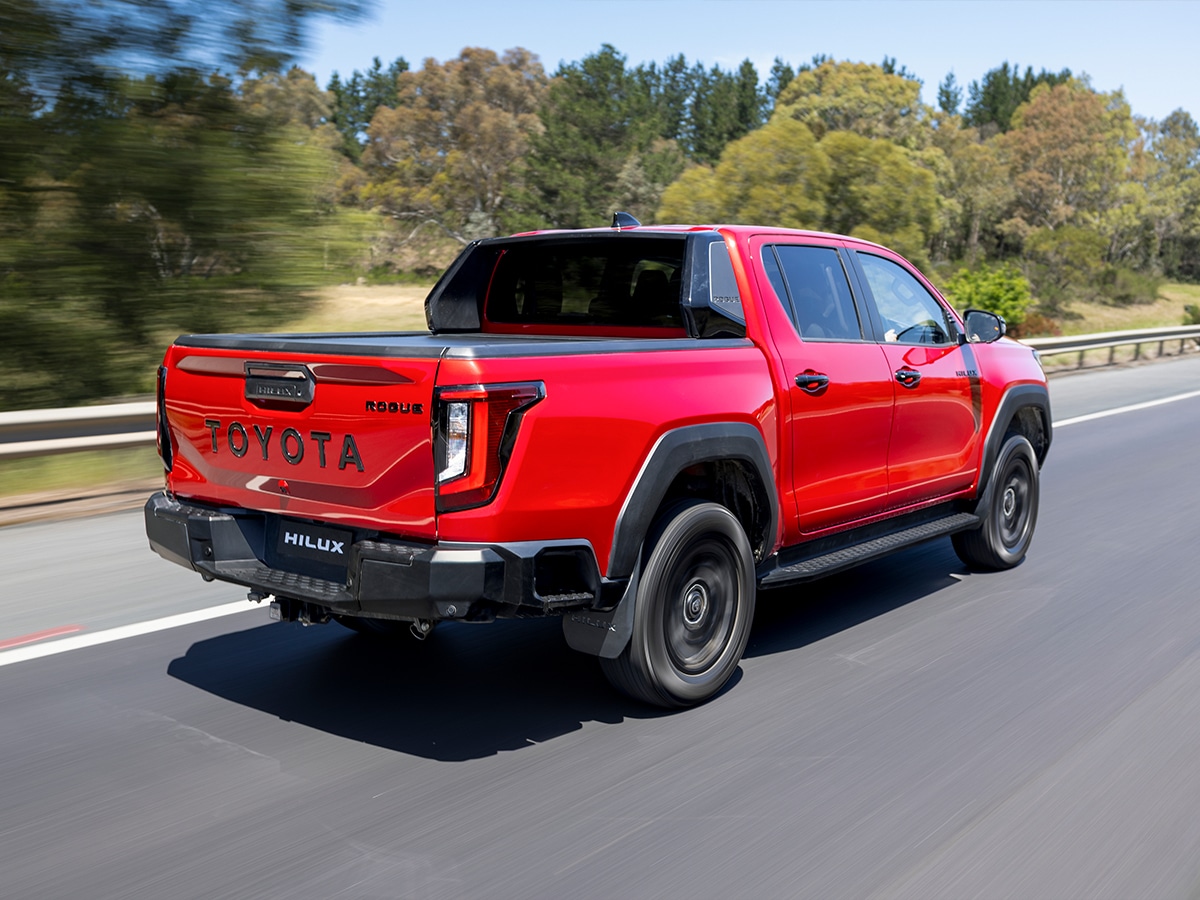
1. Toyota
Total number of sales in H1 2026: 95,141 (-21.4%)
Toyota is still the top car brand in Australia by volume, but the local icon is under immense strain, with year-to-date sales down 21.4 per cent. Supply corrections and intense market substitution mean that even the dominant (and new) RAV4 slowed significantly, recording 15,551 sales compared to 24,034 during the same period last year.
Bright spots in the portfolio include the hybrid-powered Camry, which jumped from 4,259 to 6,359 sales (+49.3 per cent), alongside steady gains for the LandCruiser Wagon (+26.3 per cent) and Corolla Cross (+9.2 per cent). However, it was a bruising six months for the Toyota HiLux flagships. Sales for both the HiLux 4×2 (-31.8 per cent) and HiLux 4×4 (-10.7 per cent) continue to drop, leaving the brand exposed in the cut-throat dual-cab segment as buyers look toward newer hybrid alternatives.
Most Popular Toyota Models in Australia
- Toyota HiLux 4X4: 19,862 (Toyota HiLux 4X2: 2,745)
- Toyota RAV4: 15,551
- Toyota Prado: 9,102
- Toyota Corolla: 7,314
- Toyota LandCruiser Wagon: 6,451
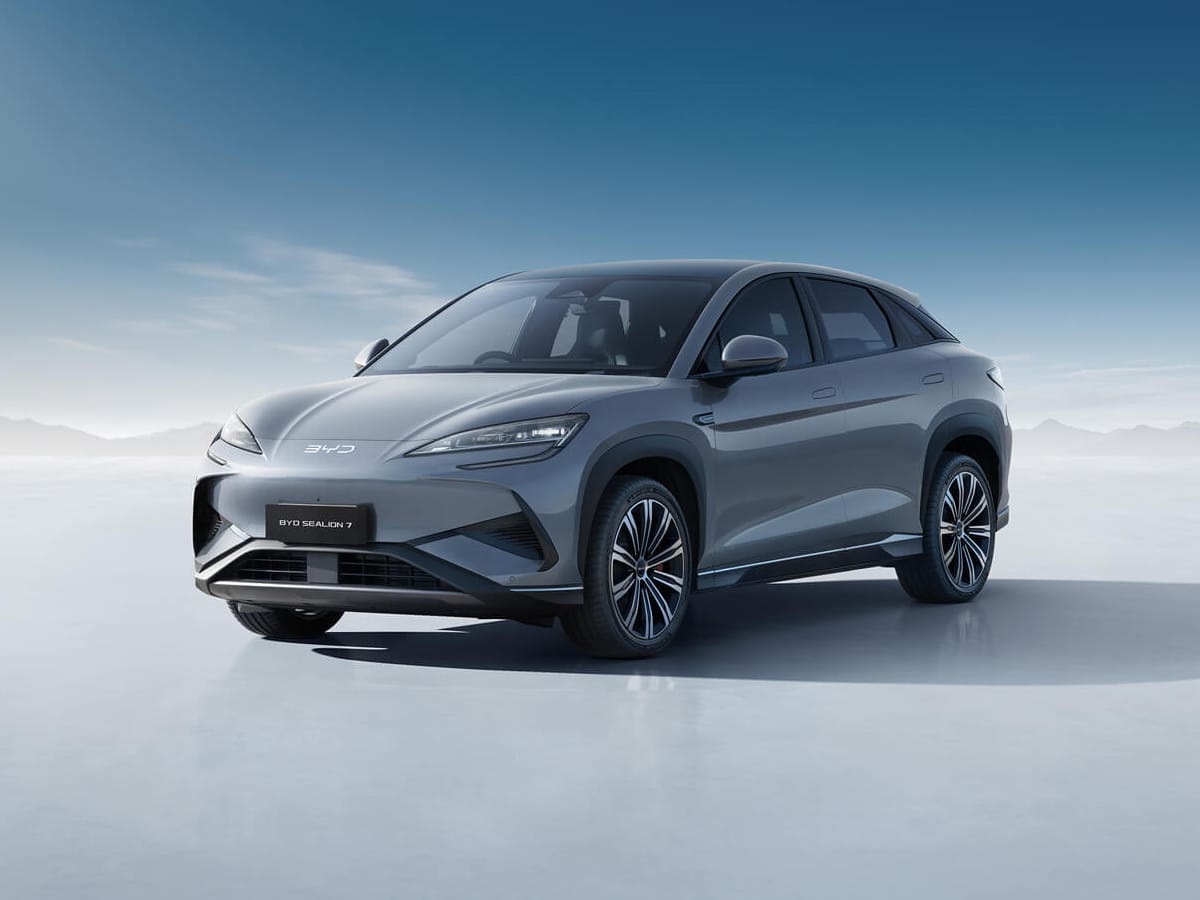
2. BYD
Total number of sales in H1 2026: 52,335 (+124.1%)
The manufacturing engine of BYD is accelerating at an extraordinary pace, locked in an active, direct duel with Toyota for outright market control. Having more than doubled its sales volume compared to the first half of last year, the brand secured a massive 8.6 per cent share of the national market.
It’s the mid-sized Sealion 7 SUV that has established itself as the brand’s ultimate volume weapon, with 12,516 units sold as a competitor to the Tesla Model Y. This multi-model product matrix is systematically dismantling traditional segment rules, propped up further by the new Shark 6 utility platform, which brought in 9,493 sales to mount serious structural pressure on legacy utes.
Most Popular BYD Models in Australia
- BYD Sealion 7: 12,516
- BYD Shark 6: 9,493
- BYD Atto 2: 5,401
- BYD Sealion 6: 5,312
- BYD Sealion 8: 5,380
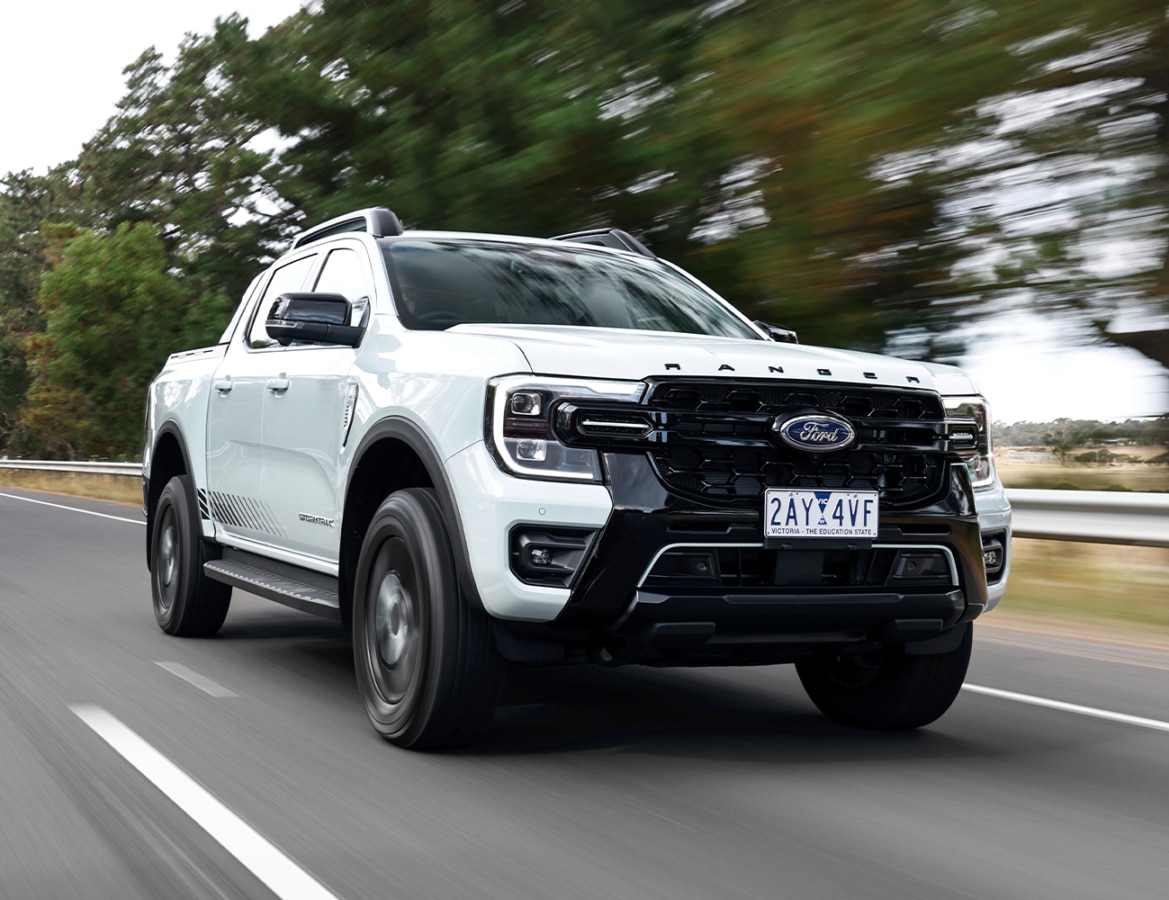
3. Ford
Total number of sales in H1 2026: 42,296 (-10.6%)
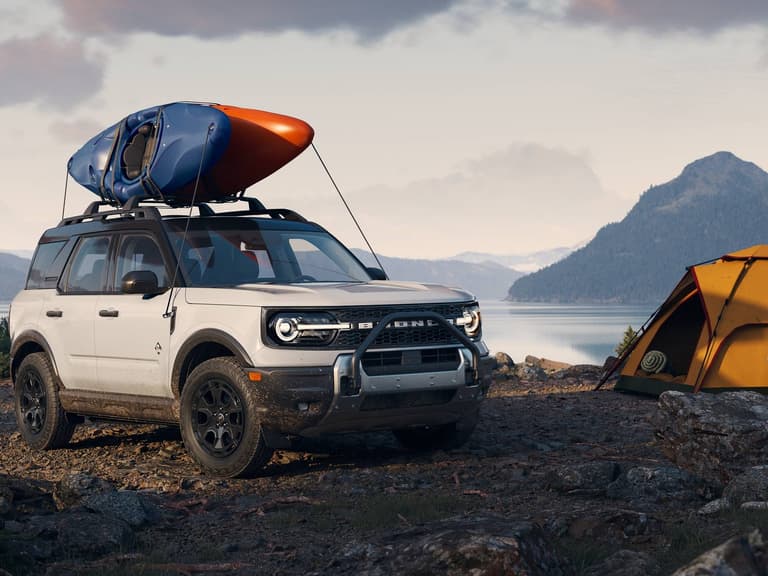
Ford has settled into the third position on the brand standings as overall brand volume pulled back by 10.6 per cent. Despite this broader corporate decline, the ultra-popular Ranger 4×4 continues to serve as an exceptionally resilient shield for the blue oval, logging 24,822 units to handily beat the Toyota HiLux 4×4 by nearly 5,000 units.
The platform-shared Ford Everest experienced a mid-year sales breather, contracting 9.4 per cent to 11,133 deliveries. This segment category is bound to stay highly competitive through the back half of the year as next-generation family haulers land in driveways. Meanwhile, the full-size Ford F-150 added a consistent 1,049 large truck sales to the commercial ledger, while its niche electric entry, the Mustang Mach-E, recorded a modest 147 units.
Most Popular Ford Models in Australia
- Ford Ranger 4X4: 24,822 (Ford Ranger 4X2: 1,492)
- Ford Everest: 11,133
- Ford Transit Custom: 1,307
- Ford F150: 1,049
- Ford Transit Heavy: 785
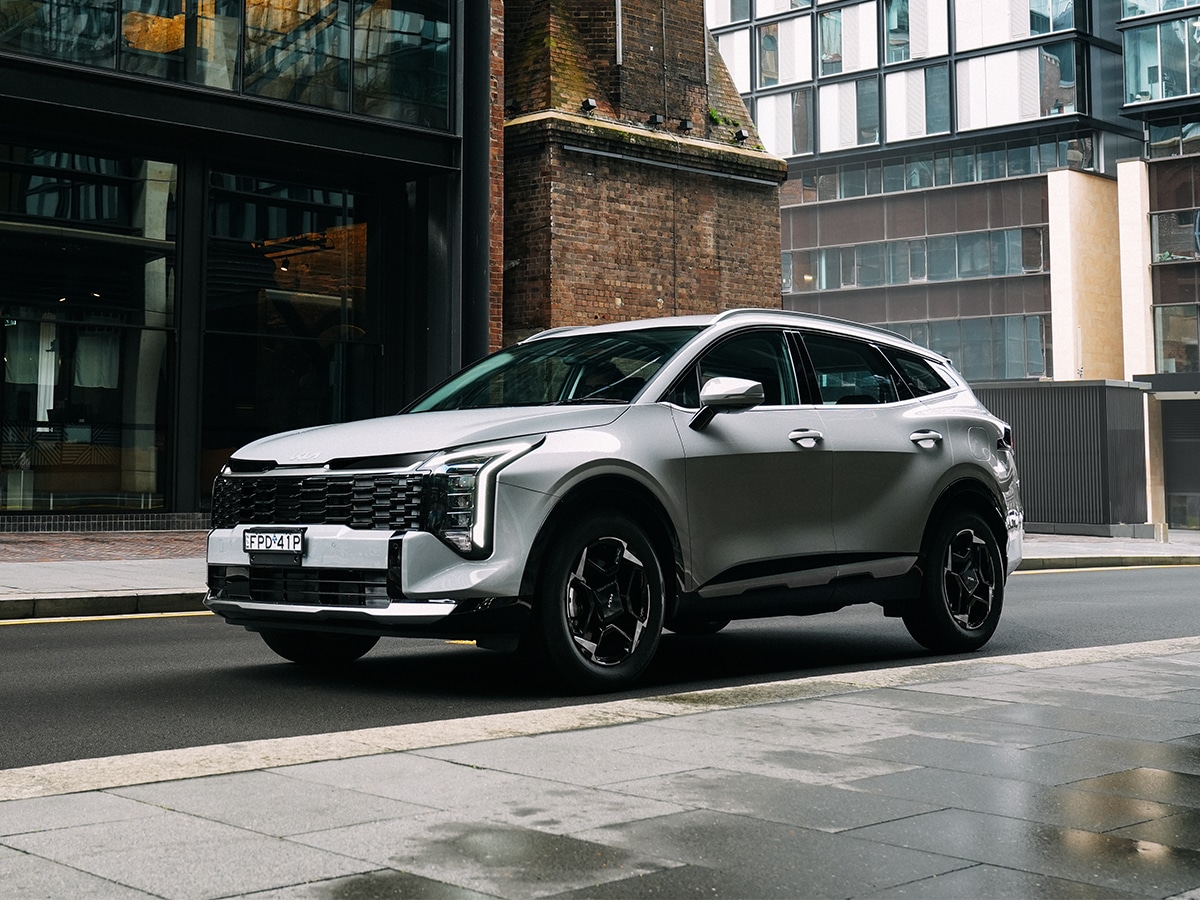
4. Kia
Total number of sales in H1 2026: 41,846 (+2.7%)
Kia continues to log steady gains in positive territory, tracking up to a 6.9 per cent share of the national automotive market. This consistent performance relies heavily on the mid-sized Sportage SUV platform, which captured a highly resilient 9,654 sales.
The primary structural story for the brand is the complete retirement of the legacy Cerato nameplate (0 sales), passing the passenger-vehicle baton to the fresh Kia K4, which has quickly locked down 4,467 mid-year sales. With the newly launched electrified EV3 (+130.5 per cent) and the highly anticipated Tasman commercial range now entering VFACTS brackets, Kia’s foundational numbers look incredibly secure.
Most Popular Kia Models in Australia
- Kia Sportage: 9,654
- Kia Carnival: 6,009
- Kia K4: 4,467
- Kia EV5: 2,951
- Kia Stonic: 2,800
5. Mazda
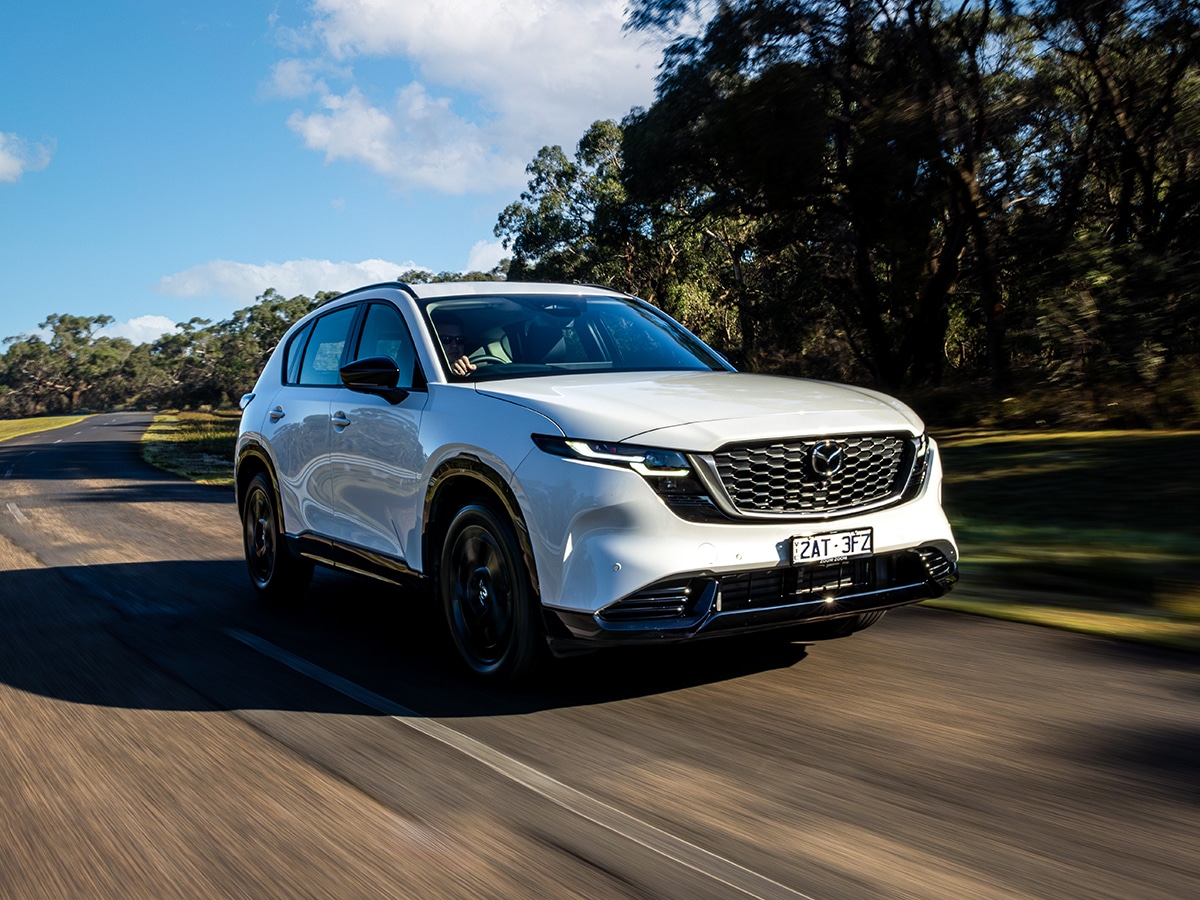
Total number of sales in H1 2026: 40,502 (-17.2%)
Mazda is in the midst of a deliberate transition upmarket, and while this strategic choice has shielded it from lower-tier price wars, it has resulted in a visible 17.2 per cent decline in total sales volume. Slower momentum is evident across its traditional volume drivers, with the core Mazda3 sliding to 4,080 sales and notable contractions in the BT-50 utility lines and the core CX-5 SUV platform (-12.1 per cent).
However, the margin-heavy premium model push is starting to display clear results on the balance sheet. The higher-tier CX-60 brought in 2,699 sales, while the newly introduced three-row CX-80 added a useful 1,457 units to the brand’s mid-year tally.
Most Popular Mazda Models in Australia
- Mazda CX-5: 10,542
- Mazda CX-3: 6,707
- Mazda BT-50 4X4: 4,642 (Mazda BT-50 4X2: 1,511)
- Mazda3: 4,080
- Mazda CX-60: 2,699
6. Hyundai
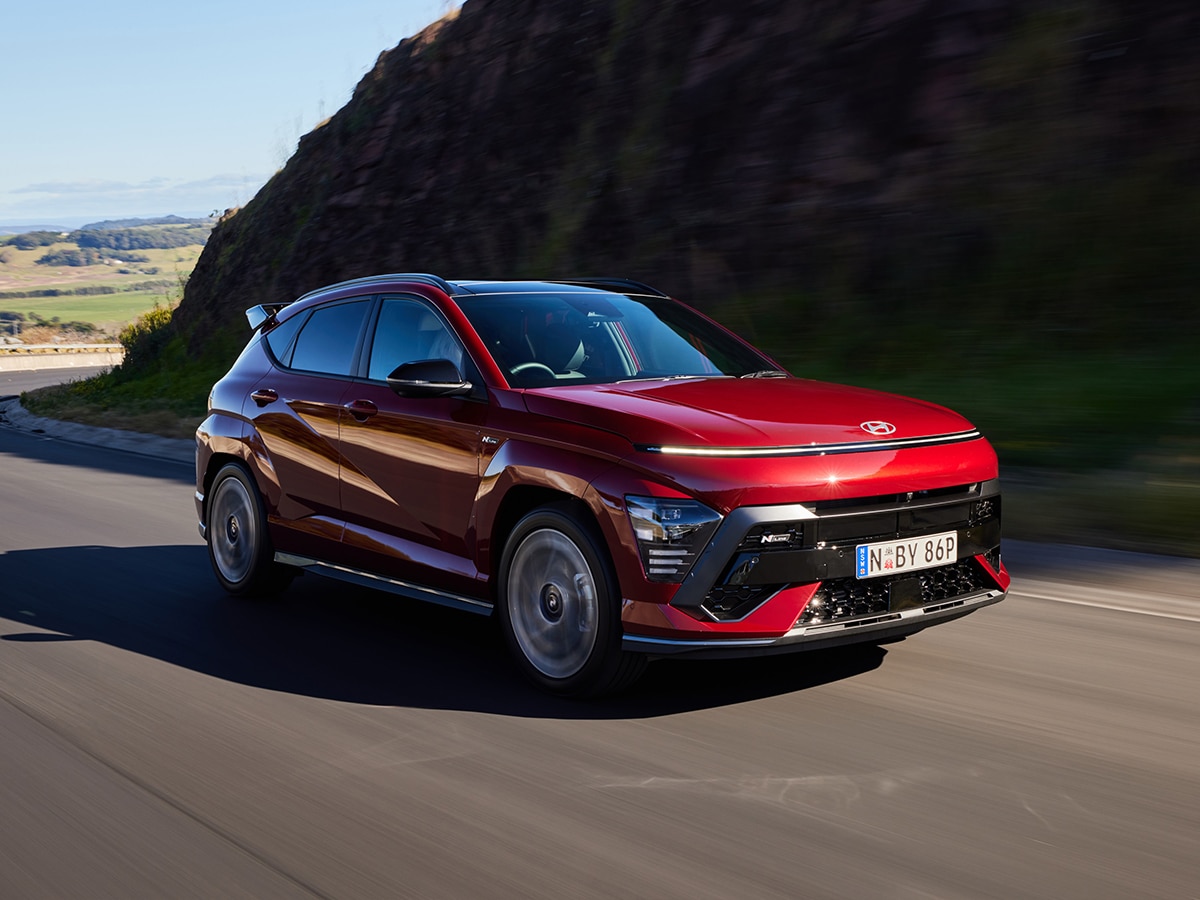
Total number of sales in H1 2026: 39,590 (+1.6%)
Like its closest competitors, Hyundai is navigating an upmarket portfolio transition, though it successfully defended its baseline through the first half of the year, securing a stable 1.6 per cent lift. The primary operation propping up their local volume is the small Kona SUV crossover, which put down a massive 13,132 units to easily eclipse the mid-sized Tucson platform.
The real pinch point remains the legendary i30 small-car range, which continued its sharp contraction, down to just 3,670 YTD units. This drop highlights a permanent consumer migration away from value-tier hatchbacks in favour of high-riding options like the updated Venue crossover.
Most Popular Hyundai Models in Australia
- Hyundai Kona: 13,132
- Hyundai Tucson: 11,236
- Hyundai i30: 3,670
- Hyundai Santa Fe: 3,089
- Hyundai Venue: 3,010
7. GWM
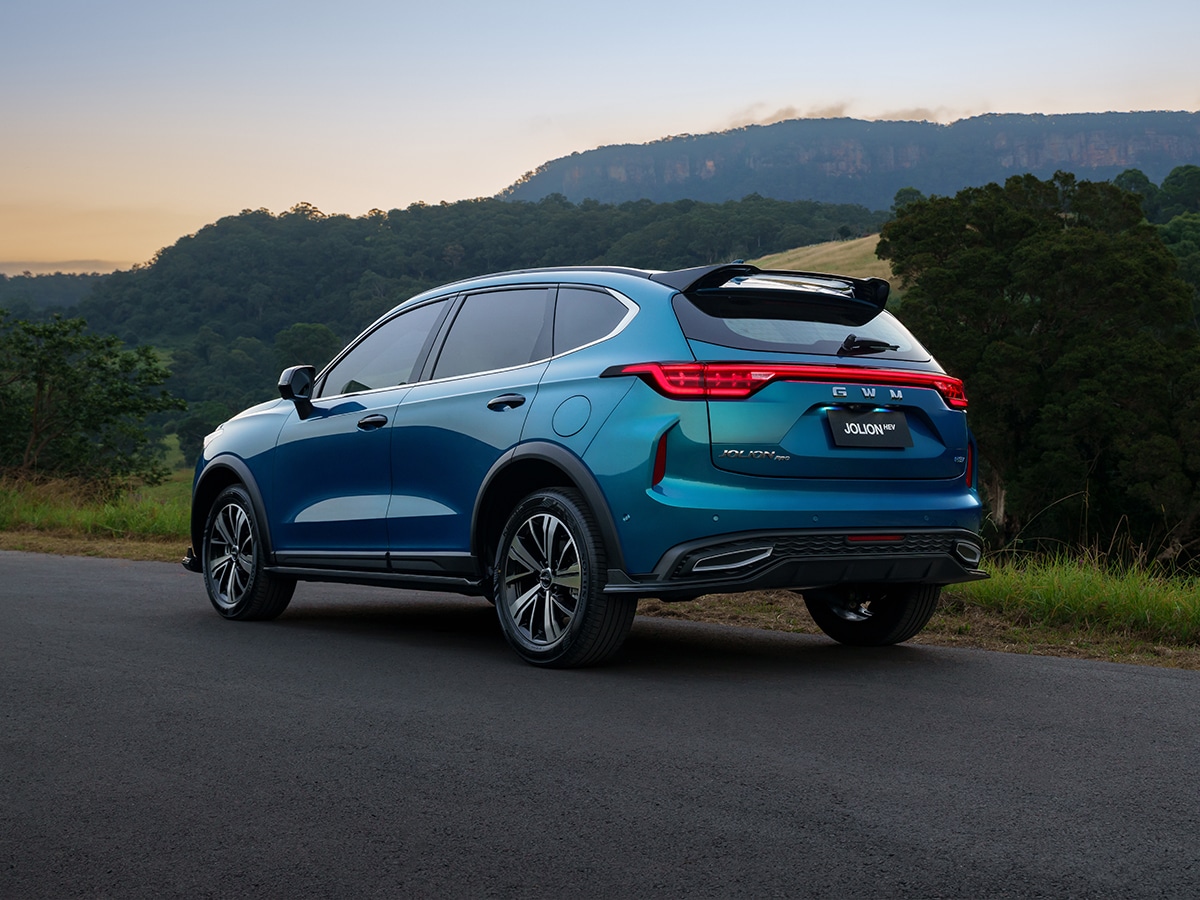
Total number of sales in H1 2026: 30,359 (+20.5%)
Great Wall Motors continues its aggressive march up the national standings, posting an impressive 20.5 per cent jump in sales volume. The sharply priced Haval Jolion remains the ultimate volume weapon for the Chinese importer, securing 11,480 units to finish as a leading choice in the small SUV category.
Concurrently, the rugged, off-road-biased Tank 300 continues its consistent upward trend, contributing 2,759 individual sales. GWM will remain on a close watch as a number of rival brands enter the local market over the next 12 months.
Most Popular GWM Models in Australia
- GWM Haval Jolion: 11,480
- GWM Haval H6: 7,730
- GWM Cannon/Cannon Alpha 4X4: 5,724
- GWM Tank 300: 2,759
- GWM Ora: 751
8. Chery
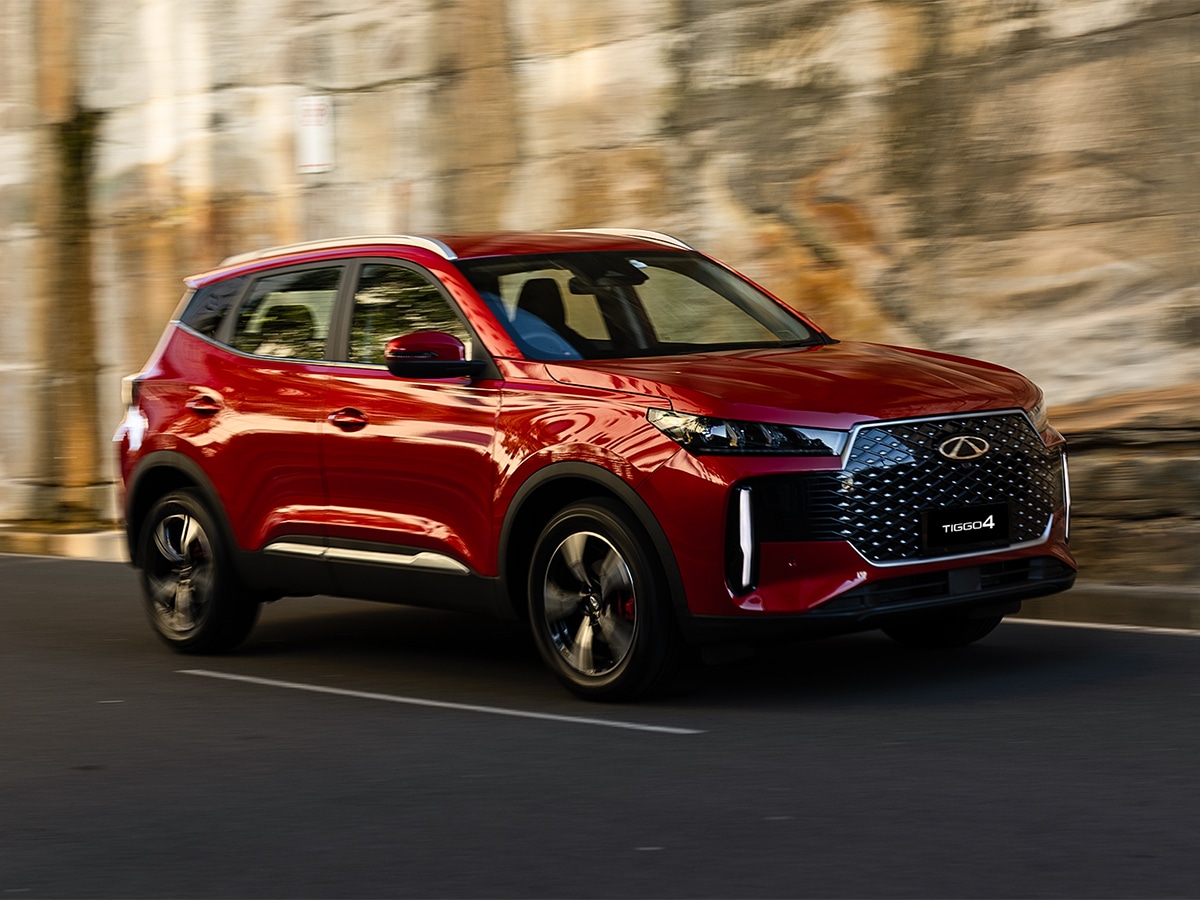
Total number of sales in H1 2026: 24,964 (+76.8%)
Chery has established itself as the fastest-climbing entry into Australia’s top ten car brands, jumping a phenomenal 76.8 per cent over last year’s mid-year markers. The primary catalyst for this retail push is the highly competitive Tiggo 4 Pro SUV, which recorded a staggering 13,638 sales, spearheading the brand’s rapid growth.
By building out a comprehensive product portfolio that ranges from light commuter vehicles to large family models like the Tiggo 8 Pro (+63.1 per cent) and the newly introduced Tiggo 9 platform, Chery has transitioned into a major threat to legacy badges.
Most Popular Chery Models in Australia
- Chery Tiggo 4 Pro: 13,638
- Chery Tiggo 7 Pro: 5,589
- Chery C5/Omoda 5: 2,532
- Chery Tiggo 8 Pro: 2,261
- Chery Tiggo 9: 944
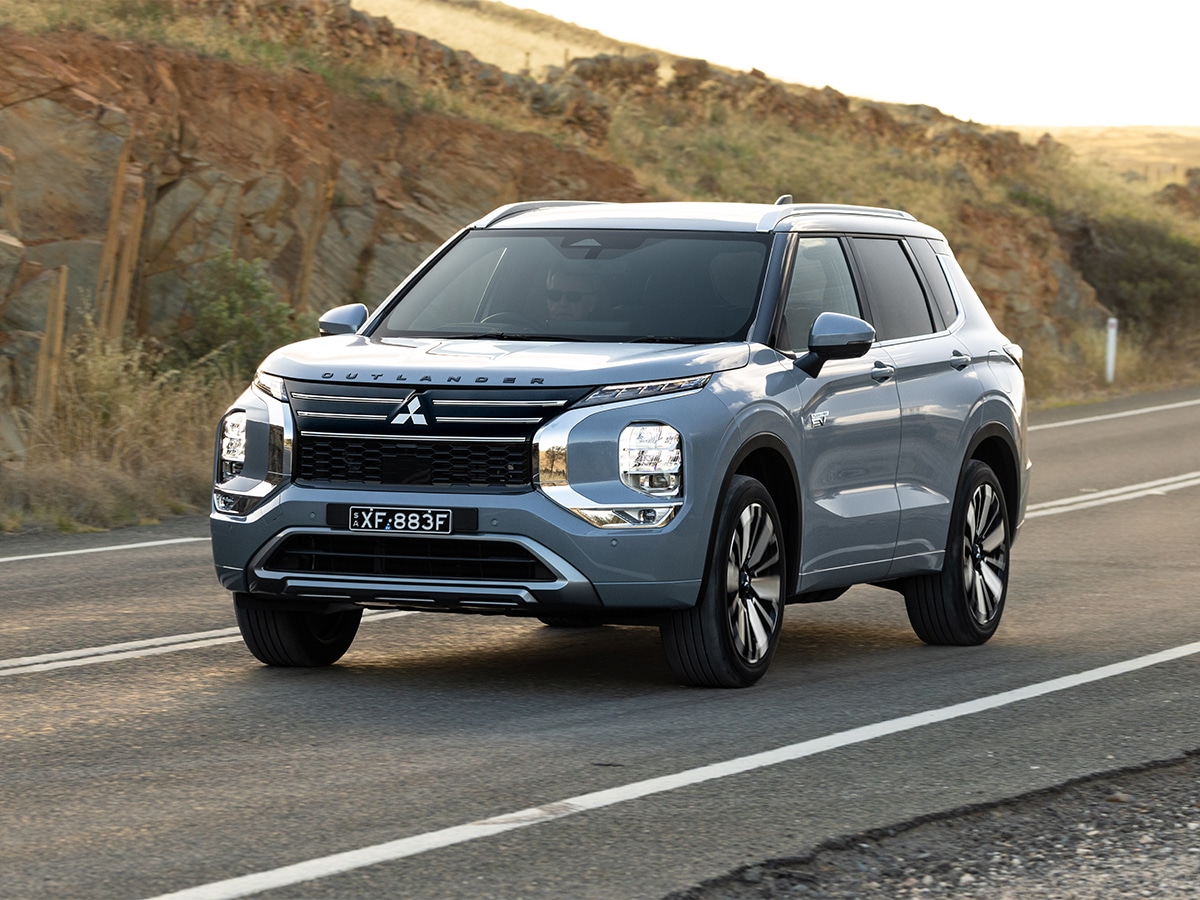
9. Mitsubishi
Total number of sales in H1 2026: 24,802 (-25.7%)
It has been an incredibly challenging six months for Mitsubishi, which saw its national sales volume tumble by more than a quarter. The core source of this decline is the compact ASX platform, which collapsed from historic highs down to a modest 910 units (-86.3 per cent) as cheap new competitors arrived on our shores at highly aggressive price points.
The brand’s foundational weight now rests entirely on the Outlander medium SUV, which posted a highly consistent 10,907 sales to remain a dominant force in its class. Concurrently, the Triton 4×4 commercial utility vehicle defended its patch in the heavy dual-cab race, with 8,769 units sold.
Most Popular Mitsubishi Models in Australia
- Mitsubishi Outlander: 10,907
- Mitsubishi Triton 4X4: 8,769 (Mitsubishi Triton 4X2: 1,582)
- Mitsubishi Pajero Sport: 2,269
- Mitsubishi Triton 4X2: 1,582
- Mitsubishi ASX: 910
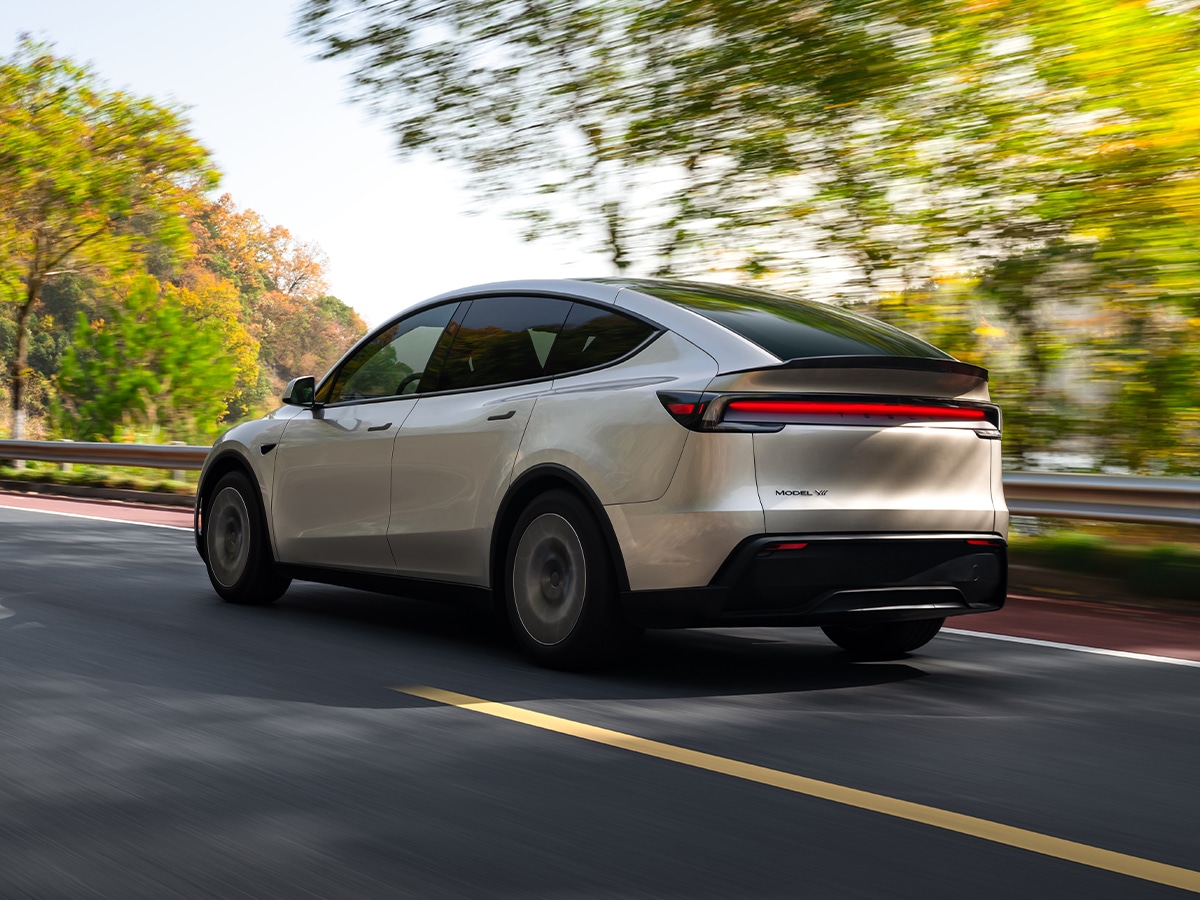
10. Tesla
Total number of sales in H1 2026: 23,588
Tesla officially clinches the 10th spot on the absolute national standings. Driven by a massive mid-year delivery allocation phase, the brand secured a solid foundation at the top end of the tier.
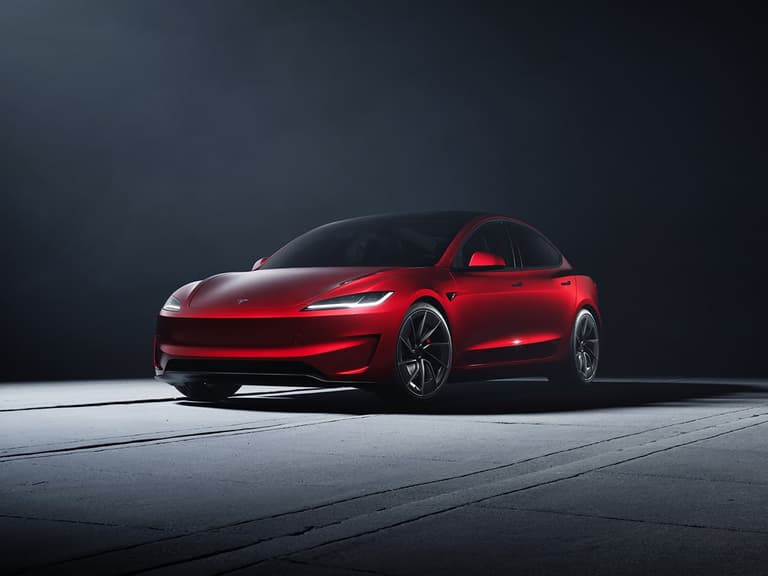
The single-model weight of their operations relies completely on the Model Y family. Accumulating 20,396 total combined deliveries across its Rear-Wheel Drive, Long Range, and Performance specs, the electric crossover has officially become the third most popular vehicle platform in the entire country, eclipsing the Toyota RAV4.
Most Popular Tesla Models in Australia
- Tesla Model Y Long Range AWD: 9,906
- Tesla Model Y Rear-Wheel Drive: 9,832
- Tesla Model 3 Rear-Wheel Drive: 2,664
- Tesla Model Y Performance: 658
- Tesla Model 3 Performance: 506
Brands That Fell Outside the Top 10
The mid-year data confirmed a changing of the guard, forcing two historic badges to slide down the general rankings while an electric giant made a historic push.
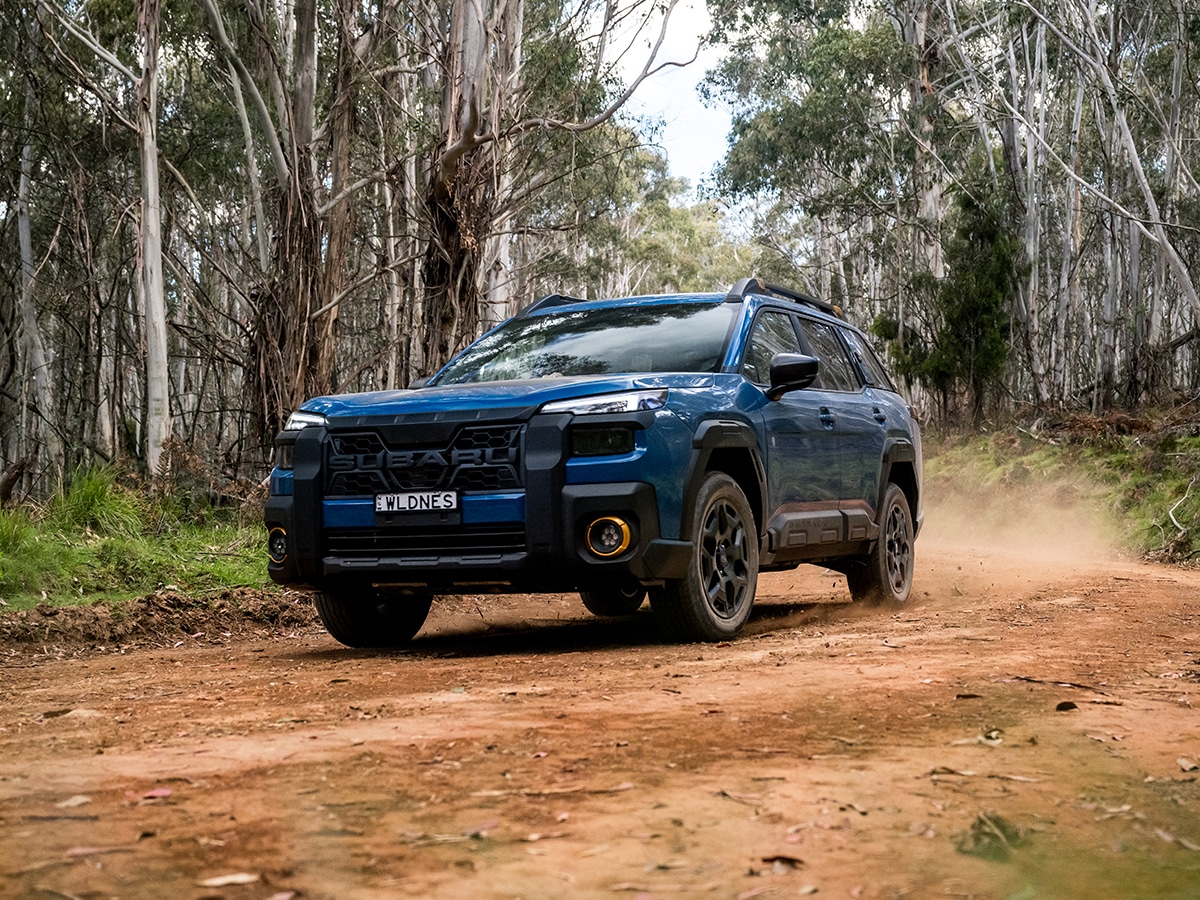
Subaru
Total number of sales in H1 2026: 14,817 (-25.6%)
Subaru had a tough six months, with total deliveries dropping by 25.6 per cent. The iconic Forester medium SUV propped up local operations with 5,724 sales , but structural pullbacks on the core Outback sport wagon (-52.2 per cent) and the performance WRX range (-39.5 per cent) kept the brand firmly on the defensive.
- Subaru Forester: 5,724
- Subaru Crosstrek: 4,299
- Subaru Outback: 2,436
- Subaru WRX: 779
- Subaru Impreza: 430
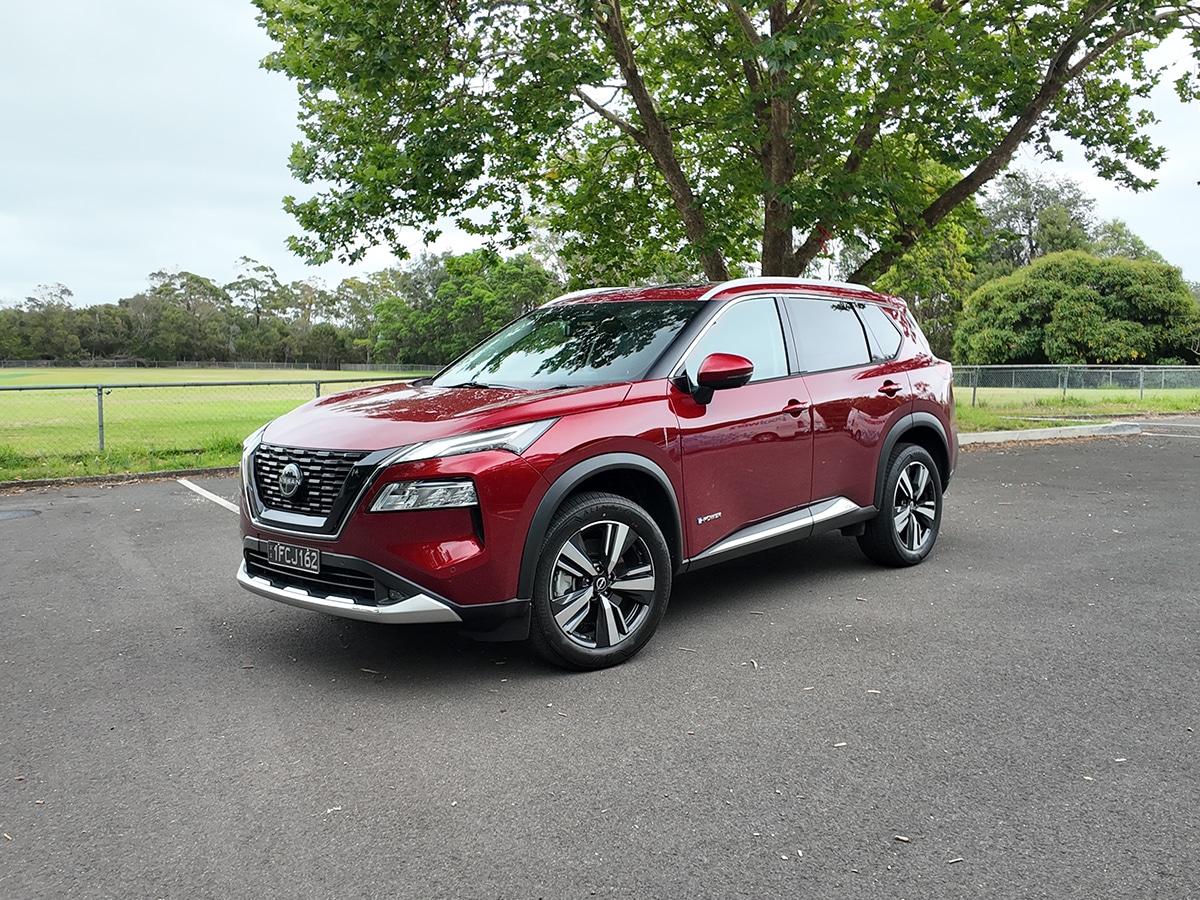
Nissan
Total number of sales in H1 2026: 13,854 (-32.8%)
Nissan experienced a severe mid-year correction, sliding a painful 32.8 per cent to fall out of the nation’s top ten automotive brands. Its primary volume anchor remains the X-Trail SUV with 7,432 sales, but sharp volume declines across the smaller Qashqai (-74.9 per cent) and Juke crossover lines (-93.2 per cent) have severely impacted their overall brand position.
- Nissan X-Trail: 7,432
- Nissan Patrol Wagon: 2,843
- Nissan Navara 4X4: 2,256
- Nissan Qashqai: 736
- Nissan Juke: 120
MG
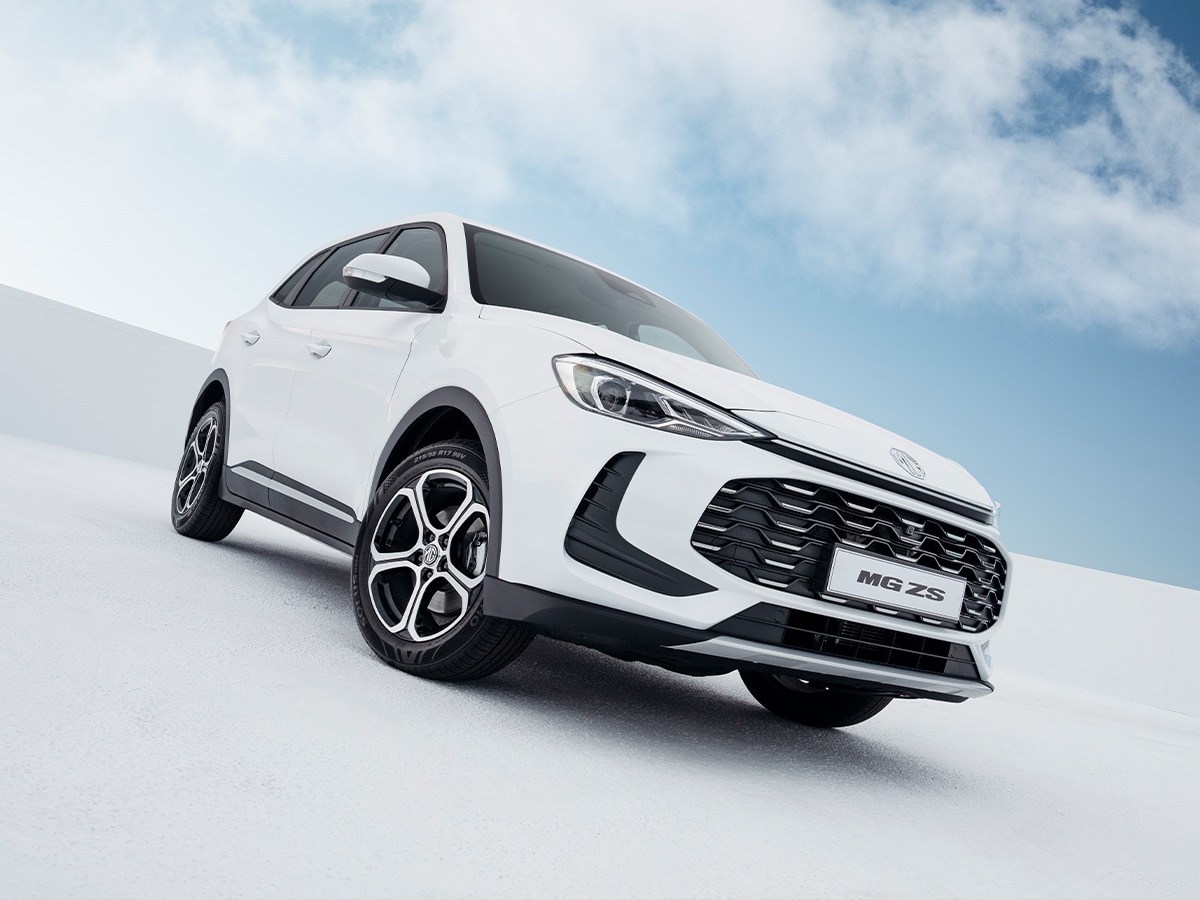
Total number of sales in H1 2026: 23,146 (+6.8%)
Despite logging a stable 6.8 per cent lift in mid-year volume, the rapid acceleration of alternative options has pushed MG down to the 11th spot nationally. The brand’s local operations continue to be anchored by the affordable ZS small SUV platform, which recorded 8,984 deliveries.
- MG ZS: 8,984
- MG MG3: 3,917
- MG HS: 2,185
- MG MG4: 1,828
- MG MG4 Urban: 1,424




















Comments
We love hearing from you. or to leave a comment.