
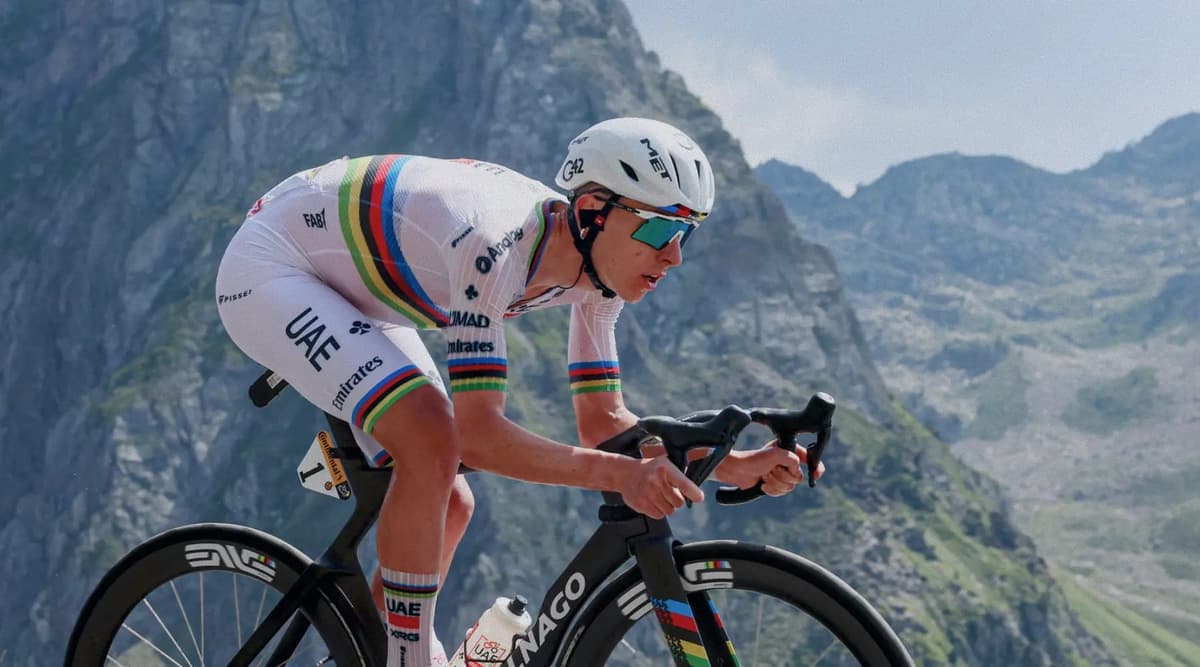
WHOOP Data Reveals the Science Behind Tadej Pogačar’s Tour de France Dominance

Updated:
Readtime: 6 min
Every product is carefully selected by our editors and experts. If you buy from a link, we may earn a commission. Learn more. For more information on how we test products, click here.
Tadej Pogačar rolled into Paris on 26 July 2026 with a record-equalling fifth Tour de France, six minutes and 26 seconds clear of Remco Evenepoel, with five stage wins along the way. Now WHOOP has opened the books on how he did it, analysing a full season of data from the champion and six of his UAE Team Emirates XRG teammates.
The numbers cover roughly 1,400 rider-nights between 1 January and 20 July 2026, with the squad wearing WHOOP almost every night of the year. That gave the team a near-continuous window into how Pogačar trained, tapered and raced, and it surfaced the findings that explain why nobody could touch him in July.
WHOOP compared him three ways: against age-matched everyday members, against his own elite teammates, and across the season from build-up to taper to the race itself. The platform has momentum well beyond the peloton too, as we covered when WHOOP Peak membership landed as a Robinhood Platinum perk.
Superhuman On Paper, Ordinary Among the Elite
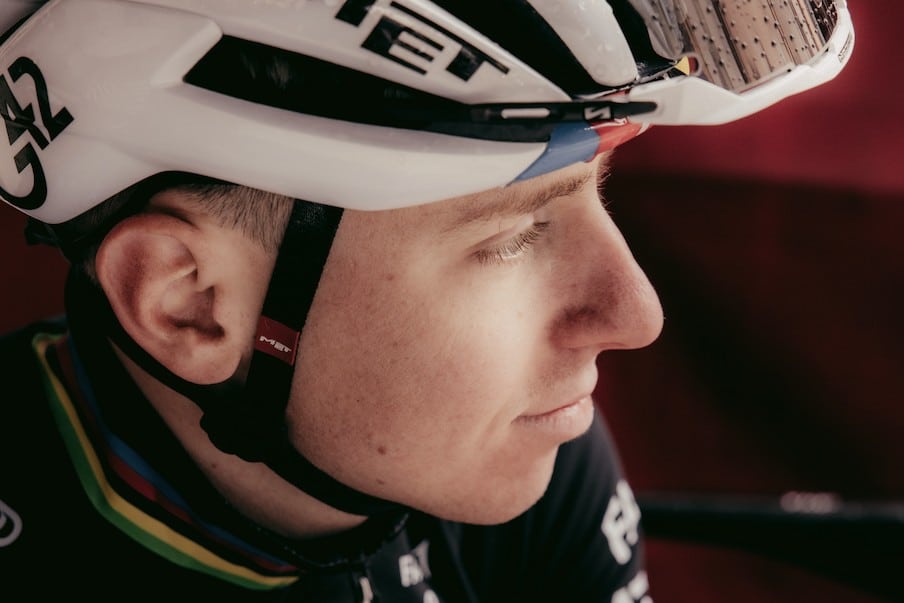
Against everyday WHOOP members of his age, Pogačar reads like a different species. His engine runs deeper, his sleep is longer and more regular, and his WHOOP Age lands roughly 12 years under his real age, driven mainly by an elite VO2 Max.
- Resting heart rate: 42bpm against the 59bpm age-matched member average
- HRV: 100ms against 66ms
- Sleep: 26 minutes more per night, with sleep consistency 19 points higher
- WHOOP Age: around 12 years younger than his actual age
The twist arrives when you place those numbers next to his UAE Team Emirates XRG teammates. Among riders at that level the raw physiology largely converges, so a big engine alone does not explain the dominance. That pointed the WHOOP analysts at two things that do: how he peaks, and how steady he stays.
The Rebound That Decided The Tour
The whole squad followed the same plan. An overload block, then the Tour de Suisse about two weeks out, which Pogačar won, then a taper. That effort dragged him to his lowest ebb of the season, an HRV of 88ms and a recovery score of 43 per cent. Then came the rebound. By the start line he was posting the best physiology of his entire year: an HRV of 121ms, a resting heart rate of 38.2bpm and 78 per cent recovery.
The size of that bounce is the headline finding in the WHOOP data. His recovery rebounded 79 per cent, nearly double the next-best teammate on 44 per cent, off an identical program. Same work, superior adaptation, and the physiological reason his 2026 form looked untouchable.
UAE Team Emirates XRG head of performance Dr Jeroen Swart calls the quality durability, “the ability to produce a really high power output similar to when you’re fresh, late in a race,” and credits Pogačar with a supernatural capacity to bounce back. The team is deliberate about protecting it. “If you go in at 101%, you’re gonna do way worse than if you go in at 95%,” Swart says of arriving at the Tour with something in reserve.
Sleep, Stability And The Cost Of A Stage Win
During the race Pogačar doubled down on sleep, banking 8.1 hours a night against 6.9 through the taper, and his WHOOP readings stayed remarkably steady while his rivals swung. Day-to-day HRV variability is the single metric that consistently separates him from his teammates, 13.4 per cent against a team average of 19.4. While others yo-yo through a three-week race, he stays metronomic.
The stage data shows what that stability buys. Everyone rides the same course, but on the stages he won, Pogačar logged around 89 minutes above threshold, roughly 2.6 times the 34 minutes of teammates on the same roads. After his hard Stage 14 win he was woken early and slept only about four hours, yet still woke at 62 per cent recovery with his HRV above baseline. A brutal win plus a broken night barely registered.
- Average strain: 19.9 across the Tour, with six stages at 20.5 or higher
- Max heart rate: 198bpm, logged on Stage 10
- Average sleep performance: 88 per cent for the race
- Average recovery: 57 per cent, with a single red day to 25 July
- Rest days: still a ride, at 11.6 and 10.2 strain
What WHOOP Tracks For The Rest Of Us
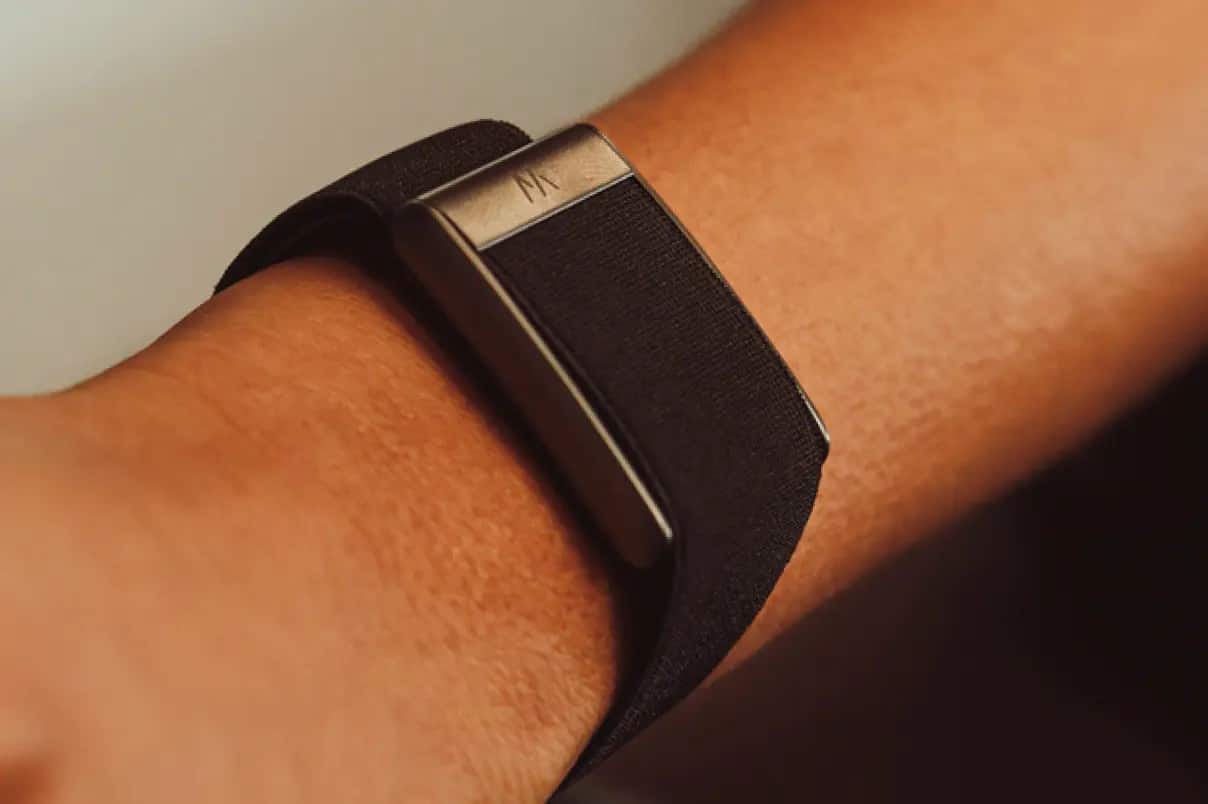
You do not need a WorldTour contract to read yourself the same way. A WHOOP membership pairs the screen-free WHOOP 5.0 with 24/7 heart rate, sleep, strain and recovery tracking, the same HRV and resting heart rate trends the UAE squad watches, plus personalised coaching. Tiers run from WHOOP One up to WHOOP Life, which adds blood pressure insights, ECG readings and on-demand AFib detection, and the platform is available in the UK. The band even made our recent staff favourites round-up.
If the Pogačar numbers made you curious where your own baseline sits, a few weeks on WHOOP is enough for the data to start talking.
Tadej Pogačar WHOOP Data FAQs
A full season, roughly 1,400 rider-nights from Pogačar and six UAE Team Emirates XRG teammates between 1 January and 20 July 2026, covering the build-up, the taper and the Tour itself.
An HRV of 121ms, a resting heart rate of 38.2bpm and a recovery score of 78 per cent, the best physiology of his entire season.
Around 8.1 hours per night, more than an hour above his taper average of 6.9 hours, with an average sleep performance of 88 per cent.
Stability. His day-to-day HRV variability during the Tour sat at 13.4 per cent against a teammate average of 19.4 per cent, the one number that consistently sets him apart.
Yes. Every WHOOP membership tracks sleep, strain, recovery, HRV and resting heart rate around the clock, and WHOOP is available in the UK.
Riders of this calibre rarely open their data, and a season this dominant may not come around again for a while. See how your own engine compares and start with WHOOP.


























Comments
We love hearing from you. or to leave a comment.