Every product is carefully selected by our editors and experts. If you buy from a link, we may earn a commission. Learn more. For more information on how we test products, click here.
Bose Quiet Comfort 2nd Gen updates iconic noise-cancelling headphones.
Priced at AUD$549.95, sitting well below $1,000 flagship rivals.
Features Bose TrueSpatial audio with Still, Motion, and Cinema modes.
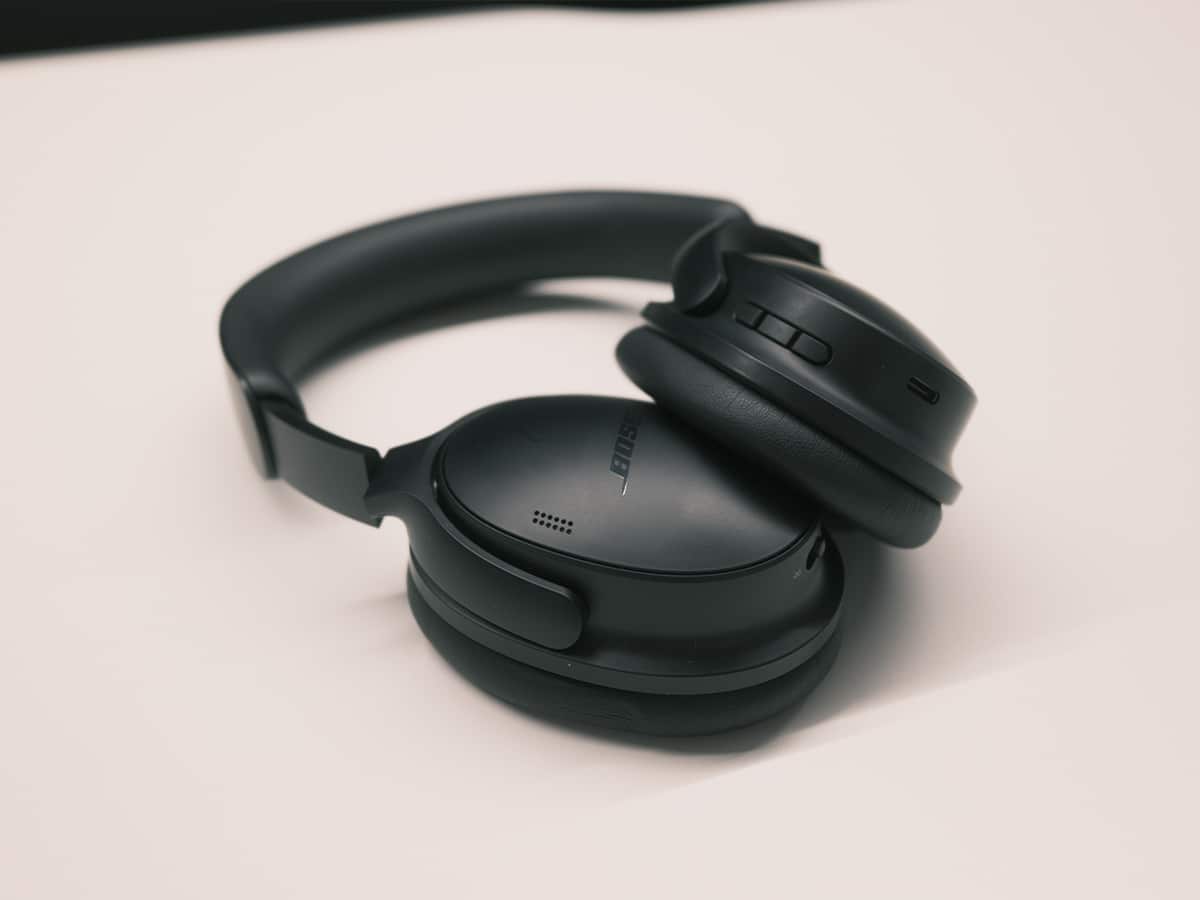
Plastic build features thin earcup padding and sharp hinge edges.
How I Tested the Bose QuietComfort Headphones (2nd Gen): I spent the last week testing the new Bose QuietComfort 2nd Gen across my daily Sydney train commutes, focused office sessions, and desk-bound listening over USB-C lossless audio to see if the AUD$549.95 price tag delivers true value. They have been my primary daily wear, and I tested them directly alongside rival flagships from Apple, Sennheisser, and more to see how they stack up.
The 60-Second Verdict
The main takeaway from my time with the Bose QuietComfort Headphones (2nd Gen) is that while they come in at roughly half the price of AUD$999 flagships like the Apple AirPods Max 2, they ultimately feel like half the headphone. They offer dependable noise cancellation with the updated QuietControl system and solid battery life, but the physical construction leaves a lot to be desired. The plastic-heavy chassis feels inexpensive in hand, the edges around the headband hinges are sharp and pinchy, and the earcup cushions offer surprisingly little padding.
Sound quality is acceptable for casual listening, but the low end relies heavily on digital processing to compensate for smaller physical drivers. If you want proven Bose noise cancellation under $600, they get the job done, but material and sound quality pitfalls mean the similarly-priced Sony WH-1000XM6 are still the headphones you should buy.
Pros
Accessible Price Point: At AUD$549.95, they sit significantly below $1,000 flagship models.
Dependable ANC: Updated QuietControl handles seal gaps around glasses and hair effectively.
Wired Lossless Support: Delivers 24-bit/48kHz lossless audio via a direct USB-C connection.
Reliable Battery Life: Up to 24 hours of playback with pass-through USB charging.
Cons
Cheap Build Quality: Plastic chassis with sharp hinge edges and thin earcup cushioning.
DSP-Heavy Bass: Low-end response feels software-boosted to compensate for driver size.
Basic Immersive Modes: Bose TrueSpatial works for casual listening, but offers little novelty to experienced users.
Scorecard for the Bose QuietComfort (2nd Gen)
Category
Score
Design
2.5/5
Audio Quality
3.5/5
ANC
4.5/5
Battery
4/5
Value
3.5/5
Scroll horizontally to view full table
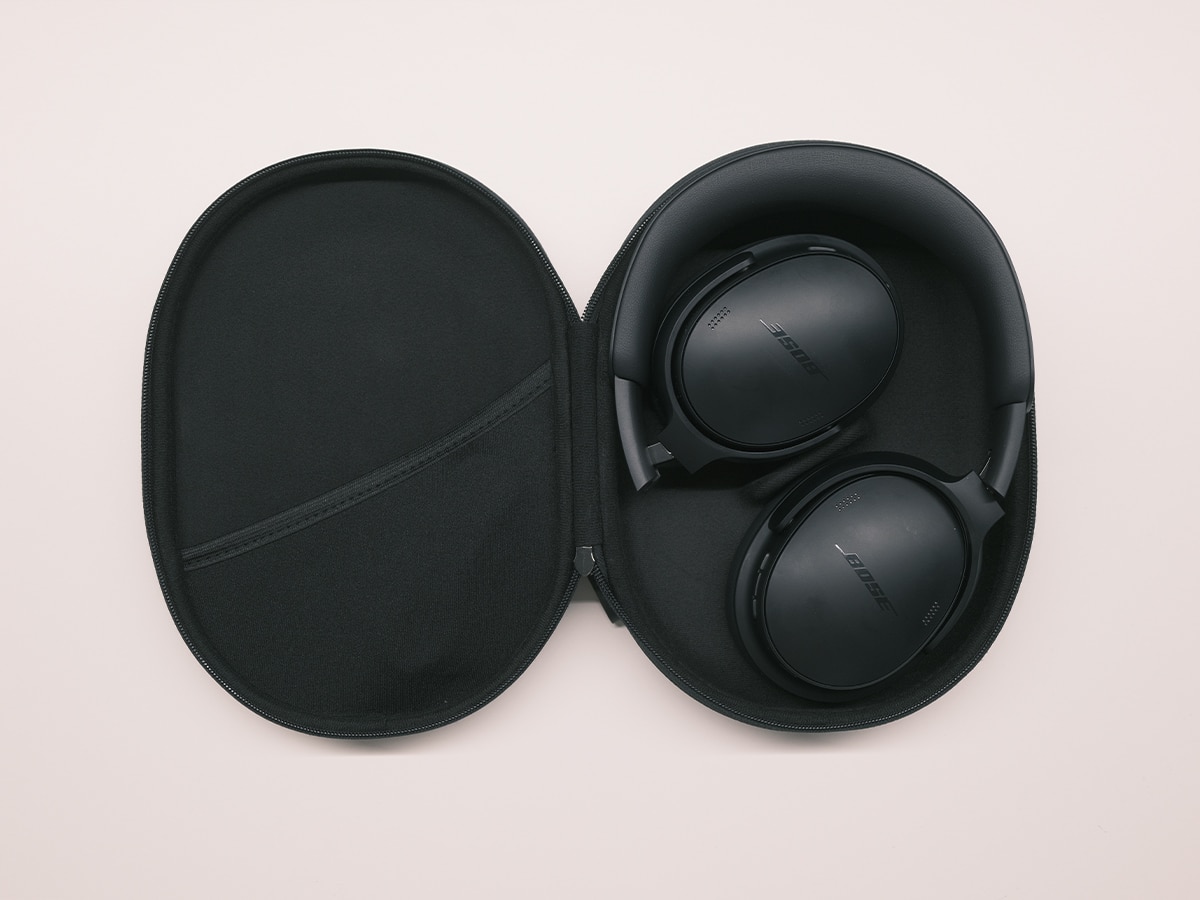
Bose QuietComfort (2nd Gen) | Image: Ben McKimm / Man of Many
What Changed on the QuietComfort (2nd Gen)?
The main new addition to the Bose QuietComfort (2nd Gen) is Bose TrueSpatial technology, bringing spatialised audio modes (Still, Motion, and Cinema) that were previously reserved for the Ultra series. I’ll also note that noise cancellation gets an update via QuietControl with new adaptive feedforward algorithms, and wired listening gains 24-bit/48kHz USB-C lossless playback.
Here’s a comparison between the QuietComfort (1st Gen) and QuietComfort (2nd Gen) to paint a pretty clear picture for you.
QuietComfort (1st Gen)
QuietComfort (2nd Gen)
Spatial Audio
None
Bose TrueSpatial (Still, Motion, Cinema)
Wired Audio
3.5mm Analogue
24-bit/48kHz Lossless via USB-C + 3.5mm
Noise Cancellation
Standard QC ANC
QuietControl with 6-mic adaptive seal
Aware Mode
Standard Aware
Enhanced ActiveSense spike softening
Bluetooth
Bluetooth 5.1
Bluetooth 5.4 with Multipoint
Battery Life
24 Hours
24 Hours (18 Hours in Immersive)
Weight
240g
230g (0.5 lbs)
Price
AUD$549.95
AUD$549.95
Scroll horizontally to view full table
1/3Bose QuietComfort (2nd Gen) vs. AirPods Max 2 | Image: Ben McKimm / Man of Many
Design, Comfort, and Build Quality
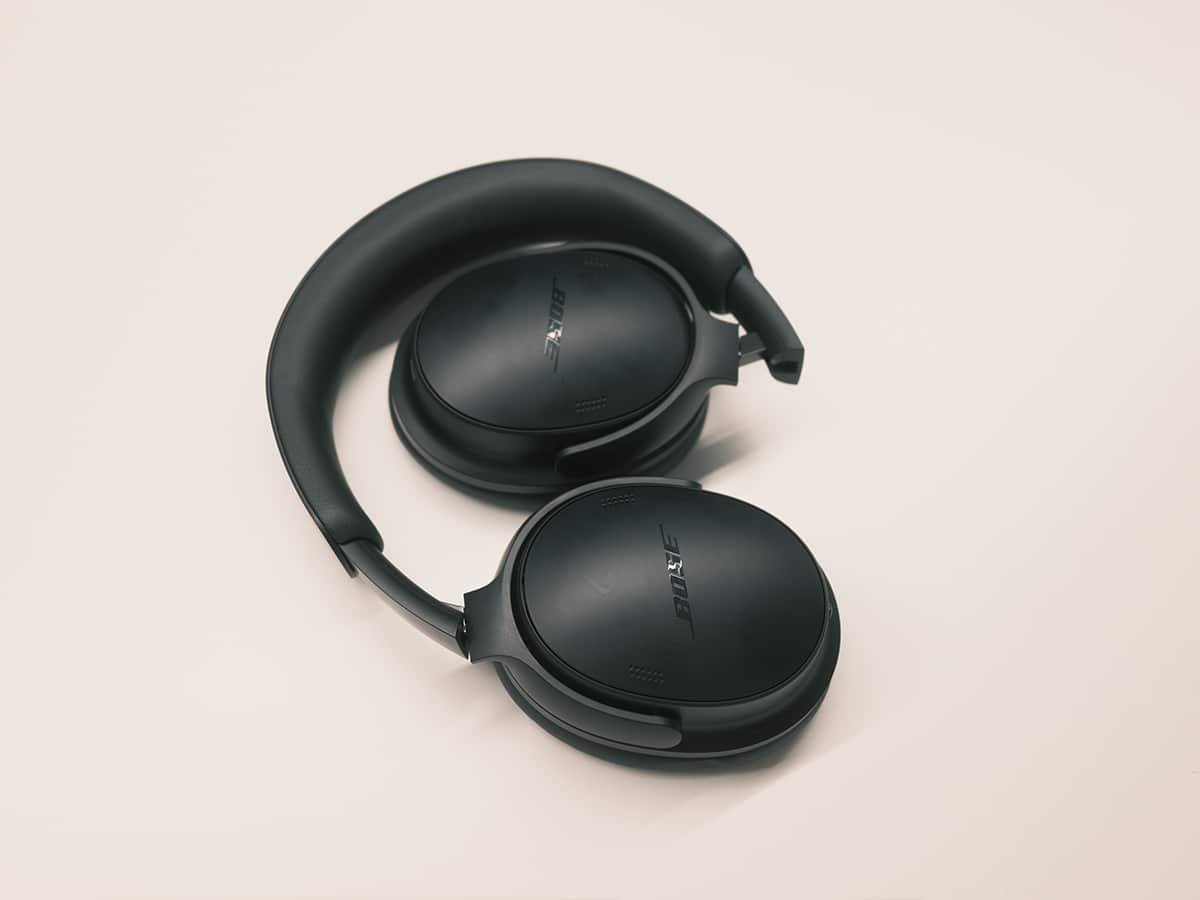
Look, it’s still not great. Bose markets the QuietComfort (2nd Gen) refresh as a modernised take on its classic silhouette, introducing oval earcups, smooth headband sliders, and three limited-edition colourways including Eucalyptus Green and Rosewood Mauve. However, handling them in person reveals immediate material compromises.
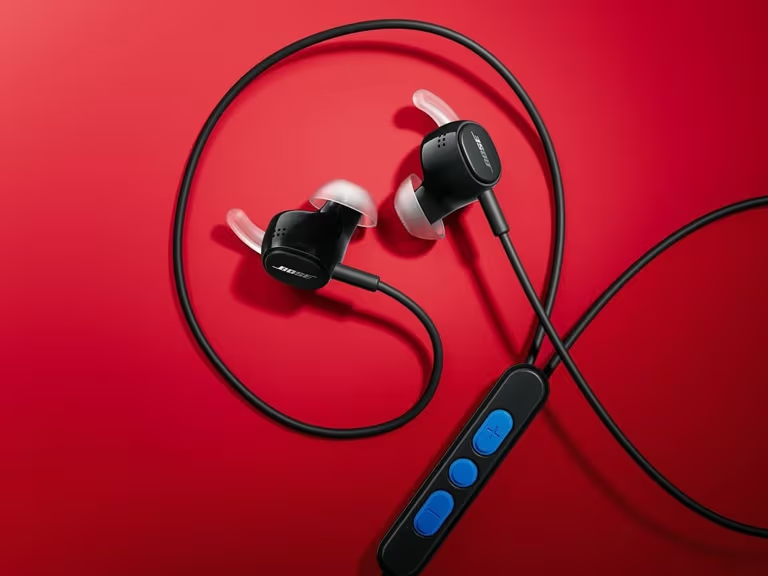
The design is boring by modern headphones standard (from the AirPods Max to the sub-$200 Soundcore Space 2), but somehow, they feel even worse in hand. I was disappointed by the overall build quality the moment I took them out of the box. The chassis relies almost entirely on lightweight plastic, giving the headphones a cheap, hollow feel in hand that falls well short of a premium accessory. Worse still are the unrefined edges surrounding the headband hinge mechanism. The area around the earcup hinges, where the headphones fold rather neatly, is a danger zone for your hands. If you’re not getting stabbed by the sharp points, pinchy hinges will squeeze your skin as you unfold them.
1/3Bose QuietComfort (2nd Gen) | Image: Ben McKimm / Man of Many
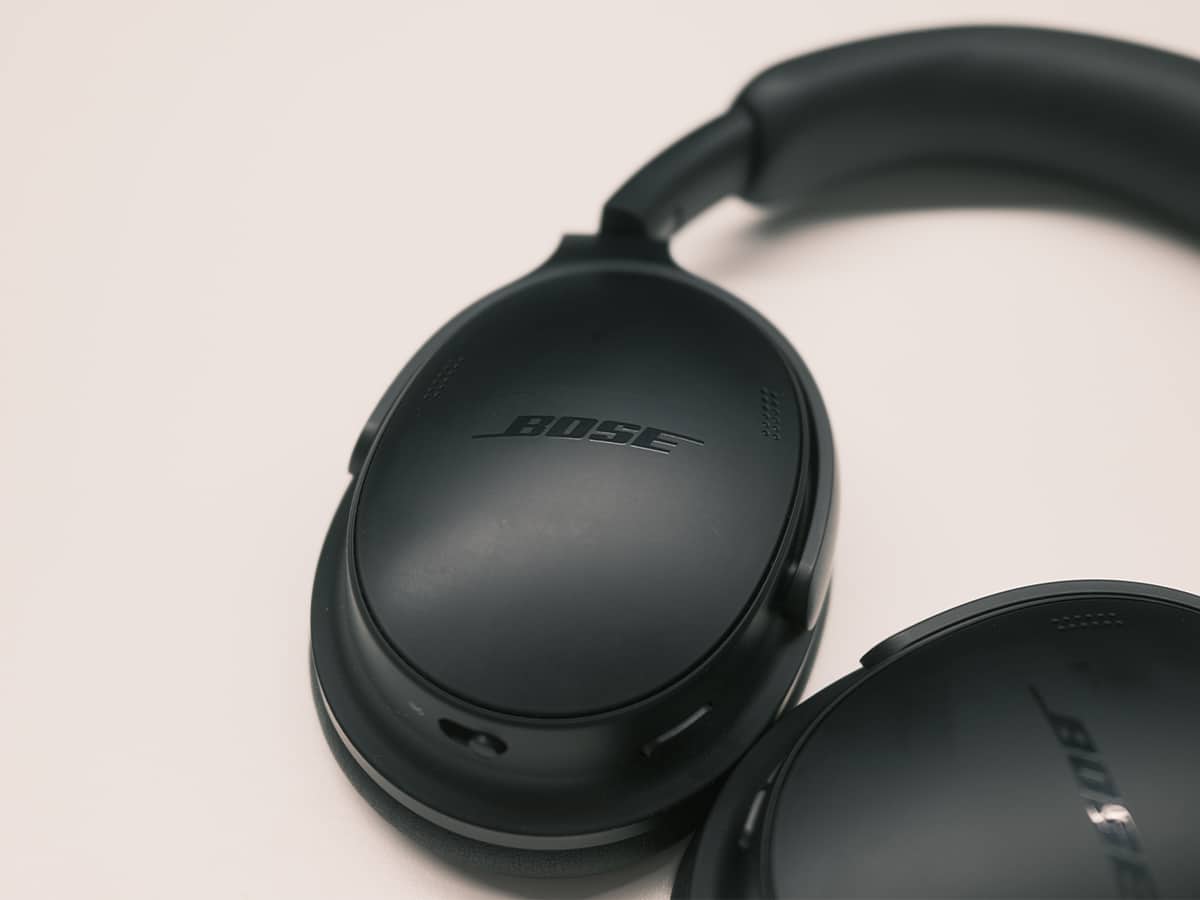
Cushioning around the earcups is another clear area where costs have been cut. The synthetic leather padding is noticeably thin, offering minimal cushion against the sides of the head during extended listening sessions. The lack of foam depth presents an immediate problem for anyone wearing glasses or piercings. Because there is so little padding, the clamping force pushes the earcups directly against frames, causing noticeable jaw and skull fatigue after an hour at your desk.
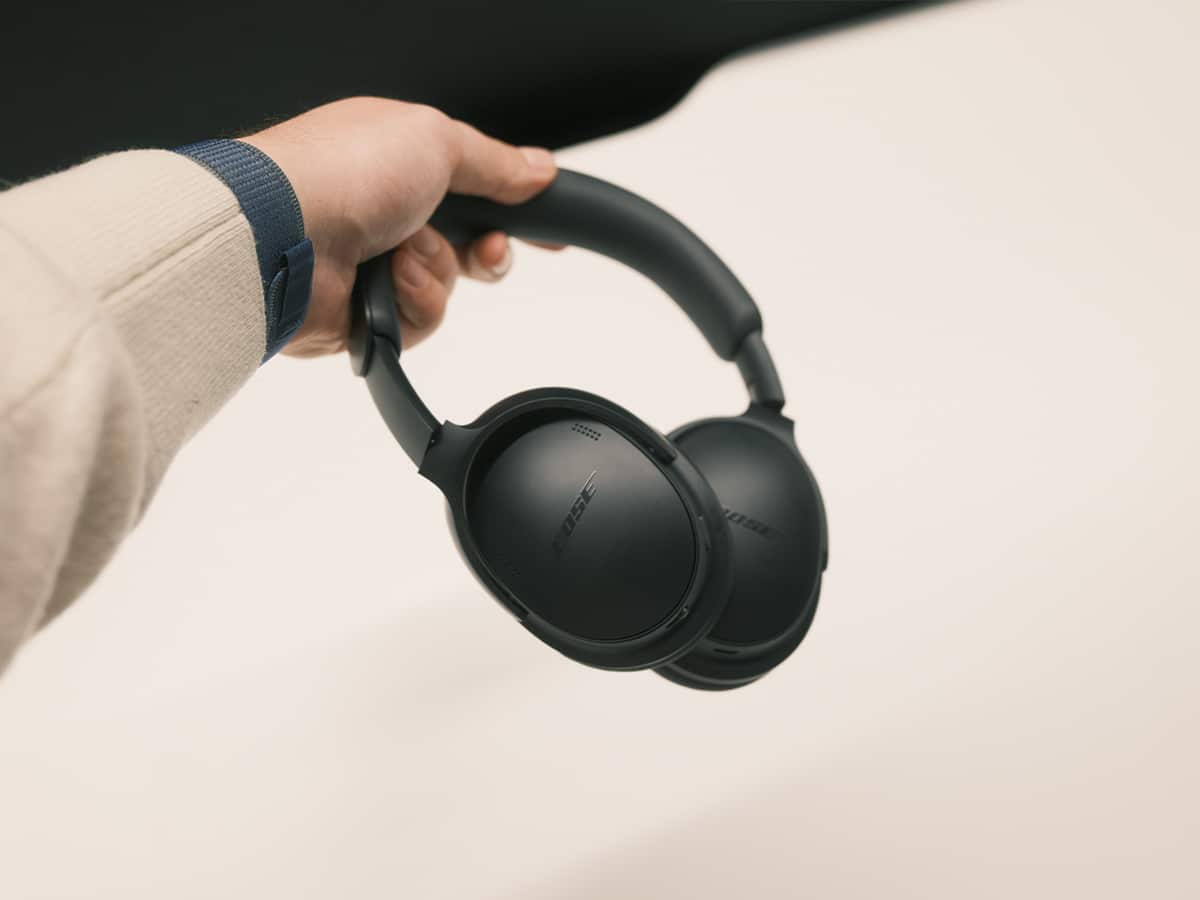
While the lightweight 230-gram weight means they don’t create heavy top-of-head pressure like you can experience on the AirPods Max 2, the lack of earcup padding and cheap plastic touchpoints make them feel far less comfortable than any pair of AUD$500 headphones should.
Unfortunately, the lightweight frame is severely undercut by cheap plastic construction, thinner than expected earcup cushioning, and sharp hinge edges that pinch during adjustments.
Bose QuietComfort (2nd Gen) | Image: Ben McKimm / Man of Many
Audio Performance and Spatial Audio
Thanks to the brands “proprietary digital signal processing,” sound quality across standard tracks is acceptable for casual everyday listening, but the acoustic tuning relies heavily on software tricks rather than physical driver capability.
When testing low-end separation on Don Toliver’s “Honeymoon” and Kaytranada’s “Vex Oh” over a wired USB-C connection, the bass response came across as software-heavy and artificially amplified. It feels as if the physical drivers lack the power needed for natural low-end extension, and to make up for this, Bose appears to use aggressive digital processing to boost the low frequencies. While Toliver’s vocal hooks and bouncy synth lines stay reasonably clear with some tidy EQ adjustments, the low-end thud feels software-tuned rather than organic.
Toggling the basic 3-band EQ in the Bose app lets you dial back the DSP bass slightly or boost the mids, but no amount of basic software slider tweaking can overcome the physical limits of the compact dynamic drivers.
Switching to Marvin Gaye’s “What’s Going On”, the smooth mid-range vocals and sweeping string arrangements carry decent clarity, but that artificial low-end tuning occasionally bleeds into the lower-mid rhythm section. Connecting via USB-C to listen to 24-bit/48kHz lossless ALAC tracks improves overall resolution and instrumental separation, but the physical limits of the compact dynamic drivers remain evident.
The addition of Bose TrueSpatial introduces Still, Motion, and Cinema modes. You’ll find Cinema Mode widens the soundstage and centres the dialogue when watching video content. But, for anyone who has experienced head-tracked Spatial Audio through an Apple TV and the brands AirPods Max 2, the effect feels very software dependent and unatural. It’s effective enough for new users new to spatial audio, but it offers little novelty to experienced listeners.
It’s the same story as Still and Motion, which replicate the Dolby Atmos experience. I think the headphones sound substantially better in these modes. However, the sound performance is overall, only fine for daily casual listening.
Bose QuietComfort (2nd Gen) | Image: Ben McKimm / Man of Many
Noise Cancellation and Awareness Modes
Bose flexes its muscle with the active noise cancellation, and it remains the strongest element of the QuietComfort (2nd Gen). Rebranded as QuietControl, the system utilises a 6-microphone array with updated adaptive feedforward logic. This continuously adjusts the noise-cancelling signal to compensate for seal gaps caused by thick hair, hats, or glasses frames.
During my daily train commutes around Sydney, low-frequency hums were heavily muted, even more so than they are from the AirPods Max 2 that I regularly wear. Office chatter and the noise from the call centre, pyramid sceme downstairs in our building were also dampened effectively during their morning gee-up session. Talking abuot the modes, the Aware Mode includes an updated ActiveSense response, which did a great job of softening sudden environmental noise spikes, such as passing P Platers with machine gun exhausts, doing so without completely cutting off ambient awareness.
Physical controls placed across the earcups remain easy to operate by feel. The right earcup manages volume, playback, and calls, while the left earcup features a dedicated action button to toggle listening modes or trigger Spotify Tap. ANC Verdict: QuietControl delivers reliable noise cancellation, backed by 6-mic algorithms that handle seal gaps and sudden noise spikes effectively.
Bose QuietComfort (2nd Gen) | Image: Ben McKimm / Man of Many
Battery Life and Connectivity
Bose rates the QuietComfort (2nd Gen) for up to 24 hours of listening time in standard Quiet or Aware modes at 75 dBSPL, dropping to 18 hours when running Immersive Audio. In my real-world testing involving mixed calls, high-volume playback, and spatial listening, battery life averaged 20 hours before requiring a recharge. Though, truthfully, until I jump onto an international flight, I won’t have the chance to push the battery life extremes.
Charge the battery (via USB-C) for three hours and you’ll have a full charge, while a 15-minute quick charge returns 2.5 hours of playback. There’s good news here, as the QuietComfort (2nd Gen) have pass-through USB audio charging, allowing you to charge the battery while actively listening over a wired C-to-C connection. Bluetooth 5.4 with multipoint pairing allowed near-seamless switching between my Mac laptop and iPhone during work hours.
Bose QuietComfort (2nd Gen) | Image: Ben McKimm / Man of Many
Man of Many’s Verdict
The Bose QuietComfort Headphones (2nd Gen) deliver effective noise cancellation, convenient USB-C 24-bit/48kHz lossless audio, and solid 24-hour battery life.
However, the AUD$549.95 price point puts them in direct competition with the Sony WH-1000XM6 (AUD$549.95). That’s a problem, as the Bose have the material flaws like thin earcup padding, sharp hinge edges, and software-boosted bass keep them from feeling like a true flagship alternative that the Sony’s simply don’t have. If you’re determined to stick with Bose, you’re far better off stretching your budget to last year’s QuietComfort Ultra (AUD$699), which fixes the cheap plastic touchpoints and delivers the plush earcup cushioning missing here.
There’s also the question of whether or not you should upgrade to something up-market, and the Sennheisser HDB630s (AUD$999.95) sound levels above, as do the AirPods Max 2 (AUD$999), which bring premium build quality, and unmatched connectivity for Apple users.
Who Should Buy: Budget-conscious buyers who prioritise proven Bose noise cancellation under $600 and want a lightweight, portable 230g frame.
Who Should Skip: Buyers sensitive to cheap plastic builds, those who experience ear pressure from thin earcup padding, and listeners seeking a natural, uncoloured soundstage.
Ben lives in Sydney, Australia. He has a Bachelor's Degree (Media, Technology and the Law) from Macquarie University (2020). Outside of his studies, he has spent the last decade heavily involved in the automotive, technology and fashion world. Turning his ...


1/3
1/3














Comments
We love hearing from you. or to leave a comment.