

Updated:
Readtime: 5 min
Every product is carefully selected by our editors and experts. If you buy from a link, we may earn a commission. Learn more. For more information on how we test products, click here.
- Bose has acquired Skullcandy for an undisclosed sum, with the headphone maker remaining a separate brand based in Park City, Utah.
- The deal follows a Sound by Bose partnership that has already brought Bose technology to Skullcandy’s Method 360 ANC earbuds and Crusher 1080 ANC headphones.
- Bose wants Skullcandy’s design and cultural connections, while Skullcandy stands to benefit from its new owner’s audio engineering and global reach.
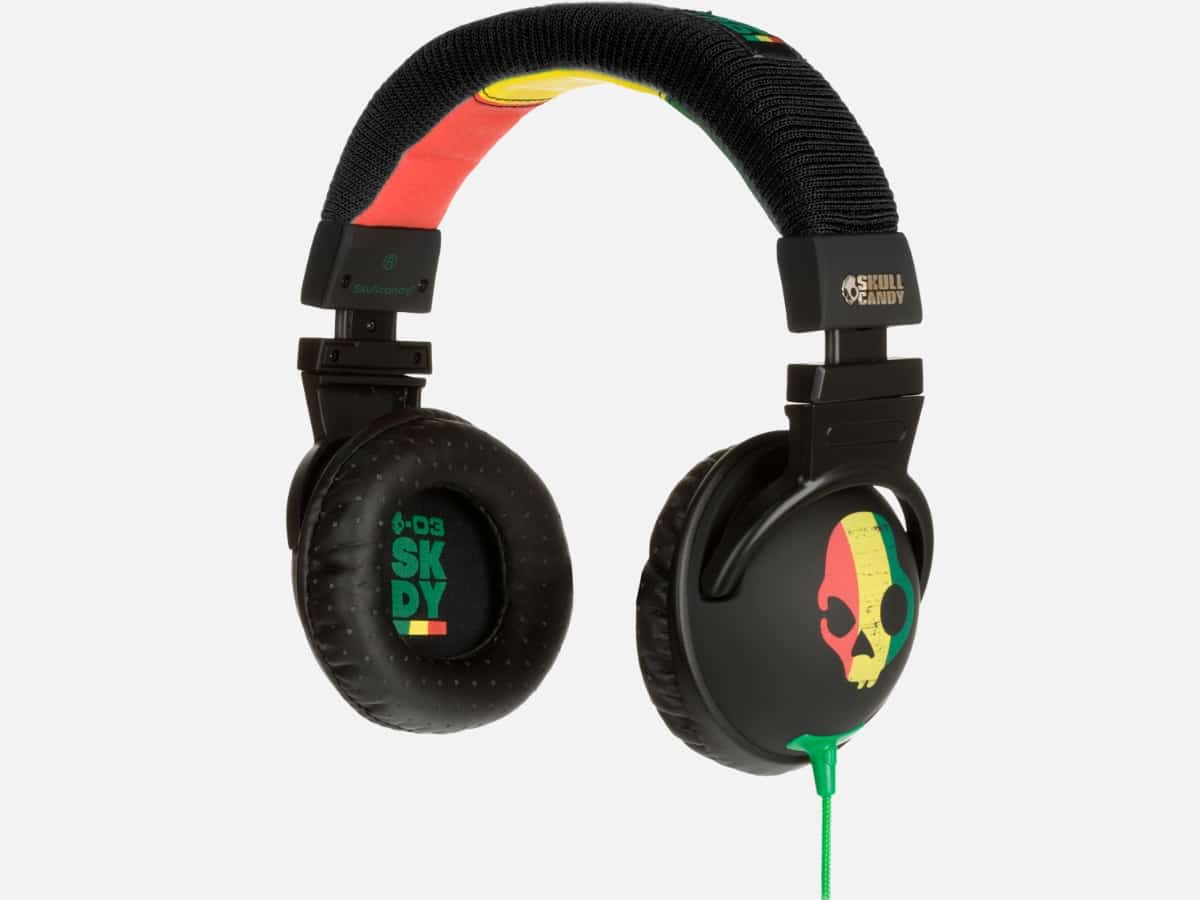
I wanted a pair of Skullcandy Skullcrushers long before I knew much about what made a good pair of headphones. Be nice, I was only 14 when I first saw the oversized skull logo, ridiculously loud colour schemes and the promise of brain-rattling bass. Together, they made it nearly impossible for any edgy teenage boy to say no. Thankfully, my dad talked me into a pair of Sennheiser HD555s instead. I still have that pair to this day. As for my mate who went the other way, I can’t say his Rasta Skullcrushers, with their red, yellow and green skull splashed across the earcup, were ever seen again after 2010. As incredible as they looked, they sounded horrible. Everything was crunchy and muddy, with instruments fighting each other and the volume constantly threatening to burst your eardrums. At the time, no amount of hi-fi demonstrations could convince him otherwise. As far as he was concerned, those headphones were awesome.
Well, that could all change now that Bose has acquired Skullcandy. The American audio giant Bose bought the Skullcandy brand from a fund managed by Mill Road Capital, though neither company has said just how much it cost. Skullcandy will remain a separate brand within Bose’s Premium Consumer Audio business and continue operating from Park City, Utah, where its snowboarding roots run deep. But why?
If we read between the lines, Bose says it’s bringing its “audio expertise, technology and global reach”, while Skullcandy contributes its design, customer understanding and community connections. Which almost sounds like Bose is saying, “We’ll handle the sound; you guys keep making the headphones look cool.” Harsh, perhaps, but Bose has been behind the scenes with Skullcandy long before this announcement. So what happens now that Bose owns the skull and the candy?
Can Bose Make Skullcandy Sound as Good as It Looks?
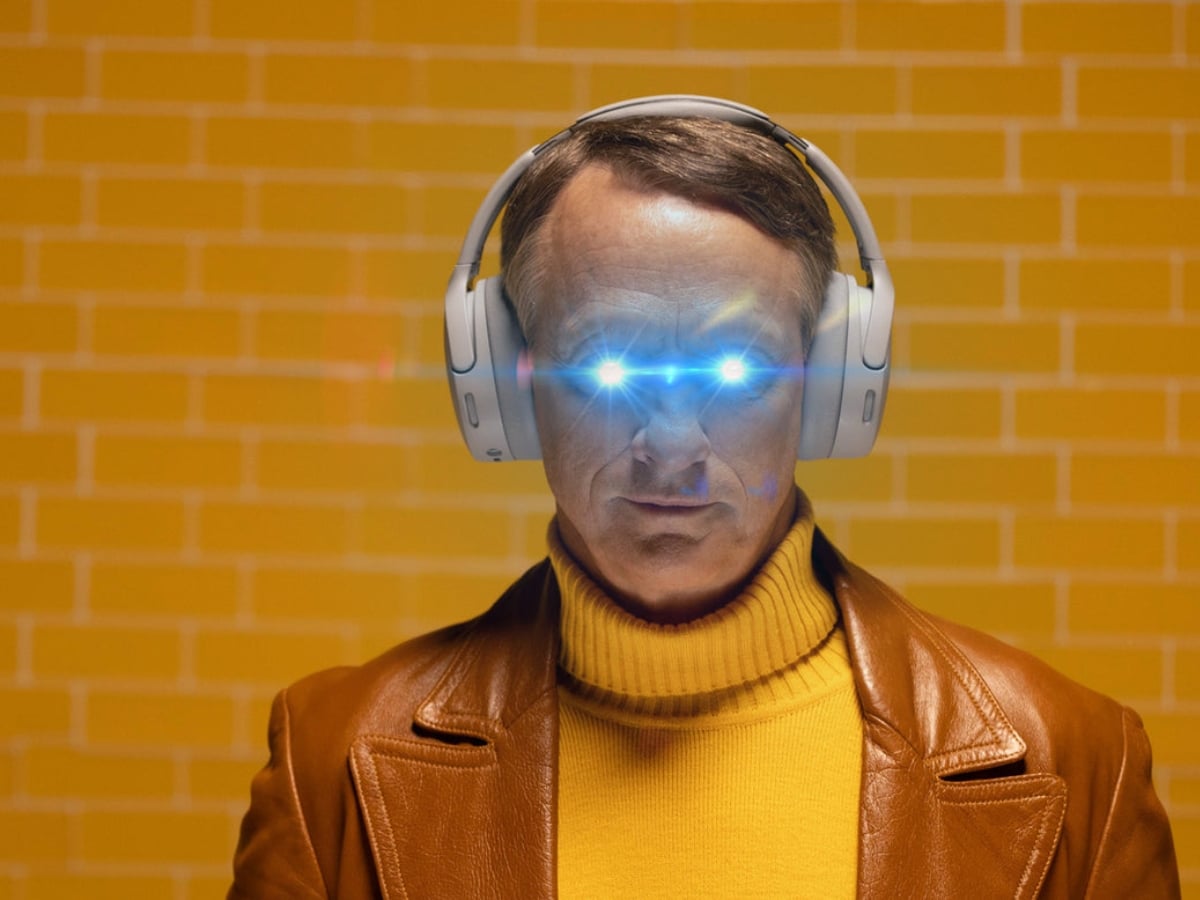
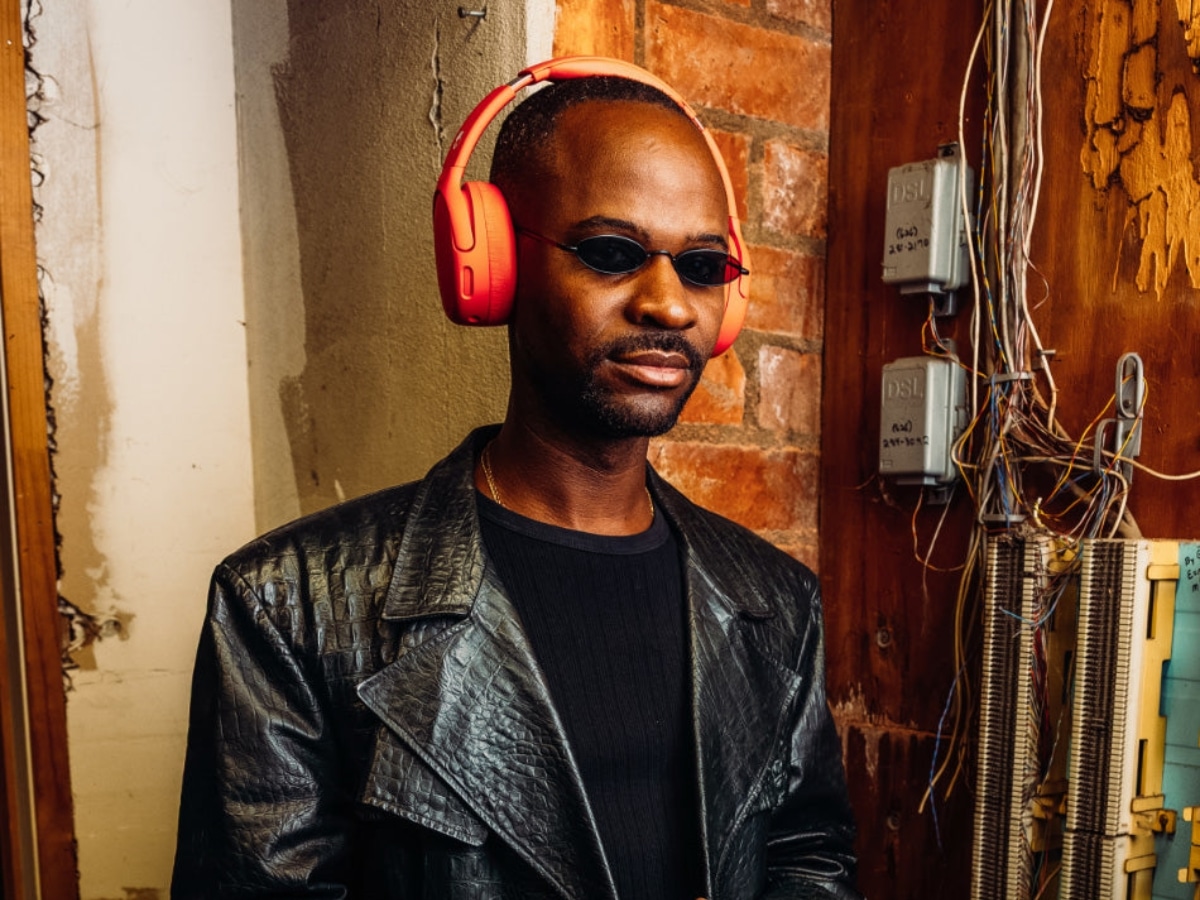
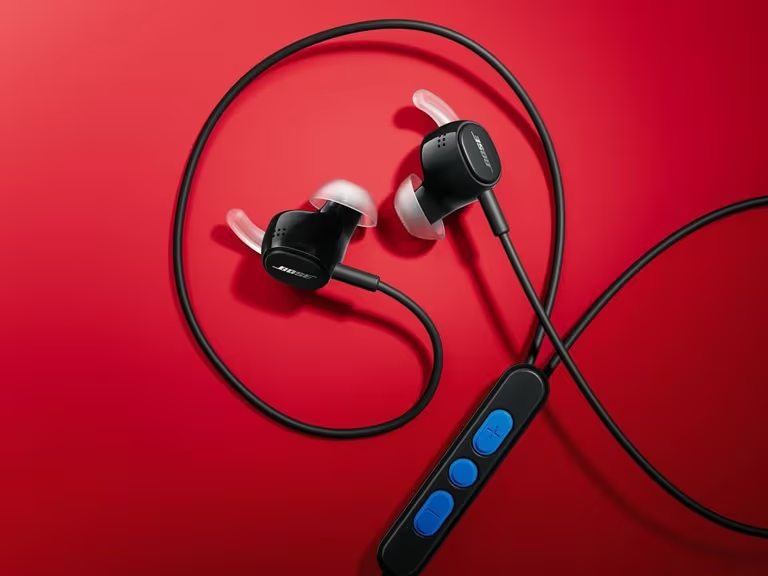
Here’s the thing: Bose and Skullcandy have been working together for over a year now. The Method 360 ANC earbuds arrived in 2025 with Sound by Bose tuning, while the newer Crusher 1080 ANC headphones, the same ones advertised with a glowing-eyed Tony Hawk in a turtleneck and leather jacket, clearly took the collaboration much further. They still kept Skullcandy’s adjustable sensory bass, the kind designed to make your skull rattle, but added Bose QuietControl noise cancellation, TrueSpatial audio and its WaveForm audio engine. So I guess you could say they’re already halfway there.
It’s a promising combination, particularly for anyone like me who remembers just how badly the bass could overwhelm everything else on older Skullcandy headphones. And Skullcandy knows it. In a July interview with WIRED, CEO Brian Garofalow acknowledged the brand’s audio strengths and weaknesses head-on.
“We’ve been really, really great at community building and nurturing and helping push cultures forward—not the greatest at the engineering part of innovation with products,” said Garofalow. “So we’ve really been honing our chops in the last few years.”
He also explained how Bose helped them separate the Crusher’s bass effect from the rest of the sound, so everything doesn’t turn to mush when the low end gets cranked. “Mids and highs are still way, way sharp, versus in the past, when they tended to get muddy,” said Garofalow. We’ll see about that.
So no, Bose isn’t here to kill the brain-rattling bass, and I doubt we’ll see those gloriously ridiculous Rasta-era designs come back either.
Will Skullcandy Keep the Vibes Going?
Of course, better sound is only half the equation. I can’t imagine anyone looking at the Rasta Skullcrushers and confusing them for a pair of Bose QuietComfort headphones. And that’s precisely the point. Skullcandy made headphones for people who wanted to stand out, with loud graphics, big logos and a foot in skateboarding, snowboarding and music culture. There’s a reason why my mate picked up his pair of Skullcandy headphones from a snowboarding shop on a New Zealand ski trip to Queenstown, and I bought my Sennheisers from Len Wallis Audio in Lane Cove.
Bose is in on it as much as Skullcandy is. In the announcement, they go out of their way to shower Skullcandy with praise, highlighting its ties to board sports and communities that Bose doesn’t necessarily see in its own brand. Might be why Skullcandy is keeping its name and its Park City headquarters, with Bose promising to support its growth without losing that identity.
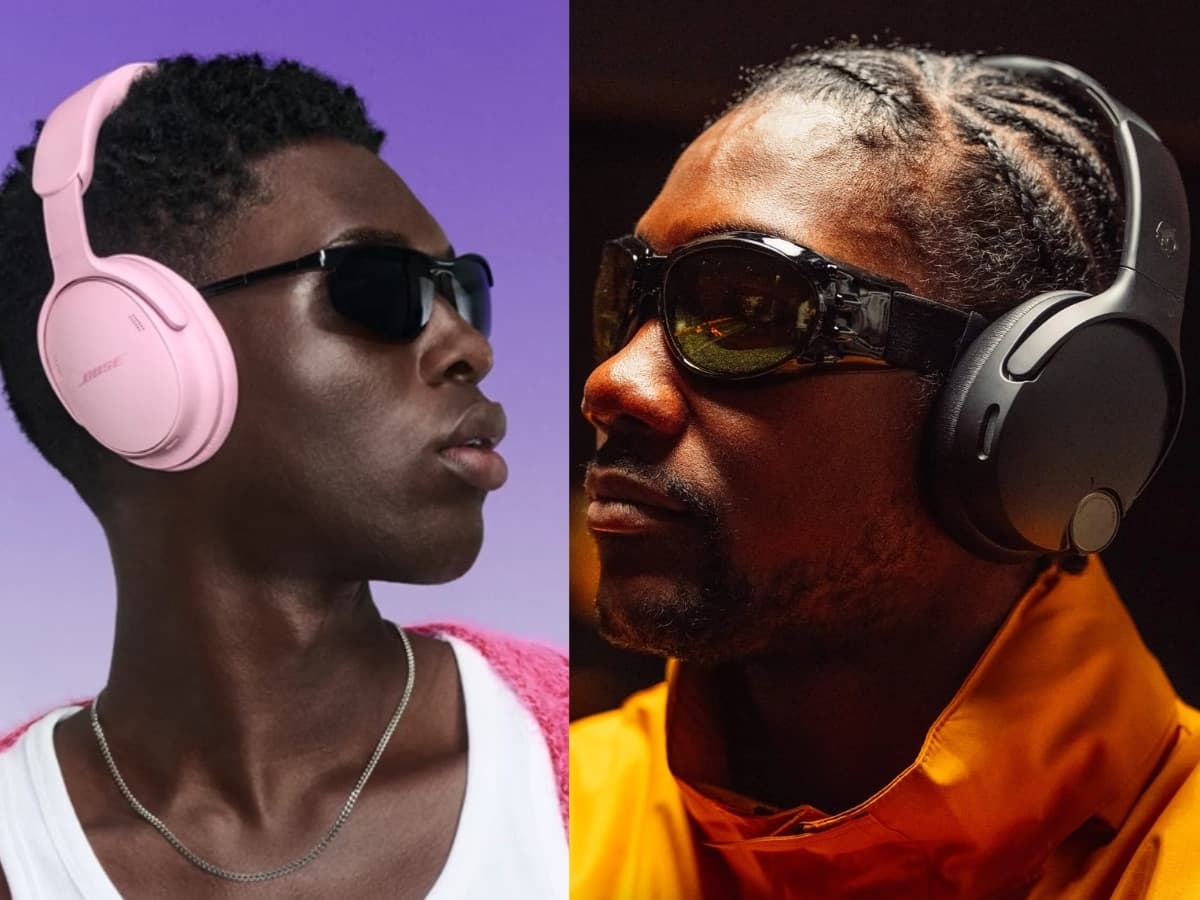
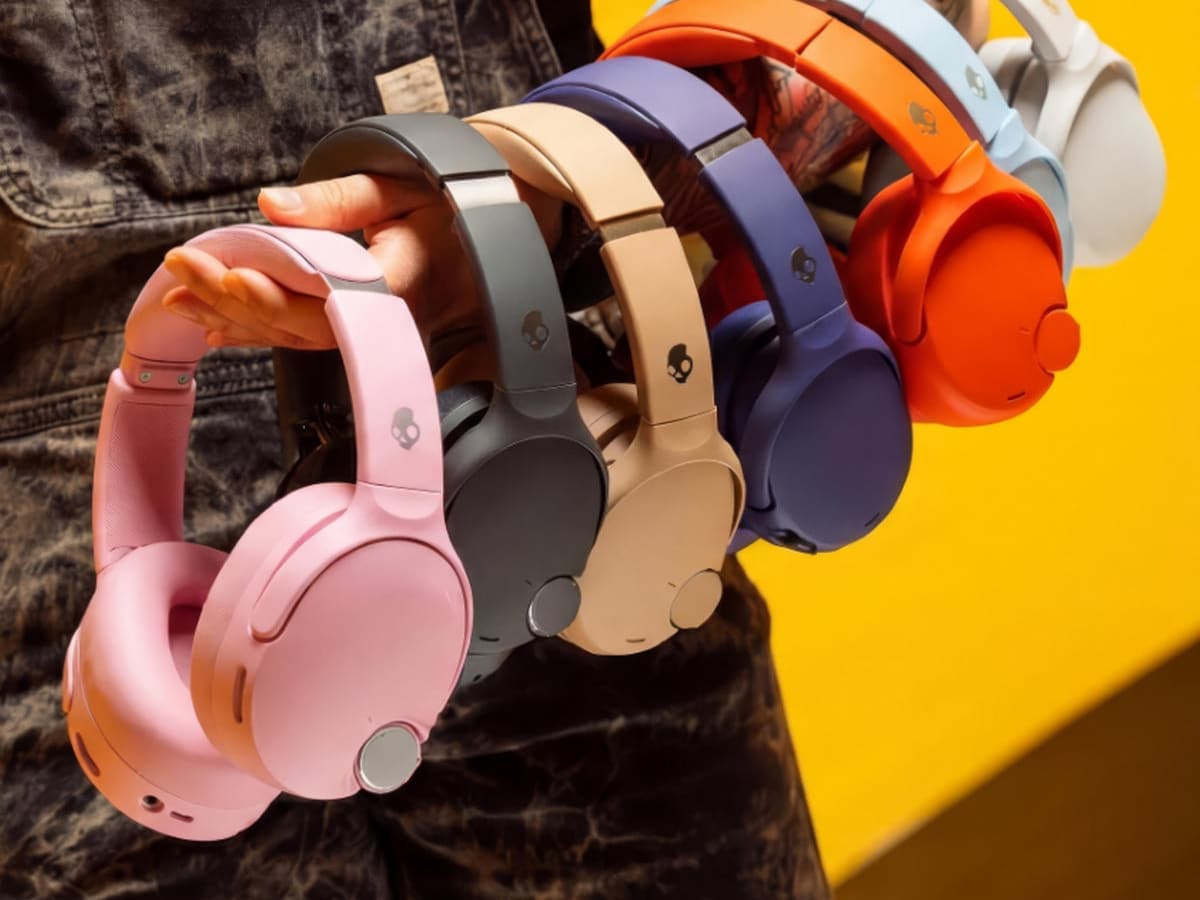
And it’s not as though Skullcandy has completely given up on colour. Its Method 360 ANC range includes finishes such as Crazy Pink, Plasma and Leopard. Still, there’s something about those old Rasta headphones that makes today’s designs seem a little reserved. Time will tell whether Bose has anything to say about the aesthetics. But that hasn’t stopped them from releasing brighter colour schemes like a pair of 2nd-gen sky-pink QuietComforts.
Coming full circle, my mate was right about one thing: his Skullcrushers looked fantastic. He just couldn’t accept that, to my ears, they sounded terrible. If Bose can give Skullcandy genuinely better sound without sanding off all the personality, maybe I’ll finally get the headphones I wanted back then. Dad might even approve.






















Comments
We love hearing from you. or to leave a comment.