

Updated:
Readtime: 5 min
Every product is carefully selected by our editors and experts. If you buy from a link, we may earn a commission. Learn more. For more information on how we test products, click here.
- PlayStation’s new Pulse Edge combines planar magnetic drivers with active noise cancellation, Bluetooth and a detachable boom mic.
- The premium headset uses eight magnets per planar driver, double the four used in the standard PlayStation Pulse.
- The standard Pulse launches in select markets for the 2026 holiday season, while Pulse Edge follows in early 2027. Pricing is still to come.
Gaming headphones have a pretty recognisable uniform. Big earcups, a boom mic hanging off one side and just enough RGB lighting to remind everyone that you probably know your way around a Battle Pass.
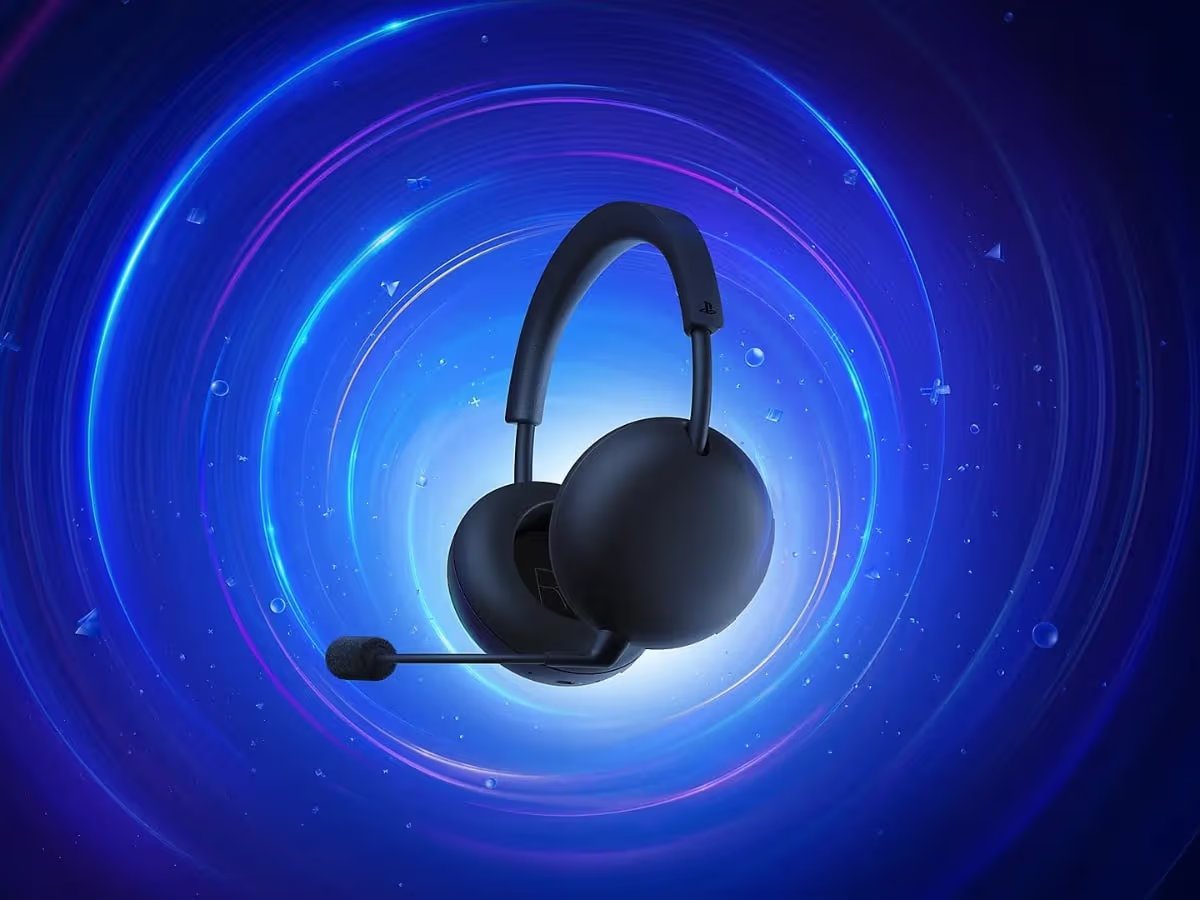
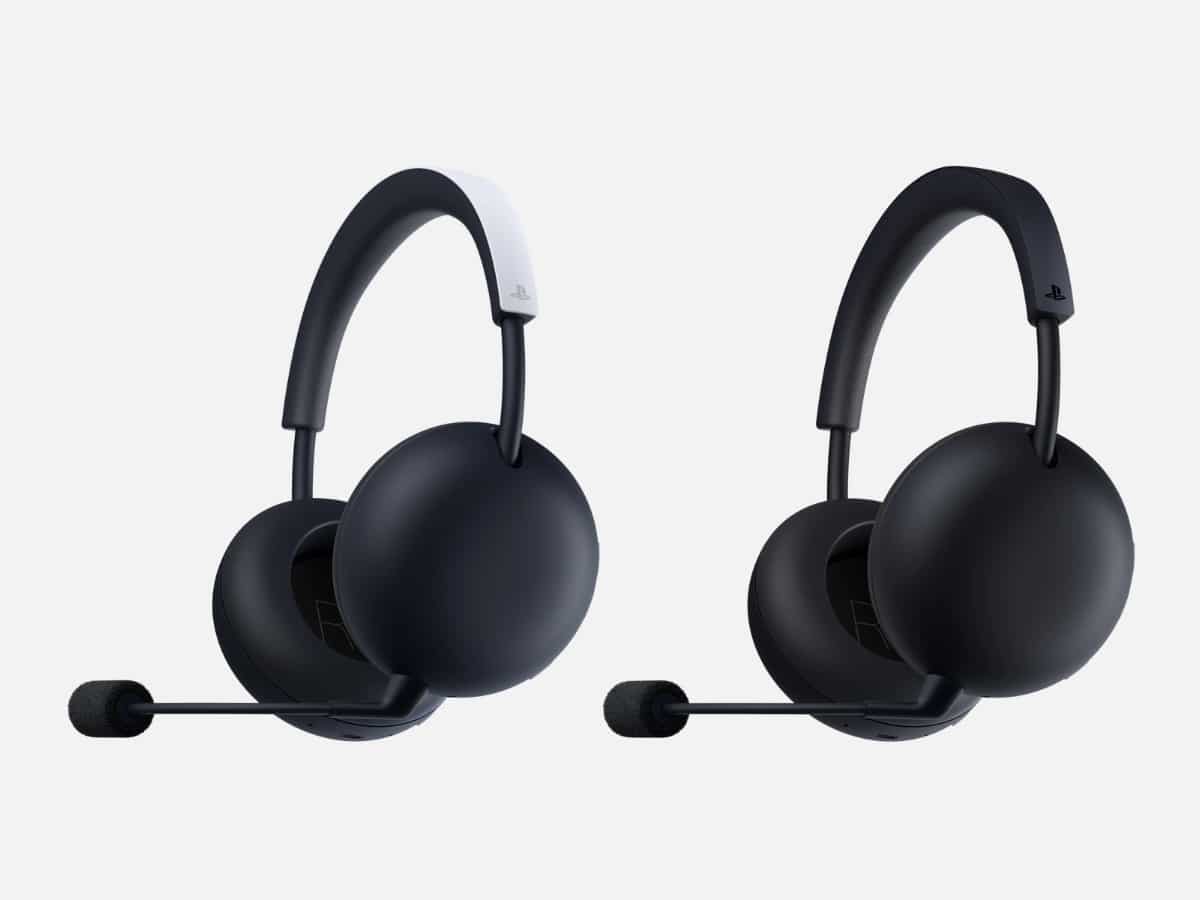
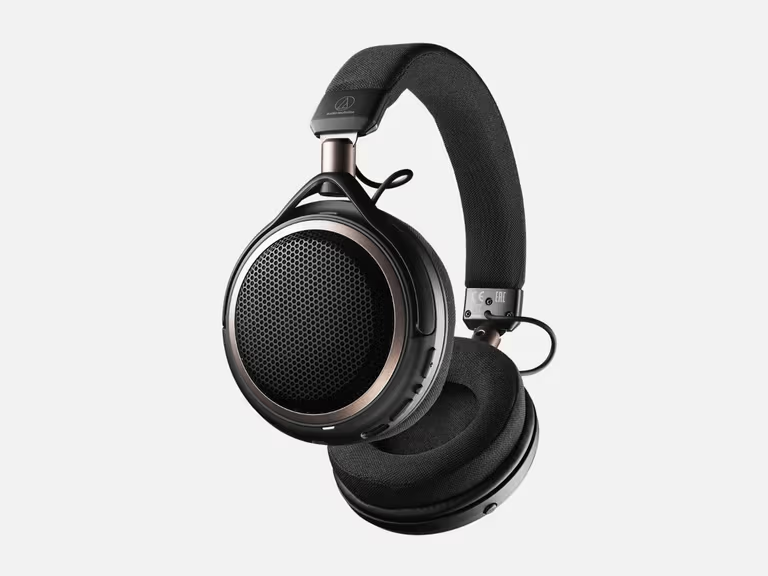
The PlayStation Pulse Edge doesn’t completely escape the gaming formula. Sony’s new suite of premium PS5 headsets has just taken a few design cues from its other wireless headphones, the ones you’d happily wear out and about once the console is switched off. Of course, there’s more going on here than a cleaner pair of gaming headphones.
Alongside its planar magnetic drivers (more on those in a bit) and PlayStation-specific controls, the Pulse Edge gets active noise cancellation, simultaneous Bluetooth and PlayStation Link connectivity, a detachable boom mic with a hidden backup microphone, flat-folding earcups and a carrying case. All in all, this headset will most certainly find its home next to your PS5, but that won’t stop you from taking it out of the house. Because, much like Sony‘s WH-1000XM6 headphones have become a fashion statement on their own, the Pulse series looks just as good.
 1/4
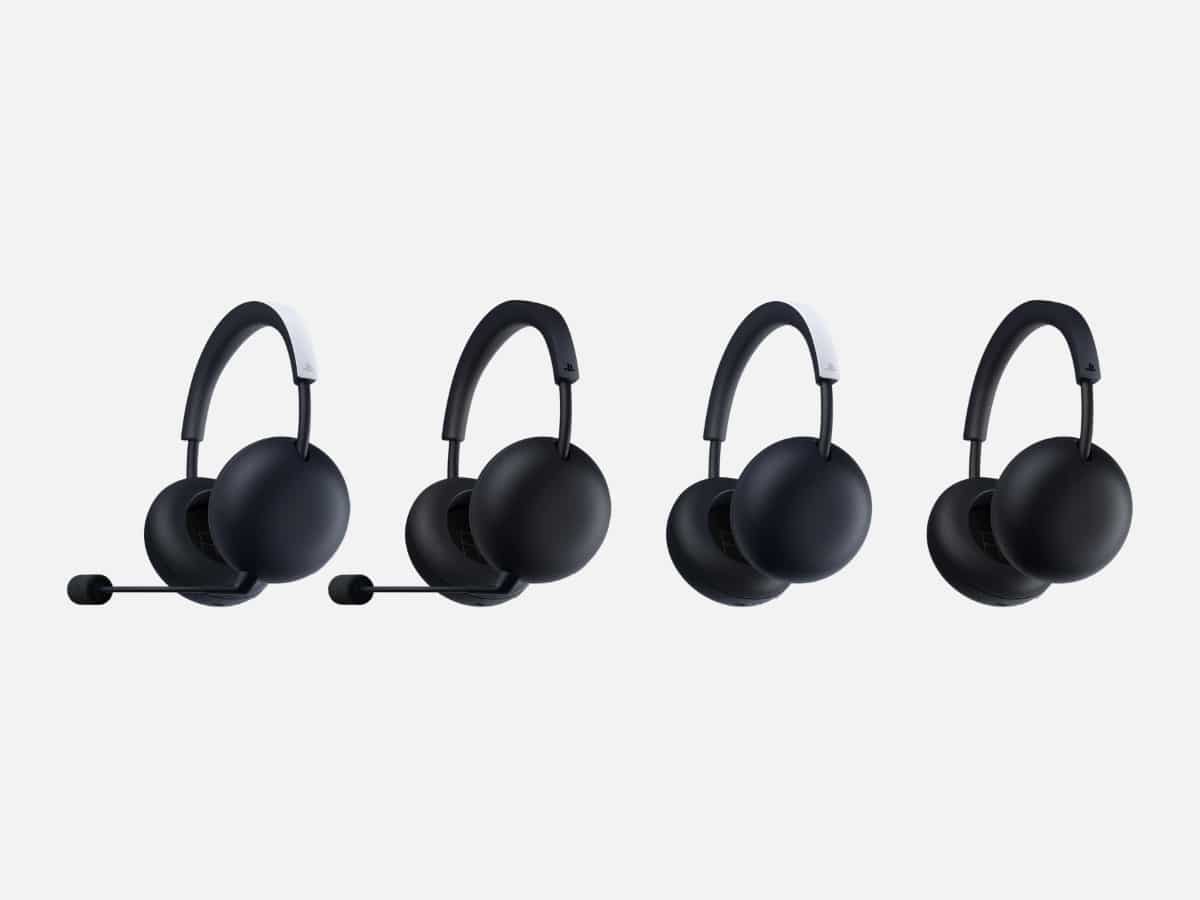
1/4Pulse Edge Wants to Leave the Gaming Arena
Sony is launching two models, the standard PlayStation Pulse and the more premium Pulse Edge. Both connect to PS5, PlayStation Portal, PC and Mac through PlayStation Link. Bluetooth can also run simultaneously for phone calls, music or anything else you have playing while you’re trying to escape from an extraction shooter.
While the standard Pulse headset has no boom arm at all and instead relies on an integrated mic with AI-powered noise rejection, it’s the Pulse Edge that makes the lifestyle crossover much more obvious. You can remove the boom mic entirely, leaving a hidden integrated microphone to handle calls and chat. Add ANC, rotating earcups that fold flat, and the included carry case, and suddenly it looks a lot more practical away from the console.
We’ve seen a similar move elsewhere with the Jabra Evolve3 85, which took the classic office headset and made it look like something you’d actually want to keep wearing after the workday ended. PlayStation appears to be approaching the same problem from the opposite direction with the Pulse Edge, taking a gaming headset and stripping away some of the reasons you’d only use it while gaming.
How well the Pulse Edge and regular Pulse stand up as everyday headphones is still to be determined. Sony also hasn’t given us any battery-life numbers, which matters if you plan to wear them for more than a few hours of Call of Duty.
But one thing is worth paying attention to: the magnets.
 1/4
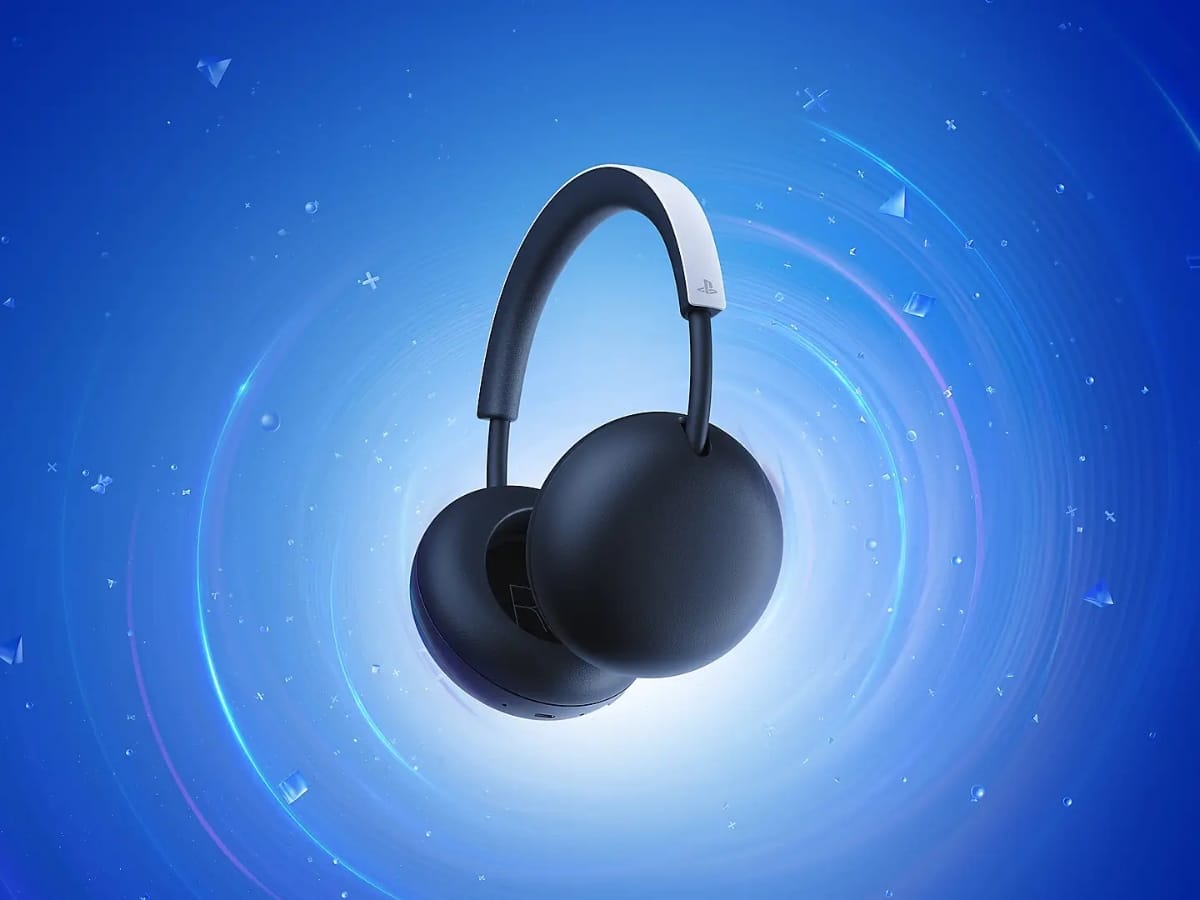
1/4The Planar Magnetic Hardware Sounds Awesome
Both of these not-so-gamer-looking gaming headphones use larger custom planar magnetic drivers than the outgoing Pulse Elite.
The standard Pulse gets four magnets per planar driver, while Pulse Edge doubles that to eight. Sony says the extra magnet volume should produce fuller, deeper bass while maintaining the precision and clarity it’s promising from the planar setup.
Sony’s planar magnetic push also has some useful history behind it. Sony Interactive Entertainment acquired Audeze in 2023, bringing one of the better-known planar magnetic headphone specialists into the PlayStation business. Sony hasn’t said Audeze designed the drivers inside these new Pulse headsets, but PlayStation has continued expanding its use of planar magnetic audio ever since.
For gaming, the practical benefit here is easier placement of directional sounds. Footsteps, reloads, explosions and other positional cues should be easier to pick out, particularly when paired with PS5’s Tempest 3D AudioTech. PlayStation Link also handles lossless, ultra-low-latency wireless audio, which will come in handy when someone’s coming around the corner with a shotgun. Less so when you’re only half listening to your Spotify playlist.
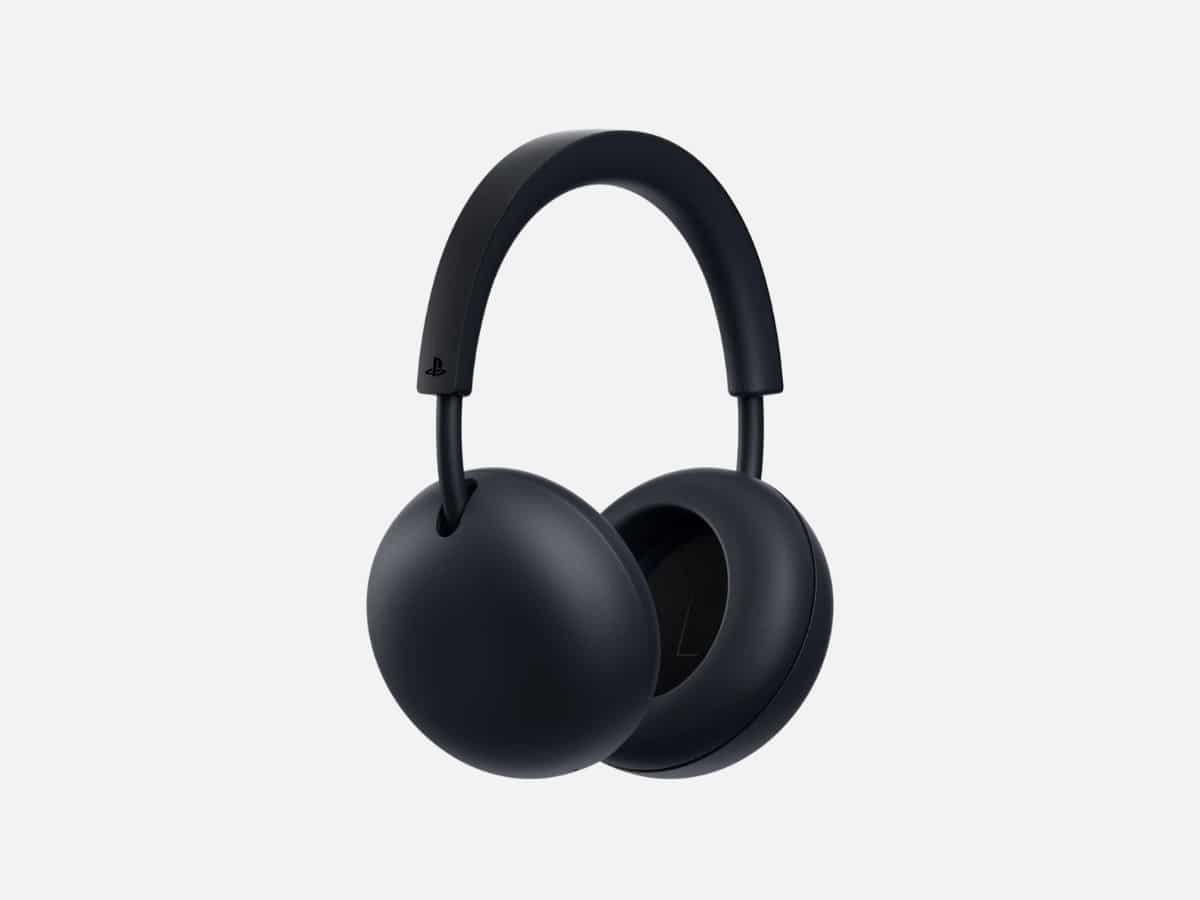
PlayStation Pulse vs Pulse Edge
| Feature | PlayStation Pulse | PlayStation Pulse Edge |
|---|---|---|
| Planar driver magnets | 4 per driver | 8 per driver |
| Active noise cancellation | No | Yes |
| Microphone | Integrated mic | Detachable boom + hidden mic |
| PS5 game/chat balance | No | Yes |
| Carry case | No | Yes |
| Audio/mic jack | No | Yes |
| Bluetooth + PlayStation Link | Yes | Yes |
Pricing and Availability
The standard PlayStation Pulse is set to launch in select markets from the 2026 holiday season, while Pulse Edge will follow in early 2027. Sony hasn’t announced pricing, pre-order timing or exact Australian availability for either headset yet.
Price will be the big question, particularly for the Pulse Edge. Already, I can tell Sony is aiming these headphones at something more than just another premium PS5 accessory. If the Pulse Edge delivers the comfort, ANC and music performance to match its gaming feature list, this could be one headset that doesn’t immediately come off when it’s game over.
























Comments
We love hearing from you. or to leave a comment.