

Updated:
Readtime: 8 min
Every product is carefully selected by our editors and experts. If you buy from a link, we may earn a commission. Learn more. For more information on how we test products, click here.
- Private light commercial deliveries dropped 15.7 per cent in October.
- Overall 4X4 ute volume fell 12.3 per cent year-to-date.
- BYD Shark 6 captured 11.0 per cent of October 4X4 sales.
- Plug-in hybrid commercial vehicle sales surged 77.0 per cent locally.
- Toyota HiLux 4X4 maintained segment leadership with 5,228 October deliveries.
There was a time soon after the deaths of Holden and Ford when the suburbs started to echo with the clatter of dual-cab diesel utes. What was once a Commodore sedan with a baby seat in the back quickly became overrun with a one-size-fits-all family vehicle with a tray on the back, outfitted to serve as the work truck during the week and the family SUV on the weekend. Now, the economic reality of driving a heavy commercial vehicle as a daily passenger vehicle has finally caught up with local households.
The latest VFACTS October 2026 data, as seen by Man of Many, proves that buyers have reached their breaking point. Private registrations in the light commercial vehicle segment collapsed by a further 15.7 per cent in October, stripping over a thousand sales from the market in a single month.
The primary catalyst for this mass exodus is the soaring cost of diesel at the bowser, where automotive fuel prices accounted for nearly one-fifth of Australia’s inflation over the past year. That bowser shock is now colliding with the Federal Government’s New Vehicle Efficiency Standard Act, which will steadily penalise high-emitting commercial fleets and push diesel showroom prices even higher. Caught between rising pump prices and impending regulatory penalties, families who still demand the practicality of a tray are turning toward electrified alternatives, forcing legacy manufacturers to defend their heartland against aggressively priced plug-in hybrid competitors from China.
Bowser Shock and the Collapse of Private Diesel Ownership
The latest delivery numbers from VFACTS, as seen by Man of Many, showcase a divide between commercial operators and private families. While business fleet purchases for light commercial vehicles actually grew by 3.1 per cent, private consumer deliveries fell off a cliff. You only have to look at the price of diesel to see why.
Over the twelve months to September 2026, automotive fuel prices spiked by 23.6 per cent, adding an estimated $442 to the annual running costs of a typical vehicle driving 15,000 kilometres, according to the latest report from the Electric Vehicle Council. “Petrol and diesel prices aren’t just hurting motorists at the bowser. They’re adding to inflation across Australia,” said Julie Delvecchio, Electric Vehicle Council CEO.
Heavy, aerodynamic bricks like dual-cab utes see that fuel penalty magnified exponentially. Pumping upwards of 80 litres of diesel into a tank every week has gone from a begrudging necessity into a household financial crisis. When you factor in the additional maintenance with diesel particulate filters, and issues caused by short suburban trips, the traditional diesel dual-cab has effectively priced itself out of the driveway.
Sales data backs this up. Through the first ten months of this year, private light commercial vehicle sales have decreased by 20.3 per cent or more than 15,000 vehicles. This is dragging down the entire four-wheel-drive utility sector. Total 4X4 pick-up and cab-chassis volumes are down 12.3 per cent year-to-date, resulting in 22,045 fewer vehicles leaving dealership floors compared to 2025.
With technology that lags years behind the competition, legacy brands are feeling the pinch. Mitsubishi Triton 4X4 sales dropped 38.1 per cent, and the Mazda BT-50 4X4 tumbled 27.8 per cent in October alone. Meanwhile, the Toyota HiLux recorded 5,228 deliveries, and the Ford Ranger achieved 4,556 sales, but both relied heavily on business and fleet purchases to bolster their numbers.
Look more closely, and the data reveals another reality. Budget-conscious buyers are actively seeking refuge in electrified powertrains.
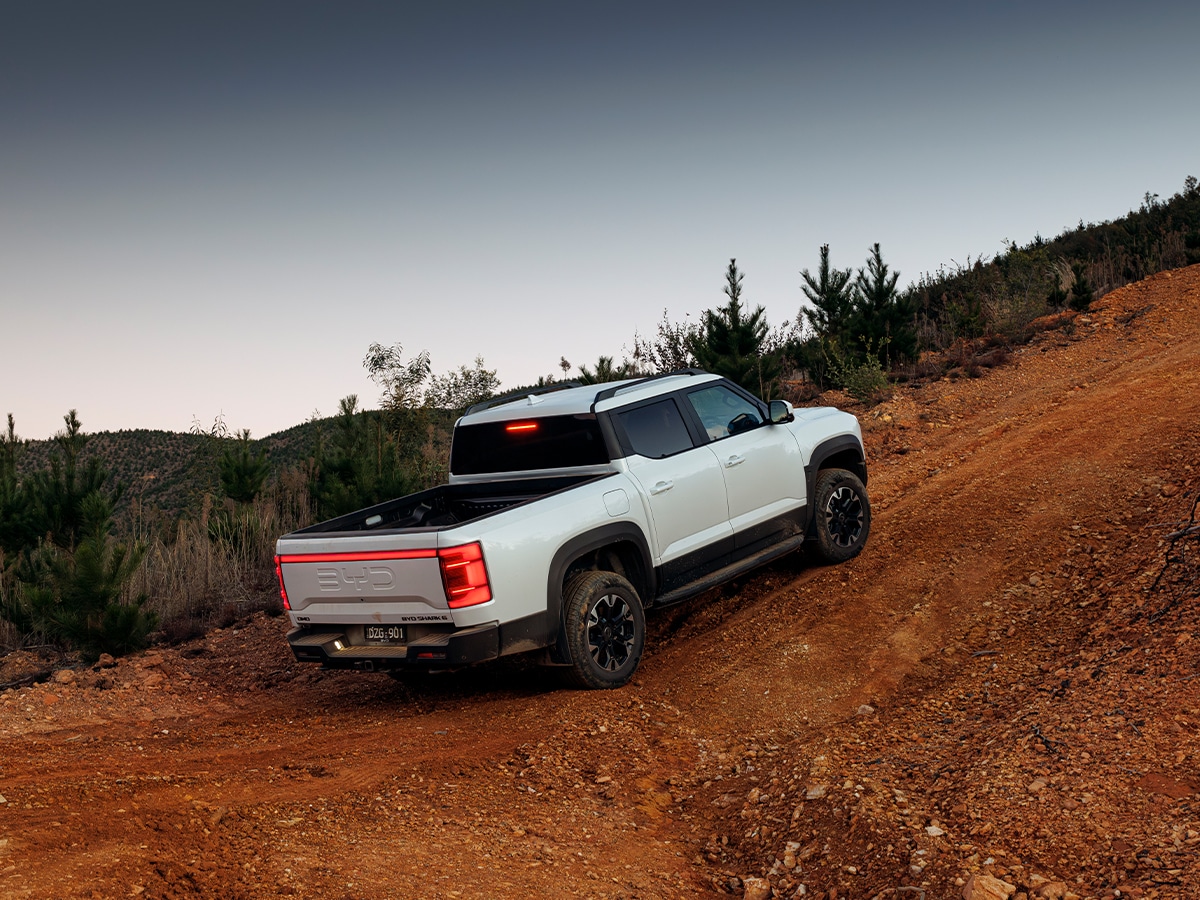
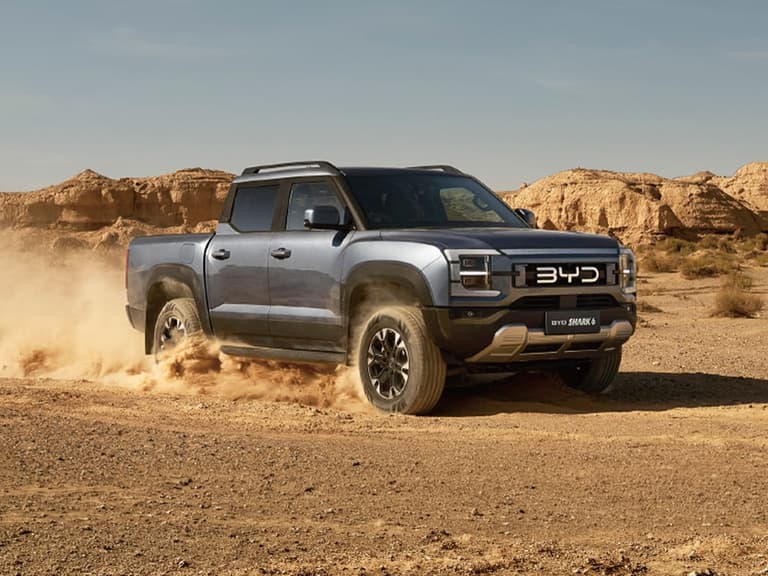
Plug-in hybrid light commercial vehicle sales skyrocketed by 77.0 per cent in October, reaching 2,524 monthly deliveries as households embrace the ability to complete daily suburban school runs on cheap domestic electricity, and still take the long journey to the mountains with a petrol engine as a back-up. Of course, the primary beneficiary of this seismic shift is the BYD Shark 6. The plug-in hybrid ute secured 1,843 deliveries in October, capturing 11.0 per cent of the entire 4X4 ute market. That represents a 72.2 per cent increase in volume over the same month last year, allowing the Chinese manufacturer to outsell established diesel competitors such as the Isuzu D-Max (1,179 units) and the GWM Cannon (763 units).
 1/4
Superior Chassis Dynamics, Power, and Technology
But the mass migration toward electrified dual-cabs extends far beyond running costs. Legacy manufacturers have equipped dual-cab utes with utilitarian underpinnings engineered for commercial payloads for decades. Traditional leaf-sprung solid rear axles produce a bouncy, skittish ride over suburban roads when driving unladen, and the new market entrants have taken advantage of this.
New electrified platforms prioritise passenger comfort by adopting sophisticated multi-link and independent coil-spring rear suspension systems that deliver the composed ride of a family SUV.
The BYD Shark 6 adopts independent double-wishbone suspension at all four corners, and it was a standout feature from the moment we got behind the wheel. It delivers a more composed passenger-car ride that mostly eliminates the bone-jarring shudder of old-school commercial leaf springs, especially noticeable at low speed, around town. Power delivery is equally impressive. While traditional four-cylinder turbo diesel engines struggle with sluggish throttle response and deliver modest outputs around 150kW, the Shark 6 combines a turbocharged petrol engine with dual electric motors to offer 321kW and 650Nm of instant electric torque.
Then on the inside, the cabin is full of tech, sporting a rotating 15.6-inch touchscreen, advanced driver assistance systems, and vehicle-to-load power capabilities that run camping gear or domestic appliances straight from the battery.

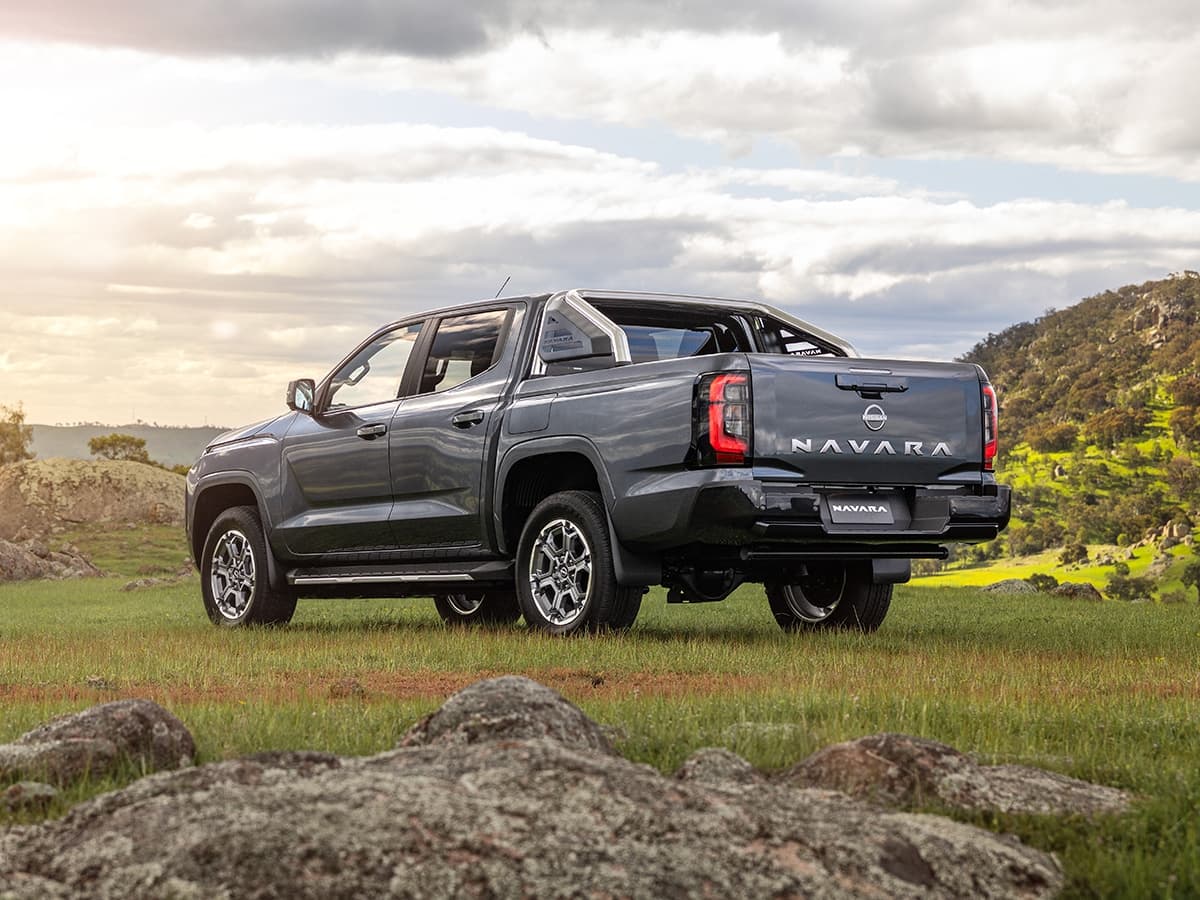
There’s more on the way, too. New models will push performance benchmarks even higher when the Nissan Navara Pro PHEV and Chery Stockman arrive in local showrooms next year.
Nissan developed its Oceania-spec Navara Pro PHEV with an electric motor and 2.0-litre turbo petrol engine producing 300kW and 800Nm of torque, backed by its celebrated coil-sprung rear suspension and more than 20,000 kilometres of rigorous Australian road testing.
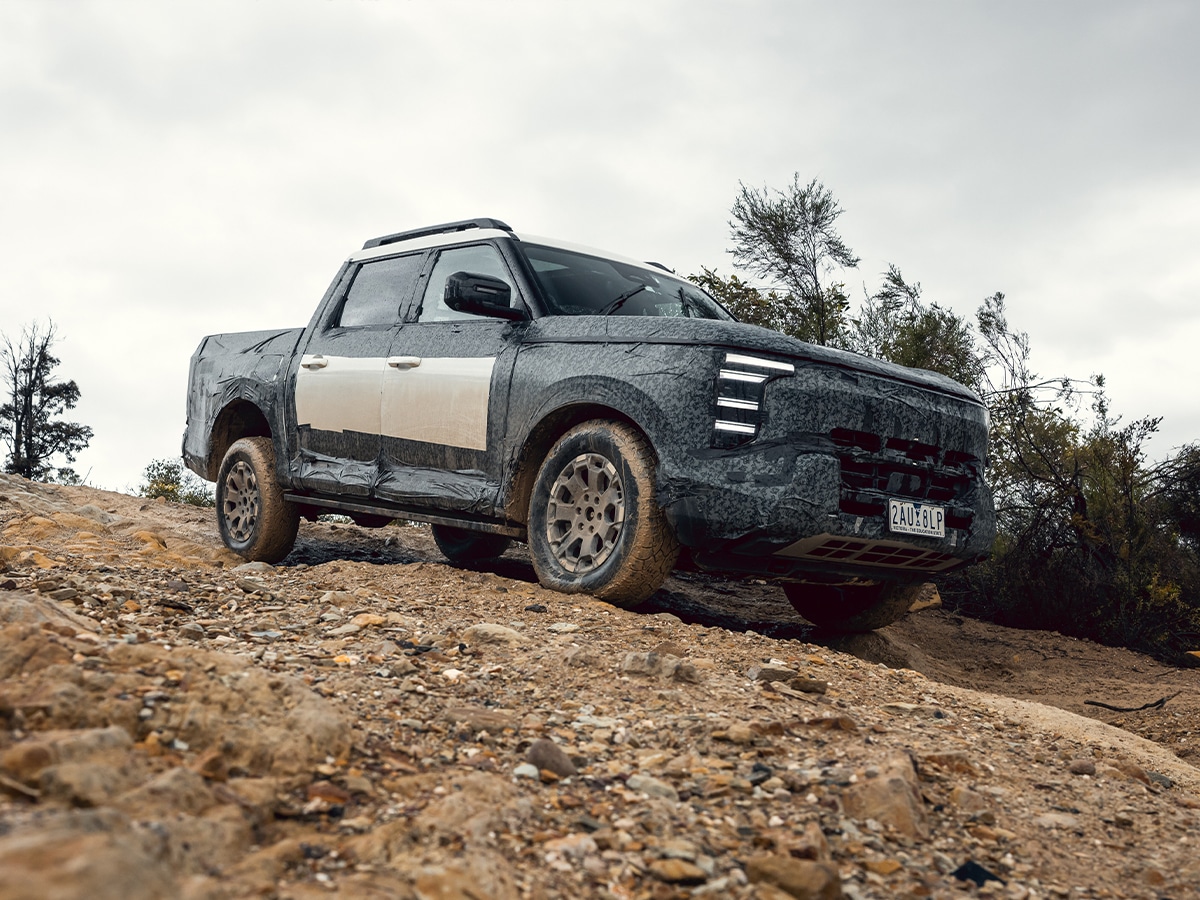
Meanwhile, the Chery Stockman introduces the world’s first diesel plug-in hybrid powertrain, pairing a 2.5-litre turbo diesel with a 34kWh battery to deliver 350kW and 800 Nm of torque. Engineered with local suspension validation by Melbourne tuning house Premcar, the Stockman combines 96 kilometres of pure electric city driving with three differential locks, full 3.5-tonne towing credentials, and a high-end luxury cabin featuring dual digital displays. Power-hungry, diesel-addicted buyers have their eyes on these alternatives.

NVES Squeeze On Legacy Showroom Prices
Beyond weekly running costs, the regulatory environment is actively reshaping the purchase price of new commercial vehicles. Under the New Vehicle Efficiency Standard Act, emissions limits for Type 2 vehicles, which include commercial utes and vans, tighten each calendar year.
The fleet target dropped from 210 grams of carbon dioxide per kilometre in 2025 to 180 grams in 2026, 150 grams in 2027, 122 grams in 2028, and finally down to 110 grams by 2029.
To meet these targets, popular diesel utes like the Ford Ranger and Toyota HiLux must halve their carbon emissions by the end of the decade. Brands that exceed their emissions caps face civil penalties of up to $100 per unit, or $50 under infringement notices issued by the regulator, creating multi-million-dollar liabilities for companies heavily reliant on pure diesel sales.
By contrast, electrified brands like BYD have already generated an immense financial advantage, banking more than 6.2 million surplus emissions credits.
The Future of Diesel Dual Cab Utes in Australia
That depends on whether fleets adopt more efficient hybrid alternatives. Diesel is still the only practical choice for genuine tradespeople, agricultural workers, and drivers who regularly tow heavy caravans across the outback. But the success of the Chery Stockman might uproot this idea. Still, vehicles like the Toyota HiLux and Ford Ranger will continue to dominate commercial fleet sales for the foreseeable future because their payload capacities, remote refuelling convenience, and mechanical simplicity, which remain unmatched in industrial environments.
But the future of the dual-cab is bleak for the average suburban family who primarily uses a tray to occasionally transport flat-pack furniture or garden supplies.
The combination of fuel inflation, second-hand value, and the arrival of highly capable plug-in hybrid alternatives has shattered the illusion that a commercial truck makes a sensible daily commuter. As household budgets tighten, the electrified dual-cab will provide the lifestyle image buyers crave without the bowser shock they can no longer afford. We can see that the market has already spoken, and there’s no reason it won’t continue to accelerate.






















Comments
We love hearing from you. or to leave a comment.