


Updated:
Readtime: 10 min
Every product is carefully selected by our editors and experts. If you buy from a link, we may earn a commission. Learn more. For more information on how we test products, click here.
- Sonos Beam Ultra adds two dedicated upward-firing drivers for a true 7.1.2 Dolby Atmos setup in the smaller Beam format.
- Sonos Ace Ultra can now connect directly to the wider Sonos system, letting you push audio between speakers and headphones without reaching for your phone.
- Both are up for pre-order now, priced at AUD$1,099 for Beam Ultra and AUD$699 for Ace Ultra, available from 29 September.
Sonos has unveiled two new Ultra products worldwide: the Beam Ultra soundbar, priced at AUD$1,099, and the Sonos Ace Ultra headphones, priced at AUD$699. Both are currently available for pre-order ahead of a 29 September release.
From “ultra” to “max” or even “extreme”, we’ve seen plenty of tech brands throw around these words whenever they need something above the typical “pro” moniker. Sonos, however, has approached its Ultra upgrades with a few course corrections and more substance than just new features and a price bump.
Beam Ultra adds dedicated upward-firing speakers missing from the previous generation, whereas the Ace Ultra addresses one of the stranger omissions in a pair of headphones: it now connects to the wider Sonos system. The soundbar gets a hardware upgrade, and the headphones now behave like a proper Sonos product.
 1/9
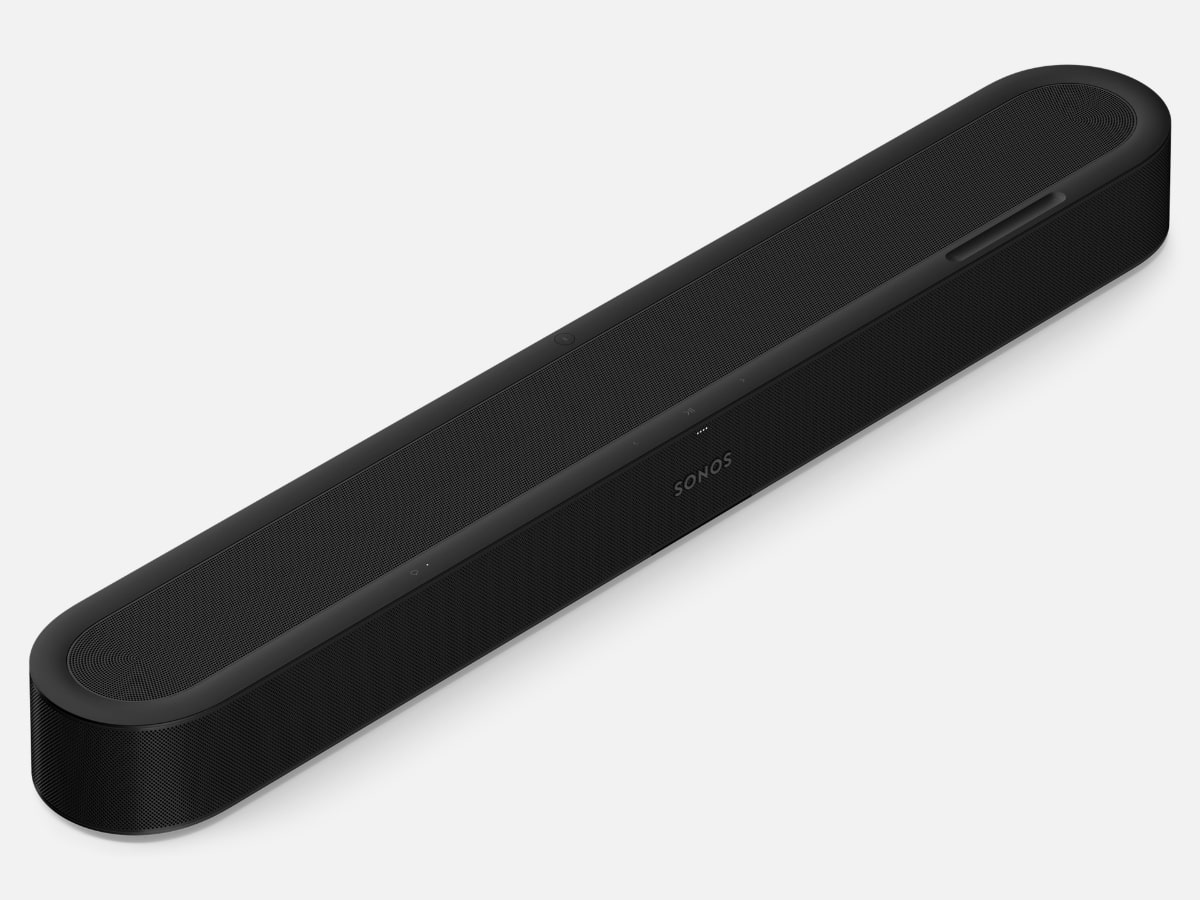
1/9Beam Ultra Adds Dedicated Height Channels to the Beam Formula
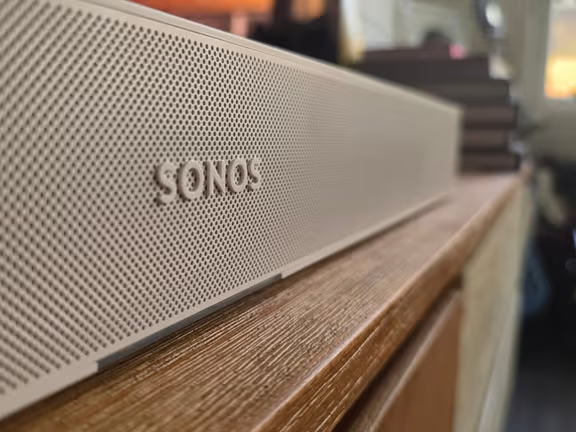
The biggest Beam Ultra upgrade is the speaker array. Sonos has fitted the soundbar with nine custom drivers, including two dedicated upward-firing drivers, so it can deliver a true 7.1.2 Dolby Atmos configuration: seven ear-level audio channels, one bass channel and two height channels overhead. It still keeps the Beam relatively compact, so it should fit beneath most TVs without demanding the cabinet space of a much larger soundbar.
It’s a big improvement over the Beam Gen 2’s Dolby Atmos support, which relied on digital processing to create height effects without dedicated upward-firing speakers. There’s still plenty of processing involved, but the height channels now have actual speakers doing the heavy lifting, bouncing sound towards the ceiling rather than relying entirely on virtualisation. That brings the Beam closer to the kind of Atmos hardware you’d normally expect from a larger soundbar or dedicated speaker setup.
That being said, it isn’t as small as it used to be. All that Ultra hardware meant Sonos had to beef up the new Beam’s enclosure. Measuring in at around 750mm wide, compared with the Beam Gen 2’s roughly 650mm footprint, it still sits well below the enormous soundbars designed to stretch across a full-size television cabinet.
Beyond the extra heft and height channels, Sonos also redesigned the centre channel for clearer dialogue (and hopefully less reliance on subtitles). They added four levels of AI Speech Enhancement, giving you further control over how aggressively voices are isolated from a movie or TV mix. Then there’s Night Sound for keeping louder noises like explosions under control without cranking the volume every time two characters start whispering, or waking up anyone who went to bed early.
Connectivity is also very Sonos. The Beam Ultra connects over Wi-Fi, Bluetooth and HDMI eARC, supports Trueplay room tuning and can form the centre of a larger home theatre setup with a Sonos Sub and rear speakers. And thanks to the Sonos 27 update, compatible portable speakers like the Move 2 and Sonos Play can also become rear surrounds once they’re in position behind you.
At AUD$1,099, Beam Ultra is also considerably more expensive than the Beam Gen 2’s regular price of AUD$799. It’s a significant jump for the smaller Sonos soundbar, but at least the extra AUD$300 buys a materially different speaker configuration rather than another round of software processing.
Sonos Beam Ultra Key Specs
- Price: AUD$1,099
- Audio: 7.1.2 Dolby Atmos
- Drivers: Nine custom drivers, including two upward-firing drivers
- Dialogue: Four levels of AI Speech Enhancement
- Connectivity: Wi-Fi, Bluetooth, HDMI eARC
- Room tuning: Trueplay
- Availability: 29 September 2026
 1/8
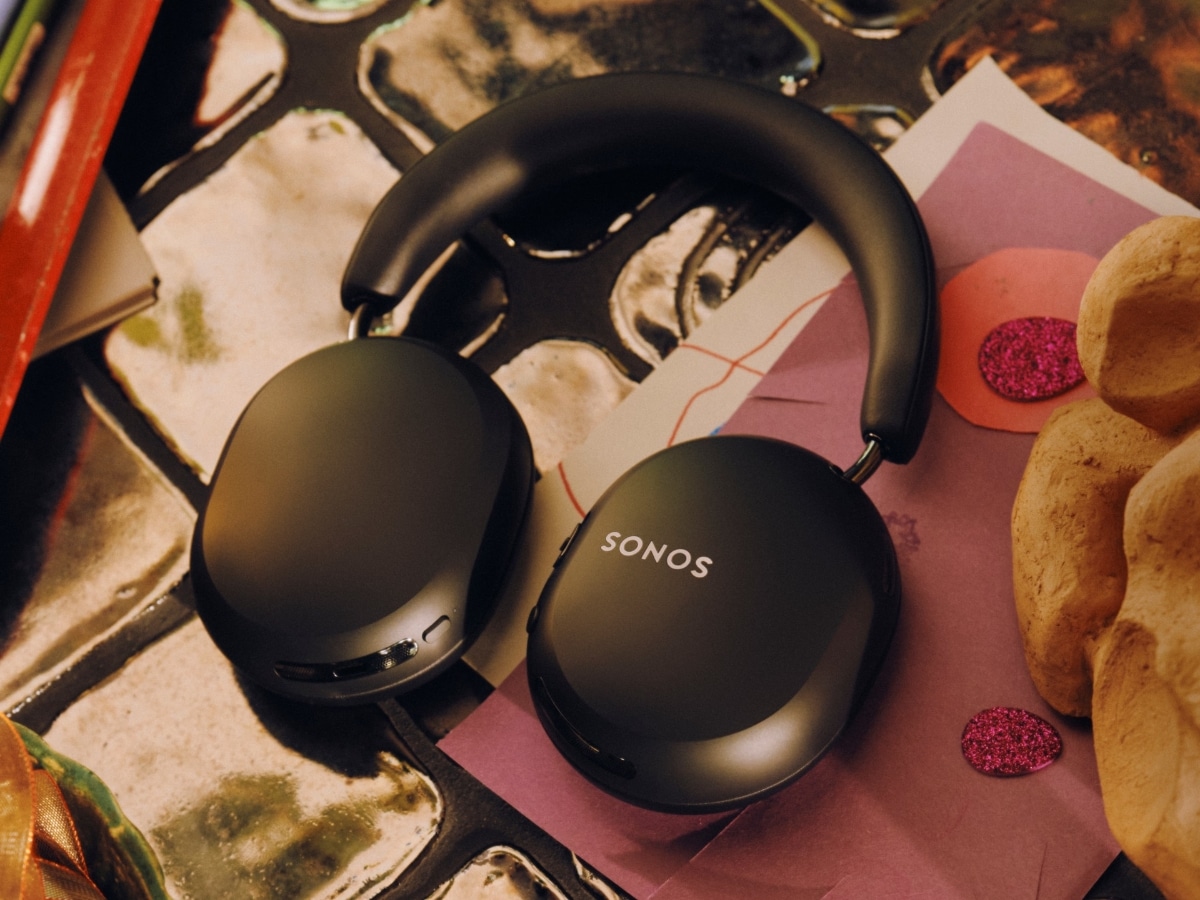
1/8Sonos Ace Ultra Headphones Finally Connect to the Sonos System
How the original Sonos Ace headphones arrived without proper connectivity with the wider Sonos system baffles me to this day. For a company that built its reputation around speakers that talk to each other throughout the home, launching a pair of premium headphones that had surprisingly little interaction with that wider system beyond TV Audio Swap with compatible Sonos soundbars was a serious misfire.
With the Ace Ultra, Sonos has finally corrected course. The headphones are the brand’s first product built around what it calls Headphone Engine 2, a new hardware platform that lets them connect directly to the Sonos system. Through a Headphone Linking feature launching in Early Access, you can press a button to push whatever is playing on nearby Sonos speakers into the headphones, then press again to send it back. You don’t even need your phone nearby to orchestrate the handover; the headphones handle it.
It’s not too dissimilar to Apple’s Handoff philosophy, although Sonos was moving music between connected devices long before Apple made Handoff part of its ecosystem. If you’re listening around the house and need to keep things quiet, the Ace Ultra can now become another destination in the same system rather than forcing you to start a separate listening session.
Speaking of which, the headphones also support TrueCinema. When you connect your Ace Ultras to a compatible Sonos soundbar, the system measures your room’s acoustics. It uses that information to tune the headphones’ spatial audio, aiming to recreate the characteristics of your home theatre setup around your ears. So when you swap from the soundbar to headphones, the goal is to keep the movie sounding like it’s still coming from the room around you rather than suddenly collapsing into a pair of headphones.
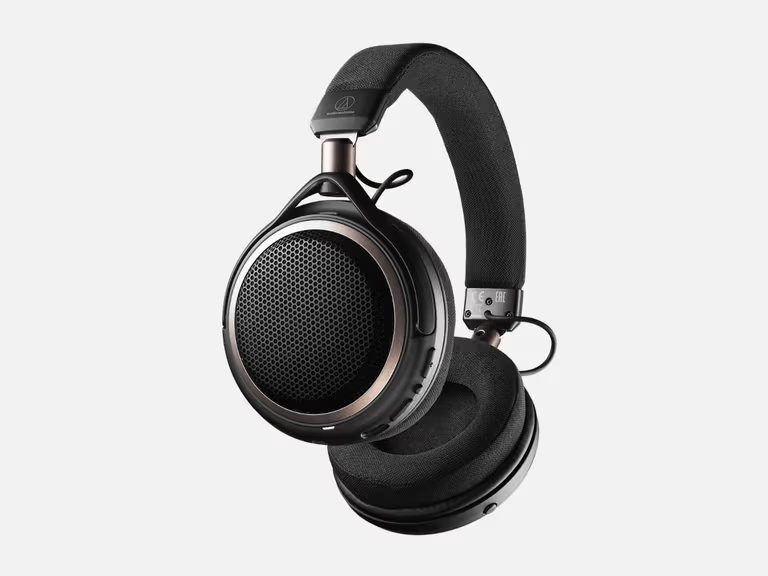
With software out of the way, let’s move over to the hardware upgrades. Ace Ultra uses a new Sonos-designed 40mm driver, while its Adaptive ANC now relies on 10 microphones. Sonos claims the new system can deliver up to twice the noise cancellation of the original Ace, but we’ll need to have a listen ourselves before we can tell you how much better it actually is.
Battery life also increases from 30 hours to up to 35 hours with ANC on, while Aware mode remains available when you need to hear what’s happening around you. You’re also not completely locked into wireless listening, with USB-C and 3.5mm inputs available alongside Bluetooth.
At AUD$699, the Ace Ultra headphones sit just above the pair of Aces, which launched locally at AUD$599. Honestly, another hundred dollars doesn’t seem all that unreasonable given the new driver, longer battery life and, most importantly, the Sonos connectivity that was missing the first time around.
Sonos Ace Ultra Key Specs
- Price: AUD$699
- Driver: Sonos-designed 40mm driver
- ANC: Adaptive ANC using 10 microphones
- Battery: Up to 35 hours with ANC
- Connectivity: Bluetooth, USB-C, 3.5mm
- Sonos features: Headphone Linking, TrueCinema
- Availability: 29 September 2026
Sonos 27 Wants Your Speakers to Figure Out Where They Are
The new hardware isn’t the only thing Sonos has coming in September. It’s also rolling out Sonos 27, the next version of its audio operating system, and some of the ideas they’ve put forward are pretty wild.
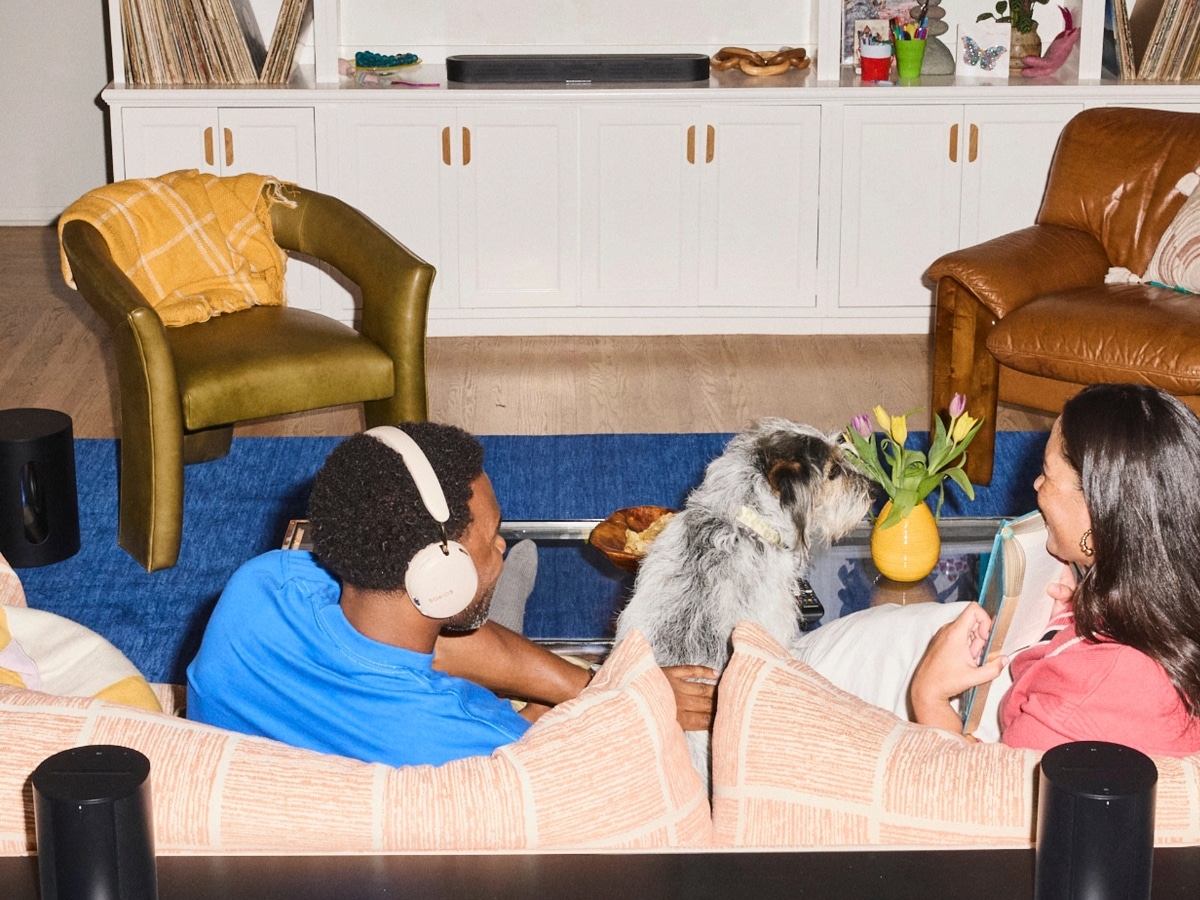
Take Sonos Positioning Technology. It uses high-frequency sound to help compatible speakers figure out where exactly they’ve been placed in a room and what they’re supposed to be doing there. We’ve already touched on one example with the Move 2 and Sonos Play acting as rear surrounds, but the technology goes further, letting compatible Sonos speakers change roles depending on where you put them.
Underneath all of that sits another bit of technology called Sonos Fabric. It’s a system that’s designed to help Sonos products sense what’s happening around them and adapt accordingly. So instead of manually telling every speaker where it lives and what role it plays, Sonos wants the hardware to figure some of that out for itself. I wouldn’t exactly call it a “smart” speaker, but it’s certainly got the intelligence for it.
On the topic of intelligence, Sonos 27mcp will allow outside AI assistants and agents, including ChatGPT, to interact with your Sonos system. Sonos also introduced Sonos 27voice, an updated version of the company’s own voice controls, plus changes to how you move around the Sonos app.
How useful that ends up being will depend on which Sonos products you already own and which features they support. That being said, Sonos is clearly upping its home audio credentials. Moving music from room to room has always been the easy part. Now it wants the speakers themselves to better understand where they are, what they’re connected to, and what you want them to do.
The first Sonos 27 features start rolling out from 8 September, including portable surrounds and Sonos 27mcp in Early Access, while Headphone Linking arrives alongside Ace Ultra on 29 September. Sonos 27voice will follow later.
Sonos Beam Ultra and Ace Ultra Price and Availability
Both the AUD$1,099 Beam Ultra and AUD$699 Sonos Ace Ultra are now available to pre-order through Sonos and selected Australian retailers, with both expected to arrive from 29 September 2026.
Beam Ultra gets the physical Atmos hardware the smaller Sonos soundbar lacked. Ace Ultra finally plugs Sonos’ headphones back into the system that made the brand famous in the first place. And with Sonos 27, the speakers themselves are starting to get a better idea of where they are and what you want them to do.
Related reads























Comments
We love hearing from you. or to leave a comment.