

Updated:
Readtime: 8 min
Every product is carefully selected by our editors and experts. If you buy from a link, we may earn a commission. Learn more. For more information on how we test products, click here.
- Apple is reportedly considering screen-free wearables as part of a broader rethink of its Apple Watch lineup.
- Screen-free rivals already sold in Australia can last seven to 10 days between charges, compared with up to 24 hours for the Apple Watch Series 11.
- Apple hasn’t settled on a design or confirmed that any screen-free device will actually make it to market.
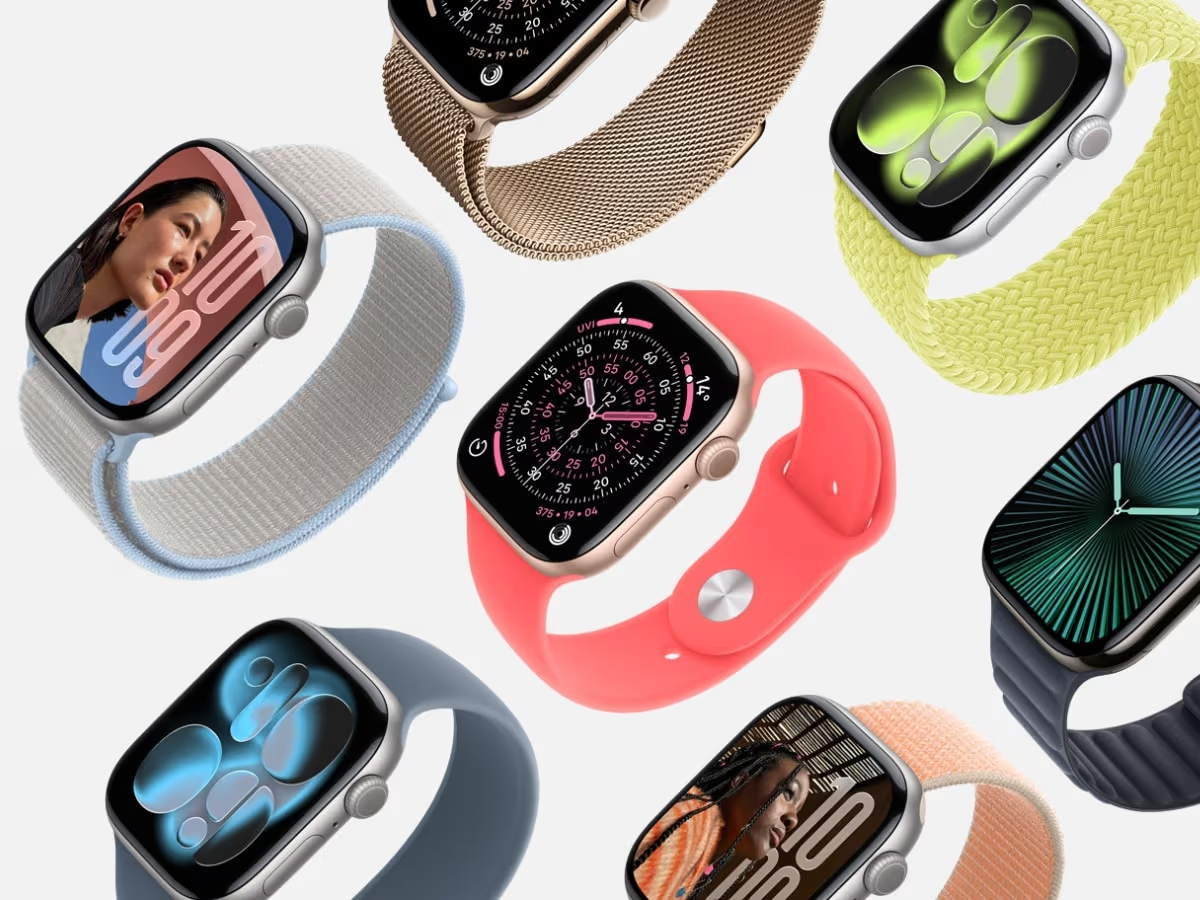
Apple has spent more than a decade finding new things for us to do on the Apple Watch screen. Messages, maps, workouts, calls, apps, notifications and health alerts have all been squeezed into the smart watch, with everyone scrambling desperately to close those rings or switch over to their iPhone when they get a call from their wrist. Now, according to Bloomberg’s Mark Gurman, Apple is considering a wearable that removes the screen altogether.
The idea is reportedly one of several directions Apple’s industrial design team over at Cupertino has explored as part of a broader rethink of its wearables lineup. Other concepts include devices without displays, different screen sizes and shapes, including round displays, alongside new premium and more affordable models.
However, with leaks and speculation, the only thing that’s for sure about Apple’s plans for its smart watch, or any upcoming device for that matter, is that nothing is for sure. With nothing officially locked in, if these screen-free concepts ever see the light of day, they’re not going to suddenly rappel down from the rafters alongside the incoming Apple Watch Series 12.
Why Would Apple Make a Wearable Without a Screen?
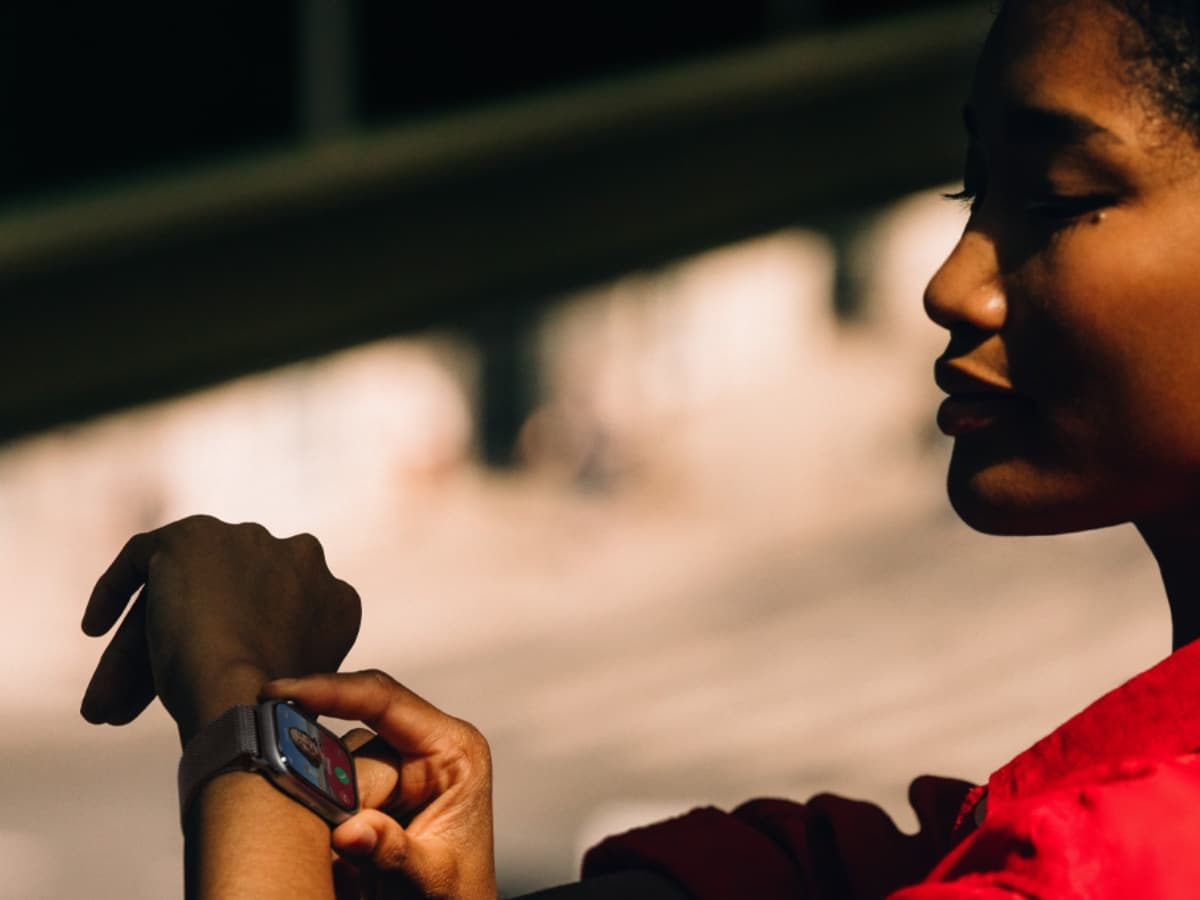
It might sound a little backwards until you look at what has been happening outside the Apple Watch. Screen-free bands from WHOOP, Fitbit (now owned by Google) and now Garmin have made a pretty convincing case for taking one less display with you. And that’s without including all the smart rings and other wearable fitness trackers we’ve been seeing lately. Some, like the Lumysi luxury fitness bracelet, even look like jewellery.
Screen-free wearables tend to be lighter, quieter and far less demanding on battery life. Even if that comes with the obvious trade-off, you’ll still get plenty of health data, just without the little interactions that make an Apple Watch useful throughout the day.
But with only 24 hours of battery life for the Apple Watch Series 11, and up to 42 hours with the much larger Ultra 3, there’s only just enough juice to get you through the day, maybe track a few hours of sleep, before you have to pop it on the charging dock.
Apple Has Plenty of Competition
The screen-free competition already available in Australia shows what Apple would be up against.
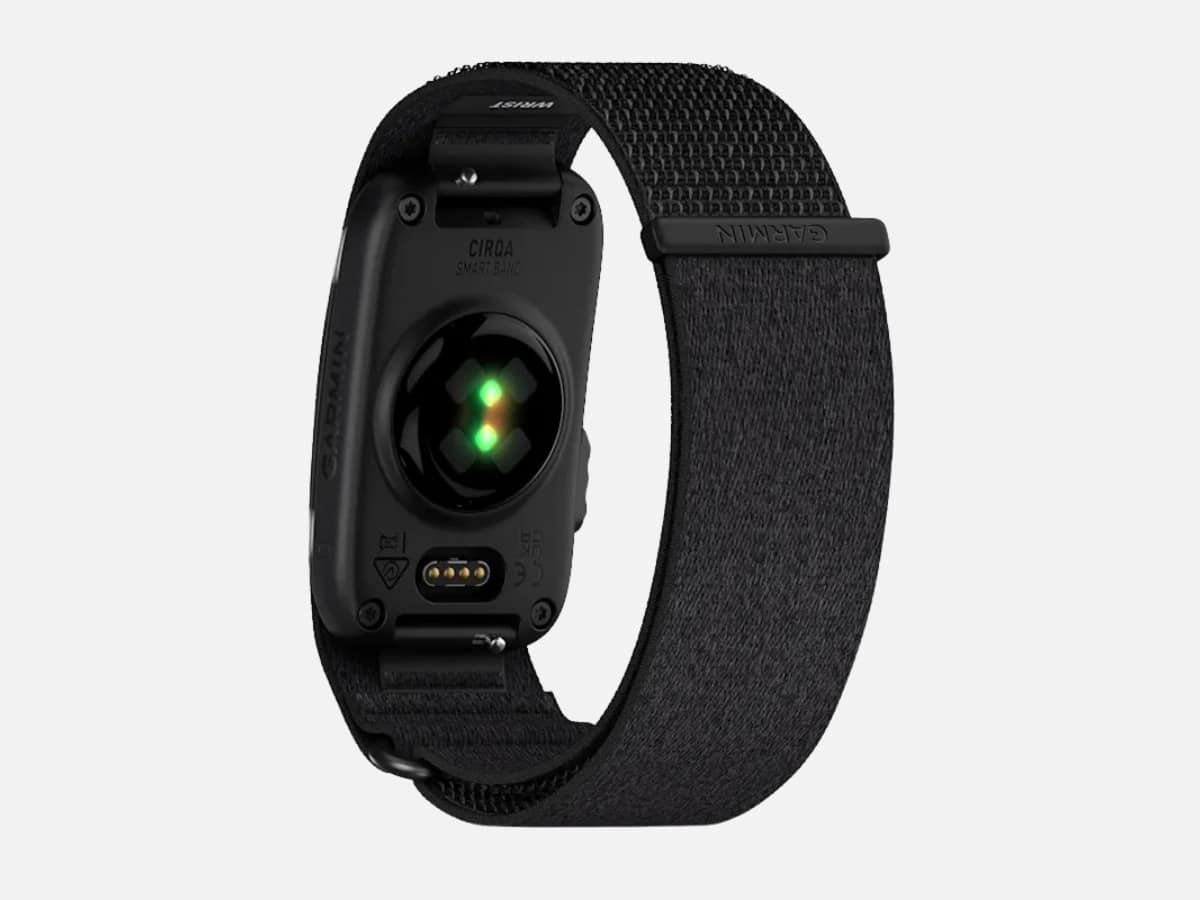
Google’s AUD$199 Fitbit Air has no screen, lasts up to seven days and quietly records health and fitness data before pushing the useful stuff back to the Google Health app on your phone. Then there’s Garmin with its newly released AUD$299 CIRQA Smart Band. It follows much of the same logic as Google, offering up to 10 days of battery life with no display and no subscription required for its core tracking features. Take that, Oura.
The missing screen isn’t solely responsible for those battery numbers, but removing the display takes one persistent demand off the tiny batteries in these wearables, giving manufacturers more room to build something smaller and less distracting.
What they all have in common is that while they sit on your wrist collecting data, you’re still expected to look at that information on your phone when you actually want it. Track all day, then look later.
For anyone who already spends enough time looking at screens, I can see the appeal.
Health Tracking Doesn’t Really Need a Display
There’s another reason Apple might be thinking about going screen-free. A growing chunk of what makes a wearable useful happens when you aren’t interacting with it at all. At least not directly.
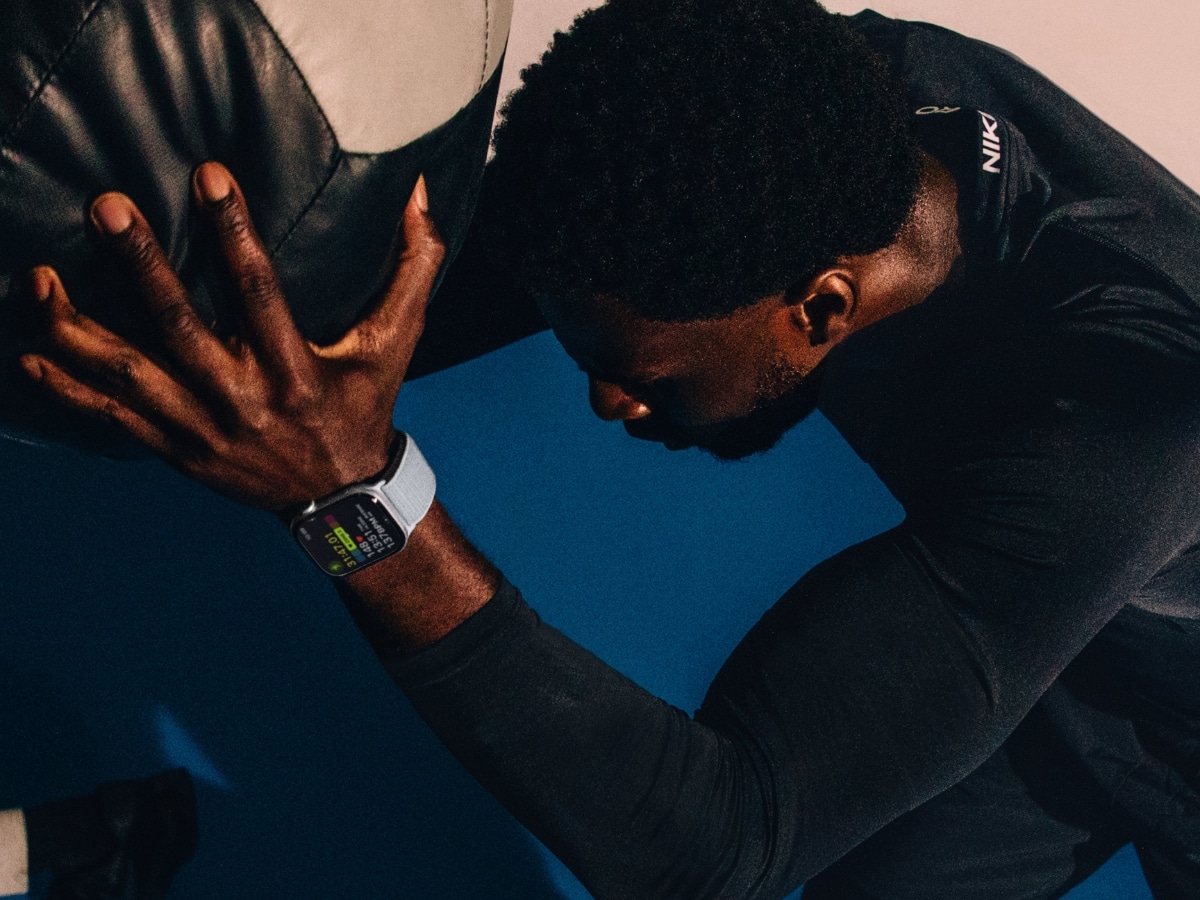
Your heart rate doesn’t require you to look at your wrist to be measured. Neither does sleep duration, movement, skin temperature or any other passive health data, for that matter. The value comes from wearing the device as much as possible to build a useful picture over time. For most people, it’s the information collected over time that matters most.
There’s even some Australian research that dives deeper into the behaviour. A UNSW and Neuroscience Research Australia study supplied Apple Watches to 228 Australian adults between 18 and 84 for eight weeks (where was my invitation, guys?). Participants wore them for a median of 55 of the study’s 56 days, averaging almost 17 hours of wear on the days they used them.
While it might not say much about screen-free devices, it does show how willing people can be to leave a wearable on and let it collect as much information as possible.
If Apple can make a screen-free wearable lighter and reduce how often it needs charging, passive tracking becomes easier again.
But What Happens to the Apple Watch Part?
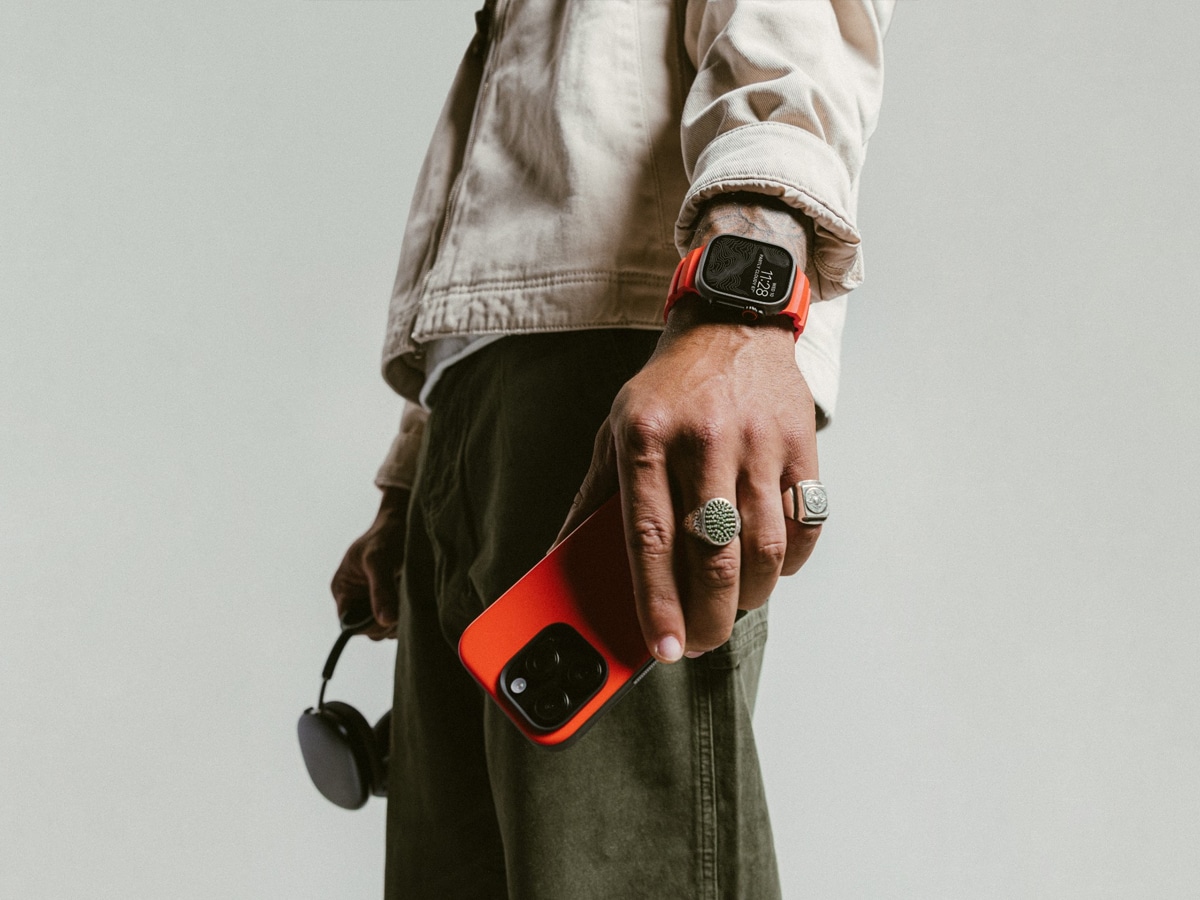
An Apple Watch isn’t simply a health sensor strapped to your wrist. You can glance at a text while your phone is in your pocket, see directions while walking somewhere unfamiliar, check a timer while cooking, monitor a workout, answer a call, or, you know, tell the time.
Apple’s own battery testing of the Ultra 3 reflects that behaviour, factoring in hundreds of time checks, notifications and app use alongside workouts and sleep tracking.
So, can you really call it a smartwatch if you remove the screen?
That doesn’t make the idea pointless, though. Based on what competitors are doing, a screen-free Apple device could conceivably collect health and fitness information in the background while leaving your iPhone to handle the deeper analysis and interaction.
But who knows what Apple is cooking up in Cupertino. Even Bloomberg hasn’t reported what sensors such a device would contain, how long its battery would last or even whether it would be considered an Apple Watch at all. At this stage, Bloomberg says Apple hasn’t settled on a single direction for its broader wearable rethink.
Apple Doesn’t Exactly Need to Save Its Watch
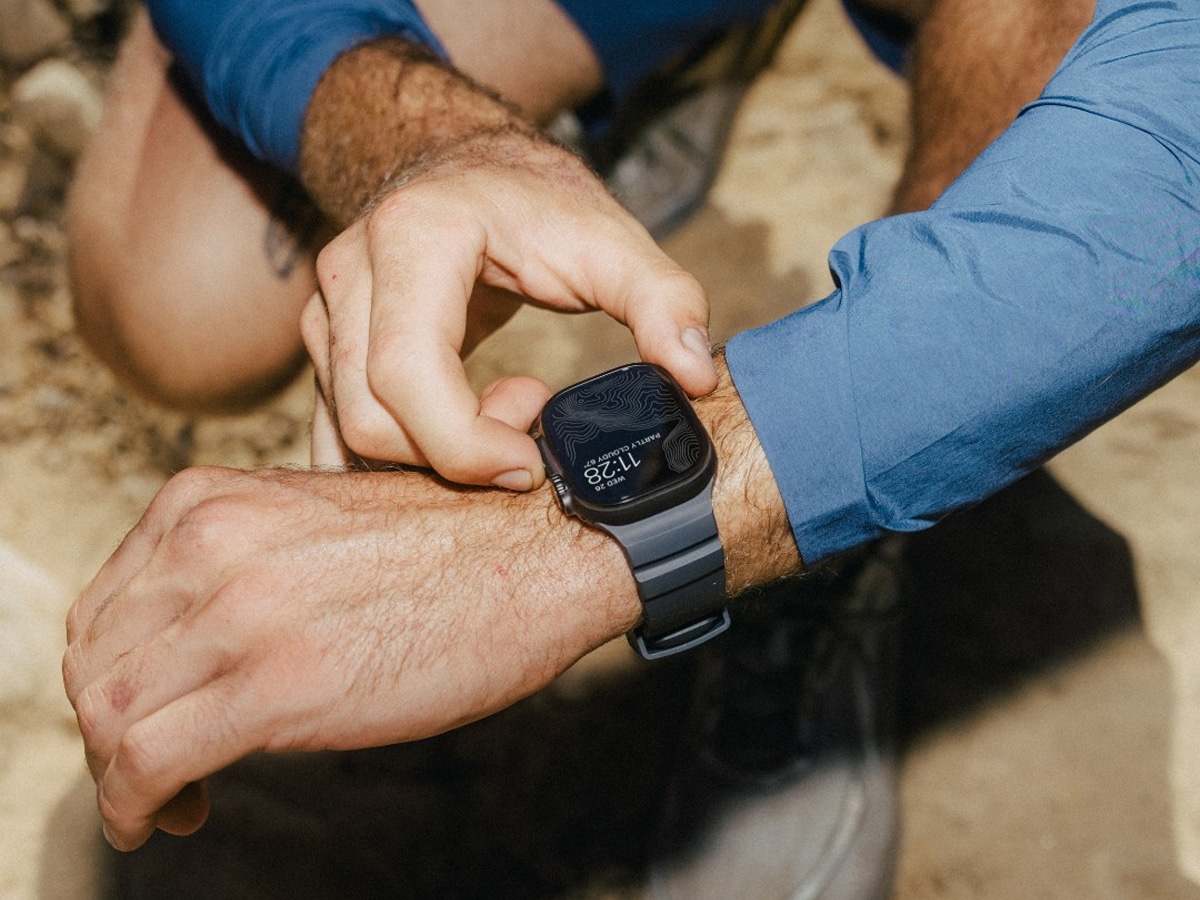
While I’m more likely to notice the analogue watches on the wrists of people around me, I rarely clock what smartwatch someone might be wearing. On the numbers, though, Apple is doing just fine.
According to Counterpoint Research, Apple’s smartwatch shipments grew 21 per cent year-on-year in the first quarter of 2026, the fastest growth among the top 10 brands, while Apple held a 23 per cent share of global smartwatch shipments.
So, they’re not exactly scrambling to replace a Watch formula that’s already working. A screen-free device makes more sense as a way to widen the lineup than replace the Watch we already know. Much like the iPod Shuffle or Nano didn’t replace the standard iPod, Apple knows a thing or two about giving people options.
Some of us will still want to wear an Apple Watch because we want the little screen and everything attached to it. Someone else might only want sleep, recovery and fitness tracking without another notification centre following them around.
Google and Garmin already show that both approaches can sit beside each other, although there’s no indication Apple has settled on the same strategy.
What Else Could Apple Be Considering?
Screen-free hardware is only part of the experimentation.
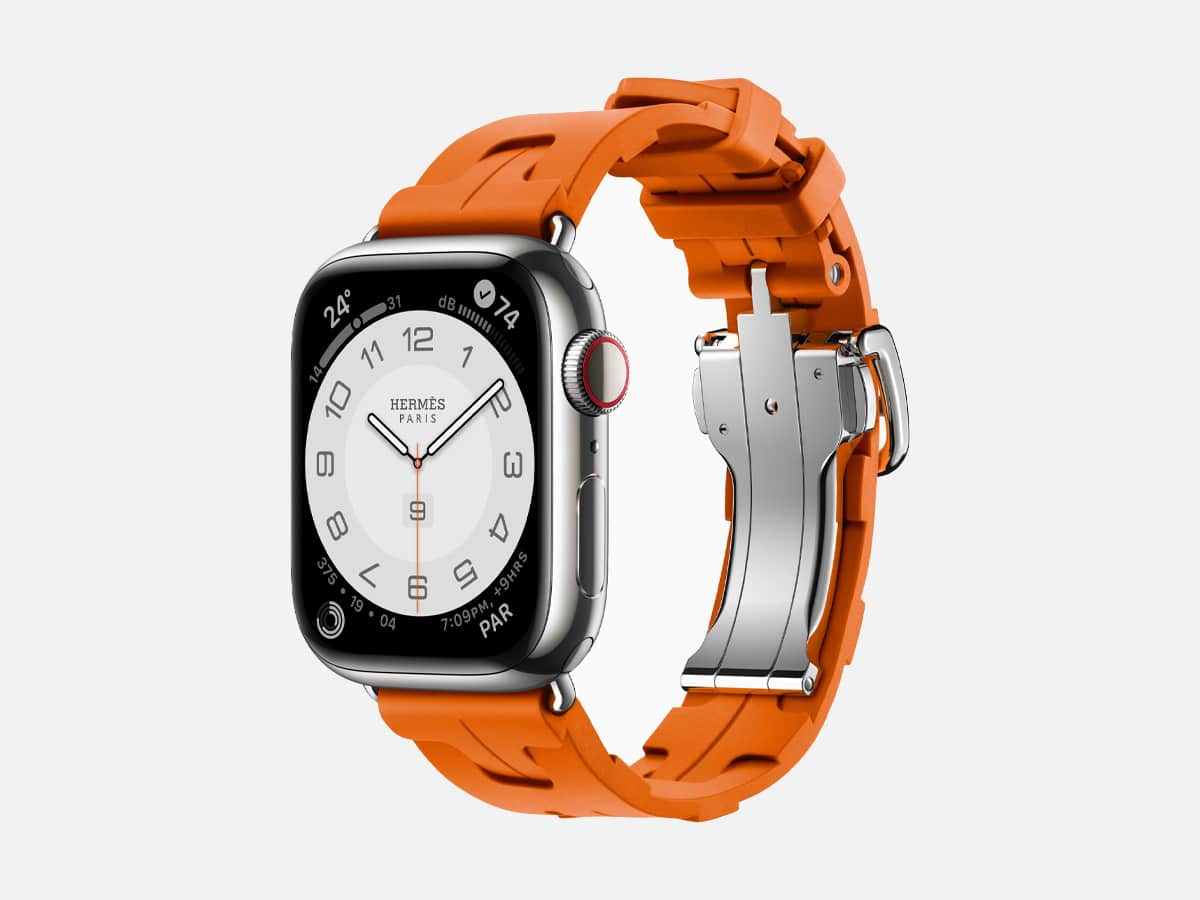
Gurman’s reporting says Apple has also looked at bringing back a ceramic case, alongside different display types and sizes. Round concepts have even been considered, which would be a massive departure from the familiar rounded-square design the Apple Watch has held onto since its release.
Premium devices beyond today’s Ultra and Hermès variants are also reportedly under consideration, as are cheaper concepts beyond the SE, suggesting Apple is exploring the future family tree of the Watch formula.
When Could Apple’s Screen-Free Wearable Arrive?
Nobody appears to know, not even Apple.
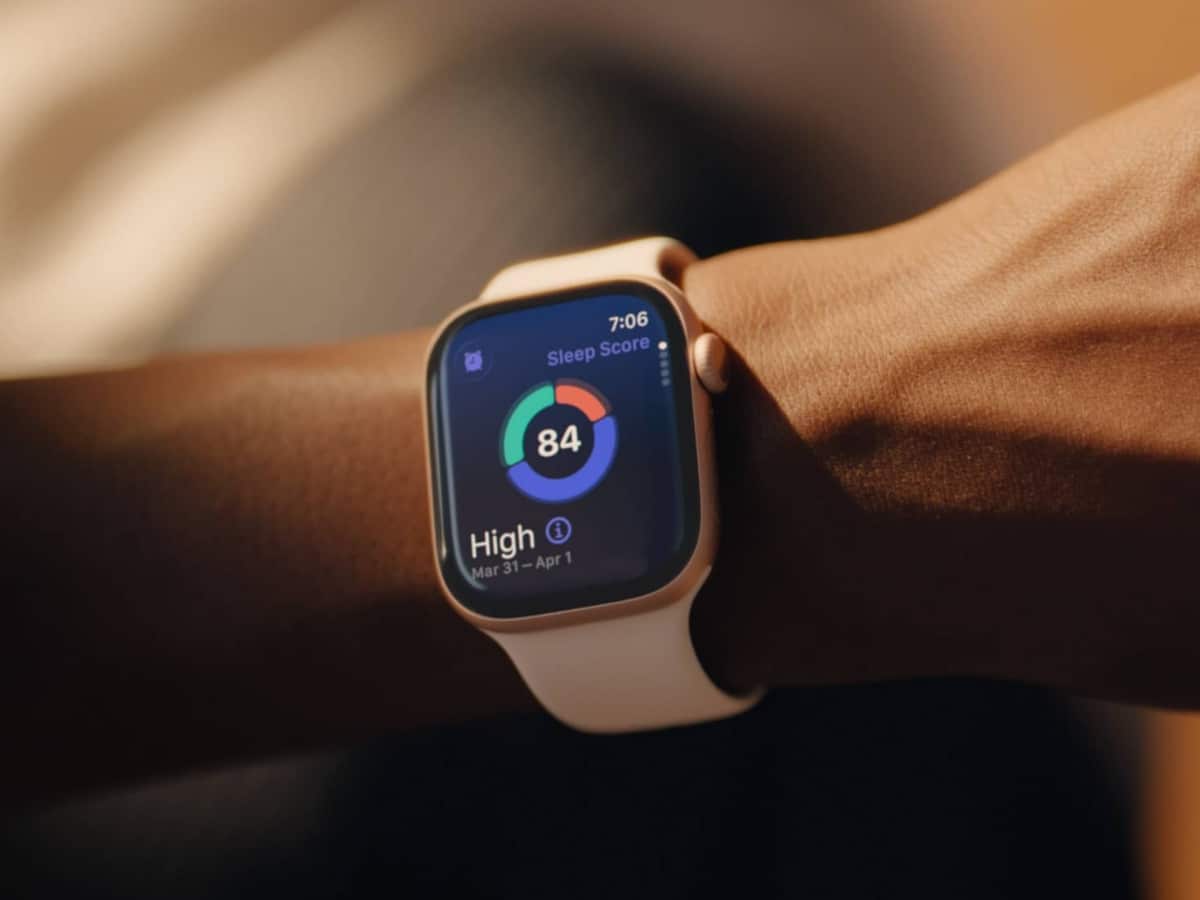
Bloomberg says the company hasn’t settled on a single direction, and any larger overhaul will take time to develop, let alone reach the market. For now, though, the upcoming Apple Watch generation is expected to stick to the familiar formula, with better performance and new health and fitness updates on the way.
We may see some of these experiments become products one day, while others could disappear into the “what if?” pile alongside countless Apple prototypes that never saw the light of day.
Either way, the screen-free idea already makes more sense than it did at first glance: potentially longer battery life, more discreet health tracking and a wearable that’s easier to leave on around the clock.
The only challenge that remains is figuring out how much of the Apple Watch you can remove before it stops being an Apple Watch at all.
Related reads




















Comments
We love hearing from you. or to leave a comment.