


Updated:
Readtime: 8 min
Every product is carefully selected by our editors and experts. If you buy from a link, we may earn a commission. Learn more. For more information on how we test products, click here.
- Apple is reportedly targeting a WWDC 2027 reveal for its first smart glasses, followed by a consumer release later that year.
- The glasses, allegedly referred to by internal codename N50, are expected to use cameras, microphones, speakers and Siri, without projecting information across the lenses.
- Apple has reportedly tested recording, AI-only camera and camera-free versions as it works through the product’s privacy problem.
The tech world approaches Apple launches like Christmas, eager to see which part of our lives the company wants to occupy next. Its products have already found their way onto our desks, into our pockets, around our wrists, inside our ears and beside our beds. Now, reports suggest Apple is coming for our eyes, although its first smart glasses may not show the wearer anything at all.
According to Bloomberg’s Mark Gurman, Apple is targeting a WWDC 2027 reveal for a pair of display-free glasses, internally codenamed N50, followed by a consumer release before the end of that year. Apple hasn’t announced the product or confirmed either date, but we’re talking about speculation and industry leaks, so take everything we’ve gathered together with a grain of salt.
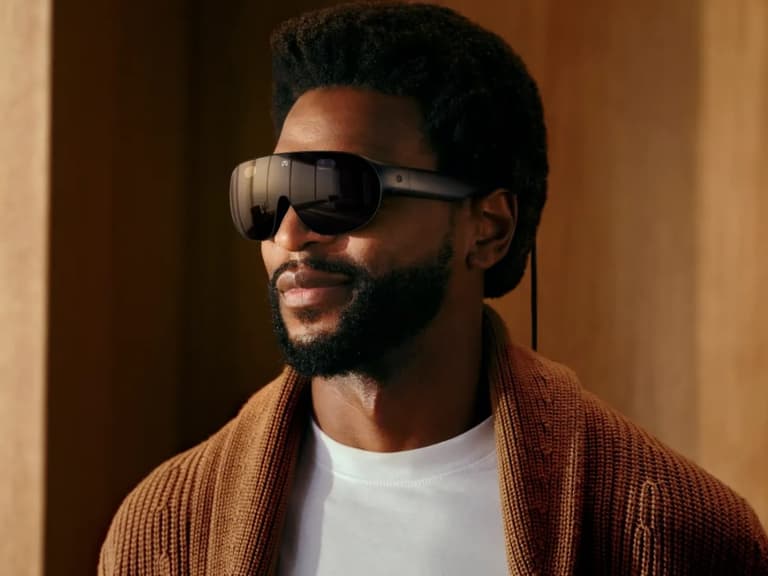
Based on what we’ve read, Apple isn’t planning to squeeze the Vision Pro into a pair of spectacles. Instead, the reports point to something closer to Ray-Ban Meta and Samsung’s intelligent eyewear, with cameras and microphones giving Siri a view of the world. What they apparently won’t include is a display, meaning no maps, messages or floating apps projected in front of the wearer.
It’s a lot less futuristic than the Apple Glass I would have imagined. Then again, Apple has a knack for arriving late to someone else’s category, tightening the screws and behaving as though the whole thing started in Cupertino. As someone with four eyes already, I just hope they’re comfortable to wear.
So, What Is Apple Actually Making?
Apple is reportedly working on AI glasses designed to connect to an iPhone, which would likely handle at least some of the computing and connectivity work.
Microphones and open-ear speakers would bring calls, music, notifications and answers into the frame, while the cameras would handle the visual side of the experience. Apple has also reportedly tested several frame shapes and colours, although there’s no guarantee which options will reach production.
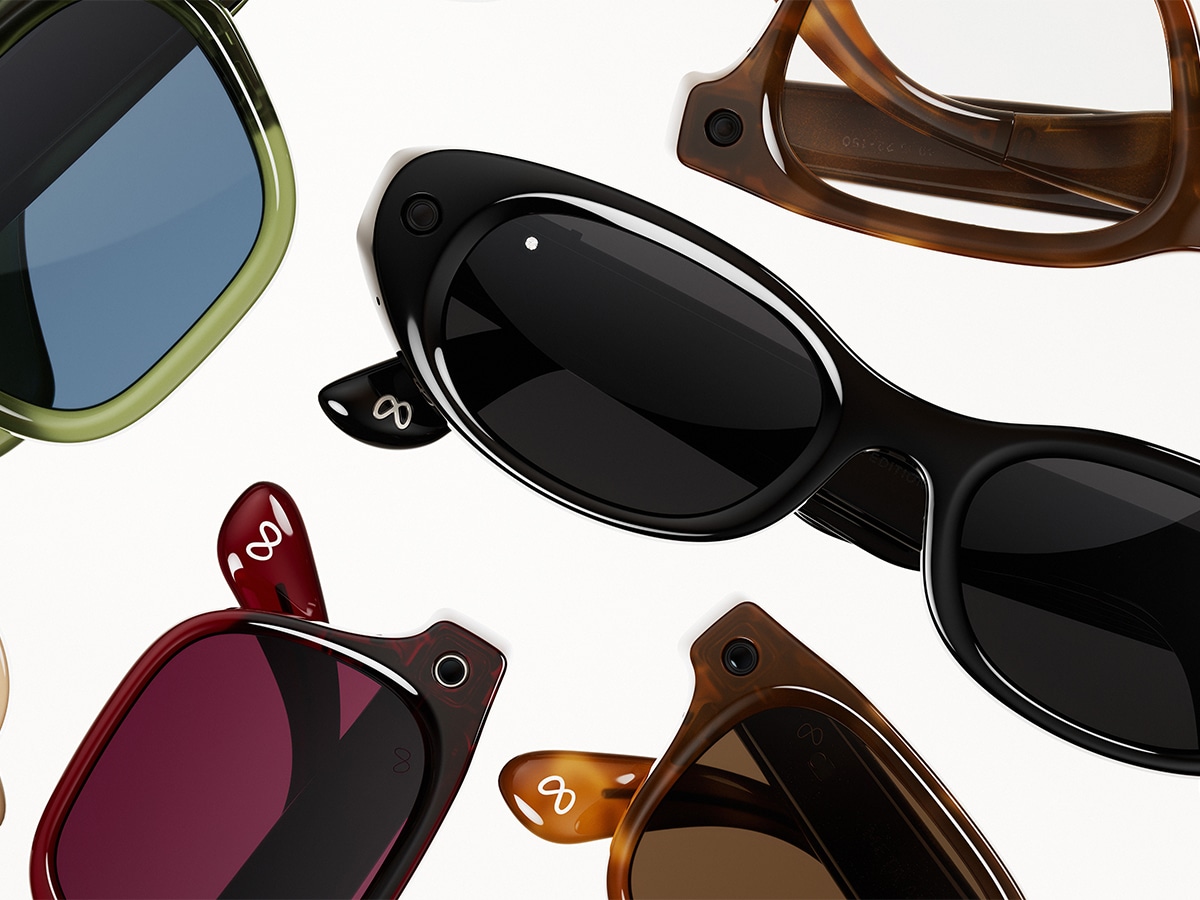
Whichever version does arrive, Apple will be playing catch-up. Ray-Ban Meta has the basic camera-and-AI formula down, while Samsung recently unveiled its Gemini-powered intelligent eyewear with Google, Gentle Monster and Warby Parker.
The obvious Apple advantage is how neatly the glasses could slot into its existing ecosystem. Siri, Apple Music, calls and notifications could move into the frame, although exactly how deep that integration goes remains unknown. Either way, it will need to offer more than simply putting AirPods into a pair of glasses.
What Will Apple’s Smart Glasses Actually Do?
Most of the reported functions already exist somewhere across the iPhone, AirPods and Siri. The difference is that the glasses could bring visual questions, spoken directions and first-person photo or video capture into the same hands-free device.
Gesture control may also help tie the experience together. Analyst Ming-Chi Kuo has forecast voice and gesture input, while MacRumors describes a two-camera prototype with separate cameras handling capture and gesture recognition.
The point of moving all of this into a pair of glasses is speed. A wearer could ask about something as they look at it, hear directions without checking a screen or capture a moment without reaching for a phone.
But the iPhone already handles the same mix of audio, camera and AI functions. If the glasses aren’t noticeably quicker or easier to use, Apple is going to struggle to justify whatever it eventually charges.
Apple Has A Camera Decision To Make
The cameras are where Apple’s smart-glasses problem gets more complicated. Earlier reports treated photos and videos as core features, but Bloomberg now says the company has tested three different directions: cameras that can record, cameras limited to visual AI and glasses without cameras at all.
Each option solves one problem by creating another. A recording-capable version gives buyers the effortless first-person photos and videos that helped make Ray-Ban Meta popular, while also inheriting the same discomfort around wearing an eye-level camera in public.
If Apple decides to restrict the cameras to object and place recognition, Siri would still have a view of the world, just without requiring every interaction to have a release form for every innocent bystander in the background.
Removing the cameras altogether would eliminate many of the privacy concerns, but then we’re left with a pair of glasses with speakers and not much else. At that point, AirPods or any decent pair of earbuds already handle those jobs efficiently enough.
Gurman reports that both alternatives have been debated inside Apple, although he considers neither especially likely, partly because Apple’s AI probably isn’t ready to carry a stripped-back version on its own.
That leaves a recording-capable version as the likeliest outcome, even though it creates the hardest problem for everyone standing on the other side of the lenses.
Apple Can Protect Your Data, But What About Everyone Else?
Cameras make privacy problems much harder to contain, not just for Apple. Protecting the wearer’s images, requests and personal information is all very important, but convincing everyone nearby that a pair of smart glasses won’t be recording everything around them is a problem I haven’t seen anyone solve convincingly yet.
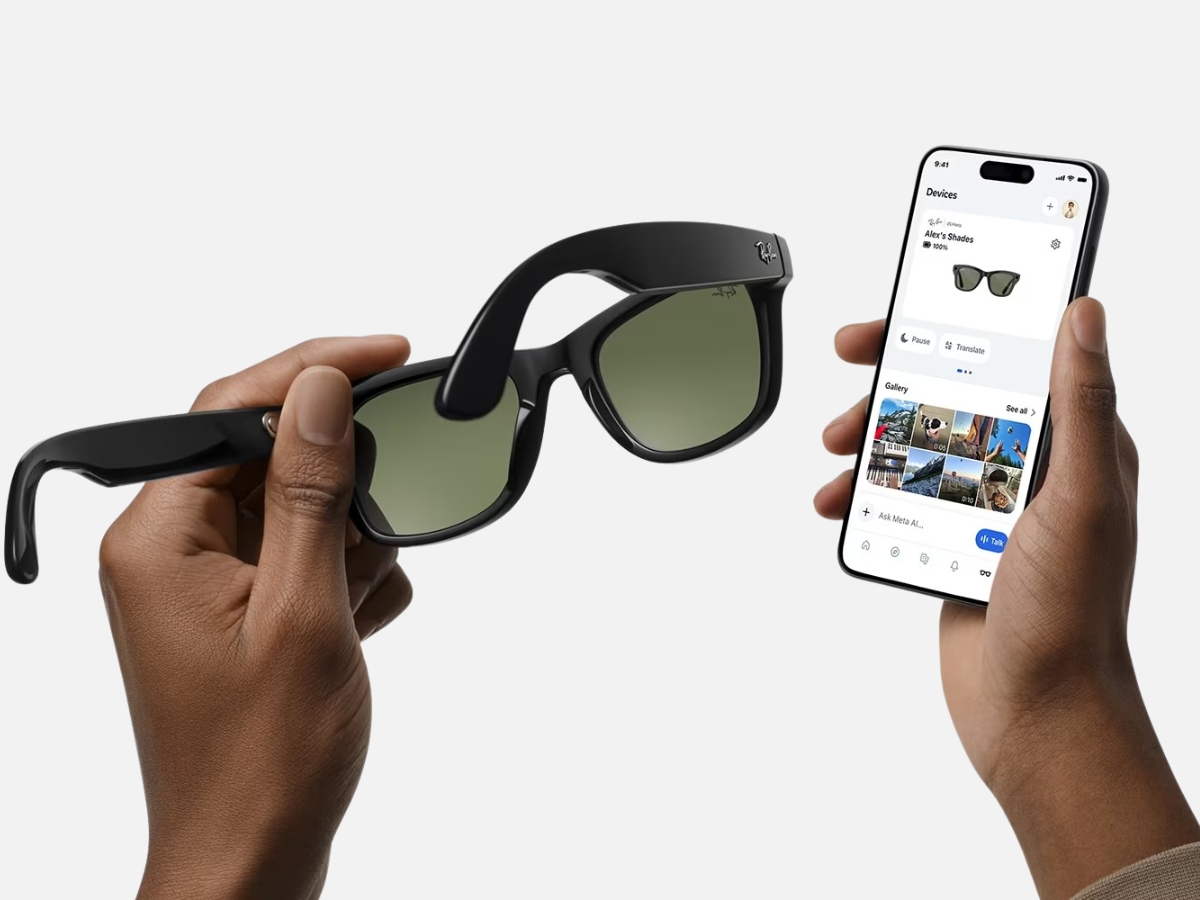
Meta uses a white capture light that flashes when its glasses take photos or videos, and if the indicator is covered or tampered with, recording is disabled. Samsung has said it plans similar safeguards for its own eyewear. All sensible protections, but they still rely on people noticing a small light and understanding what it means.
As someone who’s worked in news and television, I know all about the tally light. When that comes on, you know the cameras are rolling. It’s not as obvious as the big “ON-AIR” signs outside the studios, but you still learn to keep an eye out.
The Warning Light Only Works If You Notice It
Most people haven’t spent enough time around cameras inside smart glasses to know what they should be looking for. A 2026 study from China involving 525 survey participants found that only 41.3 per cent of bystanders considered LEDs an adequate privacy signal, but plenty raised concerns about visibility, unfamiliar indicators and deliberate obstruction. Separate Australian research has also identified concerns around privacy, antisocial behaviour and filming people without consent, although it did not test recording lights as directly.
Gurman reports that Apple is developing new hardware and software protections, with privacy treated as a top priority inside the teams working on the glasses. He also expects Apple to favour on-device processing, avoid facial recognition and steer clear of continuously analysing a wearer’s surroundings or using customer footage to train AI models.
That’s a decent amount of assurance for the person wearing them, but it still doesn’t give everyone in view much control over whether they’re being recorded.
Apple has spent more than a decade turning privacy into part of its product identity. A pair of camera-equipped glasses would test whether that message can survive contact with a device that always appears capable of watching.
The AR Glasses Are Still Years Away
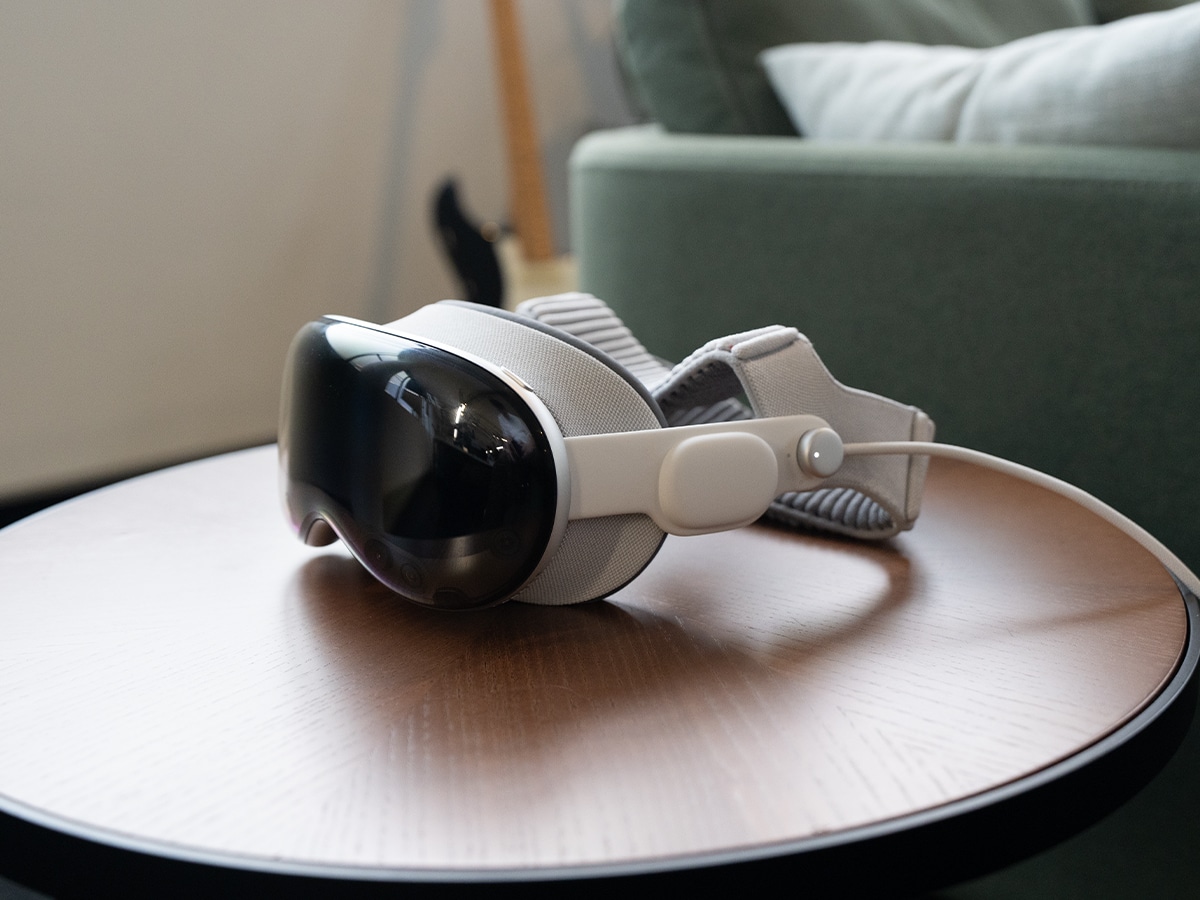
While the N50 glasses might come as soon as next year, these are separate from the display-equipped AR product people have spent years imagining, particularly since Apple showed what it could do with Vision Pro. Ming-Chi Kuo’s latest roadmap places Apple’s more ambitious AR glasses in 2029, while Bloomberg reckons they’re still years away from materialising.
That latter project is closer to the Apple Glass idea, with information projected into the wearer’s field of view. Of course, Apple still needs to figure out the heat, battery and weight problems that come with putting a display on someone’s face. Otherwise, it risks carrying too much of Vision Pro’s bulk and heat into something people are expected to wear all day.
Privacy has also influenced the timetable. Apple was previously targeting a late-2026 introduction before engineering and marketing teams spent more time working through the product and the message surrounding it. Whether the glasses actually appear at WWDC 2027 remains anyone’s guess.
Apple will need to make its smart glasses useful enough to justify another device on your face, while giving everyone nearby a clear reason to trust the cameras pointed in their direction.
Related reads























Comments
We love hearing from you. or to leave a comment.