


Updated:
Readtime: 6 min
Every product is carefully selected by our editors and experts. If you buy from a link, we may earn a commission. Learn more. For more information on how we test products, click here.
- Restaurants, pubs and theatres in the UK are restricting Meta’s camera-equipped smart glasses over privacy concerns.
- An Australian hospitality venue has already introduced its own ban on camera-enabled glasses.
- The debate is getting more complicated as smart glasses become useful accessibility tools as well as discreet cameras.
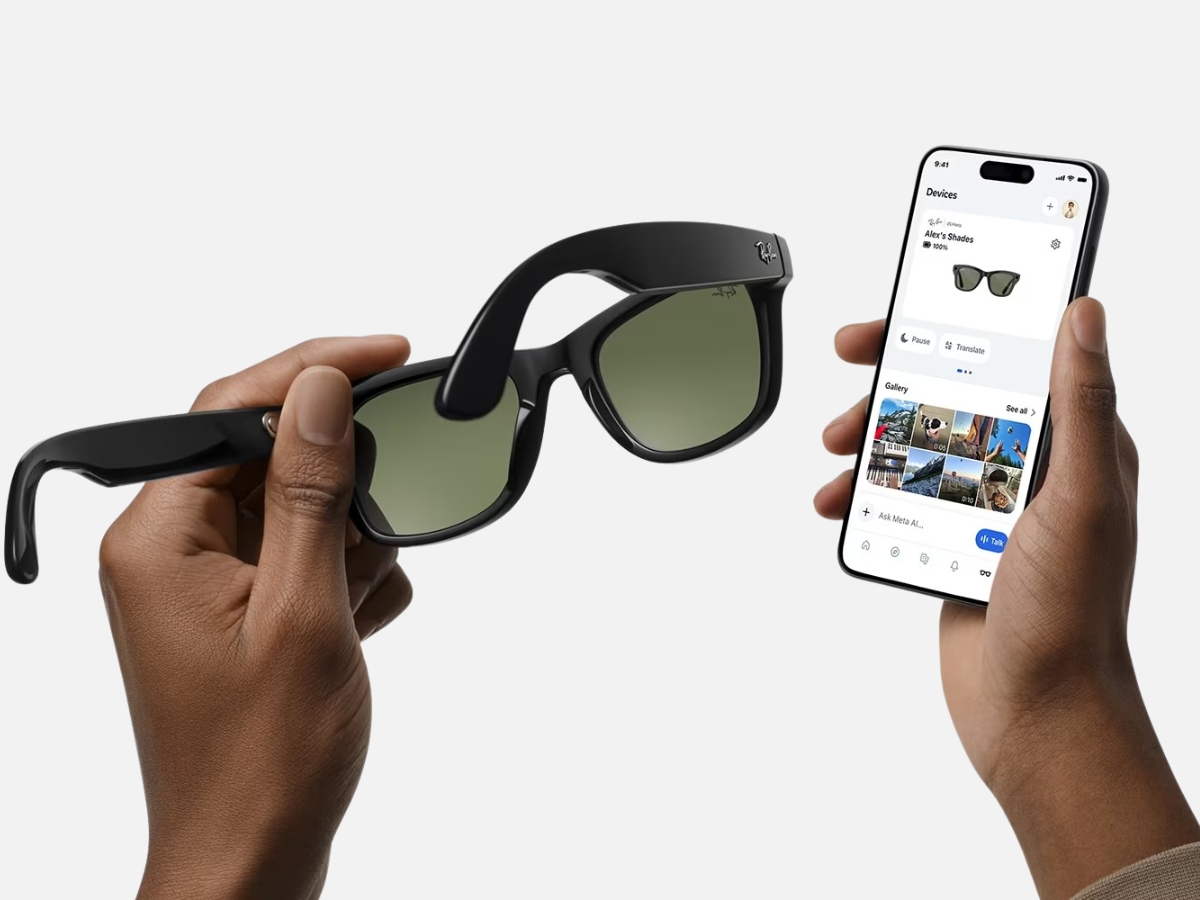
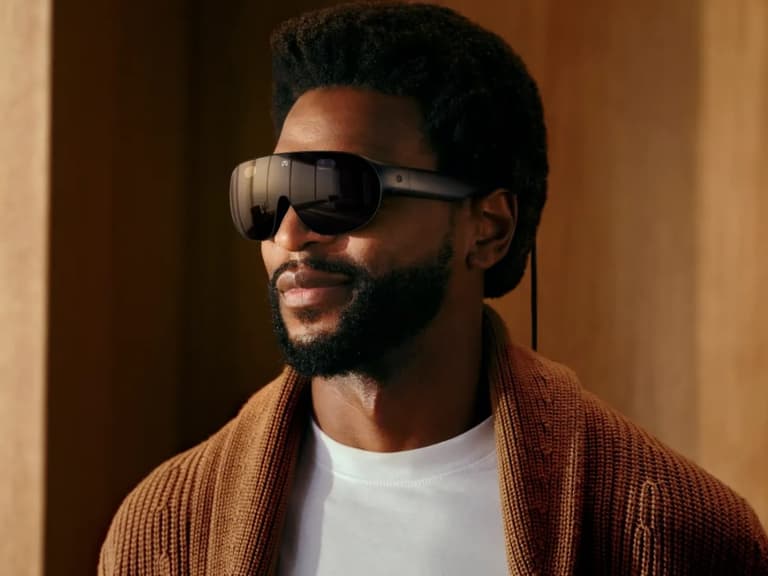
Meta has managed to make smart glasses look like a normal pair of glasses, which is kinda scary when you think about it. How can you possibly tell when someone has a camera pointed right at you when they look like any other pair of Ray-Bans?
With tiny cameras built into the frames, Meta’s latest glasses can take photos and record videos without the wearer pulling out a phone. And while a small LED lights up during recording, the tally light hasn’t stopped privacy concerns about people being filmed without knowing it.
Now restaurants, pubs and theatres in the UK are starting to restrict the use of Meta’s AI glasses, while at least one Australian venue has already introduced its own ban on camera-equipped eyewear. Your next trip past the bouncer might come with a few extra questions about whether you’re wearing a pair of spy glasses or not.
Why Are Venues Banning Meta’s Glasses?
According to The Guardian, London restaurateur Jeremy King has said guests shouldn’t wear recording glasses inside his venues, while Soho House says its existing no-filming rules also apply to smart glasses. And, with Soho House Sydney set to open in 2028, Australians may eventually find the same no-filming rule waiting for them here.
Wetherspoons has taken a similar stance, saying customers shouldn’t record patrons or staff without permission, while ATG Theatres says anyone filming during a performance will be asked to remove the glasses. UK courts have since gone further, banning Meta smart glasses from court buildings altogether.
You can see why venues are getting a little hot under the collar. Meta’s latest glasses look like ordinary eyewear, and it isn’t alone. Samsung is working on intelligent eyewear. Even Kmart has a pair (though they’ve recently been removed from sale over, you guessed it, privacy concerns). Cupertino isn’t too far behind the competition either, with Apple smart glasses reportedly in development.
Meta has said it’s built privacy safeguards into the hardware, including a white capture LED that flashes while a photo or video is being recorded. It can’t simply be switched off either, and blocking or damaging it disables the camera on newer models.
But is that actually enough? Clearly, these establishments think otherwise.
What Happens When You Don’t Know You’re Being Filmed?
But hold on a second. Don’t we all have cameras in our pockets? While it’s certainly much harder to tell when someone is recording with a pair of AI-enabled smart glasses than with a smartphone, haven’t we all ended up in the background of someone else’s photo or video without knowing it? Food for thought, I guess.
The difference becomes easier to understand when it actually happens in real life.
A Melbourne man named Rhys recently told The Guardian he discovered someone had taken a photo of him sitting outside a cafe using Meta Ray-Bans without his knowledge. He only found out when the person sent him the image through Grindr afterwards. Rhys said he never noticed the capture LED.
That’s where the smartphone comparison starts to fall apart a little. Someone holding a phone up in your direction gives you a fairly obvious clue about what’s about to happen. Someone simply looking at you through a pair of Ray-Bans doesn’t exactly scream “I’m recording you”.
The People Who Need Them
And yet, there’s another side to this whole spy glasses debacle.
For some people, the camera isn’t a novelty feature at all. ABC News reported that blind and low-vision Australians are using AI glasses to read labels, identify objects, sort clothing, describe their surroundings and call sighted volunteers through a rather clever app called Be My Eyes.
Vision Australia access technology lead Sam Taylor said specialist assistive eyewear can cost around $5,000, while smart glasses can provide many similar functions for a fraction of that price.
A blanket ban could make daily life harder for people already benefiting from the technology. Asking someone to stop recording is one thing. Asking them to remove a device they’re using to help them live their life is a much more complicated conversation.
Could They Be Banned in Australia?
They already have been, at least in one venue.
Adelaide’s Three of Cups Tea House has banned camera-equipped glasses, but there’s some important context. The venue caters to domestic violence survivors, queer customers and other marginalised groups, with owner Tash Lewis saying many rely on the tea house as a safe space.
In a setting like this, the concern goes well beyond accidentally ending up in the background of someone’s video. A discreet camera could create a genuine safety problem for someone who doesn’t want their identity or location recorded.
Australian law is equally messy because there isn’t a blanket rule saying you can’t film someone simply because they’re in public. The Office of the Australian Information Commissioner says the federal Privacy Act generally doesn’t apply when an individual takes photos or videos in a personal capacity.
Things change when you’re recording something genuinely private, with state and territory surveillance laws covering private conversations and activities, alongside the newly introduced protections against serious invasions of privacy introduced in 2025. ABC also reports that in NSW, recording and publishing private conversations can already engage existing surveillance laws.
But even a total ban on smart glasses isn’t necessarily the cleanest answer, since the devices themselves can be used lawfully. Mark Giancaspro told The Advertiser that restrictions on how they’re used would be a more logical way through the legal “grey area”.
Banned, But Still Legal
Put simply, wearing smart glasses isn’t suddenly illegal. Neither is ordinary street photography. But secretly recording a private conversation, filming somebody somewhere they reasonably expect privacy, or using the camera in a way that threatens someone’s safety is a very different proposition. Basically, don’t be a creep.
For venues, they don’t need to wait for a specific “smart glasses law” before deciding they don’t want wearable cameras operating inside.
Meta and Samsung have obviously done a remarkable job of making their smart glasses look normal. The only issue is convincing everyone else that having a camera pointed at them is normal. It’s not.
Related reads














Comments
We love hearing from you. or to leave a comment.