

Updated:
Readtime: 6 min
Every product is carefully selected by our editors and experts. If you buy from a link, we may earn a commission. Learn more. For more information on how we test products, click here.
- Sigma FP2 launches globally on November 11, 2026, with a retail price of USD$2,199.
- It features a 24.5-megapixel partially stacked full-frame CMOS sensor.
- Video capabilities include 6K OpenGate recording, ProRes RAW support, and 32-bit float audio.
- Physical switch toggles dedicated user interfaces for STILL and CINE modes.
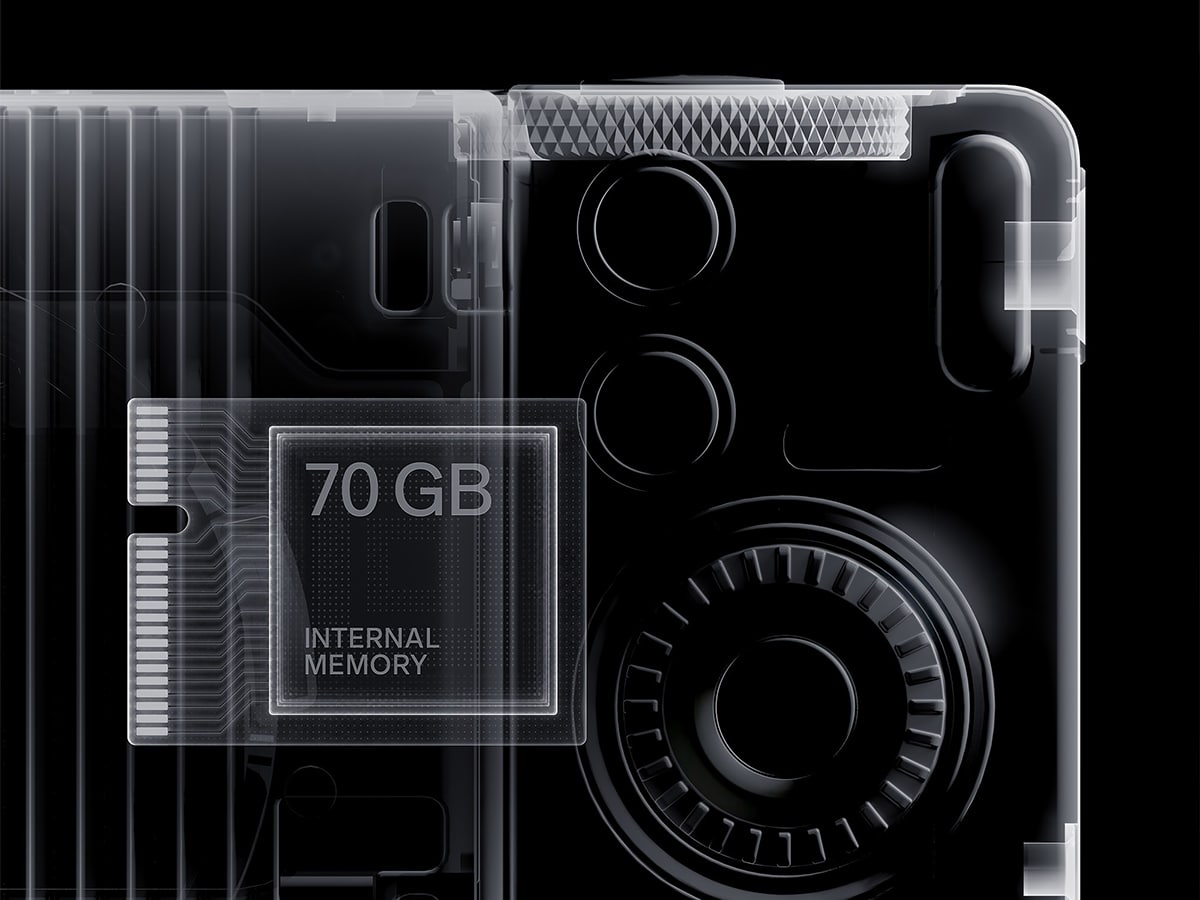
- Internal hardware includes 70GB of high-speed storage alongside a standard UHS-II SD card slot.
The DJI Osmo Pocket 4P has dominated the mobile camera market since its release by packing a 1-inch sensor into a highly portable mechanical gimbal. However, the logical “next step” for many creators is jumping straight from a pocketable gimbal into a full-frame hybrid cinema camera like those from Sony, Canon, and Nikon. Often, this requires sacrificing pocketability entirely and spending upwards of AUD$6,499 on an industry-standard body and lens combination.
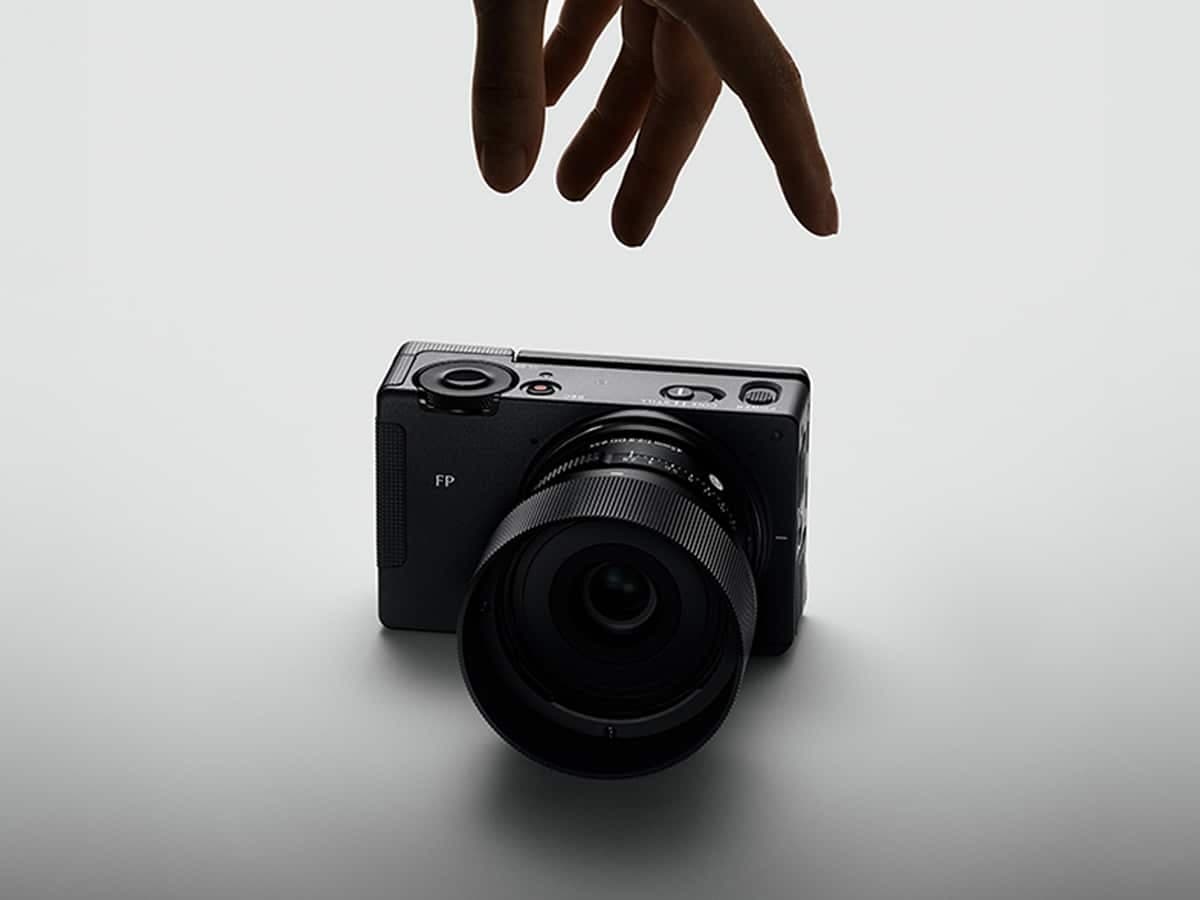
$2,199 system fits a 24.5-megapixel partially stacked full-frame CMOS sensor into a 470-gram chassis. This upgraded sensor architecture significantly reduces the rolling shutter distortion that plagued rivals like the Panasonic Lumix S9 (AUD$1,898), enabling 6K OpenGate video capture without the bulk of a traditional mirrorless system. It delivers the low-light performance and depth of field of a professional rig in a body the size of a standard point-and-shoot.
The FP2 utilises the L-mount standard and relies on a modular accessory ecosystem, consciously avoiding the stripped-down control layout of its competitors. It features a physical top-plate switch to toggle between dedicated STILL and CINE interfaces, 70GB of internal solid-state storage, and ProRes RAW support. While it lacks the in-body stabilisation of the Lumix S9 and the active cooling fan of the Sony FX3, it provides a highly capable entry point for buyers who want professional full-frame rendering on lightweight setups.
| Feature | Sigma FP2 | Panasonic Lumix S9 | DJI Osmo Pocket 4P | Sony FX3 |
| Sensor Size | Full-Frame (Partially Stacked CMOS) | Full-Frame (CMOS) | 1-Inch Stacked CMOS | Full-Frame (BSI-CMOS) |
| Resolution | 24.5 MP | 24.2 MP | 37 MP | 12.1 MP |
| Max Video | 6K OpenGate | 6K OpenGate | 4K | 4K |
| Dynamic Range | 14.1 Stops (L-Log) | 14+ Stops (V-Log) | 17 Stops (D-Log 2) | 15+ Stops (S-Log3) |
| Internal Storage | 70GB | None | 103GB | None |
Sensor Architecture
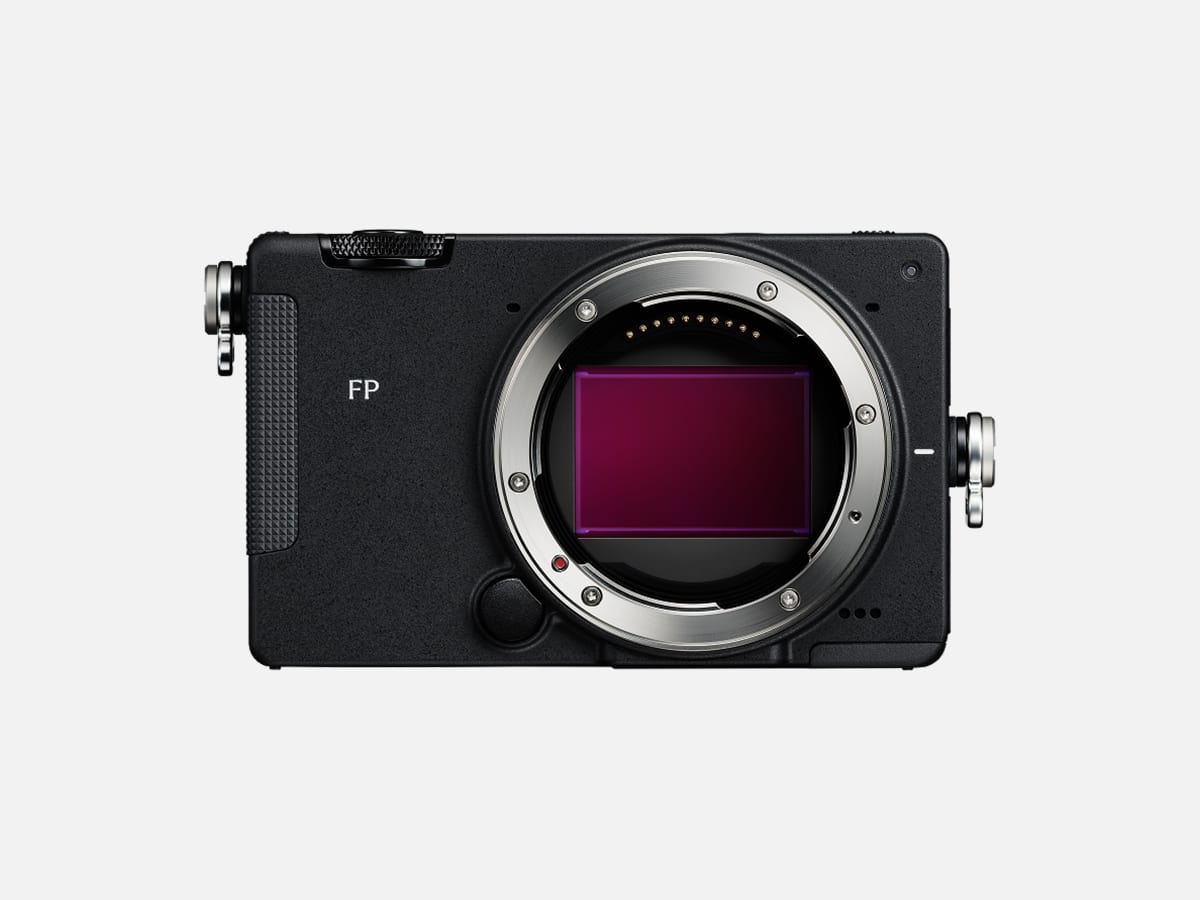
The Sigma FP2 completely omits a mechanical shutter, relying entirely on its 24.5-megapixel partially stacked CMOS sensor and an electronic shutter.
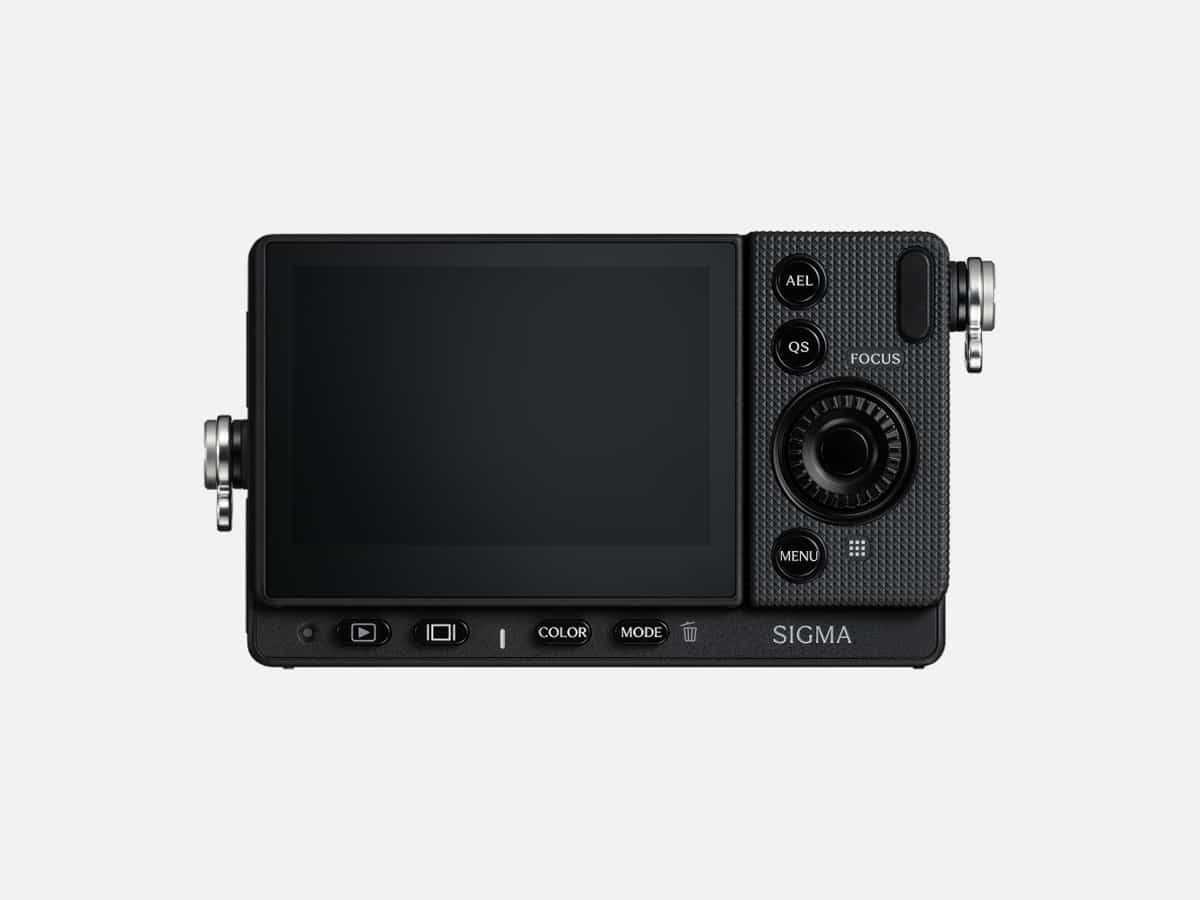
While standard electronic shutters are notorious for causing rolling shutter distortion during fast camera movements, the rapid readout speed of this partially stacked architecture effectively eliminates the issue. This allows for continuous still shooting at up to 20 fps with a 200-frame buffer. The upgraded autofocus system recognises birds alongside people and animals, though navigating focus points requires using the rear touchscreen due to the lack of a physical AF joystick.
The FP2 lacks internal stabilisation. Smooth walking footage requires mounting the chassis to an external stabiliser or applying software stabilisation in post-production. Omitting IBIS is a deliberate choice for many cinema cameras; a fixed sensor prevents the corner-warping distortion that IBIS systems often introduce during heavy movement, resulting in much cleaner footage when smoothed out in the edit. For creators who prefer to avoid heavy post-production colour grading, Sigma included a dedicated ‘Colour’ button on the body. This provides instant access to 13 distinct colour profiles built on Sigma’s proprietary colour science, including the highly popular Teal and Orange and Sunset Red profiles.
Cinema Workflow and Thermal Management
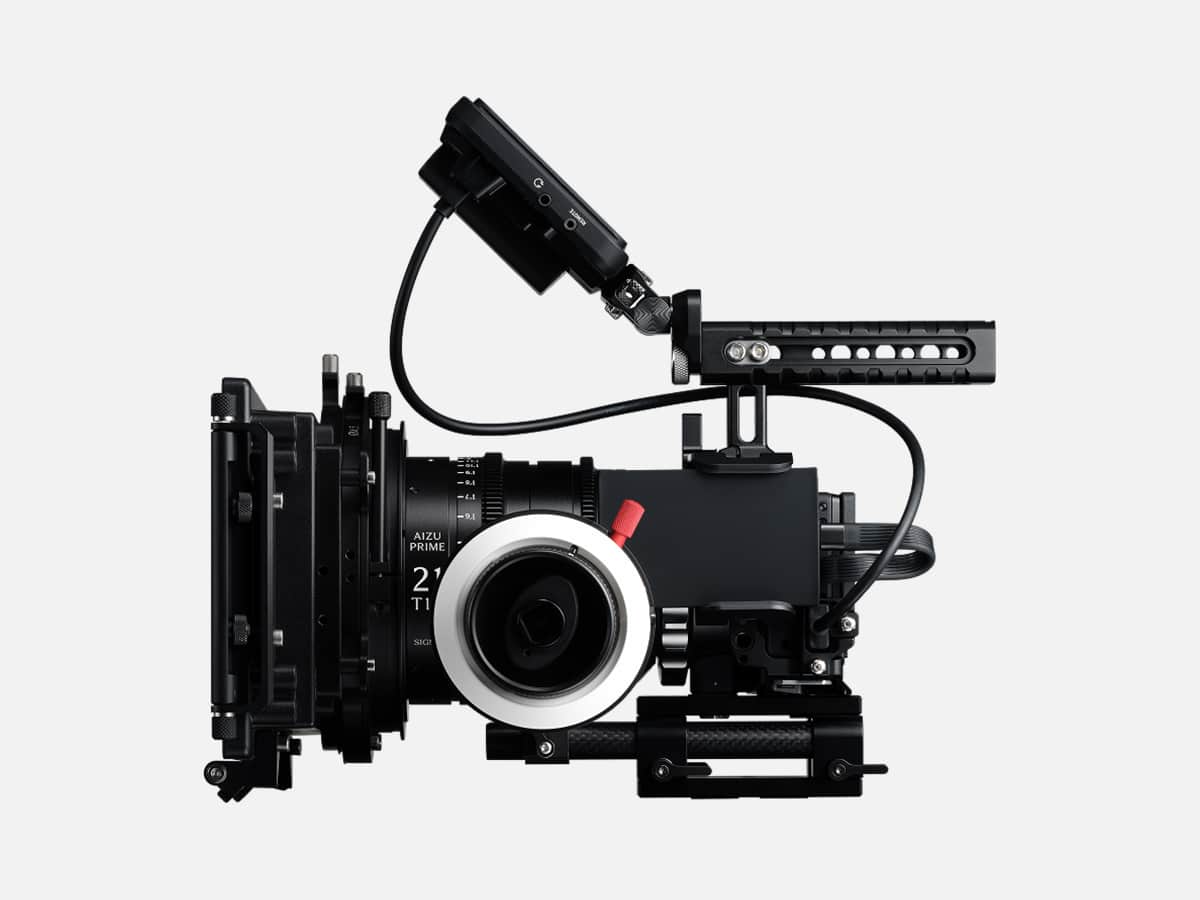
The Sony FX3 dominates the compact cinema market at AUD$6,499 by offering a dedicated video workflow and 15+ stops of dynamic range. The Sigma FP2 delivers a highly competitive alternative. Toggling a physical switch on the top plate to CINE mode replaces the standard photo menus with a dedicated cinema interface. Optically, the FP2 delivers up to 14.1 stops of dynamic range when using the 4K FF L-Log profile, offering highlight recovery to Sony’s S-Log3. Both cameras support external ProRes RAW recording for heavy post-production grading, but the FP2 adds a unique Director’s Viewfinder function to simulate the framing of top-tier equipment like the ARRI ALEXA 35 and Sony VENICE 2.
The FP2 also solves the thermal issues that plagued the Panasonic Lumix S9. Where Panasonic hard-capped 6K OpenGate video at 10 minutes to prevent overheating, Sigma installed physical passive heatsinks behind the rear tilting screen. This allows the FP2 to record 6K OpenGate (utilising the entire sensor area) continuously for 90 minutes.
Sigma included a full-size HDMI port for robust external monitor connections, but omitted a 3.5mm headphone jack. Users can unlock 32-bit float audio by attaching the optional HU-21 Hot Shoe Unit and a compatible Panasonic adapter. Because 32-bit float audio prevents audio clipping in post-production, it slightly offsets the inability to monitor live audio levels through headphones.
Modular Expandability and Storage
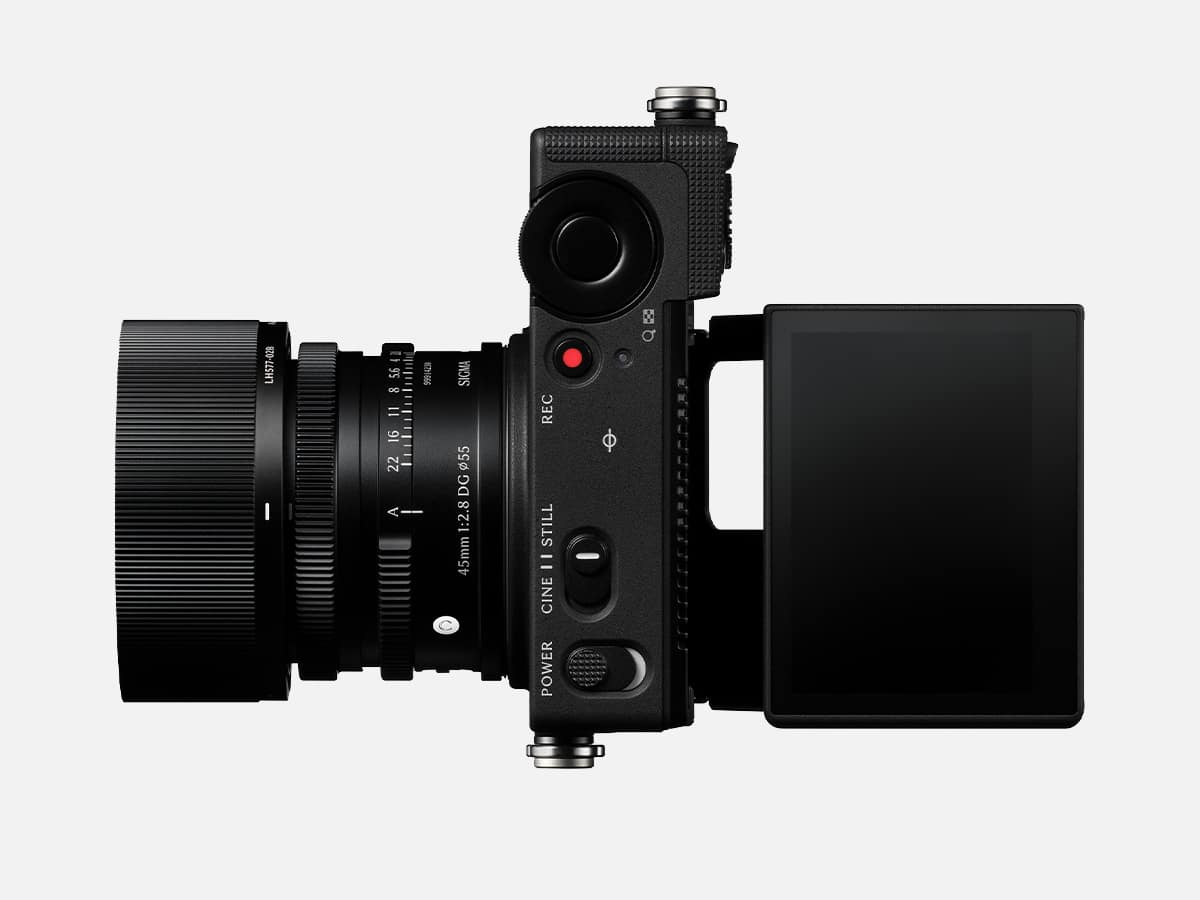
The Sigma FP2 is built for the L-Mount Alliance, granting users access to a massive catalogue of professional lenses from Leica, Panasonic, and Sigma. The camera body features standardised 1/4-inch screw holes on the sides and bottom for mounting cages and microphones, while the rear 2.1-million dot LCD monitor tilts 90 degrees upward and 45 degrees downward for waist-level shooting.
Internally, the camera houses 70GB of high-speed solid-state storage. This provides a reliable primary recording destination or an emergency buffer when the standard UHS-II SD card slot reaches capacity. Sigma offers several bolt-on accessories to expand the system, including the EVF-21 electronic viewfinder. However, due to the compact chassis design, users cannot mount the EVF-21 and the HU-21 hot shoe simultaneously. Power delivery is handled by the new BP-91 lithium-ion battery, rated for approximately 370 shots or 130 minutes of video recording.
Verdict
By omitting a mechanical shutter, IBIS, and a headphone jack, Sigma drew a distinct line in the sand. This isn’t a camera for casual point-and-shoot for everyday vlogging.
For the creator who has outgrown the 1-inch sensor of their DJI Osmo Pocket 4P but cannot justify AUD$6,499 for a Sony FX3, the FP2 offers a professional-grade stepping stone. It demands that you build around it with gimbals and audio gear, but in return, it delivers a partially stacked full-frame sensor, 70GB of internal storage, and 6K OpenGate recording for USD$2,199.


























Comments
We love hearing from you. or to leave a comment.