


Updated:
Readtime: 6 min
Every product is carefully selected by our editors and experts. If you buy from a link, we may earn a commission. Learn more. For more information on how we test products, click here.
- The Australian Taxation Office confirms the alcohol tax gap reached $1.23 billion, accounting for almost 14 per cent of total consumption
- Australian spirits excise is among the highest in the world
- Laboratory testing discovered dangerous levels of methanol and plasticisers in local vodka
- Craft-distillery tax loopholes are being exploited to churn out tax-free booze
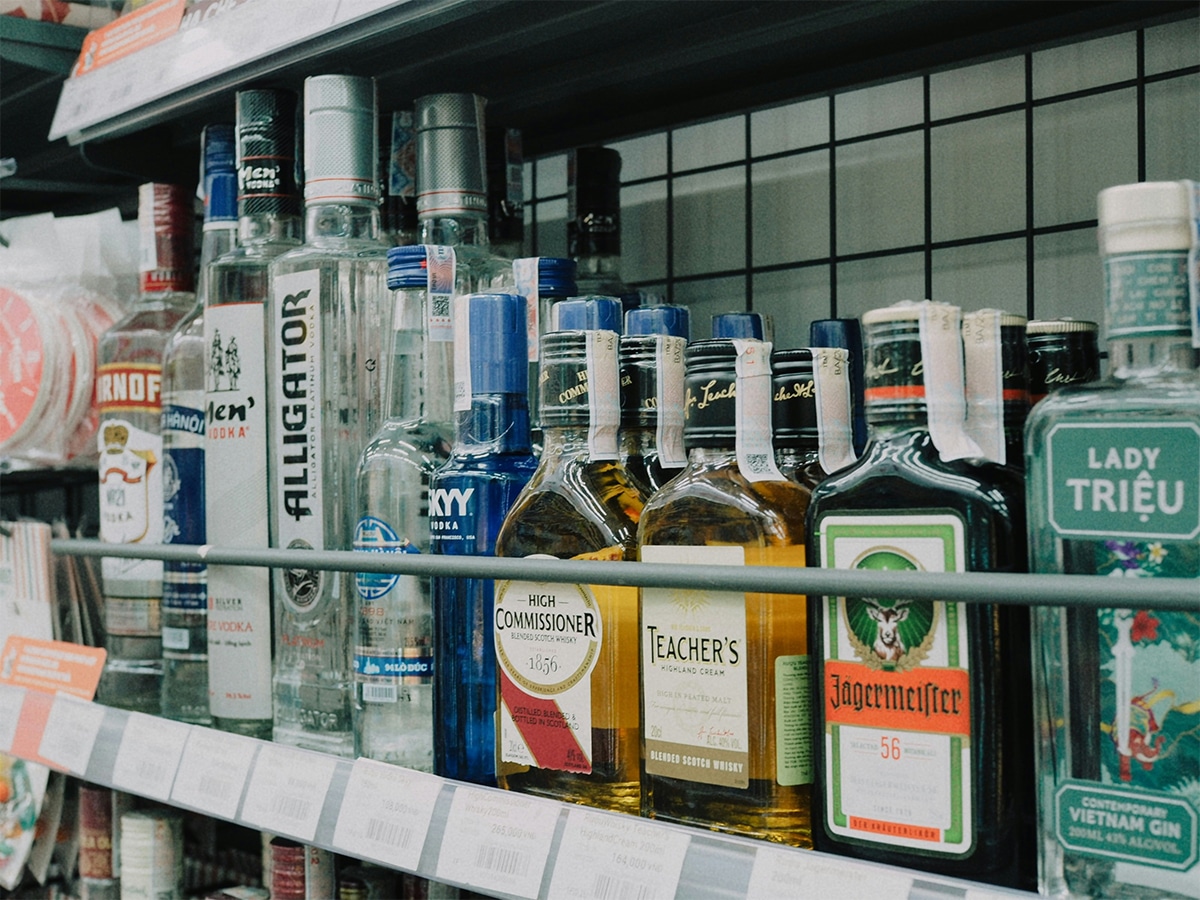
When you walk into your local independent bottle shop, it wouldn’t even cross your mind that the bottle of vodka on the bottom shelf for under fifty bucks could be filled with fake liquid. Yet fresh data from the Australian Taxation Office confirms that Australia’s illicit alcohol black market has exploded to a staggering $1.23 billion, more than doubling over the past decade to represent nearly 14 per cent of the entire market. What was once dismissed as a prohibition-style problem of backyard stills or baths full of booze has transformed into a crisis, with illicit alcohol quietly infiltrating licensed retail shelves across the country.
Uncovered in a peer-reviewed observational study published in Drug and Alcohol Review (DAR), researchers from the National Drug and Alcohol Research Centre and Curtin University sent mystery shoppers into licensed liquor stores across metropolitan Melbourne. Three of the four retailers visited were actively stocking suspected illicit spirits sold as the store’s cheapest vodka. Laboratory testing at ChemCentre WA revealed toxic levels of methanol, industrial plasticisers (DEHP and DINP), and visible brown flakes. These chemical compounds, which leach into spirits during makeshift distillation and plastic-drum storage, can cause severe long-term liver, kidney, and cardiovascular damage.
Comparisons to the illegal tobacco industry have already been made, and the focus has turned to the economic engine driving this boom: Australia’s punishing excise tax regime. At $110.15 per litre of pure alcohol – trailing only Scandinavia – federal excise adds roughly $31 in tax alone to a standard 700mL bottle of vodka, gin, or whisky, effectively making legitimate retail under $45 impossible. At the same time, illicit operators and unscrupulous retailers are selling $25 bottles of illicit alcohol, forcing the federal government to write off $2.3 billion in forecast spirits revenue across the next four years.
How Australia’s Illicit Alcohol Supply Chain Works
The black market has shifted away from traditional contraband smuggling at borders toward industrial domestic manufacturing. Bootleggers bypass years of barrel ageing to churn out high-volume, rapid-turnaround clear spirits like vodka in days.
“White spirits are most often targeted because they can be produced more quickly,” Steven Fanner, Executive Director of the Spirits Council of Australia, told Man of Many.
Once distilled, these products flow straight into the legitimate retail supply chain. Under current state regulations, Australian bottle shops are required to purchase stock from wholesalers and record their suppliers’ addresses, but they aren’t legally mandated to verify whether those wholesalers hold an active licence, meaning retailers can stock bootleg bottles alongside household brands with zero oversight.
“Sadly, the fact that Australia now has a billion-dollar alcohol black market does not come as a surprise to anyone working in the industry, particularly legitimate producers whose products are being undercut by rivers of cheap, low-quality, tax-free alcohol,” continued Fanner. “Let’s be very clear. This hurts everyone. The government is losing more than $1 billion a year in revenue, responsible producers are struggling, and consumers are being put at risk by products they can’t trust.”
Australia’s Crushing Spirits Tax is Fuelling the Black Market
At the root of the issue is federal tax policy. In Australia, spirits excise increases automatically every six months in line with inflation. Over the past five years, these compounding biannual jumps have added one quarter of the total tax burden currently levied on spirits, creating a price floor that’s sending retail bottle prices to record highs during a cost-of-living crisis.
That pressure has been compounded by a loophole in the Alcohol Manufacturer’s Remissions Scheme. Designed as a tax concession to boost boutique Australian distillers, the scheme has blown out to triple its forecast cost. Industry insiders warn paper companies without a single still are claiming the rebate while flooding the market with untaxed spirits.
“This scheme is clearly not operating as it was intended to. Rather than providing excise relief for legitimate distillers, it is blurring the lines between the legitimate and illicit alcohol market,” continued Fanner. “The picture is clear: you have a threefold blowout in the cost of the remission scheme, an alcohol black market costing taxpayers more than a billion a year, and declining revenue from the sale of legitimate spirits. We have an urgent window to act to ensure we don’t repeat the mistakes we have seen occur in tobacco.”
To dismantle this underground industry, industry lobby groups argue that Canberra cannot simply rely on police raids and border crackdowns while the underlying tax math continues to guarantee profits for suppliers of illicit alcohol. Halting the automatic escalation of spirits excise and overhauling Australia’s outdated tax architecture are seen as critical first steps toward removing the black market’s price advantage.
“The first thing the government could do is put the brakes on the rapid tax increases that we’ve been seeing every six months,” says Fanner.
How to Spot Fake Alcohol and Bootleg Spirits in Australia
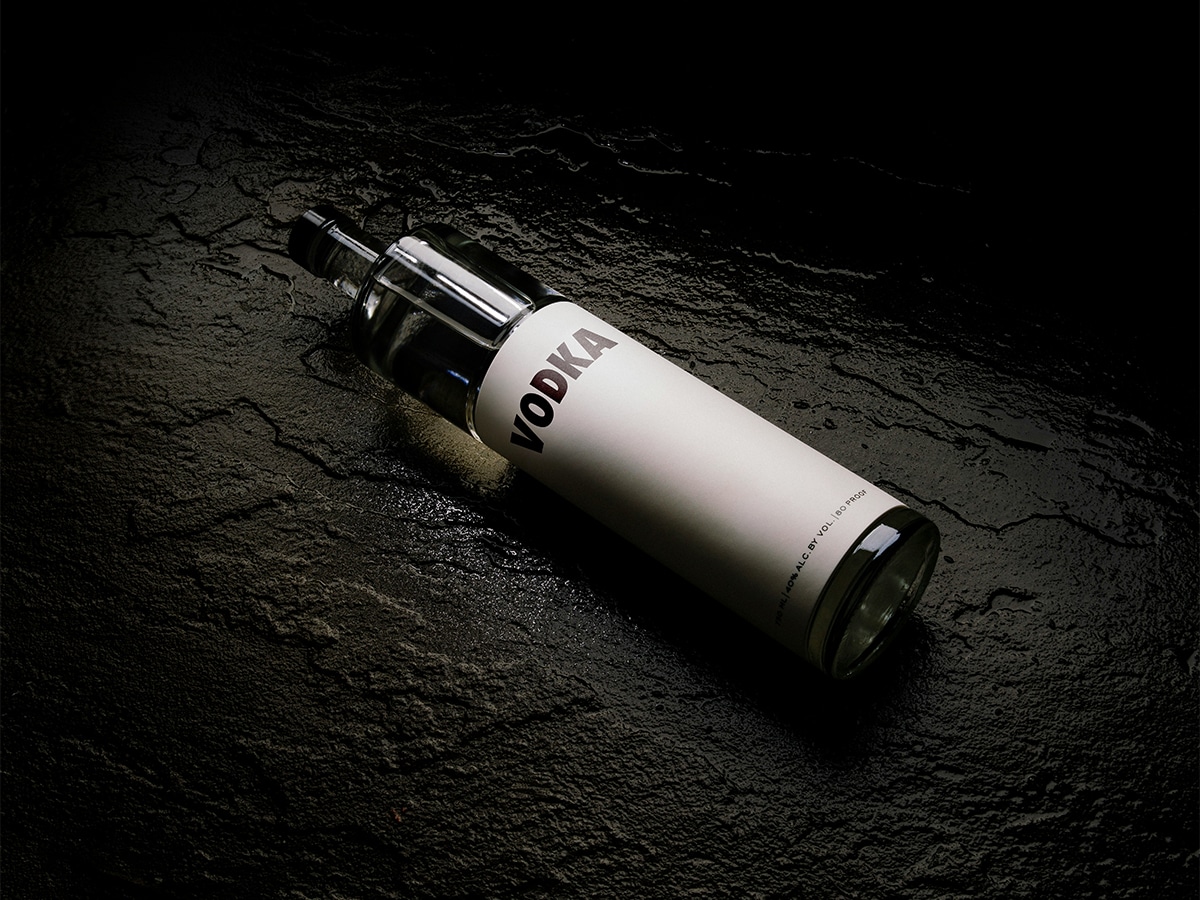
When shopping outside established labels, check the bottle for four primary warning signs:
- Missing ABV, volume, or standard drink counts.
- No Australian business address, batch number, or lot code.
- Cheap paper, blurry printing, typos, or foreign labels without English compliance stickers.
- Missing mandatory pregnancy warning marks.
“If the price looks too good to be true, it probably is. Customers looking at an unfamiliar brand should check the packaging for clear signs that something isn’t right,” Fanner says.
Choosing to ignore these warning signs may have physiological consequences. ChemCentre detected methanol, which causes blindness and organ failure, alongside industrial plasticisers leached from storage drums. Without batch tracking or accountability, a twenty-dollar bargain could land you in the emergency room.

















Comments
We love hearing from you. or to leave a comment.