



Updated:
Readtime: 11 min
Every product is carefully selected by our editors and experts. If you buy from a link, we may earn a commission. Learn more. For more information on how we test products, click here.
After wrapping a week-long recording session in a friend’s underground studio – built inside a former Stasi prison bunker – I hopped an evening U-Bahn toward another remarkable piece of adaptive reuse in Berlin’s old West.
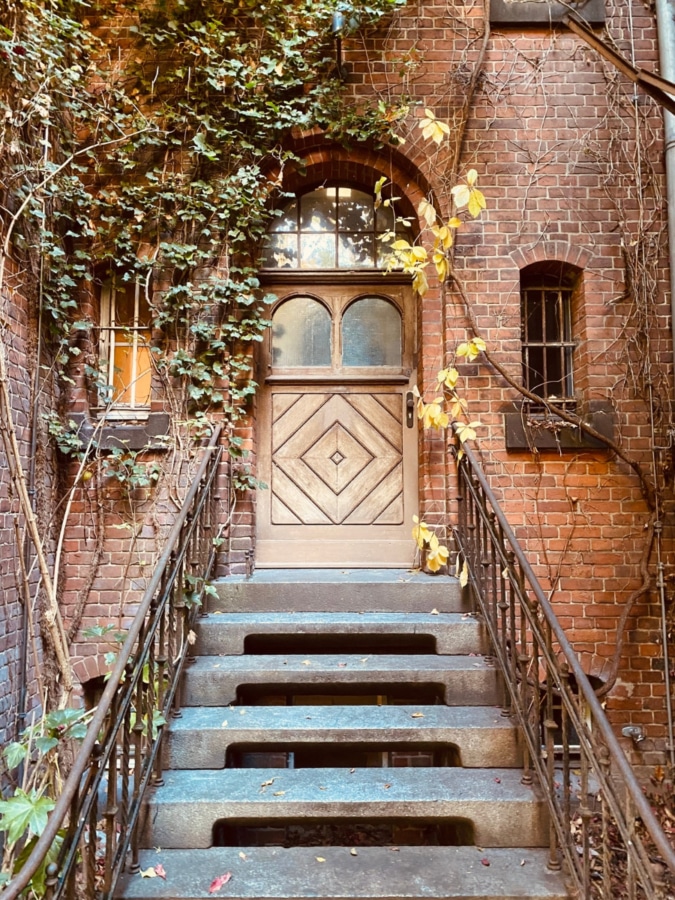
Tucked behind the imposing façade of Charlottenburg’s historic criminal court at 79 Kantstraße, Wilmina is a former women’s penitentiary reborn as one of Europe’s most compelling boutique hotels. Few cities reckon with their past quite like Berlin, and this secluded complex stands as a masterclass in architectural alchemy – trading cells and confinement for light, lush courtyards, and an enchanted sense of calm.
Wilmina Hotel Berlin Key Details
- Address: Kantstraße 79, 10627 Berlin, Germany
- Starting nightly rate: (Include approximate starting price in EUR and AUD conversion, e.g., from €260 / ~$430 AUD per night)
- Best for: Design lovers, architecture buffs, and travellers seeking a quiet, low-key base in West Berlin
- Booking link: Wilmina.com
Behind the Gates: Arriving at Wilmina Berlin
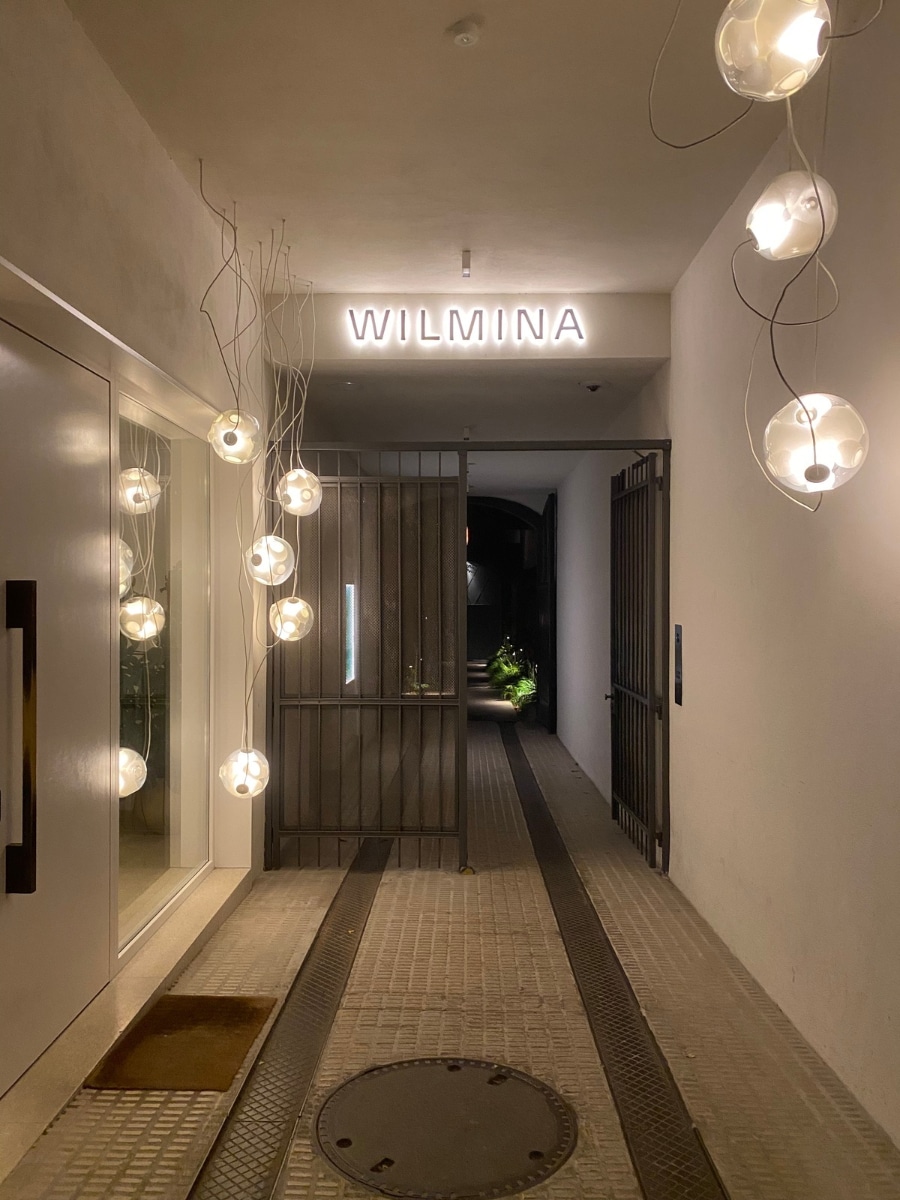
I arrive as dusk falls around 5pm, greeted by the scent of cold November stone and damp leaves on the cobblestones. Wilmina’s warmly lit reception occupies the former courthouse mail room, where prisoners were once admitted and required to surrender their belongings.
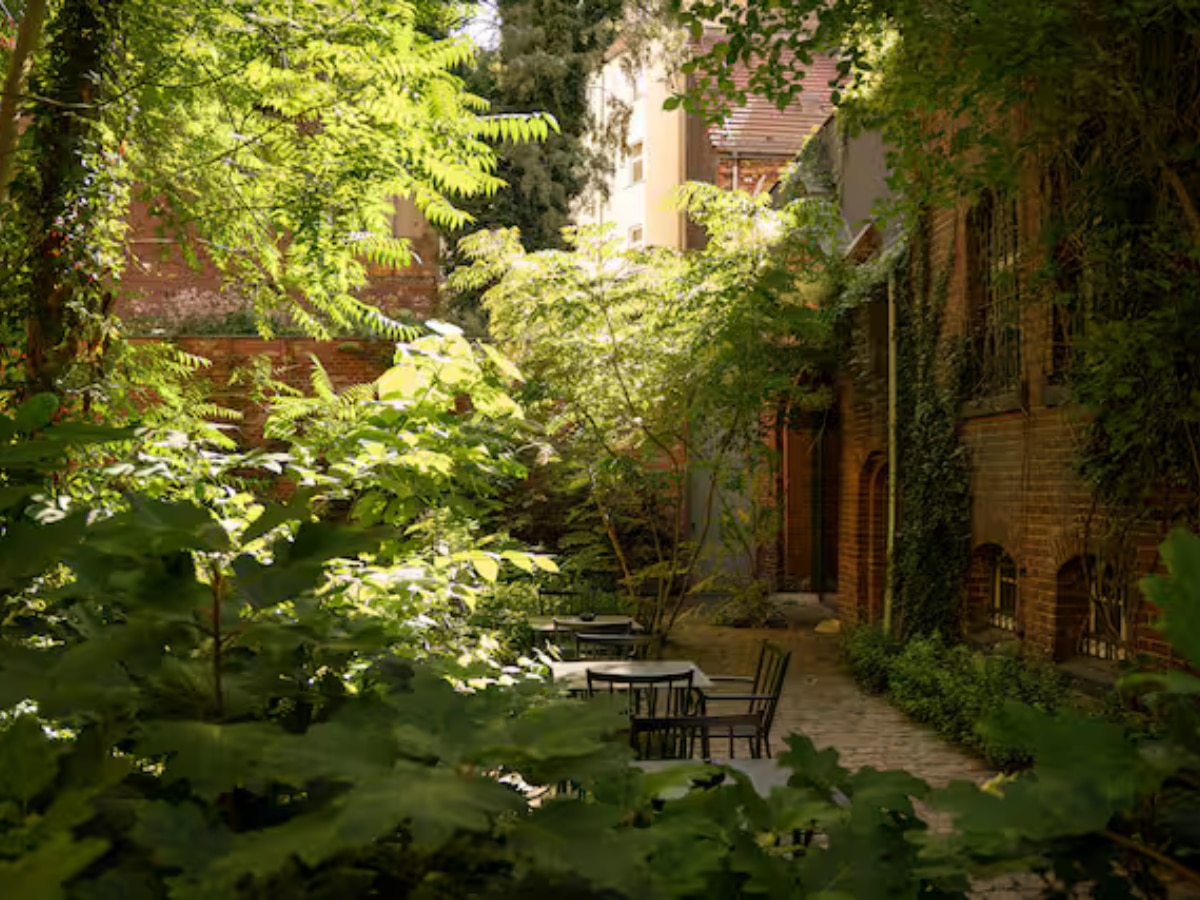
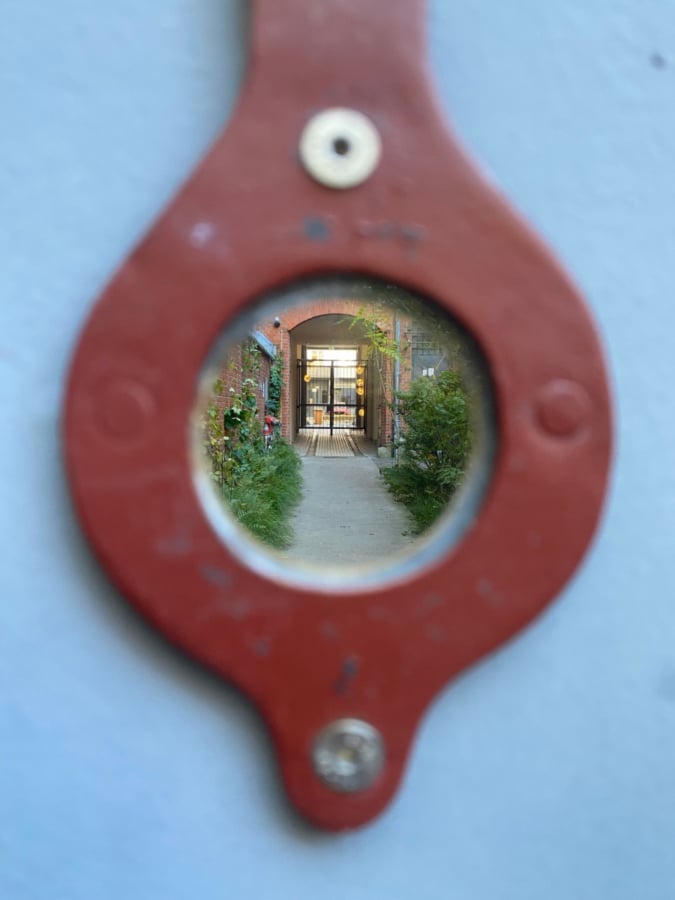
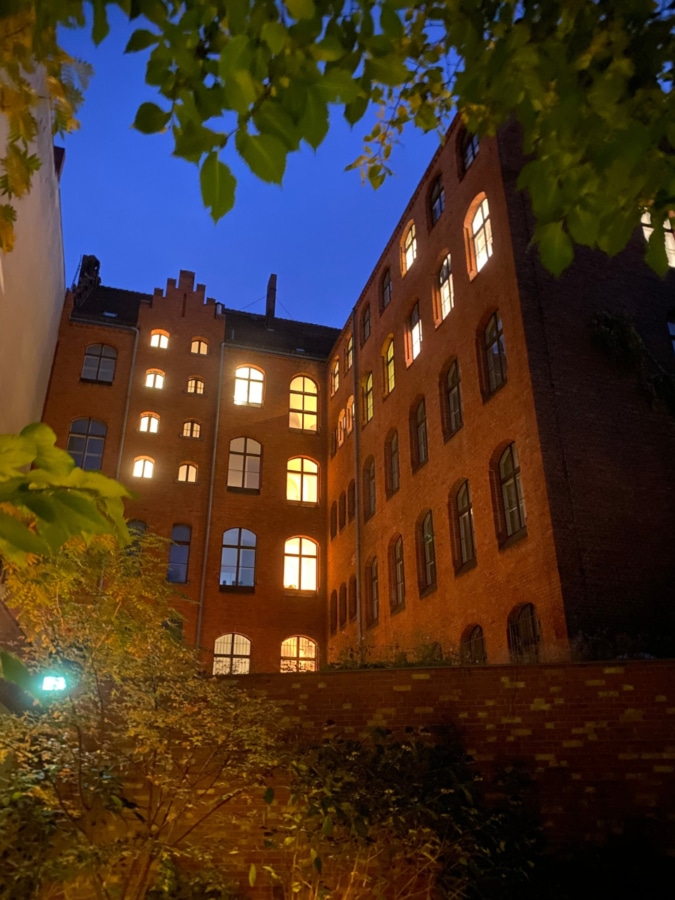
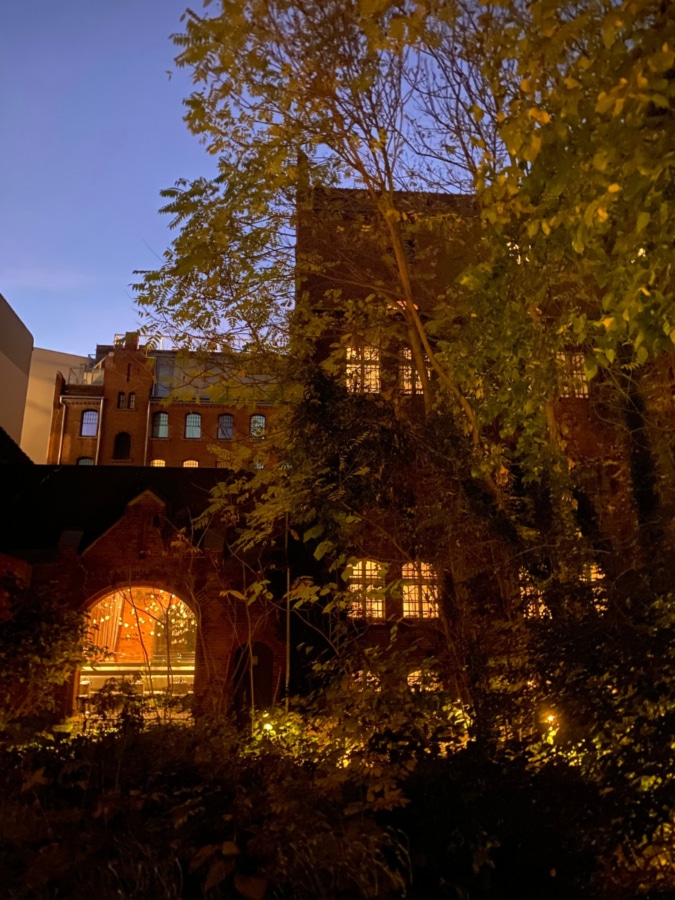
Yet I haven’t truly arrived until I clear two more iron gates and am escorted diagonally across the far yard. Here, the hotel reveals itself at an unusual angle within the block, creating unexpected sightlines through overgrown greenery, past glowing windows and into secluded courtyards. The effect is faintly unreal, softly cinematic and almost fairytale-like.
Inside, the atmosphere is quietly spectacular. Fireside armchairs sit beneath signature ceiling-hung lamps in the lobby. The communal kitchen has been immaculately reworked around a chunky terrazzo island with a seamless stainless-steel worktop. Through a corridor lined with bookcases and art magazines, I catch glimpses of the breakfast library. A short staircase leads to an elevated landing where a second fireplace, couches and tables form an informal lounge, all anchored by a terrazzo floor that bridges the building’s past and future.
At first, it feels as though I have the place to myself – an unusual quiet hangs over the property, despite it being fully booked.
Built in 1896 as part of a larger judicial complex, the prison operated for almost 90 years. Among those held here were women who resisted the Nazi regime, including members of the Red Orchestra (Rote Kapelle), an anti-Nazi resistance network active across Europe during World War II. After closing in 1985, the buildings sat largely derelict for decades, their courtyards slowly reclaimed by vegetation.
In 2011, architects Almut and Armand Grüntuch-Ernst began reviving the site, opening Wilmina in 2022 after a transformation that went far beyond a standard hotel conversion. They preserved original features, opened up walls and cultivated the wild courtyards, earning the prestigious German Sustainability Award for Architecture.
Today, the property comprises 44 guest rooms and suites alongside 22 contemporary apartments and lofts for longer stays. Original cell doors and ironwork remain, while stairwells and former spaces of confinement have been reworked to draw natural light deep into the complex.
Inside the Garden Suite: Understated Luxury in a Former Chapel
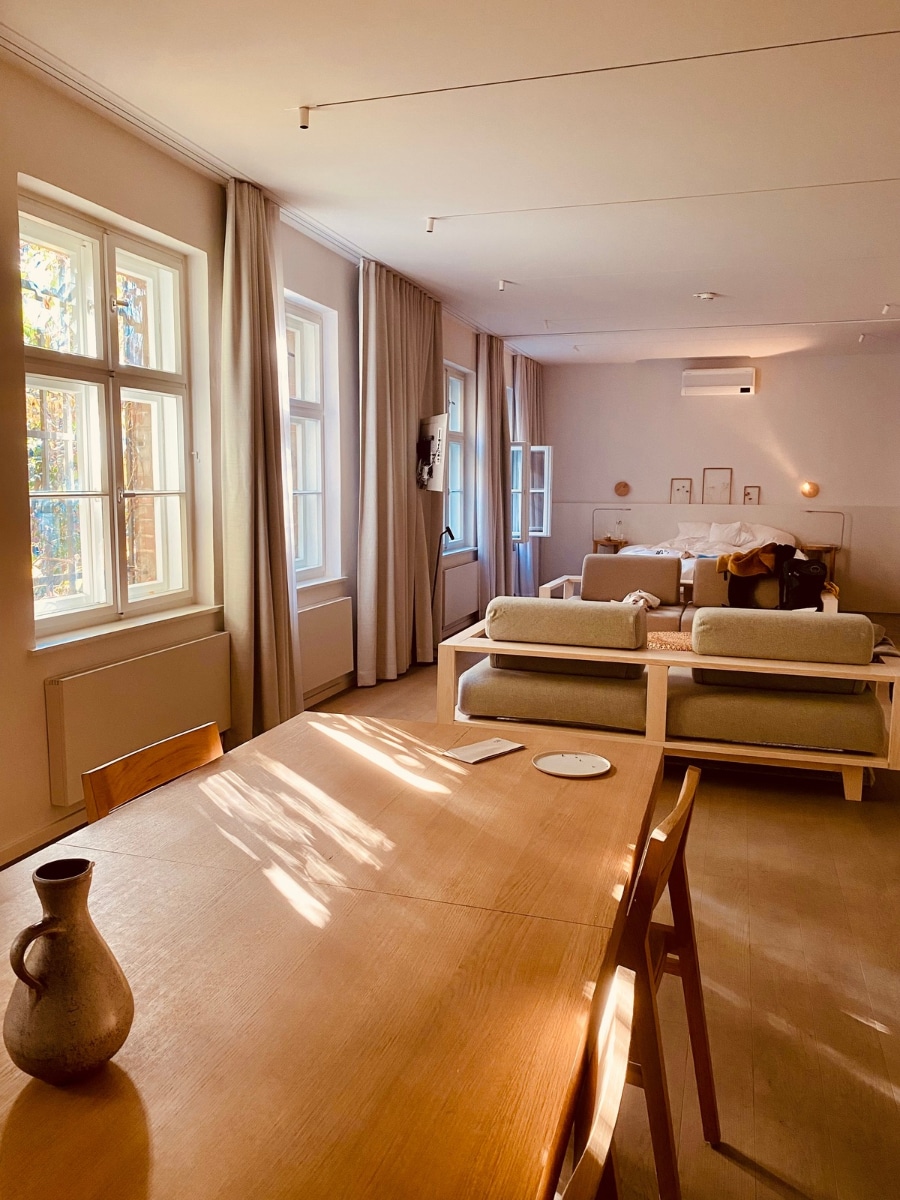
Shown to my suite overlooking the courtyard I’ve just crossed, I’m struck by its sheer scale. I’ve been generously checked into the Garden Suite, Wilmina’s largest room at 72 square metres. Its expansive living area is anchored by a six-seat designer dining table, a kitchenette, two inviting couches and a COCO-MAT bed that looks dangerously difficult to leave.
Warm timber, pale floorboards, soft curtains and measured detailing give the space an understated, almost Scandinavian sensibility. Every touchpoint has been considered, from the tactile rotary switches to the subtle hardware and seamlessly integrated fittings.
Grüntuch-Ernst describe their approach as pairing historical authenticity with modern luxury, without imposing distracting opulence. That philosophy shines through in the light palette, tactile fabrics and refined materials, creating an effortless calm. Thoughtful lighting and an understated signature scent complete the mood.
Above the bed, pressed leaves and flowers framed behind glass bring the gardens indoors. Collected and preserved from the grounds by the Grüntuch-Ernst family themselves, it’s a personal touch to wake up to.
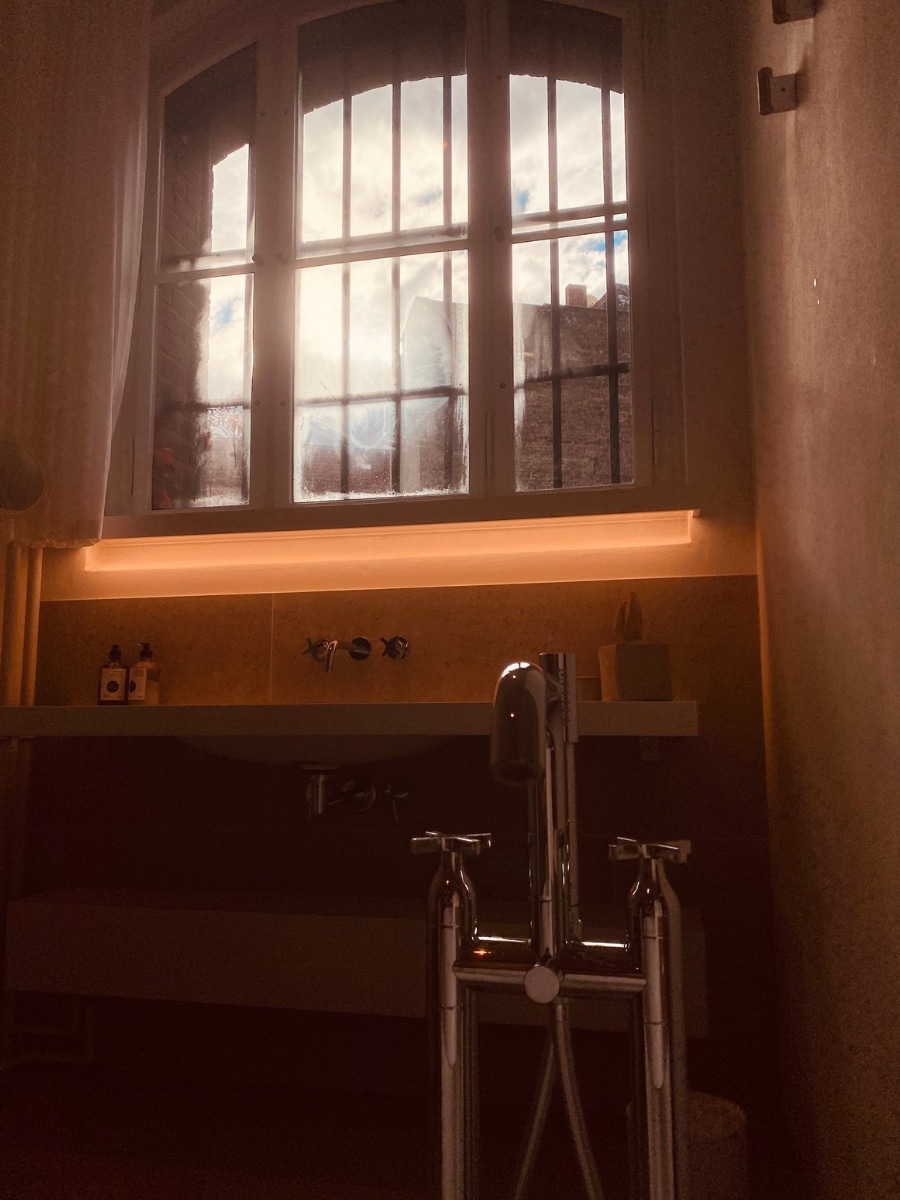
The bathroom is equally generous, fitted with a deep, round Bette bath, a walk-in shower and St. Pauls bath and body products by Frama.
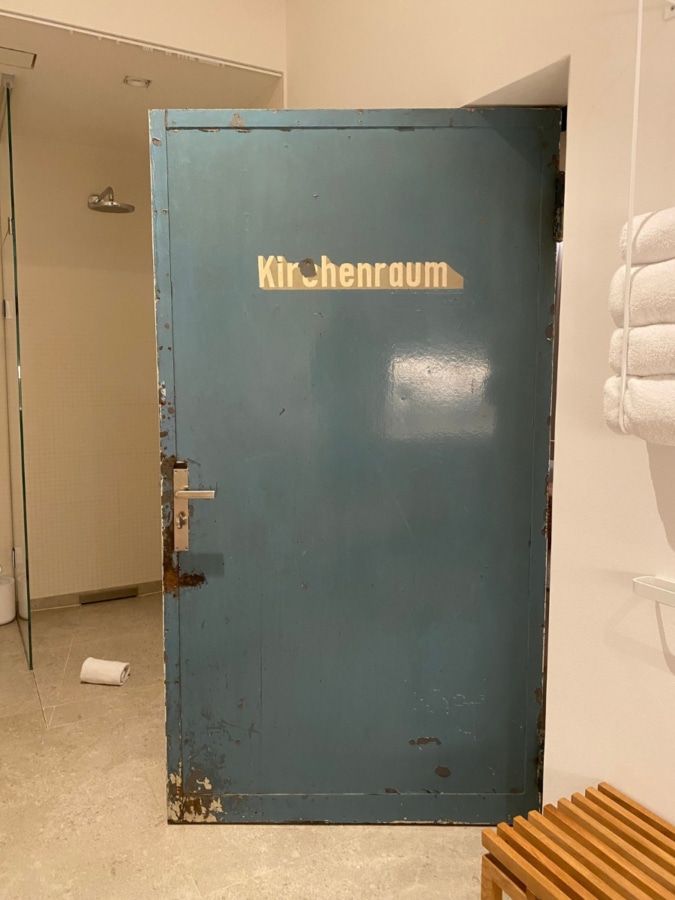
On the back of the bathroom door sits the starkest original detail: heavy steel, its teal paint worn and rusted, still bearing faded stencil lettering that reads ‘Kirchenraum’ (chapel). Tonight, I’m sleeping inside the former prison church – hardly a bad omen for a restful stay.
A recurring softness defines the room’s silhouettes, from the circular bath and side tables to the rounded lamps and glass fixtures. Multiple downlight settings allow the mood to shift on command.
It’s a surreal feeling when you consider what these walls have witnessed and how dramatically the energy has shifted. There is no lingering prison atmosphere here – just silence, calm and an extraordinary sense of lightness. Like a luxurious urban monastery, it is a remarkable architectural feat.
Architectural Alchemy: Exploring Wilmina’s Cells, Courtyards, and Rooftop Pool
Fascinated by the space, I set off to explore more of it. The hotel’s central atrium draws me in first. An L-shaped void rises through the core of the building, flanked by narrow galleries and wrought-iron balustrades that recall a classic cell-block layout. Above, a dramatic cluster of glass pendants appears to float mid-air, pulling the eye upward toward the light.
Designed by Omer Arbel for Vancouver studio Bocci, the installation comprises around 60 pieces from the 14 Series, suspended at staggered heights. It is a striking counterpoint in a room that could easily have retained its former severity.
Throughout the hallways and guest rooms, another recurring detail catches my eye against the whitewashed brick: ethereal, often stark photographs by acclaimed German artist Hans-Christian Schink. His work explores light and time, using long exposures to trace the sun’s path across a landscape.
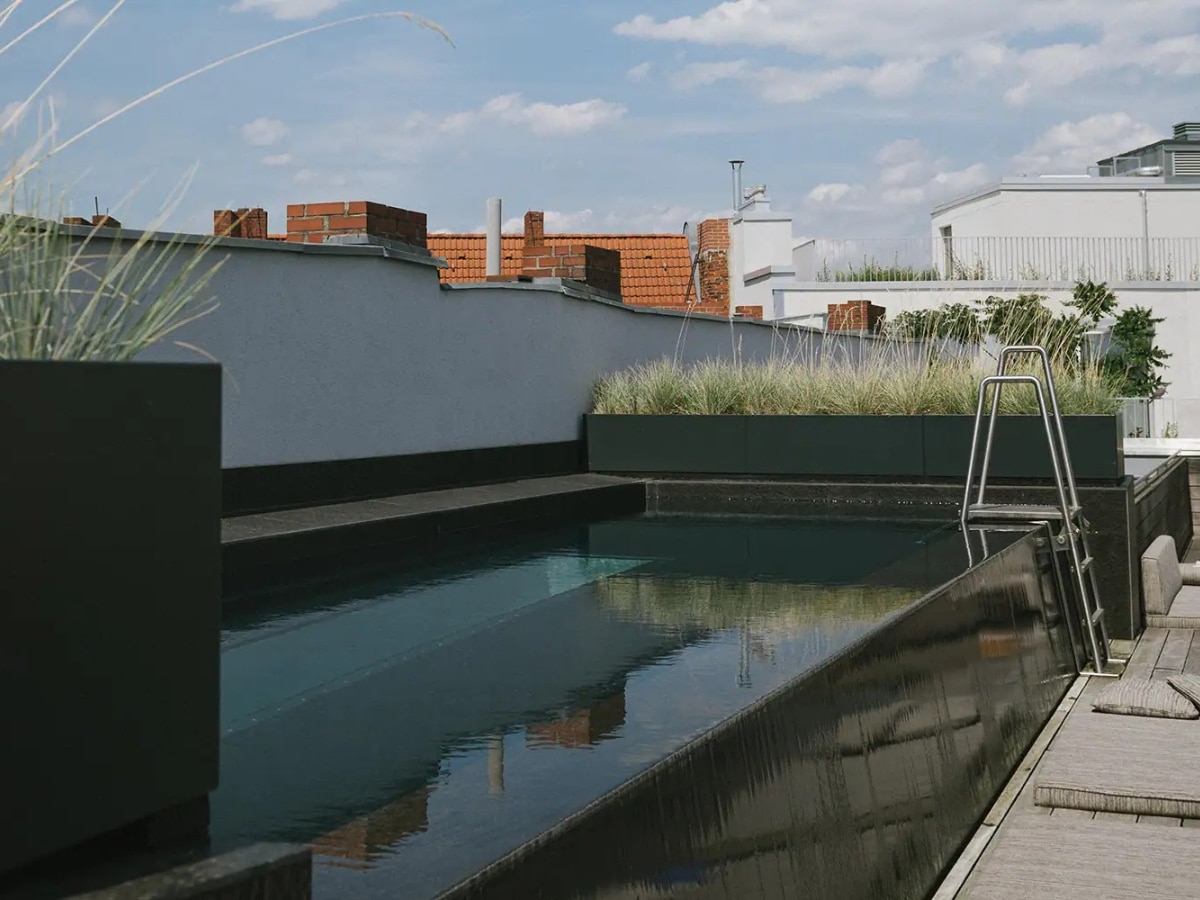
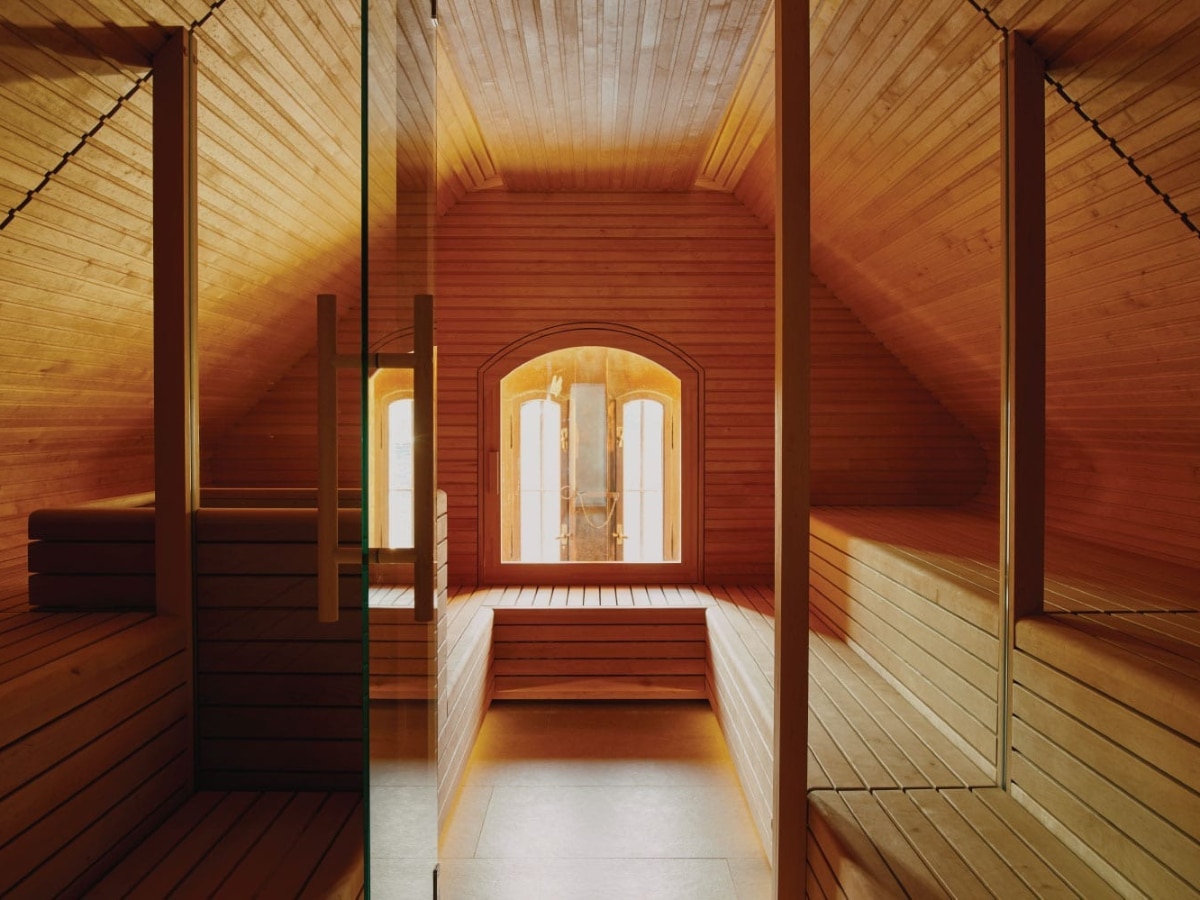
Climbing the worn iron stairs to the upper levels, I find a contemporary penthouse floor added above the four original storeys, its generous glazing contrasting sharply with the historic brickwork. The addition makes room for a rooftop terrace overlooking the gardens, courtyards and neighbouring roofs. Here sits a 10-metre heated pool whose partly glazed floor doubles as a skylight, filtering shimmering, aquatic light into the interiors below. Tucked nearby is a sauna, while in winter the pool converts into a bracing cold plunge.
Even the lift is an architectural statement. Wrapped in pale birch, it feels more like a timber-lined portal than a conventional elevator. Inserting it meant cutting away part of an existing staircase – a necessary incision architect Almut Grüntuch-Ernst has described as a kind of ‘scar tissue’ within the building.
Back outside in the garden, ivy spills across the brickwork and seasonal planting softens the cloistered courtyard. The overhaul involved serious ecological reclamation: around 45 per cent of previously sealed surfaces were opened up, while green roofs and planted façades introduced a further 1,250 square metres of greenery.
Wilmina never tries to disguise its past. The iron gates, cell doors, bars, worn staircases and original brickwork remain, their history woven directly into the guest experience. Instead, the architects have introduced light, openness, nature and human connection into a structure once built to deny them. By embracing the building’s history so completely, they have created something quietly transcendent.
Dining in the Lock Yard at LOVIS Bar & Restaurant
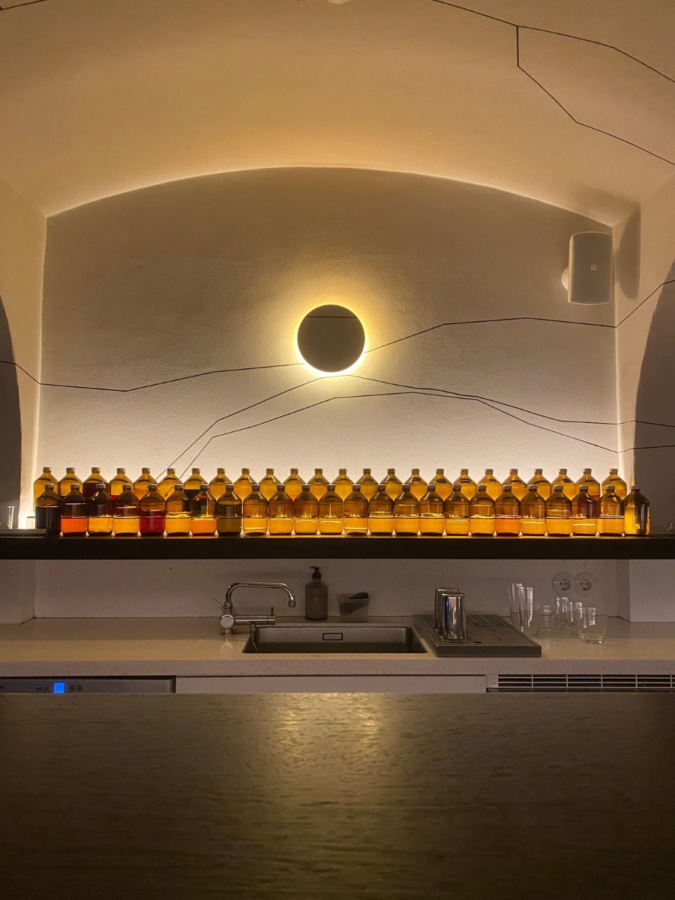
I meet my friend – a Berlin resident of 20 years – downstairs, and we slip into the sultry LOVIS Bar, housed in the former prison boiler room, right at its civilised 6pm opening. Rows of amber apothecary bottles replace the usual lineup of recognisable spirit labels, while sculptural pendants cast a warm glow across the room. It sets an effortless mood before dinner.
Outside, the city hums; in here, it feels worlds away. “Once you’re behind these gates, you’re hidden from the rest of the world,” the bartender says.
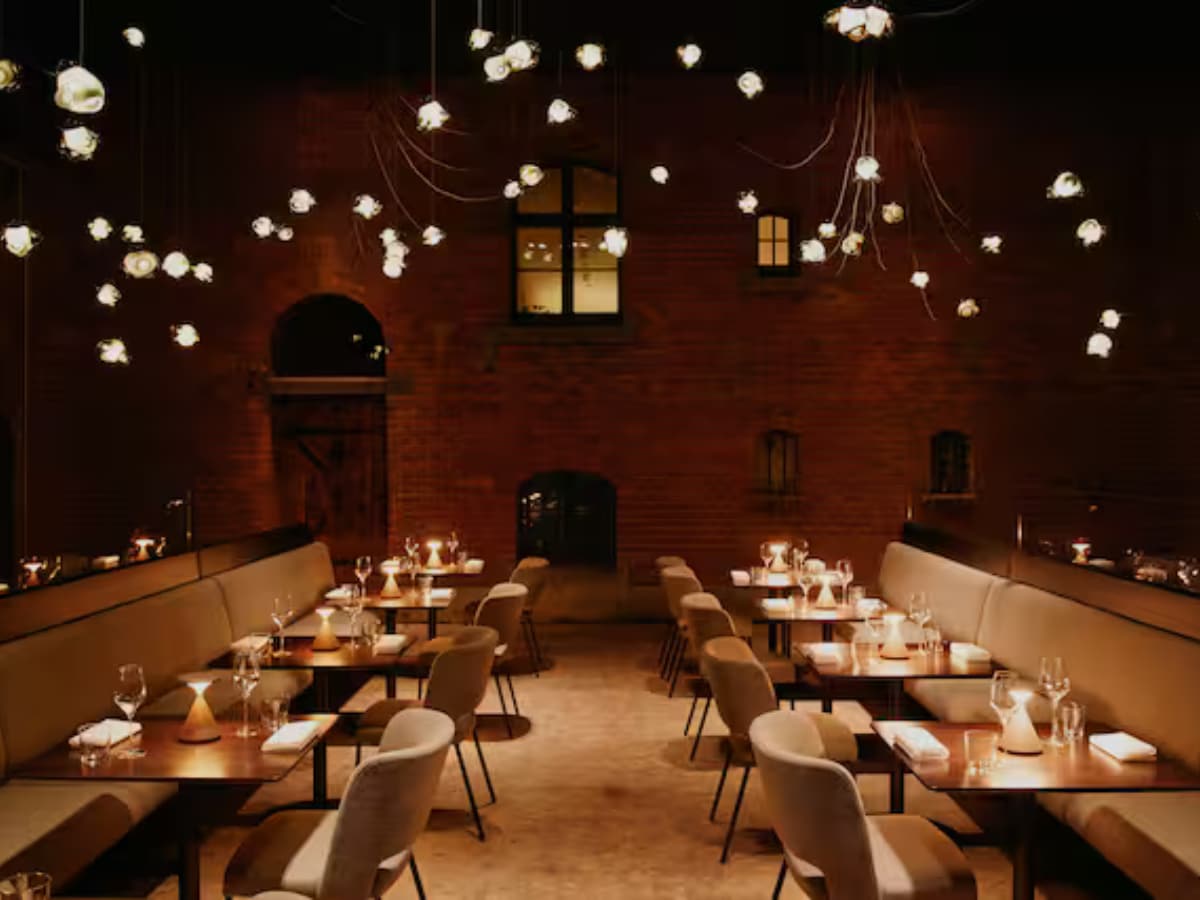
Our coats are soon collected and we’re guided through the connecting extension, past illuminated greenery behind a feature glass wall, and into the showpiece LOVIS restaurant. Once an open-air lock yard, the space has been enclosed beneath a new roof with large glazed openings looking out toward the gardens. Exposed brick walls, left with their worn surfaces and imperfections intact, lend the dining hall a weathered cosiness.
Overhead, a constellation of Bocci 57 Series glass pendants hangs against the dark ceiling. Handcrafted using a glassblowing technique that traps tiny air pockets inside the molten glass, the illuminated fixtures form a shimmering canopy that reflects in the side window, creating the illusion of a second courtyard outside.
Dark tables and low lighting cultivate an intimate mood beneath the soaring architecture. As we take it all in, our servers introduce head chef Sophia Rudolph’s autumn tasting menu.
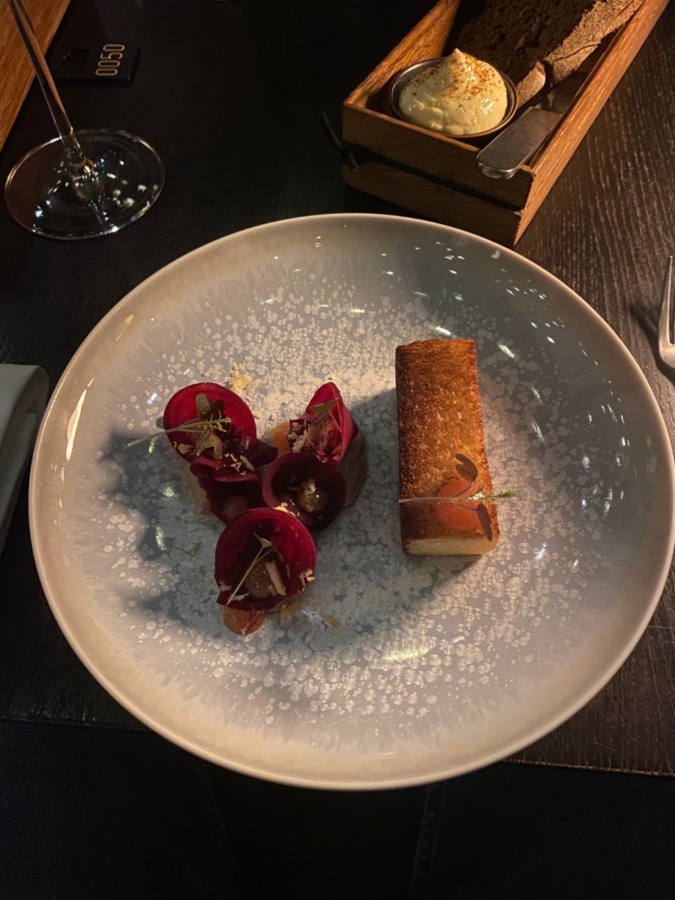
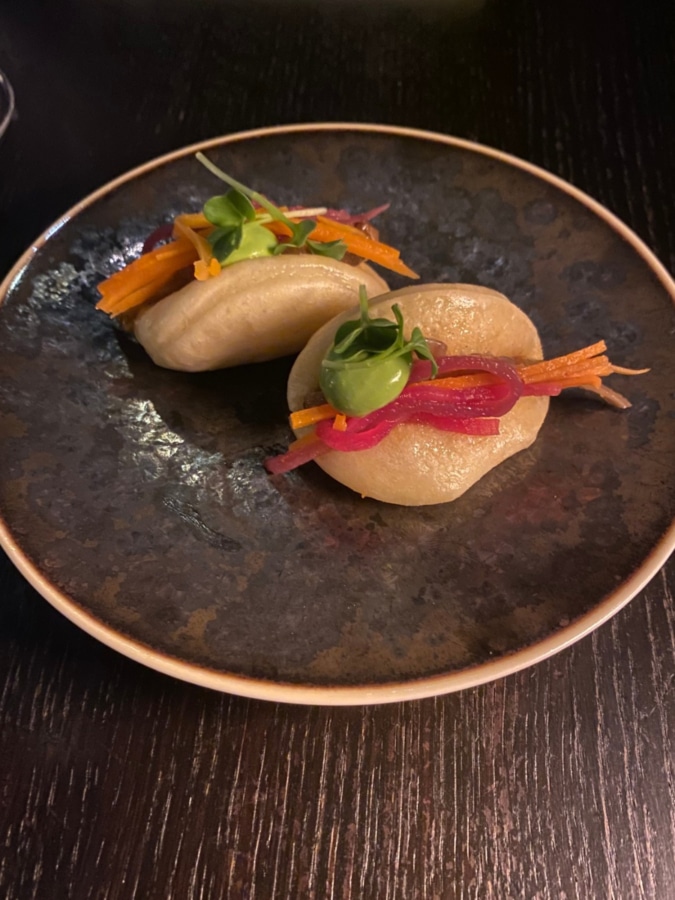
We open with an amuse-bouche and a glass of sparkling Pinot Noir from Weingut am Klotz, followed by a delicate buckwheat shortbread topped with fine slivers of marinated beetroot, its buttery base balancing the root’s earthy sweetness. A crisp, savoury white from Cádiz – Bodega Cota 45’s UBE Miraflores – brings a saline, mineral edge to the pairing.
Next comes an airy Gruyère krapfen filled with rich cheese mousse and cut with a sharp hit of pointed cabbage kimchi, matched with Heidenpeters’ Thirsty Lady Blonde Ale. Its crispness and fruity hop profile offer a clean counterpoint to the rich cheese and fermented cabbage – half a beer mid-meal proves a surprisingly sharp move.
Then arrives the main event: braised Wagyu Sauerland short rib with onion chutney, finished tableside with a generous spoonful of Béarnaise. Sourced from the regional Wagyu Sauerland farm, the deeply flavoured cut is paired with an Austrian red that holds its own against the richness of the beef.
To close, a glass of Lambrusco accompanies a playful dessert taco uniting strawberry parfait, caramelised white chocolate and fresh dill, followed by petits fours and coffee.
Seated in the heart of a former prison lock yard, I struggle to recall a more relaxed or effortless dining experience.
Morning sun floods through the bathroom window – a rare treat for November in Berlin – and I soak it up from my Bette bathtub.
The windows throughout Wilmina are a defining element of the building’s broader transformation. Originally set high in the walls, the cell openings admitted daylight while denying inmates a view outside. The architects extended them downward, lowering the sills to draw in more light and frame vistas across the courtyards. Rather than erasing the past, they worked with it, preserving these architectural markers while giving the rooms an entirely new purpose.
Downstairs in the library, breakfast is a relaxed, self-serve affair built around organic and regional produce. The spread features fresh croissants and cinnamon buns from Wilmina Brot, the in-house bakery a few doors down; free-range eggs from Brandenburg; cow’s and goat’s cheeses from Berlin cheesemonger Fritz Blomeyer; and cold cuts from local producer Blutwurstmanufaktur.
Rounding out the table are Bircher muesli, fresh berries, seasonal fruit and a curated lineup of house-made accompaniments: chocolate-cardamom spread, white kidney bean hummus, pumpkin and ginger compote, and homemade preserves. Looking out over the red brick of the sluice courtyard, I sip an espresso and take it all in.
Stepping Out in Charlottenburg: Check Out and Final Thoughts
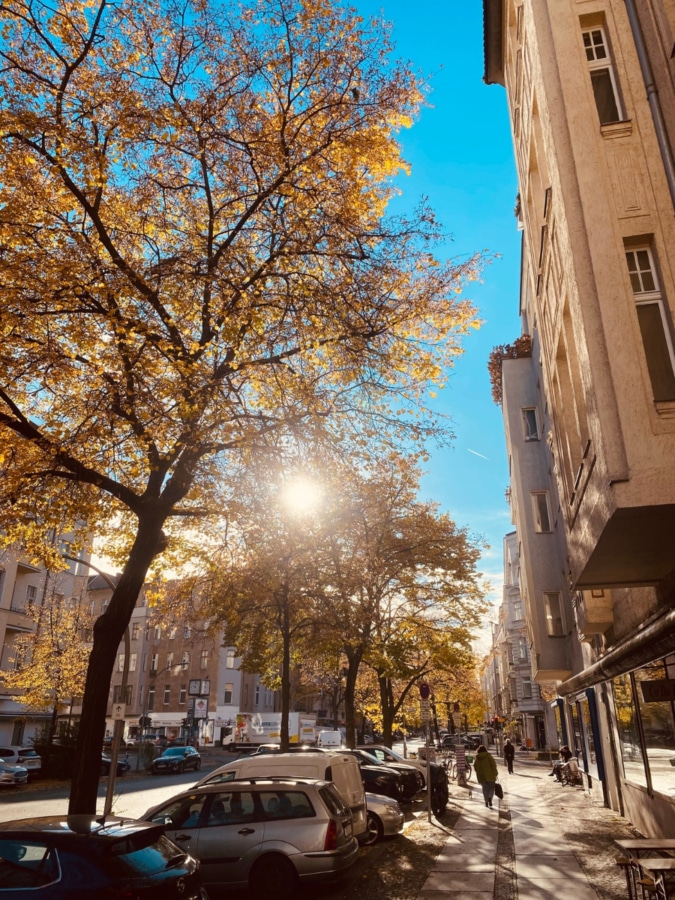
Granted a generous late checkout, I slip out briefly to wander the grand altbau-lined streets around Kantstraße in the crisp November sunshine. Nearby, LOTTA day bar – Wilmina’s own café and dining spot – hums as a neighbourhood hub for specialty coffee, flanked by Reformer Pilates studios and independent Feinkost stores that give the pocket a distinctly local rhythm. Meanwhile, the site’s original courthouse frontage has been reborn as Amtsalon, a multidisciplinary hub for art, architecture and design hosting regular exhibitions and cultural events.
Back upstairs, morning light filters from the courtyard across my oversized wooden dining table. I’m loath to leave this tranquil sanctuary. In a single night, I feel replenished by the space and the extraordinary care taken in its revival.
“Architecture must create an emotional bond between the user and the place,” Armand Grüntuch said recently. That ambition sits squarely at the heart of Wilmina, a retreat that feels closer to a “guest house”, in the architect’s words, than a traditional hotel.
Few places leave you with such an immediate sense of connection – or such a strong desire to return.

























Comments
We love hearing from you. or to leave a comment.