


Updated:
Readtime: 10 min
Every product is carefully selected by our editors and experts. If you buy from a link, we may earn a commission. Learn more. For more information on how we test products, click here.
There aren’t many things better than an ice-cold beer on a stinking hot day. However, there are so many beers you can sink before things start to get a little heavy.
Enter the Radler. Part beer, part citrus and generally lower in alcohol than your standard lager, Radler has been a summer staple across Germany and Austria for more than a century. It’s crisp, refreshing, a little sweet and, when served cold, extremely well suited to a Sunday arvo alfresco pub sesh.
And while Radler has never quite achieved household-name status here, that’s starting to change. Stone & Wood has added its Citrus Radler to its core beer range, while German favourites like Schöfferhofer Grapefruit are becoming easy to find.
So, what exactly is a Radler, how is it different from a shandy, and which ones should you be throwing in the esky this summer?
What is Radler Beer?
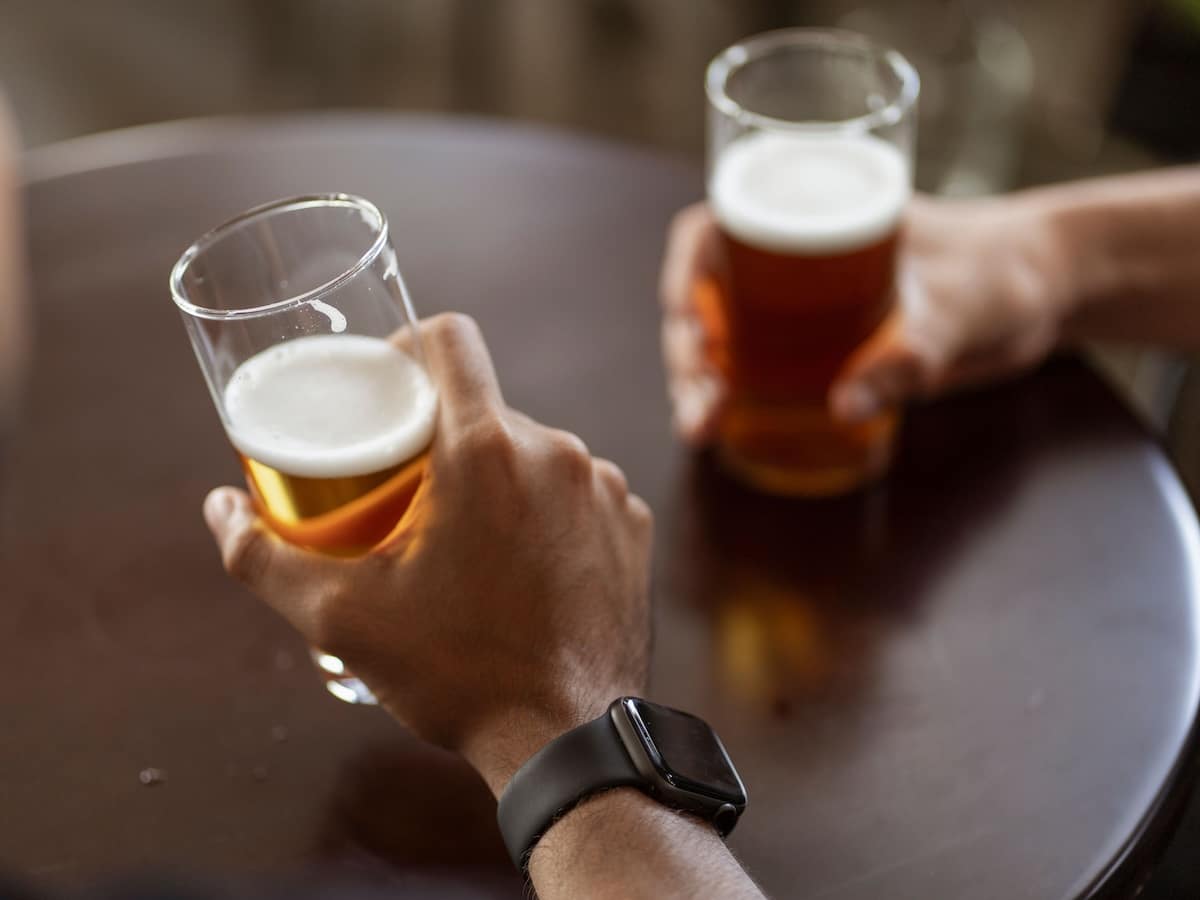
Radler is beer mixed with a citrus drink, traditionally lemonade or lemon soda. The classic version is typically made using a light German lager such as a Helles or Pilsner, although you’ll now find versions built on everything from wheat beer to craft beer, alongside flavours stretching well beyond lemon into grapefruit, orange and peach.
The result sits somewhere between beer and a spritz. You still get malt, hops and that familiar beer character underneath, but the citrus brings sweetness, acidity and plenty of refreshment. Radlers are also traditionally lower in alcohol than standard beer, with many European examples sitting around the 2 to 3 per cent ABV mark.
Why is it Called a Radler?
The story of Radler begins in Bavaria in the 1920s with an innkeeper named Franz Xaver Kugler. According to beer folklore, Kugler had helped establish a cycling route that passed his inn outside Munich. One particularly busy summer day, thousands of thirsty cyclists arrived, and Kugler realised he was in danger of running out of beer.
Rather than tell several thousand Germans there was no beer left, which seemed unwise, he stretched his remaining supply by mixing it with lemon soda.
The resulting drink became known as a Radlermass, with Radler meaning “cyclist” in German. It was lighter, refreshing and lower in alcohol, which was probably also rather handy for the people who still had to cycle home afterwards.
Whether Kugler truly invented the drink is disputed, and beer-and-lemonade mixtures existed before his supposed lightbulb moment. But the cyclist story stuck, and more than a century later we’re still calling it Radler.
Not Quite a Shandy, But Not Not a Shandy
Radlers and shandies operate on the same idea: beer mixed with a non-alcoholic drink, usually something citrusy.
“Shandy” is the term most familiar in Britain and Australia, where beer has traditionally been mixed with lemonade. Radler is German and is more closely associated with lager and citrus soda. Modern interpretations, however, have blurred those lines. Some are literally beer mixed with lemonade, while others are brewed with fruit juice, purée or natural citrus flavours.
Stone & Wood’s interpretation, for example, is brewed using pale malts and Galaxy hops, with lemon purée added during brewing followed by natural orange and grapefruit flavours after fermentation.
Why Radler Could Be the Drink of the Australian Summer
Australians hardly need Europeans to teach us how to drink beer when it’s hot. But Radler does solve a couple of summer drinking problems quite nicely.
First, it’s refreshing as heck. Beer already works beautifully cold, but adding lemon, grapefruit or orange brings acidity and sweetness that makes Radler more like a spritz or sparkling citrus drink than another pint of lager.
Then there’s the alcohol. Many traditional Radlers sit around 2 to 3 per cent ABV. Bitburger Radler, for example, comes in at 2.5 per cent, while Schöfferhofer Grapefruit is also 2.5 per cent. Bintang’s lemon Radler drops even further to 2 per cent. That makes them the perfect summer drink that you can sink all arvo and wake up the next day not regretting your Sunday choices.
They’re also a great option for people who find conventional beer too bitter but don’t necessarily want a sugary premix.
Which brings us to the important bit: the best Radlers you can buy in Australia.
6 Best Radler Beers to Try
Stone & Wood Citrus Radler
If Radler is going to catch on in Australia, having one of the country’s best-known craft breweries putting it into its core range certainly helps.
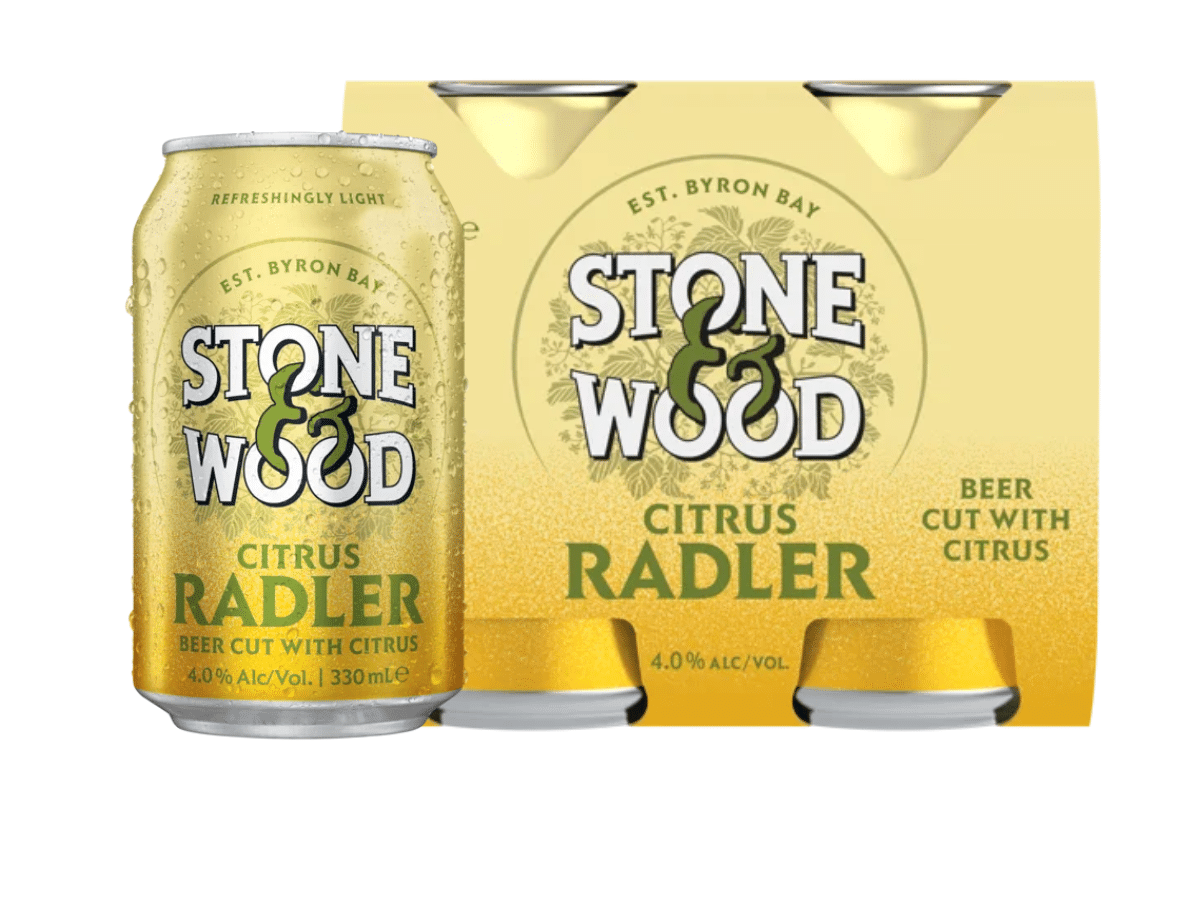
Stone & Wood’s Citrus Radler is a distinctly Australian interpretation of the style. Rather than simply mixing finished lager with lemonade, the Byron Bay brewery makes it like a beer, using pale malts and Galaxy hops before adding lemon purée during the brewing process and natural orange and grapefruit flavours after fermentation.
The result is lightly hazy, gently sparkling and loaded with citrus without completely losing the beer underneath.
At 4 per cent ABV, it’s stronger than traditional European Radlers on this list, so don’t let the citrus vibes convince you you’re drinking Solo.
But if you’re a regular beer drinker wondering what all the Radler fuss is about, this is a good one to start with.
Schöfferhofer Grapefruit Radler
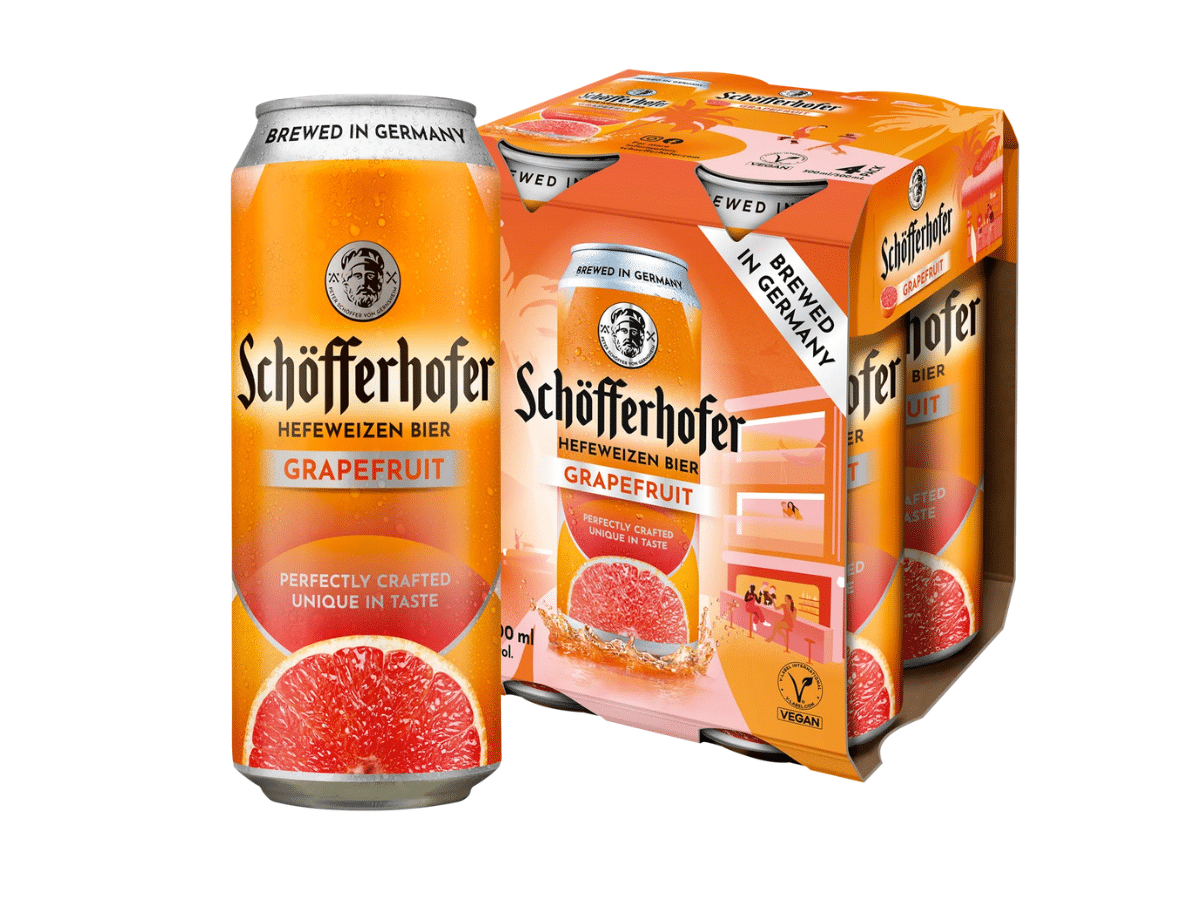
Instead of the usual lager base, the German brewery combines its Hefeweizen-style wheat beer with grapefruit, giving you more body and that distinctive soft, slightly bready wheat-beer character underneath all the fruit.
The grapefruit brings plenty of sweetness and citrus without completely steamrolling the beer, and at 2.5 per cent ABV, a 500mL can still comes in at around one standard drink. It’s sweeter and fruitier than something like Bitburger, so lager purists may need a minute.
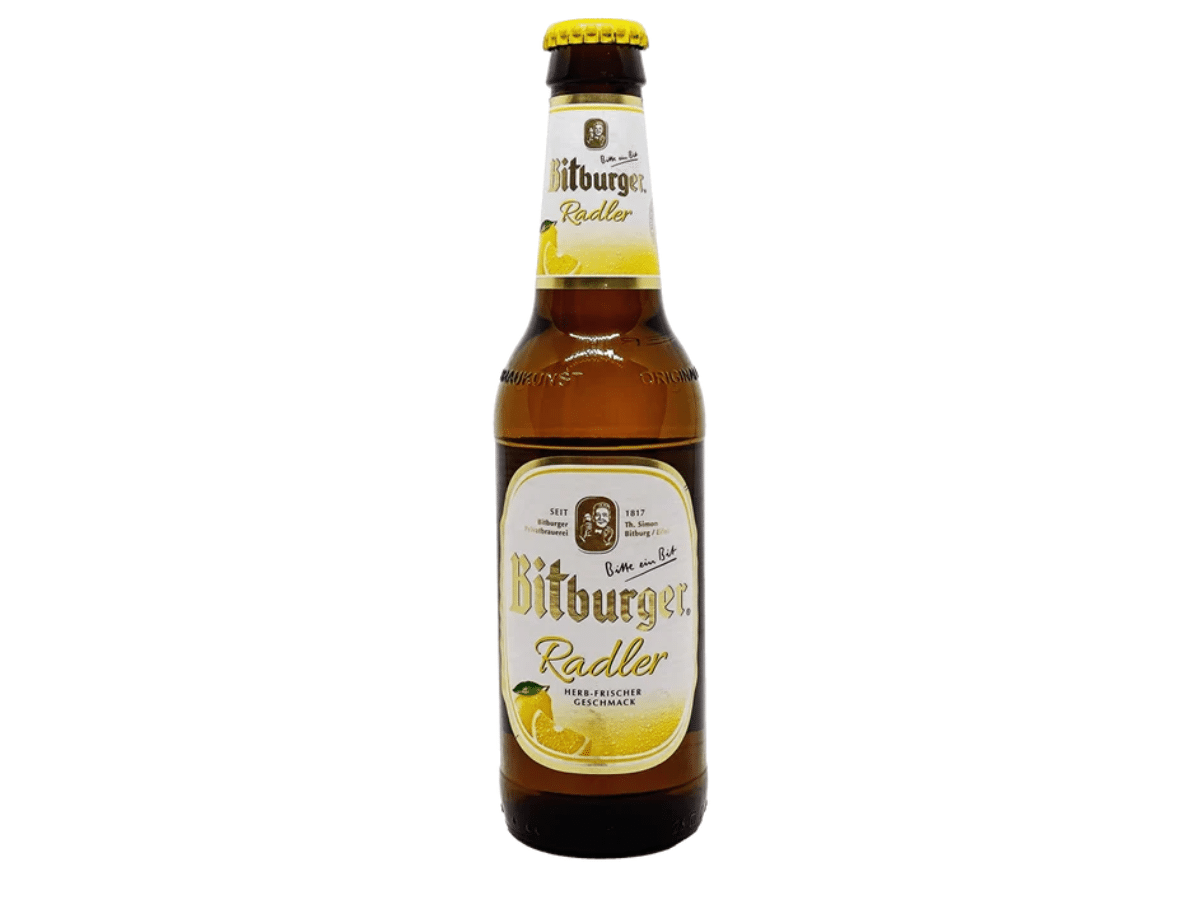
Bitburger Radler
If you want to understand what Radler is supposed to traditionally taste like, start with Bitburger.
The German brewer combines its Premium Pils with sparkling lemonade to produce a 2.5 per cent Radler that retains some of the dry, bitter character of the pilsner underneath the citrus.
Expect lemon and a little lime, balanced by hops and malt rather than an overwhelming hit of sweetness.
While you probably won’t find this beer in Dan Murphy’s, some speciality cellars might stock it. Otherwise, there are several online retailers where you can pick up a six-pack (however at the time of writing most retailers appear to be out of stock – shows how popular it is, eh?)
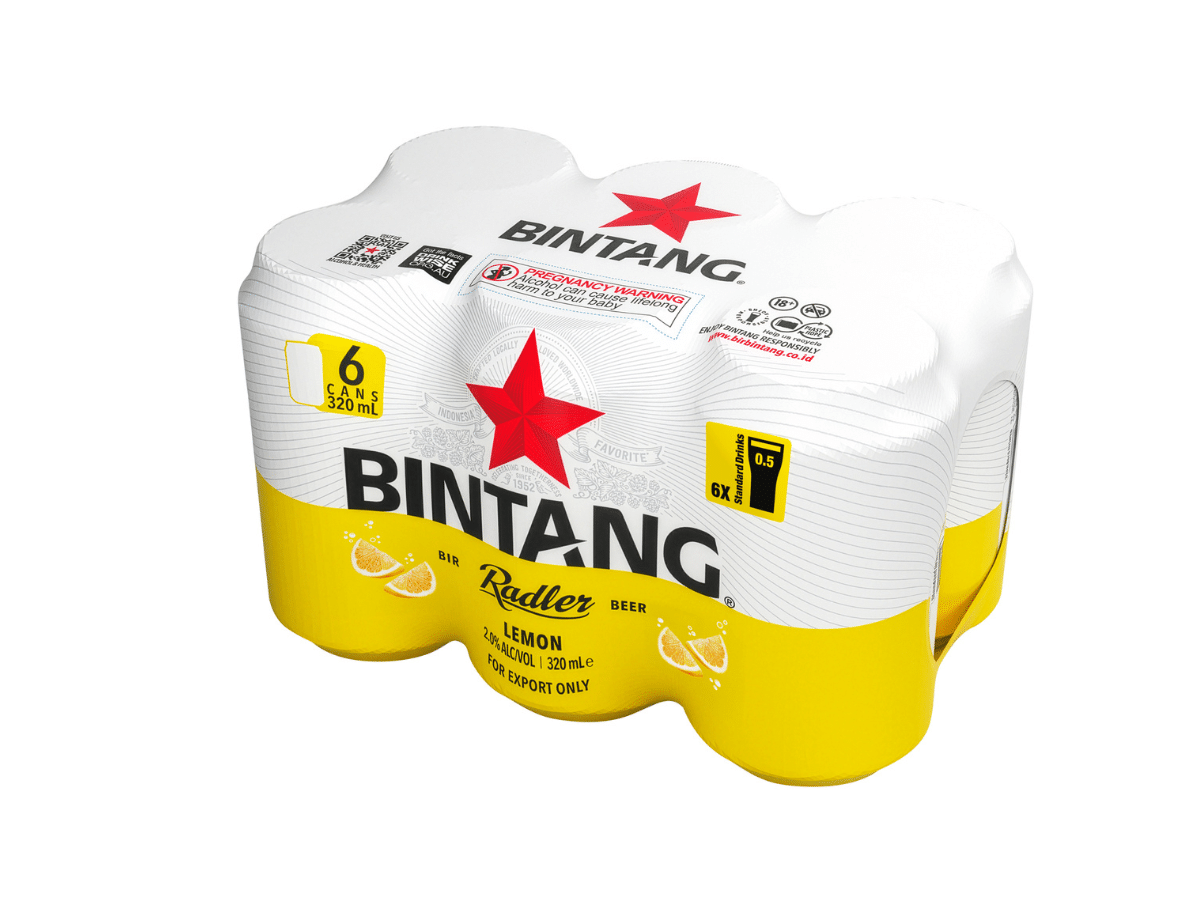
Bintang Radler
If you’ve been to Bali, there’s a decent chance you’ve already tried this one. Bintang Radler takes the Indonesian lager and adds natural lemon juice, dropping the finished drink to just 2 per cent ABV. It’s light, sweet, citrusy and designed to be very easy to drink ice-cold.
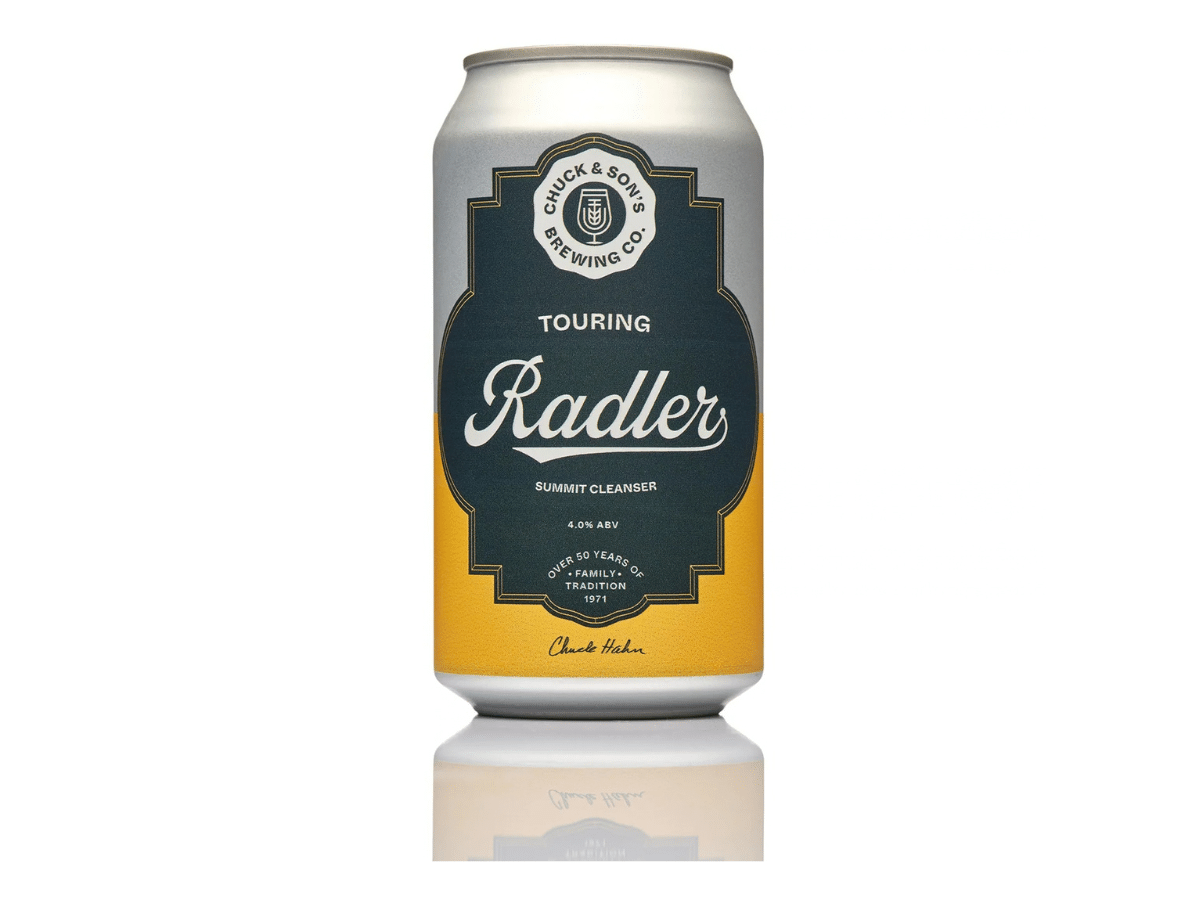
Chuck & Son’s Touring Radler
Chuck & Son’s takes its inspiration pretty seriously with the Touring Radler, going right back to the drink’s origins. The Sydney brewery’s version starts with a light malt beer base before bringing real citrus and ginger juices into the mix, giving it a dry, refreshing character rather than pushing too far into sweet lemonade territory. There’s plenty of citrus, but the ginger is what makes this one particularly interesting, adding another layer without losing the easy-drinking quality you actually want from a Radler.
At 4 per cent ABV, it’s stronger than the traditional 2-to-3-per-cent European examples on this list, putting it alongside Stone & Wood rather than the considerably lighter Bitburger or Schöfferhofer.
And apparently we’re not the only ones who rate it: Touring Radler picked up a bronze medal at the 2025 Australian International Beer Awards.
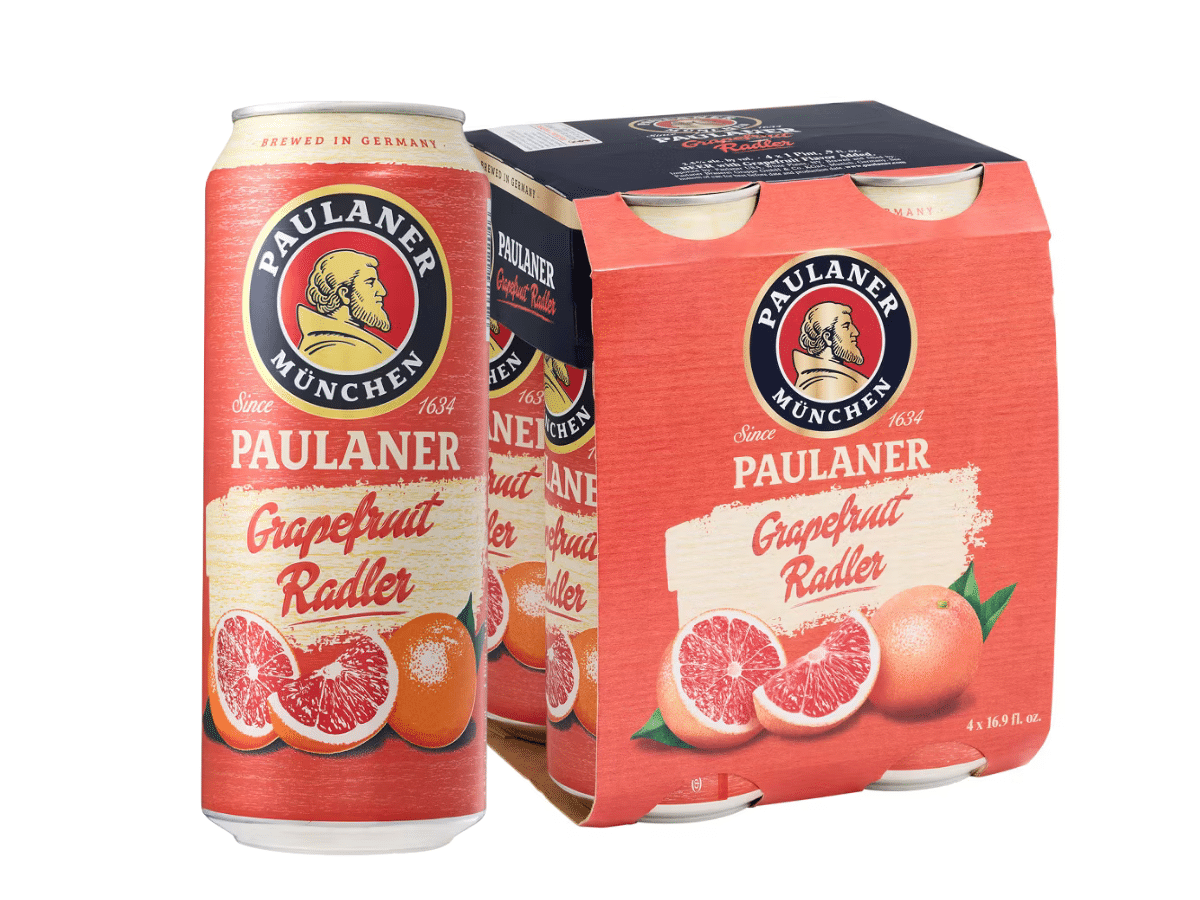
Paulaner Grapefruit Radler
At $13.99 for four enormous 500mL cans at ALDI, Paulaner Grapefruit Radler makes a pretty compelling argument for throwing a pack in the trolley.
The Munich brewery’s 2.5 per cent Radler leans heavily into grapefruit, with plenty of juicy citrus, relatively low bitterness and a noticeably sweeter profile than some of the more beer-forward options on this list.
That sweetness won’t be for everyone. If you want your Radler to still taste predominantly like lager, look towards Bitburger. But if your priorities are cold, citrusy and extremely easy to drink in the sun, Paulaner is the pick.
Does Radler Taste Like Beer?
Yes, although how much depends a lot on the bottle. Something like Bitburger keeps plenty of pilsner bitterness and malt character beneath the lemonade, while Schöfferhofer leans further into juicy grapefruit.
That’s also why Radler can be a good gateway for people who don’t normally drink beer. If you’ve always found lager too bitter, the citrus softens those edges and introduces sweetness without tasting like premix.
For beer drinkers, meanwhile, the best examples still have enough malt and hops going on underneath to remind that, yes, you are still drinking beer.
So, is Radler the Drink of the Summer?
Look, Australians aren’t about to abandon lager altogether. But Radler is a pretty great option for Sunday sessions, hot weather, barbecues and any situation where you want to neck several drinks without feeling like you’ve necked several drinks. So yes, we’re calling it. Get a few in the esky. Summer in Oz could be about to get a little more German.
FAQs
They’re very similar. Both combine beer with a non-alcoholic mixer. Radler traditionally refers to the German combination of lager and citrus soda, while shandy is the British term and can encompass beer mixed with lemonade or other soft drinks.
Yes, unless it’s specifically labelled alcohol-free. Traditional Radlers are often lower in alcohol than regular beer, commonly sitting around 2 to 3 per cent ABV, although some modern versions are much stronger.
The sweetness depends on the citrus component and the ratio of beer to fruit or lemonade. Some Radlers are noticeably sweet and juicy, while others retain more bitterness from the underlying beer.
A crisp, light lager such as a Helles or Pilsner is the traditional choice. Their clean malt and hop profiles work particularly well with citrus.
Cold. Very cold. Radler is designed to be refreshing, so chill both the beer and lemonade before mixing if you’re making one yourself.
More Beer Related Articles
- Most Popular Types of Beer Explained: A Complete Guide
- 11 Best Lagers to Drink If You Like Your Beer to ‘Taste Like Beer’
- 10 Best Craft Beers in Australia, Ranked
- Best Australian Beers, According to the Australian International Beer Awards (AIBA)
- 23 Best Australian Mid-Strength Beers
- 9 Best Non Alcoholic Beers Worth Drinking
- 10 Best Australian Beers for Winter
- 34 Beers You Must Try Before You Die
- 20 Best Australian Craft Breweries
- 6 Best Beer Bars in Melbourne
- 30 Best Breweries in Sydney














Comments
We love hearing from you. or to leave a comment.