

Updated:
Readtime: 7 min
The Lowdown:
If you want to be the person who introduces your table to the next ‘it’ wine, it’s time to learn about blouge.
Every product is carefully selected by our editors and experts. If you buy from a link, we may earn a commission. Learn more. For more information on how we test products, click here.
- The wine world is obsessed with a new co-ferment you’ve never heard of: Blouge
- Blouge (a mashup of blanc and rouge) blends red and white grapes.
- It’s mostly a trade secret being served overseas and by independent bottle shops.
Every few years, the wine world goes through a generational shift that rewires how we look at a bottle shop shelf. The pet-nat, skin-contact orange wines, and more recently chilled reds have all taken wine-lovers by storm.
But if you pride yourself on being ahead of the curve, then there’s another trend you need to get in front of. It’s a fresh rebellion that sits between a heavy rosé and a hyper-light red. Please meet blouge wine, which gets its name from mashing up ‘blanc’ and ‘rouge’. Here’s what you need to know about this drop of vino before the rest of your wine mates catch on.
What is Blouge Wine?
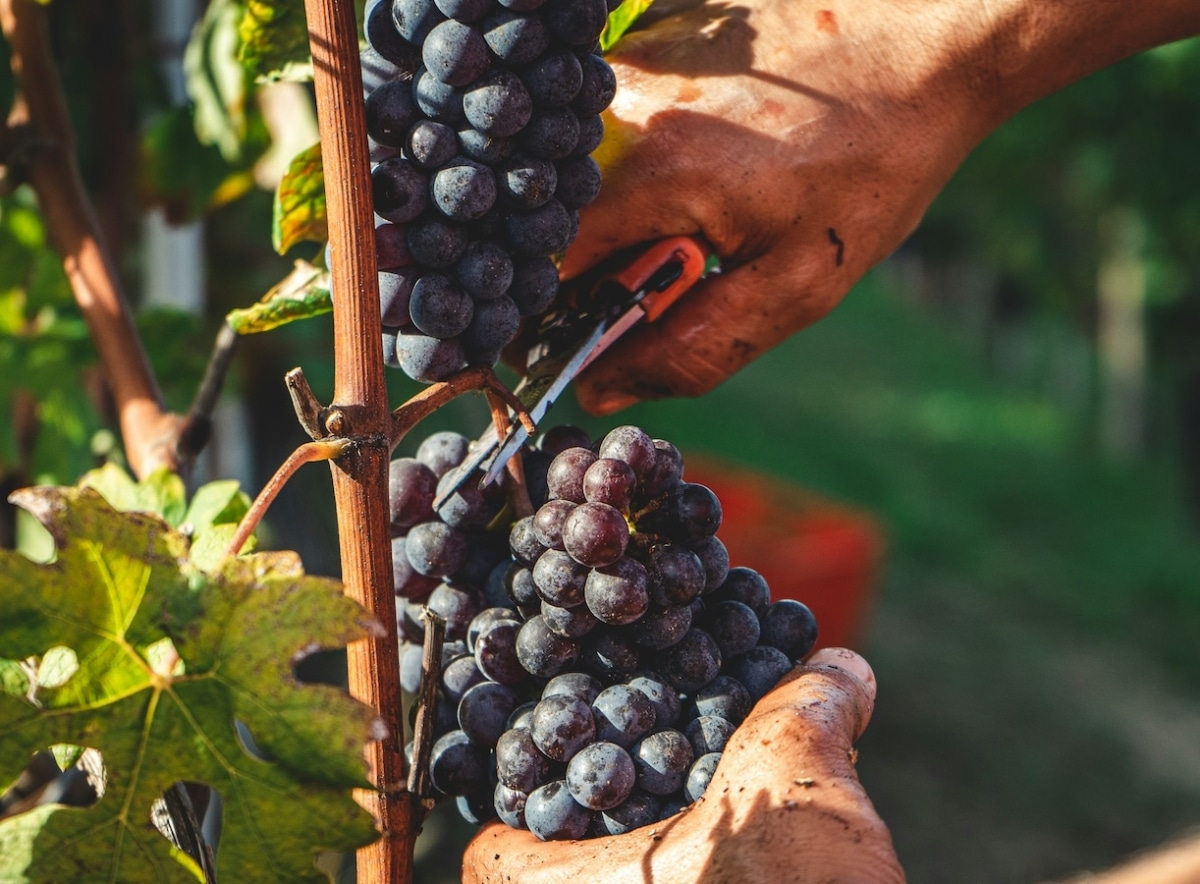
Blouge wine might be a new trend, but the technique behind it (co-fermentation) is an ancient practice. Winemakers in France‘s Northern Rhône have been throwing a splash of white Viognier grapes into their heavy red Syrah vats for centuries to add aromatic lift.
Now, progressive winemakers are using it to solve a different problem: climate change. According to Cheryl Stanley, a senior lecturer in food and beverage management at Cornell University, the shift is a direct response to unpredictable weather and changing palates.
“Weather is becoming more unpredictable, and consumer taste preferences are changing,” Stanley noted in a Cornell industry briefing. “Red grapes can be harvested earlier to avoid excessive heat or the potential for frost and hail.”
How is Blouge Wine Made?
As global wine regions get hotter, red grapes mature far too quickly. If winemakers wait for the skins and tannins to fully ripen, the fruit becomes packed with so much sugar that fermenting it results in heavy, high-alcohol fruit bombs (often tipping over 15% ABV) that lack acidity.
By also harvesting white grapes early (when their natural acids are electric) and fermenting them in the same tank as those reds, winemakers can naturally lower the overall alcohol, strip back aggressive tannins, and inject a massive burst of natural freshness. The result is something entirely new for wine-lovers.
“The blouge style brings bright fresh fruit, bright acid, and light texture,” said Stanley. “It’s a transition from the ‘crushable reds’… It’s the White Zinfandel of today, but without the residual sugar.”
Is Blouge Wine New?
Some industry experts suggest the explosion of blouge wine carries a healthy dose of commercial spin. Depending on who you ask, it’s not a groundbreaking discovery and more a clever linguistic face-lift for a style that natural winemakers have been peddling for years.
“It’s mostly wines made with co-fermented red and white grapes, making something a bit like rosé, but I’ve seen the term also used interchangeably for chilled reds and orange wines,” sommelier Jordan Veltheer told Man of Many.
“So for me, it looks like a bit of a marketing move for wine styles that already exist to sell to younger audiences, which I think is a very good thing. ‘Don’t take it seriously and have a good time’ kinda vibes.”
How Does Blouge Differ from Other Co-Fermented Wines?
If winemakers have been co-fermenting red and white grapes for centuries, what makes blouge any different? It boils down to a shift in intent, volume, and temperature, and it makes a huge difference.
Blend Ratio
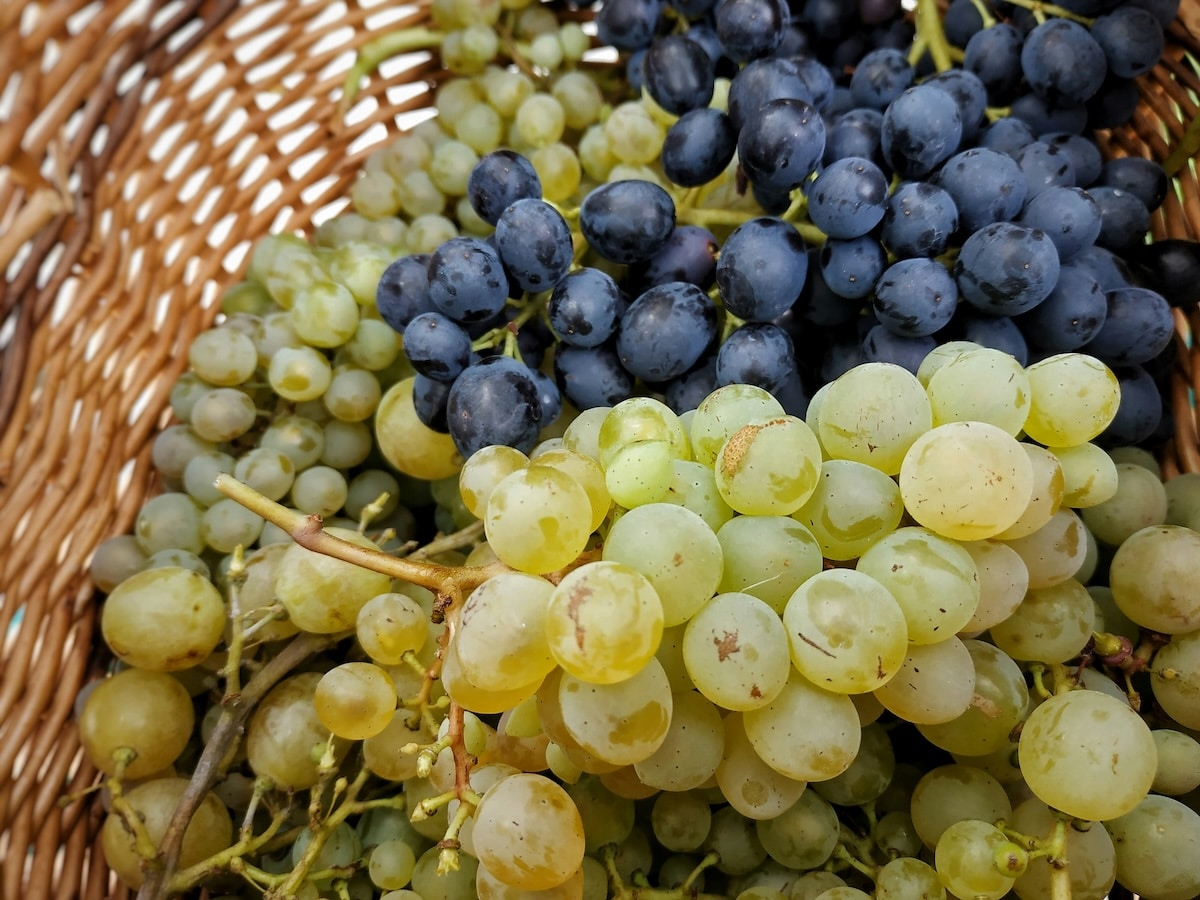
In traditional co-fermentations, white grapes are treated like seasoning. A winemaker will typically only throw in 2% to 5% of a white varietal just to lock in the colour and give the nose a subtle floral lift. Blouge, however, utilises a massive volume of white grapes, often anywhere from 20% to 50% of the total blend.
The Extraction Method
Traditional co-fermented reds undergo long, hot extractions on the skins to draw out massive tannins, deep colours, and oak ageability. Blouge is treated with a light touch. The skins are often tossed together for just a few days for a gentle ‘short maceration’, extracting minimal tannins and keeping the colour a bright, translucent ruby.
Serving Temperature
Traditional blends are built to be served at room temperature alongside a heavy steak. Blouge is built to be refrigerated. It strips away the heavy structure, relying instead on the high-acid, fruit-forward profile of the white grapes so that when it hits the ice bucket, the flavours pop rather than shutting down.
What Varieties Are Used to Make Blouge Wine?
In short: whatever the winemaker has at their disposal. Much like a traditional French Crémant, the grape choices tend to be deeply regional and highly opportunistic.
In Bordeaux, you might find a blend of cabernet sauvignon and sauvignon blanc, while over in the Loire Valley, winemakers are tossing grolleau and chenin blanc into the same vat. Head down to the south of France, and you’re bound to find heavy-hitting reds like grenache, syrah, or mourvèdre co-fermented with whatever crisp whites they have lying around, be it rolle, grenache blanc, or picpoul. Even in eastern France, a casual mix of gamay and aligoté or chardonnay is easily conceived.
Where to Buy Blouge Wine in Australia
If you walk into your local independent bottle shop right now and ask for a blouge, you are almost guaranteed to get a blank stare. While the category is currently making its way through natural wine bars across Europe, it’s barely touched down in Australia. It’s still very much a “wait and see” scenario for the local market.
Because the term isn’t legally regulated or widely recognised by major local distributors yet, finding an imported bottle explicitly stamped with the name requires hunting through hyper-niche, specialist natural wine importers.
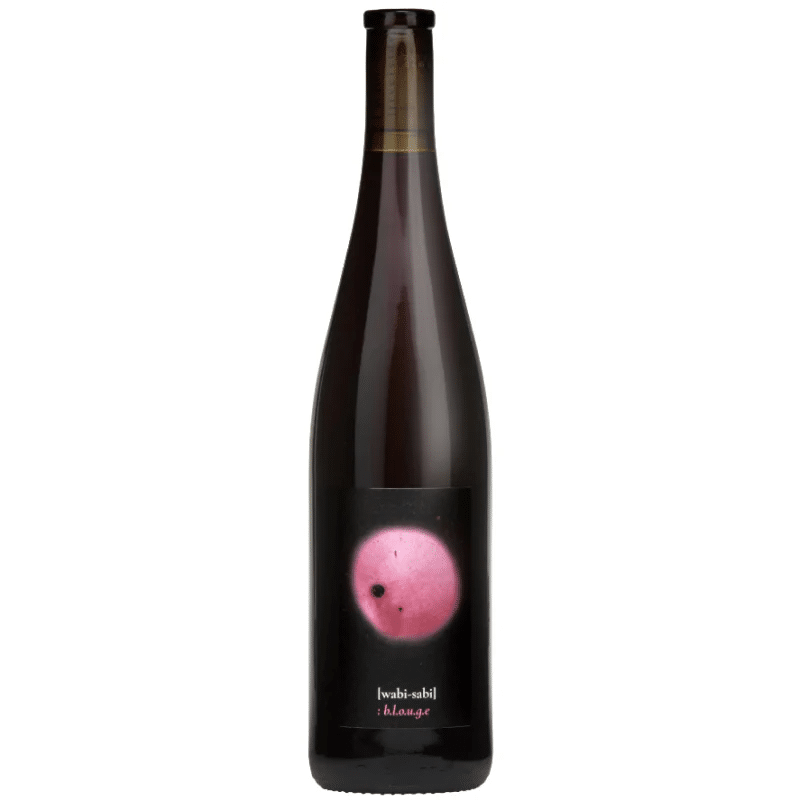
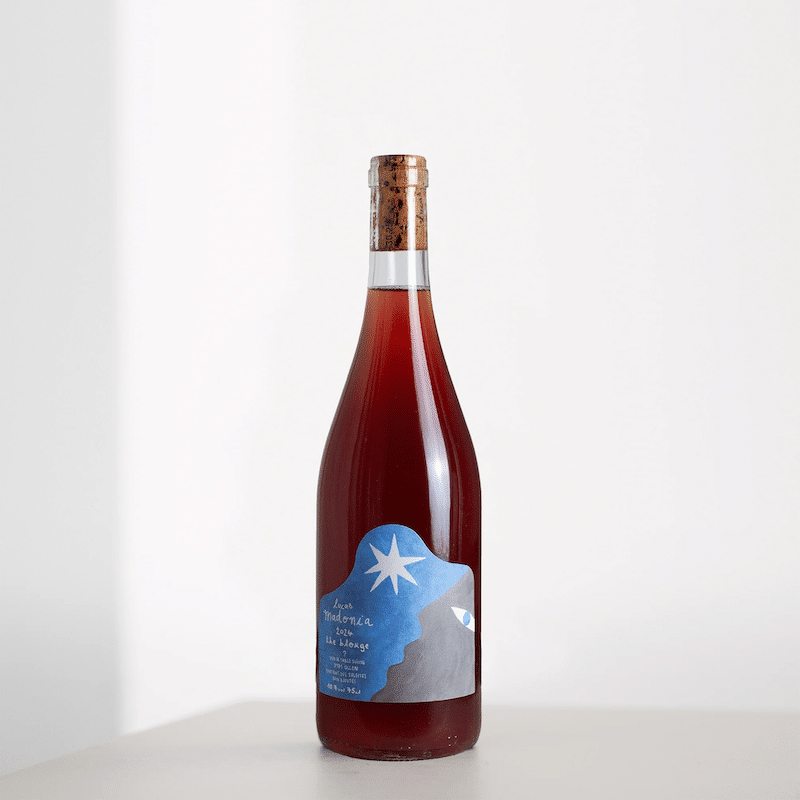
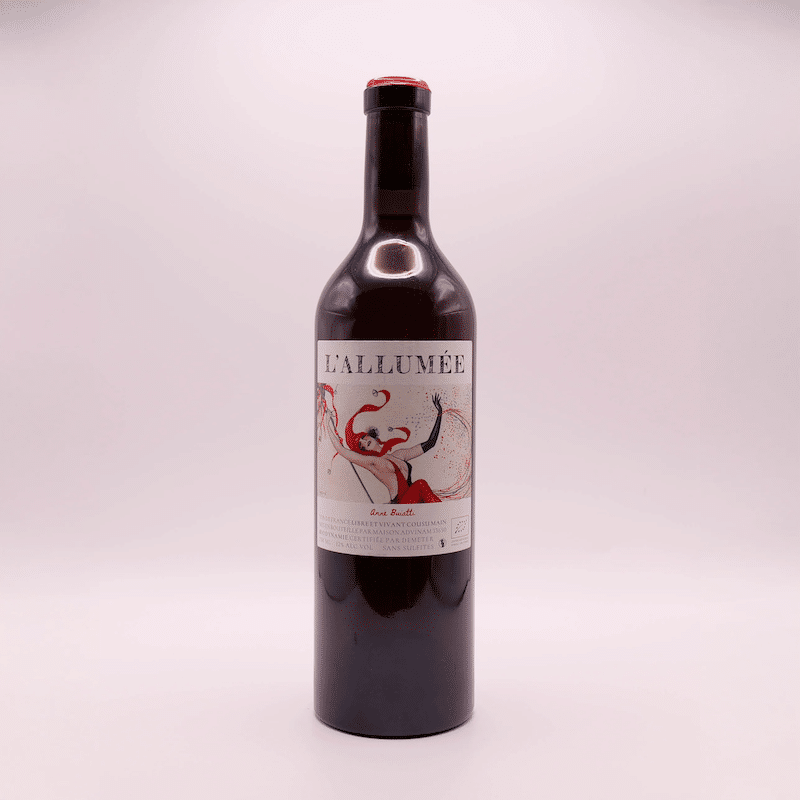
Allumée Blouge 2023
If you’re desperate to get a taste of the trend before it inevitably hits our shores, your best bet is a DIY import job via overseas online stockists, or keeping an eye on the “new arrivals” shelf at Aussie retailers who focus entirely on minimal-intervention European imports. Until then, you’ll just have to watch this space and keep the ice buckets on standby.
Our Verdict on Blouge Wine
The mainstream rush toward Blouge is inevitable. Within the next year or so, commercial labels will start mimicking the style, and it’ll inevitably become the dominant drink of the summer. But right now? You still have the opportunity to be the person who introduces people to it.
So, the next time you’re browsing a natural wine store or sitting down at an independent wine bar, look past the standard labels and ask what co-fermented red-and-white hybrids they have hiding in the fridge. Grab a bottle and enjoy the immense satisfaction of being a step ahead of the rest of the room.
Blouge Wine FAQs
Nope! Rosé is typically made from red grapes that see very minimal skin contact to keep the colour pale. Blouge, on the other hand, utilises a significant portion of white grapes co-fermented alongside red grapes, resulting in a completely different structural profile, higher aromatic complexity, and a darker hue.
Because it’s an experimental style, winemakers use whatever works best for co-fermentation. You’ll often see aromatic whites like Riesling, Gewürztraminer, or Sauvignon Blanc blended with light, vibrant reds like Pinot Noir, Grenache, or Syrah.
While the term is starting to be used loosely by some bars for standard chilled reds or orange wines, a true Blouge relies on the climate-saving practice of co-fermentation to naturally lower alcohol and inject fresh white-wine acidity into red grapes.
Related reads:
- How to Order Wine Like a Pro, According to a Sommelier
- Soul vs Scale: Why Your Next Bottle of Wine Might Taste a Bit Different
- Best Wineries in Victoria
- Best Wine Clubs and Subscriptions in Australia
- Best Wine Gifts for Wine Lovers and Connoisseurs
- Best Wine Bars in Melbourne
- Best Wine Bars in Sydney
- Best Restaurants in Melbourne
- Best Fine Dining Restaurants in Melbourne
- Best Restaurants in Sydney
- Best New Restaurants in Sydney


























Comments
We love hearing from you. or to leave a comment.