


Updated:
Readtime: 6 min
Every product is carefully selected by our editors and experts. If you buy from a link, we may earn a commission. Learn more. For more information on how we test products, click here.
From sales to cellar doors, private appointments, and behind the scenes with pumps and hoses, I’ve spent my entire career working with wine. One thing I’ve learned is that when it comes to large-scale winemaking, there is always a point where the wine stops being a reflection of where it was made, and instead becomes a mass-produced swill destined for big box bottle shops. And I fear that the Australian wine industry is headed in that direction.
That’s because Endeavour Group, the owners of Dan Murphy’s and BWS, recently announced a strategic transformation of their Pinnacle Drinks business, repositioning the portfolio to focus on brands and regions that generate the strongest returns and resonate with customers.
There are three main points from this announcement:
- Endeavour is selling Oakridge – the winery, the vineyards, the cellar door – just five years after purchasing Oakridge as part of their Paragon Wine Estates portfolio of premium wine brands.
- Endeavour is also not renewing the lease for Josef Chromy, leaving the future uncertain for the famous Tassie producer. Again, Endeavour only purchased Josef Chromy a few years ago.
- Lastly, Endeavour is selling the physical assets of Chapel Hill, Riddoch of Coonawarra, and Krondorf Barossa. They are keeping the brands, but anything made under those labels will no longer actually be produced at the historic estate sites.
These changes will have a profound impact on Australian wine for decades to come. Wine is a generational business. People dedicate their lives to it, from the owners, to the growers, to those who work the cellar door. You might be able to shut down a producer overnight, but it’s not that easy to just start it up again, or to grow something unique in its place.
It is almost impossible to overstate how important Oakridge is to Australian wine. It helped position the Yarra Valley as a premium, global wine destination, reinventing Australian Chardonnay in the process.
Josef Chromy is one of the great immigrant success stories in Australian wine. He didn’t just make great wine, he helped put Tasmanian wine on the international map. After fleeing Czechoslovakia in 1950, he arrived in Tasmania with nothing, and went on to build some of the state’s most iconic wine brands – Bay of Fires, Jansz, Heemskerk, and Tamar Ridge – before launching his own namesake winery at the age of 76. In just four years, the estate collected 14 trophies and 170 medals, and in 2013 took out Best Chardonnay in the World at the Decanter World Wine Awards in London.
And spare a thought for the staff. The winemakers, the cellar door teams, the people who make these places as special as they are, it wasn’t their decision to sell. When a small producer has a bad year, they figure it out. They have to. That’s not what will happen with Endeavour’s changes.
Privately, most wine growers and producers don’t have nice things to say about Endeavour Group. The duopoly of Endeavour and Coles Liquor Group have created an environment that makes it almost impossible for independent growers to sell their wine in the big stores.
Through their market dominance, Dan Murphy’s, BWS and other big chains have created the conditions where small producers often have no choice but to sell to them. They offer ridiculously low wholesale prices as well as terrible shelf positioning, always prioritising their own bulk-produced brands over the independent labels. The result is that many producers simply don’t bother with the big chains.
Related: How to Order Wine Like a Pro, According to a Sommelier
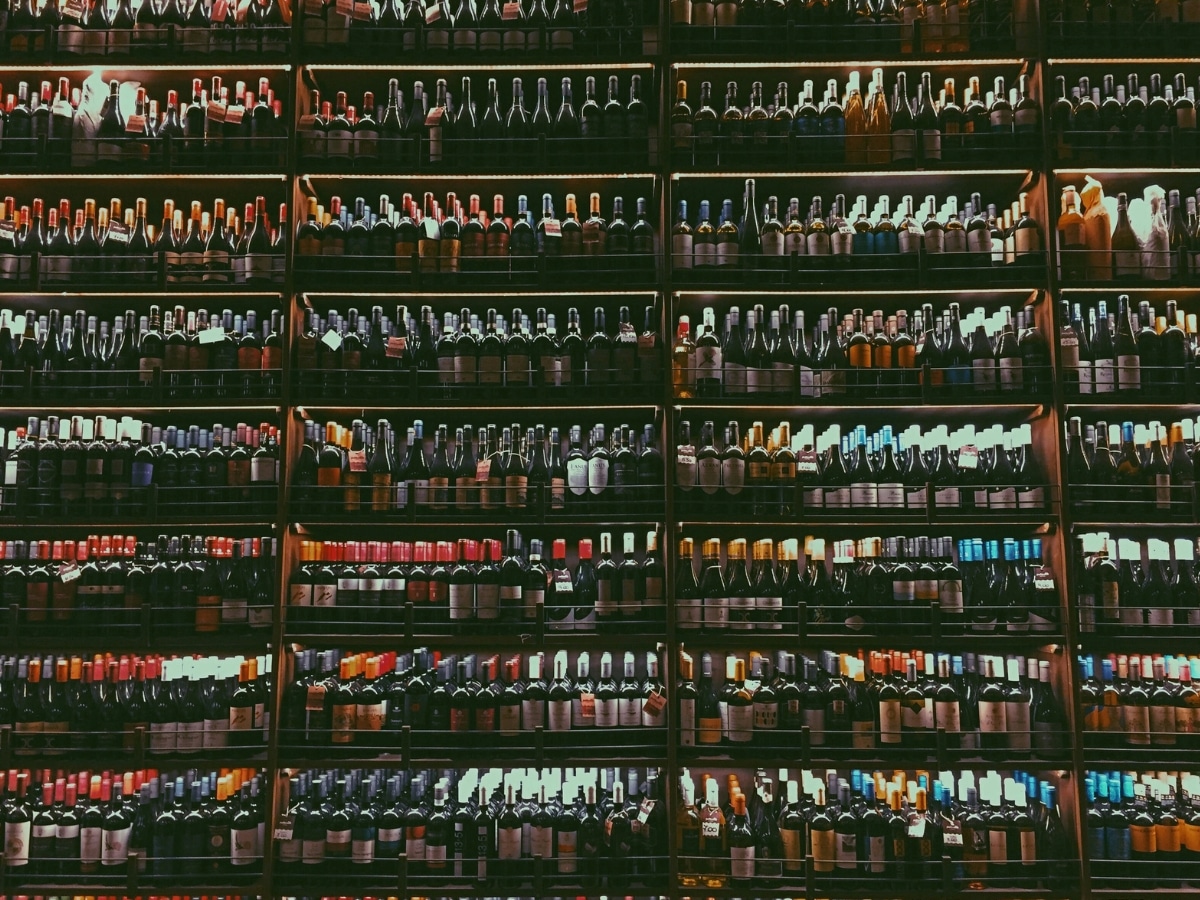
What Mass Production Means for the Australian Wine Industry
As someone who’s tried a lot of wine, I can tell you something does happen to wine when it becomes a mass-produced product. Think of it like bread: When somebody makes a homemade loaf of sourdough, it’s something special – personal, unique, produced with care. But when you buy a loaf of Wonder White from the supermarket, the bread will do the job, but it will lose its soul.
These changes mean that bulk wine is becoming the business model for Endeavour, and therefore for a huge chunk of the Australian wine market. Selling the physical assets while retaining the brands, combined with Pinnacle Drinks scaling back grape production by 80% and moving towards 99% flexible sourcing grapes and wine from the broader market, it’s now a safe bet that many bottles on a Dan Murphy’s or BWS shelf moving forward will be bulk-produced wine (although Endeavour has played down this concern).
How is this even possible in Australia? The enormous success of Yellow Tail in the US market means that bulk wine has become a massive industry in this country. Australia is the fifth largest wine-producing nation in the world, and the Riverland in South Australia alone accounts for 30% of Australia’s national grape output. Combined with the fact that labelling laws in Australia are relatively relaxed compared to European nations, this has created an environment where bulk wine can become the dominant business model and Endeavour Group are running with it full speed ahead.
The shelves at Dan Murphy’s may not look terribly different in the future. Long aisles full of colourful labels, with price and convenience top of mind. But what’s behind those colourful labels will absolutely change, and most likely for the worse. The landscape of the Australian wine industry is shifting, but the antidote depends on how consumers respond, and what we choose to fill their cellars and fridges with.
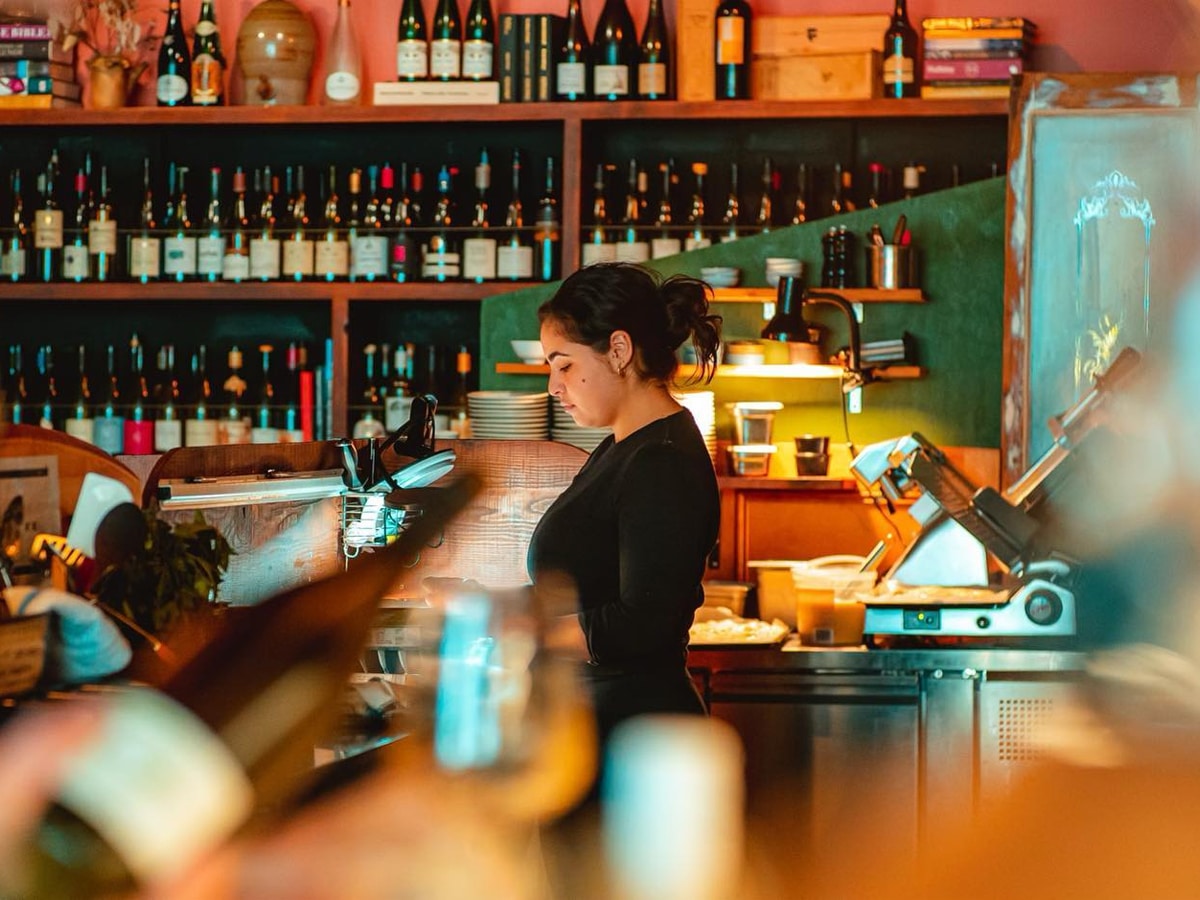
How You Can Help Aussie Wine Growers
The beauty of Australian wine is that as long as there are grapes in the ground, there will be phenomenal winemakers trying to perfect their craft. We have always had incredible winemakers in this country making incredible wines.
However, it’s not all sunshine and roses for the big chains. Escalating global tariffs and an over-supply of wine at home have undermined the bulk-wine business model. But talk to a small producer and things aren’t so terrible. Yes, Aussies are drinking less than ever, but that’s exactly where smaller, independent growers are even more valuable – now is the time that wine connoisseurs are searching for quality over quantity.
Find a small, local independent winery and buy their wine directly – it’s easier than you think – or buy directly from their websites, join their wine clubs, or support a local independent bottle shop. Remember, always read the fine print on the back of your label. Real wineries have real addresses. Real winemakers put their name on the bottle.
The best part? Most of our incredibly talented winemakers are only an Instagram message or an email away. They are not that hard to talk to, and that is one of the most beautiful things about Australian winemaking culture: it is welcoming, it is open, and it is here for you.
The Australian wine industry is a beautiful thing, full of countless passionate people who dedicate their lives to wine – and many of whom will have had their worlds turned upside-down by Endeavour’s recent announcements. Because wine is more than a drink. Wine is a cultural connector whose impact cannot be overstated.
























Comments
We love hearing from you. or to leave a comment.