

Updated:
Readtime: 9 min
Every product is carefully selected by our editors and experts. If you buy from a link, we may earn a commission. Learn more. For more information on how we test products, click here.
- Current reports suggest the Apple iPhone Air 2 will be released in early 2027, likely during the Australian autumn.
- The strongest hardware rumours are a second 48MP ultrawide camera and better battery life.
- Pricing remains unknown, and the current iPhone Air’s AUD$1,799 position may prove harder to fix than either of those hardware compromises.
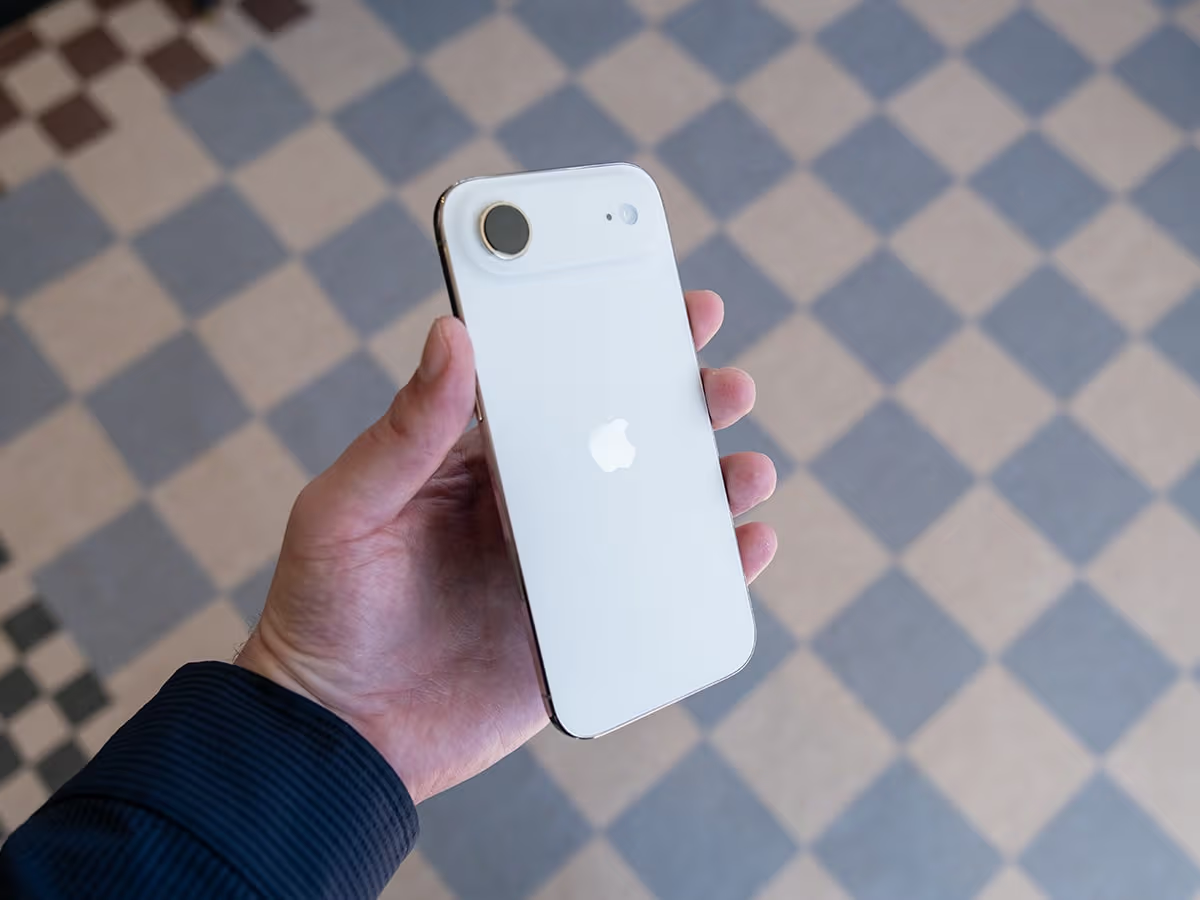
The first iPhone Air certainly proved Apple could make an impossibly thin smartphone without creating another bend-gate scenario. But, unlike the MacBook Air that was pulled from a manila envelope way back in 2008, it didn’t have nearly the same impact. With a price tag of AUD$1,799, one rear camera, and a significantly shorter battery life than Apple’s Pro models, the engineering was impressive, but buyers didn’t exactly rush towards it.
Now Apple appears to be preparing a second attempt at the iPhone Air, with Bloomberg’s Mark Gurman leading the rumour mill with speculation from “people with knowledge of the matter.” Codenamed V62, the apparent iPhone Air 2 has reached the advanced testing stage ahead of a potential early-2027 release.
Based on those sources, Apple is currently testing the new model, which adds an ultrawide camera and reportedly aims to improve battery life, while keeping the same basic thin-body design.
When Will The iPhone Air 2 Release?
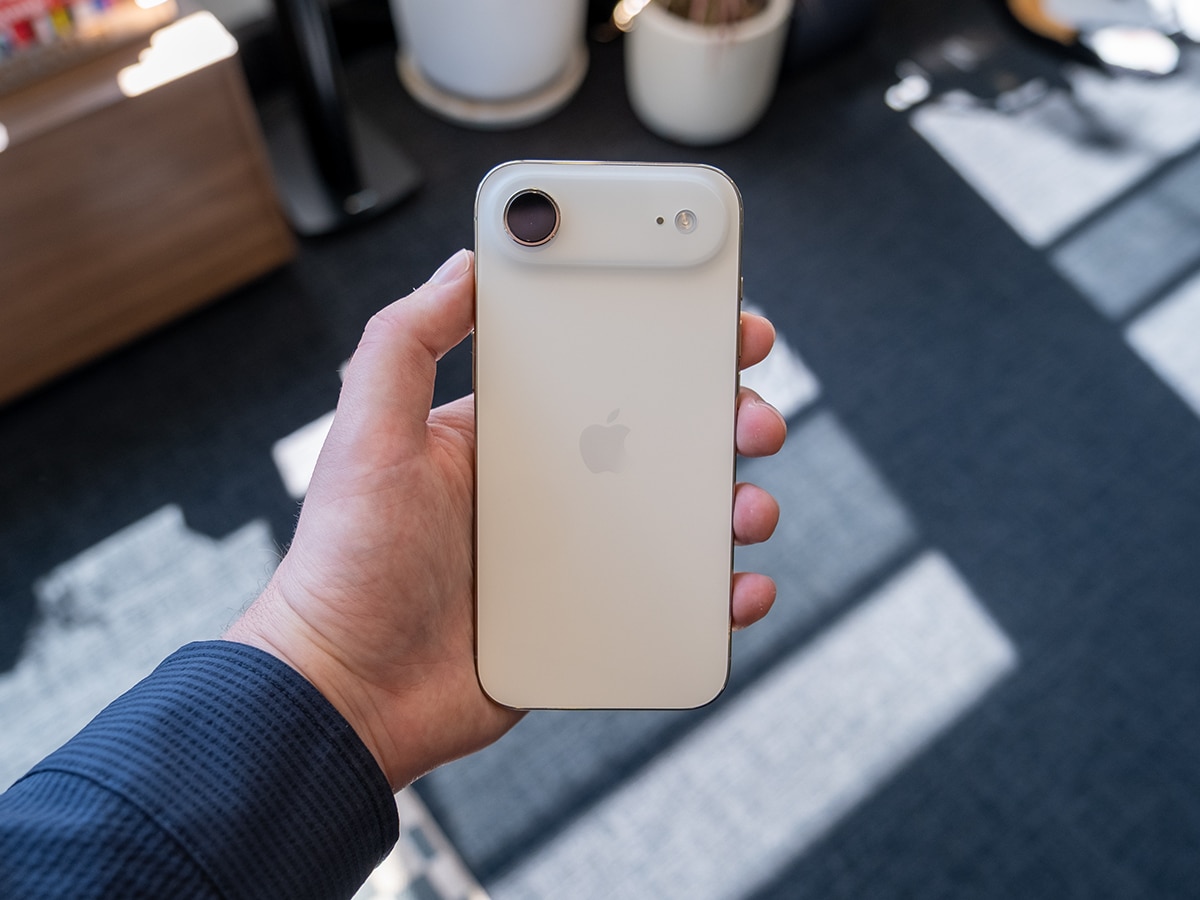
Current reports point to early 2027, placing the second-generation release around the Australian autumn window.
Gurman expects the phone to arrive alongside the standard iPhone 18, while analyst Jeff Pu has reportedly placed it in the first quarter of 2027. According to MacRumors’ account of Pu’s supply-chain note, the device could be part of Apple’s first major release under a new twice-yearly iPhone schedule.
Earlier reporting from The Information placed the Air 2 in Apple’s late-2026 plans before the publication reported that it had been removed from that schedule. Apple never announced either date, so this isn’t an official delay, but the strongest current reporting now points to early 2027.
As for the name, that’s still up in the air. ‘iPhone Air 2’ is convenient shorthand, although Apple could keep the standalone Air branding or return it to the numbered range.
A Second Camera Could Fix the Air’s Biggest Limitation
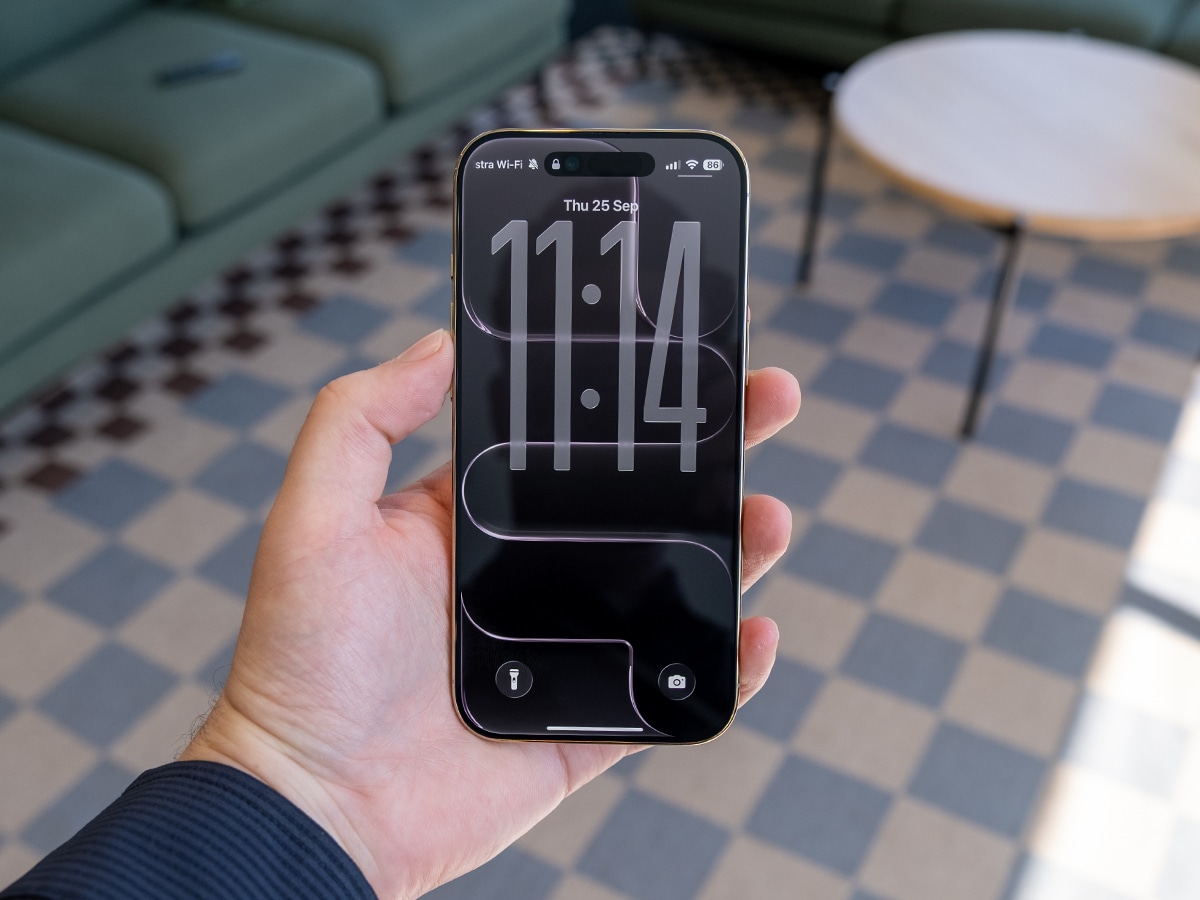
I rarely see people using standalone cameras these days. Outside of professionals and enthusiasts carrying DSLRs or mirrorless cameras, most of us are whipping out our phones to capture the world around us. Sure, it wasn’t too long ago that a phone camera was equivalent to taking a photograph on a potato. But it’s 2026, making the Air’s single-lens setup increasingly difficult to excuse.
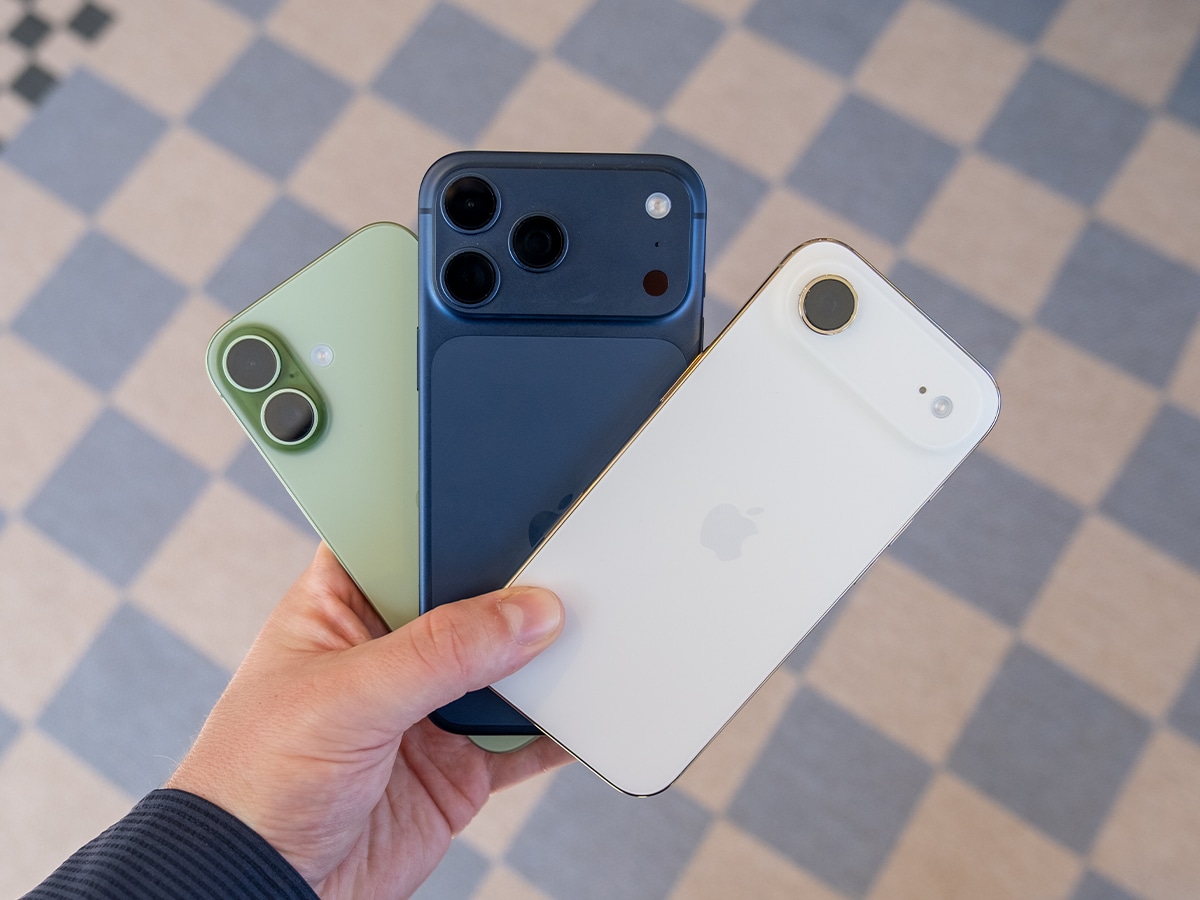
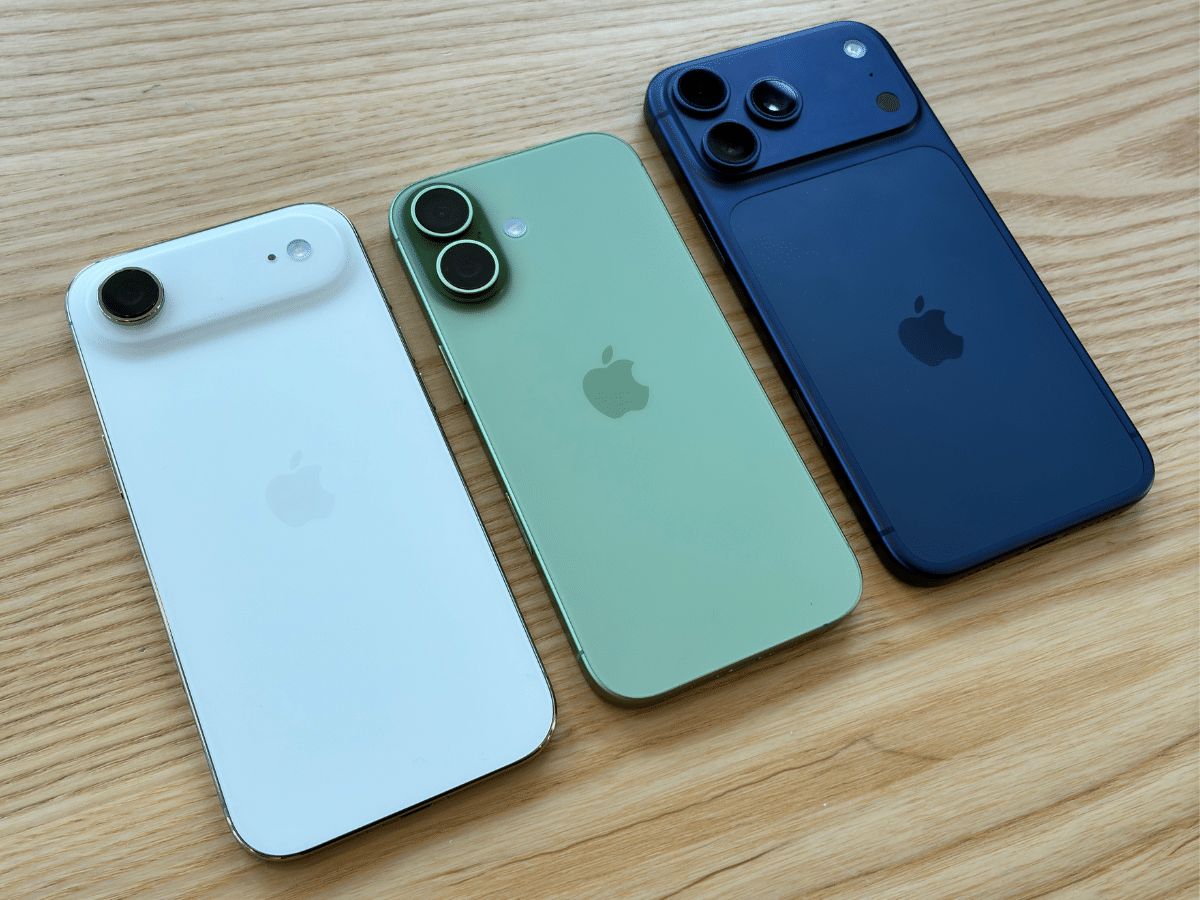
The current iPhone Air uses a single 48MP Fusion Main camera, giving users 1x framing and an optical-quality 2x crop. It misses out on a 0.5x ultrawide and a dedicated telephoto lens, which becomes harder to excuse when the phone sits only AUD$200 below the iPhone 17 Pro.
Apple appears to know the single-camera setup is one of the first things buyers will question. Digital Chat Station first reported in November 2025 that Apple was considering a second 48MP rear camera. The Information later backed the move towards a dual-camera system, while Bloomberg’s Mark Gurman identified the second lens as an ultrawide. Pu’s supply-chain analysis also suggests the second-generation Air could pair its existing 48MP Fusion Main camera with a new 48MP ultrawide.
If true, Air owners will finally have access to the 0.5x field of view that has become standard across most flagship smartphones. The obvious benefit is capturing more in a single shot, whether that’s group photos, landscapes or tall buildings, but it may also open the door to macro photography and spatial capture if Apple follows the same approach used on the standard iPhone 17. Neither feature has been specifically reported for the new Air, so that remains speculation rather than part of the current leak sheet.
Unfortunately, there’s no word on Apple adding a dedicated telephoto camera, but fitting one into a body this thin was always going to be a bigger ask. At the very least, adding an ultrawide lens would remove the most obvious first-generation limitation and give the Air a camera system that feels closer to what buyers expect at this price.
Better Battery Life Would Be a Blessing
Another issue facing the iPhone Air 2 is battery life. Thin phones will always involve some compromise, but the first-generation Air’s 27 hours of video playback looks a lot less generous when the iPhone 17 Pro is rated for up to 31 hours, and the Pro Max stretches that claim to 37 hours. Sure, that’s technically more than a full day of continuous video, but official playback figures rarely tell the whole story. Over time, that gap could be the difference between catching an Uber or flagging down a taxi.
According to Gurman, the improvements are centred on endurance. However, his sources could not say whether that will come from a larger battery, more efficient components or some combination of the two.
A Digital Chat Station leak places the second-generation Air’s battery capacity at roughly 3,500mAh, around 11 per cent above the current model’s nominal capacity. It sounds promising, but we won’t know what that means for actual battery life until Apple announces the phone and reviewers get their hands on it.
That’s where Apple’s reported A20 Pro-class chip becomes important. Gurman says Apple is testing a version of the A20 Pro, while Pu’s supply-chain notes point to a 2nm A20 Pro alongside 12GB of RAM, Apple’s C2 cellular modem and a new N2 wireless chip.
There are no credible runtime figures yet, so how long the phone will actually last is anyone’s guess. Either way, it better be more than before.
What Else Could Change?
Beyond the second camera and battery life, don’t expect Apple to completely reinvent the Air. Gurman says current prototypes retain the same broad design as the first generation, which is to be expected when thinness is the entire reason this phone seems to exist.
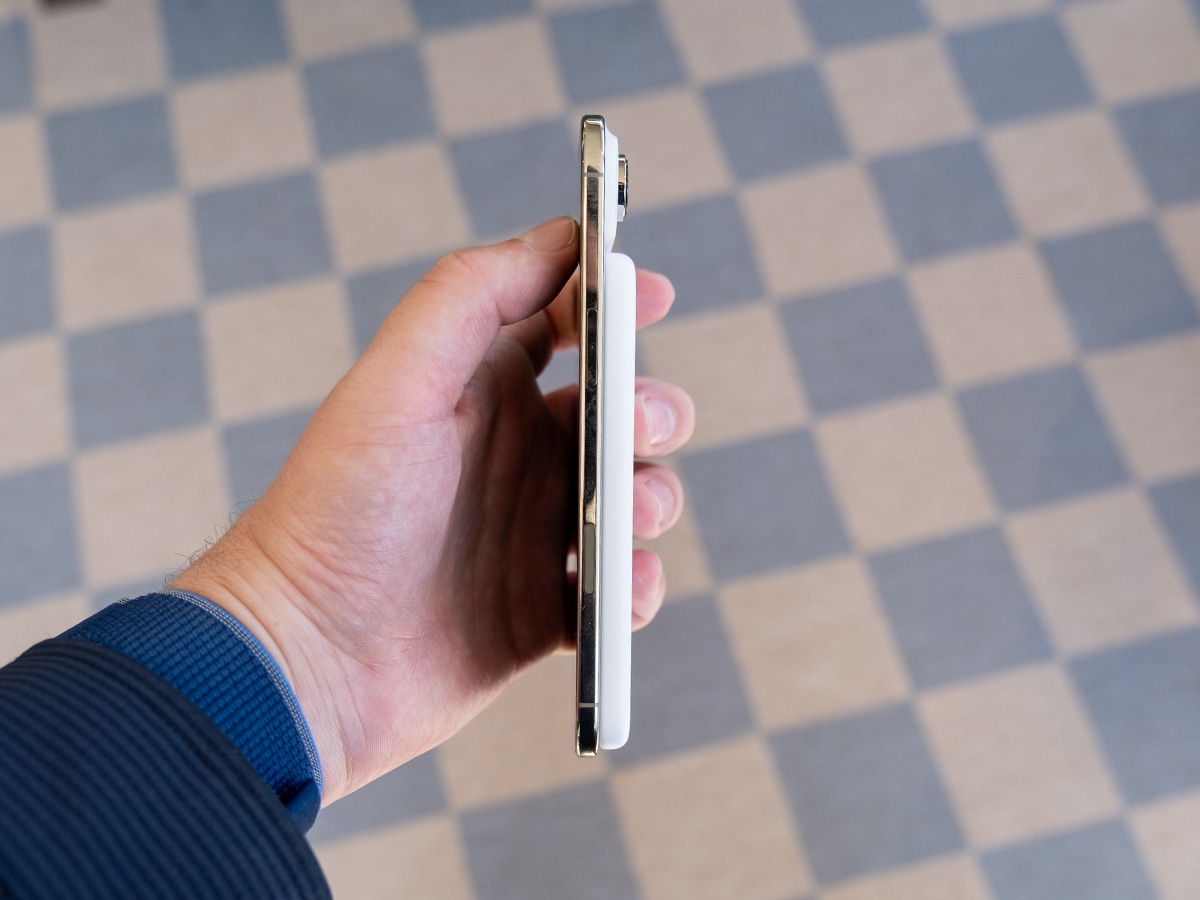
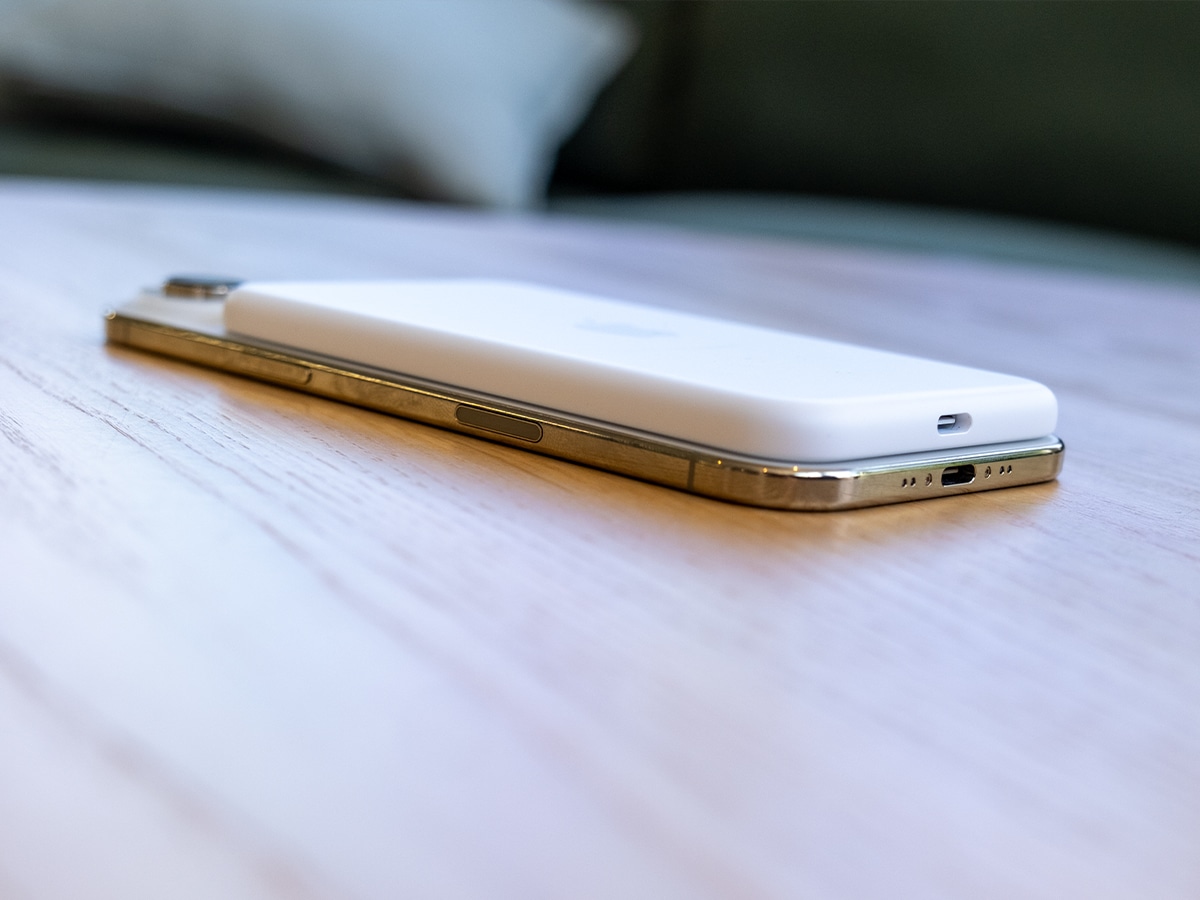
How Apple fits those upgrades into a body just 5.64mm thick without pushing the weight too far beyond 165g remains to be seen.
The display, meanwhile, probably isn’t getting any bigger. Digital Chat Station and analyst Jeff Pu both point to another roughly 6.5-inch OLED panel with an adaptive 120Hz refresh rate. Pu also expects a slightly smaller Dynamic Island, so a larger screen looks unlikely, although the existing display could feel a little less crowded.
Other rumours floating around focus on how Apple might free up space or manage heat inside the phone. The Elec reports that Apple considered a thinner, more efficient CoE OLED panel, while Instant Digital claims suppliers were asked to shrink the Face ID module. The Information has also mentioned vapour-chamber cooling.
The Second-Generation iPhone Air Rumour Mill Round Up
| Feature | Current iPhone Air | Reported Second Generation | Confidence |
|---|---|---|---|
| Release | September 2025 | Early 2027 | High |
| Display | 6.5-inch 120Hz OLED | Roughly 6.5-inch 120Hz OLED | Medium-high |
| Processor | A19 Pro | 2nm A20 Pro-class chip | Medium-high |
| Rear cameras | One 48MP Fusion Main | 48MP Main and 48MP Ultrawide | High for a second camera; medium-high for 48MP |
| Battery | Up to 27 hours of video playback | Better endurance targeted; exact capacity unknown | High for the objective; low for 3,500mAh |
| Memory and connectivity | 12GB RAM, C1X modem and N1 wireless chip | 12GB RAM, C2 modem and N2 wireless chip | Medium |
| Dynamic Island | Current design | Slightly smaller | Medium |
| Starting price | AUD$1,799 | Unknown | Low |
How Much Could the iPhone Air 2 Cost in Australia?
Now we arrive at the rumour Apple can least afford to get wrong: the price.
Right now, the current iPhone Air starts at AUD$1,799 for 256GB, before climbing to AUD$2,199 for 512GB and AUD$2,599 for 1TB. By comparison, the iPhone 17 starts at AUD$1,399, while the iPhone 17 Pro is only another AUD$200 away at AUD$1,999.
It’s an awkward pricing position for the Air. You’re paying AUD$400 more than the standard iPhone for the thinner design, but saving only AUD$200 against the Pro while giving up its more capable camera system, longer battery life and several other practical extras.
The Information has suggested Apple is considering a price drop for the second-generation model, but whether that idea survives until launch is another question. And with household budgets already under pressure, another expensive design experiment could be a difficult sell.
Jon Prosser has gone the other way. According to Tom’s Guide, the Apple leaker expects a USD$1,049 starting price, which would be USD$50 more than the first Air’s US launch price.
Either way, paying AUD$1,799 for thinness still feels like a compromise. The next Air needs either a lower price or enough meaningful upgrades to stop that compromise from defining the whole phone.
Did the First iPhone Air Actually Fail?
Judging by some of the coverage that followed its release, you would think Apple shipped the Air straight into an empty store, turned off the lights, and hoped for the best.
Nikkei Asia reported that Apple sharply reduced production after demand fell below its initial expectations. Ming-Chi Kuo separately said suppliers expected capacity to fall by more than 80 per cent by the first quarter of 2026, while The Information reported that manufacturing partners had begun dismantling dedicated assembly lines.
It’s not exactly the kind of activity you associate with a runaway hit, but since we don’t have access to model-level sales or revenue from Apple, we can’t know for sure whether it was a hit, a miss or something more complicated.
Regardless, Apple’s doing just fine. The company reported record June-quarter iPhone revenue of USD$54.252 billion in fiscal Q3 2026. Clearly, Apple doesn’t need the second Air to rescue iPhone sales. But if it wants the second Air to succeed, the phone needs to earn a clearer place inside an already successful range.
Related reads
- iPhone 18 Pro Release Date and Every Rumour We’ve Seen So Far
- Apple’s First Smart Glasses Might Be Coming As Soon As 2027
- With iOS 27, Apple Fixes the Most Annoying Thing About Apple Wallet

























Comments
We love hearing from you. or to leave a comment.