


Updated:
Readtime: 5 min
Every product is carefully selected by our editors and experts. If you buy from a link, we may earn a commission. Learn more. For more information on how we test products, click here.
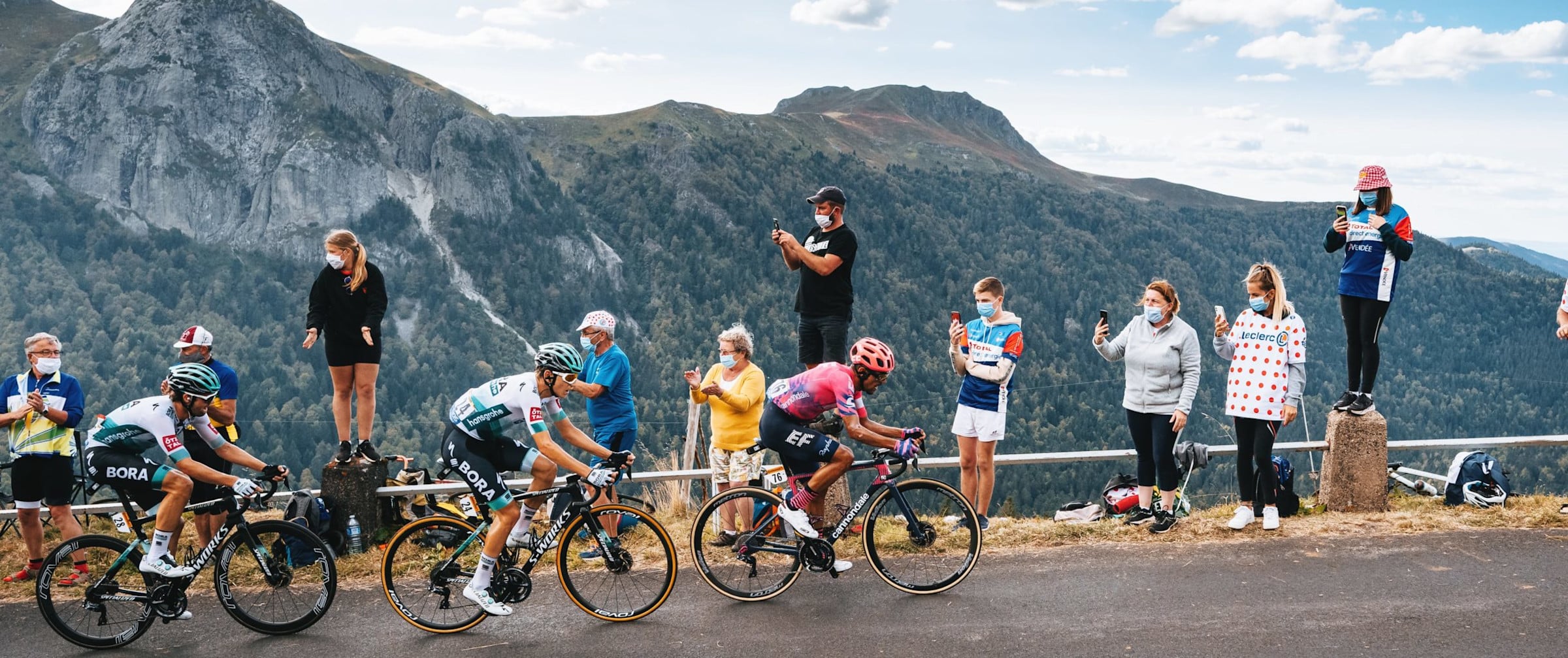
The riders at the front of the Tour de France are not simply fitter than the rest of us. Physiologically, they are closer to a different species, and for the first time we can see exactly how. Resting heart rates down in the 30s, recovery scores most weekend cyclists will never touch, and weekly training loads that would flatten a professional footballer.
WHOOP has been tracking that data across the peloton, and the numbers behind Tadej Pogacar, Mathieu van der Poel and the rest are genuinely staggering. This is what elite endurance looks like from the inside, and what it quietly tells the rest of us about our own training.
What WHOOP's Tour de France Data Set Covers
WHOOP compared the three riders against more than 15,000 active WHOOP members, using a specific reference group of over 2,200 male cyclists aged 25 to 35 for the head-to-head physiology numbers. Data was collected from 1 January to 21 June 2026, with a wear rate of 96 to 99 percent for all three professionals across the analysis period.
Resting Heart Rate and HRV: the Real Gap to Amateurs
The three riders recorded resting heart rates on WHOOP between 38 and 44 beats per minute across the entire analysis period, about 10 to 17 beats lower than the age-matched comparison group. Heart rate variability (HRV), a marker of recovery capacity, was even further apart: Mathieu van der Poel averaged 143 milliseconds, exactly double the 71 millisecond average of the age-matched cyclists WHOOP compared him against.
Average daily strain for the three professionals ran roughly 25 percent higher than the everyday cyclists across the entire season, not just in race week.
Training Load Ahead of the Tour de France
Each rider logged more than 200 cycling sessions on WHOOP in the build-up to the Tour, averaging nine to ten rides a week. Across the full season, Pogačar completed 578 hours on the bike, van der Poel logged more than 506 hours and Philipsen accumulated almost 495 hours.
The final 30 days were not a taper. Daily training load kept climbing, HRV improved for both Pogačar and van der Poel, and resting heart rate fell, even as average sleep duration became slightly shorter. Elite preparation, on this data, means adding intensity right up to race week rather than easing off it.
Sleep Consistency, Not Just Sleep Duration
The least obvious differentiator in the data is sleep. The professionals averaged only 10 to 30 minutes more sleep than everyday cyclists on WHOOP’s sleep tracking, but they were far more consistent about when they slept. All three recorded sleep consistency scores above 81 percent, compared with 70 percent for the age-matched control group.
A regular bedtime, not extra hours in bed, is the pattern WHOOP’s data connects most closely to elite recovery.
Three Riders, Three Different Preparation Styles
The three riders got to a similar physiological place by different roads. Pogačar paired his cycling volume with 30 hot tub sessions, sauna use, weightlifting and ice baths across the season. Van der Poel mixed road riding with mountain biking and even logged 40 rounds of golf. Despite the different routines, all three show remarkably similar cardiovascular profiles and training consistency.
Train Like a Tour de France Contender
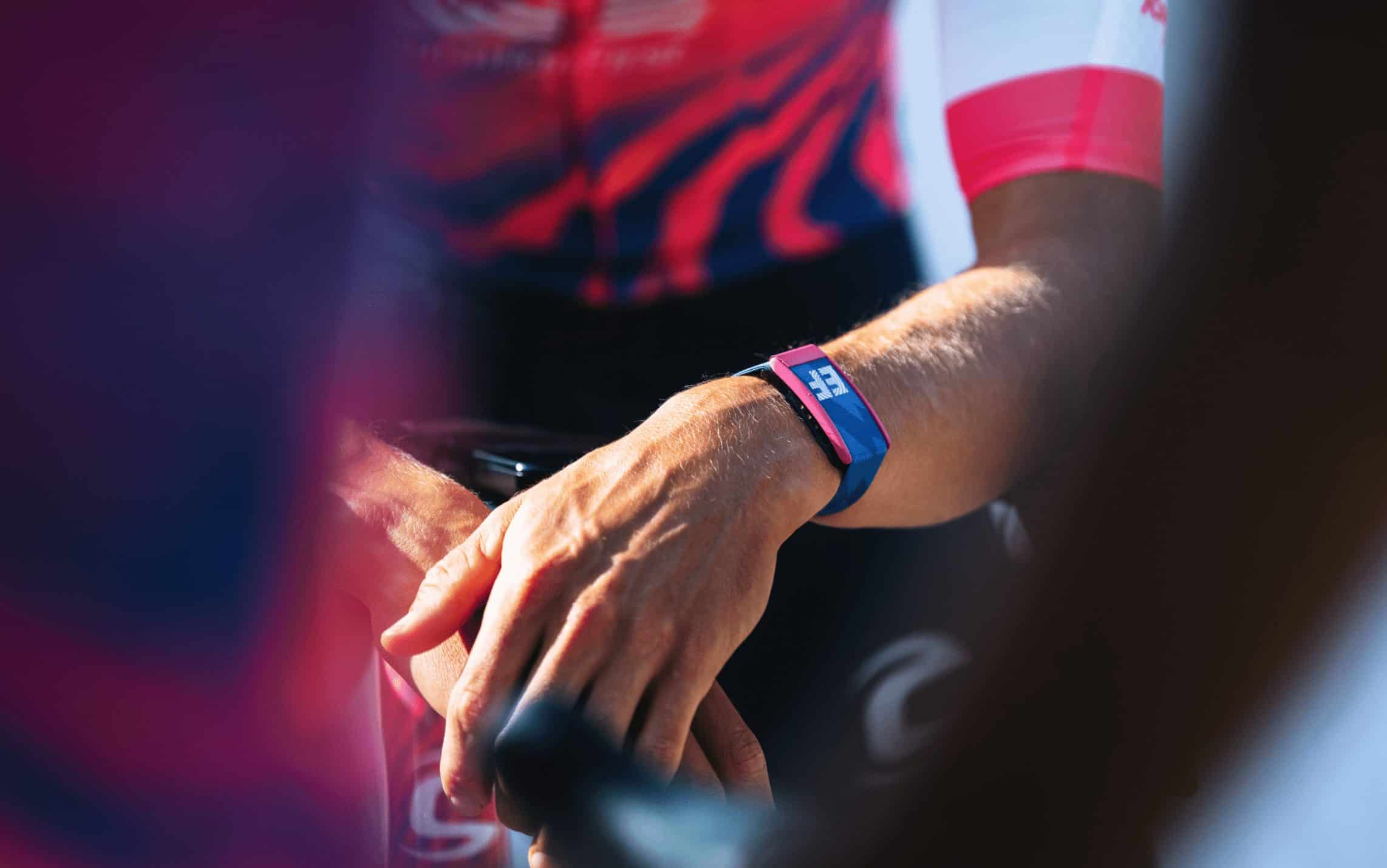
None of this data is locked to WorldTour riders. WHOOP tracks strain, HRV and sleep scores for any member, which is how this comparison against 15,000 everyday cyclists was possible in the first place.
WHOOP is currently offering a free month to try it, long enough to see a full training block of your own resting heart rate and sleep consistency trend against the numbers in this study.
Tour de France Physiology FAQs
Van der Poel averaged a heart rate variability of 143 milliseconds across WHOOP's 2026 analysis period, more than double the 71 millisecond average of the age-matched cyclists he was compared against.
Pogačar logged 578 hours on the bike across the season on WHOOP, completing more than 200 cycling sessions and averaging nine to ten rides a week in the build-up to the Tour.
No single number counts as healthy across the board. WHOOP's Tour de France data shows the three professionals sitting between 38 and 44 beats per minute, roughly 10 to 17 beats below the age-matched comparison group of committed amateur cyclists.
Consistency mattered more than duration in WHOOP's data. The three riders slept only 10 to 30 minutes longer than everyday cyclists but scored above 81 percent for sleep consistency, against 70 percent for the comparison group.


























Comments
We love hearing from you. or to leave a comment.