

Samsung Galaxy Watch Ultra (2025) Review: The Smartwatch That Paced me for HYROX

Updated:
Readtime: 14 min
Every product is carefully selected by our editors and experts. If you buy from a link, we may earn a commission. Learn more. For more information on how we test products, click here.
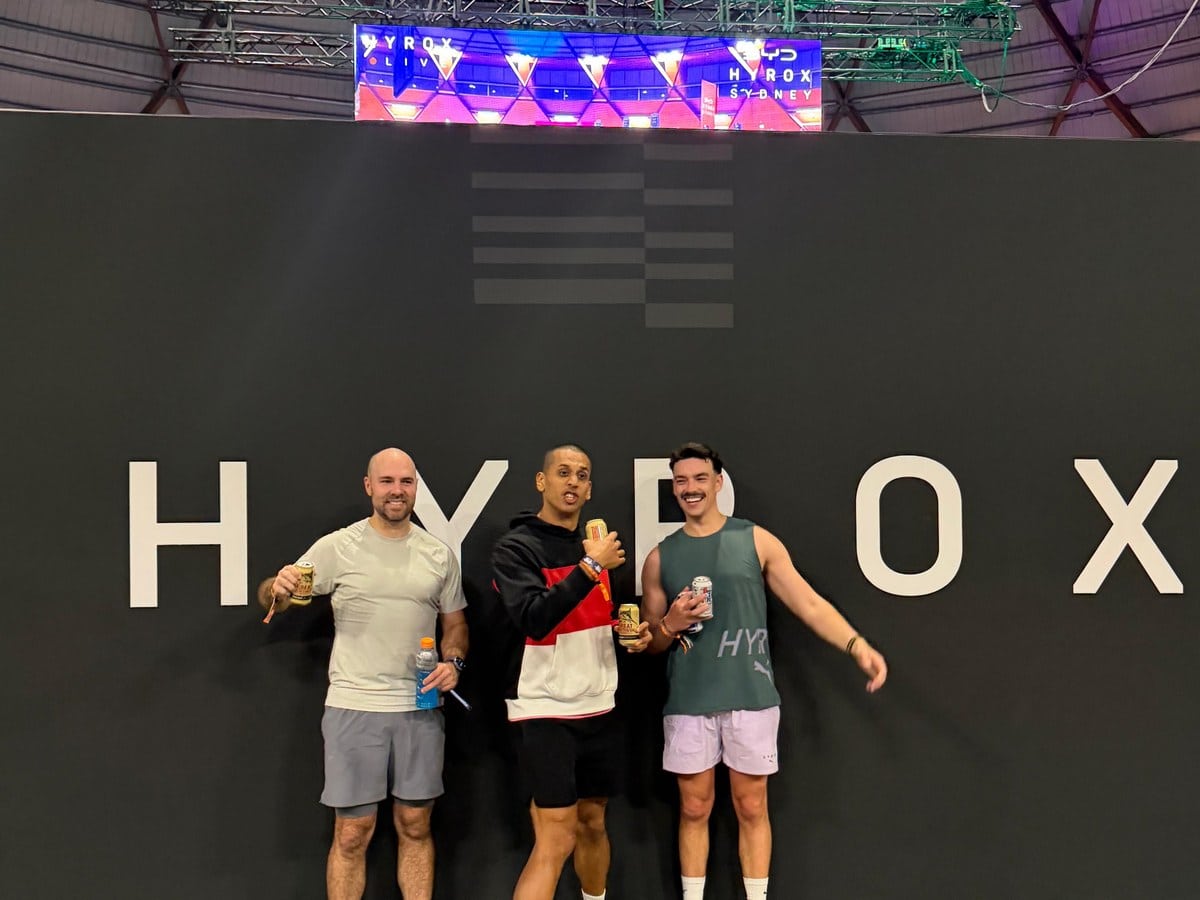
I’ve been wearing the Samsung Galaxy Watch Ultra for the past couple of months, and it landed at exactly the right time. With HYROX Sydney on 5 July (finished, 1:18:02, still walking funny) and my F45 sessions at Darlinghurst ticking up to five a week through the build, I needed a training watch that could keep up with both structured workouts and the general chaos of race prep. Samsung sent over the Watch Ultra alongside the Galaxy S26 Ultra, and the pairing of the two has turned into something genuinely useful. This is a full review from someone who actually trains in it, not someone who wore it to a press event and called it a day.
Samsung Galaxy Watch Ultra Review: The TL;DR
The Galaxy Watch Ultra is Samsung’s titanium-clad, sapphire crystal premium smartwatch, and it’s a proper competitor to the Apple Watch Ultra 3. It runs Wear OS 6 with Samsung’s One UI Watch 8 on top, packs a 590mAh battery, and is built to MIL-STD-810H standards. For anyone in the Samsung ecosystem, particularly those running an S26 Ultra as their daily phone, the integration between watch and phone is the real selling point here. Samsung Health ties everything together, the hardware is comfortable enough to sleep in, and the fitness tracking is solid for both gym work and outdoor runs. At AU$1,038, it’s cheaper than the Apple Watch Ultra 3 and the high-end Garmin Fenix 8, which makes it compelling value for what you get.
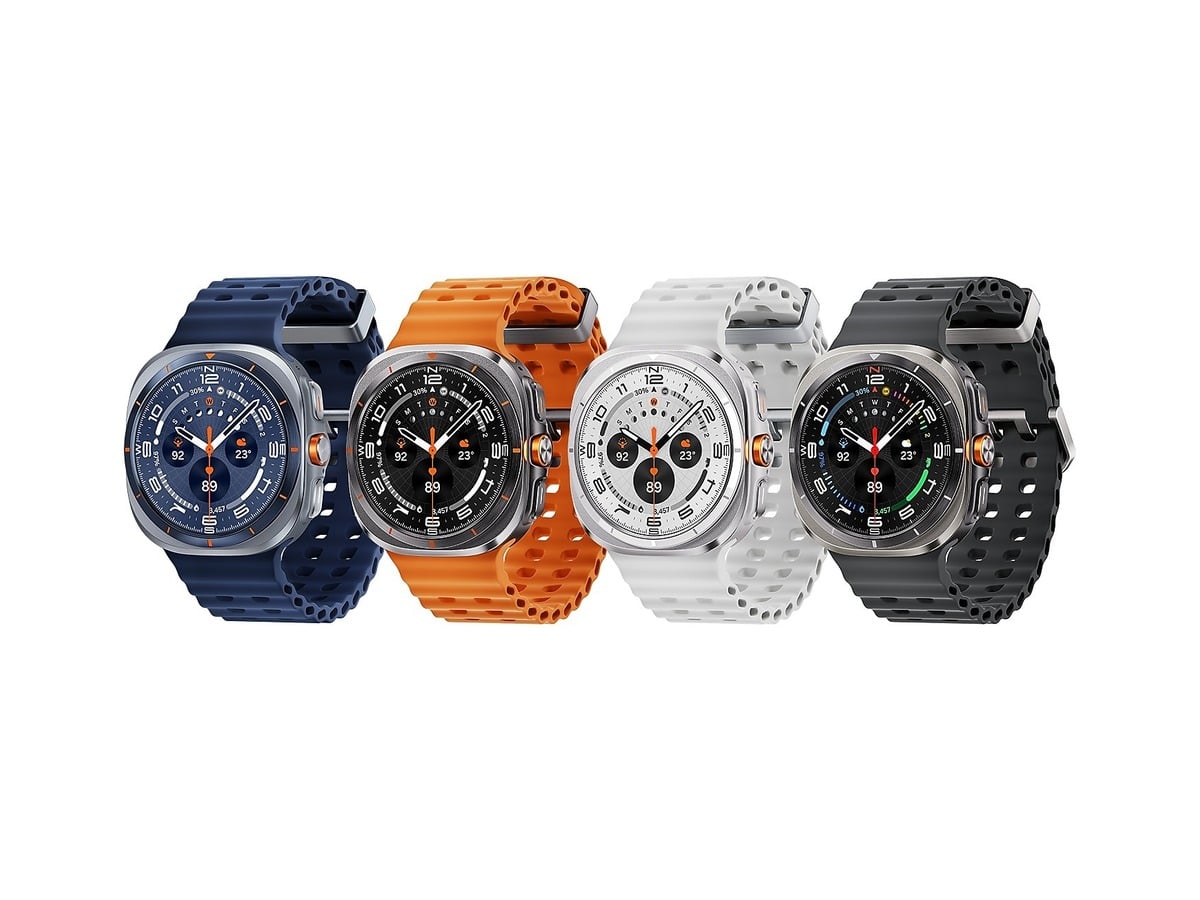
The Samsung Ecosystem Advantage: S26 Ultra + Watch Ultra + Galaxy Ring
Let me be upfront: the Galaxy Watch Ultra is at its best when it’s paired with a Samsung phone. And since the S26 Ultra is my daily driver, I’ve been able to test the full ecosystem in a way that matters. Samsung Health acts as the central hub, pulling data from the Watch Ultra, the phone, and (if you’ve got one) the Galaxy Ring. Sleep data, workout metrics, heart rate trends, stress levels: it all flows into one place without you needing to think about it.
The S26 Ultra’s Snapdragon 8 Elite Gen 5 processor handles Samsung Health’s data crunching without breaking a sweat. Your daily Energy Score, which factors in sleep, activity and heart rate variability, syncs between devices the moment you wake up. I’ve found myself checking my Energy Score on the watch before my feet hit the floor, then reviewing the detail on the S26 Ultra’s 6.9-inch display over coffee. The phone’s 200MP camera can also be controlled from the watch, which sounds gimmicky until you’re trying to get a training form video without a tripod.
For context, I also wear an Oura Ring 4 for recovery and sleep tracking, and sleep on an Eight Sleep Pod 4. The Galaxy Watch Ultra holds its own on sleep data accuracy, but the Oura Ring remains slightly more detailed in its readiness scoring. Samsung’s Body Composition measurement (using bioelectrical impedance through the watch sensors) is a nice bonus that neither Oura nor Eight Sleep offers.
Fitness and Hyrox Tracking
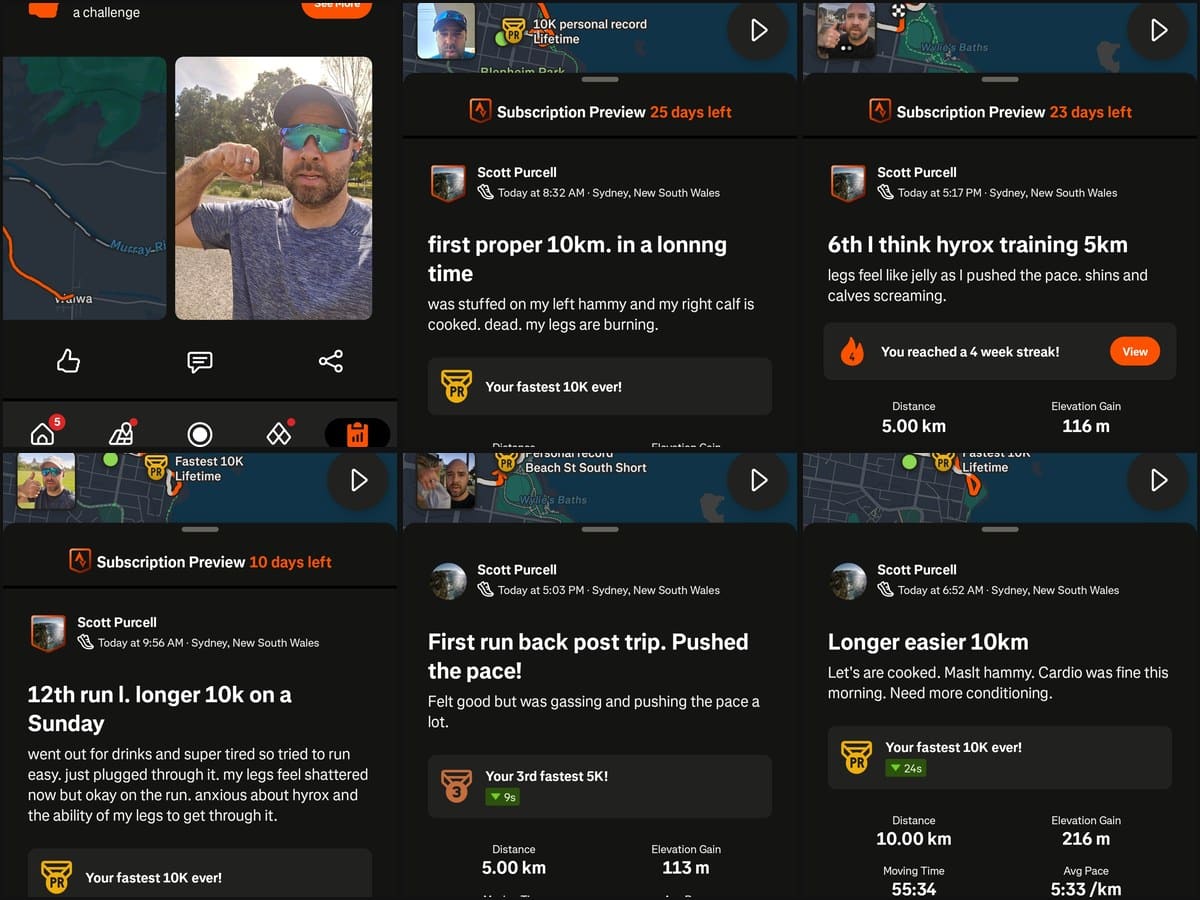
This is where the Watch Ultra needed to prove itself, and largely it does. Samsung Health supports over 100 workout types, and the GPS tracking for outdoor runs has been accurate across my Coogee to Bondi routes. The 3nm Exynos W1000 processor keeps the interface responsive mid-workout, which is more important than it sounds when you’re trying to check your heart rate zone between Hyrox stations.
For Hyrox specifically, you can set up a custom multi-sport workout that tracks each segment: the 1km runs, the sled push, the burpee broad jumps, the rowing. It’s not as granular as a dedicated Garmin with Hyrox integration baked in, but it works if you’re willing to manually lap between stations. Heart rate zone data has been consistent with my chest strap readings, which is the real test for any optical sensor.
At F45, the watch auto-detects most movements and gives you a decent calorie burn estimate. The heart rate tracking during high-intensity intervals is responsive enough to show the spikes and recovery periods you’d expect. Samsung’s running coach feature, which gives real-time pace and form guidance through the watch speaker or connected earbuds, has been genuinely useful for my longer prep runs.
One standout: the Advanced Glycation End Products (AGEs) Index, which Samsung claims can give you insight into metabolic health via an infrared sensor on the back of the watch. It’s a new metric and the science is still being validated, but it’s the kind of forward-thinking feature that separates this from a basic fitness tracker.
Race Week at HYROX Sydney: What the Data Was Worth
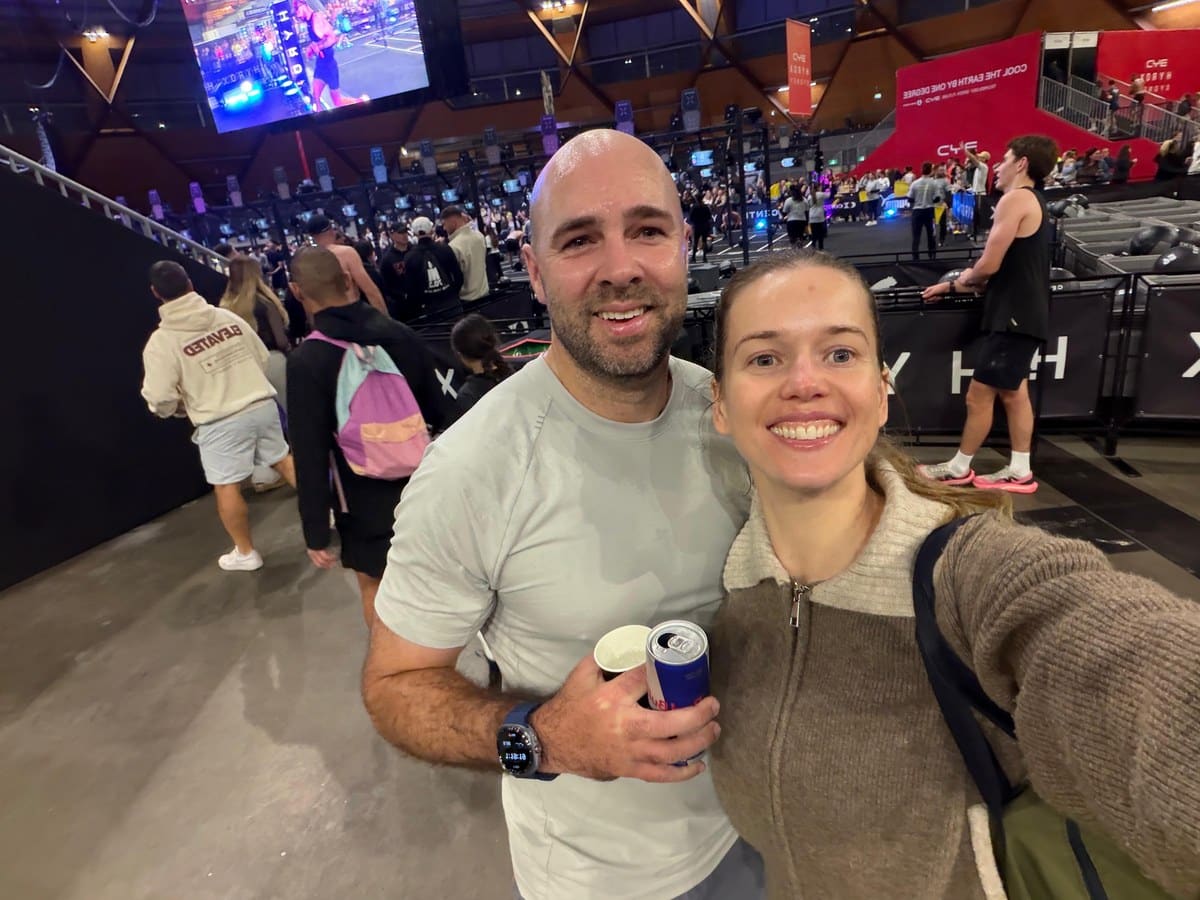
The race came and went on 5 July: 1:18:02 in the Men’s Open, 1,012th of 3,196 overall, against a private goal of sneaking under 1:20. Full disclosure for the wearable nerds: on the day itself the wrist belonged to a dedicated running watch, the Garmin Forerunner 170 Music I have been testing in parallel, because HYROX pacing lives and dies on lap splits. The Watch Ultra owned everything around the race: the 14-week training block, the sleep and recovery tracking through the taper, and the Energy Score sanity checks in a nervy final week that included a hamstring strain, a physio clearance, and a hip flexor scare the day before the start.
That final week is where an ecosystem watch shows its value in a way a single killer feature never quite captures. Sleep data flagged what three consecutive anxious nights were doing to me. The morning Energy Score gave me a number to argue with when my head insisted I was broken. And in the recovery days since the race, the trend view across sleep, heart rate and activity has been the clearest picture of how hard the event actually hit, harder than any single session in the block, including the full simulation that came in a minute slower than the race itself.
“I did a run today instead. Legs cooked from the weekend still. Had no go in them,” I told the F45 group two days after my full HYROX simulation. The Watch Ultra’s recovery data said the same thing with fewer expletives.
Build Quality and Daily Wear
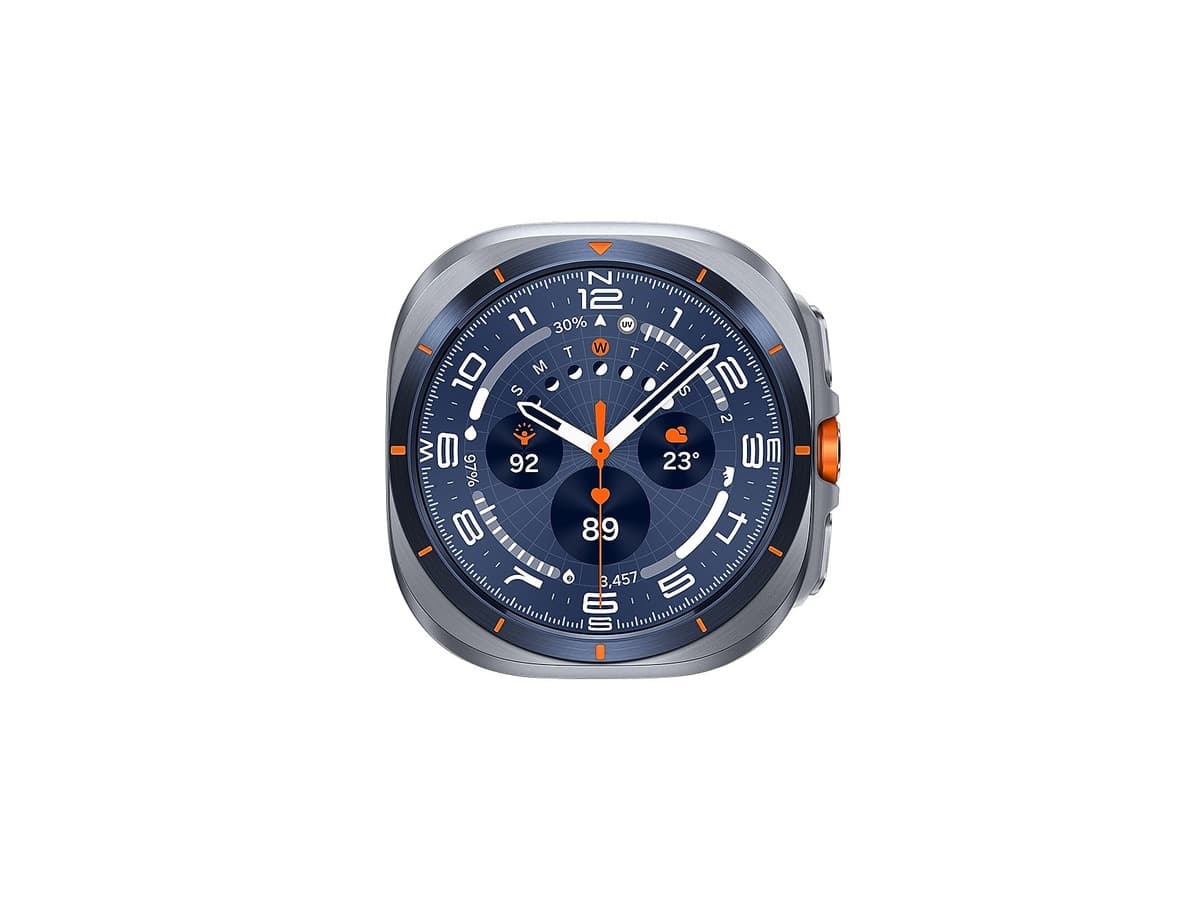
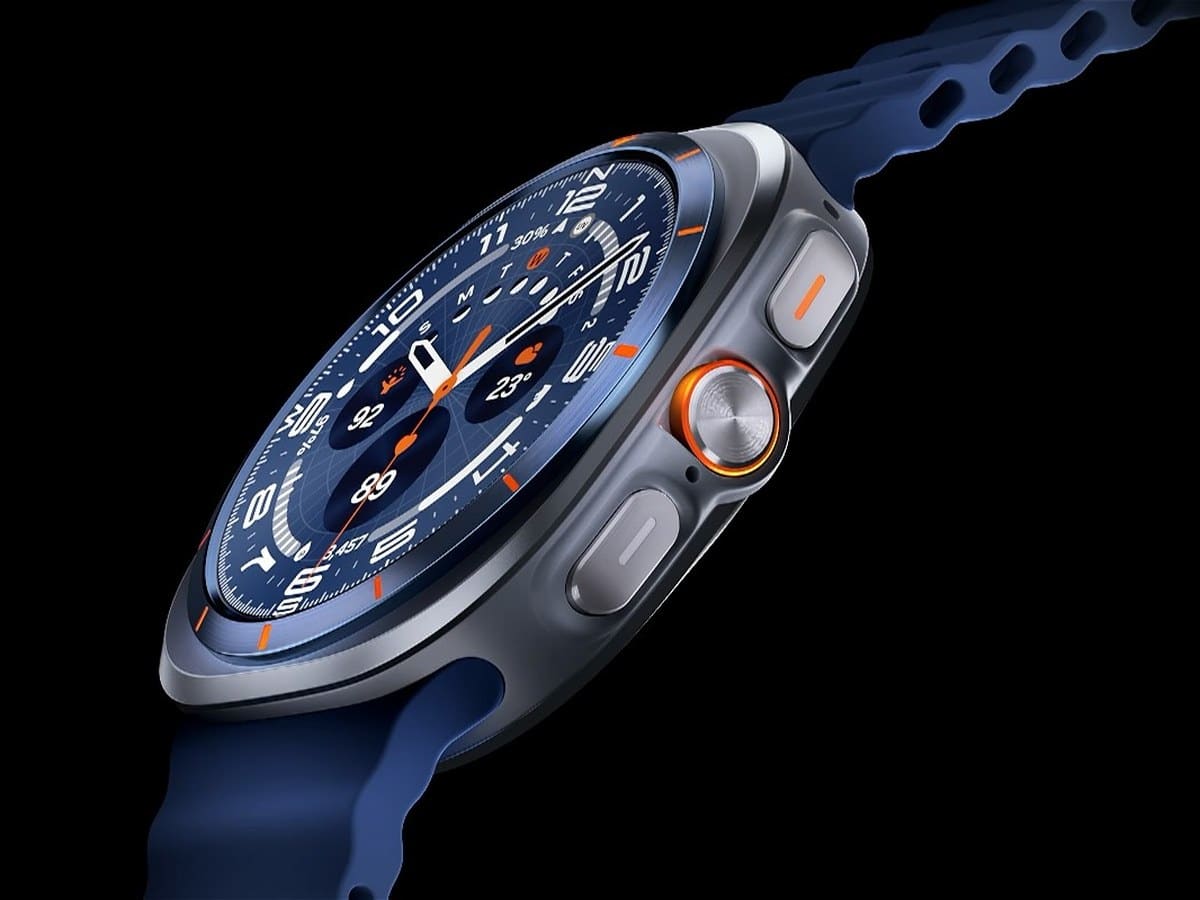
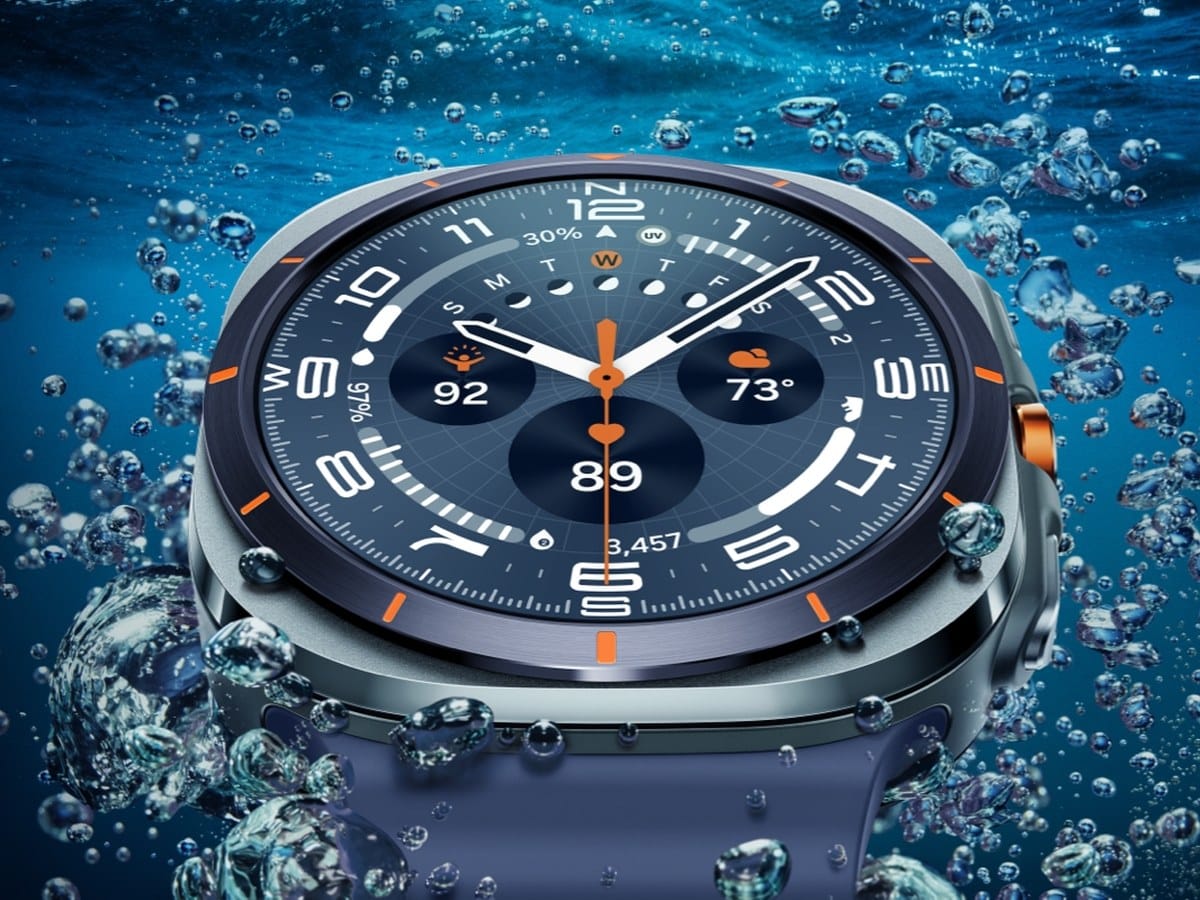
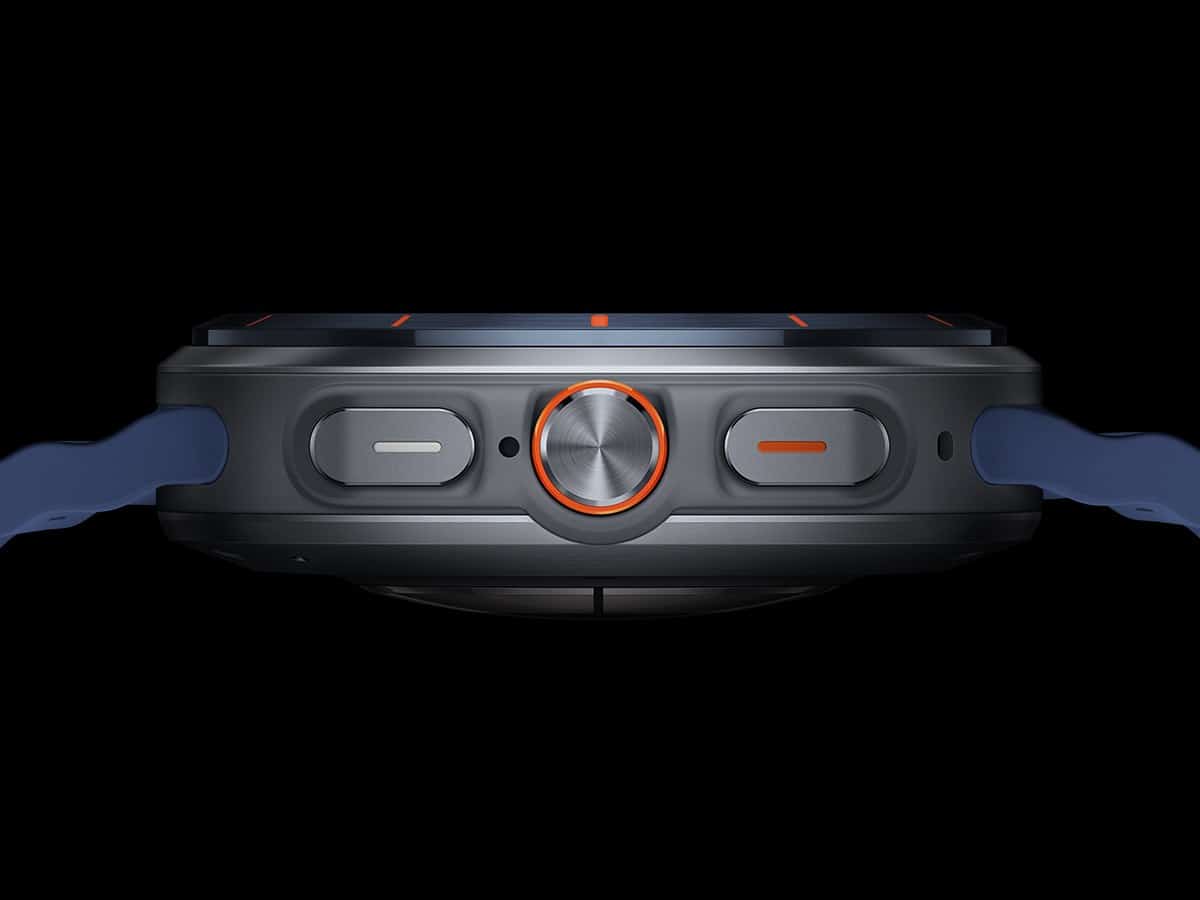
The Watch Ultra is built like something you could throw at a wall and then strap back on. The 47mm titanium Grade 4 case is substantial but not absurdly heavy at 60.1g. The sapphire crystal has survived every barbell scrape, wall ball impact and accidental door frame collision I’ve subjected it to over the past few weeks without a mark. The 10ATM water resistance and IP68 rating mean you can shower in it, swim in it, and not think twice about sweat.
MIL-STD-810H certification covers extreme temperatures, salt fog, dust, vibration and drops. I haven’t tested it in salt fog, but I have worn it through several Sydney rain storms and a few beach recovery sessions at Coogee without issue.
The 1.5-inch Super AMOLED display at 3,000 nits is bright enough to read in direct Australian sun, which is a genuine requirement here and not a marketing line. On the wrist, it sits comfortably even during sleep tracking. The quick-release band system means you can swap from a sport band to something dressier in seconds, though the stock band has been fine for everything I’ve thrown at it.
Smart Features and the S26 Ultra Connection
Beyond fitness, the Watch Ultra pulls its weight as a daily smartwatch, particularly when tethered to the S26 Ultra. Notifications mirror cleanly from the phone, and you can reply to messages using the small keyboard, voice dictation, or pre-set responses. Samsung Pay works reliably for tap-and-go payments, which means you can leave the phone at home on short runs and still grab a coffee.
The camera remote control is surprisingly practical. Open the Camera Controller app on the watch, and you get a live preview from the S26 Ultra’s camera with shutter, zoom and timer controls. For solo training videos, it eliminates the awkward run-back-and-forth routine. Google Maps navigation on the wrist is also useful for runs in unfamiliar areas, with turn-by-turn haptic buzzes that are hard to miss.
Wear OS 6 with One UI Watch 8 is smooth and well-organised. The app ecosystem through Google Play gives you access to Spotify, Strava, Google Wallet and most third-party fitness apps. Samsung’s own apps, including SmartThings for home automation and Samsung Wallet, integrate without friction. The watch also supports gesture controls: double-pinch to answer calls, shake to dismiss, that sort of thing.
With 64GB of internal storage (double the previous model), you can load a serious offline Spotify library for phone-free workouts.
Battery Life
Samsung rates the Watch Ultra at up to 100 hours in Power Saving mode and roughly 48 hours with heavy tracking. In my real-world use, with always-on display active, daily F45 sessions with continuous heart rate and GPS for outdoor runs, I’m getting about 36 to 40 hours. That’s comfortably enough for a full race day at Hyrox, including warm-up, the race itself, and post-event tracking, without needing to charge.
A full charge from flat takes about 60 minutes via the wireless charging puck, and a quick 10-minute top-up gives you enough juice for a workout. For comparison, the Apple Watch Ultra 3 gets around 42 hours in normal use, while the Garmin Fenix 8 AMOLED stretches to 27 days in smartwatch mode (though that comparison isn’t entirely fair given the Fenix’s simpler always-on approach).
Samsung Galaxy Watch Ultra Limitations
No product review is honest if it skips the rough edges, and the Watch Ultra has a few.
Android only. If you’re on iPhone, this is a non-starter. The Watch Ultra requires a Samsung Galaxy phone (or compatible Android device) to set up and use fully. The S26 Ultra unlocks the best experience.
Hyrox tracking isn’t native. Unlike Garmin, which has a dedicated Hyrox workout mode through its partnership, Samsung requires manual lapping or a custom multi-sport setup. It works, but it’s not as polished.
Third-party app quality varies. Wear OS has improved dramatically, but some third-party fitness apps still feel like afterthoughts compared to their Apple Watch or phone counterparts.
Sleep tracking with a big watch. At 47mm, it’s not the most comfortable thing to sleep in, particularly if you’re a side sleeper. The Oura Ring wins here purely on form factor.
No blood pressure in Australia. Samsung’s blood pressure monitoring feature is available in South Korea and a handful of other markets, but regulatory approval in Australia hasn’t come through yet. Frustrating, given the hardware apparently supports it.
Samsung Galaxy Watch Ultra vs Apple Watch Ultra 3 vs Garmin Fenix 8
Here’s how the three premium options stack up for someone deciding between ecosystems.
| Feature | Samsung Galaxy Watch Ultra | Apple Watch Ultra 3 | Garmin Fenix 8 AMOLED |
|---|---|---|---|
| Price (AUD) | ~$1,038 | ~$1,399 | From ~$1,499 |
| Display | 1.5″ Super AMOLED, 3,000 nits | 1.98″ LTPO3 OLED | 1.4″ AMOLED (47mm) |
| Processor | Exynos W1000 (3nm) | Apple S10 | Custom Garmin |
| Battery | 590mAh, ~40hrs real use | ~42hrs normal use | Up to 27 days smartwatch |
| Storage | 64GB | 64GB | 32GB |
| OS | Wear OS 6 / One UI Watch 8 | watchOS 12 | Garmin OS |
| Water Rating | 10ATM, IP68 | 100m (ISO 22810) | 10ATM |
| Case Material | Titanium Grade 4 | Titanium (aerospace) | Titanium (51mm) / Steel |
| Hyrox Mode | Custom multi-sport | Custom multi-sport | Dedicated Hyrox mode |
| Best For | Samsung/Android users | iPhone users | Serious endurance athletes |
The short version: if you’re in the Samsung ecosystem, the Watch Ultra is the obvious pick. If you’re on iPhone, the Apple Watch Ultra 3 is your only real option at this tier. And if you’re a dedicated endurance athlete who prioritises battery life and training metrics above all else, the Garmin Fenix 8 remains the benchmark.
Who Should Buy the Samsung Galaxy Watch Ultra
Buy it if: You own a Samsung Galaxy phone (especially the S26 Ultra), you train regularly and want a single wrist device for fitness and smartwatch duties, you want premium build quality without paying Apple or Garmin prices, or you value the Wear OS app ecosystem over Garmin’s walled garden.
Skip it if: You’re on iPhone, you need a dedicated Hyrox workout mode out of the box, battery life measured in weeks is a priority, or you prefer a smaller, lighter watch for sleep tracking.
Samsung Galaxy Watch Ultra: Tech Specs
| Spec | Samsung Galaxy Watch Ultra | Samsung Galaxy S26 Ultra |
|---|---|---|
| Display | 1.5″ Super AMOLED, 480x480px, 3,000 nits | 6.9″ Dynamic LTPO AMOLED 2X, 1440×3120, 2,600 nits |
| Processor | Exynos W1000 (3nm) | Snapdragon 8 Elite Gen 5 for Galaxy |
| RAM / Storage | 2GB / 64GB | 12GB / 256GB, 512GB, 1TB |
| Battery | 590mAh | 5,000mAh (65W fast charge, 15W Qi2 wireless) |
| OS | Wear OS 6 / One UI Watch 8 | Android 16 / One UI 8 |
| Case / Build | 47mm Titanium Grade 4, Sapphire Crystal | Armor Aluminum frame, Privacy Display |
| Water Resistance | 10ATM, IP68, MIL-STD-810H | IP68 |
| Connectivity | LTE, Bluetooth 5.3, Wi-Fi, NFC, GPS | 5G, Wi-Fi 7, Bluetooth 5.4, NFC, UWB |
| Camera | N/A | 200MP main (f/1.4), 50MP ultrawide, 50MP 5x tele, 10MP 3x tele |
| Weight | 60.1g (without band) | ~218g |
| Price (AUD) | ~$1,038 | From $2,199 |
Samsung Galaxy Watch Ultra Verdict
The Samsung Galaxy Watch Ultra is the best smartwatch for anyone committed to the Samsung ecosystem. It’s well-built, genuinely useful for training, and the integration with the S26 Ultra makes it more than the sum of its parts. Samsung Health has matured into a capable platform, the hardware can take a beating, and the battery comfortably covers a full day of serious activity.
Is it better than the Apple Watch Ultra 3? For Samsung users, absolutely. Is it better than a Garmin Fenix 8 for pure endurance training? No, but it does a lot more outside of workouts. At AU$1,038, it’s the most affordable premium option in the category, and for a wearable that handles both Hyrox prep and daily life, it’s earned its place on my wrist.
Samsung provided the Galaxy Watch Ultra and Galaxy S26 Ultra for this review via Omnicom. Scott was not paid and Samsung had no editorial input.
Samsung Galaxy Watch Ultra FAQs
No. The Galaxy Watch Ultra requires a Samsung Galaxy phone or compatible Android device running Android 11 or later. iPhone users should consider the Apple Watch Ultra 3 instead.
Samsung rates it at up to 100 hours in Power Saving mode. In real-world use with always-on display, daily workouts and GPS tracking, expect around 36 to 40 hours between charges. A full charge takes approximately 60 minutes.
It depends on your phone. For Samsung and Android users, the Galaxy Watch Ultra offers better ecosystem integration and a lower price (AU$1,038 vs approximately AU$1,399). For iPhone users, the Apple Watch Ultra 3 is the only viable option at this tier. Both watches offer premium titanium builds and comprehensive fitness tracking.
Yes, though not with a dedicated Hyrox mode like Garmin offers. You can create a custom multi-sport workout on the Watch Ultra to track each Hyrox segment including runs, sled pushes and rowing. It requires manual lapping between stations but gives you accurate heart rate zone and timing data.

















Comments
We love hearing from you. or to leave a comment.