


Updated:
Readtime: 13 min
Every product is carefully selected by our editors and experts. If you buy from a link, we may earn a commission. Learn more. For more information on how we test products, click here.
- Seiko’s 2026 Power Design Project features seven experimental watches created by seven of the brand’s in-house designers.
- The watches focus on individual elements of watch design, from machining marks and dial textures to manual winding, bar indices and watch hands.
- Passionately and Obsessively Crafted Watches will be displayed at Japan House London from 27 August to 15 September 2026.
Seiko‘s Power Design Project allows even the wildest intrusive thoughts to make their way to the dial. From covering an entire dial in hour markers to leaving machining marks all over the case, or swapping out the watch hands for a cat’s arms, feet and tail. So long as it still works as a watch, very little appears to be off limits.
This year’s aptly named Passionately and Obsessively Crafted Watches exhibition gives seven of Seiko’s in-house designers permission to fixate on one part of watchmaking and see just how far they can take it.
These aren’t just weird renders, either. Since Seiko revived the Power Design Project in 2022, its concepts have had to work as actual watches. So no matter how far an idea gets out of hand, somebody back there still has to figure out how to make the thing function.
What Is Seiko’s Power Design Project?
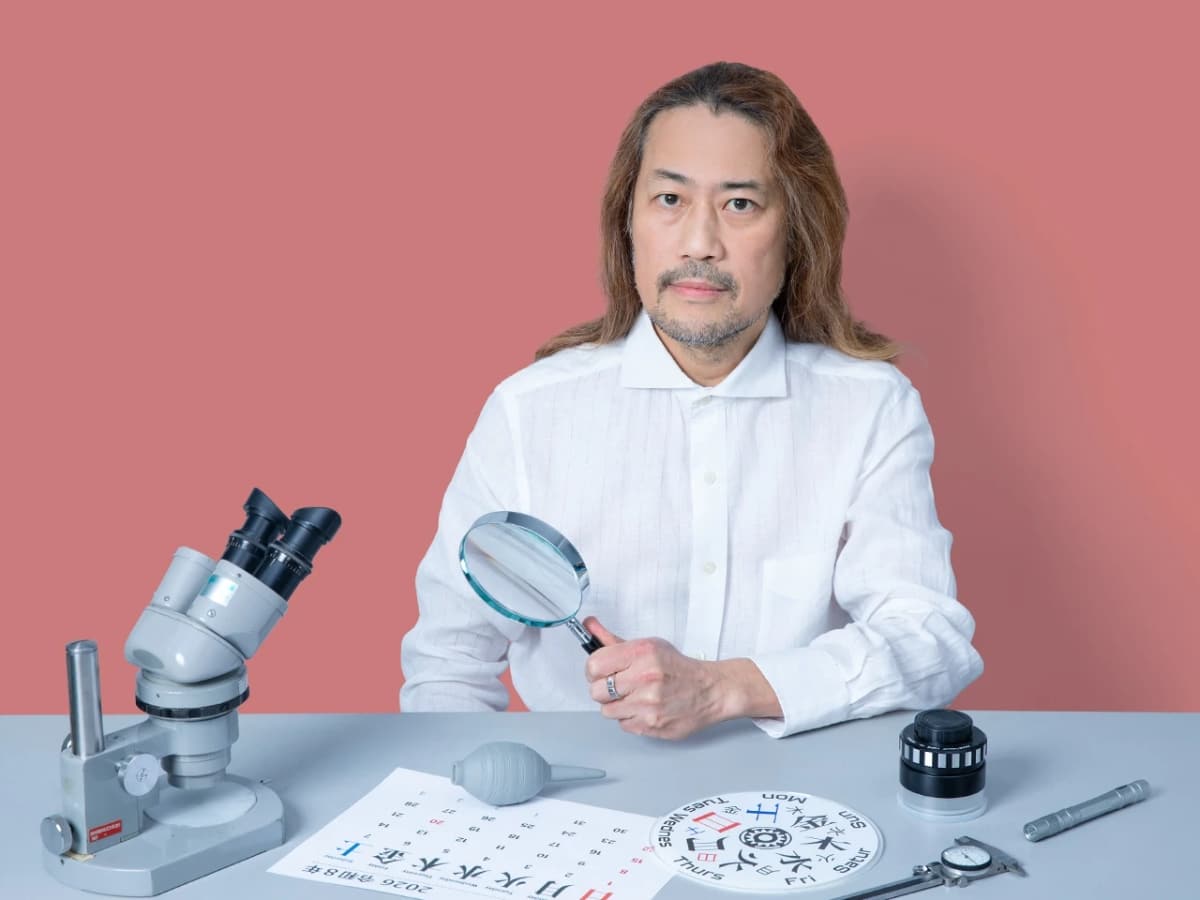
The Power Design Project actually dates back to 2001, when Seiko created an internal playground for its designers to explore ideas outside their usual commercial work. It ran until 2009, then was revived 13 years later through Seiko Seed, beginning with the REBIRTH exhibition in 2022. Even Sydney received a visit from the Power Design project with the SEIKO BIRTH & REBIRTH pop-up exhibition in 2024.
Its revival also changed one important rule. Earlier Power Design pieces could exist as samples, much like all those concept cars you’ll never actually see on the road. This time, Seiko wanted visitors to touch, wear and operate the watches, which meant the engineers had to turn whatever the designers came up with into functioning devices.
But horology, ah, finds a way. And the themes have evolved, too.
How Seiko’s Power Design Project Has Evolved
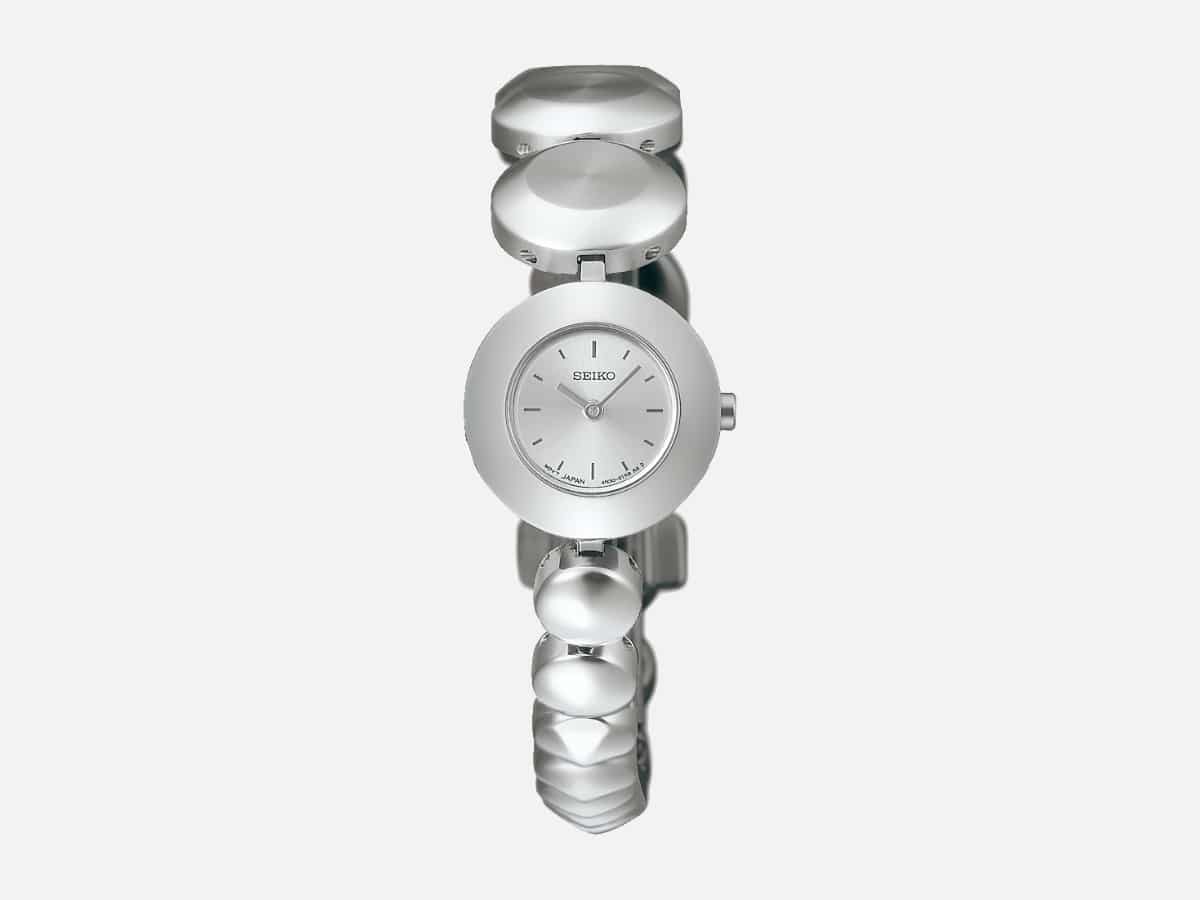
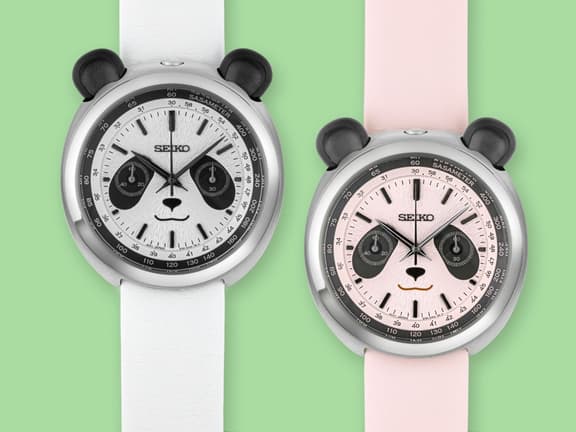
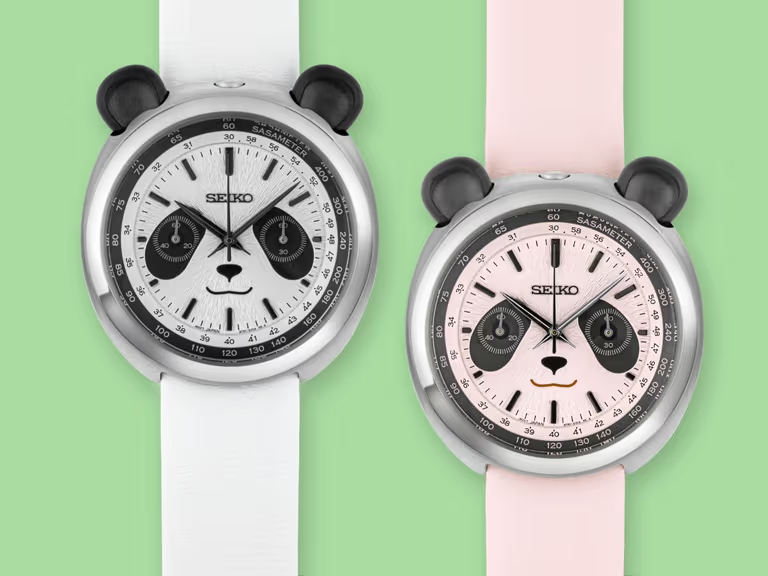
REBIRTH reworked watches from Seiko’s archive, while 2024’s Incredibly Specialized Watches produced models for panda lovers, masking-tape enthusiasts, patternmakers and even people eating sukiyaki (a popular Japanese hot pot dish). The 2025 sequel got stranger again, with watches designed for ninjas, club DJs, vampires, boiled-egg lovers and Santa Claus, of all things.
For 2026, Seiko has changed the question. Rather than designing around increasingly specific wearers, the seven designers were asked to turn inward and focus on the parts of watchmaking they personally can’t leave alone. Machining marks become the finish, winding becomes the main attraction, hour markers consume the dial and a cat’s arms, feet and tail become the hands.
And while no production plans have been announced for these seven, the ideas don’t always remain locked behind the exhibition glass. One of the 2022 REBIRTH concepts became the first watch in Seiko’s new Power Design Project collection in late 2025.
The resulting concepts have already been shown in Tokyo and will arrive at Japan House London from 27 August to 15 September, where admission is free.
Every Watch in the Seiko Power Design Project 2026 Lineup
With the history lesson out of the way, we turn to the seven watches themselves and the fixations that define them. Each one shows what happens when a normally supporting part of a watch gets handed an obsessive amount of attention. Some will look recognisably Seiko, though others will take a little more explaining.
 1/5
1/51. Machining Marks by Naoya Sukeda
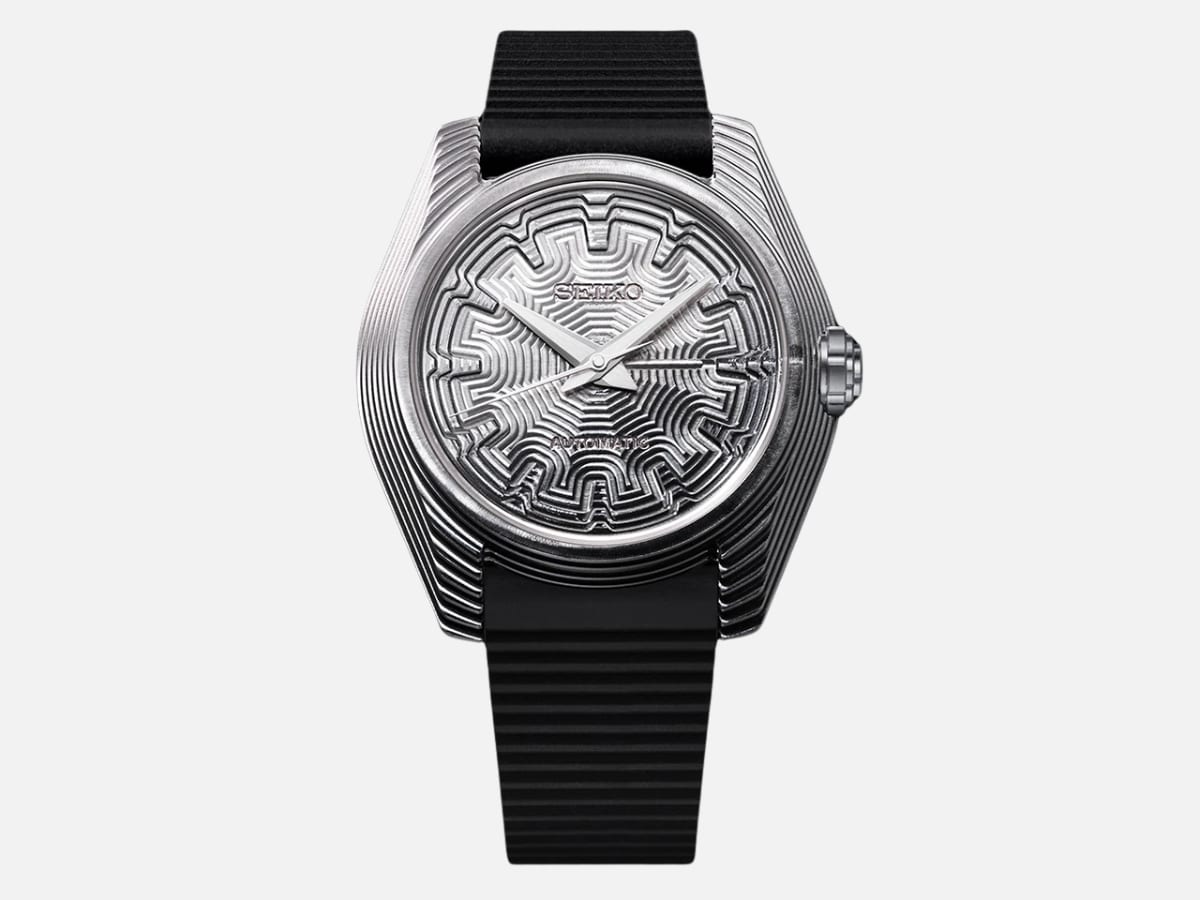
Watchmakers likely spend more time making sure you never see the scars left behind by their tools than you spend checking your watch for nicks and scratches. But if you’re the type to turn your watch into a daily beater, then you and Naoya Sukeda have something in common.
Inspired by woodworkers who sometimes leave traces of the tools they use in the finished piece, Sukeda treats machining marks as evidence of craftsmanship rather than something to be polished away. The case and dial are carved together from a single block of metal, with the indices and Seiko logo machined directly into its surface.
The result looks almost topographical, with exaggerated stepped surfaces running across the dial and into the crown, caseback and buckle. Its rubber strap keeps the industrial theme going, borrowing its form from the drive belts used in metalworking machinery.
For something this intricate, uniform and full of metal, there’s something strangely satisfying about Sukeda refusing to give it the usual “polished to perfection” treatment. Instead, he’s borrowed a lesson from woodworking and made the tool marks the thing you’re supposed to admire.
 1/5
1/52. Spherical Surface by Yu Ishihara
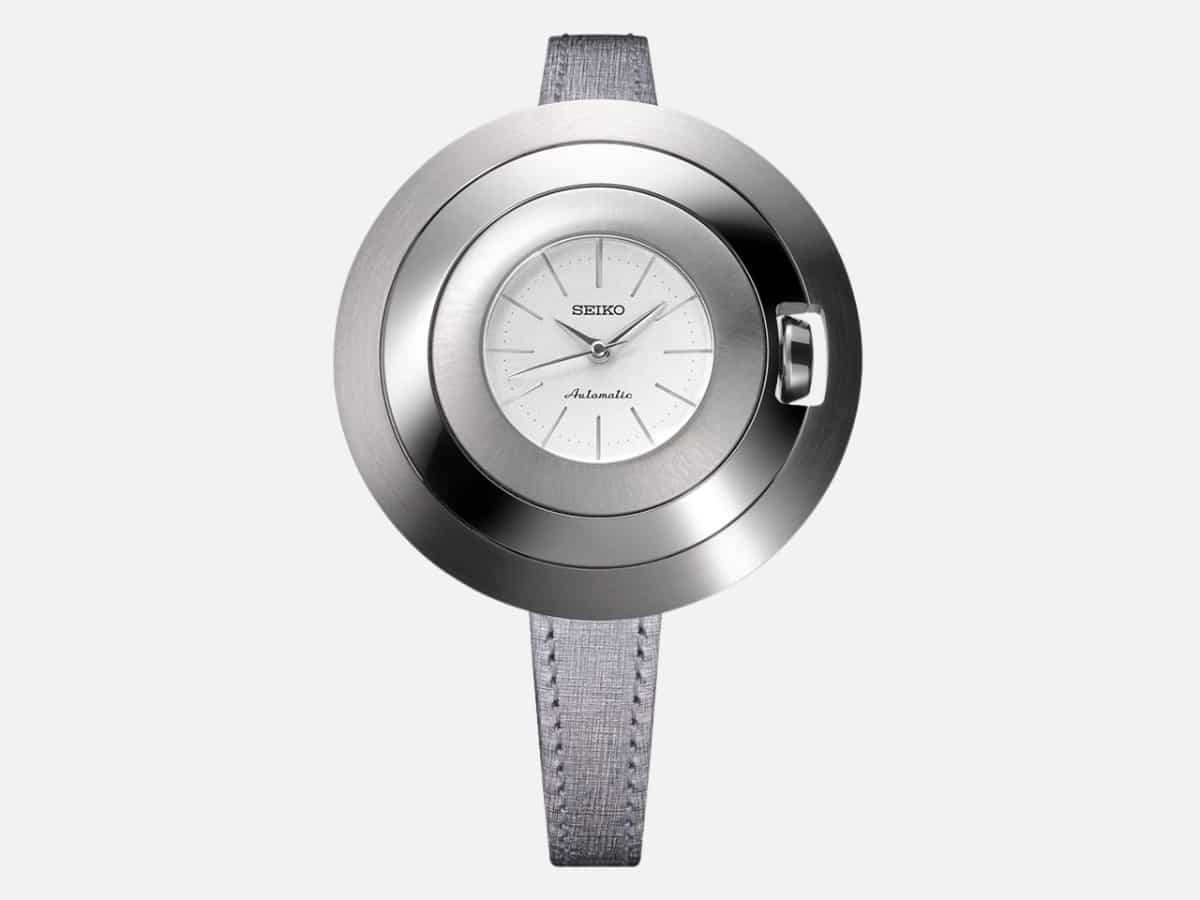
Yu Ishihara reckons a spherical surface is the ultimate mirror. And once you look at his watch, you can see why he’s become a little obsessed with them.
The Seiko Design Director points to convex mirrors and old-school car headlights, where a curved surface pulls in the light and whatever happens to be standing around it. So instead of stopping at a domed crystal, Ishihara has basically decided the whole watch should get involved.
The glass, bezel, case and outer crown guard all follow the same spherical curve, which gives the thing this almost pebble-like shape from the side. Around back, the treatment continues around the compact mechanical movement, while the crown is tucked into the centre and conventional lugs disappear altogether.
There are two versions: one completely mirror-polished and another mixing mirror, circular hairline and radial hairline finishes. The fully polished one makes Ishihara’s point best. You’re probably going to spend as much time looking at yourself, the ceiling or whoever’s next to you as you are checking the time.
 1/4
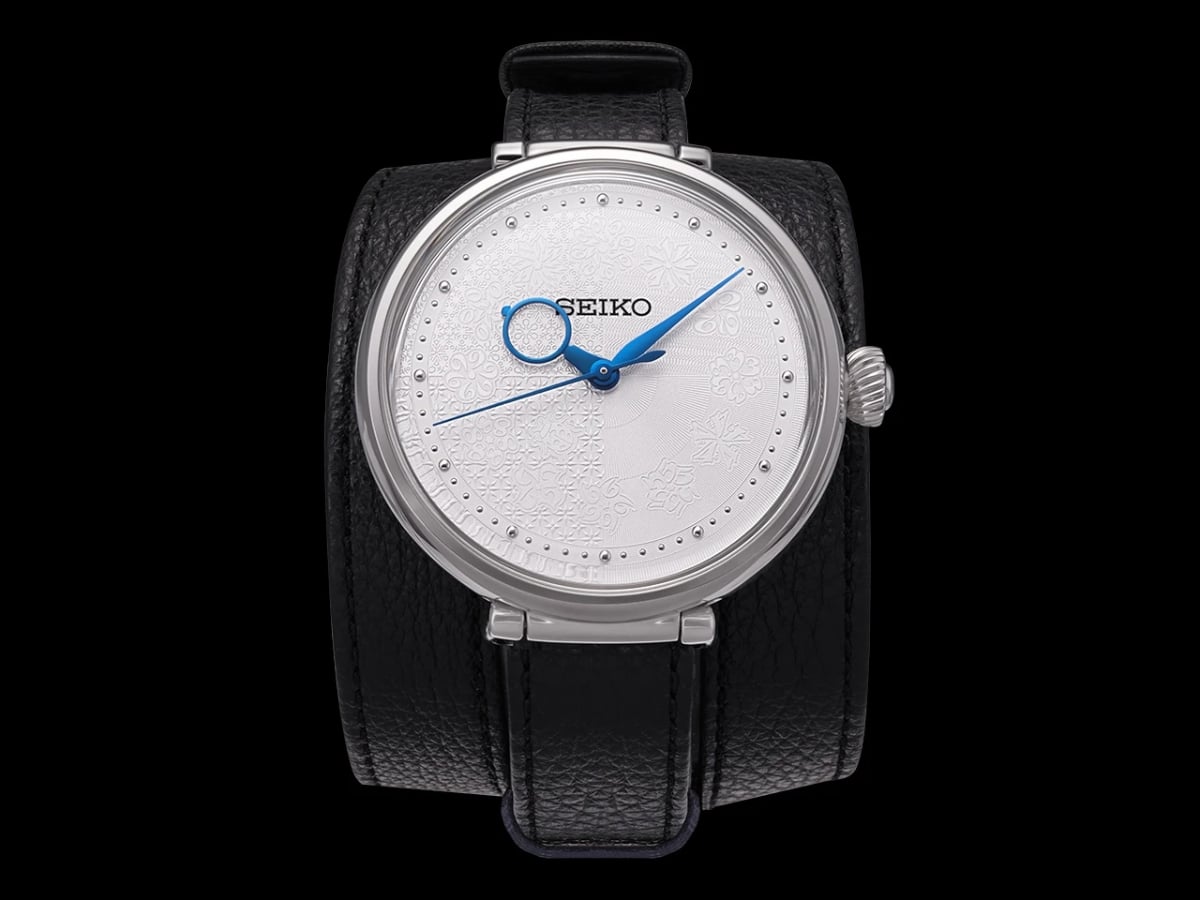
1/43. Dial Texture by Takuya Matsumoto
If the first two watches are about letting process or shape take over, Takuya Matsumoto goes after something much smaller. Like really, really small.
Ishihara clearly isn’t the only obsessed designer on the team. Matsumoto is fascinated by dial texture, like the kind created by pressing a mould into metal to build tiny three-dimensional patterns. Something I had no idea was even being done in watchmaking, let alone with this kind of precision.
Here, the depth of that embossing can be controlled to within one-hundredth of a millimetre. That’s an absurdly small amount of room to start getting artistic with.
His inspiration comes from the geometric carvings of Islamic architecture, particularly the Alhambra Palace in Spain. Matsumoto adapts that visual language into what Seiko calls an “Arabesque Pattern”, then uses it to map the Japanese seasons around the dial: spring river, summer sun, autumn stars and winter snow.
There are also twelve flower motifs, with petals formed from numerals using a font based on Seiko’s first branded wristwatch from 1924. Somehow, despite everything going on, it still looks like something you could actually wear to dinner.
 1/3
1/34. Manual Winding by Kento Ito
Now this is the one I’d happily take home from my visit to Japan House London. Still waiting on the invite, though. Any minute now…
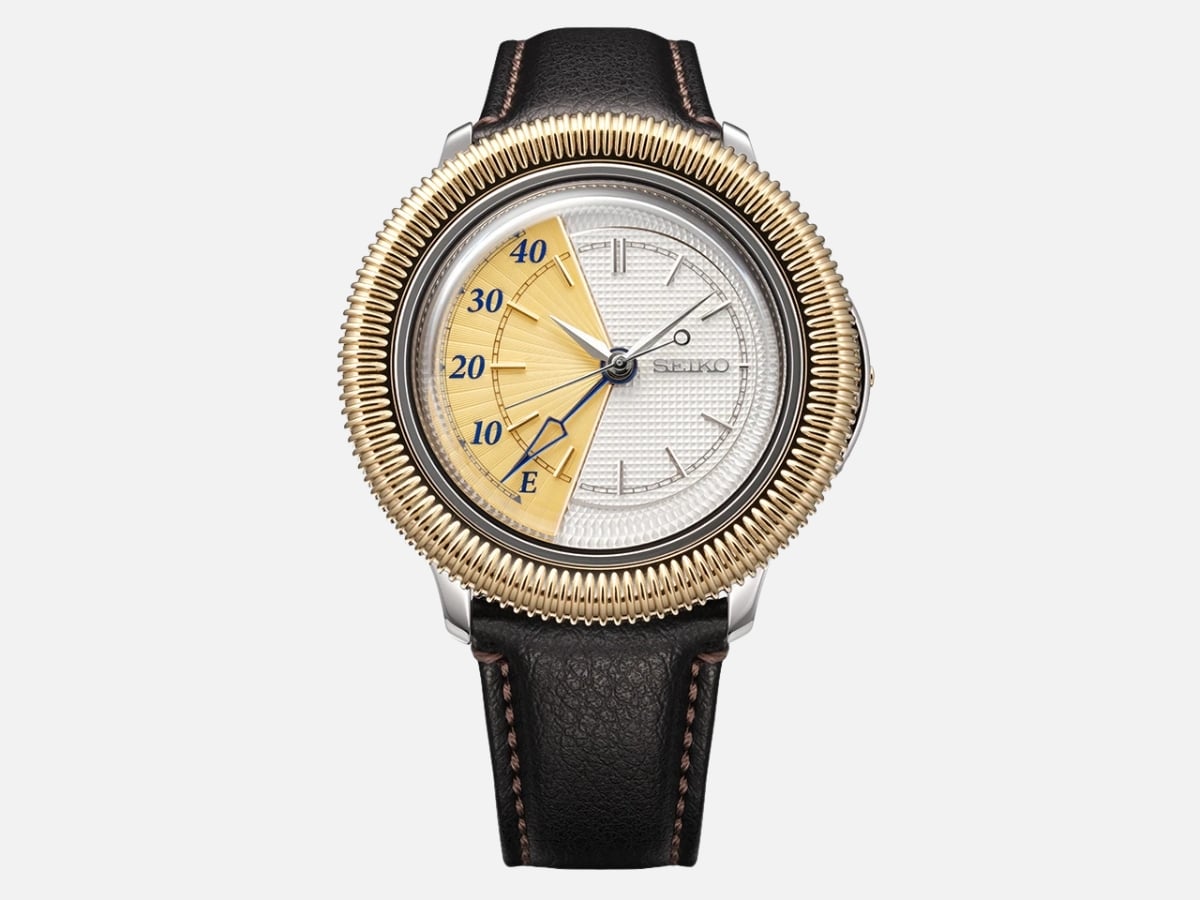
Meanwhile, here’s Kento Ito obsessing over something mechanical watch owners already know well: winding the crown by hand and feeling the movement come to life. Ito describes manual winding as a bond between human and machine, which makes a little more sense when you learn about his other obsession: Mini 4WD cars.
Ito grew up tinkering with their suspension, engines and gears to squeeze more performance out of them. So naturally, he decided the tiny crown on the side of a watch wasn’t nearly hands-on enough.
On Manual Winding, the rotating bezel and crown actually mesh together like gears. Turning the bezel transfers force through the crown to wind the mainspring inside. The main hands have been pushed towards 3 o’clock to make room for an oversized power-reserve display at 9, so you can watch the reserve climb as you wind it. It’s a simple idea to understand, but honestly, all I want to do with this tiny piece of machinery is fiddle with it.
Of course, before you knew how any of that worked, the gold bezel probably caught your eye. Ito chose the colour as another nod to the crown, because apparently even the colour needed to commit to the bit.
Of all seven concepts, this is the one that makes the most immediate sense to me. Mechanical watches already ask you to interact with them. Ito has simply made that interaction bigger, more obvious and, frankly, a lot more fun. It’s a stunner.
 1/3
1/35. Bar Indices by Miho Wada
If Manual Winding is the one I want to play with, this is the one I’d probably wear somewhere nice.
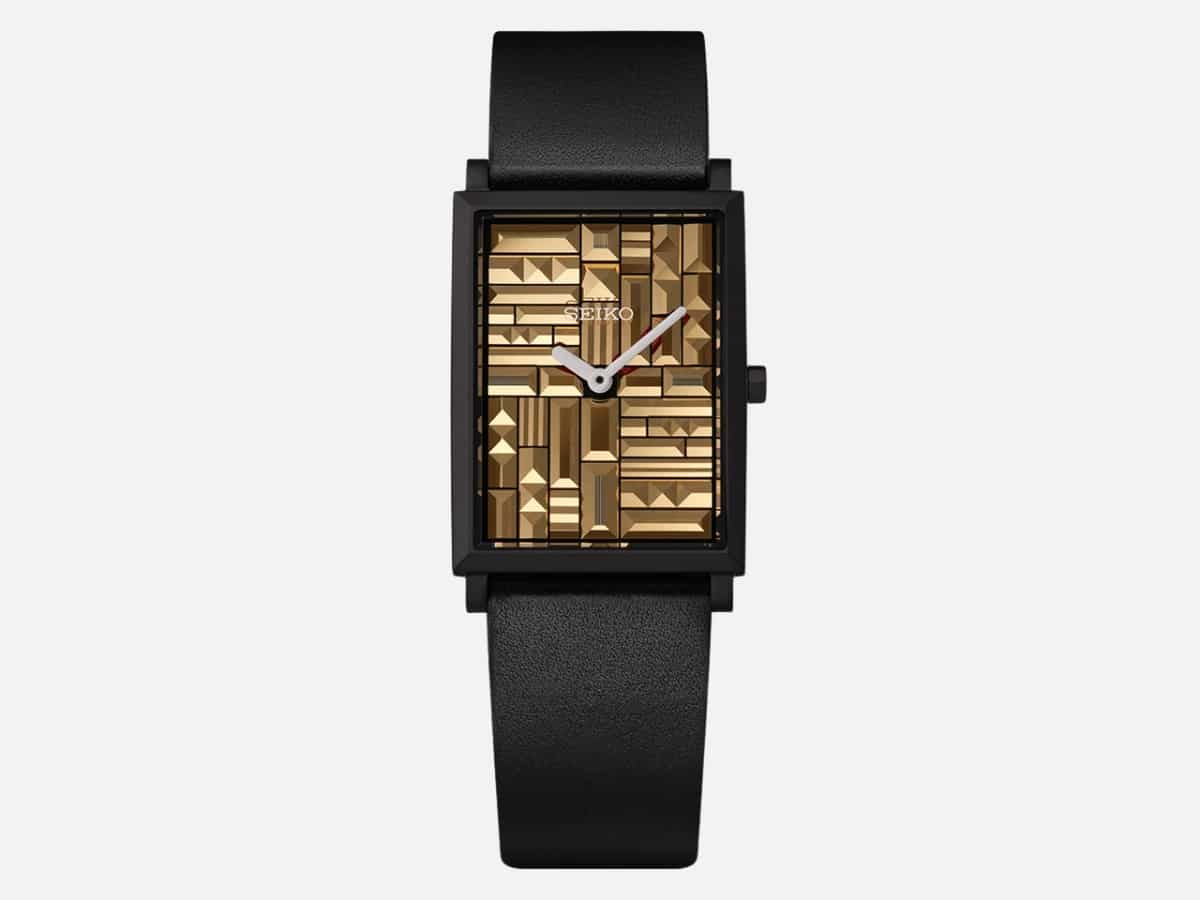
Miho Wada, who serves as Design Director for Credor, has taken one of the most ordinary pieces of watch furniture and gone completely overboard with it. There are 37 individual bar indices across 23 different types, filling almost the entire dial to create what can only be described as a tiny gold cityscape fit for Francis Ford Coppola’s Megalopolis.
The obsession stems from Wada’s fascination with metallic light, something she traces back to catching jewel and scarab beetles as a kid and staring at their shiny shells. Satoshi Tajiri took his childhood insect obsession and turned it into Pokémon. Wada took hers somewhere considerably shinier, using diamond-cut surfaces and polished edges to throw light around whenever you tilt the watch.
And because 37 reflective indices apparently weren’t enough, Wada also painted the reverse side of the hands red so the colour appears in their reflections as they move across the dial. You won’t notice it at first glance, but once you know it’s there, it’s exactly the sort of tiny detail you’ll keep looking for.
 1/5
1/56. Day Indicator by Akihiro Hasegawa
There’s something wonderfully old-fashioned about needing a mechanical watch to tell you what day it is. Your phone could do it in half a second; you could ask Google or Siri, too. But Akihiro Hasegawa would argue you’ve missed the point entirely.
The Seiko designer has a soft spot for technology that’s technically been outclassed but somehow still has a hold on you. He points to vintage camera lenses, which might not hang with modern glass but carry a charm newer specs alone can’t touch. For his watch, that means the humble day indicator.
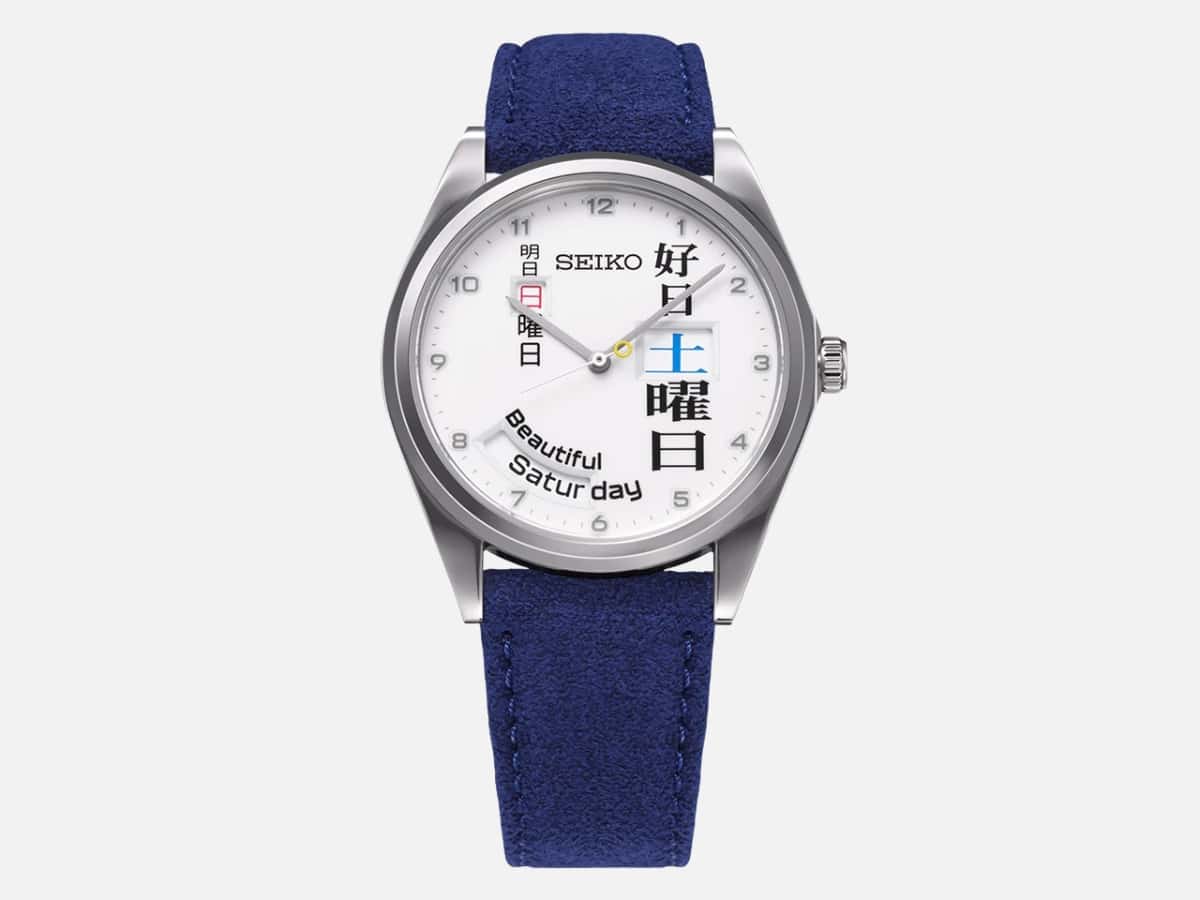
The watch displays today’s day in both Japanese and English, tells you what tomorrow will be, and throws in some auspicious wording because Monday always needs some encouragement. Hasegawa even points to phrases like “Blue Monday” as proof that we already attach plenty of emotion to the days of the week.
It comes in two versions inspired by daytime and nighttime skies, with pale-blue shading around the windows and numerals adding a slightly three-dimensional look. Underneath it all, a traditional rotating day wheel moves things along as one day becomes the next.
If you’ve ever spent Monday wishing it was Friday, Akihiro Hasegawa has designed a watch for you.
 1/4
1/47. Hands by Yuki Omori
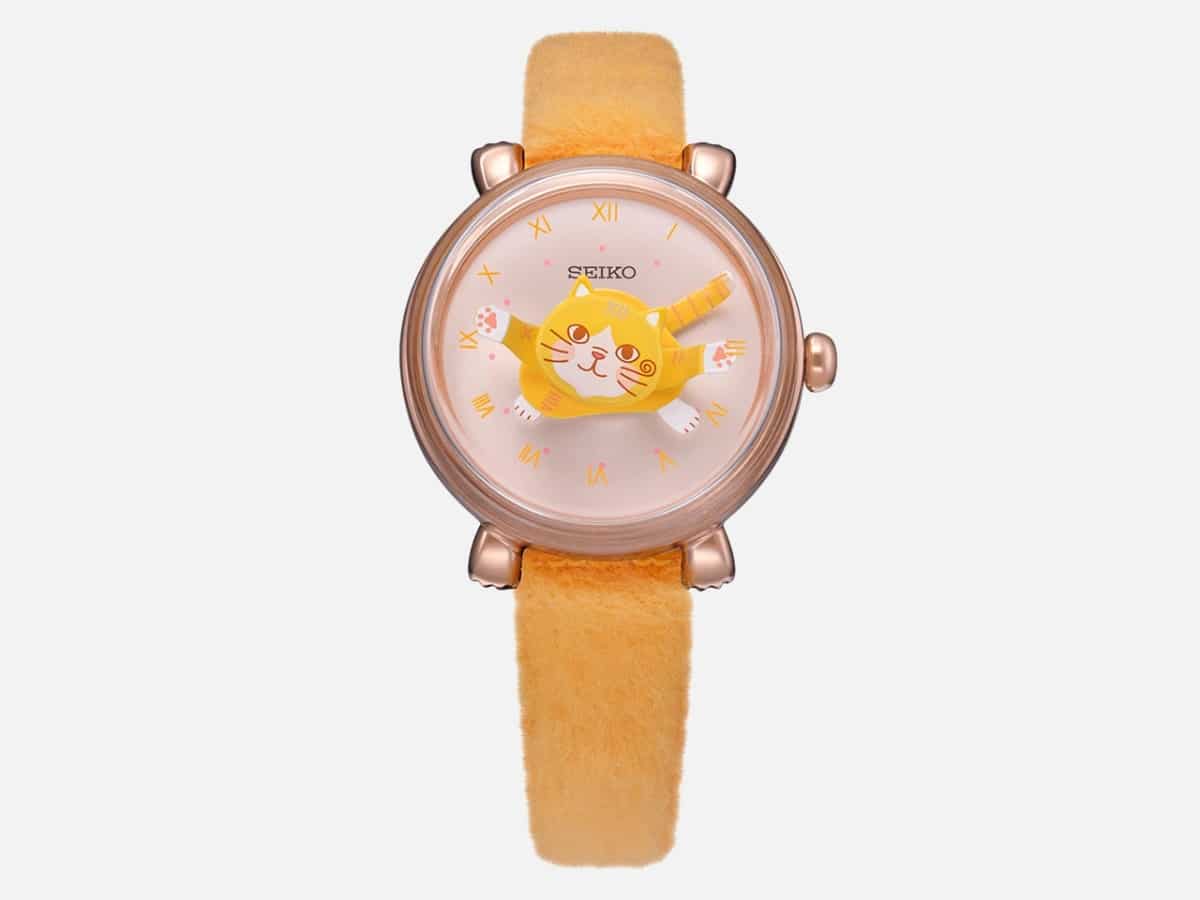
And then there’s the cat.
Yuki Omori has taken Seiko’s own Ten-chan character and used pretty much its entire body to display the time. The arms track the seconds, the feet handle the minutes, and the tail points to the hours. Ten-chan spends all day twisting into different poses as they move around the dial.
Now, don’t get me wrong. It’s obviously adorable. I have two adorable cats myself, but let’s take a moment to look past the absurdity of a cat’s body telling the time to understand exactly what Omori was thinking with this feline-inspired watch.
Omori sees movement as a way to give a character personality, much like old cartoons and anime could get plenty across with a gesture, glance or one exaggerated movement. The hands are bent and curved in three dimensions, with Omori accounting for their overlap, the refraction of the box-shaped glass and, somehow, whether you can still tell the time with a cat in the glass.
Speaking of the cat, Ten-chan previously starred in Seiko’s 2023 Ten-chan’s Hairspring exhibition, with its name and design based on the tenpu, or balance, and its hairspring. That connection literally comes full circle on the caseback, where a paw-shaped opening reveals the balance wheel underneath.
Even the lugs are shaped like little limbs, with paw pads hiding underneath. By this point, the fuzzy orange strap feels almost lacklustre in comparison. Should’ve been fuzzier.
It’s without a doubt the silliest-looking watch in the exhibition, but that’s what makes it special. Omori didn’t just put a cat on a Seiko. She figured out how to make the cat tell the time. Just don’t tell the other orange cat when it’s Monday.
Will Seiko’s Power Design Project Watches Ever Go Into Production?
No production plans have been announced for these seven watches, but that’s part of the fun. The Power Design Project gives Seiko somewhere to let an idea get a little out of hand before somebody starts asking about price points, production runs or whether a fuzzy orange strap is really going to survive the commute.
That doesn’t put production completely out of the question. Power Design concepts have made the jump into Seiko’s catalogue before, so maybe they aren’t destined to stay behind glass forever.
For now, if you want to see these seven watches in person, Passionately and Obsessively Crafted Watches runs at Japan House London from 27 August to 15 September 2026.



















Comments
We love hearing from you. or to leave a comment.