


Updated:
Readtime: 12 min
Every product is carefully selected by our editors and experts. If you buy from a link, we may earn a commission. Learn more. For more information on how we test products, click here.
- Formula 1 formally proposes a return to turbo-hybrid V8 engines for 2030.
- New power units will shed 80 kilograms to target sub-700kg cars.
- Electrical output drops to 100kW with an added 100kW push-to-pass boost.
- Annual engine development cost cap slashed to US$135 million.
- Races will run on 100 per cent sustainable synthetic fuel without refuelling.
The Formula 1 governing body, the FIA, has formally advanced regulatory proposals to bring V8 engines back to the grid for the 2030 season, ending the sport‘s divisive heavy-hybrid era. With individual consultations across the paddock complete, the governing body is targeting the December 2026 meeting of the FIA World Motor Sport Council to officially ratify the switch to a smaller, simpler turbo-hybrid V8.
It’s a breakthrough that arrives as Andrea Kimi Antonelli closes in on the 2026 drivers’ championship, and follows the high-profile announcement that the sport will return to Africa with a 10-year deal in Rwanda.
Moving away from an early push for pure, naturally aspirated engines after fierce resistance from Audi and Mercedes, the new regulations mandate a 2.1 to 2.3-litre turbocharged V8 that burns 100 per cent synthetic fuels. The complex Motor Generator Unit Heat (MGU-H) remains permanently abandoned, while continuous electrical output from the kinetic motor is reduced from 350kW to 100kW. Downsizing the battery and turbocharger strips approximately 80 kilograms out of the powertrain, allowing the FIA to target an overall minimum car weight below 700 kilograms.
The plans will also reduce the annual engine development cost cap from US$190 million (AUD$270 million) to US$135 million (AUD$192 million), stripping US$55 million (AUD$78 million) from yearly operational caps, representing an immediate 29 per cent reduction in manufacturer overheads.
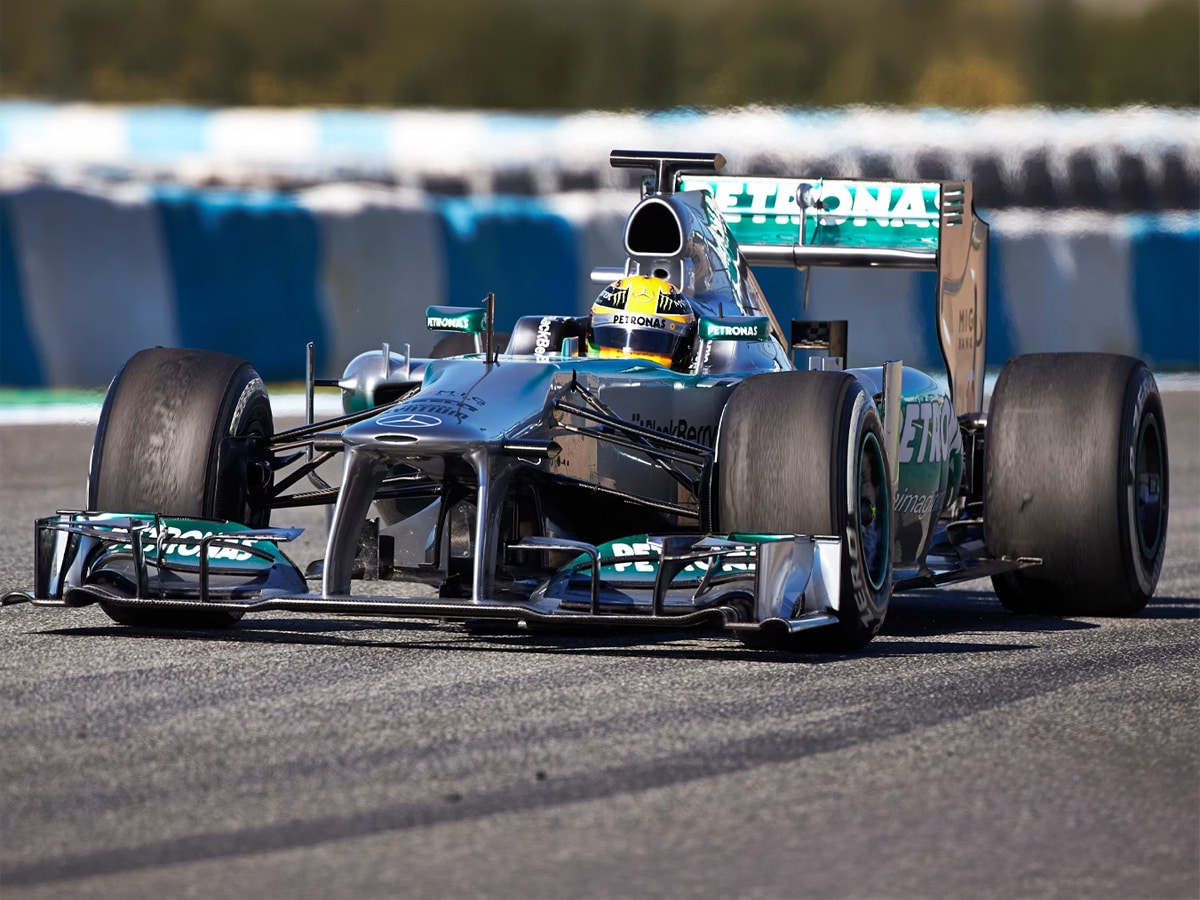
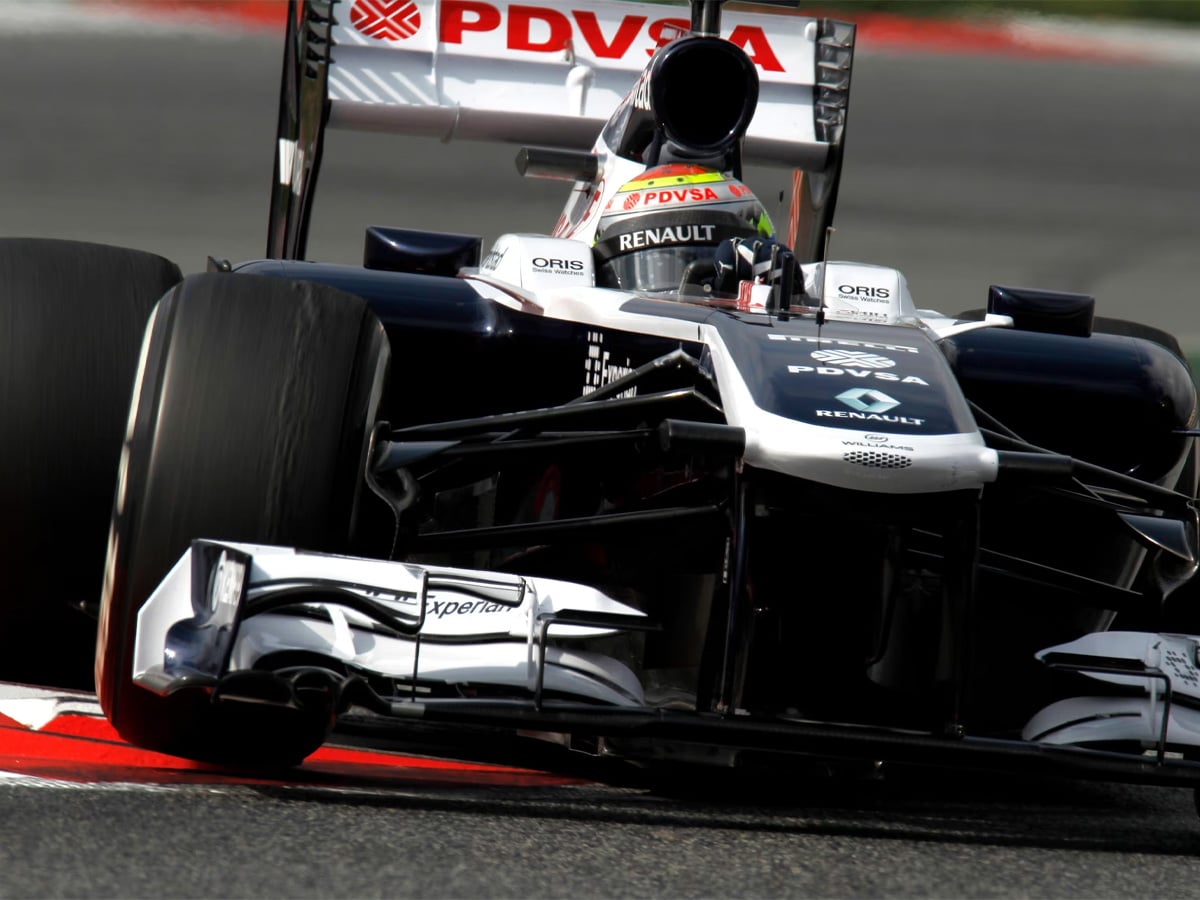
To put that figure into perspective, customer teams like Williams and Haas currently pay an estimated US$15 million to US$20 million annually just to lease power units, a cost that devours roughly 12 to 15 per cent of their total operational budget under the broader cost cap. The substantial decrease in power unit R&D costs lowers leasing expenses, giving the independent teams the financial breathing room to invest in aerodynamic development and factory infrastructure rather than subsidising overcomplicated engine electronics. Just don’t expect the turbocharged engines to sound anything like the naturally aspirated V8s from the 2006 to 2013 era.
Turbocharged Compromise Over Pure Natural Aspiration
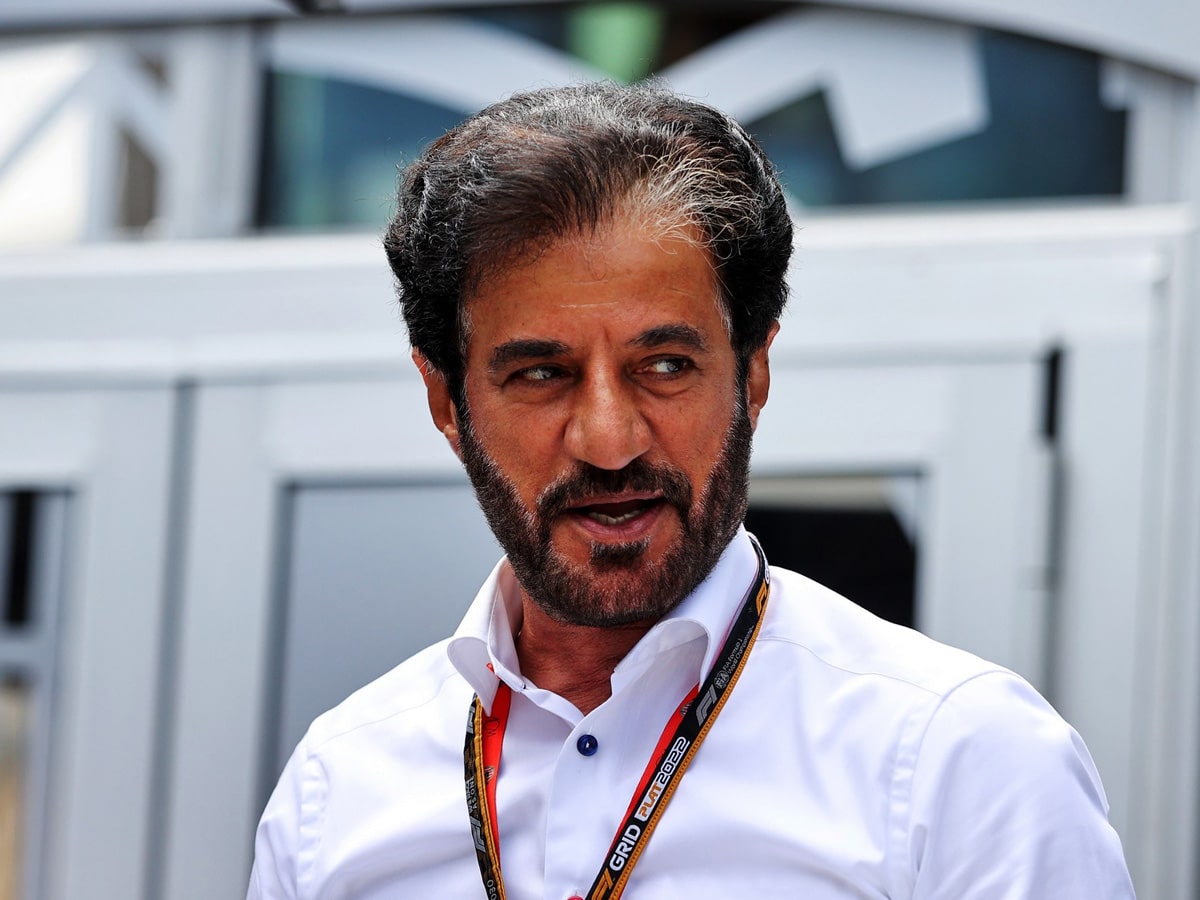
FIA President Mohammed Ben Sulayem initially campaigned for a high-revving, purely naturally aspirated V8 to recapture the raw mechanical acoustics of previous decades. However, that idea hit an immediate wall during closed-door chats with the lead car manufacturers. Audi made it clear early and publicly that it wouldn’t participate without forced induction, citing road-car relevance where turbochargers are ubiquitous across consumer passenger vehicles. At the same time, Mercedes-AMG refused to accept any powertrain architecture that eliminated hybrid electrical assistance entirely.
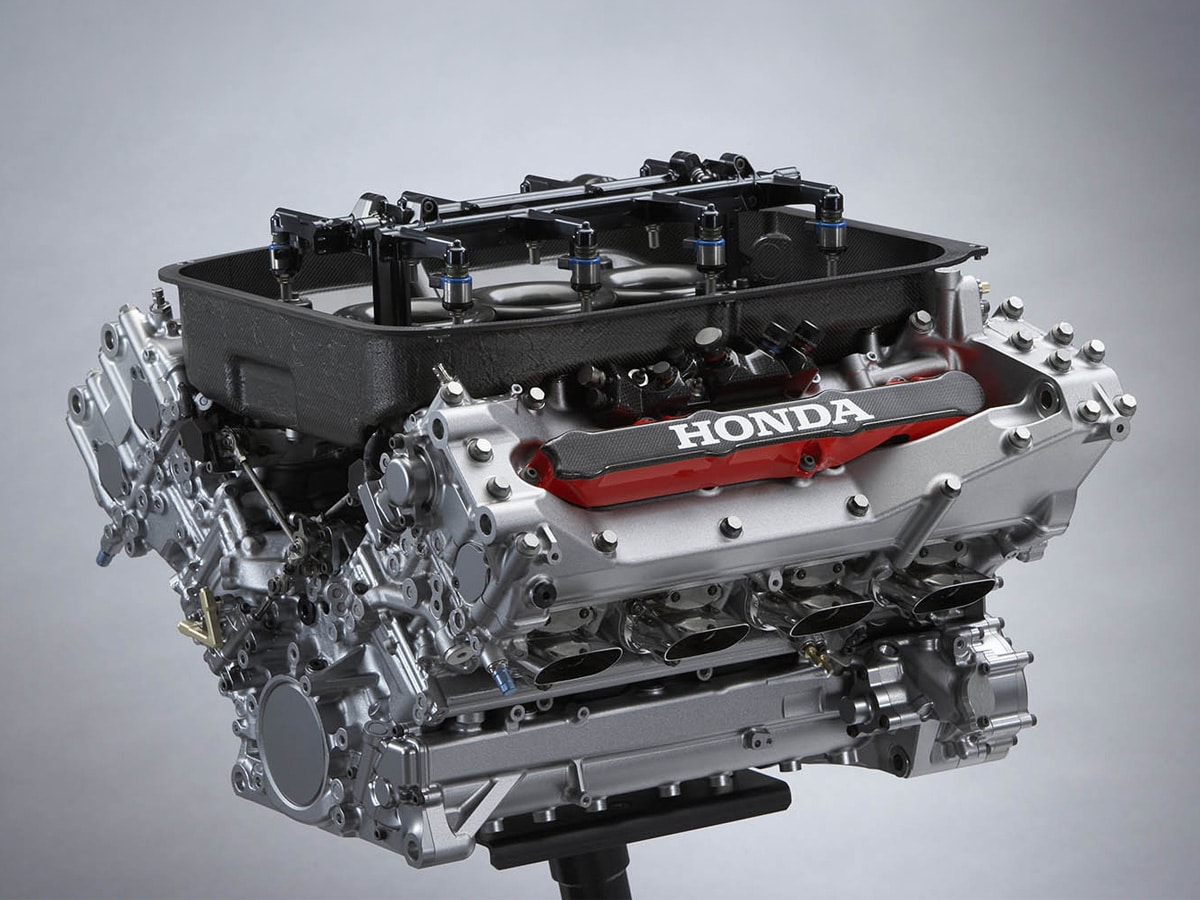
Faced with a clear stalemate among manufacturers, the FIA formulated a compromise. Instead of abandoning forced induction or electrification, the governing body has scaled back both elements. The newly drafted regulations propose a V8 engine with a displacement between 2.0 and 2.3 litres, equipped with a downsized single turbocharger operating at significantly reduced boost pressure. To minimise retooling expenses, one primary FIA engineering proposal involves adding two cylinders to the existing 1.6-litre V6 block, creating a 2.1-litre V8 architecture that reuses established internal tooling and bore dimensions.
By keeping a smaller turbo and a trimmed electrical system, the proposed rules protect manufacturer marketing ambitions while avoiding the engineering costs of extreme hybrid complexity. The motor permanently ditches the despised MGU-H, focusing solely on kinetic energy harvesting through a much simpler MGU-K. FIA President Mohammed Ben Sulayem confirmed the business and mechanical logic behind ditching the hardware, explaining: “I believe that for the sake of the sustainability of the business (the cost, the efficiency, the lighter weight, the sound for the fans), I think the V8 ticks many boxes. The MGUH was the future at the time, but now it’s not.
“Now we’re using the MGUK, with the battery with a turbo and 1.6-litre, but it is such a complicated engine, and a very expensive engine for R&D, and also for the sale of an engine (to a customer team). But if you make it simple, others can afford it.”
| Current 2026 Turbo V6 Hybrid | Proposed 2030 Turbo V8 Hybrid | Historic 2013 Atmospheric V8 | |
| Engine | 1.6-litre Single-Turbo 90° V6 | 2.1- to 2.3-litre Single-Turbo V8 | 2.4-litre Naturally Aspirated 90° V8 |
| Forced Induction | Single Turbocharger (High Boost) | Single Turbocharger (Reduced Boost) | None (Atmospheric Induction) |
| Continuous Electric Deploy | 350kW (MGU-K) | 100kW (MGU-K) | 60kW (KERS on demand) |
| Push-to-Pass Reserve | Integrated into 350kW ceiling | 100kW Dedicated Boost | None (Driver-selected KERS) |
| Total System Power | ~750kW (~1,005 hp) | ~670kW (~900 hp) | ~560kW (~750 hp) |
| Maximum Rev Ceiling | 15,000 rpm (Fuel Flow Limited) | 15,500 to 16,000 rpm | 18,000 rpm |
| Powertrain Mass Delta | Baseline heavy hybrid stack | -80kg weight reduction | Baseline lightweight block |
| Minimum Car Weight | 768kg | Below 700kg (Target) | 642kg (Dry) |
| Race Starting Fuel Load | ~90kg | ~90kg | ~160kg (No refuelling era) |
| Fuel Type | 100% Sustainable Synthetic | 100% Sustainable Synthetic | Standard FIA E10 Unleaded |
| Annual Engine Cost Cap | US$190M (AUD$270M) | US$135M (AUD$192M) | None (Unregulated Spending) |
Curing the Yo-Yo Dilemma and Driver Pushback
The desire and need to rewrite engine regulations so soon after the 2026 reset stem from drivers’ frustrations over how heavy electrification has damaged wheel-to-wheel racing. When the 2026 regulations were formulated in 2022, the FIA equalised the power split between internal combustion and electric to 50 per cent each to attract new carmakers. That theoretical balance created tactical issues, even after the first race in Melbourne earlier this year. We noted in our coverage that it forced drivers to manage the battery state of charge rather than push to the absolute limit of grip.
Grand prix drivers, including world champions Max Verstappen, Fernando Alonso, and Lando Norris, as well as outspoken veterans like Lance Stroll, have criticised the resulting on-track dynamics. With the hybrid system producing a massive 350kW, cars rapidly drain their battery reserves on long straights. Once depleted, the powertrain abruptly derates and falls back to the internal combustion engine, which produces roughly half of the nominal 750kW. This causes an artificial yo-yo effect in which trailing cars unpredictably decelerate or accelerate depending on energy-harvesting cycles, actively compromising racecraft and safety.
To stop the sport from “rationing” performance through the remainder of this decade, the FIA has already mandated an interim fix for the 2027 and 2028 seasons. Power units will be retuned to a 60-40 combustion-heavy split by lifting fuel flow rates, giving engines more petrol power to mask the battery drop-off. However, the early paddock consensus remains unanimous that software patches and fuel flow tweaks won’t cure a flawed foundational philosophy, leaving a complete hardware overhaul to a V8 as the only permanent solution.
Power Output, Rev Ceilings, and Push-to-Pass Deployment
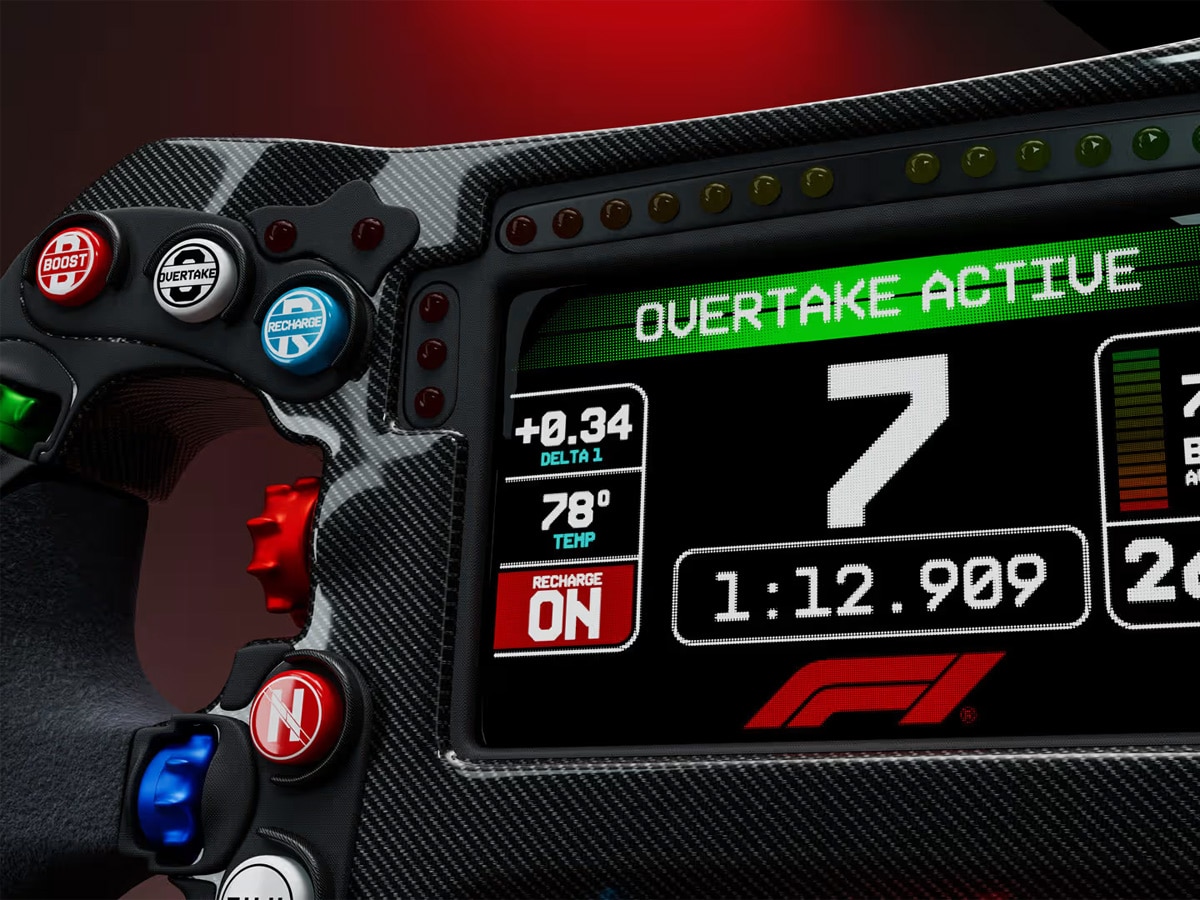
Even with the new rules, overtaking will still be governed by a dedicated push-to-pass boost mode. Drivers will have an additional 100kW of electrical reserve available on demand, mirroring the current overtake button to encourage genuine wheel-to-wheel attacking without causing energy starvation afterwards.
Total vehicle output will momentarily surge to approximately 770kW when defending or attacking into heavy braking zones.
While it’s true that acoustic volume will improve dramatically, fans hoping for the ear-splitting 18,000 to 20,000 rpm screams of the 2000s will need to adjust their expectations. The FIA has placed a strict rev ceiling between 15,500 and 16,000 rpm. Ben Sulayem backed up the RPM restriction as a vital cost-control measure, stating: “You don’t want it to be over 15,500 to 16,000 rpm. Once you go there, the frequency is really annoying, so we have to be responsible. But even if you allow them to reach higher rpm, it’s not about the noise adaptation of the sound. It’s more than that, it’s the price (of development) will just jump, because then you are after that refinement, which is very expensive.”
The FIA President also confirmed that petrol will do the heavy lifting, asserting that electrical assistance will be kept strictly in check: “It will be that (a 10% to 20% electric power split), it’s not more than that.”
Synthetic Fuels and the Elimination of In-Race Refuelling
Formula 1’s willingness to re-embrace larger internal combustion engines has been balanced by sustainability mandates that rest entirely on 100 per cent synthetic, drop-in e-fuels.
These sustainable fuels allow the championship to showcase engine theatre while operating on a net-zero carbon footprint. During early discussions surrounding a return to naturally aspirated engines, the FIA conducted a feasibility study into reviving in-race refuelling. Because unboosted, high-revving engines consume vastly more fuel per kilometre, cars would have been forced to start grands prix carrying massive fuel tanks, completely negating any weight savings achieved on the engine block.
Refuelling would have allowed starting fuel loads to drop, but would have introduced massive safety, logistical, and transport penalties. The new turbo-hybrid decision has killed off any return to pit-lane refuelling rigs, and by retaining a modest turbocharger and kinetic energy harvesting set-up, the 2.1- to 2.3-litre V8 achieves great thermal efficiency, allowing cars to complete a 305-kilometre grand prix distance on roughly 90kg of synthetic fuel.
Stripping 80 Kilograms for a Sub-700kg Minimum Weight
Trimming vehicle mass sits at the very top of the list for the next regulatory cycle. Modern grand prix cars have become bloated, with minimum weights peaking at an all-time high of 800kg in 2025 before dropping slightly to 768kg under the current 2026 rules.
Heavy batteries, cooling radiators, and crash structures have created cars that take up a lot of space on skinny race tracks. It’s why the 2030 V8 F1 architecture will be given a dose of Ozempic, with targets of an immediate 80-kilogram weight reduction in the engine assembly alone. Most of this will come from the lowering of the continuous hybrid output to 100kW, which allows manufacturers to install substantially smaller, lighter high-voltage battery cells and run downsized cooling systems.
Combined with tighter dimensional constraints and a smaller single turbocharger, the governing body is targeting an overall minimum car weight below 700 kilograms for the start of the next decade.
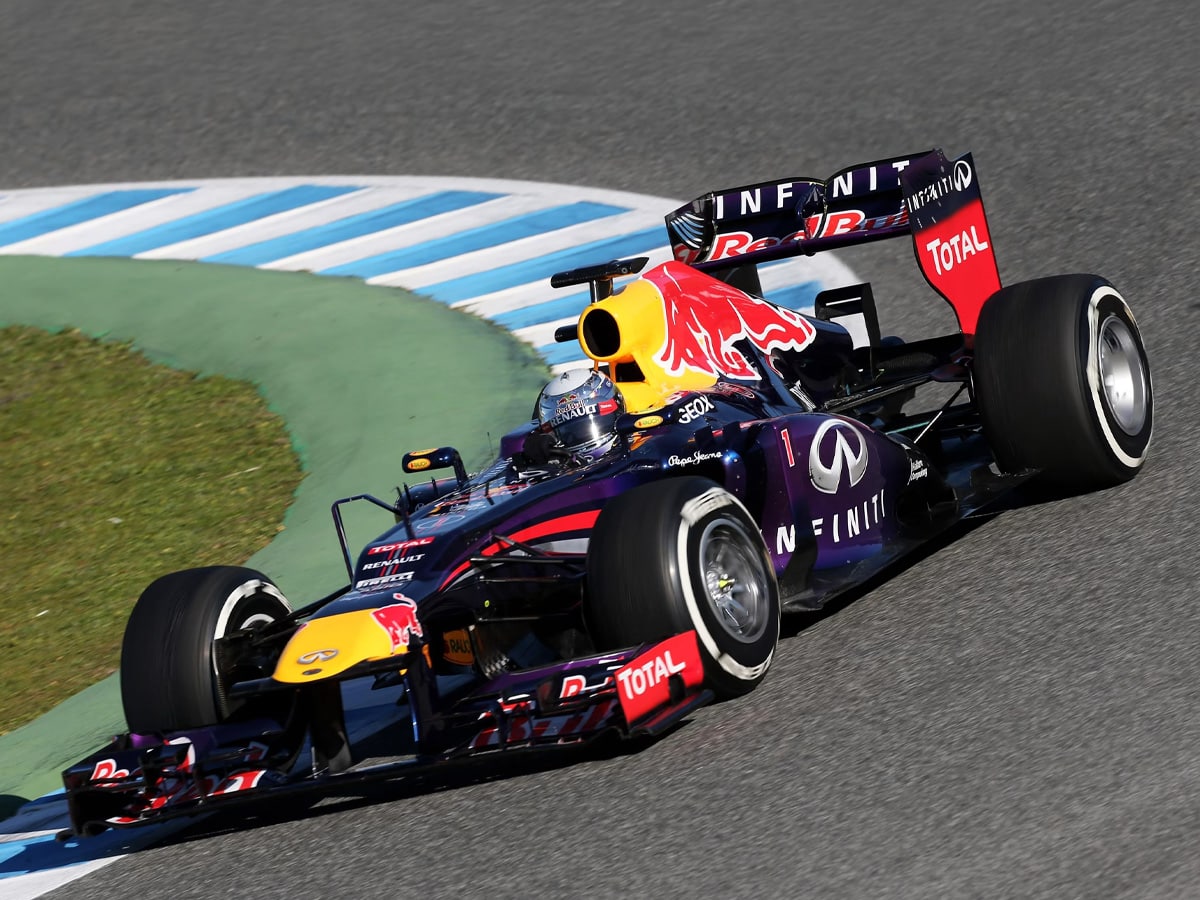
While a sub-700kg car remains heavier than the 642kg dry minimum recorded at the conclusion of the previous V8 era in 2013, the new machinery will actually start grands prix noticeably lighter on full tanks. In 2013, thirsty naturally aspirated engines meant cars had to carry upwards of 160kg of petrol, pushing total starting weights past 800kg. Thanks to modern combustion efficiency and mild hybrid assist, the 2030 cars will require only 90kg of fuel for a complete race distance, keeping the effective racing mass lower throughout every stint.
What’s Next for the V8 F1 Regulations?
Under current FIA statutes, four of the six registered power unit manufacturers (Mercedes-AMG, Ferrari, Red Bull Powertrains, Honda, Audi, and Cadillac) must formally vote in favour to introduce the rules ahead of schedule in 2030. If the manufacturers deadlock and fail to reach a supermajority, the current engine regulations officially expire at the end of 2030, giving the FIA executive the unilateral legal power to mandate the V8 rules for 2031 regardless.
One FIA proposal that has already united manufacturers in fierce opposition is a standardisation clause. The governing body investigated engaging an independent external engineering contractor to design and build a spec-baseline V8 block, leaving manufacturers only a limited scope to modify auxiliary systems. Established power unit builders immediately rejected the concept, arguing that purchasing off-the-shelf internal combustion blocks would completely undermine Formula 1 as a premier constructors’ championship and invalidate hundreds of millions of dollars invested in factory dynos and bespoke engine IP.
Despite pushback against spec hardware, manufacturer momentum is centred around the customised 2.1 to 2.3-litre turbo-hybrid formula.
The FIA held individual consultations with every engine supplier throughout the autumn, and the BBC reports that all six entities agree in principle with the core weight, noise, and cost goals. The governing body intends to reach a binding collective consensus before the FIA World Motor Sport Council convenes in December, ensuring the regulatory framework is locked down with three full years of preparation time.
Ultimately, Formula 1’s decision to pivot away from 50-50 electrification toward a simplified turbo-hybrid V8 is a courageous one that quietly admits that technical ambition cannot come at the expense of genuine racing quality. For over a decade, grand prix racing attempted to turn its premier championship into an experimental test bed for consumer road-car electrification. The resulting machines became too heavy, too quiet, and hopelessly reliant on artificial battery management, undermining the very reason we all watch the racing.
Most importantly, slashing the engine cost cap to US$135 million secures the grid’s financial future. By lowering development costs and eliminating the MGU-H, customer teams can compete on merit, opening the door for outfits like McLaren and Cadillac to challenge the established brands. If the World Motor Sport Council ratifies the regulations this December, Formula 1 will be in an even better place come 2030.

























Comments
We love hearing from you. or to leave a comment.