

Updated:
Readtime: 12 min
Every product is carefully selected by our editors and experts. If you buy from a link, we may earn a commission. Learn more. For more information on how we test products, click here.
- Starting price ranges from AUD$2,099 up to AUD$4,699 in Australia
- Variable aperture lens introduces four physical settings (down to ƒ/1.48) to the primary camera
- Silicon architecture advances to the two-nanometre A20 Pro chip
- Thermal architecture features a vapour chamber attached directly to silicon
- Australian pre-orders open on Saturday, 12 September at 10 p.m. AEST
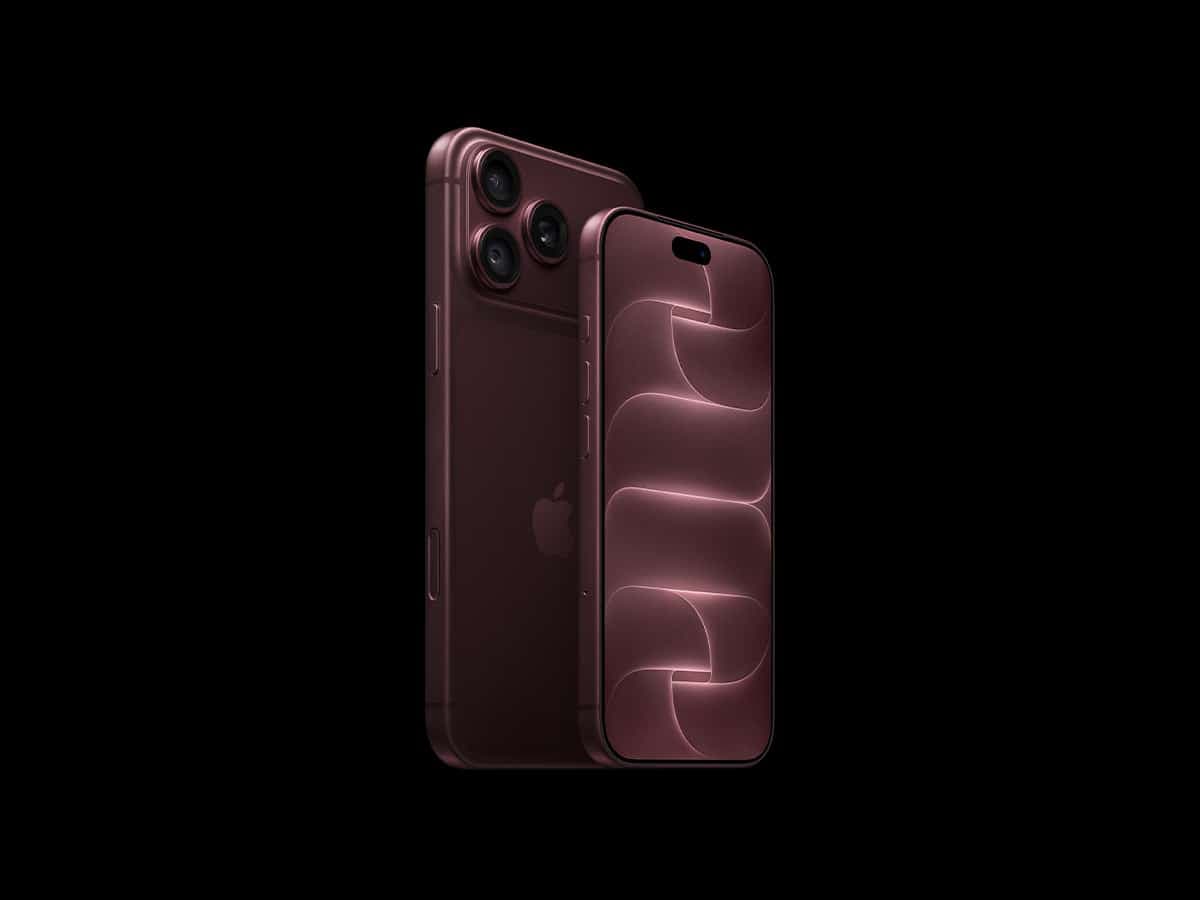
Here on the ground at Apple Park, it felt like a quieter year for the iPhone 18 Pro (from AUD$2,099 or USD$1,199) and Pro Max (from AUD$2,299). While its biggest upgrades flew under the radar for most, it lives up to that Pro name now more than ever by introducing substantial battery life and optical advancements to its flagship smartphone.
The headline upgrade centres on a 48-megapixel Fusion Main camera equipped with a six-blade mechanical variable aperture, allowing photographers to physically shift between ƒ/1.48, ƒ/1.8, ƒ/2.8, and ƒ/4.0 settings for precise exposure and depth-of-field control. Still available in the same 6.3-inch and 6.9-inch Super Retina XDR display sizes, both models also retain the forged aluminium unibody design introduced with the iPhone 17 Pro Max. Beyond the camera, you’ll find a redesigned Dynamic Island capable of displaying up to three Live Activities simultaneously, and new hero Burgundy and Glacier finishes alongside Silver and Black options.
For Australian buyers, the iPhone 18 Pro lineup starts at AUD$2,099 for the 256GB base model, while the larger iPhone 18 Pro Max opens at AUD$2,299, with storage options scaling up to 2TB for intensive mobile media workflows. Australian pre-orders open on Saturday, 12 September at 10 p.m. AEST, ahead of general retail availability on Friday, 18 September. Let’s take a closer look!
Release Dates for Australia Confirmed
Local buyers in Australia can secure the iPhone 18 Pro and iPhone 18 Pro Max starting Saturday, 12 September at 10 p.m. AEST. The official in-store release and general retail availability will commence six days later on Friday, 18 September.
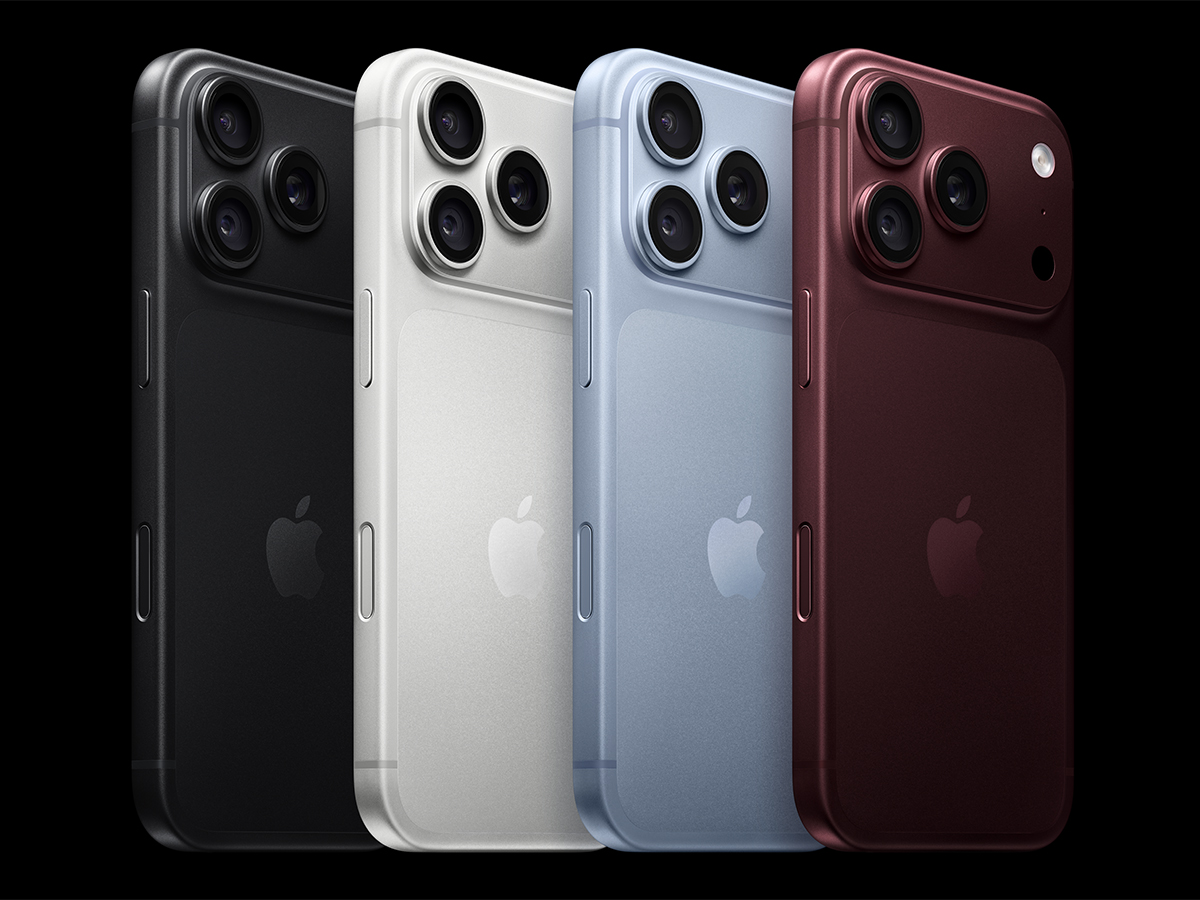
Buyers can select from four premium hardware finishes at launch:
- Burgundy
- Glacier
- Silver
- Black
Cellular connectivity on both models is powered by Apple’s new C2 cellular modem system, delivering AI-powered improvements in network quality and reliability, faster upload speeds, and 15 per cent lower energy consumption.
iPhone 18 Pro and Pro Max Price in Australia
The entry pricing starts at AUD$2,099 for the 256GB iPhone 18 Pro and AUD$2,299 for the 256GB iPhone 18 Pro Max, pushing the base Pro tier past the AUD$2,000 mark with an entry price increase (+AUD$100) across both models compared to the previous generation.
Quite frankly, we expected it to be more. When you consider storage price increases and the addition of key hardware upgrades, including the six-blade mechanical variable aperture system, 12GB of unified memory for Apple Intelligence, and the advanced 2-nanometre A20 Pro chip featuring a direct-attached vapour chamber, it’s not too bad at all. Taking a closer look at the available configurations, it seems the 512GB storage tier is still the sweet spot for many. It will provide ample capacity for high-resolution 4K Dolby Vision video recording without pushing into the ultra-premium pricing of the 1TB and 2TB models.
Here’s a full list of pricing for the new iPhone 18 Pro and iPhone 18 Pro Max:
- iPhone 18 Pro (256GB): AUD$2,099 (+AUD$100 vs iPhone 17 Pro)
- iPhone 18 Pro (512GB): AUD$2,499 (+AUD$100 vs iPhone 17 Pro)
- iPhone 18 Pro (1TB): AUD$3,299
- iPhone 18 Pro (2TB): AUD$4,499
- iPhone 18 Pro Max (256GB): AUD$2,299 (+AUD$100)
- iPhone 18 Pro Max (512GB): AUD$2,699 (+AUD$100)
- iPhone 18 Pro Max (1TB): AUD$3,499 (or AUD$145.79 per month over 24 months)
- iPhone 18 Pro Max (2TB): AUD$4,699 (or AUD$195.79 per month over 24 months)
Full Lineup Comparison By the Numbers
| Feature | iPhone 17 Pro (2025) | iPhone 18 Pro (2026) | iPhone 18 Pro Max (2026) | iPhone Duo (2026) |
| Starting price | from AUD$1,999 | from AUD$2,099 | from AUD$2,299 | from AUD$3,499 |
| Silicon architecture | A19 Pro (3nm) | A20 Pro (2nm) | A20 Pro (2nm) | A20 Pro (2nm) |
| RAM allocation | 8GB unified | 12GB unified | 12GB unified | 12GB unified |
| Display refresh rate | 120Hz ProMotion | 120Hz ProMotion | 120Hz ProMotion | 120Hz ProMotion |
| Display type | Super Retina XDR | Super Retina XDR | Super Retina XDR | Dual Super Retina XDR |
| Rear camera zoom | 5x optical zoom | 8x optical zoom range | 8x optical zoom range | 2x optical crop |
| Front camera resolution | 12MP TrueDepth | 18MP Center Stage | 18MP Center Stage | 12MP Center Stage |
| Primary chassis material | Aluminium unibody | Aluminium unibody | Aluminium unibody | Titanium frame |
| Fast-charging capability | 30W capable | 60W capable | 60W capable | 60W capable |
| Rated video battery life | 29 hours | 34 hours | 43 hours | 44 hours outer display |
Design and Display
Design
We’re happy to see that the iPhone 18 Pro carries over the forged aluminium unibody chassis introduced in the previous generation. Crafted using 85 per cent recycled aluminium and contributing to 40 per cent recycled content overall across the device, it feels great in the hand, and a touch refined compared.
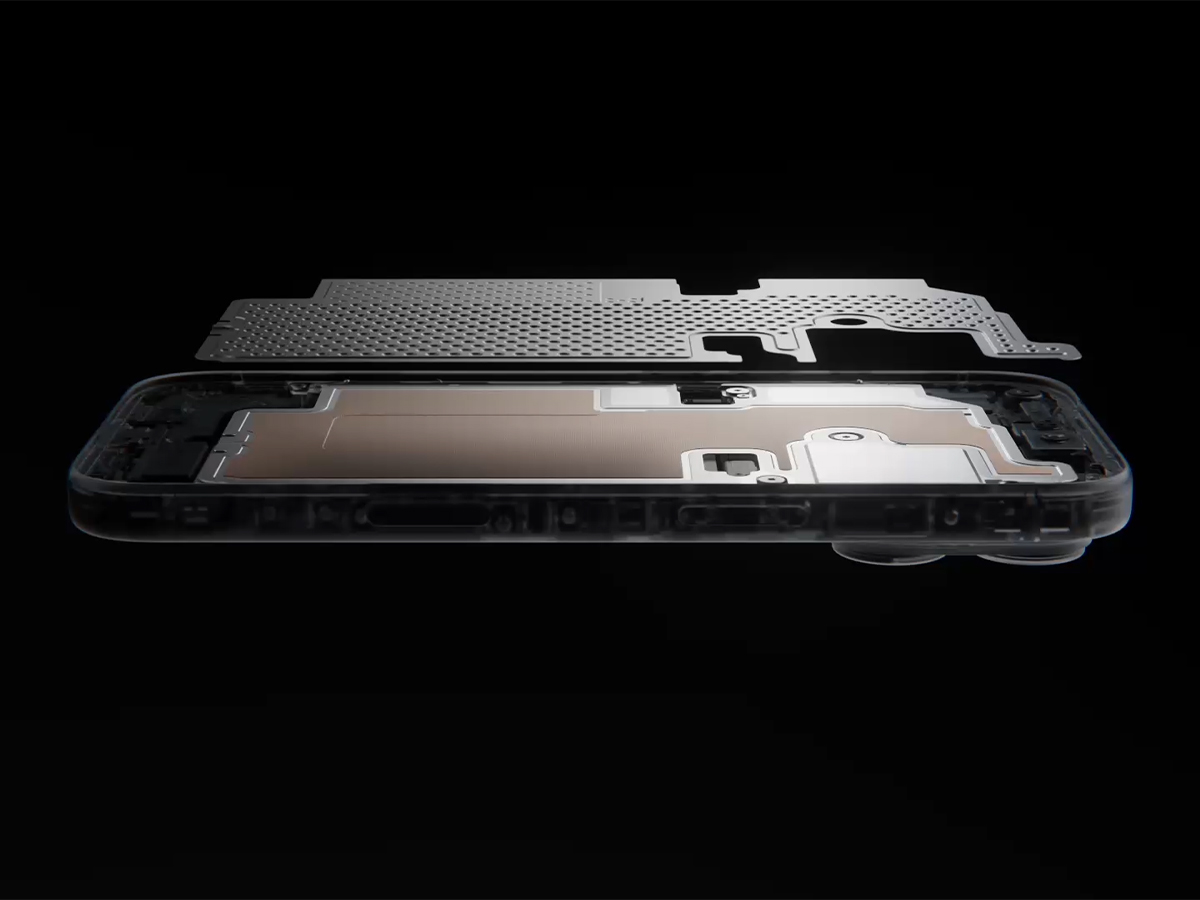
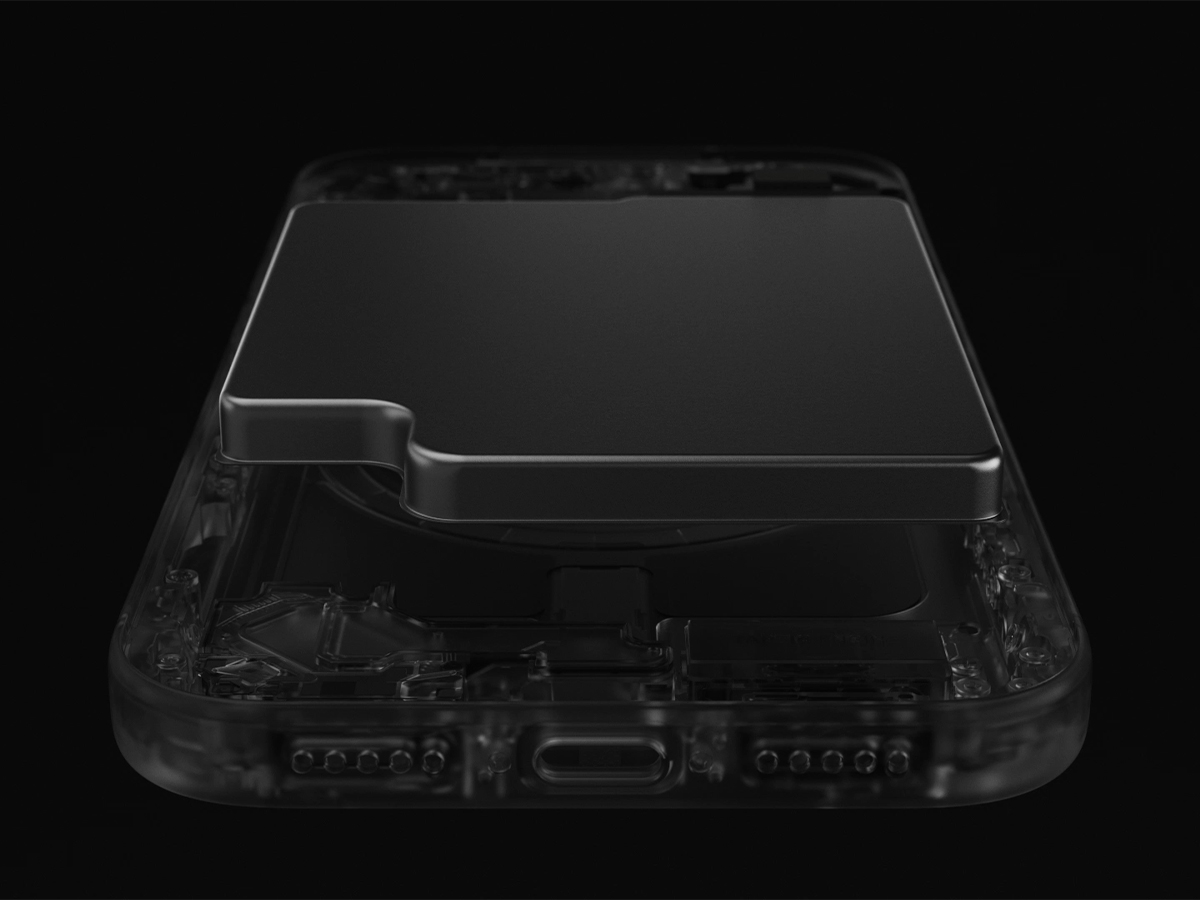
The headline internal redesign is how the brand revisited the traditional thermal layout of the iPhone 17 Pro, with an M-series-inspired custom package that places the silicon die side by side with memory, removing RAM from the thermal path.
This configuration allows the new A20 Pro chip to attach directly to a next-generation vapour chamber with three times the surface area of the iPhone 17 Pro, delivering up to a 40 per cent gain in sustained processing performance.
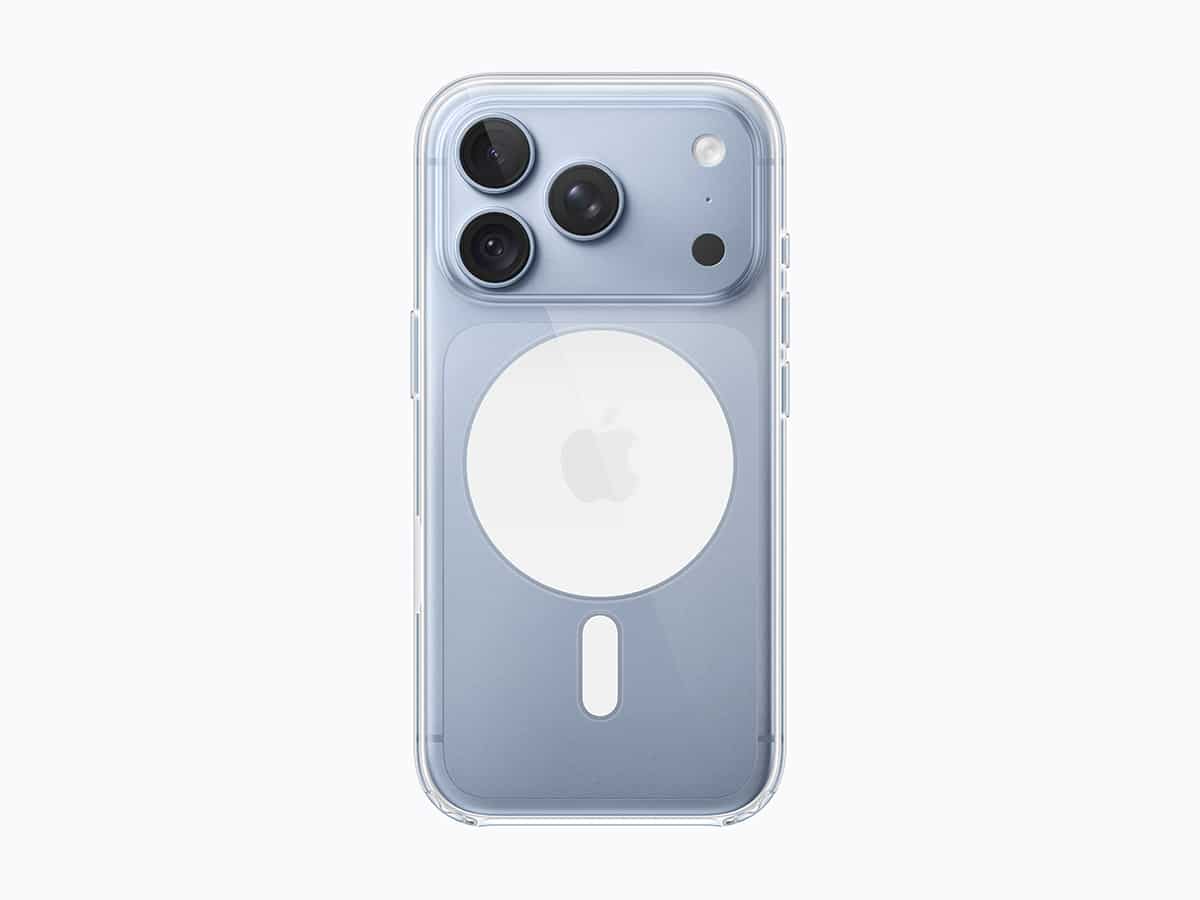
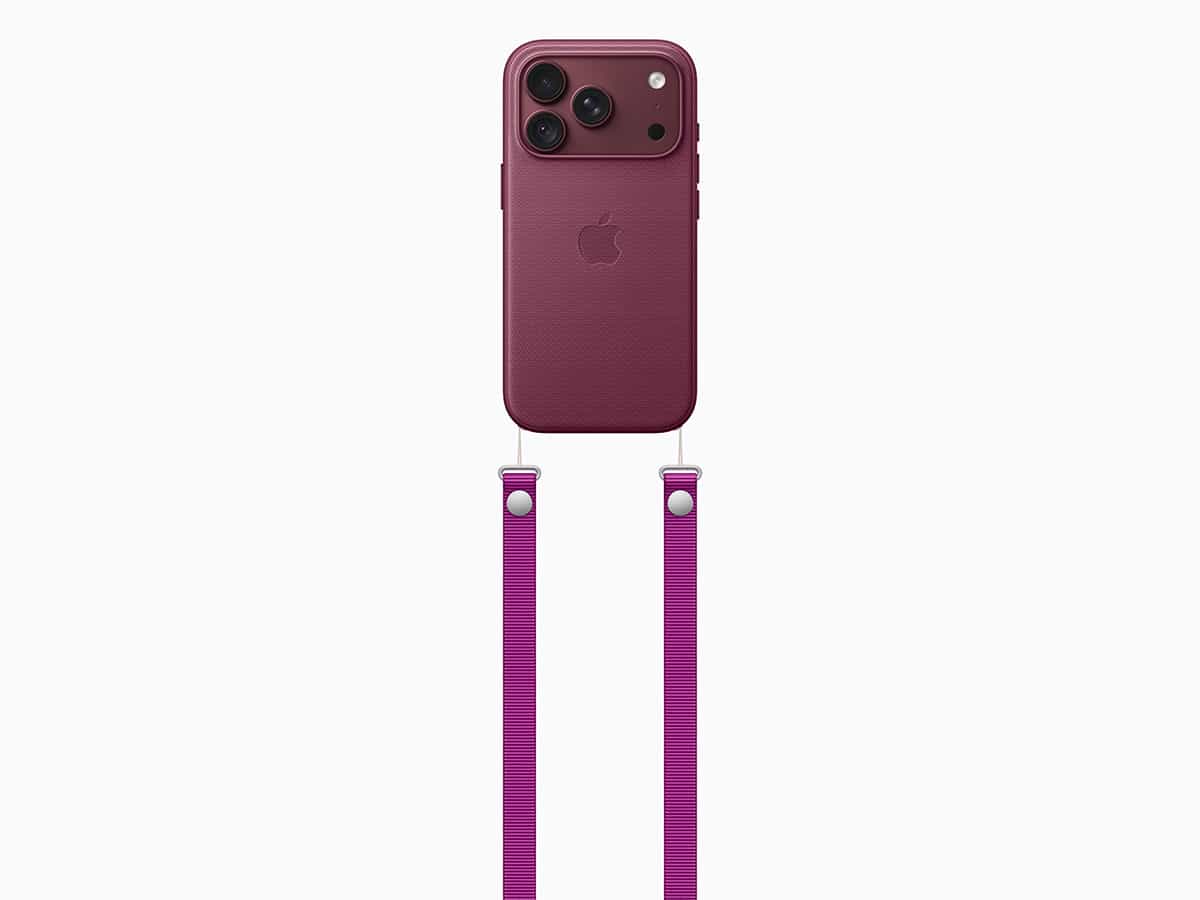
To protect your new iPhone, the brand has also launched matching Silicone Cases (AUD$79 in six colours), Clear Cases (AUD$79), FineWoven Wallets (RRP A$99), TechWoven cases (AUD$99 in six colours), Crossbody Straps (AUD$99 in nine colours), and a new Wrist Strap (AUD$45 in six colours) woven from 100 per cent recycled polyester yarns and embedded with flexible magnets that allow it to conveniently carry AirPods Pro 2 or AirPods Pro 3.
Display
Screen dimensions carry over from the previous generation, measuring 6.3 inches for the iPhone 18 Pro and 6.9 inches for the iPhone 18 Pro Max.
Both Super Retina XDR panels feature LTPO+ efficiency, 120Hz ProMotion fluid scrolling, and Always-On functionality.
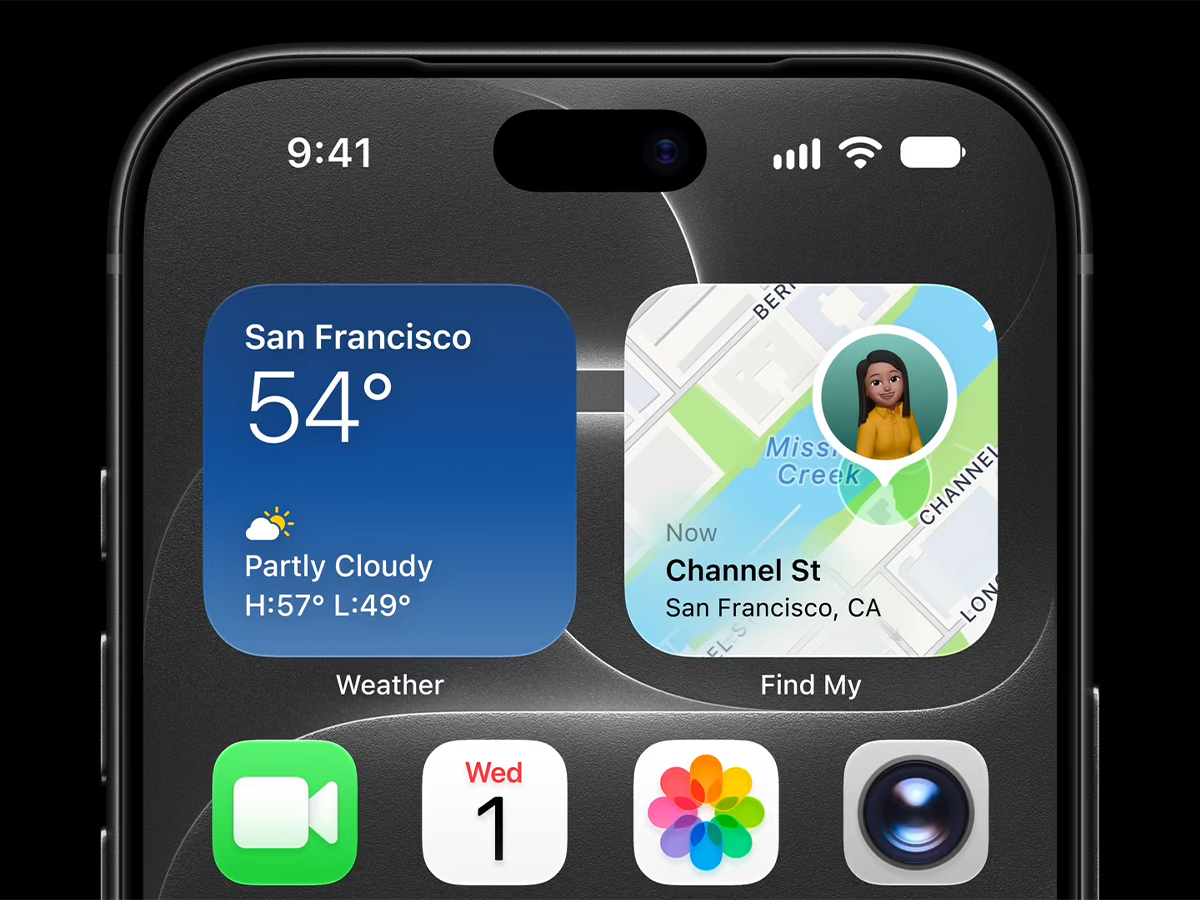
The standout physical change compared to the iPhone 17 Pro is a visibly smaller Dynamic Island, achieved through updated display routing technology. This hardware reduction frees up active screen area, allowing the Dynamic Island to show up to three Live Activities simultaneously (compared to two on the iPhone 17 Pro) while maintaining Face ID biometric authentication.
Performance, Pro Cameras, and Battery Hours
Performance
Built on advanced two-nanometre process technology, the A20 Pro chip features a 6-core CPU with integrated Neural Accelerators delivering 50 per cent more memory bandwidth than the A19 Pro.
The 7-core GPU renders graphics up to 40 per cent faster, while a Dual 16-core Neural Engine boasting 32 total cores doubles the artificial intelligence compute power of the prior generation. Unified memory increases from 8GB on the iPhone 17 Pro to 12GB, powering iOS 27 and Siri AI.
Rolling out in beta with iOS 27 starting Monday, 14 September, Siri AI draws on personal context across messages, emails, and photos, utilises onscreen awareness to take action on what is visible, enables a dedicated Siri mode in the Camera app to analyse real-time surroundings, and lets users Write with Siri by describing what they need. Note that Siri AI will not be initially available in the EU on iOS.
Additional Apple Intelligence features launching Tuesday, 15 September include Spatial Reframing, Extend, upgraded Clean Up, photorealistic Image Playground creation, and Safari “Notify Me” page monitoring for restocks or price drops. Server-side Apple Intelligence tasks are subject to daily usage limits. Software improvements in iOS 27 also introduce Liquid Glass visual customisation, parental management tools, and iPhone Handoff for switching active numbers across supported devices.
Camera
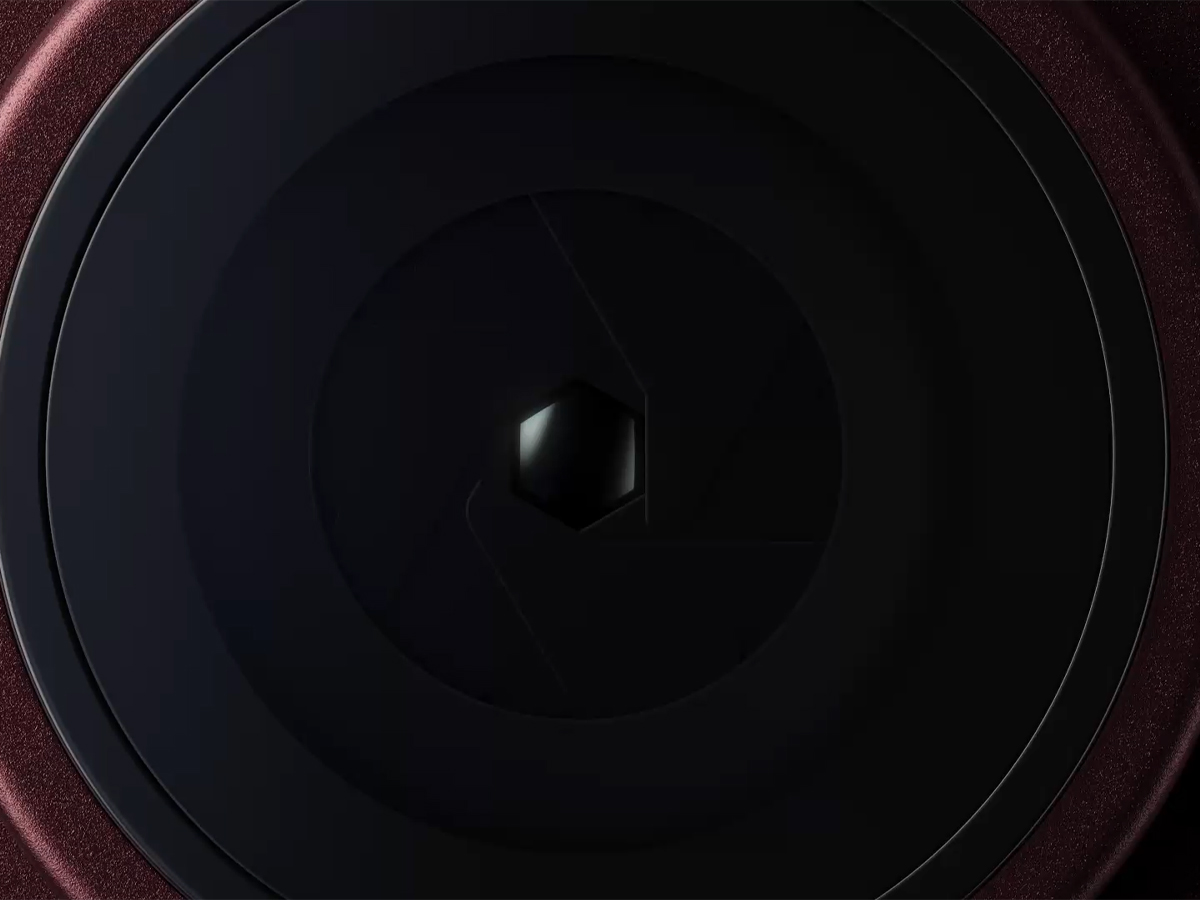
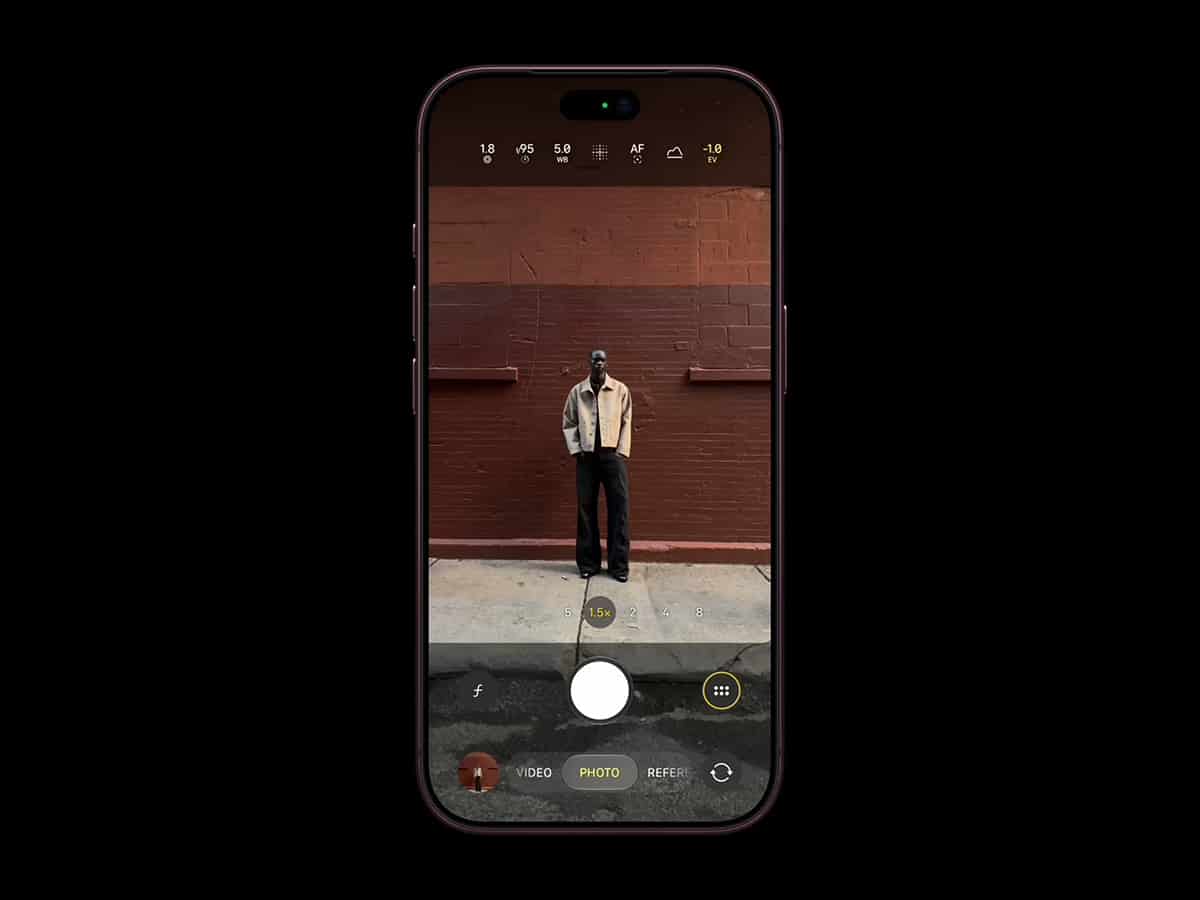
The primary 48-megapixel Pro Fusion camera introduces a six-blade mechanical variable aperture, allowing users to transition between ƒ/1.48, ƒ/1.8, ƒ/2.8, and ƒ/4.0 settings automatically or via manual Pro controls (which allow users to adjust lens aperture, shutter speed, and white balance, or check exposure levels using a live histogram). Upgraded Photographic Styles also add new texture and grain controls to fine-tune photo aesthetics.
There’s also an API available to third-party developers, *cough, cough*, Blackmagic, to access the full aperture range across their apps. The rear array retains a 48-megapixel Ultra Wide lens and a 48-megapixel Telephoto lens supporting an 8x optical zoom range (0.5x, 1x, 2x, 4x, 8x).
 1/7
1/7Video upgrades over the iPhone 17 Pro include 4K Dolby Vision HDR in Time-lapse mode, post-capture Cinematic effects at up to 60 fps, and Audio Mix vocal isolation algorithms that cleanly separate music from speech.
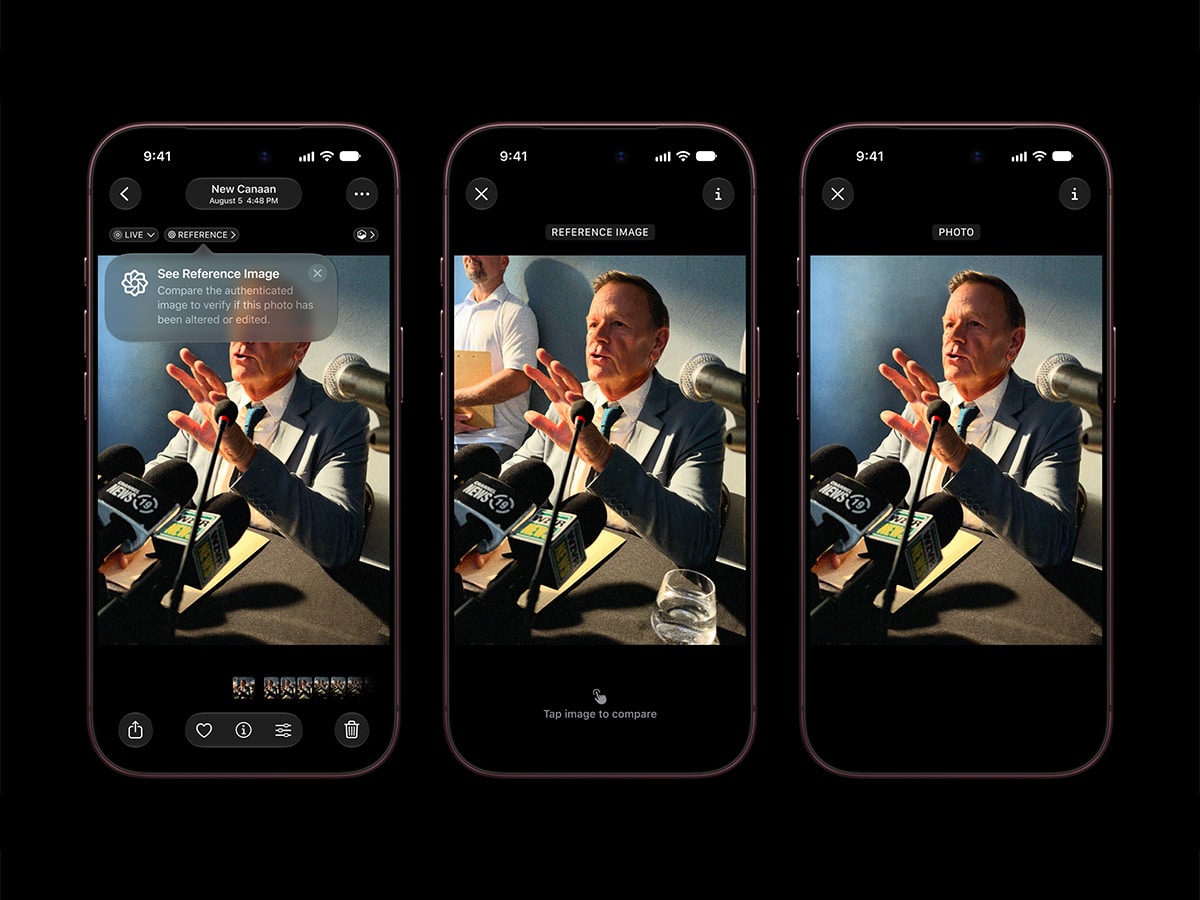
To verify image authenticity, Apple Reference Image uses the Main camera sensor to sign every pixel at capture in Reference mode, producing signed sensor data in Private Cloud Compute that becomes an unalterable digital negative viewable in Photos or via third-party developer APIs. Image metadata support for the upcoming SynthID standard further helps identify AI-generated content.
Front-facing capture is upgraded from the 12-megapixel TrueDepth camera on the iPhone 17 Pro to an 18-megapixel Center Stage camera.
Battery Life and Charging
Efficiency gains from the 2-nanometre silicon yield a massive leap in longevity. The iPhone 18 Pro delivers up to 34 hours of video playback (a 5-hour increase over the iPhone 17 Pro’s 29 hours), while the iPhone 18 Pro Max reaches up to 43 hours of video playback and up to 29 hours of typical real-world usage on a full charge.
Fast-charging capabilities double from 30W to 60W (requiring a 60W-capable USB-C cable paired with a USB PD 3.1 power adapter supporting Adjustable Voltage Supply), enabling a 50 per cent charge in approximately 15 minutes or 50 per cent wirelessly in 30 minutes via MagSafe, while five minutes of wired charging on the Pro Max provides around seven hours of video playback.
Is It Time to Upgrade?
That’s the BIG question, and we still can’t provide a concrete answer until we get our hands on the device and test it for review. Still, the introduction of the six-blade mechanical variable aperture, manual Pro controls, 12GB of unified memory, and Apple Reference Image validation will provide genuine utility for professional photographers and creators.
However, if your daily workflow doesn’t require manual lens aperture adjustments or maximum sustained GPU output during long gaming sessions, holding onto your current handset could be a sensible decision.
On the other hand, moving to the 2-nanometre A20 Pro chip yields a massive jump in battery life, extending video playback up to 43 hours on the Pro Max. Compounding additions like 60W fast charging, an 18-megapixel Center Stage front camera, 12GB of unified memory for Apple Intelligence, and a smaller Dynamic Island displaying three Live Activities make the transition from older generations feel substantial.
Finally, there’s the question of money. With only a modest price increase across the range, this could be the year to upgrade, especially if you have an older device.
Frequently Asked Questions
The iPhone 18 Pro starts at AUD$2,099 for the 256GB base model (+AUD$100 over the iPhone 17 Pro). The larger iPhone 18 Pro Max starts at AUD$2,299 for 256GB, with top 2TB models priced at AUD$4,699.
Pre-orders open on Saturday, 12 September at 10 p.m. AEST across local retail channels. General in-store availability and retail pickups commence six days later on Friday, 18 September.
The devices are available in four distinct finishes, including Black, Silver, Glacier, and an all-new Burgundy hero colourway. Each shade is applied across the forged aluminium unibody enclosure.
Both the iPhone 18 Pro and iPhone 18 Pro Max start at a base capacity of 256GB. Buyers can also choose expanded tiers of 512GB, 1TB, or 2TB for high-resolution video storage.

























Comments
We love hearing from you. or to leave a comment.