


Updated:
Readtime: 5 min
Every product is carefully selected by our editors and experts. If you buy from a link, we may earn a commission. Learn more. For more information on how we test products, click here.
- Apple raised Mac and iPad prices across Australia overnight.
- Global AI data demand triggered a severe memory component shortage.
- The premium Mac Studio jumped by a staggering AUD$1,000.
- Popular MacBook Air and Pro models increased by AUD$300.
- The upcoming iPhone 18 Pro faces a projected serious price hike.
If you’ve been tuning into the latest Apple news today, then you might want to brace your bank account before reading any further. That’s especially true if you’ve been planning to upgrade your workstation or replace a sluggish laptop because your next hardware purchase is going to deal a serious blow to your wallet. Last week, a sudden global adjustment forced a selloff, wiping billions off Apple’s market capitalisation as the tech giant officially raised retail prices across its entire MacBook, iPad, and Home lineups due to production costs.
The culprit behind this sudden shift is an industry-wide hardware crisis experts are dubbing “RAMageddon.” Essentially, Apple is passing the buck amid a volatile supply chain crunch, with memory manufacturers like Samsung and SK Hynix prioritising the incredibly lucrative orders from AI data centre heavyweights like Nvidia. This has left consumer electronics makers fighting for scraps, causing raw memory costs to skyrocket. If you’re a content creator and you’ve had to purchase SD cards, SSDs, or ExpressCards, you’ll know this hurts the pocket badly.
Just how wild are these new Apple prices? If you head over to the online store right now and try to configure a top-of-the-line 16-inch MacBook Pro (with the glare-reducing nano-texture display, the maxed-out M5 Max chip (18-core CPU and 40-core GPU), 128GB of unified memory, and a massive 8TB SSD), the total comes out to a jaw-dropping AUD$15,724. However, this price increase has trickled down the line-up, with the entry-level MacBook Neo now costing over AUD$1,000.
MacBook and iPad Price Increases
Based on the prices taken straight from the Apple Store, this is exactly how much your next computer or tablet upgrade will cost compared to previous price baselines:
| Hardware Lineup | New base price (AUD$) | Price increase (AUD$) |
| iPad | $599 | +$50 |
| iPad mini | $799 | +$50 |
| iPad Air | $999 | +$100 |
| MacBook Neo | $1,049 | +$150 |
| iPad Pro | $1,699 | +$200 |
| MacBook Air | $2,099 | +$300 |
| MacBook Pro | $3,199 | +$300 |
| Mac mini | $1,299 | +$300 |
| Mac Studio | $4,299 | +$1,000 |

Brutal Reality of Upgrading Your Tech Right Now
Seeing an iPad Pro creep up to AUD$1,699 or a base MacBook Air jump over two grand to AUD$2,099 is tough, but it’s the professional-grade desktop hardware that shows exactly who is bearing the brunt of this silicon shortage.
The desktop Mac Studio, the crown jewel for creative agencies and power users, has seen its base price jump by a staggering AUD$1,000.
In an official statement, Apple noted that it has never seen a component price increase this much or this quickly. “We have never seen a component price increase this much, this quickly,” said the brand. “We have shielded our customers from these increases so far, but we have now reached a point where we need to begin raising prices on a number of products, including today’s increases for iPad and Mac.”
Memory has always been Apple’s most lucrative upsell, and the cost to upgrade your unified memory has skyrocketed globally under this new pricing model. If you’re a local developer, video editor, or creative trying to spec out a high-performance machine, preparing to scale up your RAM means you’ll be paying an astronomical premium just to secure those vital components.
What This Means for the iPhone 18 Pro
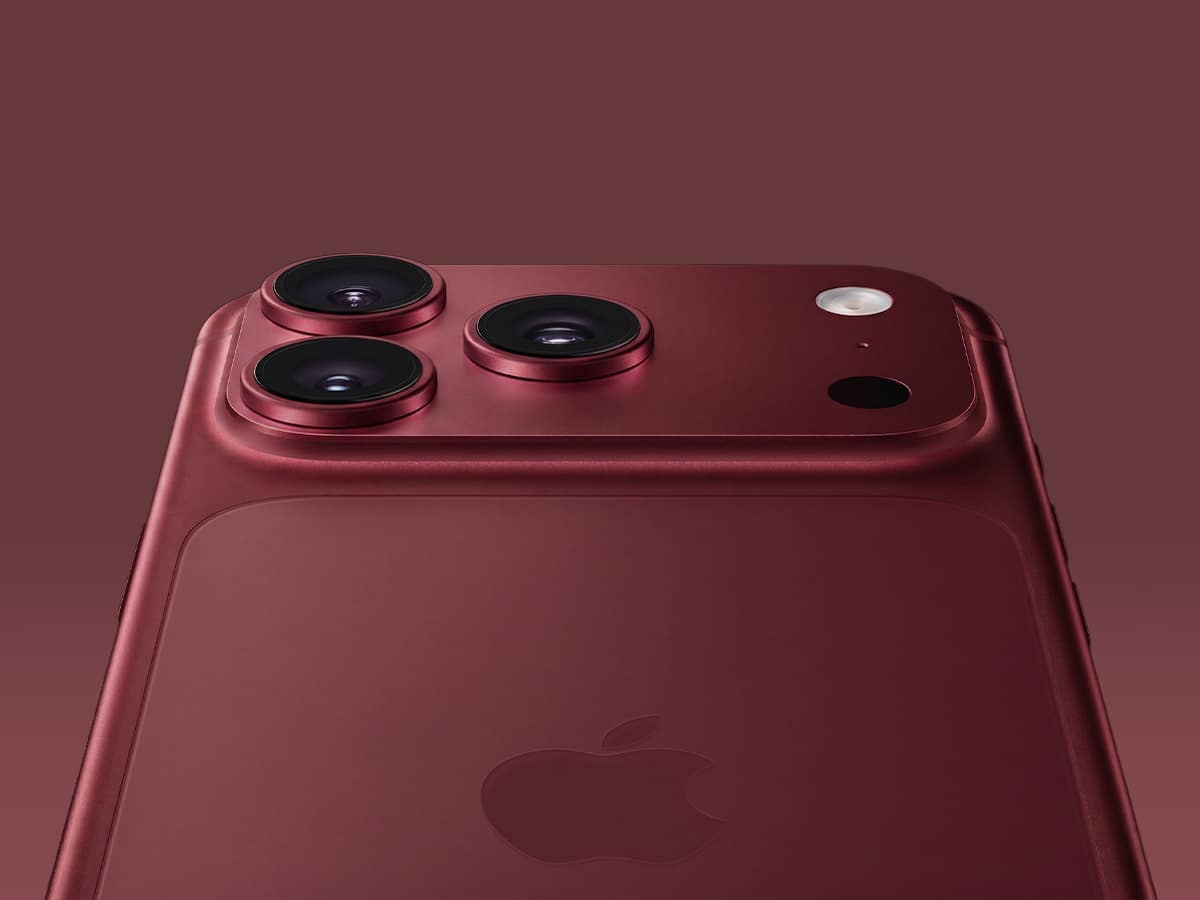
While the immediate damage is limited to the Mac and iPad ranges, the ongoing “RAMageddon” paints a painful financial picture for the upcoming iPhone 18. We already know Apple’s preparing to release the iPhone 18 Pro in September, heavily marketing its on-device AI capabilities. But powering that local AI requires memory (a lot of it).
The latest supply chain leaks suggest that the iPhone 18 Pro and Pro Max will be forced to jump to an uncompromised baseline of 12GB of unified RAM to properly execute generative tasks on the new A20 Pro chip. Prior to this global supply chain crunch, industry analysts had only anticipated a modest AUD$50-100 price bump to cover the TSMC 2nm fabrication costs, forecasting a local starting price around AUD$2,049. Now? All bets are off.
If Apple is willing to put an AUD$300 price increase on a base MacBook Air because memory components are too expensive to secure, the brand’s highly unlikely to swallow the cost of outfitting millions of flagship iPhones with 12GB of silicon. Buyers should brace themselves for the iPhone 18 Pro to receive a brutal, generation-defining price hike when it’s unveiled this September, with the entry-level Pro model potentially jumping to a staggering AUD$2,299.

Should You Bite the Bullet or Wait it Out?
Ultimately, if your current work machine or daily tablet is on its absolute last legs and you cannot afford to put off an upgrade, you’re going to have to swallow your pride and pay the newly inflated prices.
The hardware itself remains unmatched in terms of raw efficiency and battery performance, but the barrier to entry for the ecosystem is now significantly higher. However, if you can afford to hold off, your best bet is to sit tight and wait for the global supply chain to (hopefully) stabilise later in the year. Paying an AUD$300 to AUD$1,000 premium for an Apple device simply because the tech industry can’t sort out its memory chip allocations is a tough pill to swallow.





























Comments
We love hearing from you. or to leave a comment.