

Updated:
Readtime: 7 min
Every product is carefully selected by our editors and experts. If you buy from a link, we may earn a commission. Learn more. For more information on how we test products, click here.
- BMW pushed Spider-Man ads directly to millions of customer dashboards.
- The OTA update affected vehicles running iDrive OS 7 through X.
- Customers found the forced in-car marketing intrusive and highly controversial.
- The promotion was framed by BMW as a special driver surprise.
- Apple faced similar backlash after forcing U2 albums onto user devices.
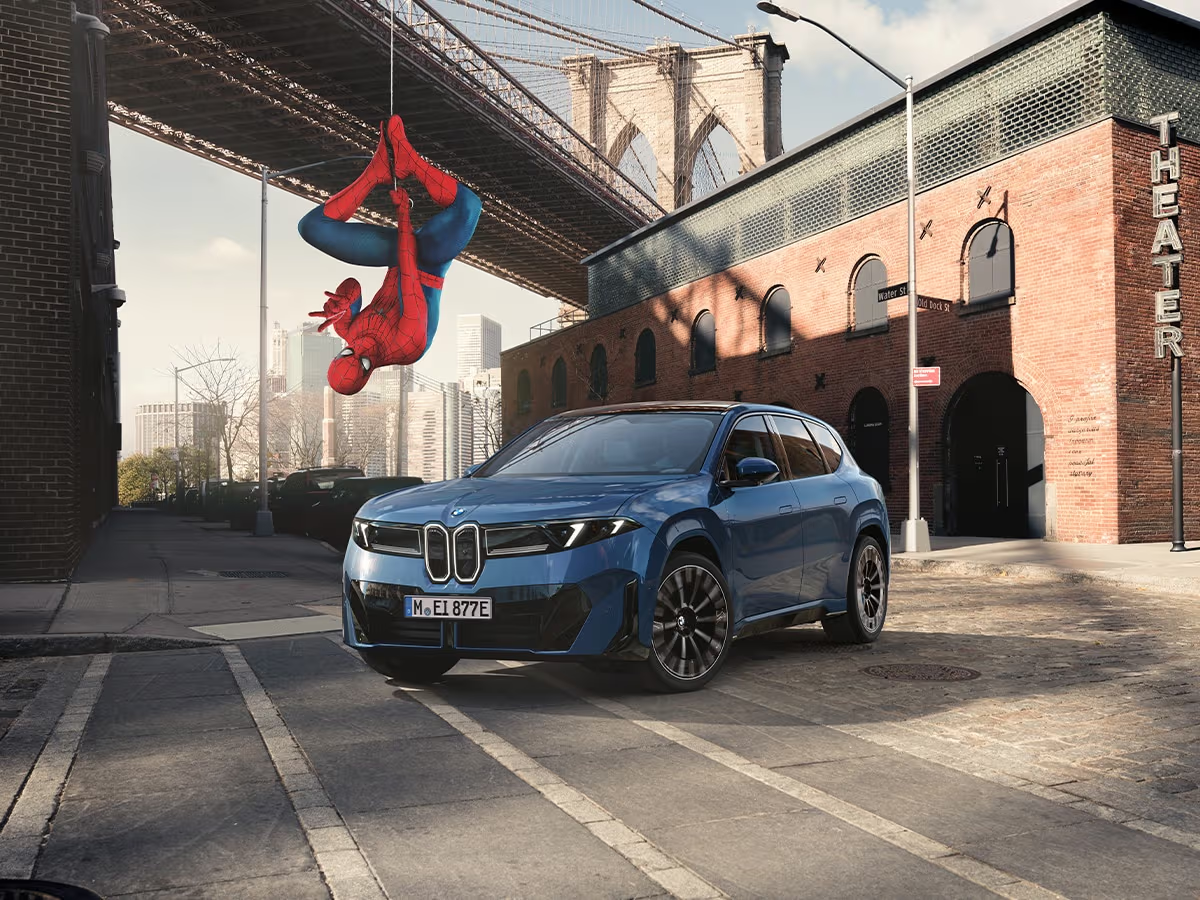
German luxury automaker BMW is facing widespread driver backlash after pushing an unprompted over-the-air (OTA) Spider-Man movie advertisement directly onto customers’ infotainment screens in more than 70 countries. While Mercedes-Benz took touchscreens too far with the launch of its 39.1-inch MBUX Hyperscreen, BMW has crossed a new threshold by deploying a dystopian marketing campaign for Sony Pictures’ Spider-Man: Brand New Day in an over-the-air (OTA) update to vehicles produced after July 2020 running iDrive Operating Systems 7, 8, 8.5, 9, or X.
There’s good news for locals, however, as the controversial dashboard pop-ups won’t land on Australian screens. A BMW Group Australia spokesperson confirmed the rollout was strictly limited to overseas markets: “The Spider-Man festive app animation is part of a global marketing tie-in running across select overseas regions and will not be deployed to BMW vehicles in Australia.”
Still, the controversial push has sparked an intense local debate over whether car companies have the right to monetise private dashboard displays without buyer consent. “I want to run, I want to hide from this eventuality,” remarked one user in a widely discussed Reddit thread regarding the update, encapsulating how sensitive vehicle owners are to software-defined intrusions.
The truth is, for a luxury automotive brand built on engineering precision and prestige, turning the primary control display of a six-figure vehicle into a billboard sets a sad precedent in the industry. When a driver is greeted by a movie marketing banner, the fundamental covenant between automaker and owner is broken. Visuals, music, full-screen animation, and ambient cabin lighting effects may showcase impressive software integration capabilities, but using them for third-party marketing illustrates a clear line the industry shouldn’t cross.
What Automakers Can Learn From Tech Overreach
If this scenario feels familiar, it’s because consumer technology companies provided a blueprint for this exact misstep a decade ago.
Back in September 2014, Apple famously pushed U2’s Songs of Innocence album into the cloud libraries of 500 million iTunes accounts. While it was framed internally as an unprecedented gift to music fans, the move backfired by violating basic user autonomy. Users woke up to forced downloads using phone storage, auto-playing over car Bluetooth connections without any notice. The pushback was so severe that Apple was forced to build a custom online tool specifically to let customers remove the album.
The parallel holds a vital warning for traditional car companies transitioning into software-defined vehicle (SDV) providers. BMW’s defence is that the video doesn’t auto-play while you’re driving down the highway. You have to click the banner first. However, that defence ignores the banner’s intrusive nature, which hijacks the central dashboard display the moment the ignition turns on. It marks a concerning shift in which a major automaker assumes that controlling the software pipeline confers ownership of the driver’s display space and attention.
How BMW Framed Its OTA Movie Campaign
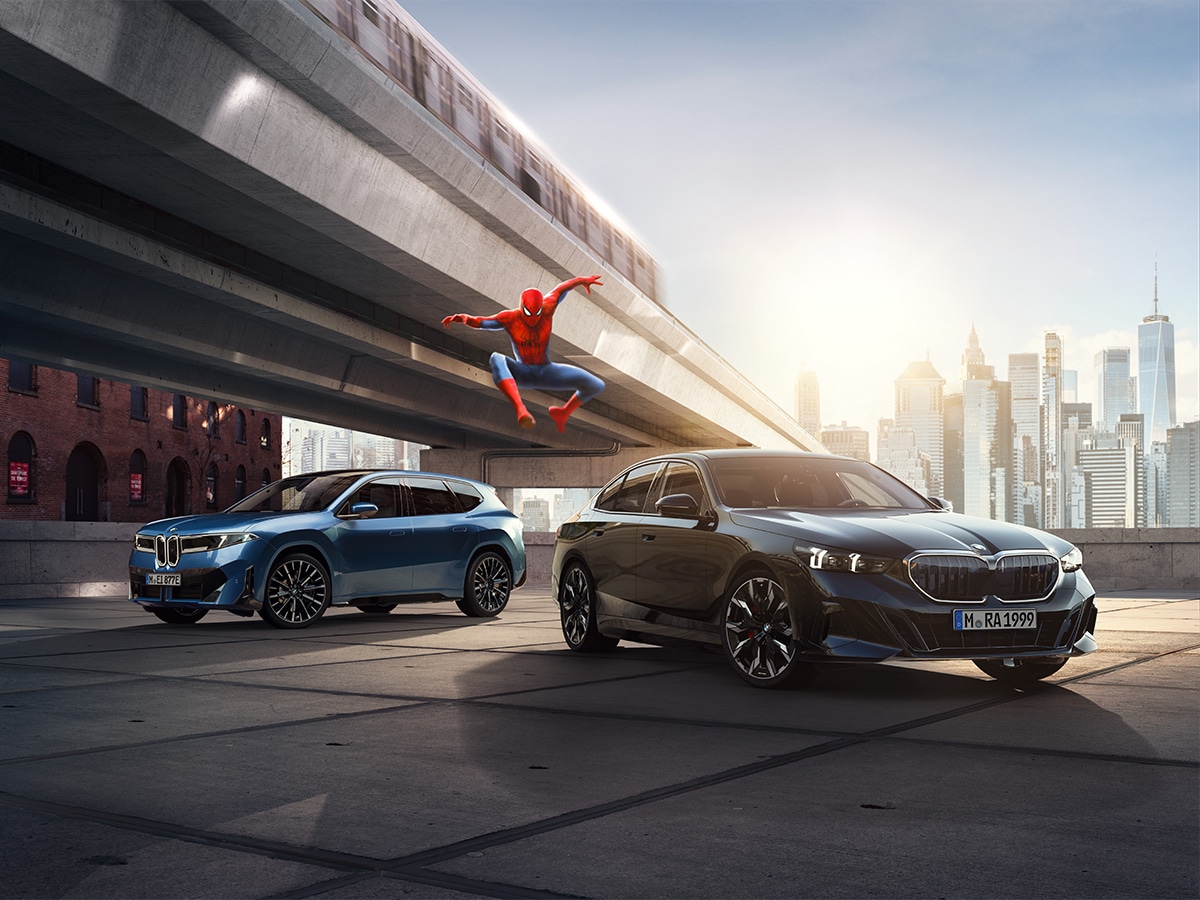
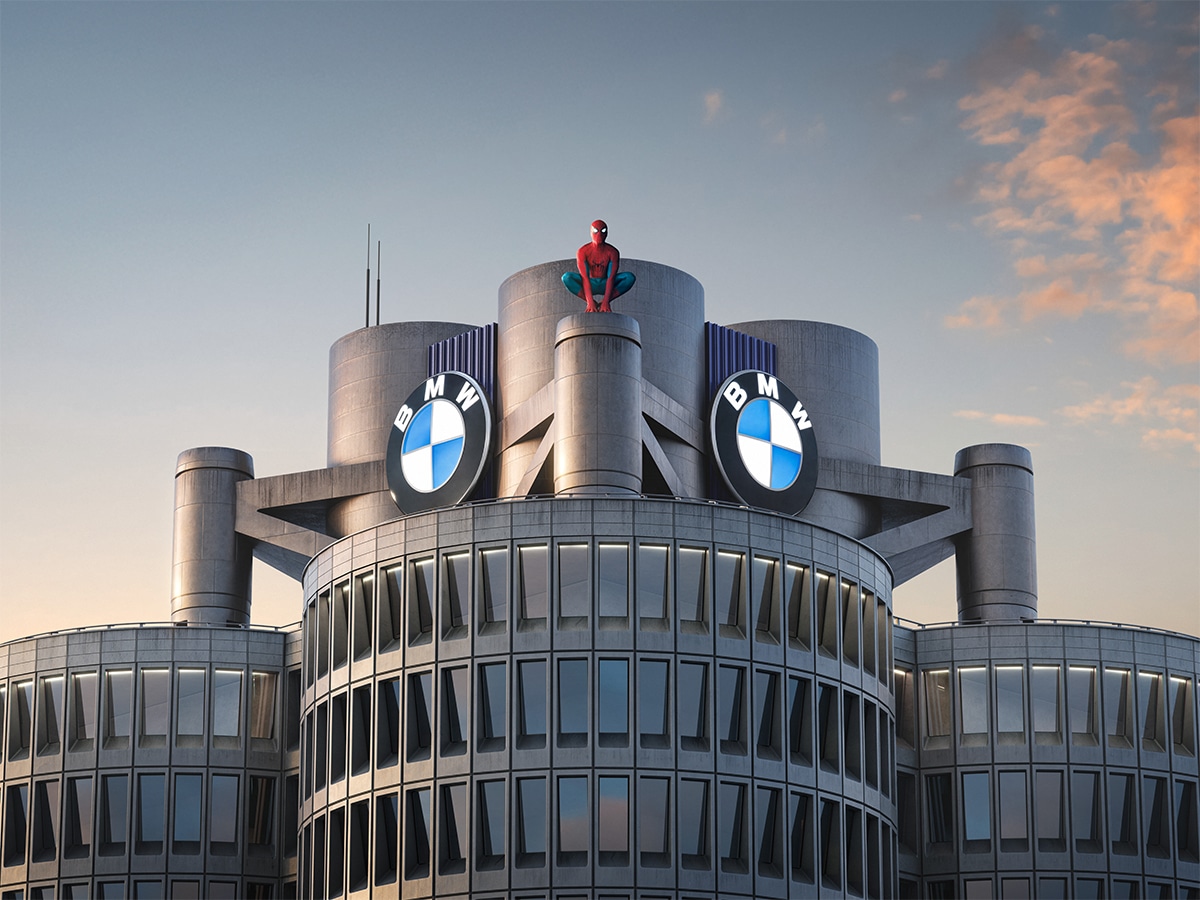
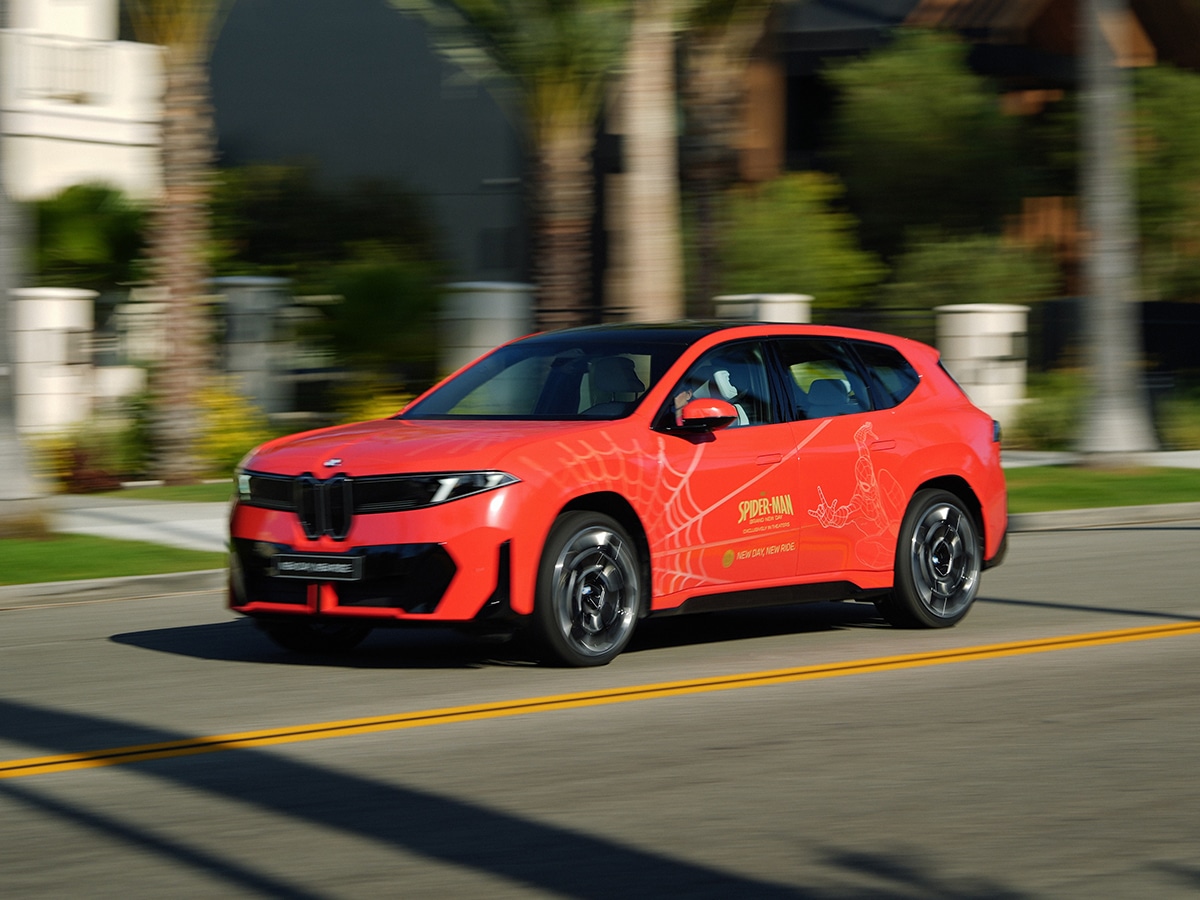
There I was hoping that the official press release would provide some much-needed clarity on the situation. However, BMW leadership rolled out the corporate cheerleading instead, with Senior Vice President Bernd Körber enthusiastically announcing that a “new BMW era joins forces with a brand new day,” celebrating the movie tie-in alongside the launch of the electric Neue Klasse iX3 and 5 Series Sedan. BMW even built a custom “iX3 Flow” wrapped in dynamic E Ink Prism technology to animate superhero graphics across the exterior paintwork.
Worst still was the way BMW described pushing commercials onto customers’ dashboards across 70 countries. It was spun as an “exclusive animation” and a “special surprise for its drivers.”
This severe disconnect between executive marketing strategy and real-world owner perception demonstrates why car companies must tread carefully. When customers invest significant money into a premium product, framing third-party advertising as a “feature” or “surprise” damages brand trust rather than building engagement. In reality, a major Hollywood studio paid a luxury manufacturer to transform private vehicle displays into ad inventory.
How BMW Contradicted Its Own Privacy Promise
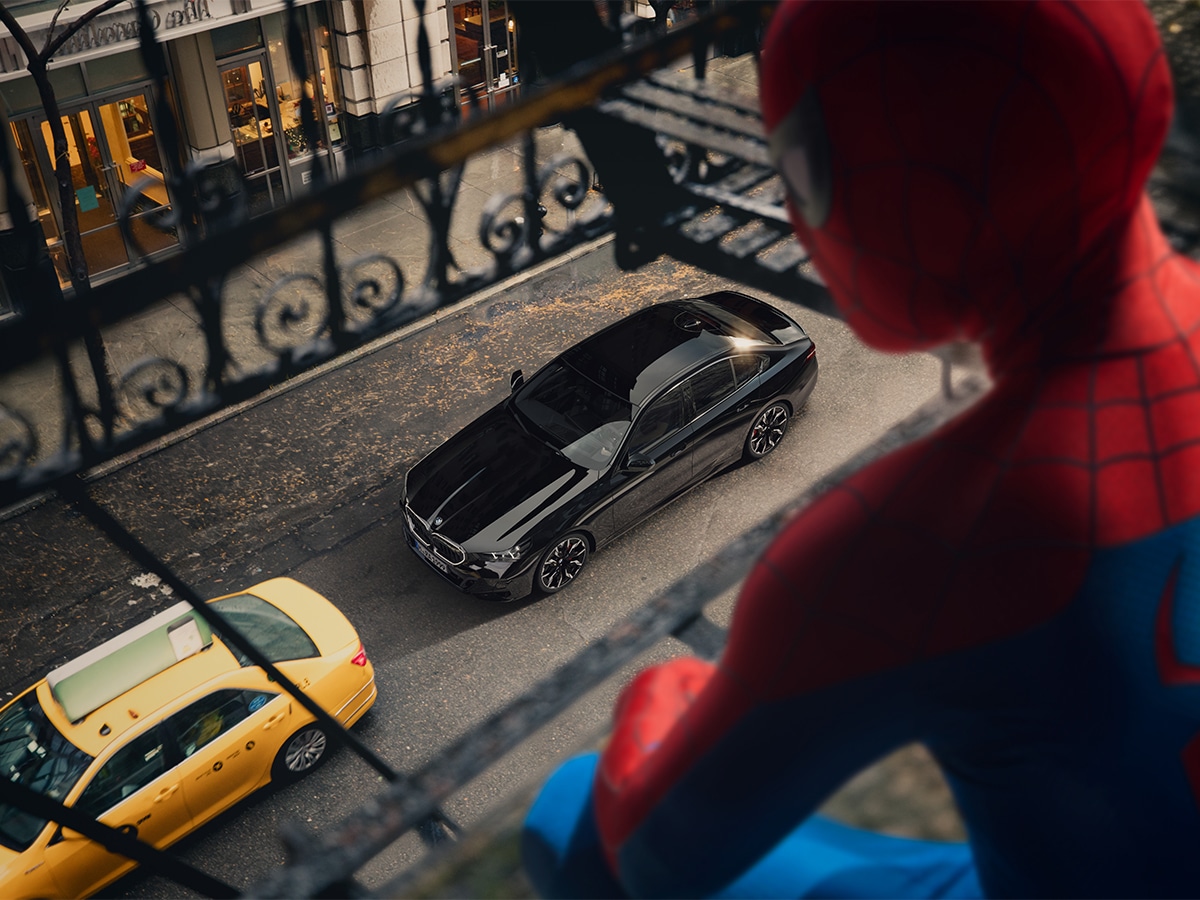
I think what makes this campaign particularly painful is the blatant corporate double-talk. Stephan Durach, Senior Vice President of Connected Company Development at BMW Group, went on record three years ago, during an industry roundtable in December, to explicitly rule out dashboard ads:
“I think your car is your last private space,” said Durach. “It’s where you can do whatever you want by yourself. You have the right temperature, the music you want. To say I’m selling the screen to play a commercial, I don’t see it. It’s a private space.”
It seems less than three years after those reassuring words, “last private space” was packaged up and sold to Sony Pictures. However, this shift was part of a broader, calculated trend as automakers seek recurring revenue from connected cars. This commercial push is just the latest play in BMW’s relentless obsession with wringing post-sale cash from drivers who have already bought their cars.
Let’s not forget when BMW faced global public backlash after forcing owners to pay an AUD$18-per-month subscription fee to unlock heated seats that were already built into the vehicle. Executives eventually admitted to the media that charging monthly fees for seat heaters was “probably not the best way to start.” Did they drop subscriptions? Of course not. On new models, every car rolls off the assembly line with physical hardware for 360-degree cameras, but features like Remote 3D View, M Adaptive Suspension, and many semi-autonomous driving tools are pay-walled.
Why Drivers Must Reject In-Car Advertising
It is time for consumer advocacy groups and vehicle owners to draw a hard line against in-car dashboard advertisements before they become standard practice. If you buy a house, your mortgage company doesn’t get to erect a Spider-Man billboard in your front yard facing your living room window. If you buy a TV, you don’t expect a $100,000 price tag to come with the ad-supported tier of a streaming service.
Your car dashboard is supposed to be a sanctuary, especially with all the BMW “My Modes” pre-installed in new models (such as “Personal”, “Sport”, “Efficient”, “Expressive”, “Relax” and “Digital Art”). It should display your speed, your navigation, and your music. That’s about it. The moment an automaker treats that screen as monetisable ad inventory, the basic covenant between builder and buyer is broken.
If car buyers roll over and accept startup commercials today, every major brand will follow suit. The only way to prevent vehicle displays from becoming rolling digital billboards is for buyers to reject unprompted in-car marketing and demand complete control over their software displays.
Related reads





















Comments
We love hearing from you. or to leave a comment.