


Updated:
Readtime: 14 min
Every product is carefully selected by our editors and experts. If you buy from a link, we may earn a commission. Learn more. For more information on how we test products, click here.
There’s no arguing with the allure of a standout bottle of bubbles. It’s good for celebrations, gifting, an afternoon aperitif and should the occasion call for it, an indulgent mimosa. There’s nothing this French sparkling wine can’t do.
And as the end of the year approaches, bringing with it an endless onslaught of celebrations, there’s a good chance you’ll find yourself in the Champagne aisle of your local bottle shop, trying to figure out if the difference between a $70 bottle and a $150 one is something anyone’s realistically going to notice (they probably will, just FYI).
But fear not. We caught up with The Recreation Bistro & Bottleshop Head Sommelier Liam Stanwell to find out what makes a great Champagne, whether vintage is necessarily better than non-vintage, and what to buy if you really want to impress someone.

8 Best Champagnes in Australia at a Glance
If you’ve got somewhere to be and just need a bottle recommendation, here are some banging Champagnes.
| Champagne | Price | Where to buy | Best for |
| Dehours & Fils Terre de Meunier | $158 | Emperor Champagne | Something unexpected (Stanwell’s pick) |
| Egly-Ouriet Grand Cru Brut | $300 | The Vine Press | Rich, textural Champagne |
| Charles Heidsieck Brut Réserve NV | $110 | Dan Murphy’s | Best value premium Champagne |
| Larmandier-Bernier Les Chemins d’Avize 2016 | $390 | The Wine Square | Pairing with seafood |
| Krug Grande Cuvée | $452 | Sense of Taste | Luxury multi-vintage Champagne |
| Bollinger Rosé NV | $161 | Dan Murphy’s | Gifting |
| Agrapart Vénus Blanc de Blancs Grand Cru 2018 | $783 | International Fine Wines | Chardonnay lovers |
| Billecart-Salmon Les Clos Saint-Hilaire 2005 | $1,375 | Prince Wine Store | The ultimate Champagne splurge |
Ok, now let’s get into the full list. We’ve deliberately ventured beyond some of the more familiar labels for this list, exploring everything from independent grower Champagne to some of the most prestigious cuvées in the region. And while none of these bottles are what you’d call cheap, there are a few around the $100 to $160 mark as well.
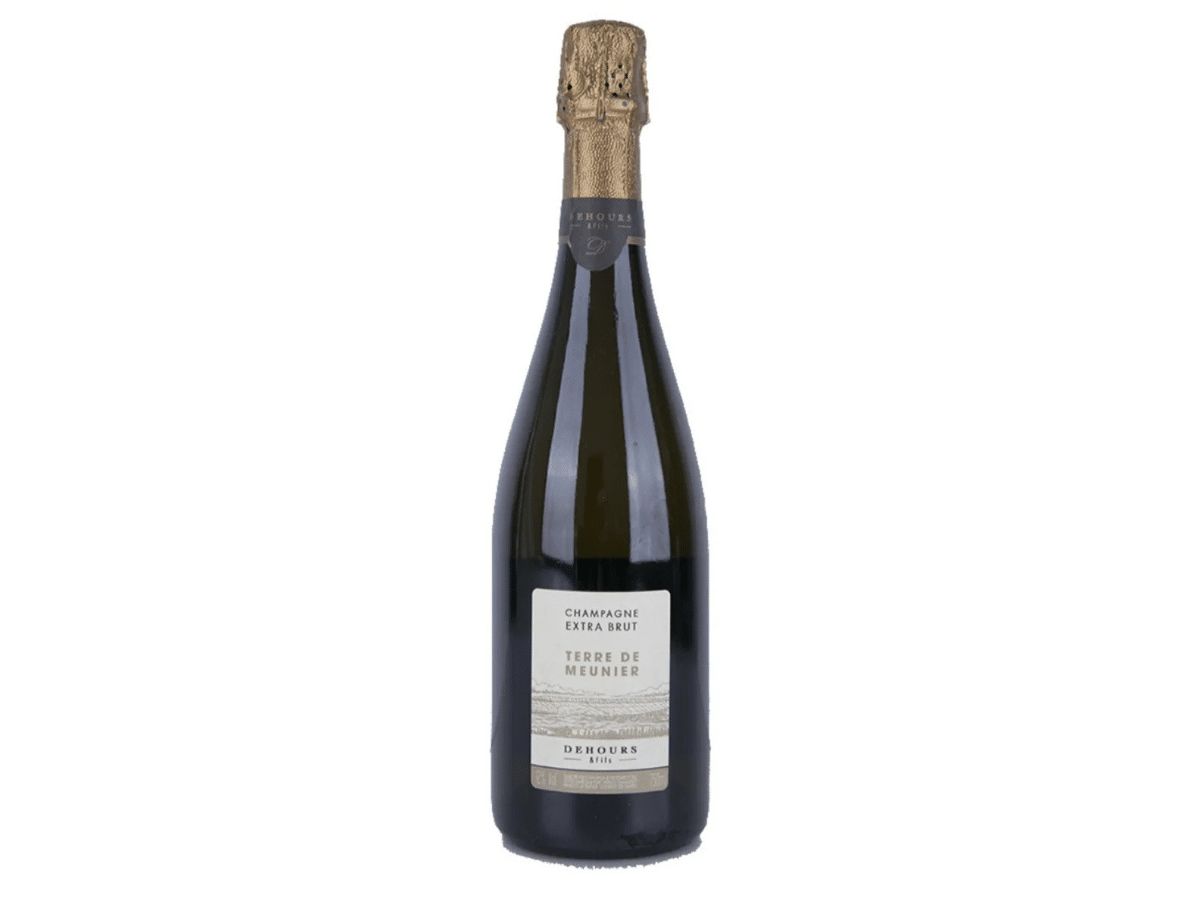
1. Dehours & Fils Terre de Meunier
Produced by Jérôme Dehours in the Marne Valley, Terre de Meunier champions a grape variety that has historically played second fiddle to Chardonnay and Pinot Noir.
Made entirely from Meunier, the Champagne combines fruit characteristics with the savoury, toasted notes that develop through extended lees ageing. It’s rich, expressive and, according to Stanwell, a bottle of Champagne you bring along to a social occasion when you’re hoping to turn a few heads.
“You drink it you’re like, holy shit, that’s so cool,” he says. High praise indeed.
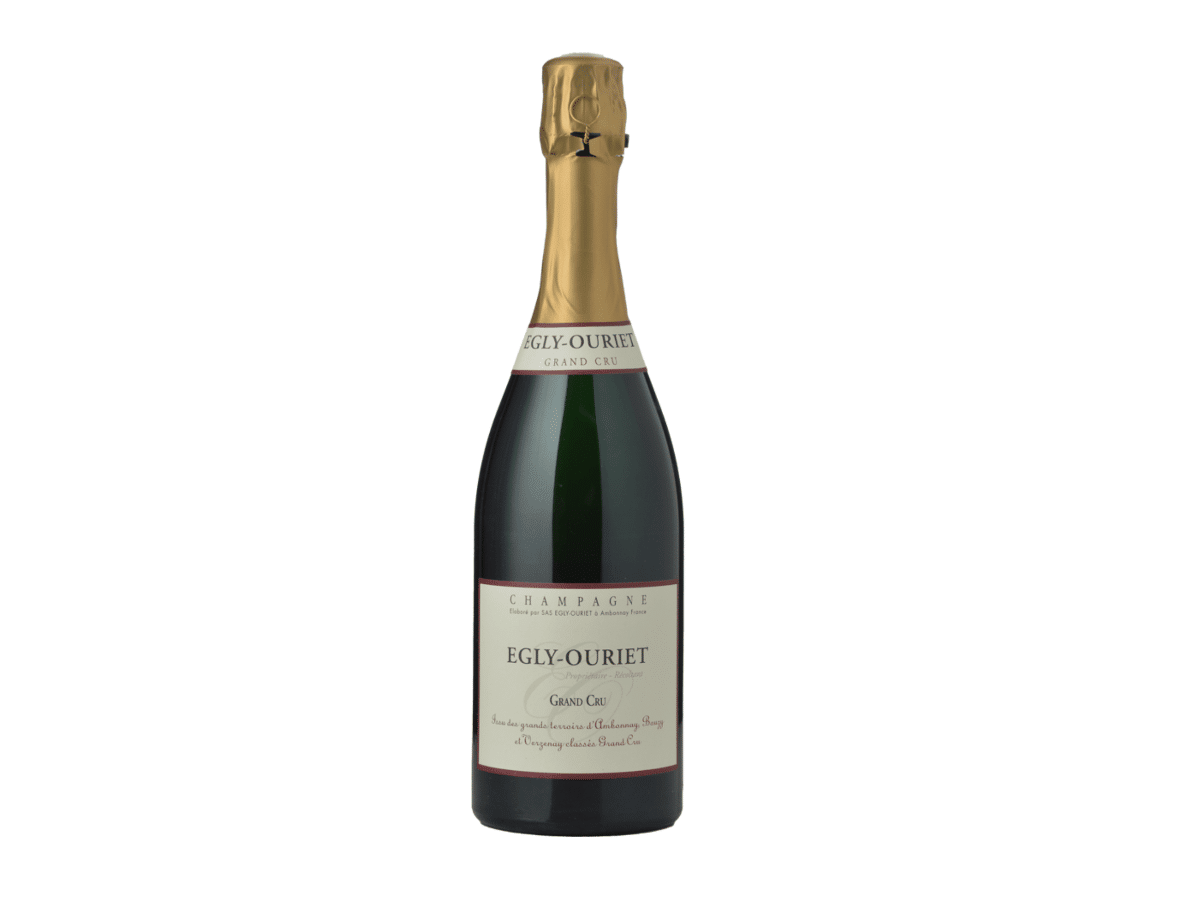
2. Egly-Ouriet Grand Cru Brut
If you like rich textural Champagne with plenty of brioche and savoury characteristics, let me introduce you to Egly-Ouriet.
Based in the Grand Cru village of Ambonnay, Francis Egly is one of the region’s most accomplished grower-producers. His Pinot Noir-led Grand Cru Brut benefits from extended lees ageing, resulting in a Champagne with extraordinary concentration, ripe fruit and layers of toasted, nutty complexity.
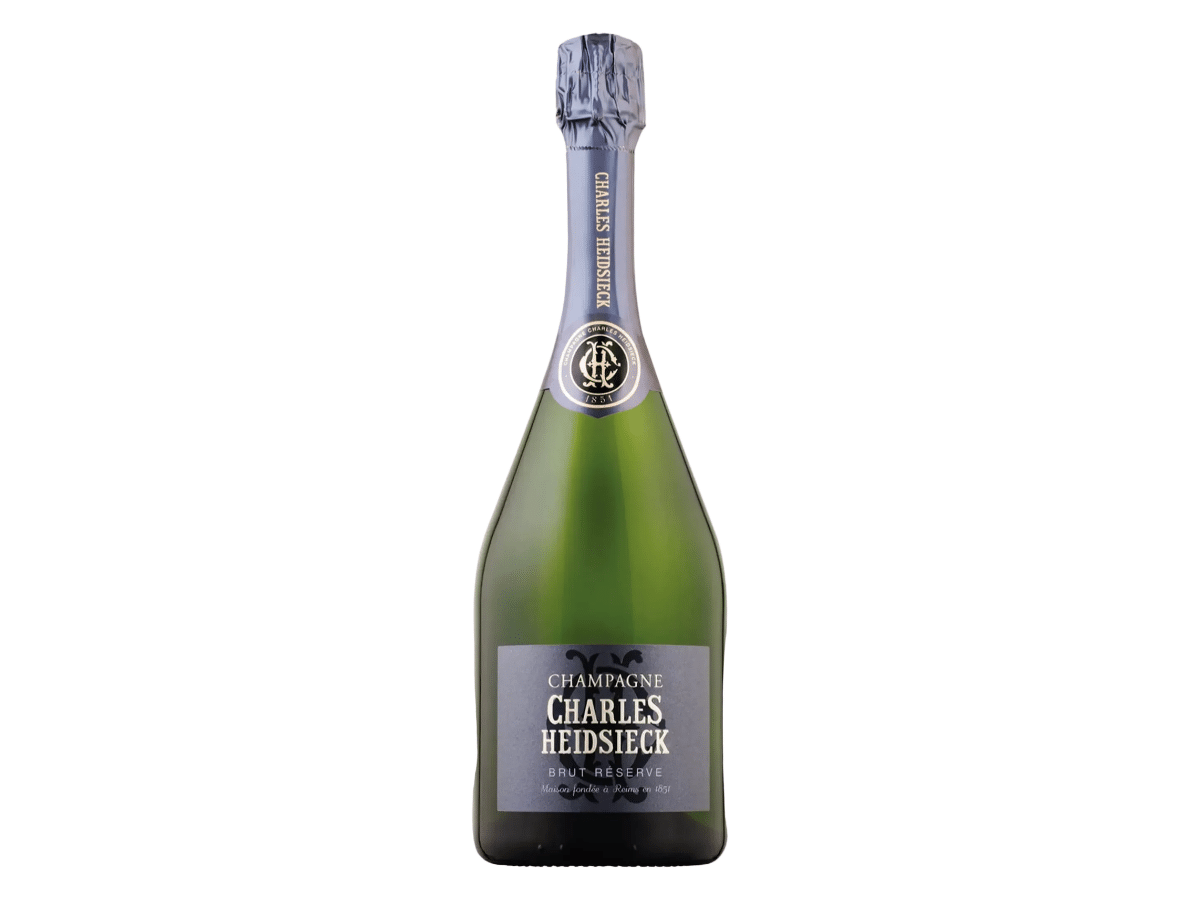
3. Charles Heidsieck Brut Réserve NV
Despite being founded in 1851, Charles Heidsieck doesn’t have quite the same household recognition in Australia as some of its French counterparts (but it should).
The house is well regarded for its extensive collection of reserve wines, which contribute to the richness and complexity of its flagship Brut Réserve. Expect ripe stone fruit, freshly baked brioche and a creamy texture.
At $110, it’s the least expensive Champagne on our list and one you can easily pick up through Dan Murphy’s.
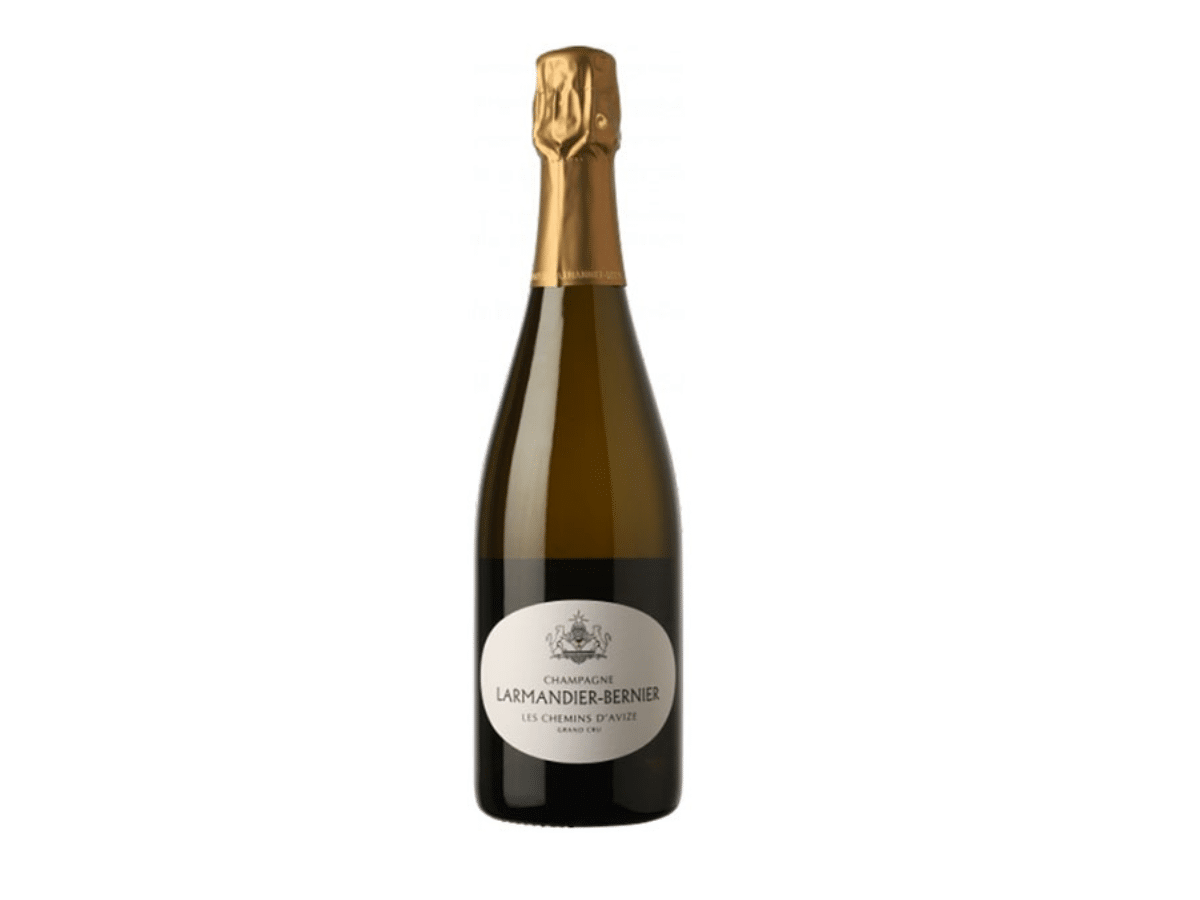
4. Larmandier-Bernier Les Chemins d’Avize 2016
If your idea of a perfect summer lunch involves a mountain of freshly shucked oysters and a few kilos of prawns, put Larmandier-Bernier on your shopping list.
The family-run estate is based in the Côte des Blancs, a part of Champagne known for its Chardonnay. Les Chemins d’Avize is made from grapes grown in two parcels of old vines in the Grand Cru village of Avize, where the chalk-rich soils contribute to the wine’s distinctive mineral character.
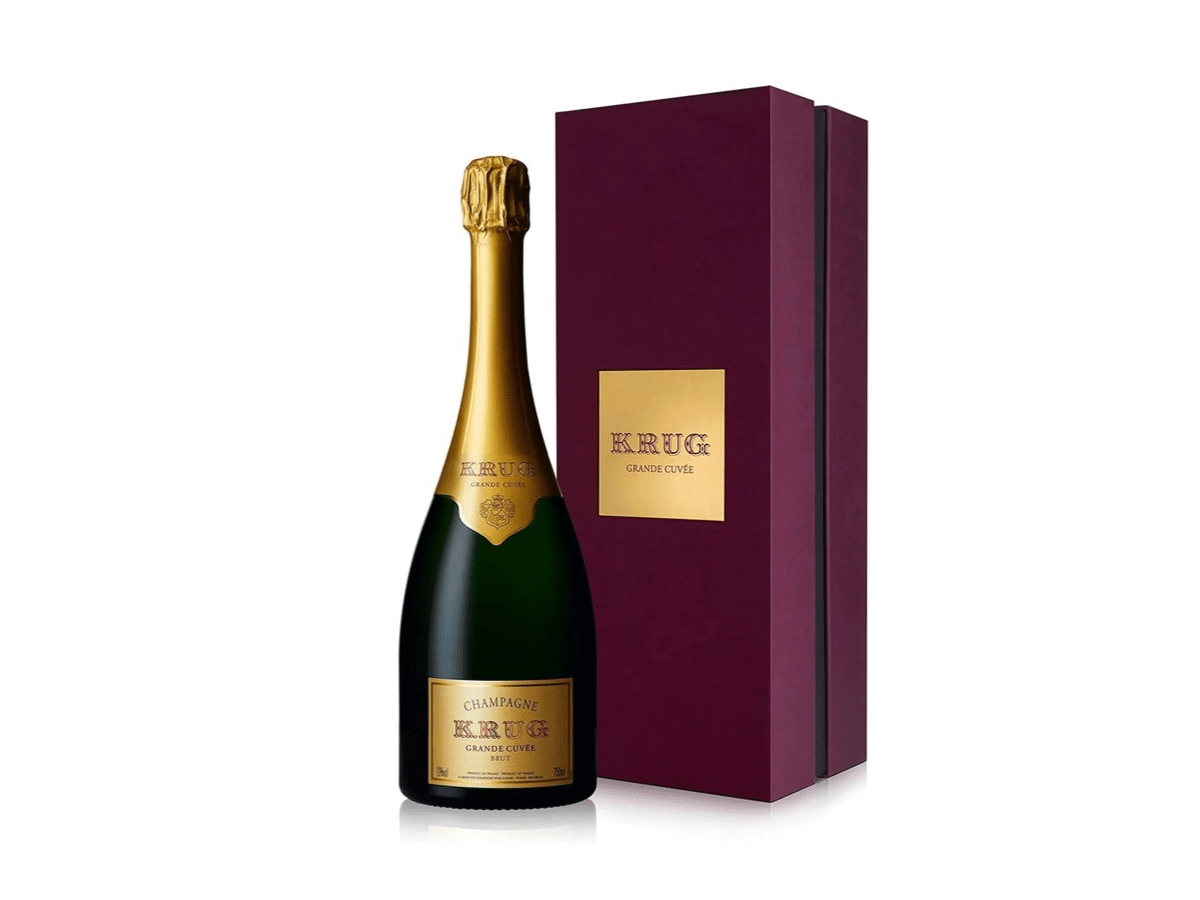
5. Krug Grande Cuvée
Since founding the house in 1843, Joseph Krug’s philosophy was to create an exceptional Champagne every year, regardless of variations in the harvest. Today, each edition of Grande Cuvée brings together wines from numerous harvests, drawing on the house’s extensive library of reserve wines.
The result is a delicious and complex Champagne, with notes of toasted nuts, honey, citrus peel and freshly baked pastry. At $452, it’s certainly not an everyday drop, but if you’re going to experience one of the great Champagne houses at its finest, Krug is a must.
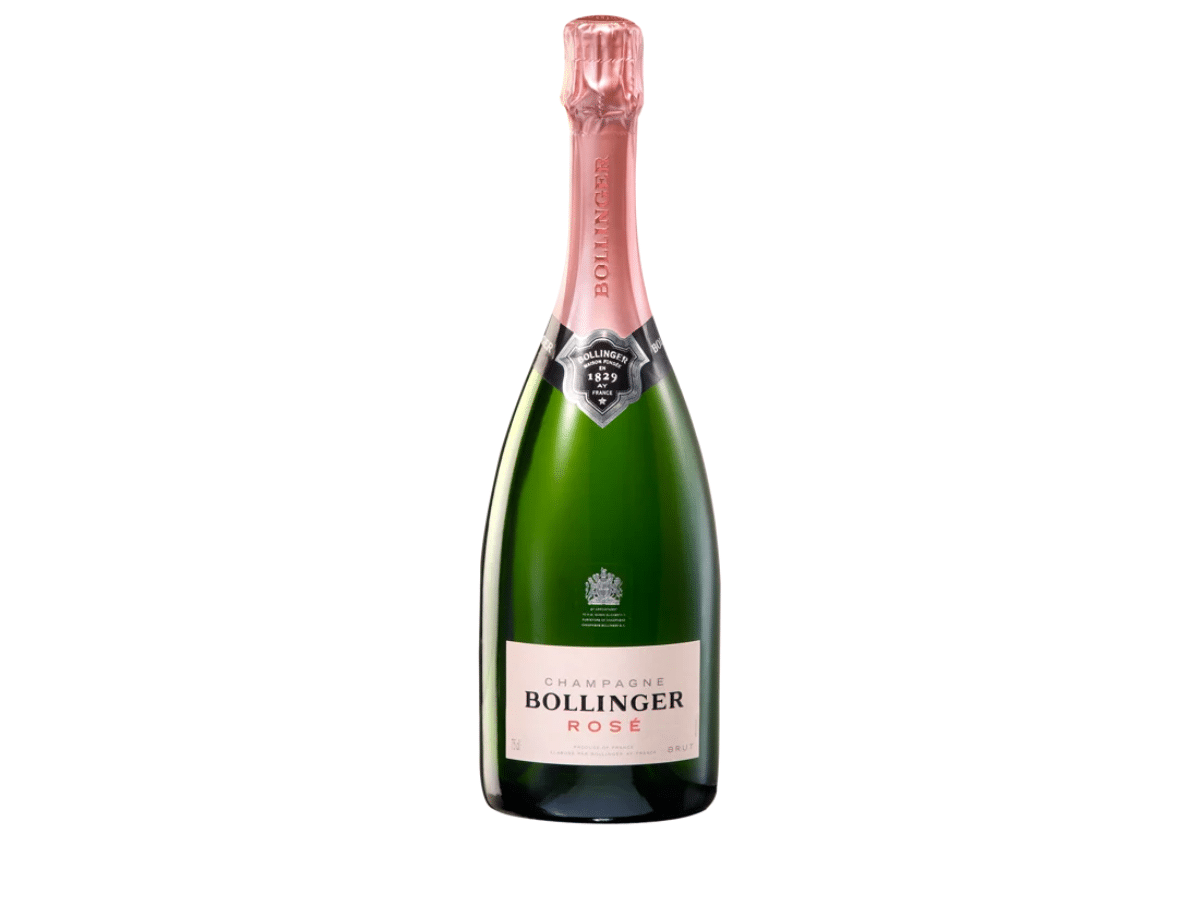
6. Bollinger Rosé NV
If your experience with Bollinger starts and ends with its Special Cuvée, it’s time to expand your horizons.
The Champagne retains its signature Pinot Noir-led richness and structure, with the addition of red wine bringing notes of wild strawberry, raspberry and redcurrant into the mix.
It’s a great bottle to gift someone, especially if you don’t know their wine preferences.
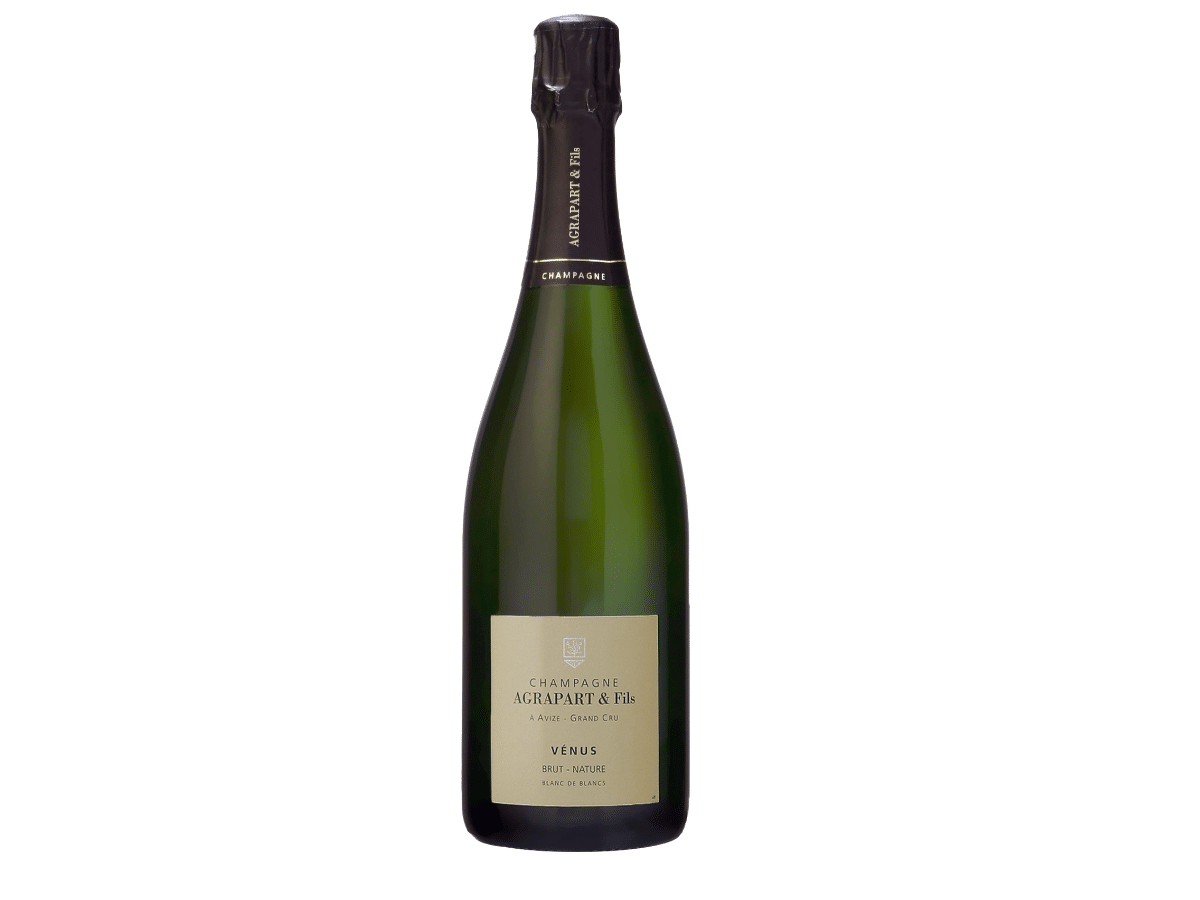
7. Agrapart Vénus Blanc de Blancs Grand Cru 2018
Among sparkling wine drinkers who take their Champagne seriously, Agrapart is a favourite. The family estate, based in Avize, has become renowned for producing Champagnes that express the individual characteristics of their vineyards.
Vénus is made entirely from Chardonnay grown in a single parcel in Avize and bottled without dosage, meaning no sugar is added at the final stage of production, creating a Champagne with pronounced minerality, freshness and depth.
It’s not cheap, but for someone who loves Blanc de Blancs, this is a very special bottle.
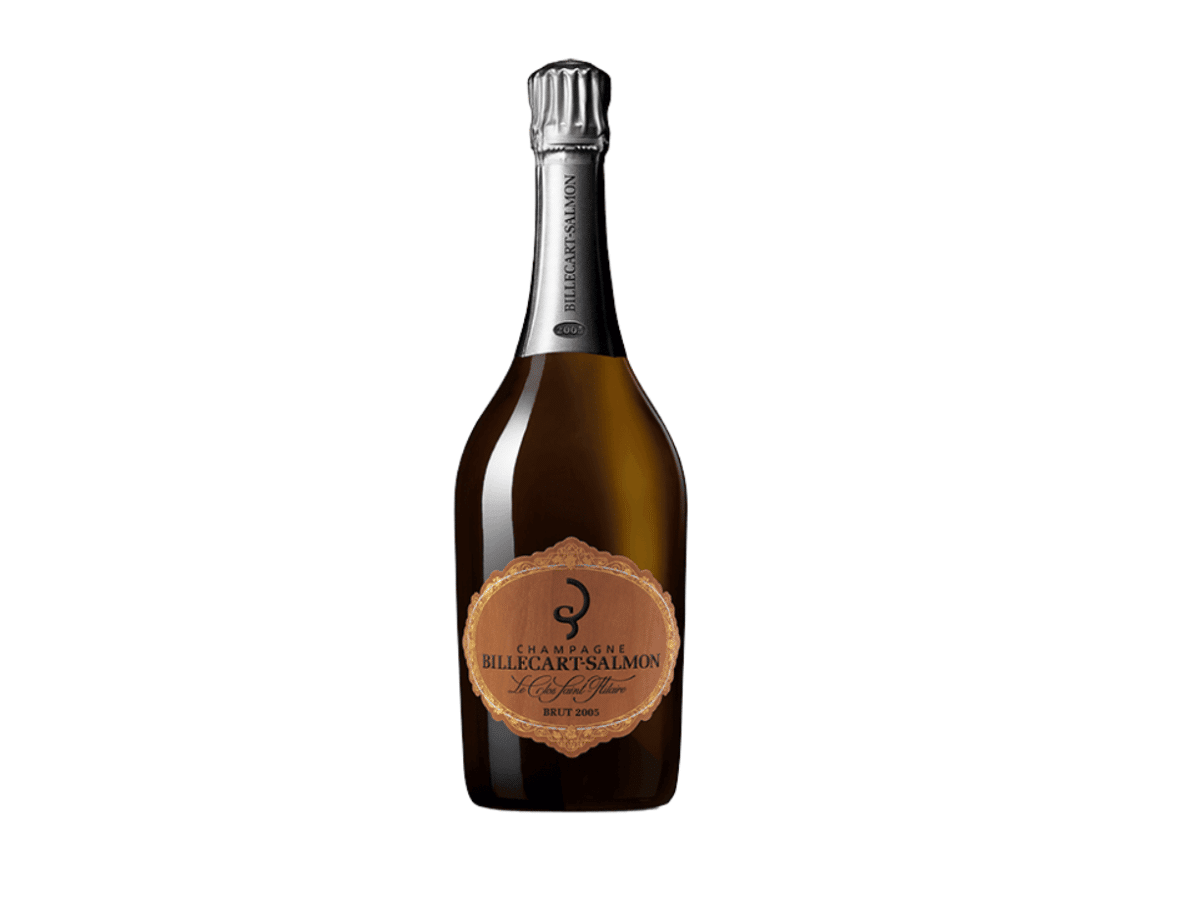
8. Billecart-Salmon Les Clos Saint-Hilaire 2005
So, what does a $1,375 bottle of Champagne get you? Well, in this case, Pinot Noir from a single, one-hectare enclosed vineyard in Mareuil-sur-Aÿ, decades of winemaking expertise and a mind-boggling amount of patience.
Named after the patron saint of the village, Les Clos Saint-Hilaire is produced in limited quantities and only in selected years. The 2005 vintage has had years to develop complexity younger Champagnes haven’t had the time to acquire, with rich, savoury characteristics alongside dried fruit, spice and toasted notes.
Is it a bottle to take to the office Christmas party? Probably not. But for a significant milestone or a special occasion, it’s hard to find a more impressive Champagne.
What is Champagne?
All Champagne is sparkling wine, but not all sparkling wine is Champagne.
To officially be called Champagne, the wine must come from the Champagne region in northeastern France and adhere to a strict set of regulations governing everything from where the grapes are grown to how they’re harvested, fermented and aged.
Champagne is predominantly made from three grape varieties: Chardonnay, Pinot Noir and Meunier (also known as Pinot Meunier). It’s produced using what’s known as the traditional method (méthode traditionnelle), whereby a second fermentation takes place inside the bottle, creating those lovely little bubbles.
The wine then spends time ageing on lees (the residual yeast cells left behind after fermentation), which is where many of those distinctive brioche, biscuit and toasted bread characteristics come from.
Of course, Champagne isn’t the only sparkling wine made this way. Spanish Cava, Italian Franciacorta, French Crémant and many Australian sparkling wines are produced using the traditional method, too. And as we’ll get into a little later, some of these offer exceptional drinking for a fraction of the price.
But Champagne’s particular combination of climate, chalk-rich soils, grape varieties and centuries of winemaking expertise gives it a character all of its own.
How to Choose a Good Champagne
While there is objectively good Champagne and not-so-good Champagne, Champagne isn’t one homogeneous category of wine, and two bottles sitting next to each other on the shelf can taste wildly different.
For Stanwell, he particularly appreciates the richer end of the Champagne spectrum.
“I like my Champagnes quite rich, rich textural,” he tells Man of Many. “I like those briochey, toasty, cheesy notes that some Champagnes can really show off.”
If you’ve ever had a glass of Champagne that tasted like freshly baked bread or a buttery croissant, you’ll know what he’s talking about.
But if that doesn’t sound appealing, there are plenty of lighter, fresher and fruitier styles available. And one of the easiest ways to narrow down your options is to understand the grapes that went into the bottle.

The Different Types of Champagne Grapes
The three principal grape varieties used in Champagne are Chardonnay, Pinot Noir and Meunier. While many Champagnes are made using a blend of these grapes, knowing which variety dominates can give you a good indication of what to expect.
| Grape Variety | Typical Characteristics | Best For |
| Chardonnay | Citrus, freshness, finesse and mineral characteristics | Light, delicate Champagne |
| Pinot Noir | Structure, body, red fruit and intensity | Powerful, fuller-bodied Champagne |
| Meunier | Ripe fruit, roundness and richness | Fruity, approachable Champagne |
According to Stanwell, those who prefer a fine, delicate and elegant Champagne should look for a Blanc de Blancs.
The term translates to ‘white of whites’ and, in Champagne, typically refers to a wine made entirely from Chardonnay.
“Champagnes that are Pinot Noir dominant are usually very structured and powerful,” he explains, adding that you can sometimes pick up red fruit characteristics, such as red apple skin.
For something fruitier and richer, however, Stanwell suggests looking towards Meunier.
Just remember as with any wine, these characteristics are a starting point. How the Champagne is made, how long it’s aged and the producer’s individual approach all determine the final taste and texture.
Big Champagne Houses vs Grower Champagne
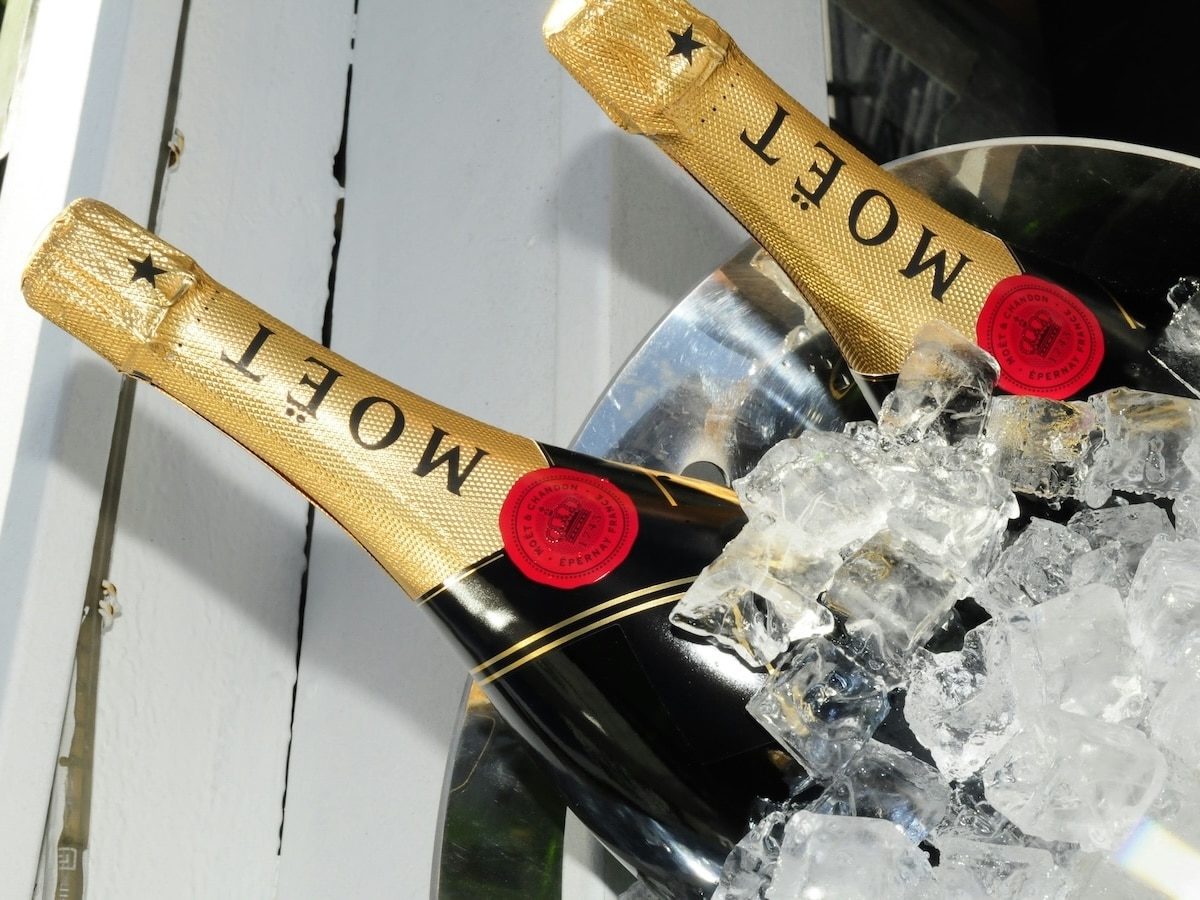
Moët & Chandon, Veuve Clicquot, Bollinger, Taittinger and Krug – even if you know next to nothing about wine, you’ve probably heard at least a few of these names.
These established Champagne houses have spent decades (and in some cases centuries) developing recognisable styles. And there’s a very good reason why they remain so popular: consistency. That is, you know exactly what you’re getting each time.
“Every time you pick a bottle of Veuve, you know it’s going to taste exactly the same,” says Stanwell.
To achieve this level of consistency, Champagne houses maintain extensive stocks of reserve wines from previous harvests, which their cellar masters carefully blend with younger wines to recreate the house’s signature flavour profile year after year, regardless of variations in growing conditions.
Grower Champagne on the other hand, are typically smaller producers making Champagne from grapes grown in their own vineyards. While they may also use reserve wines in their blends, their approach usually places greater emphasis on the characteristics of a particular vineyard, harvest or growing season. The result is, of course, a little more variation from one release to the next.
As Stanwell points out, some drinkers appreciate that variation, while others prefer knowing exactly what they’re going to get.
There’s no wrong answer, but if you’ve been buying the same bottle of Champagne for the past five years, a grower Champagne might be a good place to branch out. Look for the letters ‘RM’ (Récoltant-Manipulant) on the label, which identify a grower making and marketing Champagne mostly from their own grapes.
Is Vintage or Non-Vintage Champagne Better?
Given the price difference between most vintage and non-vintage Champagnes, you’d probably assume vintage is the superior option, but Stanwell doesn’t necessarily agree.
“Non-vintage Champagne is the absolute hallmark of the region,” he explains.
Vintage Champagne is made using grapes harvested in a single year. As a result, the characteristics of that particular growing season are reflected in the finished wine, meaning releases can vary significantly.
Non-vintage Champagne, often labelled ‘NV’, is typically made by blending wines from multiple harvests. This allows producers to create more consistent flavours and maintain the signature style of their house.
Vintage releases may get the attention of collectors, but it’s the non-vintage bottles that form the backbone of many Champagne houses.
“It’s the workhorse, and it’s the workhorse for a reason,” Stanwell says. “Delicious, consistent.”
So, if you’ve ever felt a little stingy turning up to a celebration with a bottle of non-vintage Champagne, don’t. In many cases, you’re buying the wine that best represents the producer.
Why is Champagne So Expensive?
We all know Champagne isn’t cheap, but why does the price vary so significantly from other sparkling wines? Yes, there’s an element of paying for the name, but it’s also how it’s produced.
Champagne can only come from the Champagne region of France, where producers must follow strict regulations governing how the wine is grown, harvested and made.
“All Champagne has to be hand harvested,” Stanwell explains. “They can’t use machines, so the labour cost is already quite high.”
Then there’s the time involved; non-vintage Champagne must spend a minimum of 15 months maturing in the producer’s cellars before release, while vintage Champagne requires at least three years. Many producers go well beyond these minimum requirements.
During this maturation process, Champagne spends time in contact with lees, the yeast sediment left behind following fermentation. This contributes to some of the more complex flavours and textures associated with Champagne, including toasted bread, brioche and savoury notes.
Factor in the cost of vineyard land, labour, production, storage, distribution and importing the wine halfway around the world to Australia, and you can start to understand why it costs what it costs.
Is Cheap Champagne Worth Buying?
If your budget is under $100 and you’re set on buying something with the word ‘Champagne’ on the label, Stanwell suggests reconsidering your priorities.
“I think if you want to find good cheap Champagne, you should be looking for sparklings from other regions,” he says.
In other words, you may well get a better bottle of sparkling wine for your money if you’re willing to forgo the Champagne designation.
And living in Australia, we’ve got some great sparkling wine producers, particularly in Tasmania with producers like House of Arras, Jansz and Clover Hill.
If you’re attached to the idea of French bubbles, look for Crémant. Produced in other French wine regions, including Burgundy, Alsace and the Loire Valley, Crémant is made using the traditional method but often comes without the Champagne price tag.
For something outside France, Spanish Cava and Italian Franciacorta are also great picks.
Life’s Too Short for Bad Bubbles
Perhaps the biggest takeaway from our chat with Stanwell is that there’s plenty to be gained from venturing beyond the Champagne houses we know and love. Whether it’s a lesser-known grower championing Meunier, a particularly special Blanc de Blancs or a beautifully made non-vintage from one of the historic houses, knowing a little more about what goes into the bottle makes spending your hard-earned cash on it all the more worthwhile.
And one last thing: if someone gifts you a good bottle of Champagne, don’t leave it gathering dust while you wait for an occasion worthy of opening it. A good bottle of Champagne is an occasion in itself.
Best Champagne FAQs
G.H. Mumm Grand Cordon and Piper-Heidsieck Cuvée Brut are some of the best Champagnes you can get under $100.
Champagne is a type of sparkling wine produced in the Champagne region of France according to specific production regulations. Sparkling wines made elsewhere, even those using the same traditional production method, can’t be labelled Champagne.
Brut refers to the sweetness classification of Champagne. Brut Champagne contains less than 12 grams of sugar per litre and is usually considered quite dry. Other sweetness classifications include Brut Nature (bone-dry), Extra Brut (very dry), Extra Dry (slightly sweet), Sec (moderately sweet), Demi-Sec (sweet) and Doux (very sweet).
Once opened, Champagne is best drunk within one or two days (just make sure you store it in the fridge with a Champagne stopper to help preserve the bubbles).
























Comments
We love hearing from you. or to leave a comment.