


Updated:
Readtime: 5 min
Every product is carefully selected by our editors and experts. If you buy from a link, we may earn a commission. Learn more. For more information on how we test products, click here.
Amazon Game Studios‘ highly-anticipated 2027 release of Tomb Raider: Legacy of Atlantis is building excitement among fans with the release of ‘mini-documentaries’, giving a peek at creative choices and behind-the-scenes footage, revealing what players can expect from this iteration of Lara Croft and Tomb Raider as a franchise.
The latest mini-doc covers how they’ve approached puzzles, traps and the wider Tomb Raider environment, harking back to what people loved about the original games. Legacy of Atlantis is produced in collaboration with Crystal Dynamics and Flying Wild Hog, with Crystal Dynamics design director, Jason Epps, noting the team had an “ambition to remake the very first Tomb Raider.”
It’s a way for lovers of the original mid-90s games, as well as a new audience, to experience the buried treasure of the beloved franchise, sharing in Lara Croft’s discovery of uncharted corners of the world and mythological relics, opening the game and story in a way which Epps describes as “a treasure box… which celebrates them and the franchise.”
But what exactly is the difference (and familiarity) in Tomb Raider: Legacy of Atlantis?
What Kind of Lara Croft is She?
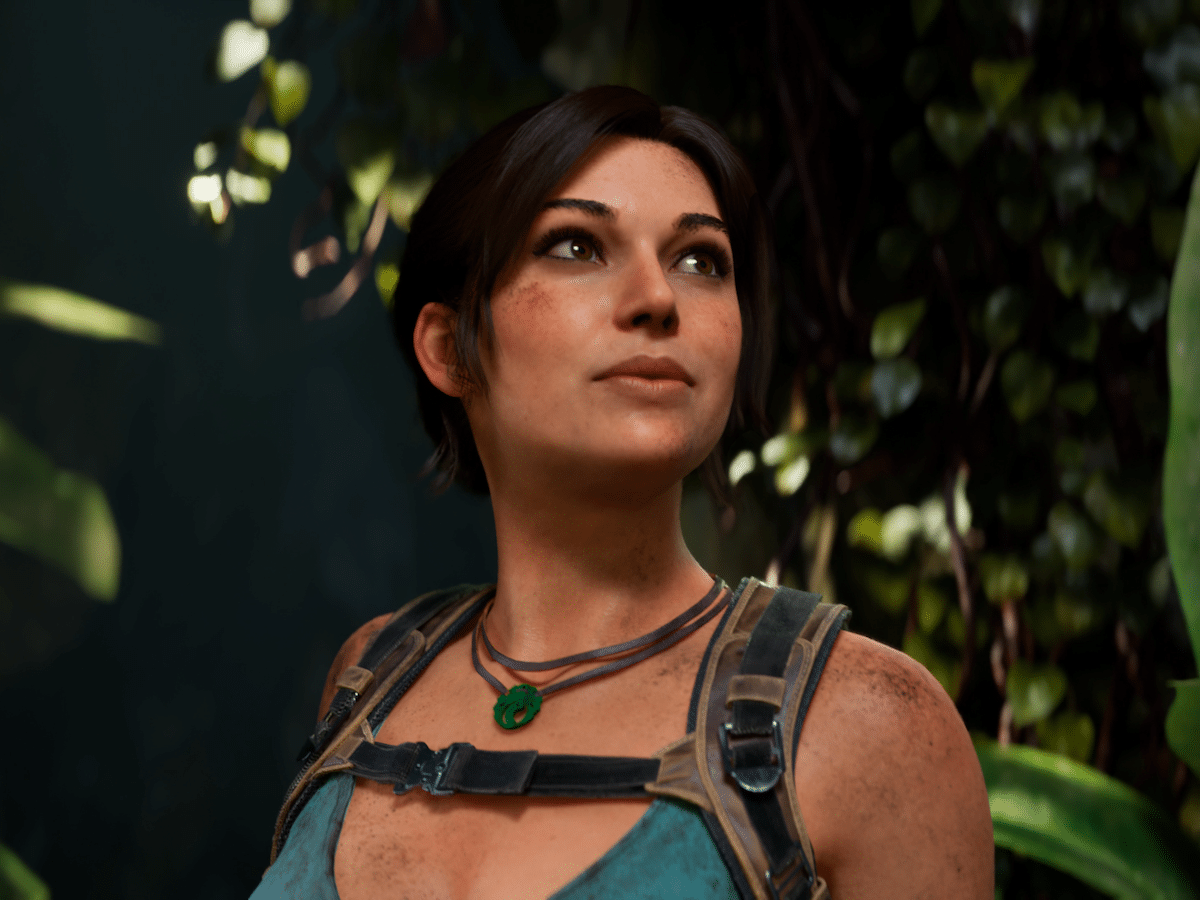
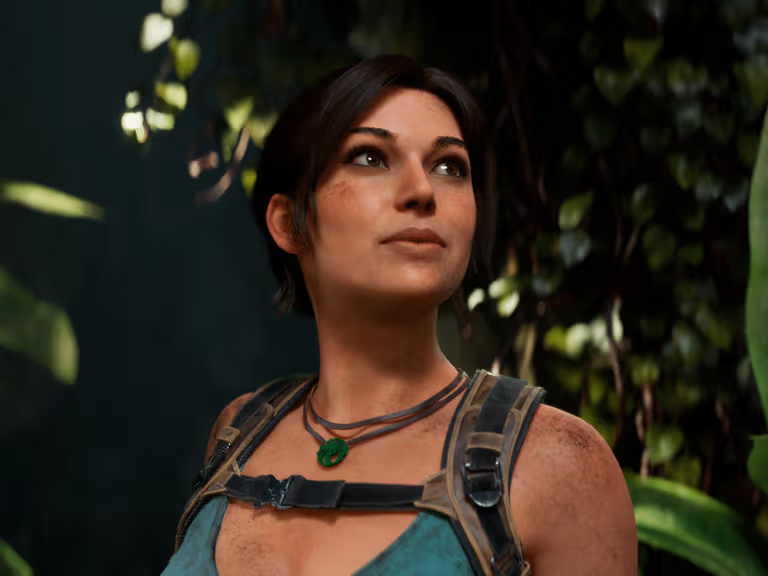
Legacy of Atlantis sees Lara, voiced by Alix Wilton Regan, as a mature, fully formed Lara Croft. Though she bears the wounds and scars of her adventures and standing as a wealthy heiress of the Croft family, she is beloved for her style and wit, making her as charismatic as the treasures she unfolds.
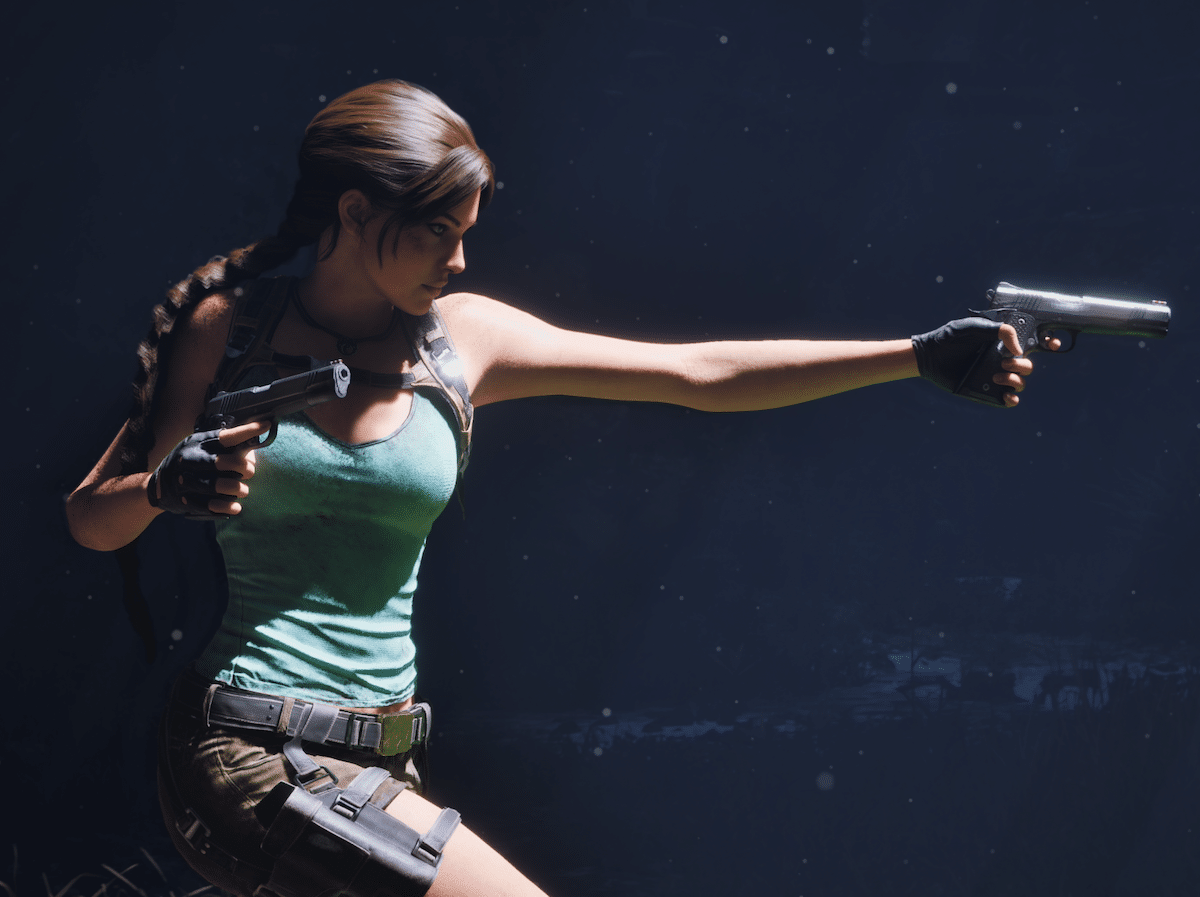
With more tombs in her holsters compared to Square Enix’s ‘Survivor’ trilogy, Lara, doesn’t see herself as ‘that kind of Croft’. Instead, this Lara Croft swan-dives atop waterfalls while maintaining a perfectly maintained braid, sipping champagne in her free time. She’s unafraid and self-assured. The dual-pistol wielding Croft somersaults back into the fray.
‘Tomb Raider: Legacy of Atlantis’ Environment & Puzzle Design
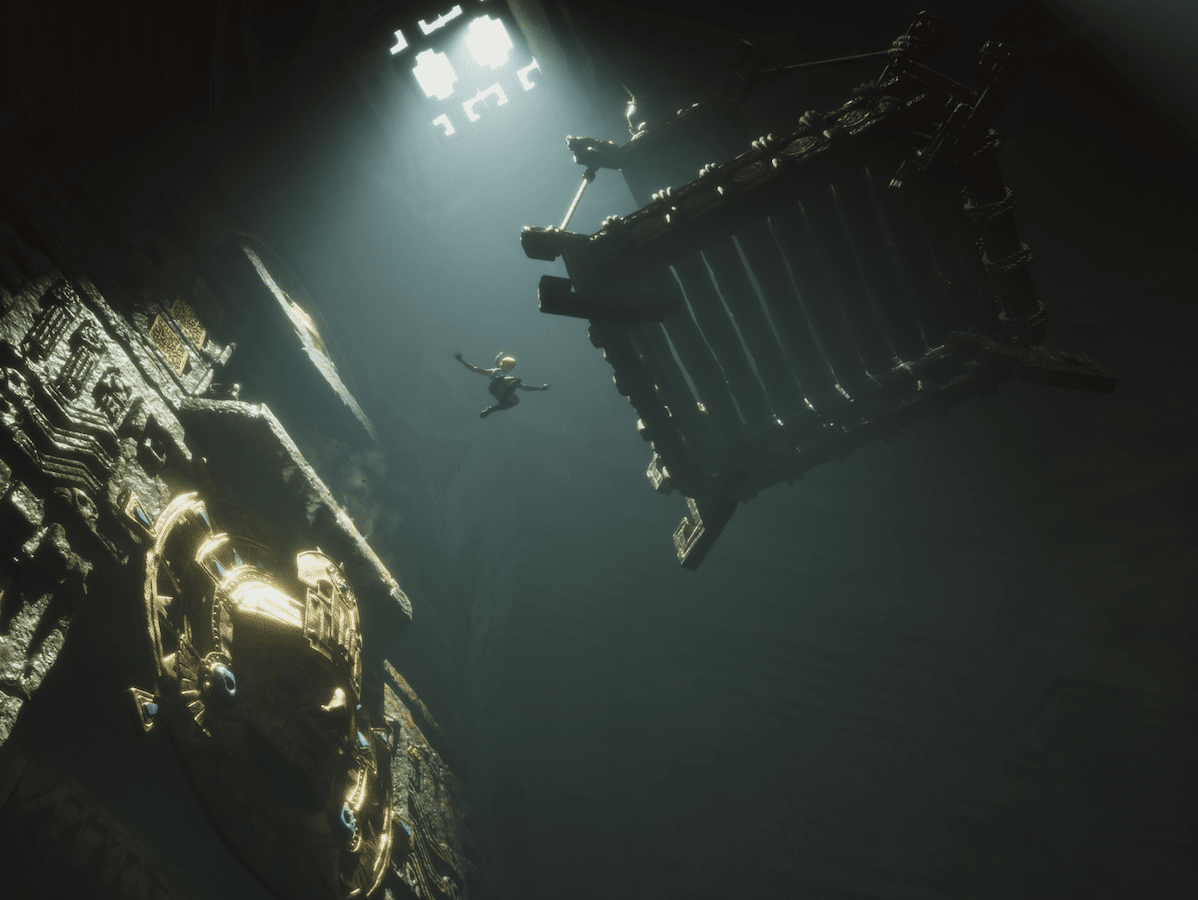
The latest episode of Tomb Raider‘s mini-doc highlights the franchise’s philosophy when it comes to crafting puzzles and forming lived-in environments, despite the locations being buried by history and time. They’ve taken aspects of Lara Croft’s personality and weaved them into the environment. In fact, level designer Jarostaw Skwarek says “what differentiates the Tomb Raider puzzle is the archaeological aspect.”
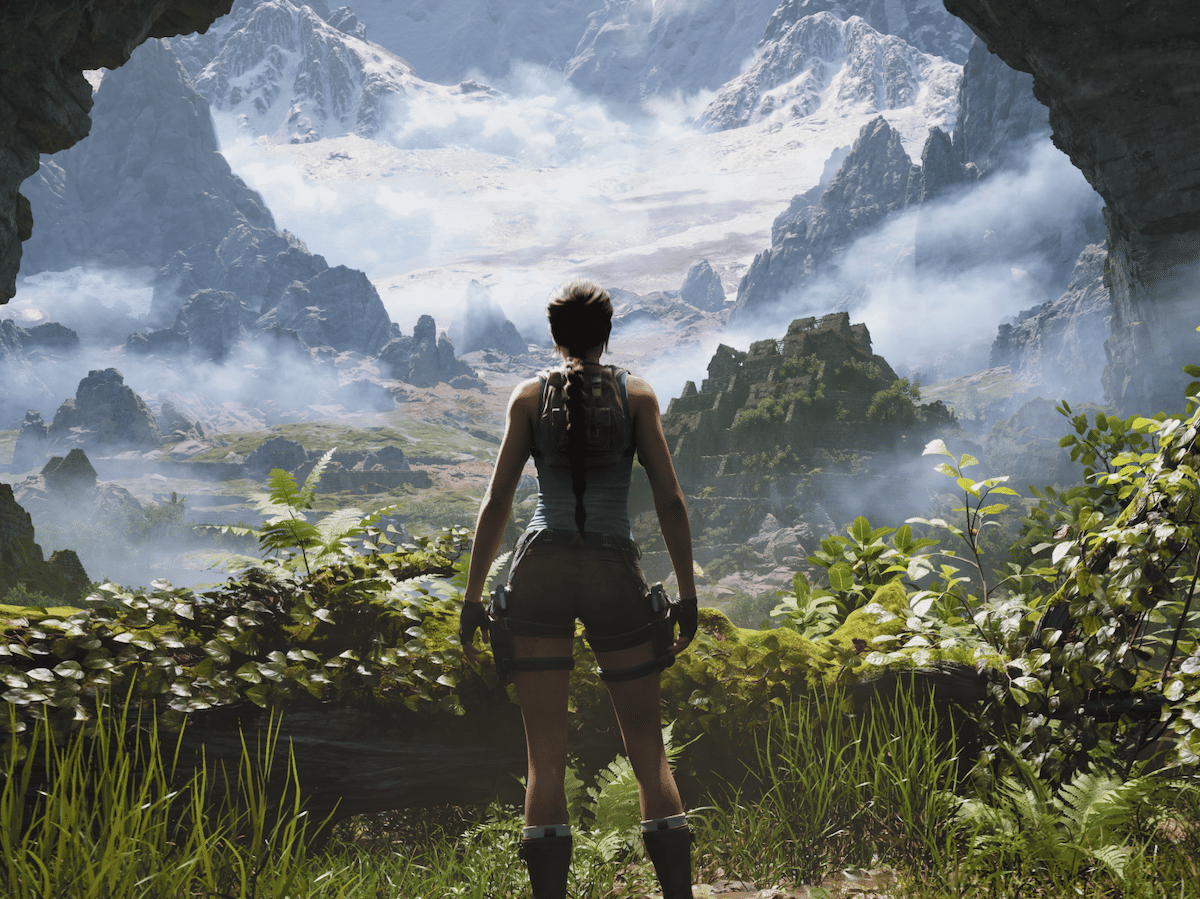
For example, the re-imaginings of the first level, Peru, sees the unveiling of the city of Vilcabamba, an ancient lost city used as a safe haven for the Incan people while the Spanish conquistadors invaded. In Tomb Raider’s re-telling of the story, the scene layout and level design indicates the mountain section was a battlefield, centred around a towering Inca door as a line of defence.
In the episode, Epps strides toward building a world that feels more authentic, but still faithful to its roots in Inca culture. For example, developers decided to base a puzzle on ‘quipus’, an ancient, Incan communication system centred around tied knots as a form of record keeping in ancient times, and incorporating those within the world with the same flair and enthusiasm as Lara Croft would have.
Becoming Lara Croft, the Archaeologist
Following the release of their exploration of traversal and movement, Crystal Dynamics and Flying Wild Hog Studios make it clear that this version of Tomb Raider leans towards Lara’s archaeological background and sense of discovery, rather than Square Enix’s combat-driven Croft.
Croft’s DNA is embedded into the code, from combat to exploration, like a character study allowing players to fulfil the power fantasy of embodying the gaming icon. Flying Wild Hog lead game designer, Randu Bogos, wants players to “pay attention to things… we will not point out with a flashing icon ‘This will hurt you’, ‘This will kill you’.”
This could be a tongue-in-cheek comment about the Survivor trilogy and its ‘survival instinct’ mechanic, panned for trivialising the games’ difficulty. The mechanic was revised in the last instalment of the trilogy, Shadow of the Tomb Raider, with the inclusion of specialised settings that allowed players to customise the difficulty of enemies, exploration and puzzles independently from each other. Players could customise their experiences by removing identifiable path markers and stronger enemies that detect Lara’s location after exiting stealth and even minimising the amount of highlighted interactive objects you can see with survival instincts.
What Bogos alludes to might be something similar to the direction of Shadow, either being able to adjust independent settings, or a more traditional fallback to how exploration was approached in the original and 2007 reboot Tomb Raider: Anniversary.
The Path Forward
One thing is clear: the anticipation for the release for this game is palpable. The production team’s transparency through the mini-doc series illustrates how passionate they are about re-creating Lara’s feeling of discovery, awe and curiosity into their future players.
“I’m so excited for this game, but one thing that makes me even more excited is the passion that the devs and creators have,” one fan commented on YouTube.
“You can tell everyone is so passionate about getting it right and it’s infectious! It sounds like a fantastic team and I can’t wait to experience your interpretation of the first Tomb Raider.”
Tomb Raider: Legacy of Atlantis is scheduled to release on PS5, XBox, Steam and Nintendo Switch 2 on February 12, 2027, and is available to pre-order now. The game is available in three versions: standard, deluxe and collectors editions, with both deluxe and collectors edition with pre-order exclusives skins and 48 hour early access. Additionally, the collectors edition containing everything in the deluxe package in addition to a mini art-book, an Atlantis keychain, DLC pack and a statue.

























Comments
We love hearing from you. or to leave a comment.