
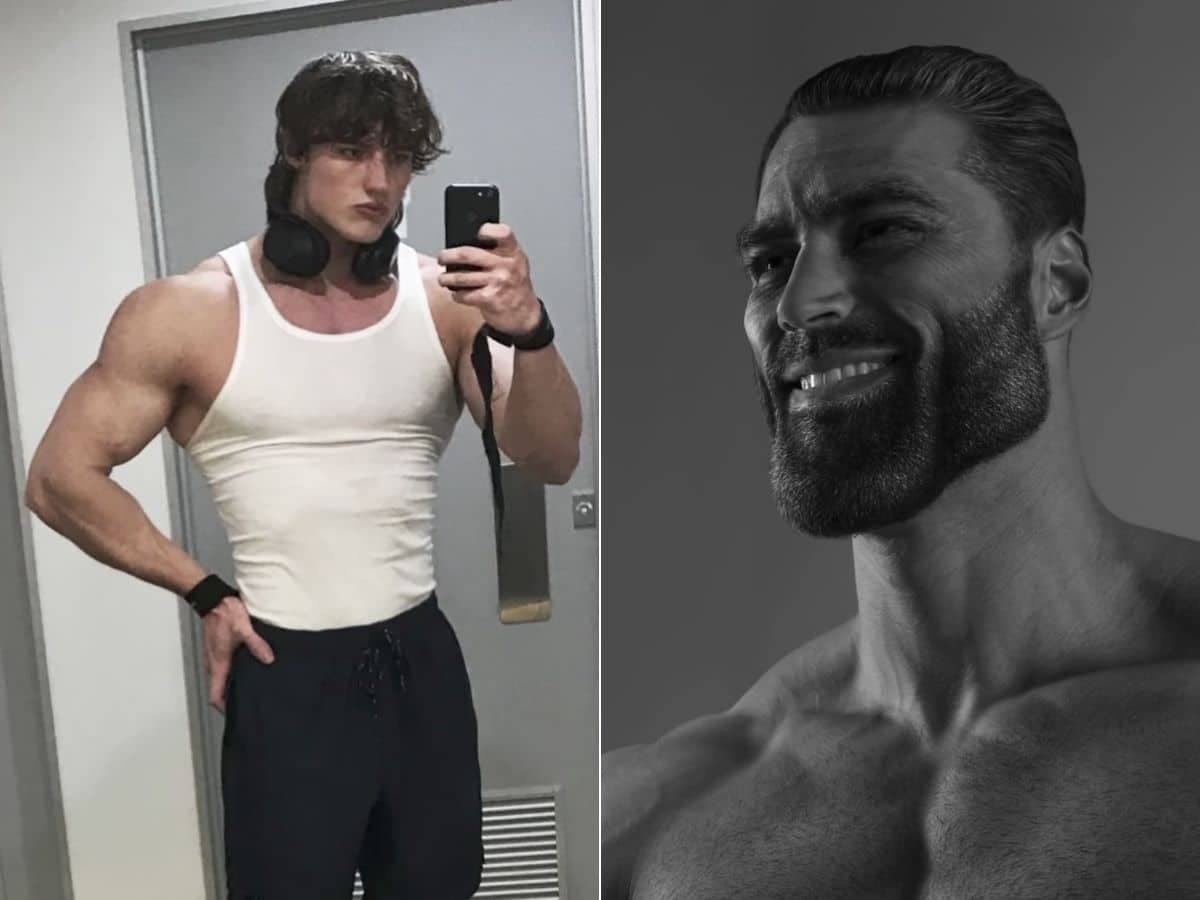

Updated:
Readtime: 7 min
Every product is carefully selected by our editors and experts. If you buy from a link, we may earn a commission. Learn more. For more information on how we test products, click here.
The internet has spent years optimising everything. Productivity routines. Morning workouts. Even sleep. Now the same mindset is being applied to appearance, only with far more intensity. Welcome to Looksmaxxing.
Young men across TikTok and Reddit are analysing jawlines, measuring eye angles and breaking facial symmetry down like a geometry problem to maximise how they look. It has become its own niche community, which has recently broken into the mainstream via a series of viral incidents that have left most normal people asking: WTF?
What Is Looksmaxxing?
At its core, looksmaxxing is exactly what it sounds like: deliberately improving your appearance to maximise attractiveness.
On the mild end, that might mean better grooming habits. Skincare routines. Regular exercise. A sharper haircut or improved style. In many ways, it overlaps with the broader boom in male grooming and fitness culture.
But in some corners of the internet, the concept goes much further.
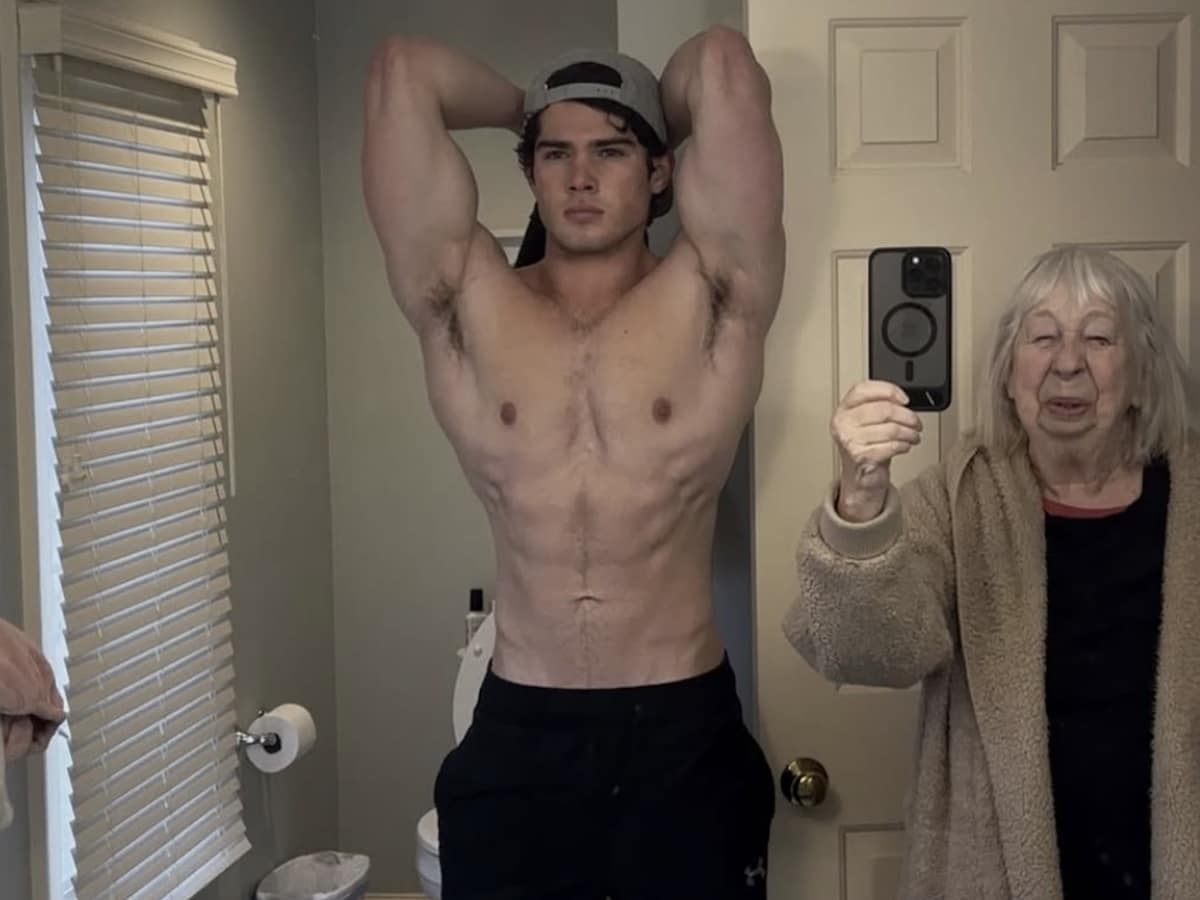
Online forums and social media communities dedicated to looksmaxxing treat physical appearance almost like a problem to solve. Facial structure, posture, diet and even tongue placement are analysed in detail, with the promise that small changes can improve how someone looks.
Some advice sits somewhere between grooming and wellness, such as supplements, dental work or posture correction. Other ideas move into stranger, sometimes dangerous territory.
One example often discussed in these communities is something called bone smashing. The idea is that repeatedly striking facial bones can stimulate growth and sharpen the jawline. Medical professionals strongly warn against the practice, but the theory still circulates online.
There are also techniques like mewing, which involves pressing the tongue against the roof of the mouth in an attempt to improve jawline definition over time (spoiler: it doesn’t).
Taken together, looksmaxxing exists on a spectrum. For some people, it simply means better self-care. For others, it becomes a detailed attempt to engineer their appearance.
Where Looksmaxxing Came From
The idea first emerged on incel message boards in the early 2010s, where users often argued that romantic success came down to genetics. Height, bone structure and facial symmetry were treated as advantages some men simply had, and others did not.
Looksmaxxing grew out of that mindset. If attractiveness determines success, improving how you look becomes the most important form of self-improvement.
It didn’t take long for the concept to spread beyond those forums. By the early 2020s, looksmaxxing had moved into mainstream internet culture, particularly on TikTok, where creators often focused on “softmaxxing” techniques such as grooming, fitness and skincare, sometimes presented with a layer of self-aware humour.
The language itself comes from gaming culture. In role-playing games like Dungeons & Dragons, players often talked about “min-maxing” their characters. The idea was simple: minimise weak stats and maximise strong ones to create the most effective build possible.
Over time internet forums dropped the “min” and kept the optimisation mindset. Soon everything could be maxxed. Gymmaxxing. Moneymaxxing. Sleepmaxxing. Eventually the same logic was applied to appearance.
In gaming terms, it’s essentially character optimisation. Except instead of levelling strength or dexterity like you might in Elden Ring, the internet is trying to max out cheekbone vigor.
What started as a way to optimise fictional characters has gradually become a system for optimising real people.
The Looksmaxxing Playbook, Explained
Like many internet subcultures, looksmaxxing comes with its own characters, slang and strange terminology. Here are some of the most common terms that appear in looksmaxxing communities.
Looksmaxxing
The umbrella term for deliberately improving your appearance to maximise attractiveness.
Softmaxxing
Lower-risk ways of improving appearance, such as skincare, grooming, fitness or fashion.
Mewing
A technique that involves pressing the tongue against the roof of the mouth to supposedly improve jawline definition over time.
Chewing-maxxing
The idea that chewing hard gum or tough foods can strengthen jaw muscles and improve jawline definition.
Bonesmashing
The belief that repeatedly striking facial bones can reshape them or stimulate growth. Medical professionals strongly warn against the practice.
Mogging
Internet slang for completely outshining someone in terms of appearance. If someone is “mogging the room”, their looks make everyone else seem average by comparison.
Gigachad
A hyper-stylised meme character representing the ultimate version of male attractiveness. Perfect symmetry, a strong jawline and exaggerated features.
Chad
A naturally attractive man who succeeds socially and romantically with little effort.
Jestermaxxing
A tongue-in-cheek concept suggesting that humour or exaggerated personality traits can compensate for physical appearance.
Canthal tilt
The angle of the eyes relative to the rest of the face, often analysed in looksmaxxing communities as a marker of attractiveness.
Cortisol spikes
A popular TikTok talking point claiming that stress hormones can negatively affect facial structure or appearance, often used to justify lifestyle advice around sleep, diet and stress management.
Face Rating
A practice where people rate attractiveness on a numerical scale, often analysing features like jawline definition, eye spacing and facial symmetry.
The Golden Ratio
Often cited by “face analysts” as the mathematical blueprint for beauty, this ancient proportion is used to calculate everything from the distance between the eyes to the width of the nose, treating the human face not as a unique identity, but as a geometric equation to be solved.
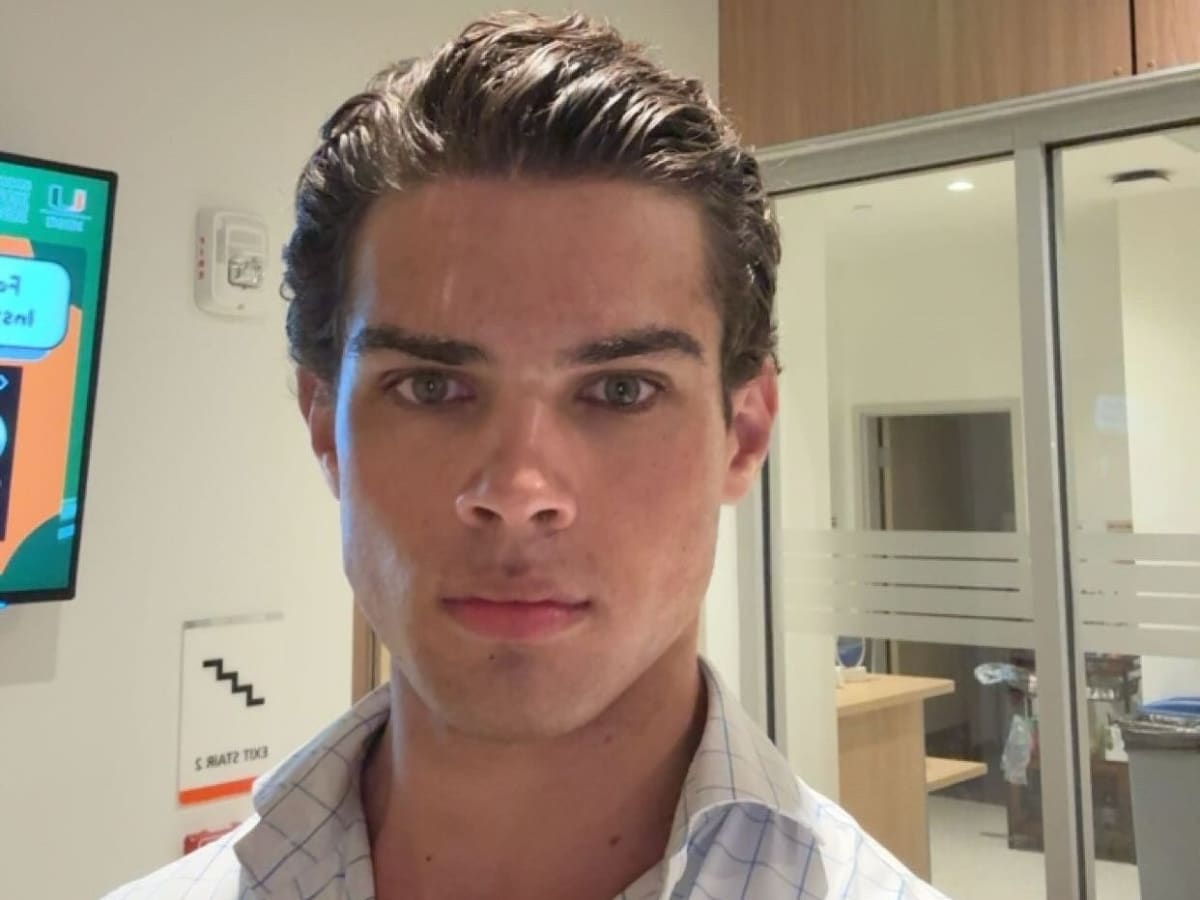
Looksmaxxing Creators
As looksmaxxing moved from niche forums to TikTok and streaming platforms, a new category of internet personality emerged: creators who analyse male attractiveness like a system.
Some focus on grooming advice. Others break down facial geometry in detail. A few lean into the meme culture surrounding it.
Clavicular
Arguably the peak example of looksmaxxing; A Kick streamer closely associated with the modern looksmaxxing conversation. Clavicular built an audience by analysing male facial structure, jawlines and symmetry, often framing attractiveness through the lens of measurable features.
Gigachad
Not an influencer in the traditional sense, but the meme figure that represents the end goal of the looksmaxxing philosophy. Based on images of model Ernest Khalimov, Gigachad became an internet archetype for exaggerated male attractiveness. Ultimately, he is proof that the ideal looksmaxxers aspire to is unattainable. It literally does not exist.
Androgenic
A Kick streamer and core figure in the “hardmaxxing” community, closely associated with Clavicular. He built his platform by championing an extreme “Gigachad” aesthetic, focusing on hyper-masculine traits like radical jawline definition, low body fat, and the maximization of androgenic features. He became notorious for his rigid “rating” system, where he applies clinical standards to evaluate facial structure and genetic potential, often through a lens of uncompromising “perfection.”
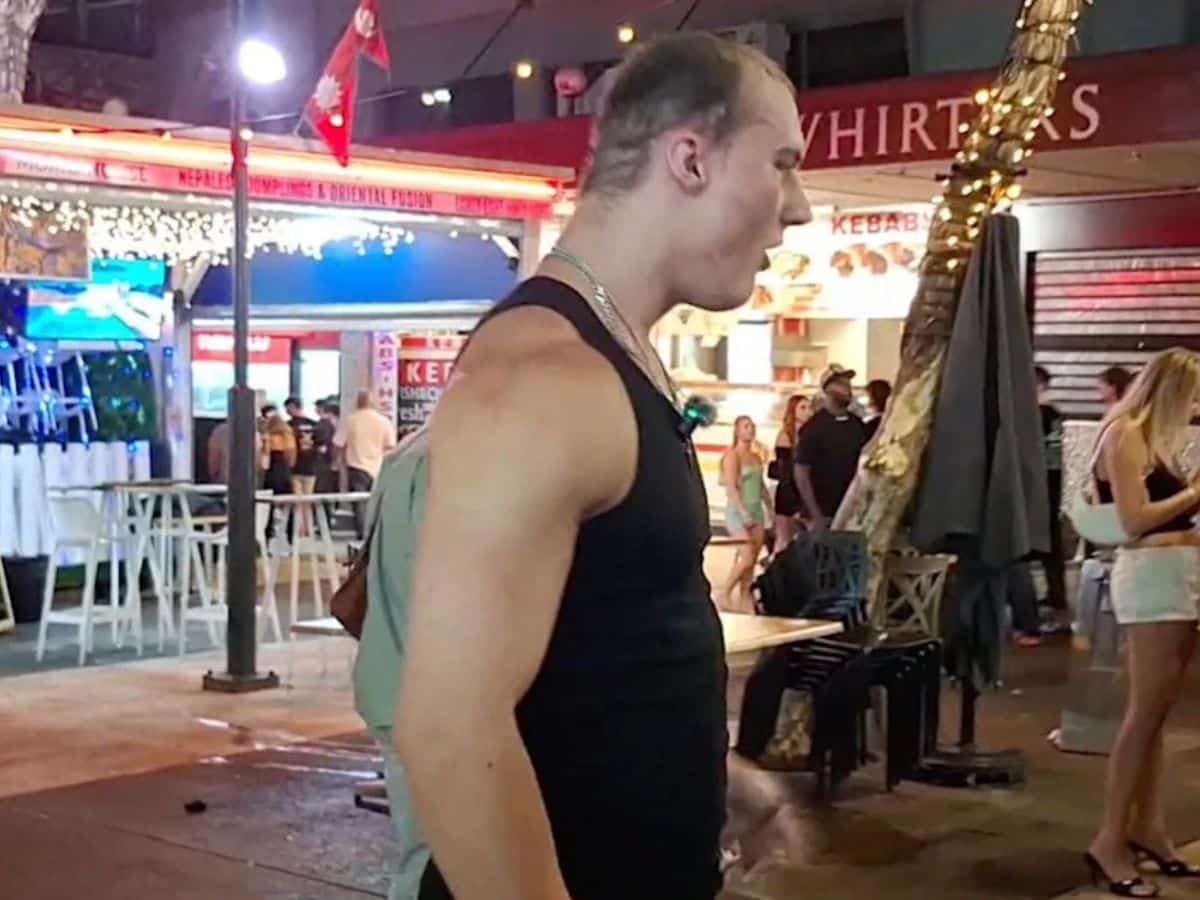
His status within the community recently plummeted after a viral “wig snatch” moment exposed his significant hair loss, leading to widespread mockery for preaching “genetic perfection” while concealing a trait, baldness, that is a primary “failo” in the looksmaxxing hierarchy.
Face Analysts
A broader category of creators who produce breakdown videos analysing facial proportions, eye spacing and bone structure. These creators often treat attractiveness almost like a design problem, using diagrams, overlays and measurements to explain why certain faces are perceived as more attractive than others.
What once existed in obscure Reddit threads now regularly appears on TikTok feeds, where videos analysing jawlines, eye spacing and facial symmetry can attract millions of views.

From Grooming Advice to Character Builds
At one level, looksmaxxing is simply the latest extension of self-improvement culture. Better skincare. Better fitness. Better grooming.
At another level, it turns appearance into something closer to a stat sheet, where jawlines, eye angles and bone structure can all be measured, debated and ranked.
The internet has spent years trying to optimise everything from productivity to sleep. Looksmaxxing pushes that same mindset into a new territory.
The result is a strange evolution of internet culture. One that treats the human face a little like a character build.









Comments
We love hearing from you. or to leave a comment.