

Updated:
Readtime: 3 min
Every product is carefully selected by our editors and experts. If you buy from a link, we may earn a commission. Learn more. For more information on how we test products, click here.
You’d probably assume the first Star Wars pinball machine came out of the United States, and fair enough. The film was American, the franchise was American (obvious Japanese samurai film influence aside), and most of the world’s pinball industry was based there, too.
But the first licensed Star Wars pinball machine wasn’t built in the US. It was built in Newcastle.
Now one of those machines is heading into the national collection after the National Film and Sound Archive of Australia (NFSA) acquired five Australian-made pinball machines designed and manufactured by Newcastle amusement company A. Hankin & Company between 1978 and 1980.
And outside of the galaxy, far, far away, the line-up is about as Australian as pinball gets.
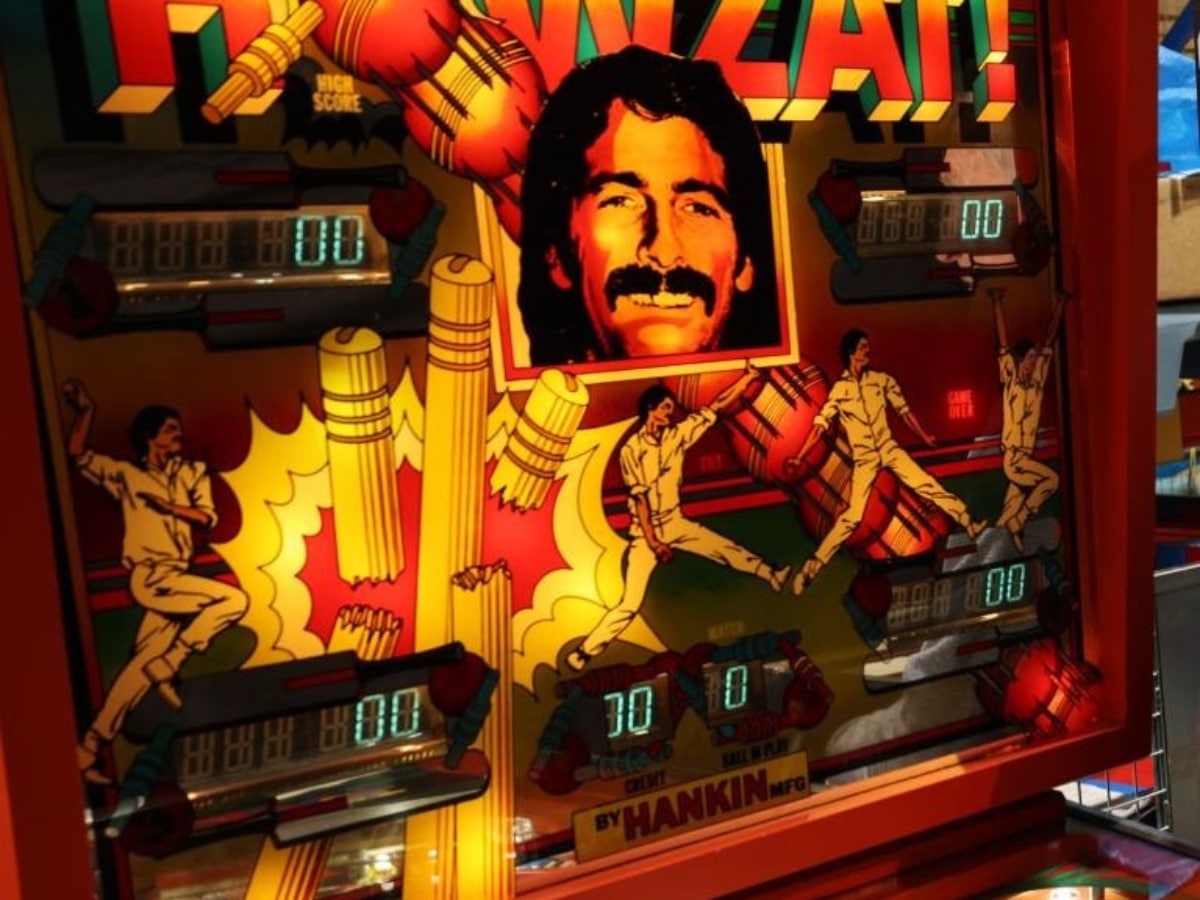
One machine celebrates fast-bowling legend Dennis Lillee. Another is built around the iconic Holden FJ. There’s also Orbit 1, Shark, and finally the surprise entry: Star Wars: The Empire Strikes Back.
But how it came to be is classic laid-back Australian entrepreneurship.
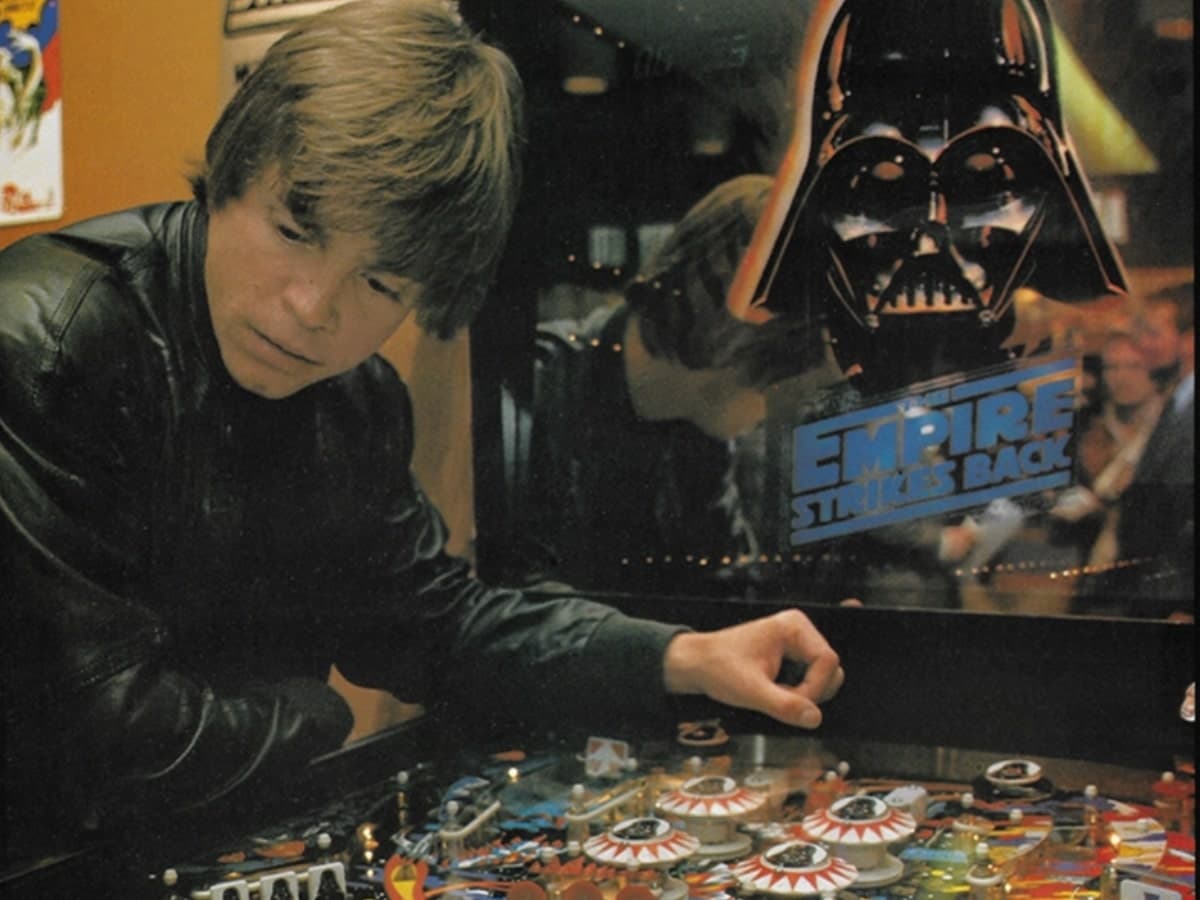
Hankin co-founder David Hankin reached out to Lucasfilm to ask if they could build a themed machine based on the film. Against all odds, the studio said yes.
Instead of a licensing fee, Lucasfilm asked for one thing: a finished machine sent to George Lucas for his personal collection. Fair to say he was a fan.
That deal ended up producing what’s considered the first licensed Star Wars pinball machine ever made.
For what started as a Newcastle workshop project, the operation was surprisingly substantial. Between 1978 and 1980, the company built around 1,150 machines across five models, employing roughly 50 people at its peak.
And with the University of Newcastle nearby, the company was able to tap into local engineering talent while figuring out how to design its own electronics and mechanisms.
The machines were built specifically for Australian venues rather than overseas markets, which meant Hankin could lean heavily into local culture when designing them.
Back then, you’d find pinball machines everywhere: milk bars, fish and chip shops, laundromats, arcades, pubs – anywhere there was a bit of spare time and a few coins in your pocket.
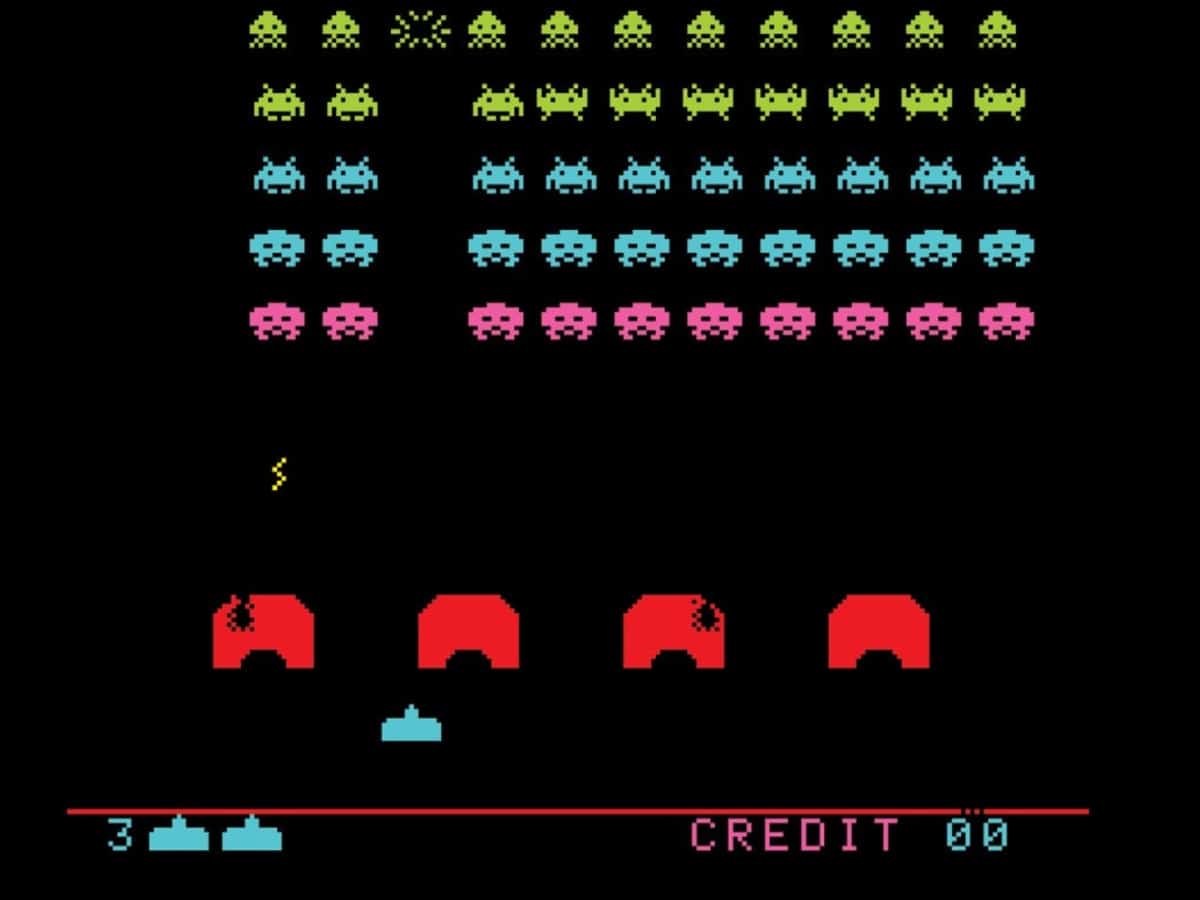
Pinballmania didn’t last forever. When video games like Space Invaders arrived in arcades around 1980, pinball machines quickly fell out of favour.
Today, collectors estimate only around 150 still exist, with even fewer still in working condition.
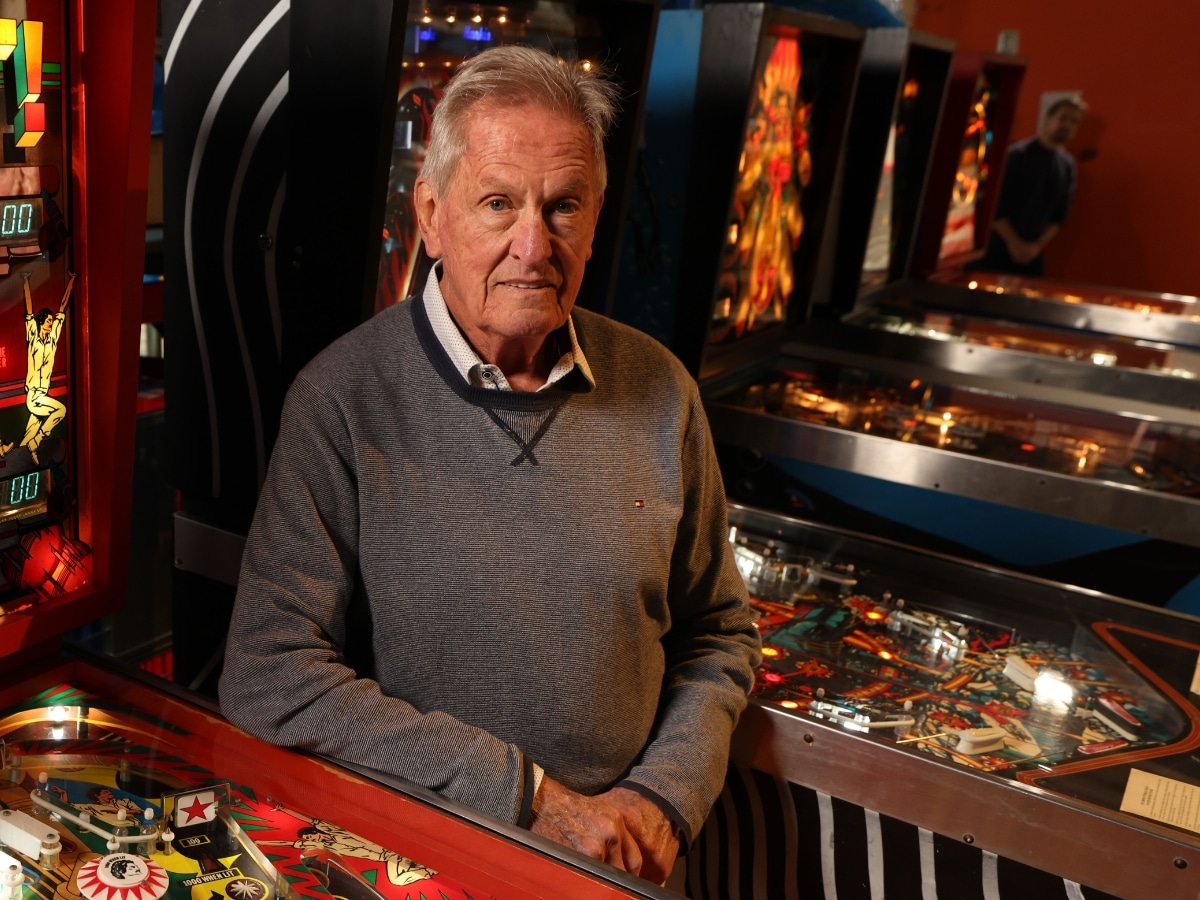
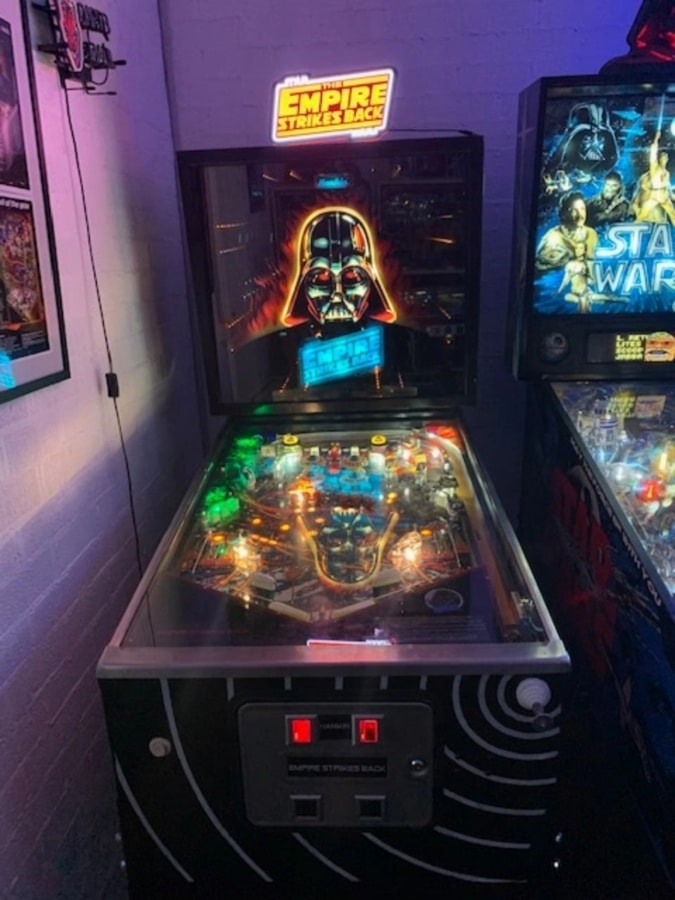
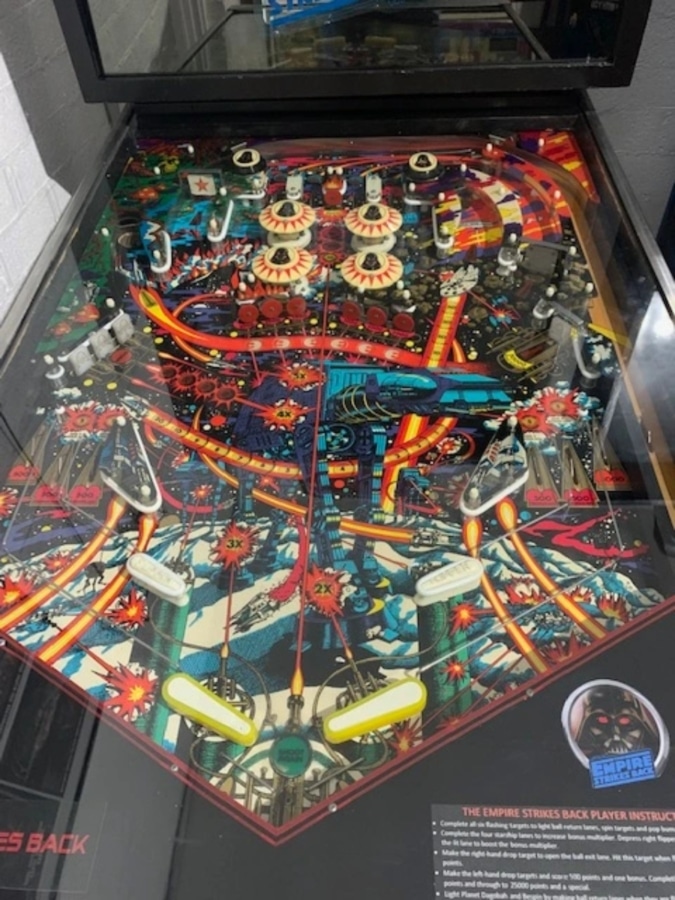
One of those surviving machines belongs to Australian pinball collector Stephen Smith, who has been collecting and restoring machines since the early 1980s. Smith shared photos of his Hankin Empire Strikes Back machine and wider collection with pinball publication Kineticist, offering a rare look at one of the few remaining examples still in private hands.
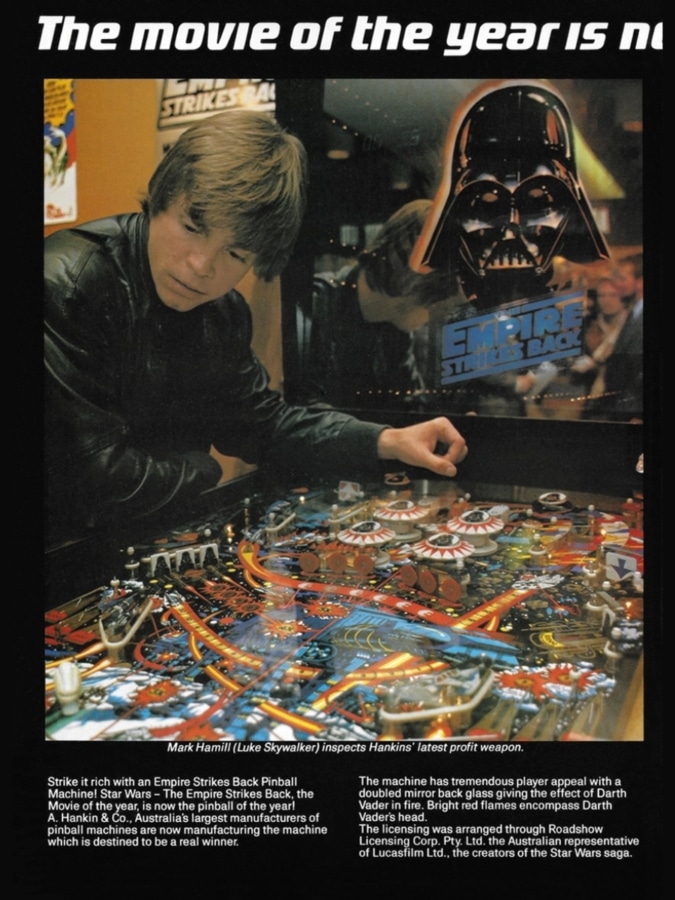
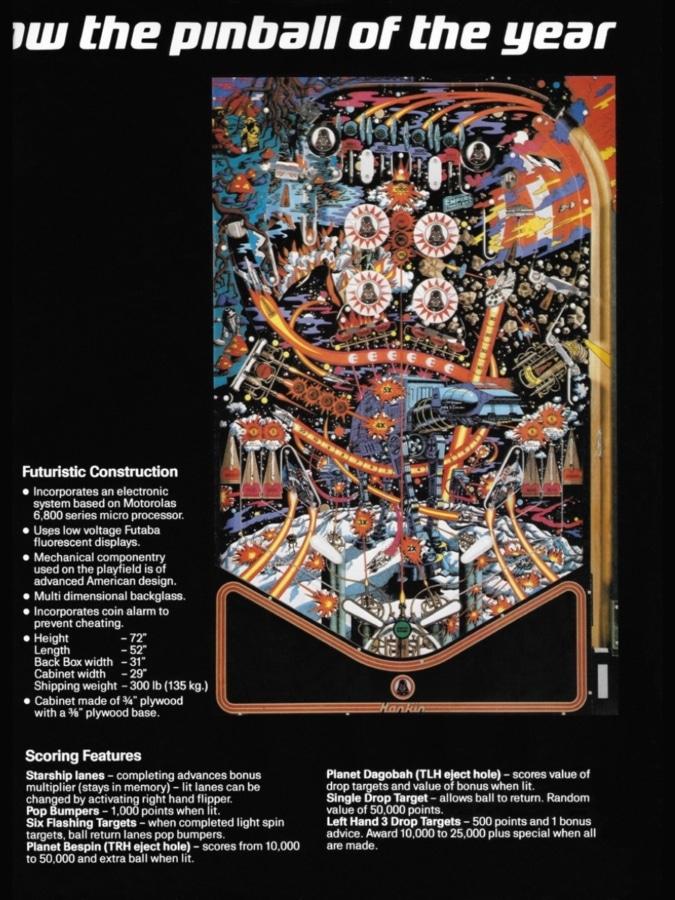
The original promotional brochure even featured Mark Hamill inspecting the machine. Which makes the NFSA acquisition more than just nostalgia. It’s preserving a strange little moment in Australian gaming history; The moment a small workshop in Newcastle ended up building the world’s first licensed Star Wars pinball machine.















Comments
We love hearing from you. or to leave a comment.