
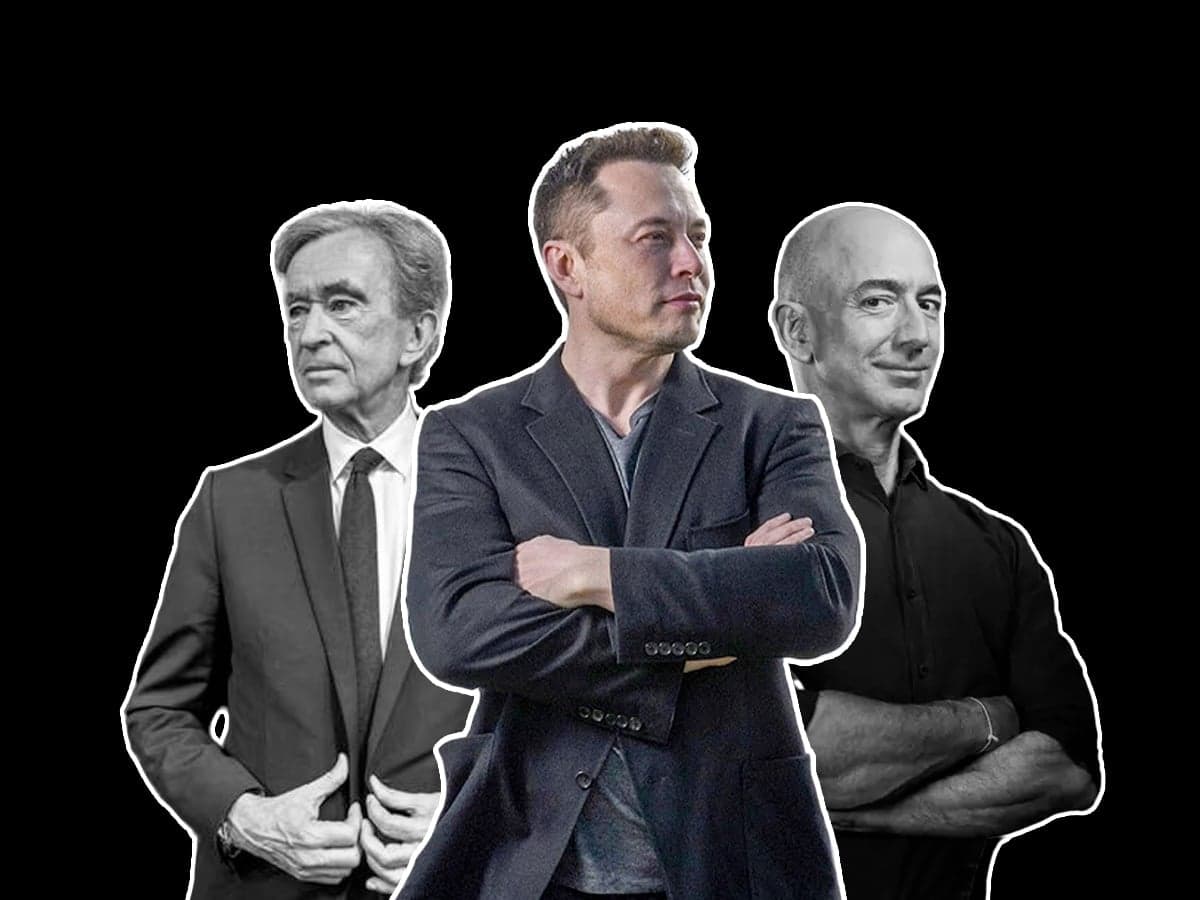
Forbes Billionaires List 2026: The Biggest Movers, New Entries, and Where Australia’s Richest Rank

Updated:
Readtime: 8 min
Every product is carefully selected by our editors and experts. If you buy from a link, we may earn a commission. Learn more. For more information on how we test products, click here.
Key points:
- Record-breaking wealth: The 2026 list features a record 3,428 billionaires with a combined net worth of $20.1 trillion, a massive $4 trillion increase from the previous year.
- Elon Musk’s dominance: Retaining the top spot, Musk is now worth an estimated $839 billion ($1.179 trillion AUD), making him the wealthiest person ever recorded and placing him on the path to becoming the world’s first trillionaire.
- The AI and tech boom: Eight of the top ten fortunes are now driven by technology, with NVIDIA‘s Jensen Huang joining the elite ranks as AI infrastructure becomes the world’s primary engine for new wealth.
Each year, Forbes releases its global ranking of the world’s richest people, offering a snapshot of where the biggest fortunes are being built.
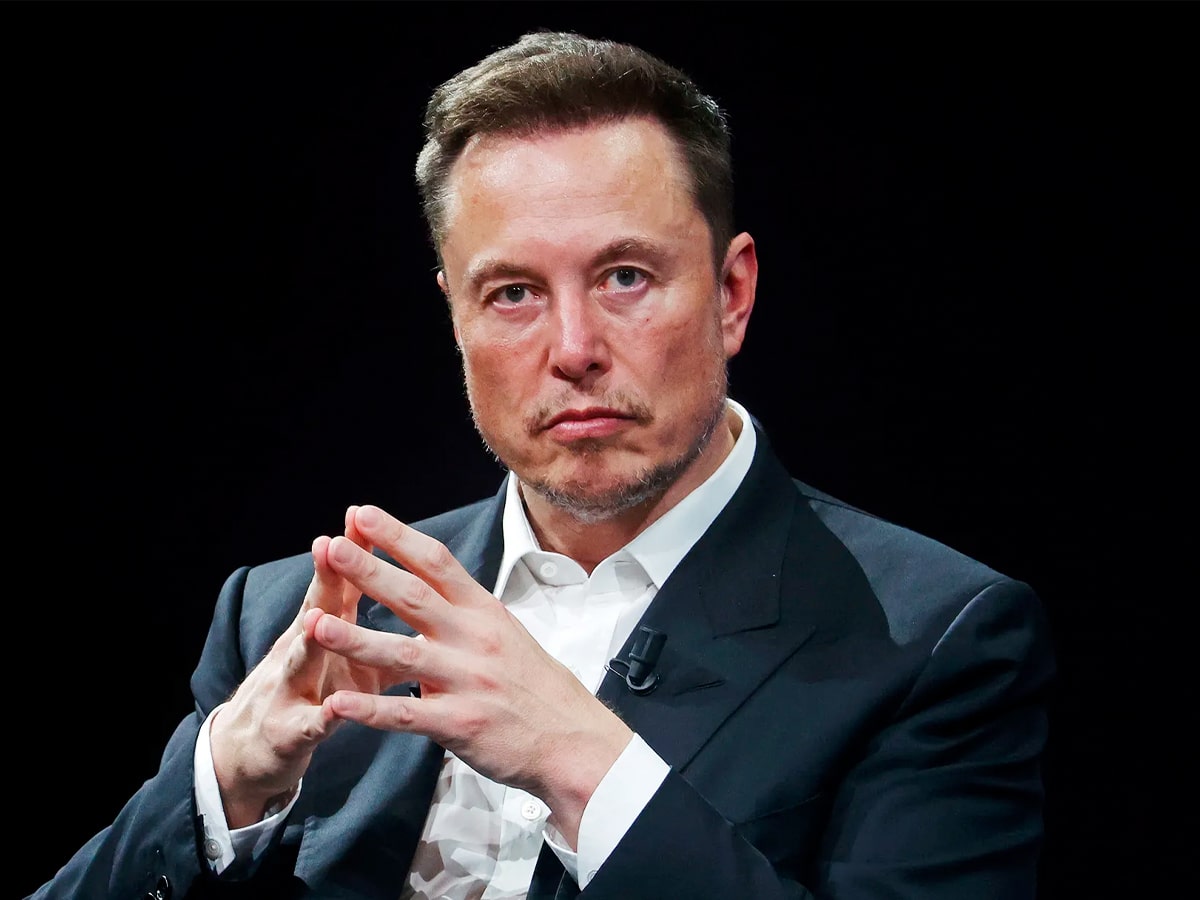
In 2026, one number stands out above all the others. Elon Musk is now worth an estimated US$839 billion ($AUD1.179 trillion).
That’s a staggering gap at the very top of the wealth ladder. The next richest person, Google co-founder Larry Page, is worth $257 billion, while Australia’s wealthiest person, Gina Rinehart, is worth a lowly $25.5 billion.
In other words, Musk alone could buy Australia’s richest person more than 30 times over.
Forbes Billionaires List 2026 by the Numbers
| Stat | Number |
|---|---|
| Total billionaires | 3,428 |
| Combined wealth | $20.1 trillion |
| New billionaires this year | 400 |
| Billionaires in the U.S. | 989 |
| Billionaires in China (incl. Hong Kong) | 610 |
| Billionaires in India | 229 |
The billionaire club keeps getting bigger and richer. In 2026, the people on this rich list collectively control $20.1 trillion, which is roughly the size of the world’s third-largest economy.
Where those fortunes come from hasn’t changed much. The United States still produces more billionaires than anywhere else, while China and India continue to dominate the rest of the leaderboard thanks to their huge consumer markets and fast-growing tech sectors
Here’s how the very top of the global wealth ladder looks in 2026.
The 10 Richest People in the World
| Rank | Name | Net Worth | Source |
|---|---|---|---|
| 1 | Elon Musk | $839B | Tesla, SpaceX |
| 2 | Larry Page | $257B | |
| 3 | Sergey Brin | $237B | |
| 4 | Jeff Bezos | $224B | Amazon |
| 5 | Mark Zuckerberg | $222B | Meta |
| 6 | Larry Ellison | $190B | Oracle |
| 7 | Bernard Arnault & family | $171B | LVMH |
| 8 | Jensen Huang | $154B | NVIDIA |
| 9 | Warren Buffett | $149B | Berkshire Hathaway |
| 10 | Amancio Ortega | $148B | Zara |
Even among the world’s richest people, Elon Musk sits in a different financial universe. His $839 billion fortune is more than three times larger than the next richest person, Google co-founder Larry Page.
The rest of the table also reveals where the biggest fortunes are being built. Eight of the ten names here made their money through technology companies or the infrastructure powering them, from search engines and social media platforms to the chips now running artificial intelligence.
The New Class of AI Billionaires
| Name | Net Worth | Company | AI Role |
|---|---|---|---|
| Elon Musk | $839B | Tesla / xAI | AI and robotics |
| Larry Page | $257B | AI infrastructure | |
| Sergey Brin | $237B | AI research | |
| Jensen Huang | $154B | NVIDIA | AI chips |
| Eric Schmidt | $35.5B | AI investment |
Most of the fortunes tied to artificial intelligence aren’t coming from flashy AI apps. They’re coming from the companies building the infrastructure underneath it.
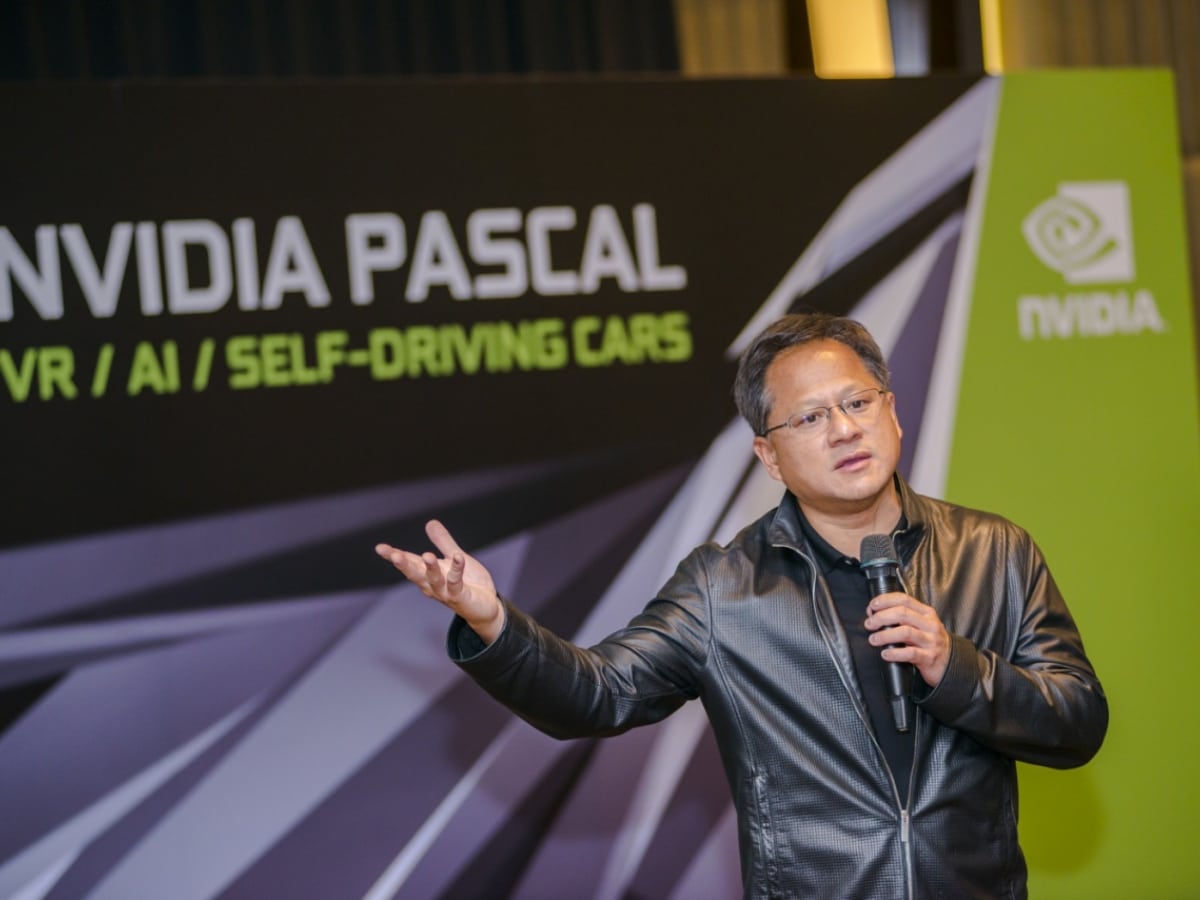
NVIDIA’s Jensen Huang is the clearest example. The company’s chips power much of the world’s AI training and data centres, turning the hardware behind the AI boom into one of the most profitable businesses on the planet.
Notable Billionaires Outside Big Tech
| Name | Net Worth | Industry | Source |
|---|---|---|---|
| Changpeng Zhao | $110B | Crypto | Binance |
| Mukesh Ambani | $99.7B | Conglomerate | Reliance Industries |
| Gautam Adani | $63.8B | Infrastructure | Adani Group |
| Zhang Yiming | $69.3B | Technology | TikTok |
| Giovanni Ferrero | $48.8B | Food | Ferrero |
What stands out here isn’t the industry, but the scale. These fortunes come from businesses that reach hundreds of millions of customers, whether that’s Binance’s global crypto exchange, TikTok’s massive social platform or Ferrero’s chocolate empire.
Different products, same outcome: businesses built to operate across entire continents.
Entertainment’s Billionaire Club
Dr. Dre once declared himself “hip-hop’s first billionaire.” In 2026, that claim finally became official.
The rap legend has joined the Forbes Billionaires List, becoming one of only six musicians on the global ranking, alongside Jay-Z, Beyoncé, Rihanna, Taylor Swift and Bruce Springsteen.
Dre’s fortune is largely tied to the $3 billion sale of Beats by Dre to Apple in 2014, a deal that helped reshape the streaming music era. Despite crossing the billion-dollar mark, Dre still sits far down the rankings, tied for 3,332nd place.
The list also includes several familiar names from film, television and publishing.
| Rank | Name | Net Worth | Industry |
|---|---|---|---|
| 293 | Gabe Newell | $11B | Video games |
| 557 | Steven Spielberg | $7.1B | Movies |
| 1325 | Oprah Winfrey | $3.2B | Television |
| 2052 | Taylor Swift | $2B | Music |
| 2712 | Tyler Perry | $1.4B | Film & television |
| 3017 | J.K. Rowling | $1.2B | Books |
| 3017 | Arnold Schwarzenegger | $1.2B | Film & investments |
| 3185 | Jerry Seinfeld | $1.1B | Comedy |
| 3185 | James Cameron | $1.1B | Movies |
The pattern across entertainment is similar to tech: the biggest fortunes usually come from ownership, not just performing. Production studios, intellectual property rights and media companies tend to generate far more wealth than individual projects.
It’s why artists like Jay-Z, Beyoncé and Rihanna now sit alongside billionaire film directors like James Cameron and Steven Spielberg, and media moguls on the billionaire list.
Young Billionaires
| Name | Age | Net Worth | Source |
|---|---|---|---|
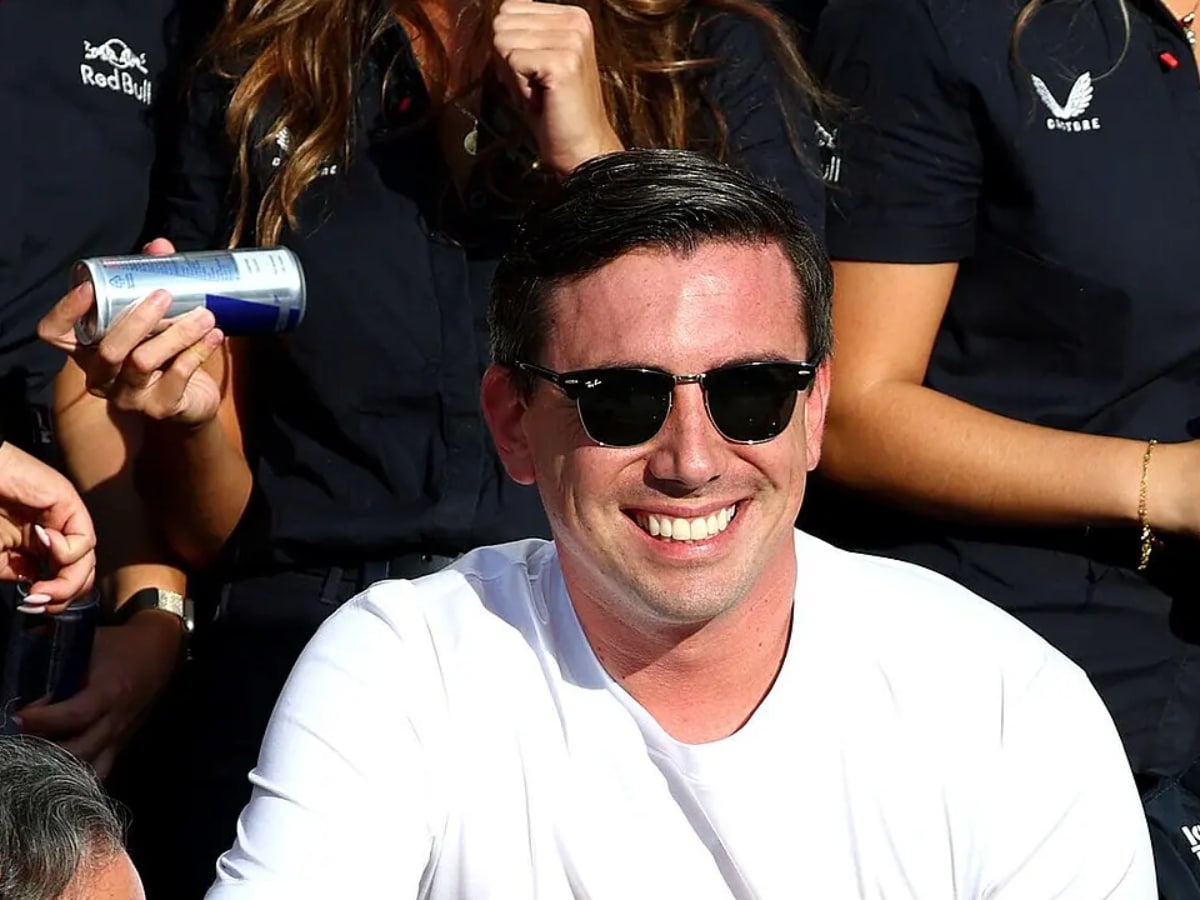
| Mark Mateschitz | 33 | $45.8B | Red Bull |
| Lukas Walton | 39 | $48.9B | Walmart |
| Mark Zuckerberg | 41 | $222B | Meta |
| Zhang Yiming | 41 | $69.3B | TikTok |
There are two clear routes onto the billionaire list before 40.
The first is building a platform used by hundreds of millions of people. Mark Zuckerberg and TikTok founder Zhang Yiming both made their fortunes this way, turning social media platforms into global advertising machines.
The second route is inheritance. Red Bull heir Mark Mateschitz, now 33, and Walmart heir Lukas Walton represent the other side of the billionaire equation: global consumer brands passed down through generations.
Different paths, same outcome. By their early forties, both groups have already joined the world’s wealthiest ranks.
The Richest Australians
Forbes lists 56 Australians among the world’s billionaires in 2026.
| Rank | Name | Net Worth | Industry |
|---|---|---|---|
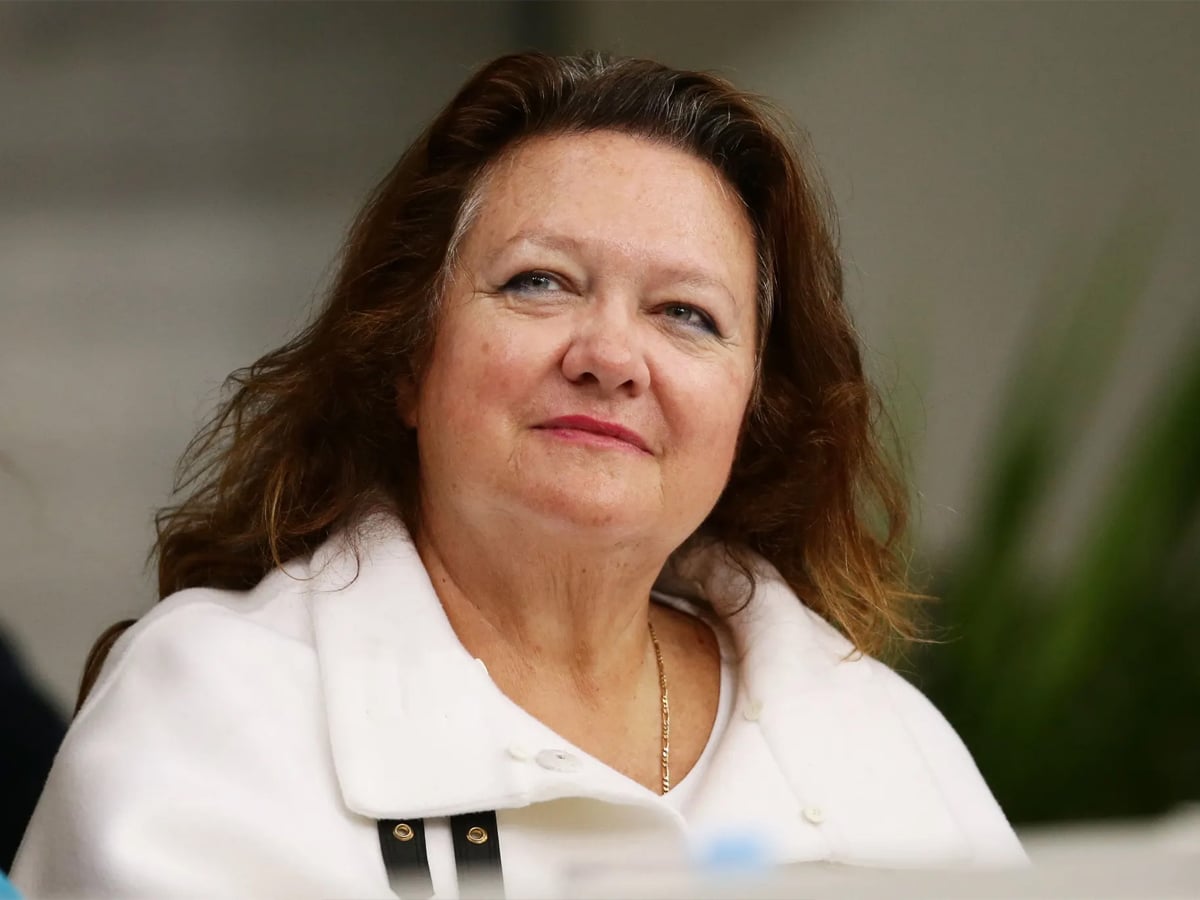
| 101 | Gina Rinehart | $25.5B | Mining |
| 110 | Harry Triguboff | $23.4B | Real estate |
| 128 | Andrew Forrest | $20.3B | Mining |
| 234 | Anthony Pratt | $12.8B | Manufacturing |
| 402 | Frank Lowy | $8.8B | Investments |
| 444 | Kerry Stokes | $8.1B | Media / Construction |
| 498 | Cliff Obrecht | $7.6B | Software |
| 498 | Melanie Perkins | $7.6B | Software |
| 520 | Mike Cannon-Brookes | $7.4B | Software |
| 567 | Scott Farquhar | $7B | Software |
Australia’s billionaire list shows two very different ways fortunes are still being built here. At the top sit the country’s mining heavyweights, with iron ore continuing to generate enormous wealth.
But further down the list, a newer group of tech founders is starting to appear. Canva’s Melanie Perkins and Cliff Obrecht, along with Atlassian founders Mike Cannon-Brookes and Scott Farquhar, represent the software economy Australia has spent the past decade trying to build.
How Rich Is Does Donald Trump?
| Rank | Name | Net Worth | Industry |
|---|---|---|---|
| 645 | Donald Trump | $6.5B | Real estate |
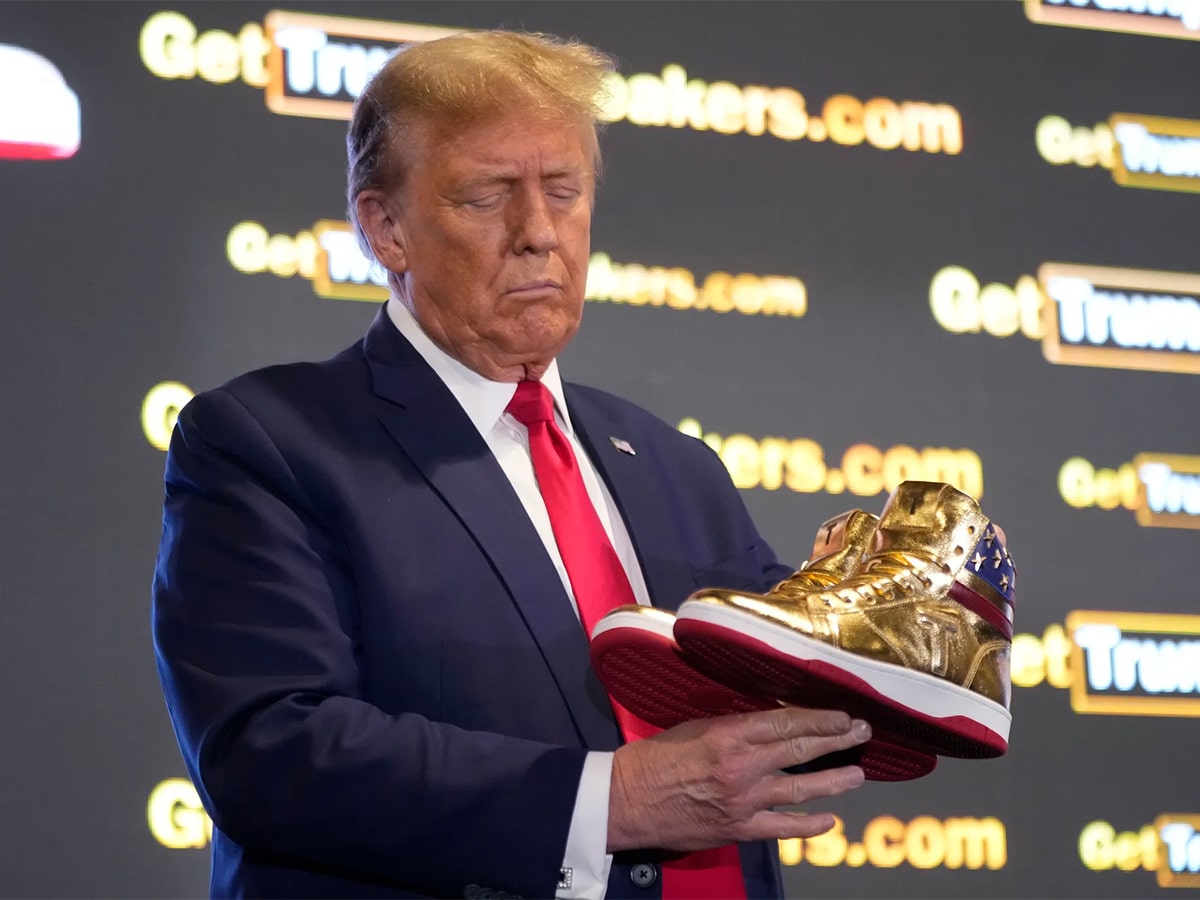
Donald Trump appears at No. 645 on the 2026 Forbes billionaire list with an estimated $6.5 billion fortune, largely tied to his real estate business.
What stands out is how quickly that number has jumped. Forbes’ wealth history shows Trump’s net worth climbing sharply between 2024 and 2026.
Much of the rise has been linked to cryptocurrency ventures and media projects tied to the Trump brand. For a sitting president, it’s a pretty substantial jump.
What the Billionaire List Reveals
A clear pattern runs through the 2026 billionaire rankings.
The biggest fortunes are still being built around the infrastructure of the digital world, from search engines and social media platforms to the chips powering artificial intelligence.
At the same time, older wealth engines haven’t gone anywhere. Mining still anchors Australia’s richest fortunes, while a new wave of software founders is slowly joining them.
Different industries, different eras. Same outcome: the businesses that reach the most people still build the biggest fortunes.
Common Questions About the Forbes Billionaires List
Forbes employs a team of reporters to track public shareholdings, real estate, art, yachts, and other high-value assets. They value private companies by comparing them to similar public firms and apply a 10% liquidity discount. Known debts are subtracted from the final total to reach an estimated net worth.
Forbes excludes world leaders and royals who derive their wealth solely from their position of power or who control national riches in trust. Additionally, the magazine requires verifiable documentation of individual asset ownership; in cases like Putin, the blurring of personal and state funds makes independent verification impossible.
The lists use different methodologies and timing. Bloomberg updates its index daily based on market closes, while the main Forbes list is a fixed annual snapshot. They also vary in technical details; for instance, Bloomberg often applies a smaller 5% discount to private assets and uses different tax rate assumptions for cash holdings.




















Comments
We love hearing from you. or to leave a comment.