

Updated:
Readtime: 6 min
Every product is carefully selected by our editors and experts. If you buy from a link, we may earn a commission. Learn more. For more information on how we test products, click here.
- Fuel prices approaching $2.80 per litre threaten the cost of living in Australia.
- Efficient hybrids like the Toyota RAV4 offer major annual savings.
- Budget petrol cars like the MG3 can be surprisingly expensive.
- Thirsty vehicles like the RAM TRX face massive running costs.
- The fuel crisis penalty hits V6s, V8s, and heavy SUVs hardest.
We’re in the midst of another fuel crisis. You would have thought that Australia would have learnt its lesson by now, but that’s a topic for Credlin, not Man of Many. No, we’re focused on the data, the stats, and exactly how much more money we’re going to pay at the bowser in the next year if the current trajectory puts us on the path to $2.80 per litre fuel prices. Scarily, it’s almost there.
To examine this in depth, we’re not looking at what it would cost to simply “fill the tank” because fuel tank sizes vary wildly. We’re looking at the official combined fuel consumption (litres/100 km) over a year of driving (15,000 km), then comparing the prices of popular models at $1.90, $2.29, and $2.80 per litre ceilings. Our goal is to determine the real-world financial impact of moving from around $1.90/litre to a crisis-level $2.80/litre. If you want to know the answer, read on.

How the Most Efficient Vehicles Can Save You Money During a Fuel Crisis
Fuel-efficient cars like the Toyota Yaris Hybrid, with its 1.5-litre 3-cylinder hybrid powertrain, are already cheap to run, but the running-cost benefits of these vehicles compound as fuel prices rise.
| Vehicle | Engine | Consumption | Annual Cost @ $1.90/litre | Annual Cost @ Current $2.29/litre | Annual Cost @ $2.80/litre | Annual Price Difference |
| Toyota Yaris Hybrid | 1.5-litre 3-cyl Hybrid | 3.3 litres/100km | $940.50 | $1,133.55 | $1,386.00 | +$445.50 |
| Toyota Corolla Hybrid | 1.8-litre 4-cyl Hybrid | 4.0 litres/100km | $1,140.00 | $1,374.00 | $1,680.00 | +$540.00 |
| MG3 (Petrol) | 1.5-litre 4-cyl Petrol | 6.0 litres/100km | $1,710.00 | $2,061.00 | $2,520.00 | +$810.00 |
Even if fuel prices reach $2.80 per litre, the Yaris will cost you $445.50 more to run annually, and that’s not half-bad when you compare it to its cheapest rivals.
Sure, the Yaris Hybrid (from AUD$28,990 before on-roads) is more expensive to buy new than the unbelievably cheap MG3 (from AUD$20,990 drive-away), but it’s significantly more efficient to run. The painfully thirsty 1.5-litre 4-cyl Petrol engine in the MG lacks power but somehow uses a staggering 6.0 litres per 100km. That’s even more fuel than the larger Toyota Corolla Hybrid with its 1.8-litre 4-cylinder hybrid powertrain that sips just 4.0 litres per 100km.
To put our argument in perspective, it would cost you an extra $840 per year to run the MG3 than it would the Toyota Corolla. Look at the Yaris Hybrid, and it gets worse: a whopping $1,134 per year.
What a Fuel Crisis Means for Australia’s Most Popular Vehicle Segment
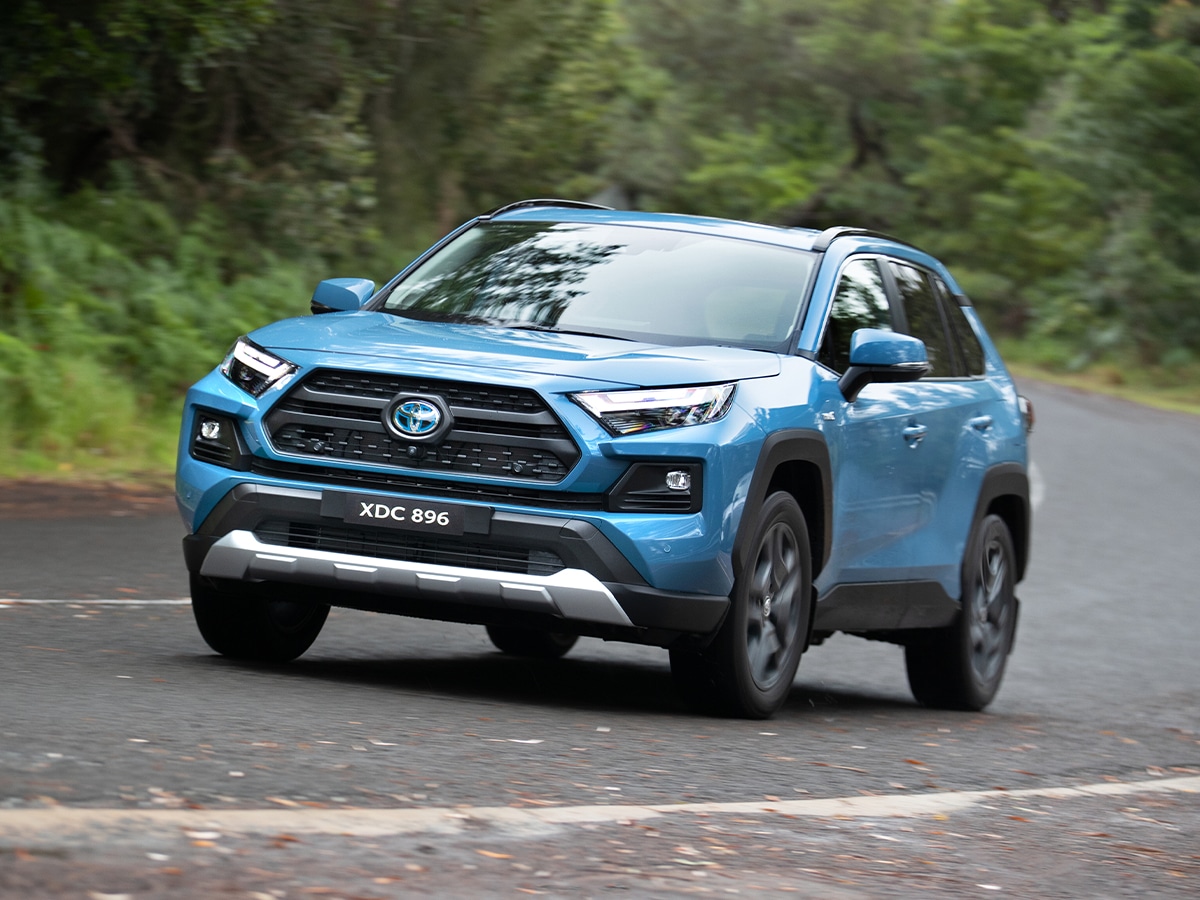
Mid-size SUVs are Australia’s most popular vehicles, and the good news here is that some of these can offer both more car for the money, and low running costs. Toyota’s move to make the RAV4 a hybrid-only option will help the brand manage its NVES emissions, but it will also help you save money at the bowser.
| Vehicle | Engine | Consumption | Annual Cost @ $1.90/litre | Annual Cost @ Current $2.29/litre | Annual Cost @ $2.80/litre | Annual Price Difference |
| Toyota RAV4 (2WD) | 2.5-litre 4-cyl Hybrid | 4.7 litres/100km | $1,339.50 | $1,614.45 | $1,974.00 | +$634.50 |
| Mitsubishi Outlander | 2.5-litre 4-cyl Petrol AWD | 8.1 litres/100km | $2,308.50 | $2,782.35 | $3,402.00 | +$1,093.50 |
When we look at the data table above, for the $2.80/litre annual cost, RAV4 families save more than $1,000 a year compared to a traditional petrol AWD SUV like the Mitsubishi Outlander.
Sure, the purchase price, ownership, and running costs are all important factors to consider too, but when we’re strictly talking fuel efficiency, the RAV4 hammers home our point. Think about this next time you’re heading into a showroom to upgrade your family car because the entry-level, petrol-powered variant might cost you more in the long run compared to PHEV and EV alternatives.
What Does a Fuel Crisis Mean for Australia’s Thirstiest Vehicles?
| Vehicle | Engine | Consumption | Annual Cost @ $1.90/litre | Annual Cost @ Current $2.29/litre | Annual Cost @ $2.80/litre | Annual Price Difference |
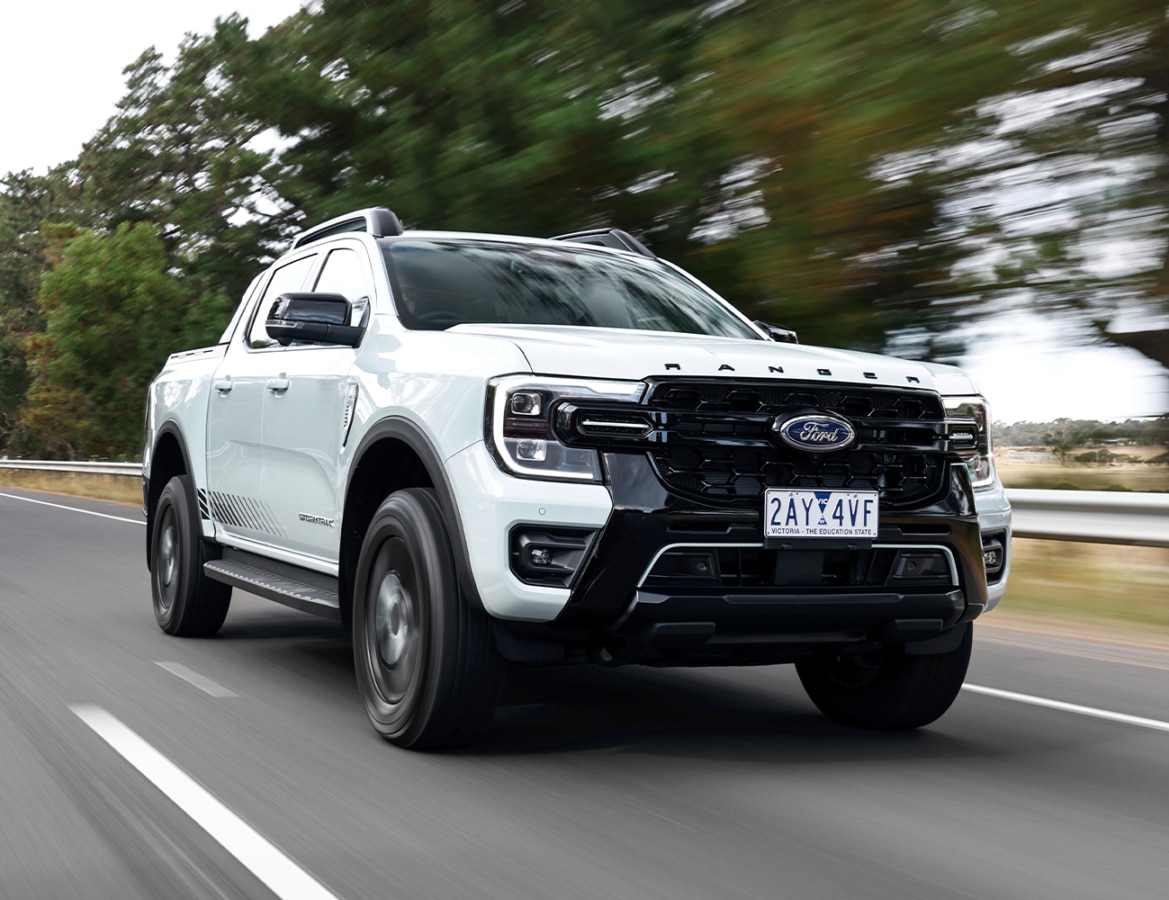
| Ford Ranger 4×4 | 3.0-litre V6 Turbo Diesel | 8.4 litres/100km | $2,394.00 | $2,885.40 | $3,528.00 | +$1,134.00 |
| Nissan Patrol Ti-L | 5.6-litre V8 Petrol | 14.4 litres/100km | $4,104.00 | $4,946.40 | $6,048.00 | +$1,944.00 |
| Ferrari Purosangue | 6.5-litre V12 Petrol | 17.3 litres/100km | $4,930.50 | $5,942.55 | $7,266.00 | +$2,335.50 |
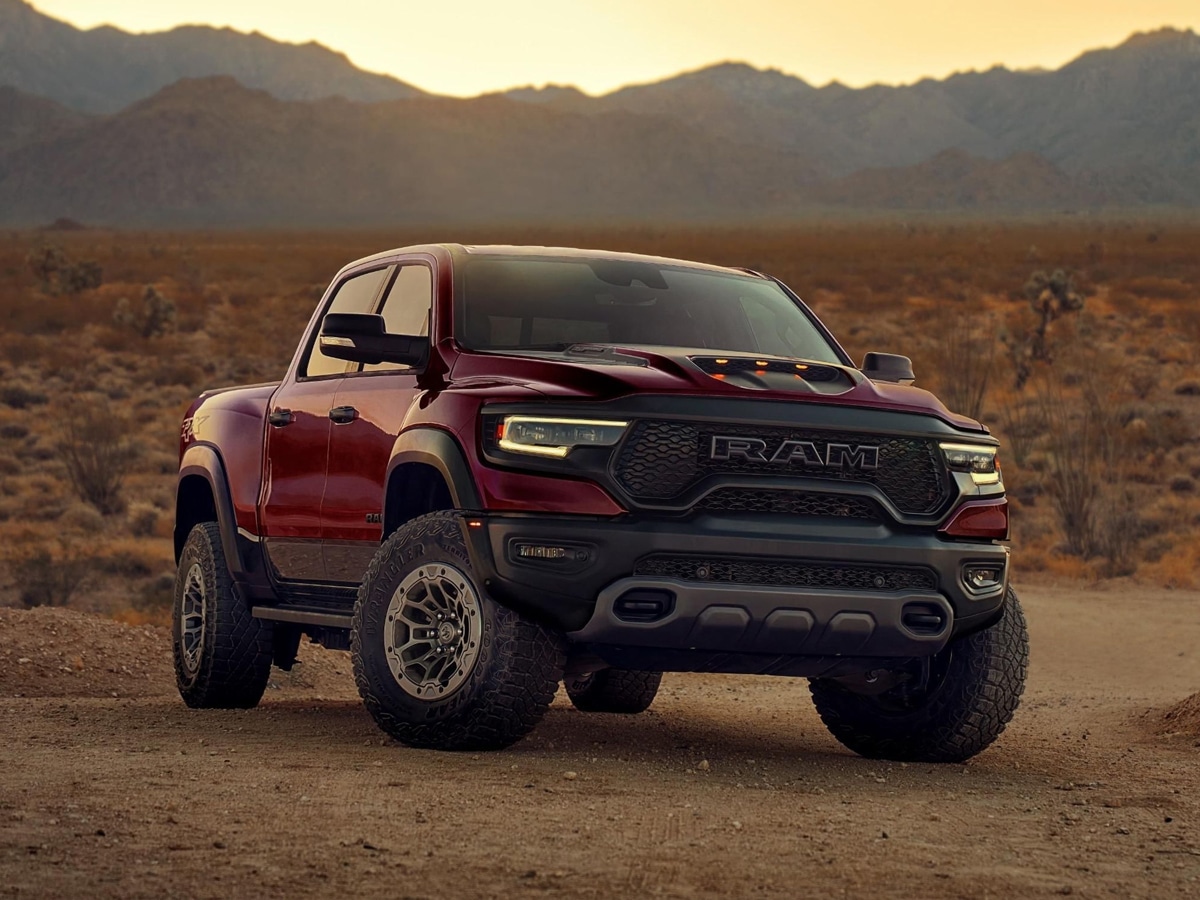
| RAM 1500 TRX | 6.2-litre Supercharged V8 | 19.6 litres/100km | $5,586.00 | $6,732.60 | $8,232.00 | +$2,646.00 |
Large dual-cab utes and SUVs are hit hardest by the fuel crisis and rising fuel prices. Here, we’re looking at a popular dual-cab ute in the Ford Ranger V6, a family-oriented off-roader, a high-performance Ferrari V12 SUV for reference (not that owners care), and the least fuel-efficient car that money can buy in Australia in the RAM 1500 TRX.
Following Ford’s decision to drop the popular 2.0-litre Bi-Turbo engine in 2026, Ranger buyers are forced to step up to the torquey 3.0-litre V6 diesel or opt for a PHEV alternative. With a combined fuel consumption of 8.4 litres/100km, that extra power from the V6 brings a steeper penalty, pushing the annual fuel bill to $3,528 at crisis prices.
Still, that’s a bargain compared to the Upper Large SUV segment or premium full-size pick-ups. The ultra-luxury Ferrari Purosangue demands 17.3 litres/100km, equating to almost $6,000 a year at the pump. Meanwhile, the RAM 1500 TRX gorges on fuel with an official claim of 19.6 litres/100km. If fuel hits $2.80 a litre, running a TRX will cost owners an additional $2,646 per year, or $8,232 annually.
The True Cost of a Thirsty Car During a Fuel Crisis
The best way to put the 2026 fuel crisis into perspective is to look at the absolute spread across the market to see just how much your vehicle choice dictates your cost of living.
| Vehicle | Engine / Tech | Consumption | Annual Cost @ $1.90/litre | Annual Cost @ Current $2.29/litre | Annual Cost @ $2.80/litre | Annual Price Difference |
|---|---|---|---|---|---|---|
| Ford Ranger 4×4 | 3.0-litre V6 Turbo Diesel | 8.4 litres/100km | $2,394.00 | $2,885.40 | $3,528.00 | +$1,134.00 |
| Nissan Patrol Ti-L | 5.6-litre V8 Petrol | 14.4 litres/100km | $4,104.00 | $4,946.40 | $6,048.00 | +$1,944.00 |
| Ferrari Purosangue | 6.5-litre V12 Petrol | 17.3 litres/100km | $4,930.50 | $5,942.55 | $7,266.00 | +$2,335.50 |
| RAM 1500 TRX | 6.2-litre Supercharged V8 | 19.6 litres/100km | $5,586.00 | $6,732.60 | $8,232.00 | +$2,646.00 |
If you’re commuting in a frugal Toyota Yaris Hybrid, a market spike to $2.80/litre will only cost you an extra $445.50 a year compared to the old $1.90 baseline, keeping your total annual fuel bill at a more manageable $1,386. Upsizing to a family-friendly Toyota RAV4 Hybrid only pushes that penalty to $634.50 and proves that you don’t have to sacrifice space to maintain a reasonable budget.
However, the pain at the pump escalates rapidly as you move to progressively larger vehicles. Step into a V6-powered Ford Ranger and you’ll cop a $1,134 annual increase to your fuel bill, which is already a rather expensive $3,528. But the true victim of the fuel crisis is the heavy-hitting RAM 1500 TRX. If fuel hits $2.80 a litre, TRX owners are coughing up a staggering $2,646 in extra fuel costs alone compared to the $1.90 baseline, bringing their total annual fuel bill to an eye-watering $8,232.
While highly efficient vehicle variants (hybrids, PHEVs, and EVs) often come with a higher upfront purchase price, it’s hard to question the long-term savings in today’s volatile fuel market.






























Comments
We love hearing from you. or to leave a comment.