

Updated:
Readtime: 13 min
Every product is carefully selected by our editors and experts. If you buy from a link, we may earn a commission. Learn more. For more information on how we test products, click here.
Kyoto is an enigma, existing somewhere between the Japan you imagine and the one you actually experience. Stepping off the Shinkansen into the city’s humid air brings immediate visions of temples, traditional wooden houses, and flowing waterways. All of that’s here, yet over 48 hours, Japan’s spiritual heart feels tantalisingly out of reach. It’s beautiful, tranquil, and occasionally bewildering.
Walking the eerily quiet streets of the northern Chayama district feels like stepping into a Murakami novel: familiar yet foreign, where things make sense and don’t all at once. We’re still not entirely sure who or what Kyoto is, only that we want to go back.
While the city deserves weeks to fully open up, we’ve distilled the best of it into two action-packed days blending atmosphere, food, craft, and a touch of luxury. Day one covers the eastern canal paths, central Kyoto, and the historic sake-brewing district of Fushimi; day two brings markets, riverside wandering, and afternoon tea at the Four Seasons. It’s an aspirational pace, so take it at your own speed.
Day One: Canals, Craft and Sake
A slow start beside Kyoto’s waterways, a taste of contemporary design, then south for the complex delights of the city’s historic sake district.
Early Morning: Philosopher’s Path
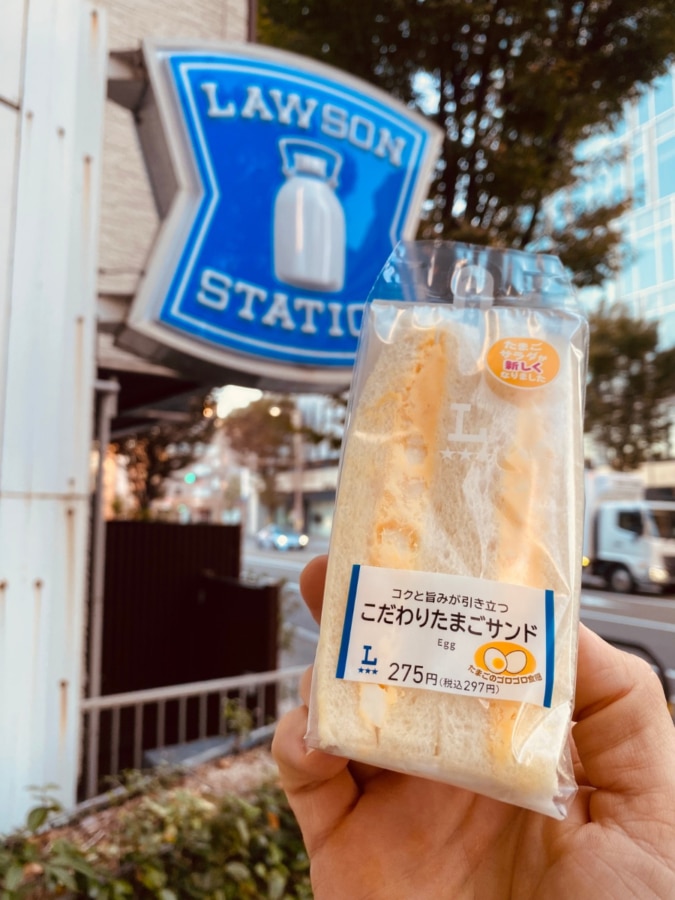
Grab a coffee and an egg sandwich from a konbini (7-Eleven, Lawson or FamilyMart, the beating heart of everyday life in Japan) and head out early. Start near Ginkaku-ji at the northern end of the Philosopher’s Path, a peaceful canal-side walkway named after the 20th-century philosopher Nishida Kitarō, who’s said to have used it for his daily meditations. Follow the canal south towards Hōnen-in and Eikando Temple, before arriving at Nanzen-ji. Early morning is the perfect time to enjoy the route while Kyoto is still quiet, with shrines and temple grounds dotted along the way.
Nanzen-ji is a real highlight, with expansive grounds that are free to explore. The paid temple buildings open at 8:40 am, with shorter visiting hours in winter. Both the Sanmon Gate and Hōjō Garden charge ¥600 admission for adults. Stop by the incense burner to make an offering, light a stick of incense and welcome in some good vibes. Don’t miss Suirokaku, the striking red-brick aqueduct within the temple grounds, whose Roman-style arches make a dramatic contrast with the surrounding greenery.
Late Morning: Sanjo and Contemporary Kyoto
From Nanzen-ji, make your way back towards central Kyoto and the Sanjo area. It’s a welcome change of scene, with contemporary cafés and independent shopping woven into the historic city. Take a coffee break at Blue Bottle Coffee, with its bright, spacious interiors, or 2050 Coffee, whose chrome-lined, zen-futurist aesthetic offers a glimpse of Kyoto’s coffee culture looking to the future. For something to take home, BLUE BLUE KYOTO specialises in selvedge denim, from distinctive jackets to jeans and other locally made pieces.
Early Afternoon: Fushimi Sake District, Kyoto Insider Sake Experience
Take the Keihan Line south to Fushimi, Kyoto’s historic sake-brewing district, where brewery-lined streets and traditional wooden buildings offer a more mellow change of pace from the city centre. First, stop for lunch at Torisei Honten, a lively izakaya run by Yamamoto Honke, the historic sake brewer founded in 1677. Try the kuradashi nama genshu, fresh, unpasteurised and undiluted sake served directly from the tank, alongside beer and delicious hot plates of chicken yakitori.
After lunch, explore the surrounding streets before settling in for a tasting with Kyoto Insider Sake Experience. The expert hosts unpack the history and intricacies of sake brewing, guiding you through local and regional varieties, their distinctive flavours and unexpectedly unique food pairings. Sake brewing, as it turns out, is a lot more interesting than you might expect, with a depth and complexity that often goes unappreciated outside Japan. Allow around 1.5 hours for the standard tasting, or three hours for the longer version, which includes a brewery or museum visit. An unexpected highlight of the Kyoto trip.
- Kyoto Insider Sake Experience
- 271-1 Kurumamachi, Fushimi Ward, Kyoto 612-8365, Japan
+81 70-7648-6609
kyotosakeexperience.com
Late Afternoon: Coffee and a Wander
If you finish the tasting with time to spare, stop at RUDIE, a small specialty-coffee stand and roastery on Fushimi’s Ryoma-dori shopping street, before catching the train back towards central Kyoto. RUDIE generally closes at 5 pm, so this works best after the shorter tasting; if you opt for the longer brewery tour, save your coffee stop for elsewhere.
Evening: Keep Dinner Local
After a full day exploring Kyoto, don’t overcomplicate dinner. Seek out a neighbourhood izakaya near your accommodation for grilled fish, yakitori, tofu and seasonal small plates, and enjoy a more spontaneous side of the city’s food culture.
We stayed in Chayama, north of the city centre, a quieter, more mellow neighbourhood close to Kyoto University of the Arts, near the area traditionally associated with Kyoto’s ‘Demon Gate’, the direction from which evil spirits were believed to enter the city (this wasn’t listed on the Google reviews). Staying outside the busiest districts offers a different perspective on Kyoto, with local eateries and everyday life just beyond the main sightseeing routes.
If you’d prefer to make dinner a destination, Hikiniku to Come Kyoto is a popular spot specialising in freshly grilled Japanese hamburger steaks served with just-cooked rice. The counter-style experience centres on freshly prepared patties, cooked in stages in front of you. It’s a distinctive meal, but plan ahead: the restaurant uses a registration system, so it’s worth checking the process before you arrive.
For a more traditional Kyoto dinner, look for an obanzai restaurant serving seasonal, home-style dishes, from simmered vegetables and tofu to small plates designed for sharing. It’s a neat way to finish the day without committing to a formal multi-course meal.
If you are not quite ready to call it a night, head toward Kiyamachi-dori for a late-night pour of Japanese whisky. Institutions like Bar K6 and Bar Cordon Noir stock hundreds of bottles behind the bar, making them ideal spots to sample hard-to-find single malts from Yamazaki, Hakushu, or Chichibu over hand-carved ice before heading back to your hotel.
 1/3
Day Two: Kyoto’s Everyday Delights
Morning: Where Kyoto’s Rivers Meet
Start the morning at Demachiyanagi, where the Kamo and Takano rivers meet at the Kamogawa Delta. Locals gather here to stroll, sit by the water and hop across the river on stepping stones, some shaped like turtles and birds. Join in for a taste of everyday Kyoto, with the surrounding mountains and the city slowly waking around you.
From here, head south-west towards Kyoto Imperial Palace Park, a vast expanse of gravel paths, lawns and mature trees surrounding the former imperial residence. Take a leisurely wander through the grounds and enjoy a quieter side of the city before the day’s sightseeing begins. Entry to the park is free.
Mid-morning: Vinyl and Caffeine
Stop at Me Me Me Coffee House for a caffeine fix before making your way towards central Kyoto. It’s a cosy, characterful café where you can slow down over soft vinyl records, well-made coffee, and delicious breakfast (try the meat toast). Keep your morning loose enough to enjoy the neighbourhood rather than turning it into a march between pins on a map.
Late Morning: Nishiki Market
Known as Kyoto’s Kitchen, Nishiki Market is a narrow, covered shopping street packed with vendors selling local produce, pickles, sweets, seafood and all manner of Kyoto delicacies. Come hungry, browse slowly and share some things as you go.
One of the more memorable finds is octopus with a tiny quail egg tucked inside its head: an unusual little snack that makes for a distinctively Kyoto food moment. You’ll also find Kyoto-style pickles, fresh dashimaki tamago (Japanese rolled omelette), soy-milk doughnuts, and matcha treats. The market is popular, so arrive in the late morning, when more stalls are open, and expect crowds as the day progresses. A handy tip: rather than eating while walking, enjoy your snacks beside the stall where you bought them – the market’s vendors kindly request it.
Early Afternoon: Gion
From Nishiki, make your way east to Gion, where narrow lanes, wooden machiya townhouses and traditional teahouses offer a glimpse of Kyoto’s historic entertainment district. Take your time wandering the streets, particularly around the picturesque Shirakawa Canal, where willow trees and old wooden buildings create a softer counterpoint to the busier shopping streets.
For a breather, stop at Café Renversé, which felt like a refreshing oasis during our visit. It’s a lovely place to pause over a drink or something sweet before continuing your wander.
If you’d like a deeper understanding of Gion’s geiko and maiko traditions, consider booking a guided cultural walk. Kyoto Free Walking Tour offers a Gion and Higashiyama walk focused on the district’s history, traditional arts and local etiquette. For a more immersive, bookable cultural experience, Ken’s Tours Kyoto also offers guided walks and experiences centred on geiko and maiko culture. Check the current itineraries and availability before booking.
Remember that Gion is a living neighbourhood as well as a sightseeing destination. Geiko and maiko are working professionals, not tourist attractions, so never stop, follow or photograph them without permission. A guided experience is a much better way to learn about the traditions behind the district.
Afternoon: Four Seasons Hotel Kyoto
Afternoon tea at Four Seasons Hotel Kyoto’s EMBA KYOTO GRILL is an experience in its own right. The waterfront terrace setting, overlooking the hotel’s 800-year-old Shakusui-en pond garden and Sukiya-style tea house (fuju) on the opposite bank, is immaculate and deeply tranquil. Coupled with polished hospitality, it offers a delicate contrast to the street food and neighbourhood wandering earlier in the day.
Stay a little longer to explore SEY, the hotel’s reimagined cocktail bar, and enjoy a few Kyoto-inspired signature cocktails that draw on local ingredients and Japanese flavours, while overlooking the hotel’s historic garden. The hotel also hosts cultural entertainment and special performances on selected evenings, including the traditional geisha dance performance we experienced during our visit. Check the schedule ahead of time to see what’s on during your visit.
Good to Know: Four Seasons Hotel Kyoto
- Experience: Seasonal afternoon tea at EMBA KYOTO GRILL, overlooking the Shakusui-en pond garden.
- Address: 445-3 Myohoin Maekawa-cho, Higashiyama-ku, Kyoto 605-0932, Japan.
- Price: ¥7,000 per person on weekdays; ¥7,800 on weekends and public holidays for the autumn 2026 menu.
- Duration: Two hours. Seatings at 12 pm, 12:30 pm, 2:30 pm and 3 pm.
- Bookings and current menu: Official Four Seasons afternoon tea page.
Evening: Dinner and a Final Frink
For a memorable final dinner, Ten Made comes highly recommended. This newer spot serves creative, soulful set menus in a cosy, contemporary setting, making it a fitting end to a couple of days spent exploring Kyoto’s many layers.
If the timing works, round things off with a drink nearby at SiCX Kyoto Distillery & Cafe Bar, where you can enjoy an exemplary craft gin cocktail alongside the working distillery. A fitting final stop for gin lovers.
On the other hand, if gyoza is on your agenda, Gyoza Hohei is another popular stop. Known for its distinctive dumplings and recognition in the Michelin Guide, it’s worth considering if you’d prefer a more casual final meal. (The restaurant does not take advance reservations, and queues can build during peak dinner hours.)
Where to Stay in Kyoto
- Best for five-star sanctuary & garden views: Four Seasons Hotel Kyoto (Higashiyama) — Built around an 800-year-old pond garden with a private tea house, subterranean spa, and tranquil temple-district surrounds.
- Best for modern luxury & wellness: Six Senses Kyoto (Higashiyama) — A contemporary hideaway blending Japanese craft, Zen gardens, and holistic spa facilities steps from Gion.
- Best for design & walkability: Ace Hotel Kyoto (Downtown / Nakagyo) — Designed with Kengo Kuma, featuring in-room turntables, great courtyard dining, and easy walking access to Nishiki Market and whisky bars.
- Best for stylish mid-range value: NOHGA HOTEL KIYOMIZU KYOTO (Higashiyama) — A sleek, art-filled boutique stay with a rooftop bar, ground-floor bakery, and local craft touches.
- Best for authentic machiya heritage: Nazuna Kyoto Tsubaki St. (Central Kyoto) — A restored lantern-lit alleyway of traditional Meiji-era wooden townhouses featuring private semi-open-air baths.
- Best for a classic ryokan experience: SOWAKA (Gion) — A luxury boutique inn set inside a renovated 100-year-old sukiya-style residence with tatami suites and a private garden.
- Best for quiet, local living: Chayama & Northern Sakyo Ward — Book a boutique machiya rental or local guesthouse near Kyoto University of the Arts for leafy residential streets, indie cafés, and zero tourist crowds.
Kyoto FAQs
Kyoto’s public transport network is extensive, though subway and train lines do not reach every attraction directly. You will often need to combine trains with city buses, walking, or cycling. Because traffic can make bus journeys slower than expected around popular sights, group your attractions by neighbourhood, leave flexibility between stops, and check routes via the official Kyoto transport guide as a useful starting point.
While the towering bamboo is beautiful, reaching western Kyoto takes a sizeable chunk of your day depending on where you are staying. The grove is also heavily crowded with visitors competing for photos. If it is a personal must-see, arrive early in the morning; if you are short on time, Kyoto offers plenty of quieter, more relaxed spots that are easier to fit into a 48-hour itinerary.
If you have an extra day, swap another round of central sightseeing for Kurama, a mountain village north of the city. The journey offers a welcome change of pace, featuring forested trails, historic temples, and Kurama Onsen, where you can soak in an outdoor hot spring surrounded by nature. Check the onsen’s current opening arrangements before travelling, as occasional closures can affect access.
Head beyond the headline sights to the neighbourhoods around Kyoto University of the Arts and the city’s northern districts. These residential pockets offer an everyday perspective on Kyoto, complete with independent cafés, quiet backstreets, and smaller temples. Leave room in your schedule to wander without a fixed destination, as many of the most rewarding moments happen outside the main tourist hubs.



























Comments
We love hearing from you. or to leave a comment.