

Updated:
Readtime: 9 min
Every product is carefully selected by our editors and experts. If you buy from a link, we may earn a commission. Learn more. For more information on how we test products, click here.
Don’t overeat. Stay physically active. Get enough sleep. Keep those stress levels low. Maintain a network of close friends and family. How hard could it be? Pretty hard, it turns out. And as a direct result, a massive industry of supplements, wearables, books, celebrities, technologies, diets, trends, pills, apps, and other wellness solutions continues to thrive. And in 2026, an already wild health industry is going to get even wilder. Smart toilet, anyone?
Forget the creatine shakes and cold plunges because we’re entering a brave new world of fitness tracking and bio-hacking. However, don’t take our cheeky tone to mean that these science-driven solutions won’t actually work. Just ask Bryan Johnson, the world-famous biohacker who drops millions of dollars a year trying to reverse the aging process. You might need pockets as deep as his to afford some of these products, but you can still get your journey started with a trusty wearable. Here’s a closer look at the best ways to optimise your health in 2026.
Oura Ring
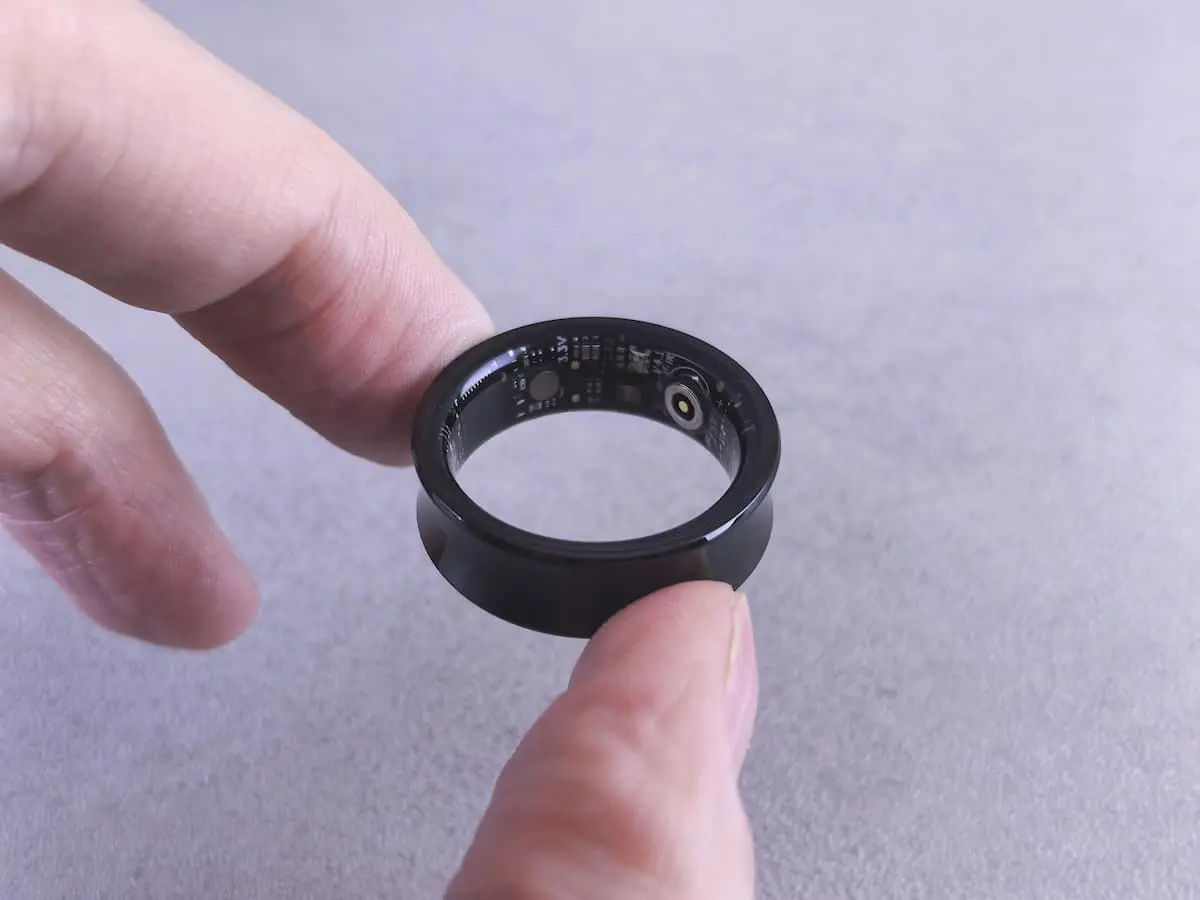
Let’s kick off our list with one of the world’s most popular wearables: Oura Ring. Purchase one of these rechargeable smart rings and wear it on your finger to keep track of vital fitness metrics, including heart rate, stress levels, and sleep. While there is some basic functionality included with your purchase, a subscription is necessary for the best results. Pretty much anyone can benefit from using an Oura Ring, but it’s especially helpful for people with health conditions that should be closely monitored.
Price: $599 – $850 AUD (depending on finish) + approx. $9.50 AUD/mo subscription.
Availability: Now widely available in Australia through JB Hi-Fi and Amazon AU, or direct via Oura (shipping from overseas).
Best for: People who want elite sleep and recovery data without wearing a glowing screen on their wrist 24/7.
Yes. It is widely considered the industry leader for consumer-grade sleep tracking. Its “Readiness Score” is highly regarded by athletes and biohackers for determining when to push or rest.
Apple Watch
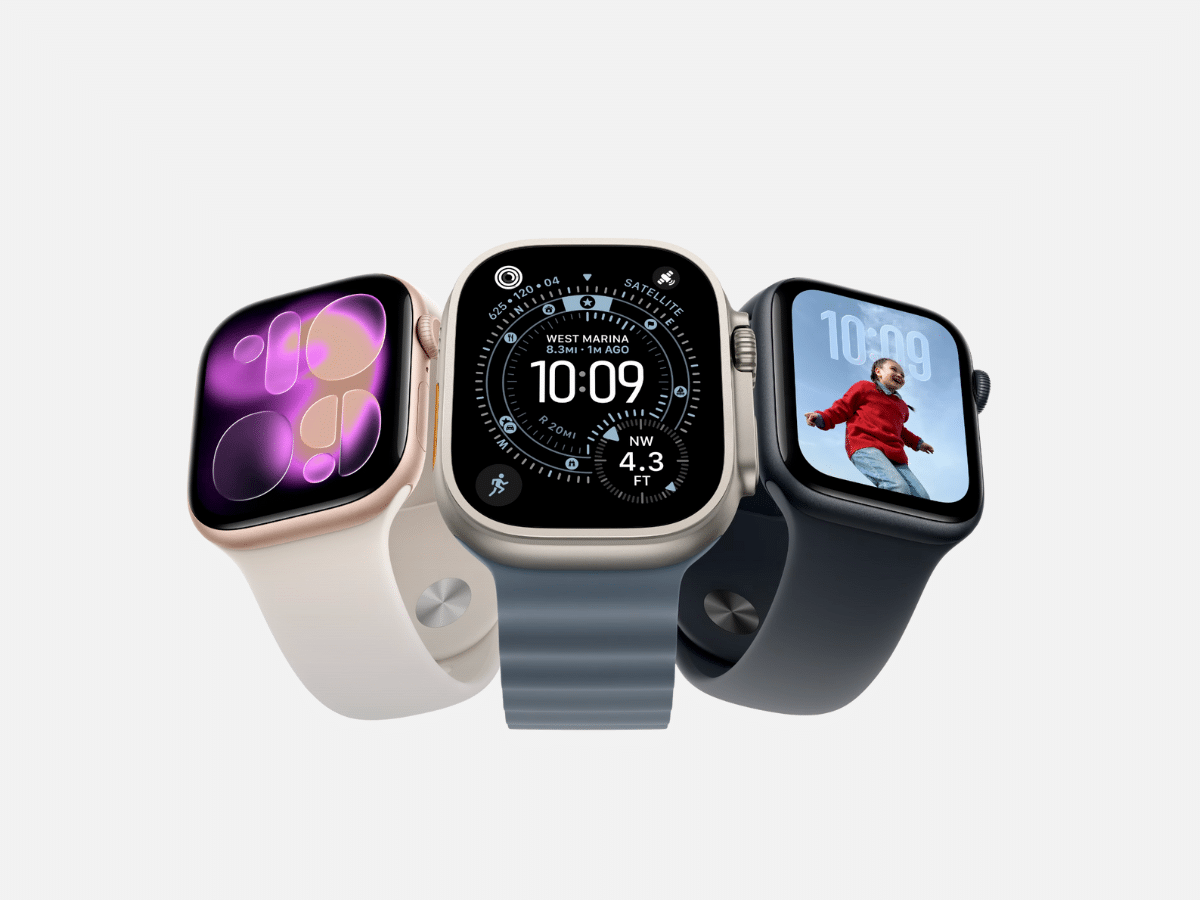
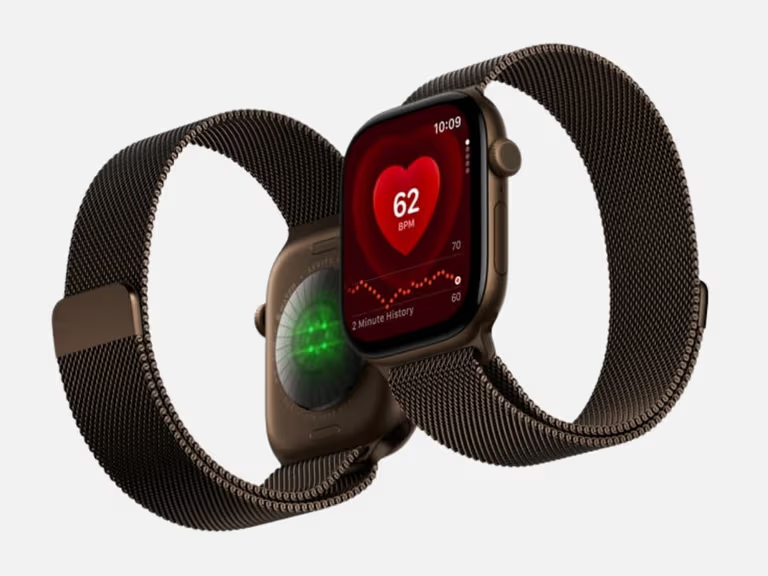
Once an industry gamble, Apple’s smartwatch is now in its 11th generation. The popular wearable can measure biometrics with more accuracy than ever before, and even alert users to things like elevated blood pressure. From fitness regimens to daily communications, this gadget continues to lead the charge (pun intended), and looks reliably sleek in the process.
Price: Starts at $399 USD / $679 AUD (Aluminum) to $749+ USD (Titanium).
Availability: Global; available at Apple Stores and all major electronics retailers.
Best for: The “everyday athlete” who wants a seamless extension of their iPhone and proactive medical alerts (ECG, Fall Detection, Hypertension).
Does it work? Yes. It is arguably the most clinically validated consumer wearable. The new 2026 sleep apnea and hypertension alerts have turned it into a legitimate early-warning system for chronic conditions.
Throne One
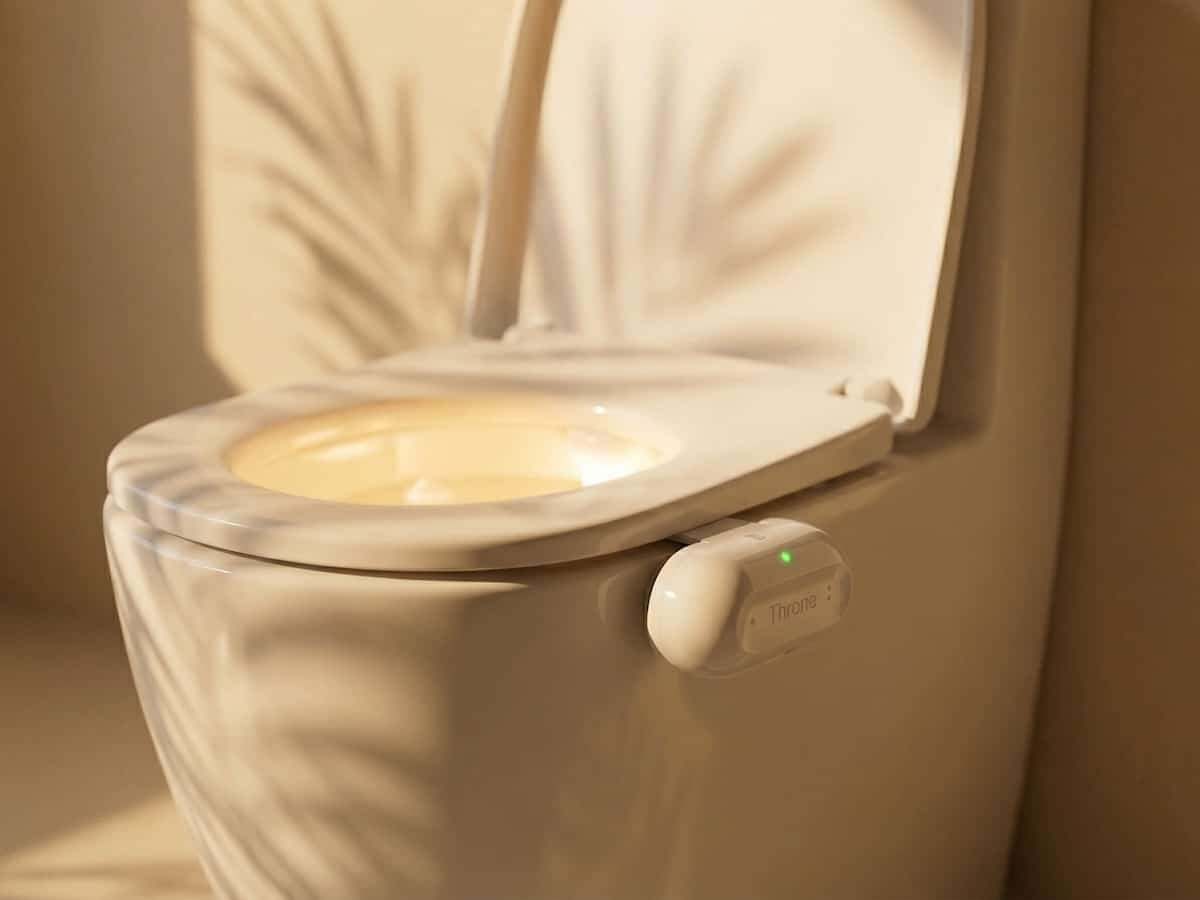
Now that we’ve covered a few mainstays, let’s veery into more… niche… territory with the Throne One. This advanced sensor attaches to your toilet to track bathroom behaviour, complete with an audio/visual feed that gets channeled through “computer vision models” for personalised feedback. It heeds the call for an increased focus on the gut microbiome, i.e. a collection of microorganisms inside your gut with reported connections to immunity, stress, and even cognitive function.
Price: Approx. $520 AUD (conversion from $339 USD) + $9 AUD/mo membership.
Availability: Direct via Throne Science. Shipping to Australia is available but expect a 2–3 week wait as they fulfill early 2026 pre-orders.
Best for: Anyone obsessed with gut health or managing conditions like IBS who wants a hands-off way to track hydration and waste.
Does it work? Promising. It’s basically an automated Bristol Stool Chart. It doesn’t diagnose disease, but it’s brilliant for spotting which foods or stress levels are actually messing with your digestion.
Prenuvo Full-Body MRI Scans
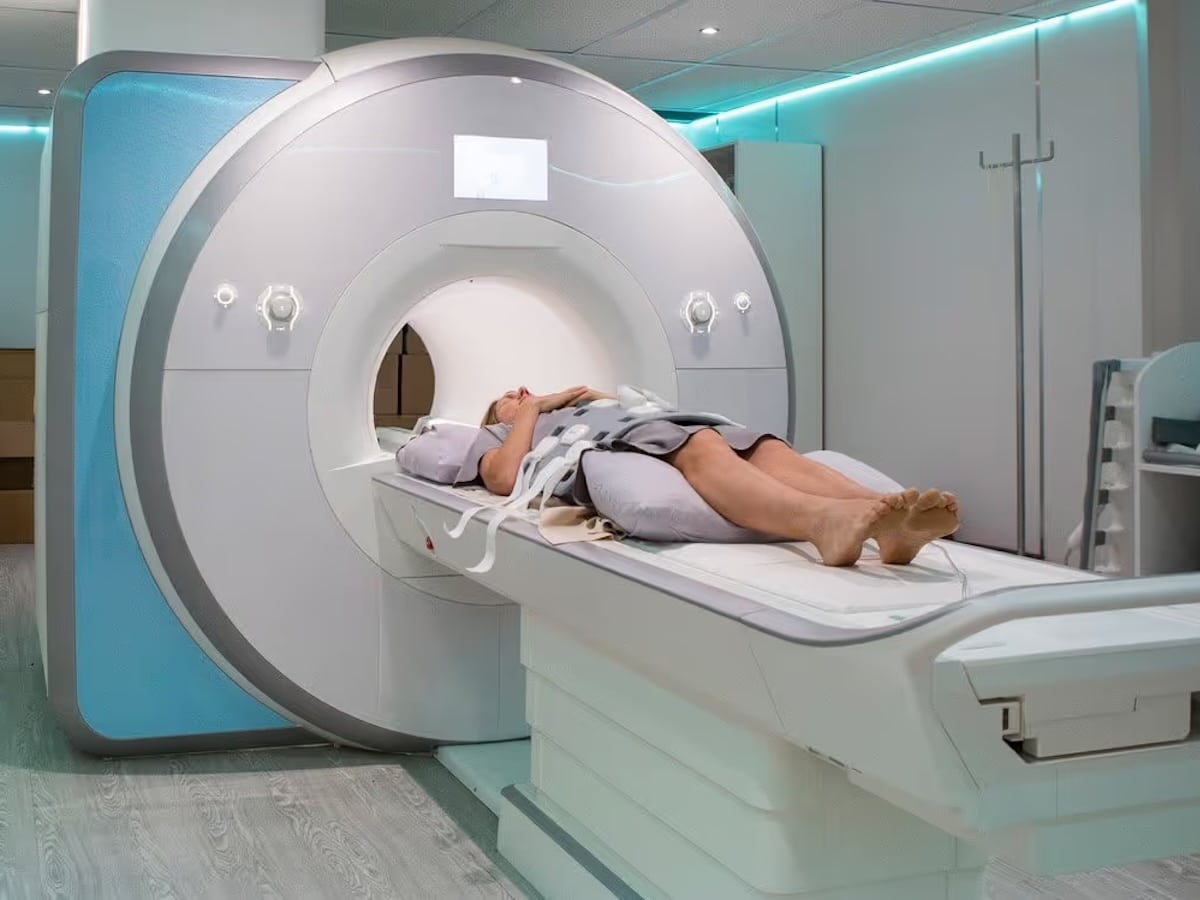
Founded in 2018 and endorsed by Kim Kardashian, Prenuvo (and companies like it) represents a new frontier of preventative care. Whereas an MRI scan was once a reactive measure, meaning you would only get one to figure out what’s already wrong, it’s now yours to hire for early cancer detection, among other things. A full-body scan costs approximately USD$2500 and looks for everything from potential anomalies to full-blown red flags. Some experts call it a costly measure with no clear path forward in terms of treating conditions that may not yet exist. On the other hand, you can never be too careful, especially if you have Kardashian money.
Price: Approx. $3,800 – $6,000 AUD.
Availability: Limited. While Prenuvo hasn’t opened a flagship in every Aussie city yet, similar high-end preventative MRI services are now operating in Sydney, Melbourne, and Brisbane (e.g., Everlab).
Best for: Those with a high family risk of cancer or “preventative” peace of mind, provided you have the significant spare cash.
Does it work? Yes, but with a catch. It will find things. The “work” part is deciphering if what it found is a dangerous tumour or just a harmless “incidentaloma” that leads to unnecessary anxiety and more tests. Honestly, why not just go to a doctor?
Rythm At-Home Blood Panels
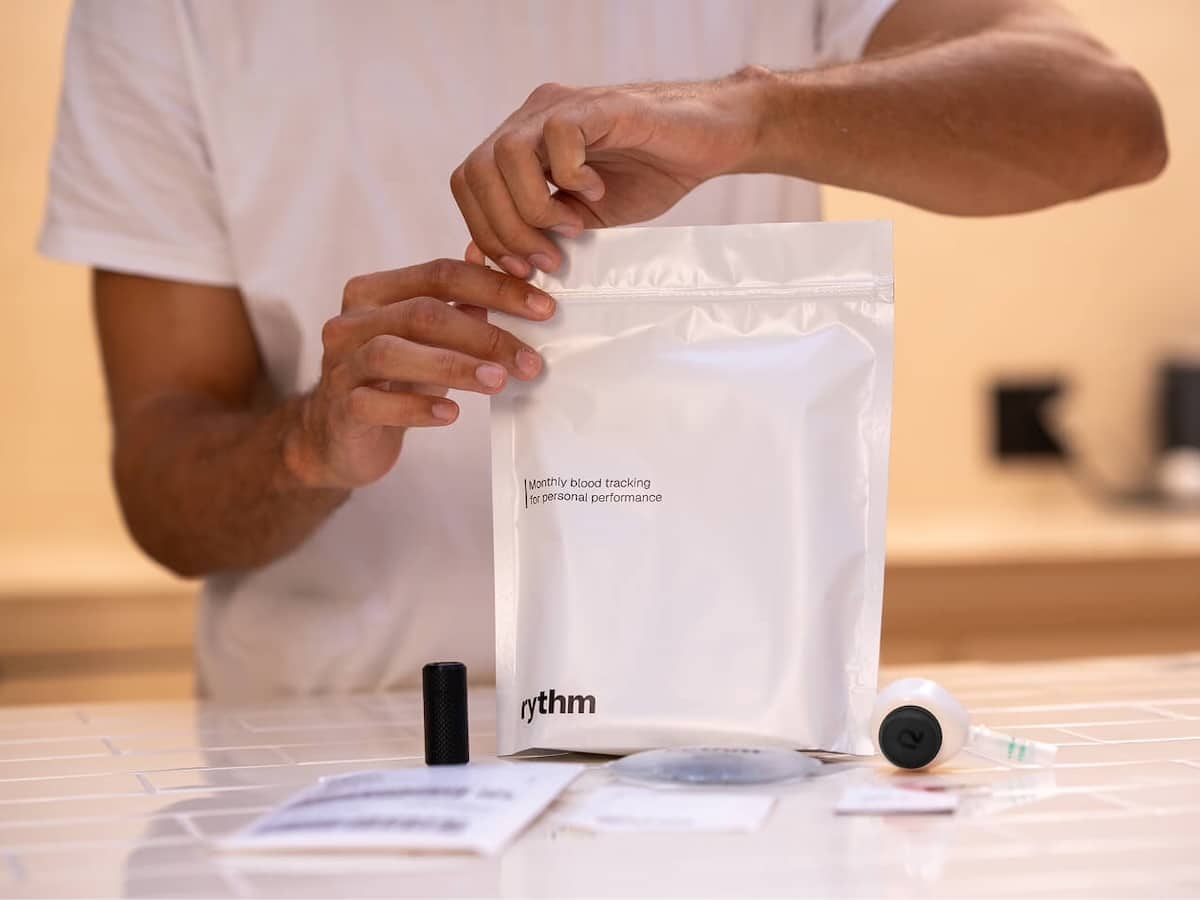
Fitness trackers can be helpful and all, but they’re nothing compared to a comprehensive blood panel. With companies like Rythm Health, you can get the perks of a regular check-up, minus the check-up. For USD$79 a month, they send you everything you need to draw blood at home, including a nifty little contraption that makes needles look downright primitive. Mail the blood to their in-house lab for a full-body overview, which examines key biomarkers across hormones, heart, metabolism, and more.
Price: Approx. $120 AUD per kit/month.
Availability: Depends on your jurisdiction. Rythm Health is available in the US, while Everlab offers blood-testing along with more comprehensive services in Australia.
Best for: People who want to track hormones, vitamins and other biomarkers without the hassle of a GP referral and a trip to a pathology clinic.
Does it work? Sure. The “painless” device offered by Rythm is the real deal; it uses a vacuum to draw blood from the arm so you don’t have to face a needle. But it shouldn’t be considered an alternative to a health professional.

Tonal 2
With each passing year, a new product or innovation makes our gym membership seem that much more unnecessary. Indeed, why go to the gym when you can score a Tonal 2 instead? It scales the experience down to size but cranks up the technology factor to deliver the best of all worlds. A mirror-sized touchscreen doubles as an AI-powered assistant, tracking progress, offering workouts, and even coaching you on proper form and technique. The machine comes with 250 lbs (almost 115kg) of resistance, while an additional smart accessories bundle features handles, a smart bar, a bench, a workout mat, a roller, and other essentials.
Price: Approx. $6,500 AUD + approx. $90 AUD/mo subscription.
Availability: Still largely a specialist import or direct via Tonal. Professional installation in Australia can be tricky outside of major metro areas.
Best for: People with high-spec home gyms who want a personal trainer’s guidance without the physical trainer being in the room. Also great for smaller spaces like apartments.
Does it work? Yes. The digital weights are arguably better than real plates because they can add or drop resistance mid-rep based on how much you’re struggling.
Ascentiz H1 Pro Exoskeleton
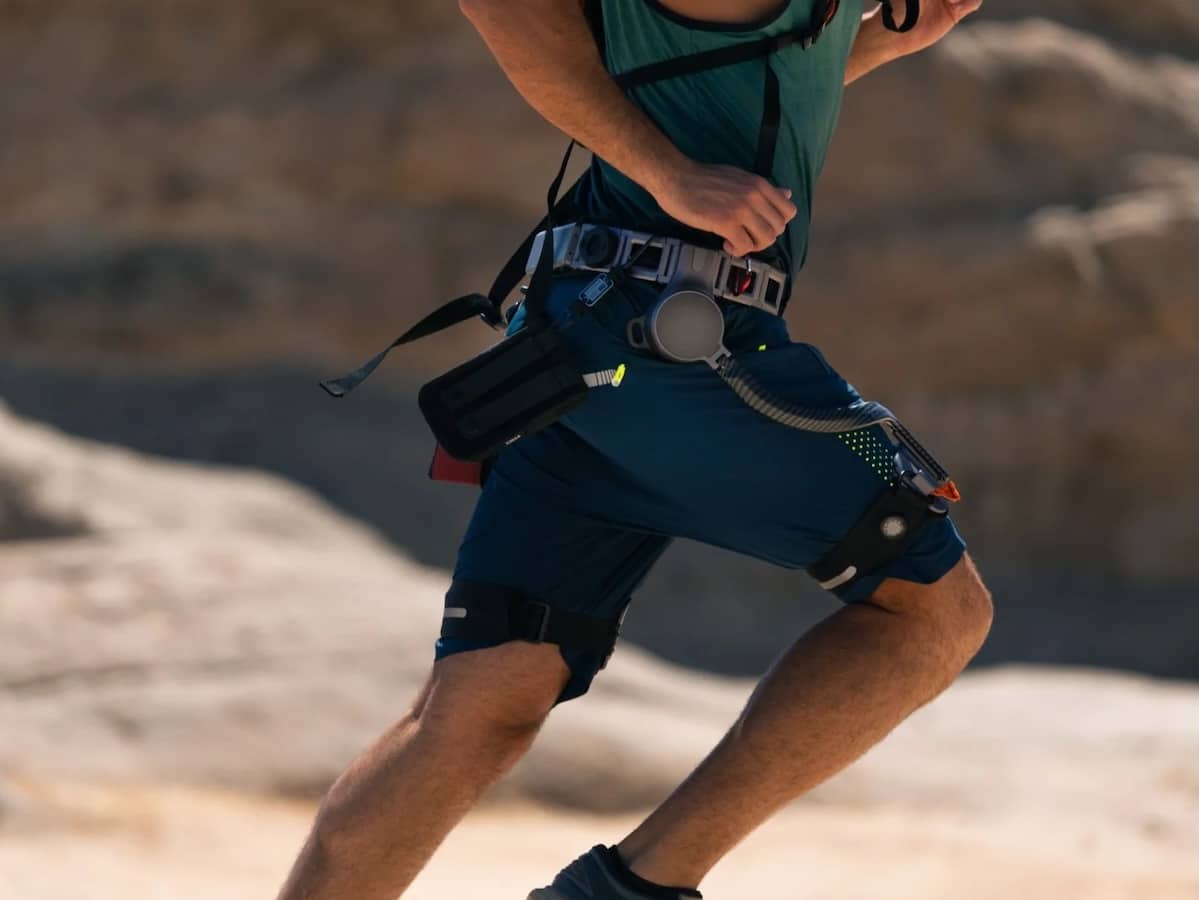
An e-bike for your body is one way to think of the emerging “exoskeleton” market, with brands like Ascentiz and Dnsys leading the way. Backed by a mega-successful Kickstarter campaign, the H1 Pro touts a modular design, with respective hip and knee modules that attach to a utility belt. Select a user mode and then let the high-torque motor system and AI sensors get to work, lightening the physical load as you walk, run, or hike. May it help take you over the finishing line of whatever adventure you seek.
Does it work? Price: Starts at approx. $1,700 AUD for the base model.
Availability: Available for order to Australia following their global rollout. Expect to pay significant GST and import duties on arrival.
Best for: Hikers with bad knees, elderly users looking for mobility, or people carrying heavy packs long distances.
Does it work? Yes, as an assist. It’s not a “super-soldier” suit; it’s more like an e-bike for your legs. It provides enough torque to make a steep 5km hike feel like a flat 2km walk.
Sun Stream Evolve Mini Infrared Sauna
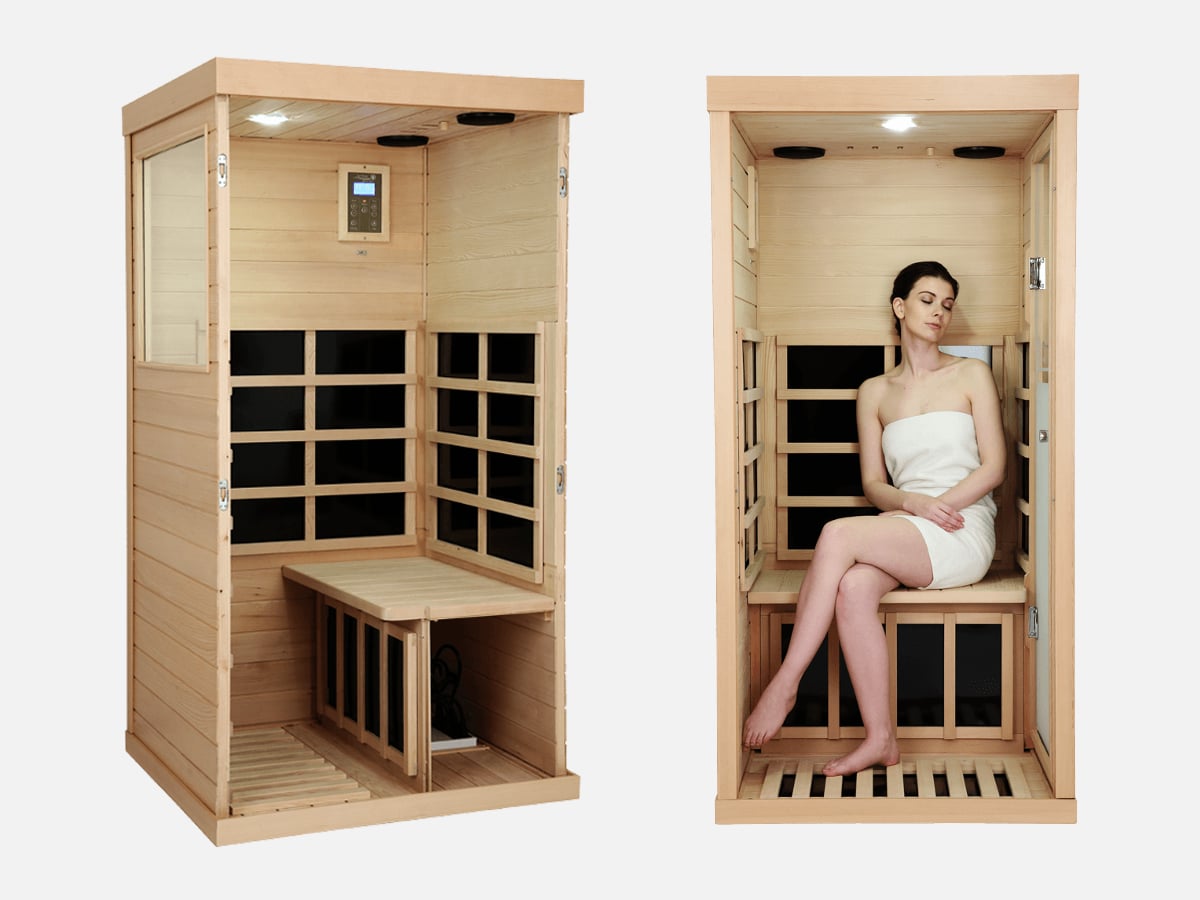
A personal sauna isn’t just for the millionaires anymore. Thanks to recent advancements, one can score products like an Evolve Mini Infrared Sauna for less than AUD$4,000. Okay, okay, it’s still pretty expensive, but it’s not completely out of reach. And what is an “infrared” sauna? You might ask. Basically, it uses infrared light instead of hot air or steam, resulting in a direct, dry heat. We even tried one for ourselves to discover that detoxifying is even better at home.
Price: Approx. $3,995 AUD / $2,600 USD.
Availability: Available in Australia, NZ, and the US through specialist sauna retailers.
Best for: People looking for recovery and detoxification who don’t have the space (or the electrical wiring) for a traditional 240V steam sauna.
Does it work? Yes. Infrared saunas heat the body directly rather than the air. It’s effective for muscle soreness and heart health (mimicking light cardio), though the “detox” claims are often exaggerated by marketing.


















Comments
We love hearing from you. or to leave a comment.